Animals Worksheets for Ages 4-8 - Page 3
66 filtered results
-
From - To
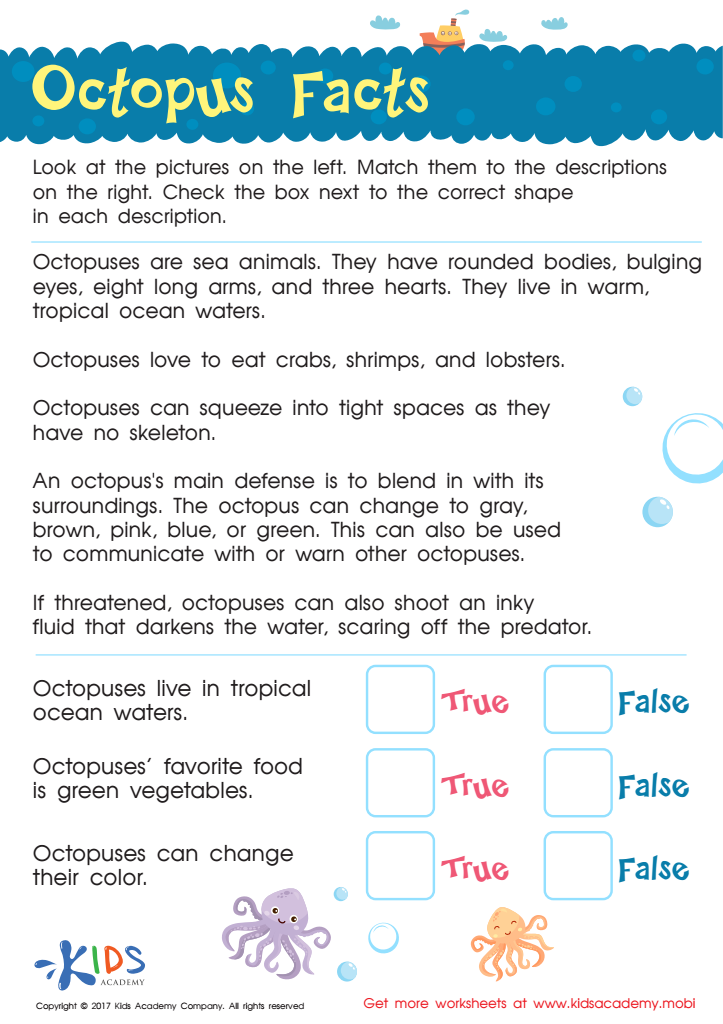
Octopus Facts Worksheet For Kids
 Assign to My Students
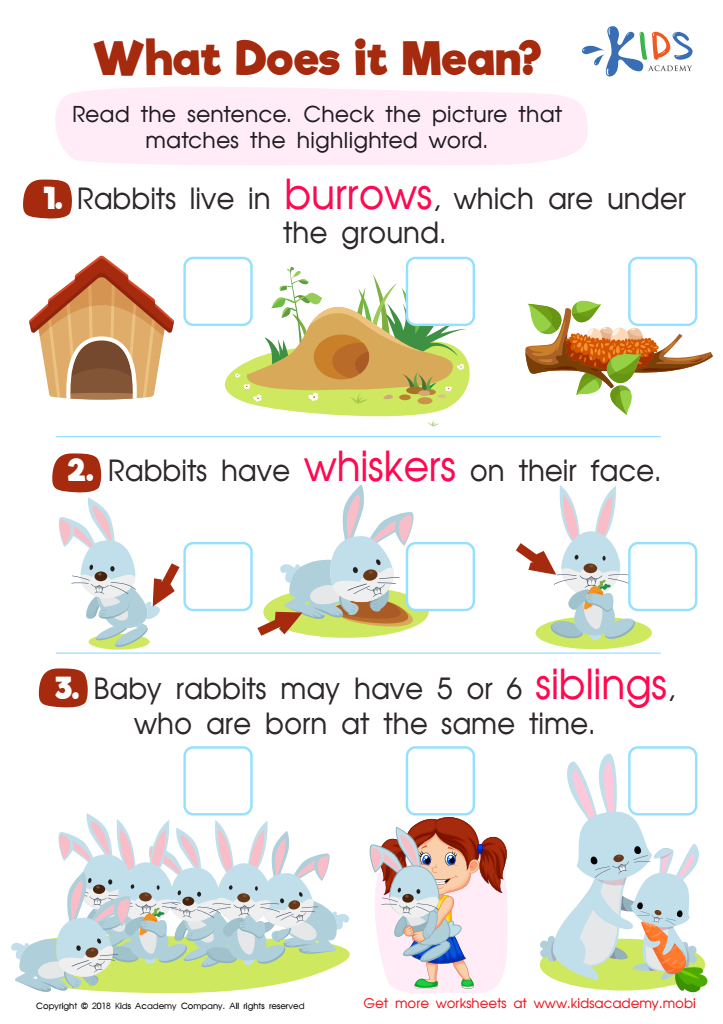
What Does It Mean? Worksheet
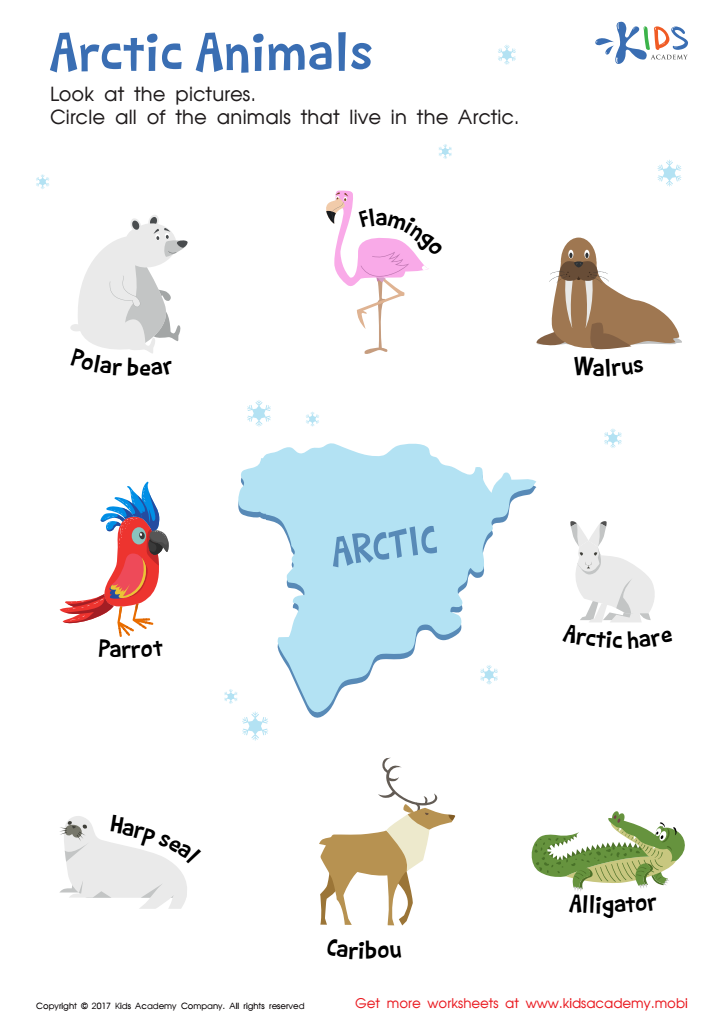
Arctic Animals Worksheet
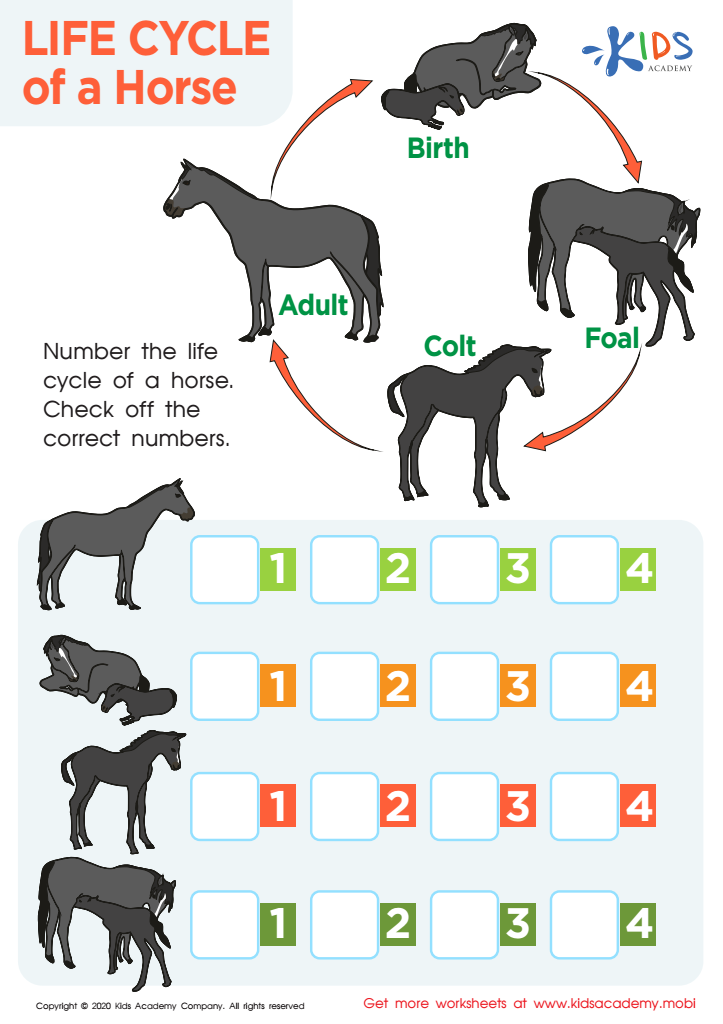
Life Cycle of a Horse Worksheet
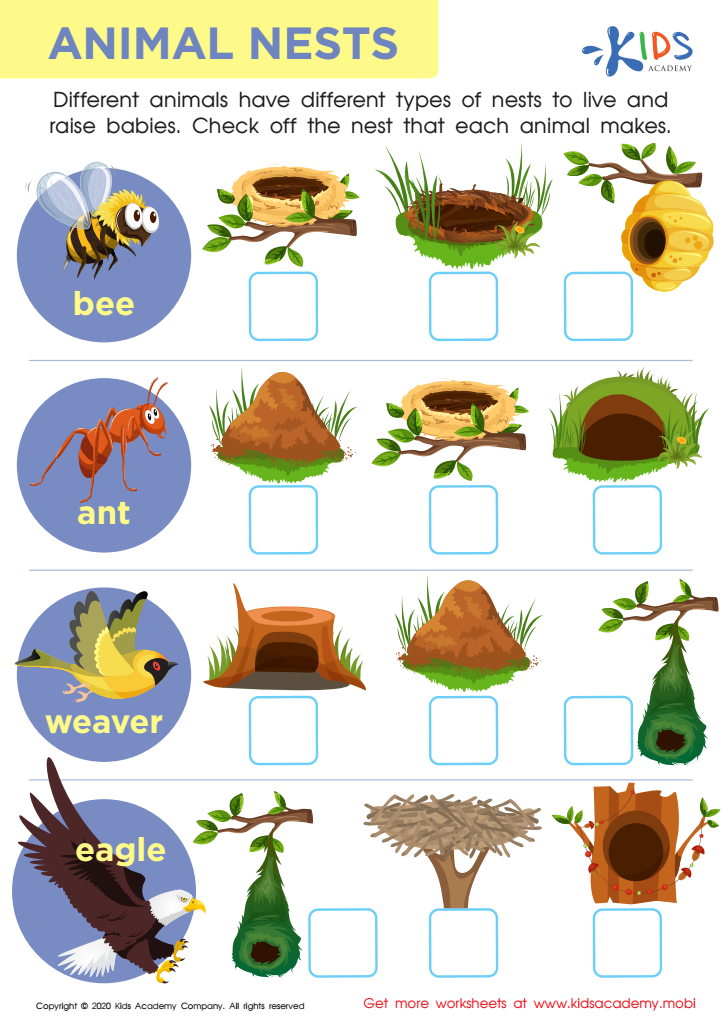
Animal Nests Worksheet
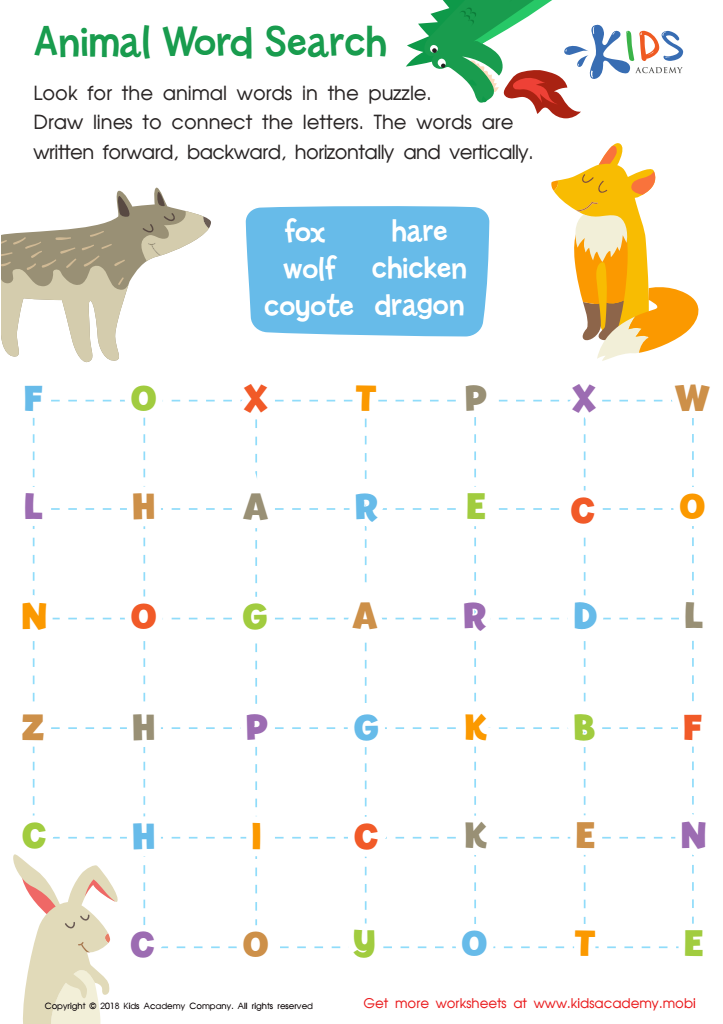
Animal Word Search Worksheet
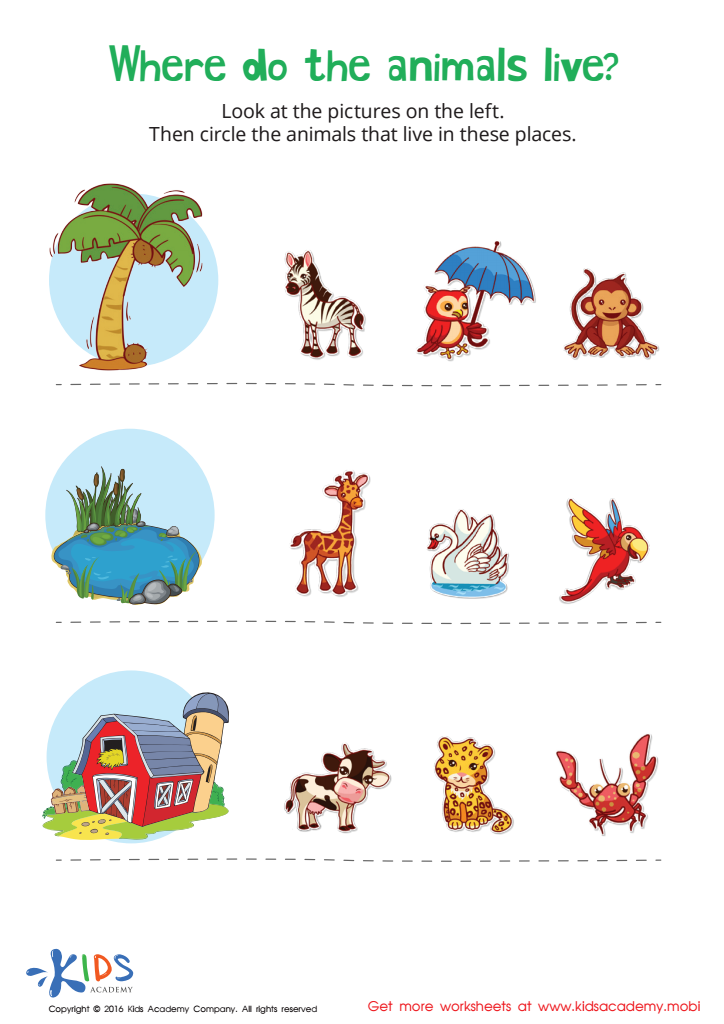
Where Animals Live Worksheet
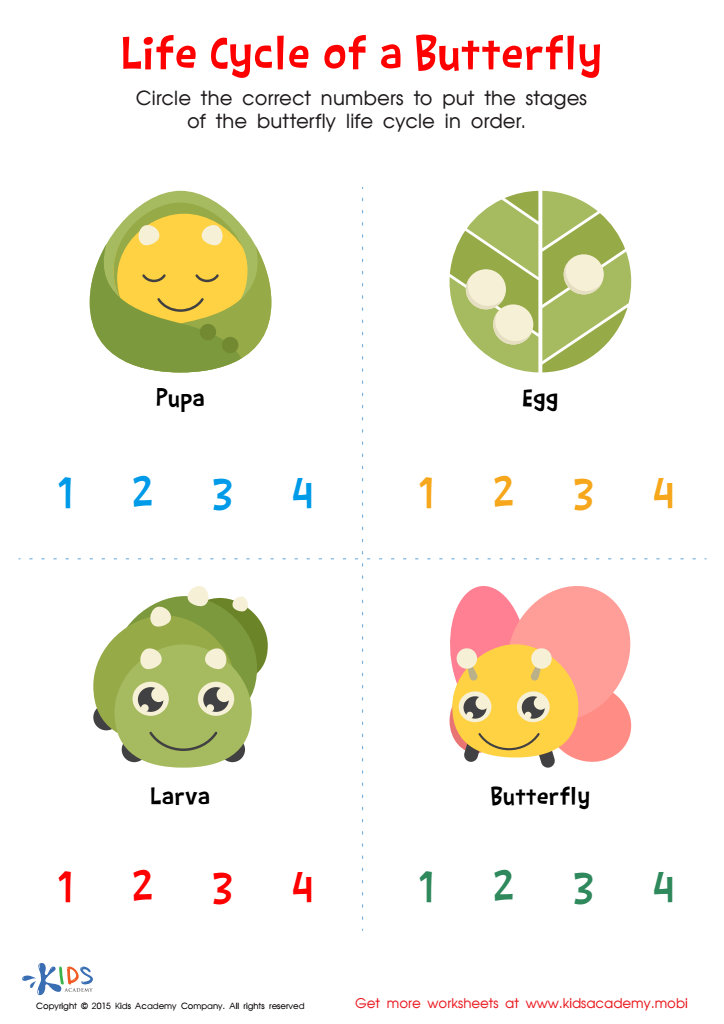
Life Cycle of Butterfly Printable
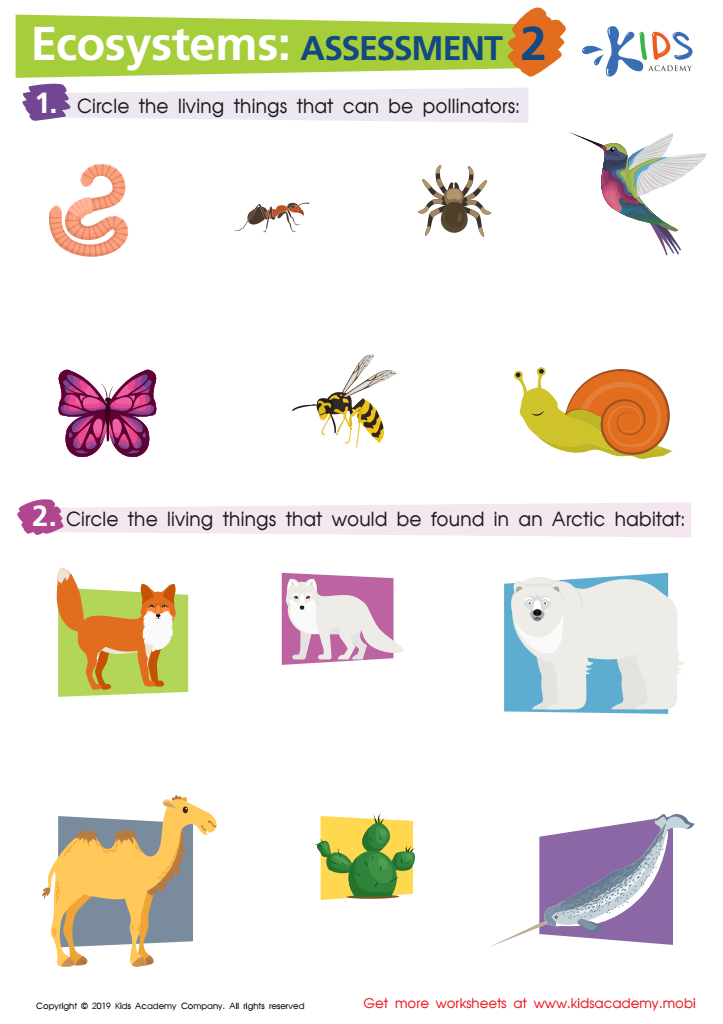
Ecosystems: Assessment 2 Worksheet
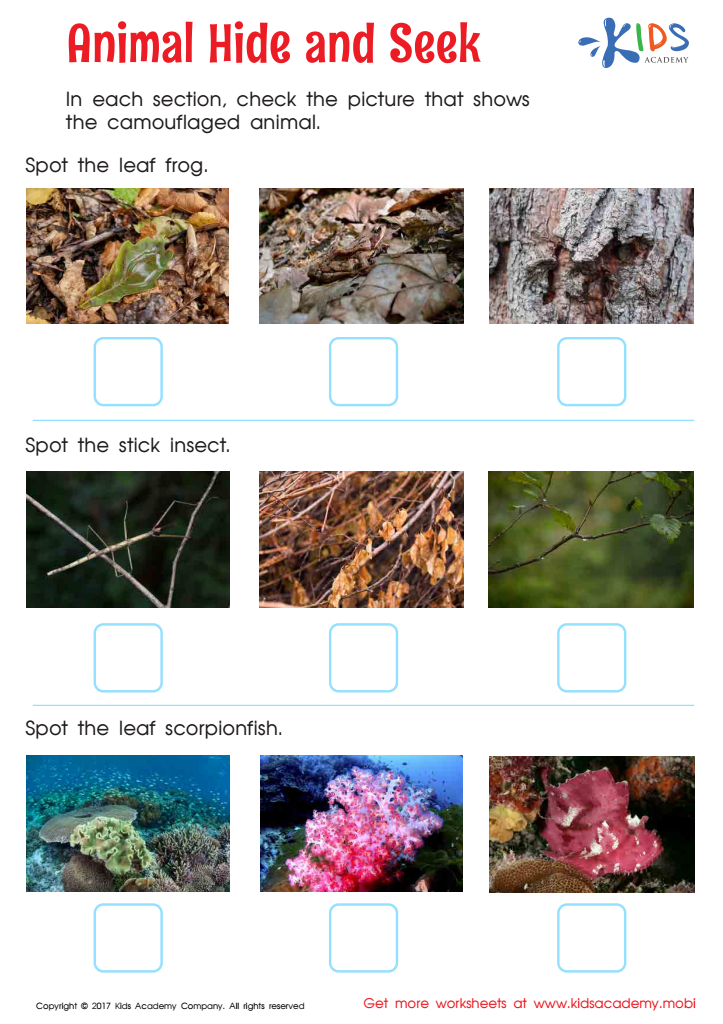
Animal Hide and Seek Worksheet
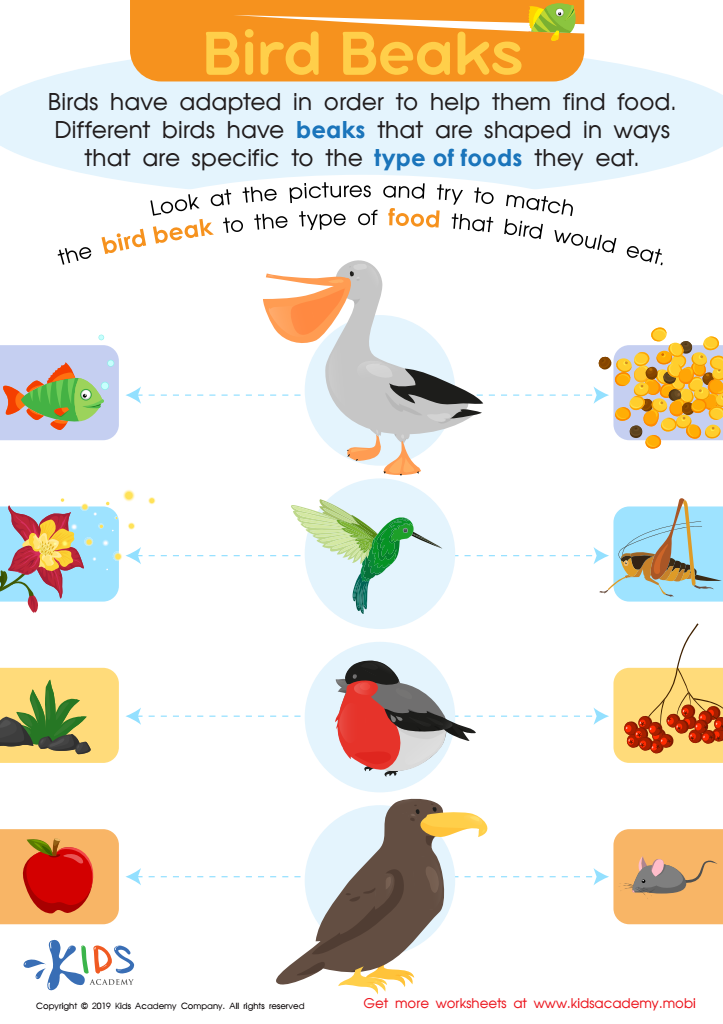
Bird Beaks Worksheet
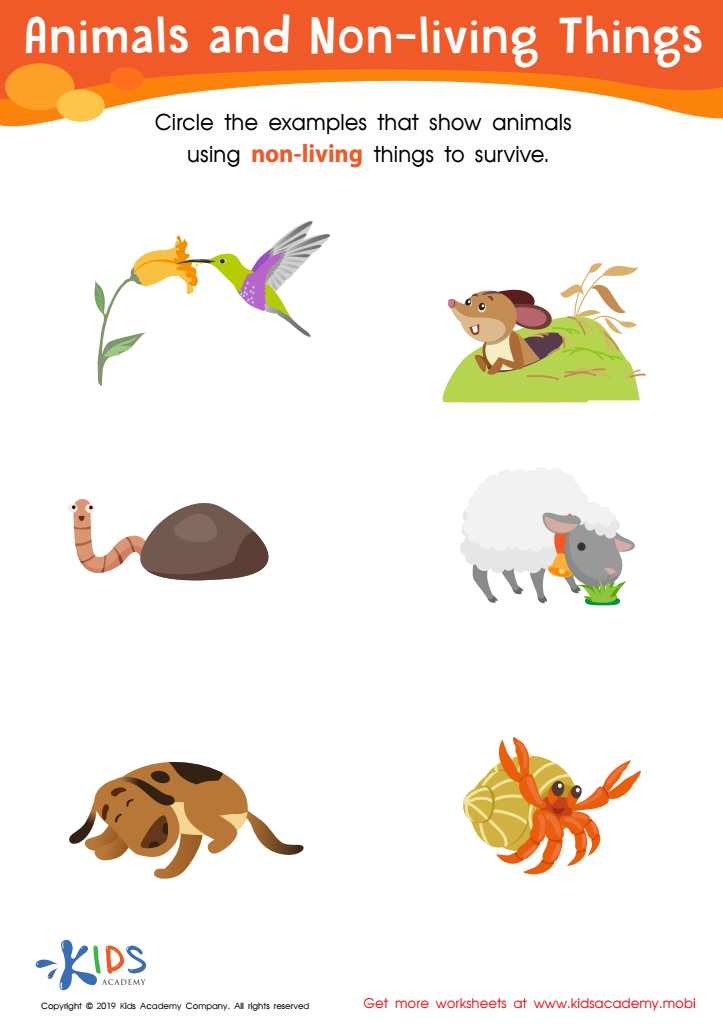
Animals and Non-Living Things Worksheet
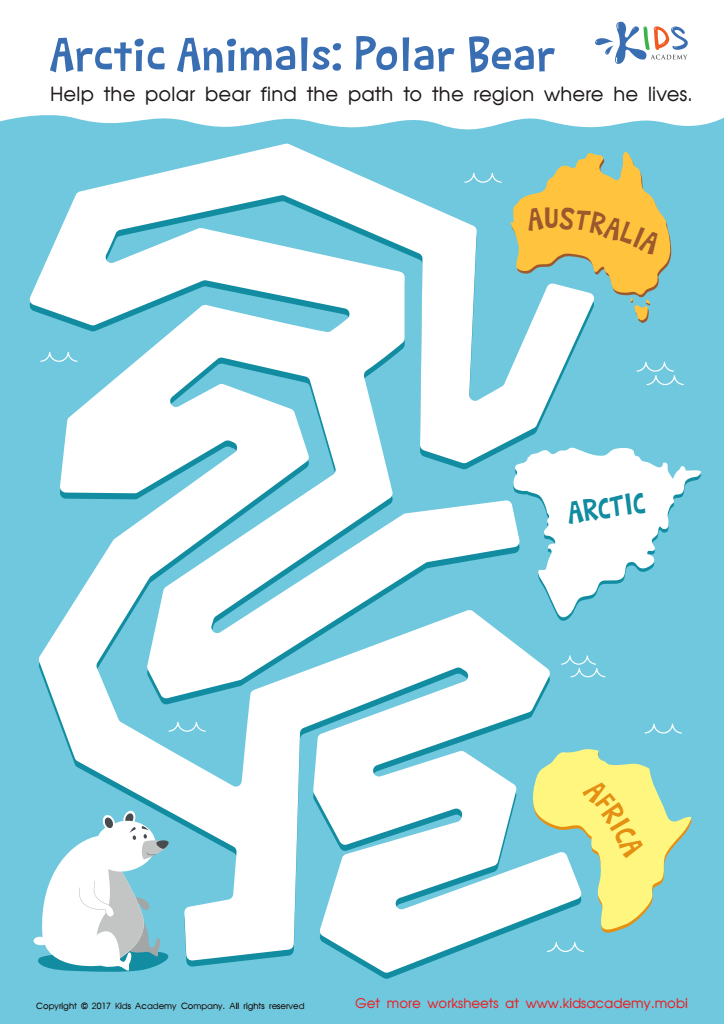
Arctic Animals: Polar Bear Worksheet
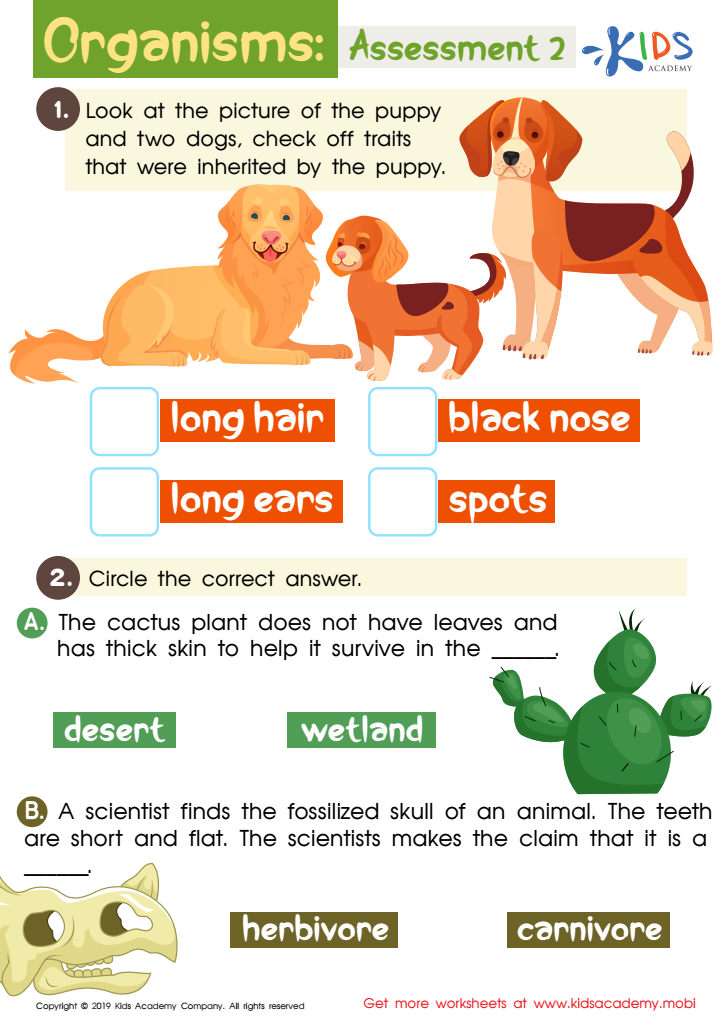
Organisms: Assessment 2 Worksheet
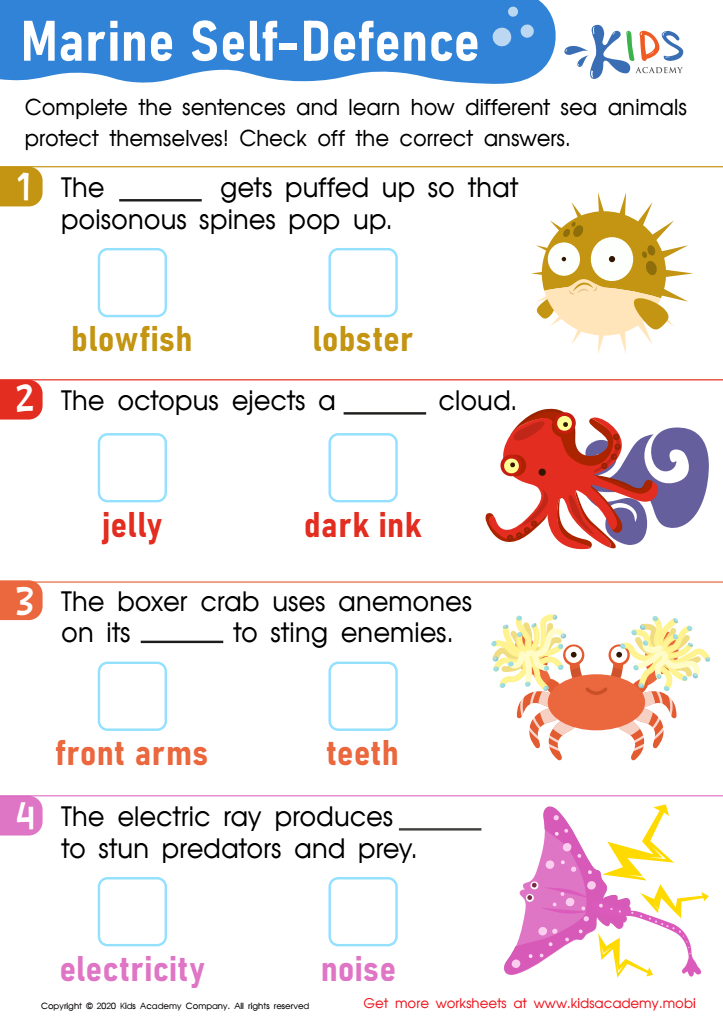
Marine Self-Defence Worksheet
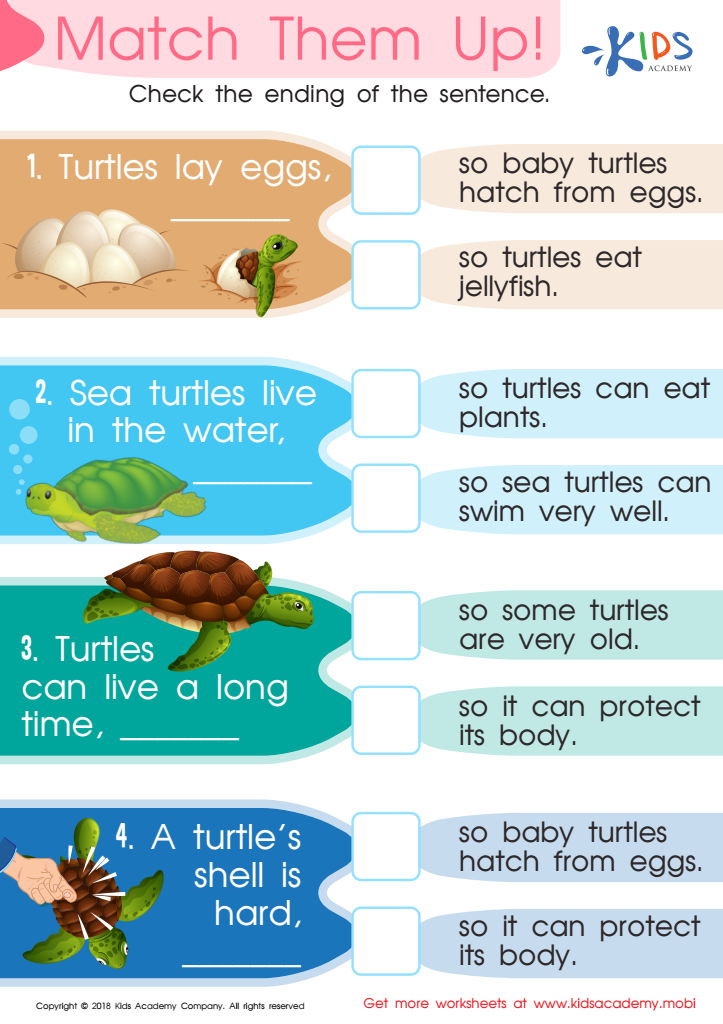
Match Them Up Worksheet
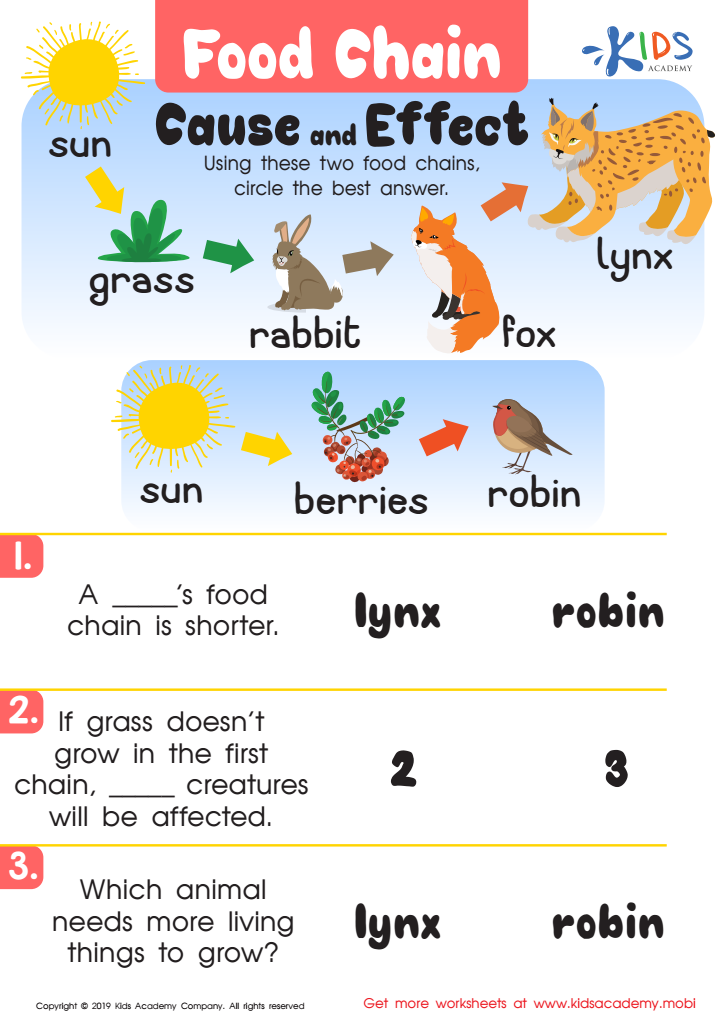
Food Chain Cause Worksheet
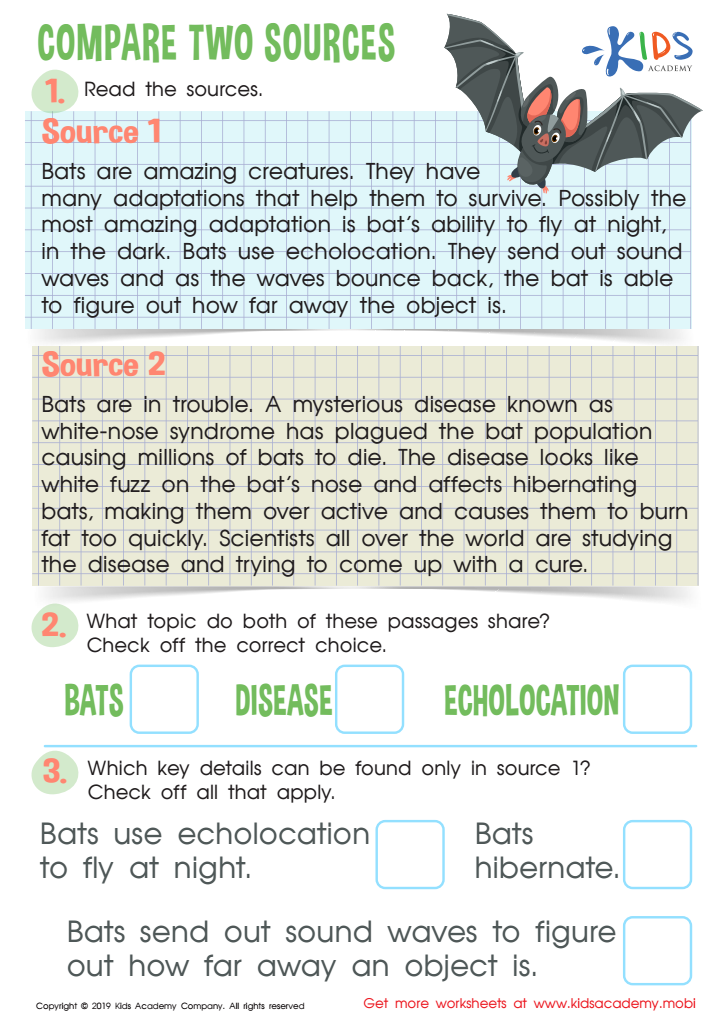
Compare Two Sources Worksheet








Parents and teachers should care about animals for children aged 4-8 because interacting with animals can teach kids empathy, responsibility, and respect for living beings. At this developmental stage, children are naturally curious and learning through exploration. Introducing them to animals can nurture their sense of wonder and encourage them to ask questions about the natural world, fostering critical thinking and a love for learning.
Caring for a pet or observing animals in nature or through educational programs can teach young children valuable life skills. They learn about the needs of different creatures and the importance of routine, which fosters a sense of responsibility and discipline. Furthermore, school programs and activities that involve animals can improve children's social skills as they work together with peers to care for an animal or learn about its habitat.
Additionally, animals can have a calming effect on children, helping to reduce anxiety and improve mental well-being. Exposure to animals has also been linked to better physical health, including increased physical activity. By integrating animals into the learning experience, parents and teachers can create enriching, hands-on educational opportunities that align with the natural interests and development of young children, laying a strong foundation for future learning and compassion.








