Learning about ecosystems Science Worksheets for Ages 4-8
4 filtered results
-
From - To
Explore the wonders of ecosystems with our engaging science worksheets designed specifically for ages 4-8! Our collection introduces young learners to the diverse components of ecosystems, including plants, animals, and their habitats. Through vibrant illustrations and interactive activities, children will develop essential science skills while fostering a love for nature. Worksheets include fun facts, coloring activities, and simple projects, making learning enjoyable and relatable. These resources are perfect for at-home learning or classroom use, providing educators and parents with effective tools to inspire curiosity about the environment. Dive into the world of ecosystems and watch young minds flourish!
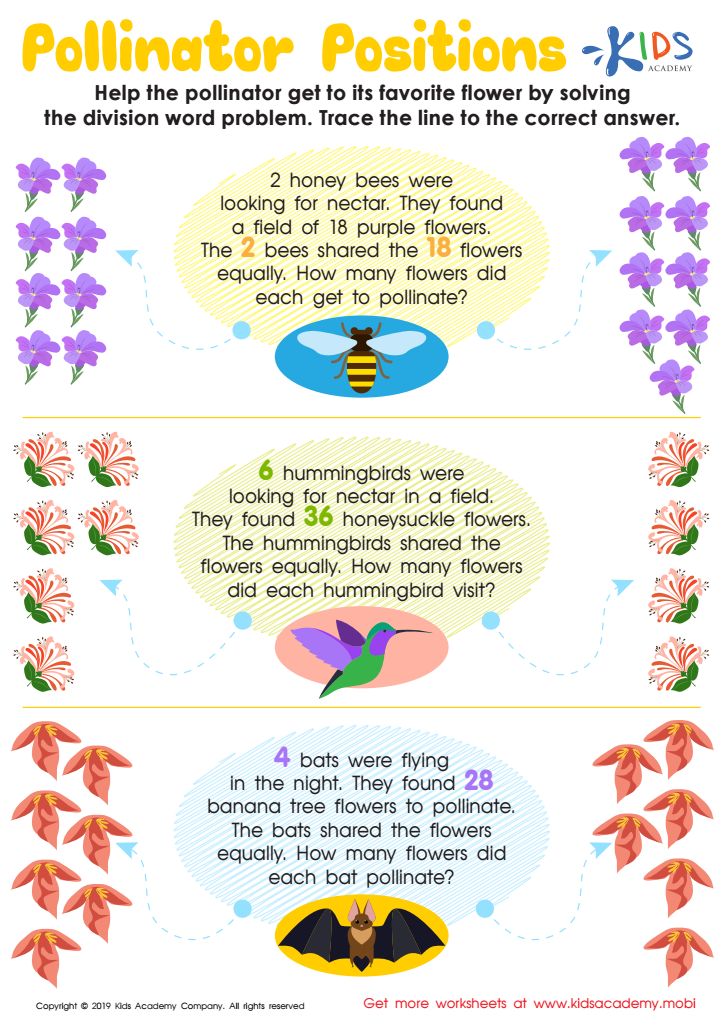
Pollinator Positions Worksheet
 Assign to My Students
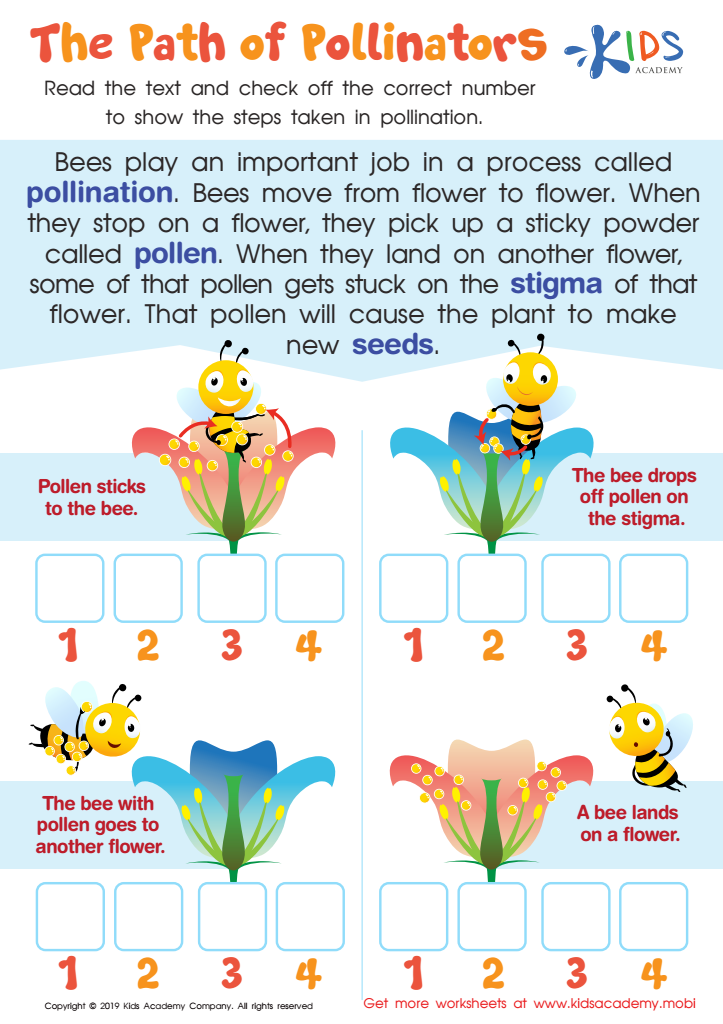
The Path of Pollinators Worksheet
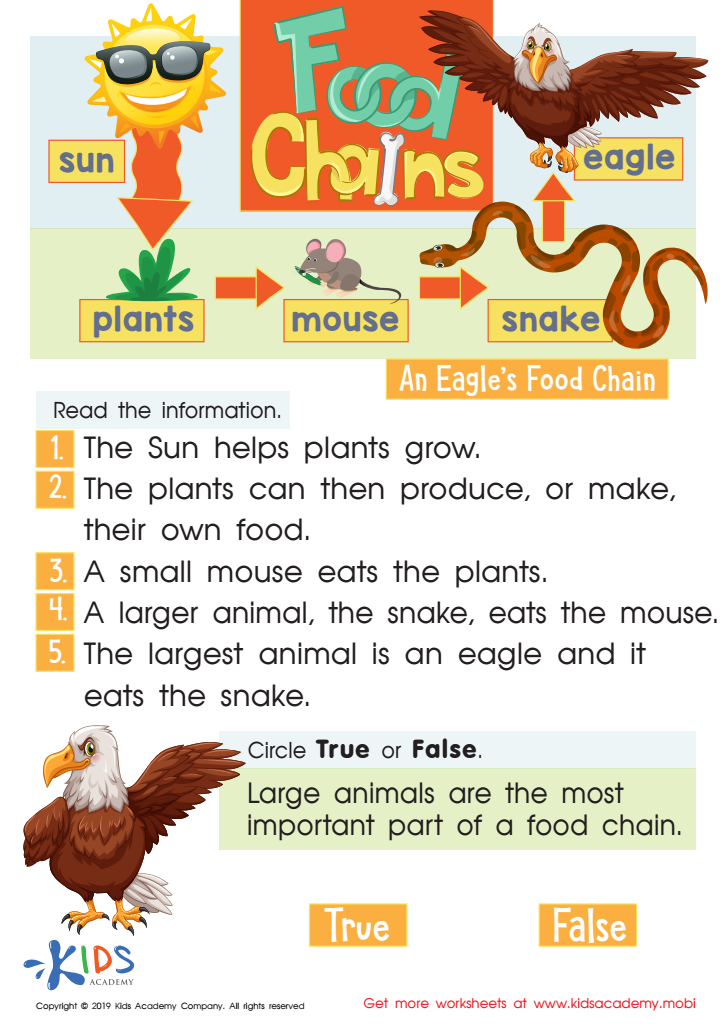
Food Chains Worksheet
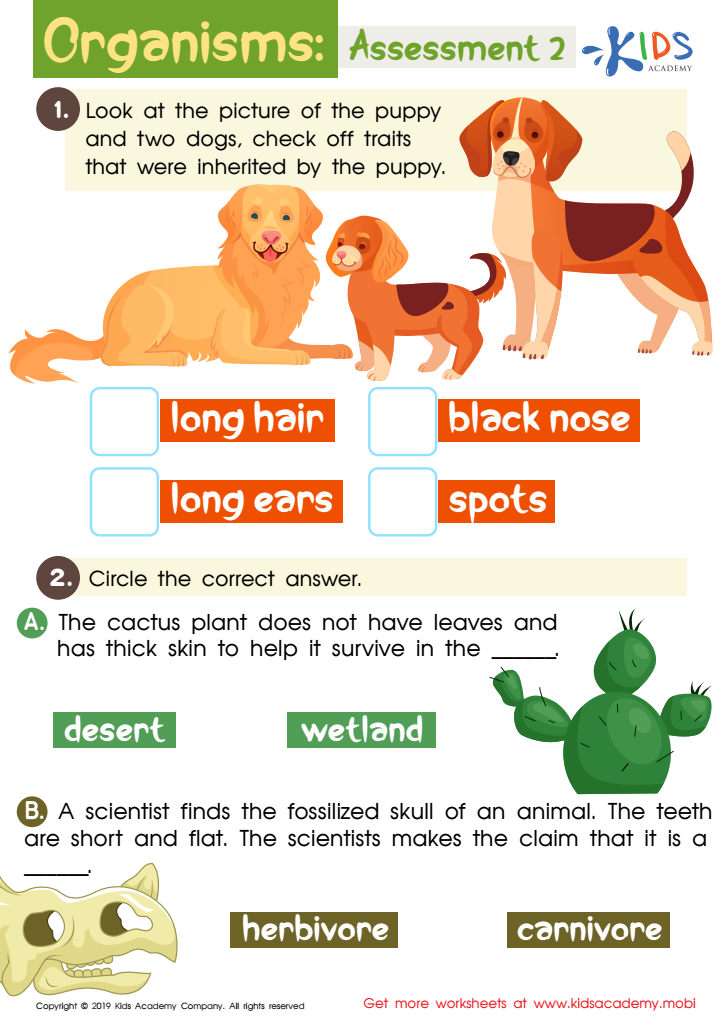
Organisms: Assessment 2 Worksheet


.jpg)




Learning about ecosystems is essential for children aged 4-8 as it lays the foundation for environmental awareness and scientific understanding at an early age. Awareness of ecosystems helps kids grasp how living organisms—plants, animals, and humans—interact with each other and their surroundings. This knowledge nurtures curiosity and fosters a sense of wonder about the natural world.
Teaching about ecosystems can also promote essential skills such as critical thinking, problem-solving, and observation. Activities like exploring nature, identifying local wildlife, or even simple garden projects inspire hands-on learning. Through such experiences, children not only learn about diverse habitats but also the importance of conservation and respect for nature.
Moreover, early exposure to ecosystem science cultivates empathy and responsibility, as children begin to understand their role in the environment. Encouraging them to care for plants and animals or participate in sustainability practices fosters a sense of stewardship. These foundational lessons can contribute to forming environmentally-conscious adults who value and protect our planet, ensuring a brighter future for all. Therefore, parents and teachers should prioritize ecosystem education as an integral part of early childhood learning.







