Observational skills development Science Worksheets for Ages 4-8
3 filtered results
-
From - To
Enhance your child's observational skills with our engaging Science Worksheets designed for ages 4-8. These thoughtfully crafted resources encourage young learners to explore their surroundings, fostering curiosity and critical thinking. Through hands-on activities and vivid illustrations, kids will learn to observe, describe, and analyze various scientific phenomena. Our worksheets integrate playful elements to make learning fun and enjoyable, supporting cognitive development while building a strong foundation in science. Perfect for home or classroom use, these materials will ignite a passion for discovery and enrich children's understanding of the world. Start nurturing your child's observational skills today!
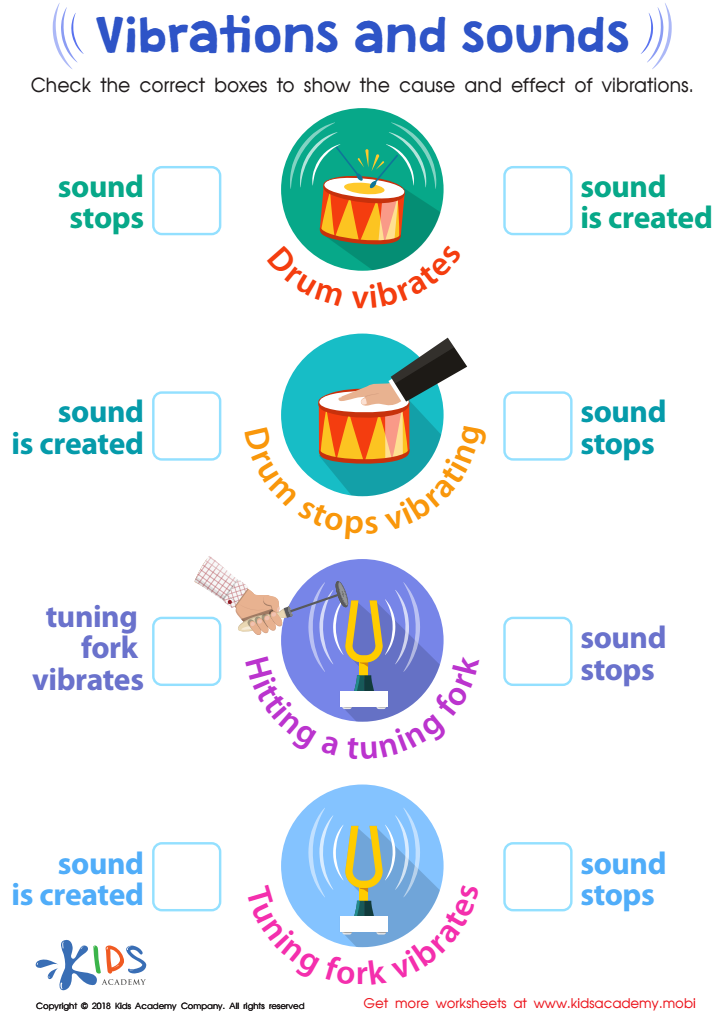
Vibrations and Sounds Worksheet
 Assign to My Students
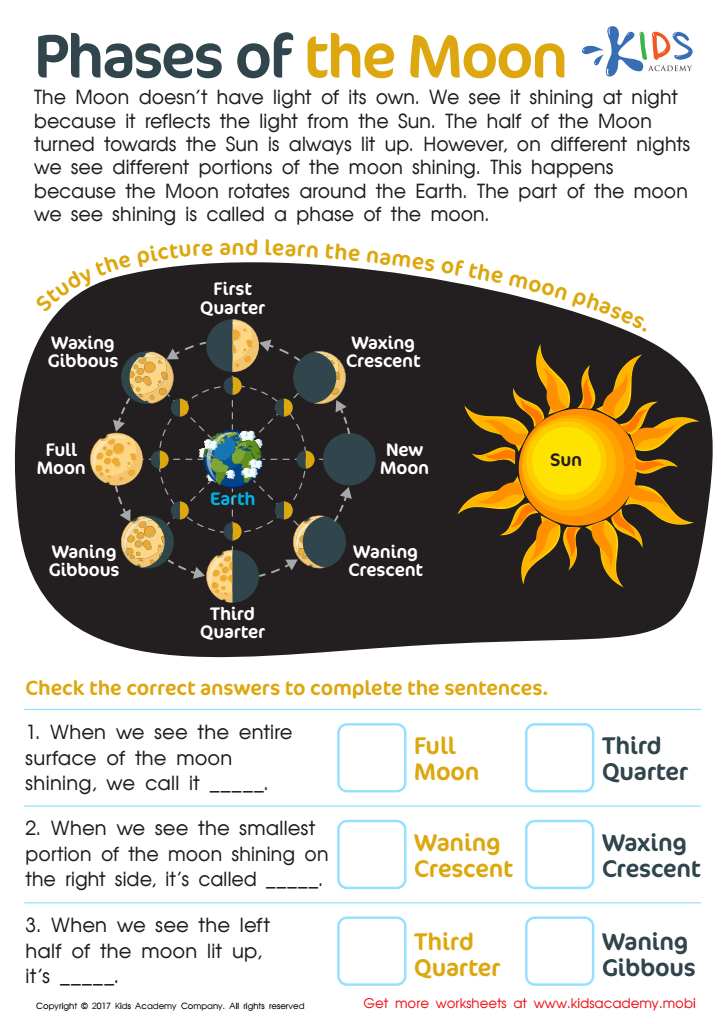
Phases of The Moon Worksheet
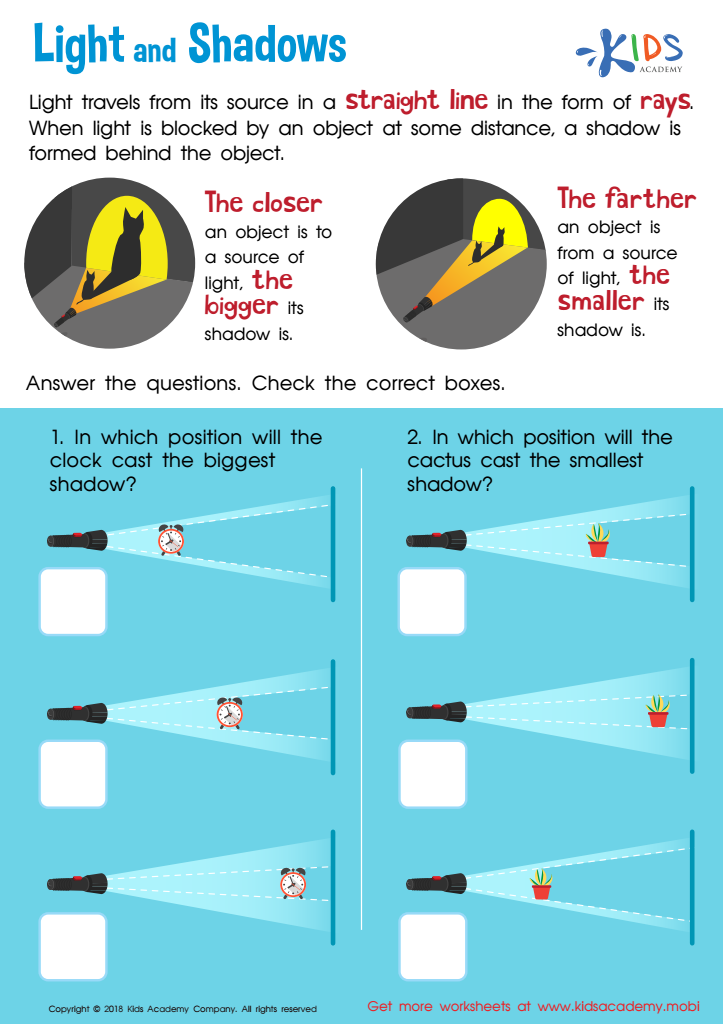
Light and Shadow Worksheet for Grade 3



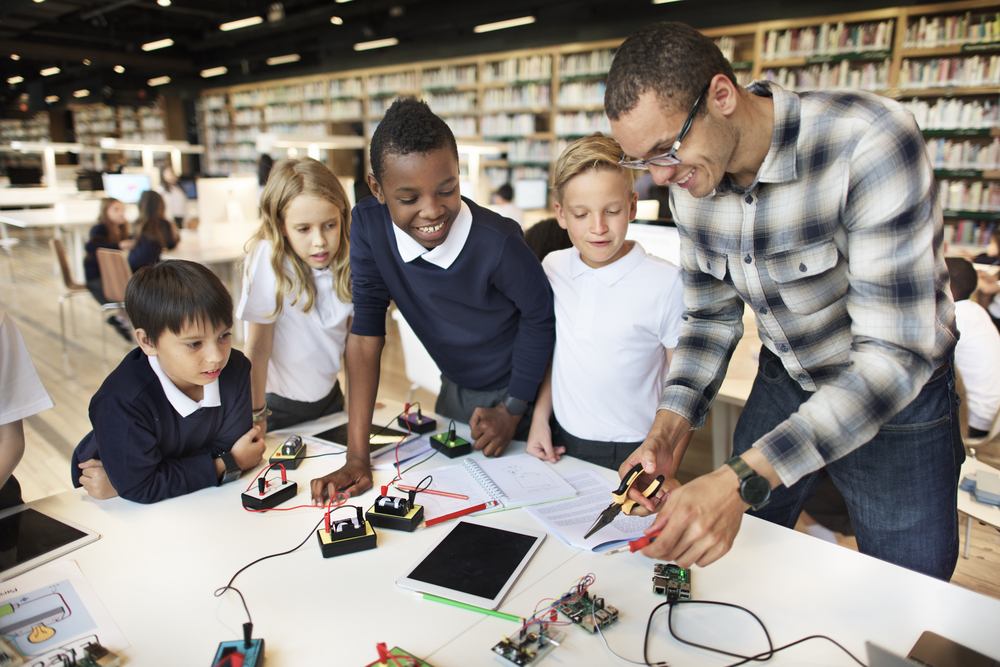




Observational skills are crucial for children aged 4-8 as they serve as the foundation for scientific inquiry and critical thinking. During these formative years, kids are naturally curious about their surroundings, and fostering observational skills helps them to channel this curiosity productively. When parents and teachers prioritize the development of these skills, children learn to notice details, make connections, and ask questions about what they observe. This not only enhances their understanding of the world but also promotes inquiry-based learning.
Improved observational skills lead to better problem-solving capabilities and creativity. As children learn to closely observe phenomena in nature or their everyday environment, they begin to generate hypotheses and test them, a fundamental aspect of the scientific method. Moreover, these skills encourage active engagement, making learning more interactive and enjoyable.
By building strong observational abilities, educators and parents equip children with tools they will use throughout their lives, fostering lifelong learners who can critically analyze challenges and experiences. Ultimately, caring about this skill development not only enriches children’s academic journeys but also cultivates mindful individuals who appreciate the complexities and beauties of the world around them.







