Shape Recognition Science Worksheets for Ages 4-8
5 filtered results
-
From - To
Shape Recognition Science Worksheets for Ages 4-8
Designed for young learners, our Shape Recognition Science Worksheets make mastering shapes both fun and engaging. Perfect for ages 4-8, these worksheets help children identify and understand different geometric shapes through interactive activities and exercises. By integrating shape recognition into early science education, children develop critical analytical skills while fostering a love for learning. Each worksheet is crafted to support cognitive growth, bolster fine motor skills, and enhance spatial awareness. Our educational resources are ideal for parents and teachers aiming to provide a strong foundation in STEM subjects while keeping youngsters entertained and motivated.
Visit Kids Academy for more information.
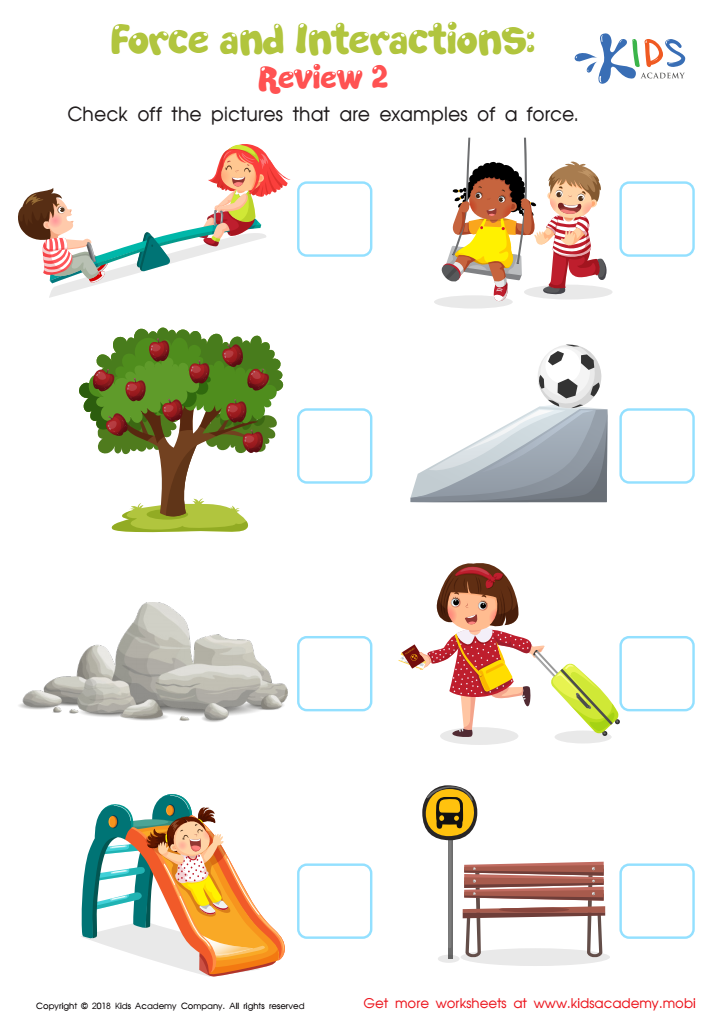
Force and Interactions: Review 2 Worksheet
 Assign to My Students
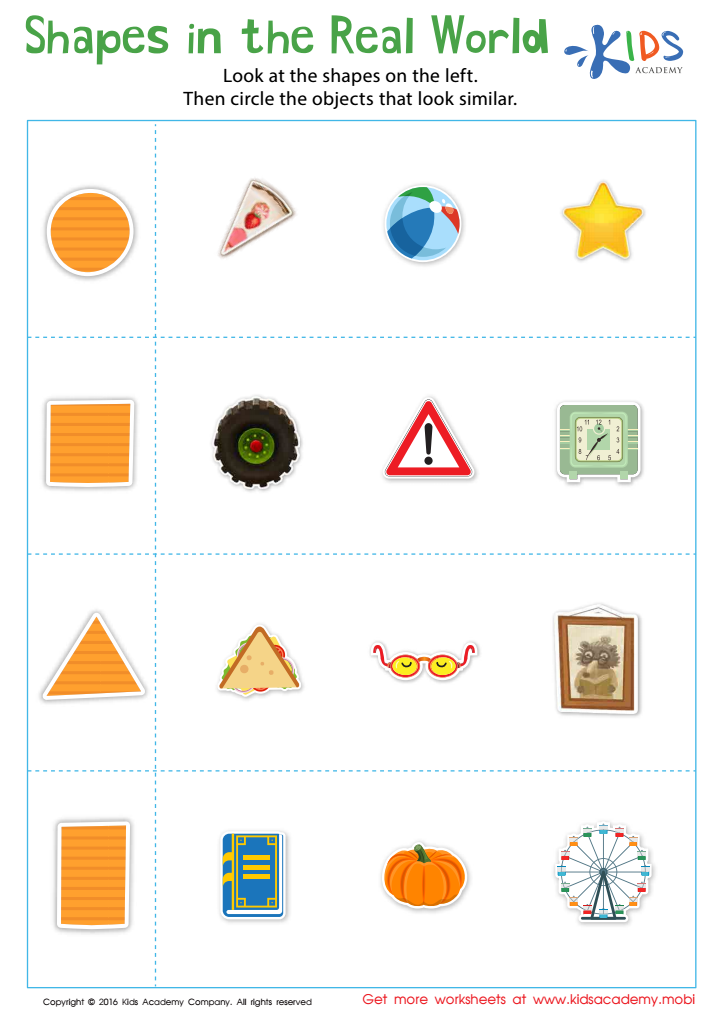
Shapes in the Real World Worksheet
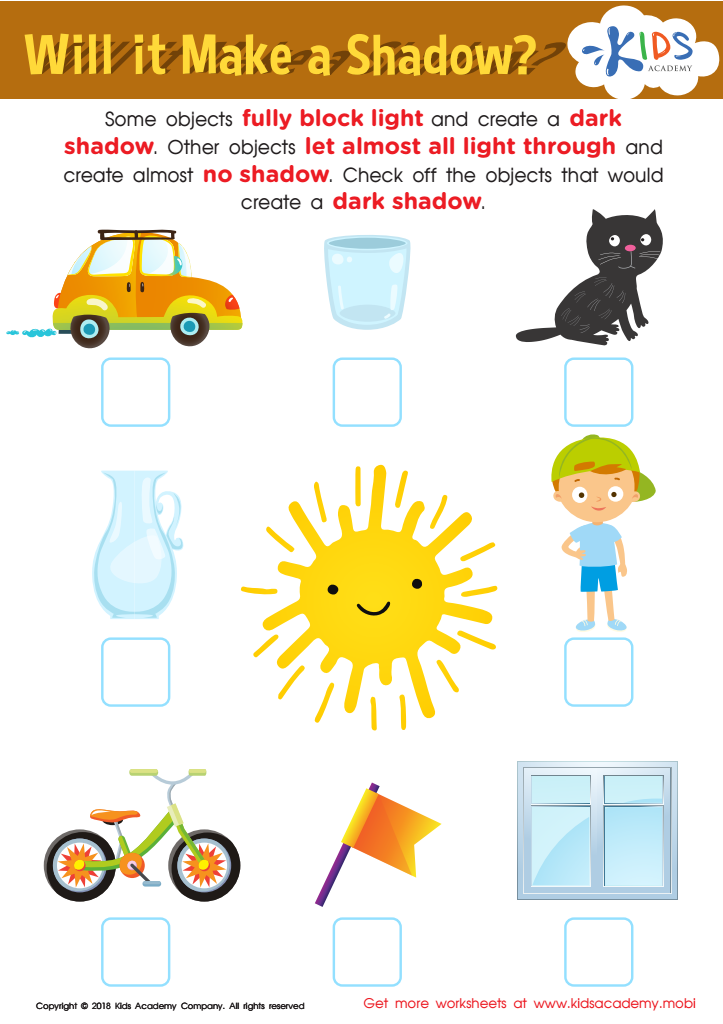
Will It Make a Shadow? Worksheet
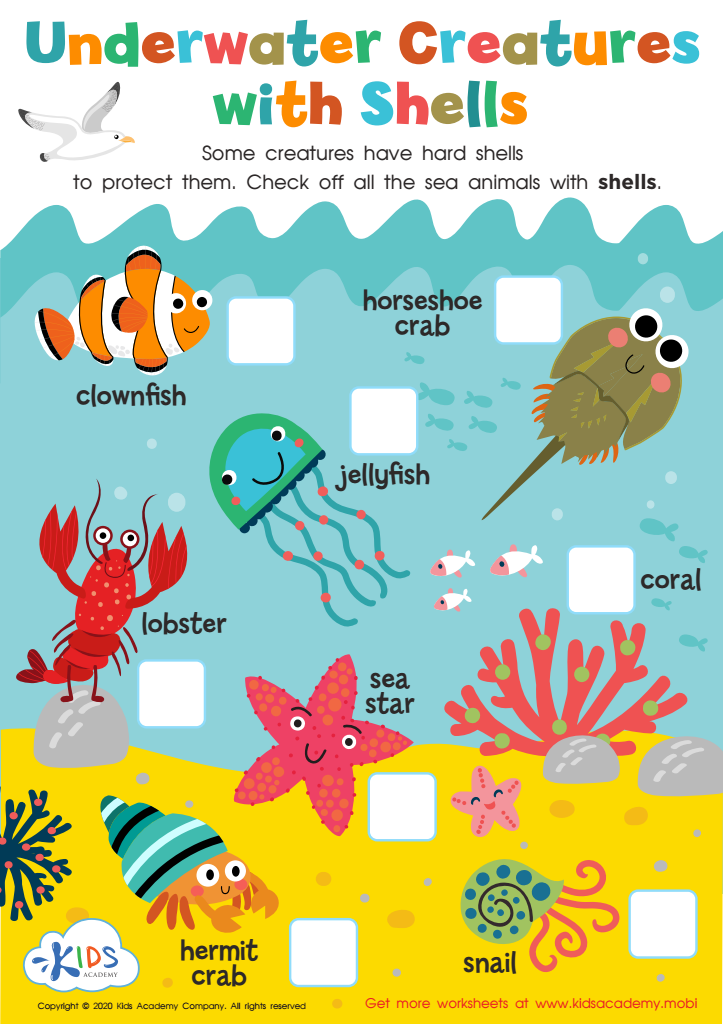
Underwater Creatures with Shells Worksheet
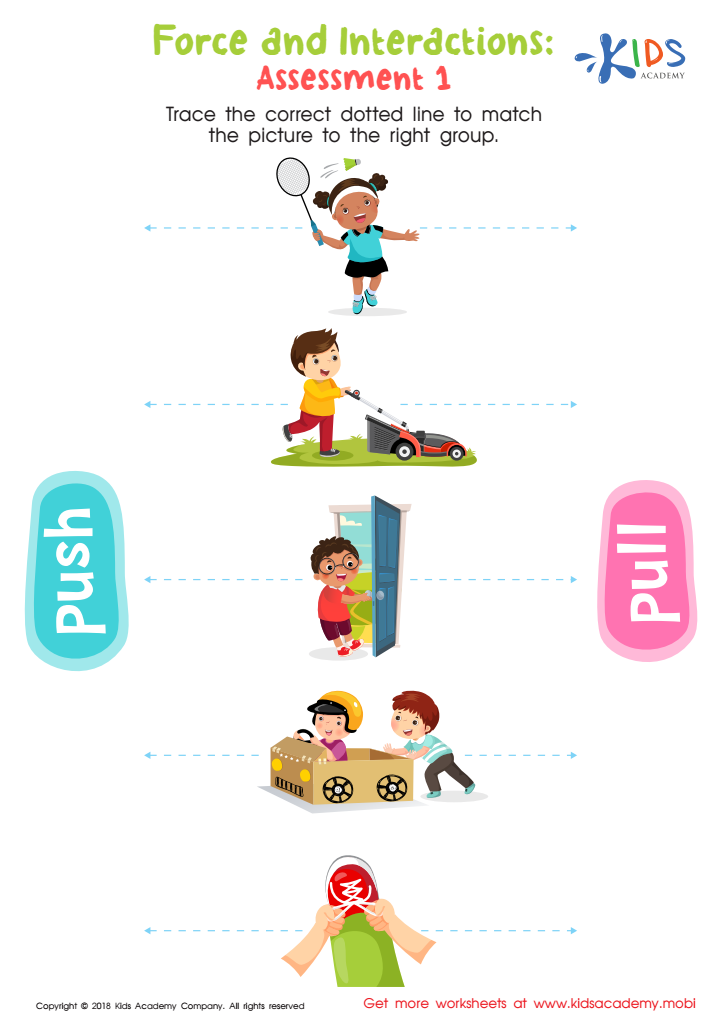
Force and Interactions: Assessment 2 Worksheet








Shape recognition is a fundamental aspect of early childhood development that plays a critical role in a child’s cognitive growth and academic success. For ages 4-8, mastering shape recognition helps children better understand and organize the world around them. Firstly, recognizing shapes lays the groundwork for geometry, an essential mathematical concept that they will build on throughout their education. Shapes are everywhere in daily life, and practicing with them forms the basis for spatial awareness, which is crucial for tasks ranging from reading and writing to problem-solving.
Moreover, shape recognition skills can enhance children’s perceptual and analytical abilities. When a child discerns between different shapes, they learn to observe details, compare and contrast objects, and categorize information—all critical skills for academic learning and day-to-day decision-making. Shapes also intersect with other areas of development; for instance, children learn language skills by associating shapes with their corresponding words (e.g., triangle, circle), which boosts vocabulary and comprehension.
Engaging in activities that focus on shape recognition, such as puzzles and drawing, can also bolster fine motor skills. These are vital for young children as they learn to control their hand and finger movements to perform tasks like writing and using utensils.
In summary, shape recognition is not just about identifying triangles and squares; it serves as a cornerstone for broader educational achievements and developmental milestones. Hence, parents and teachers should prioritize and integrate shape recognition activities into early learning curricula.







