Vocabulary development Science Worksheets for Ages 4-8
18 filtered results
-
From - To
Our Vocabulary Development Science Worksheets for Ages 4-8 are designed to transform budding scientists' learning experiences! These engaging printable resources equip young learners with essential science terminology, building their foundational knowledge in a fun and interactive way. Each worksheet is carefully crafted to make complex concepts accessible, fostering curiosity and a love for learning. From exploring animals and plants to understanding weather and space, our worksheets cover a wide range of topics, enhancing vocabulary while stimulating imagination and critical thinking. Ideal for both classroom and home use, give your child the tools they need to succeed in their scientific explorations.
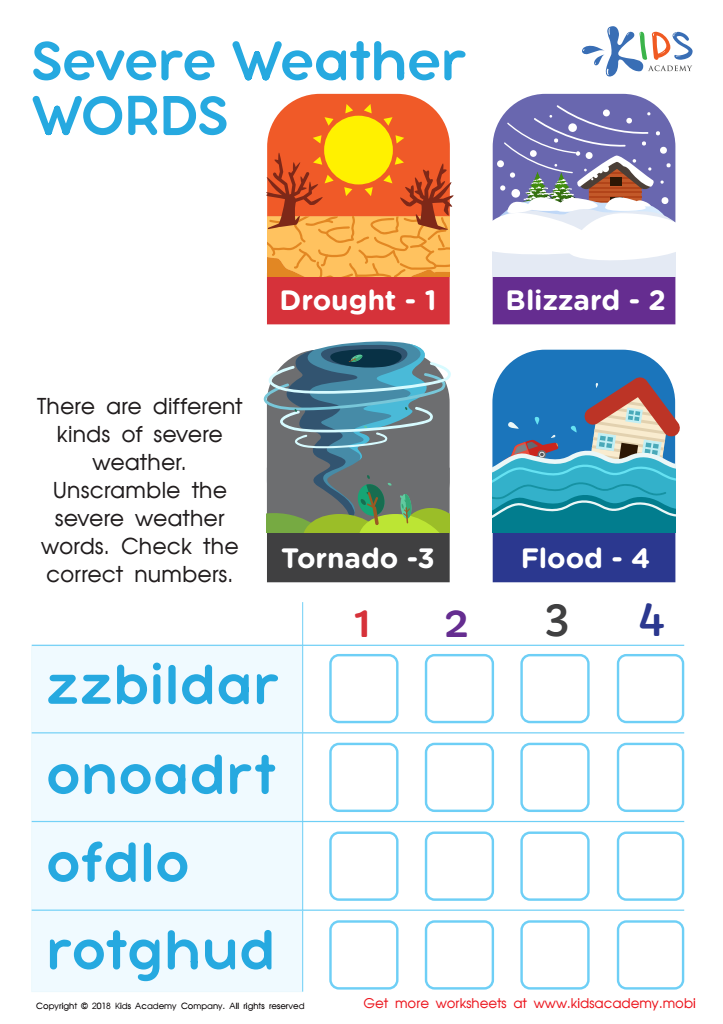
Severe Weather Words Worksheet
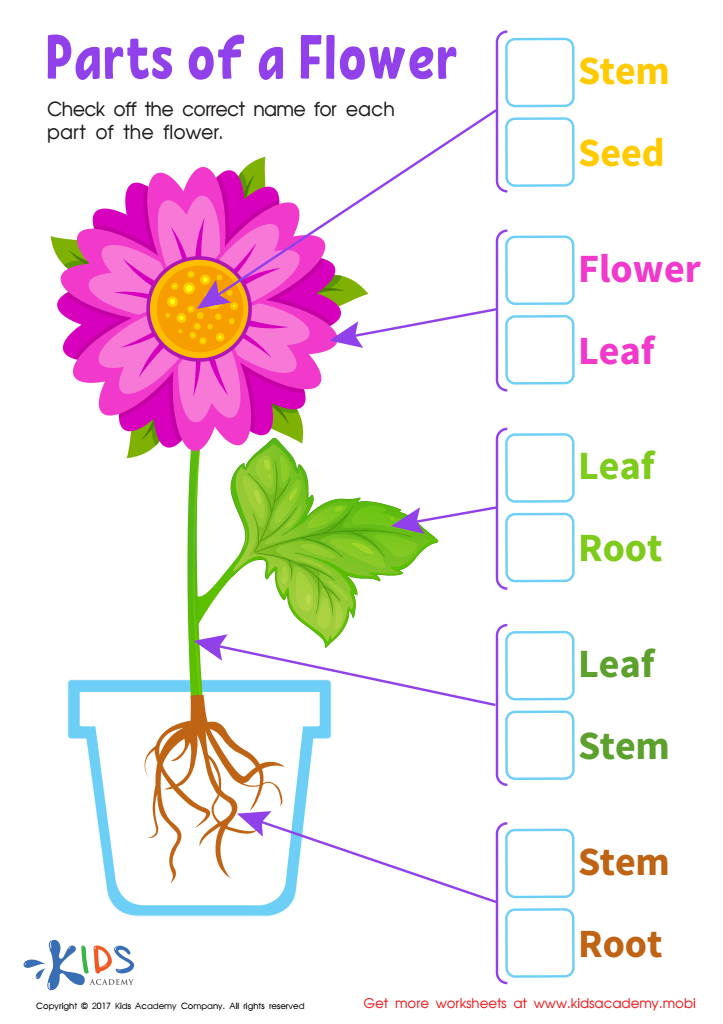
Parts Flower Printable
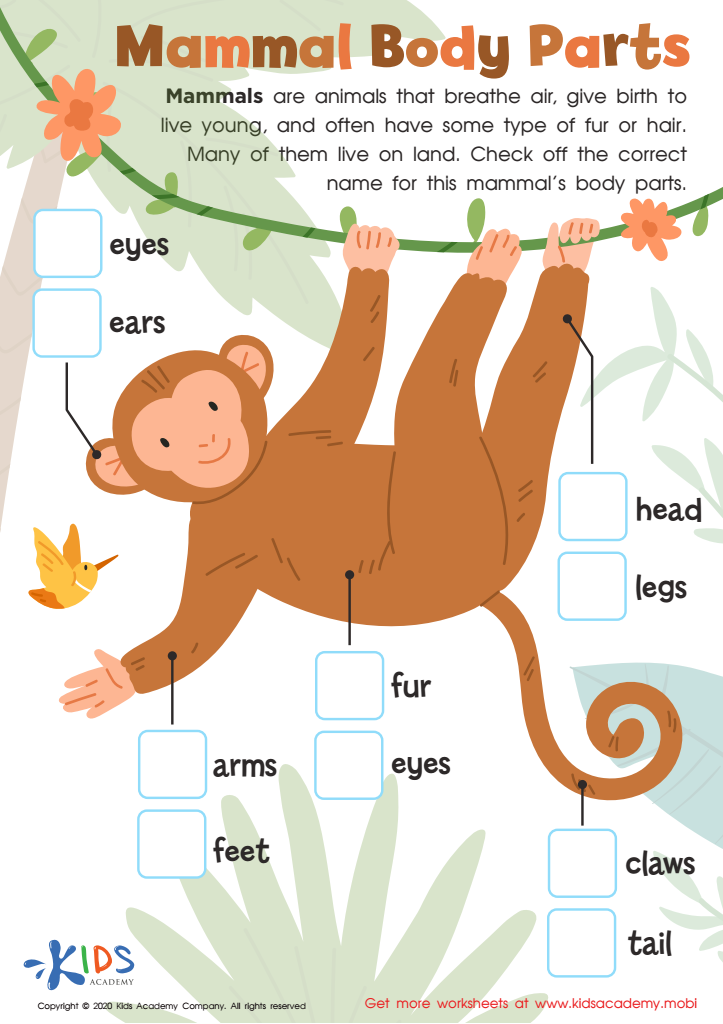
Mammal Body Parts Worksheet
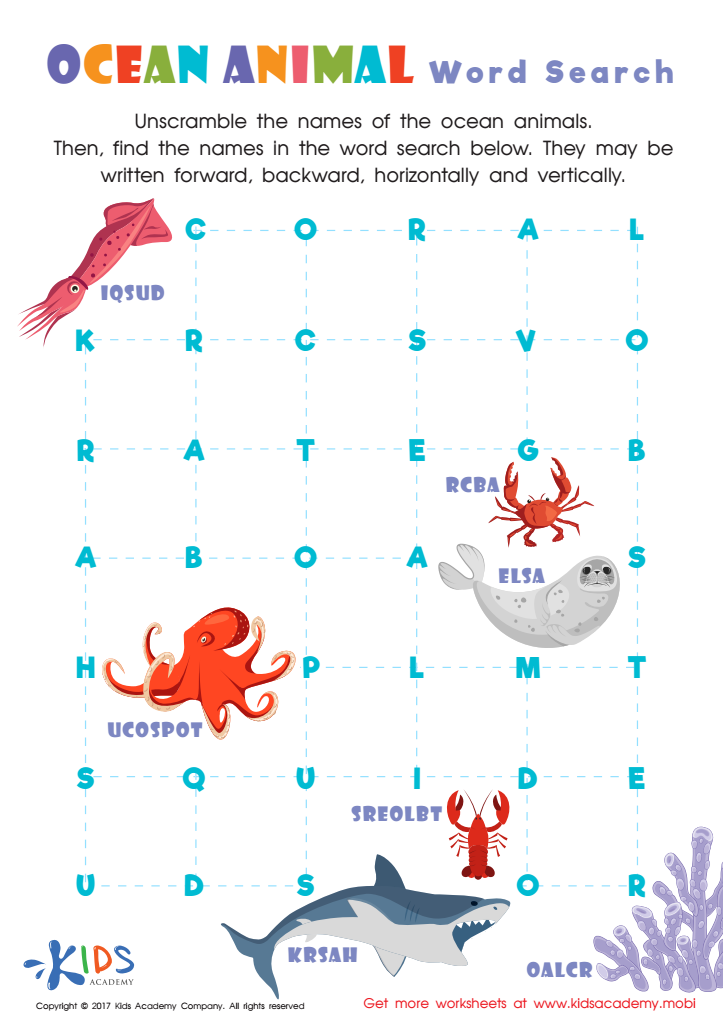
Ocean Animals Word Search Printable
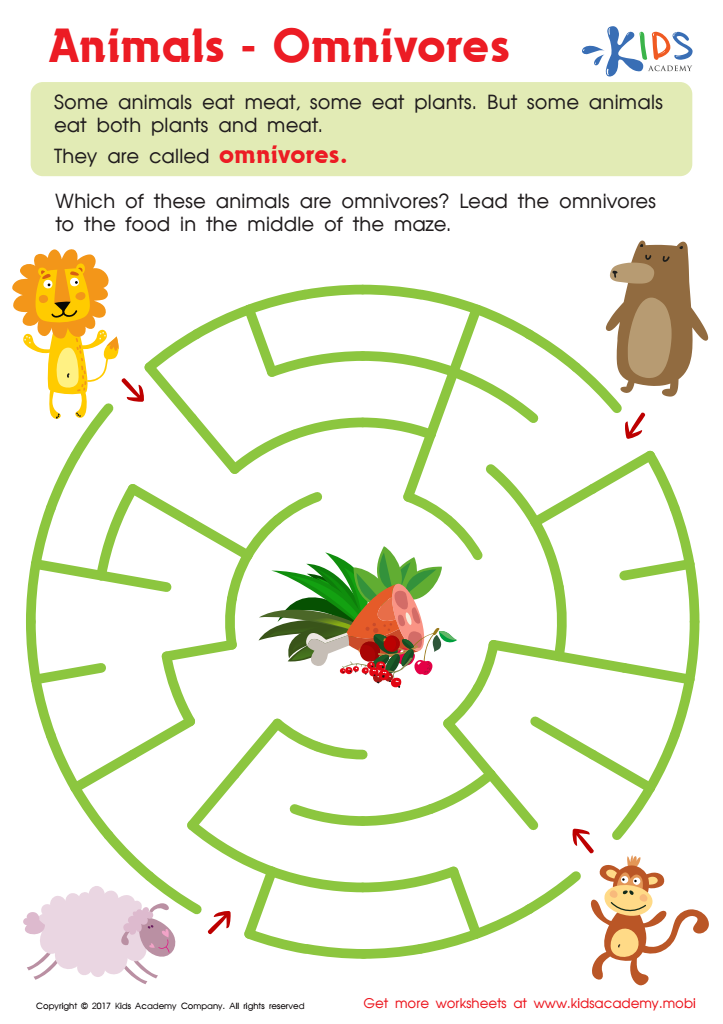
Omnivores Animals Worksheet
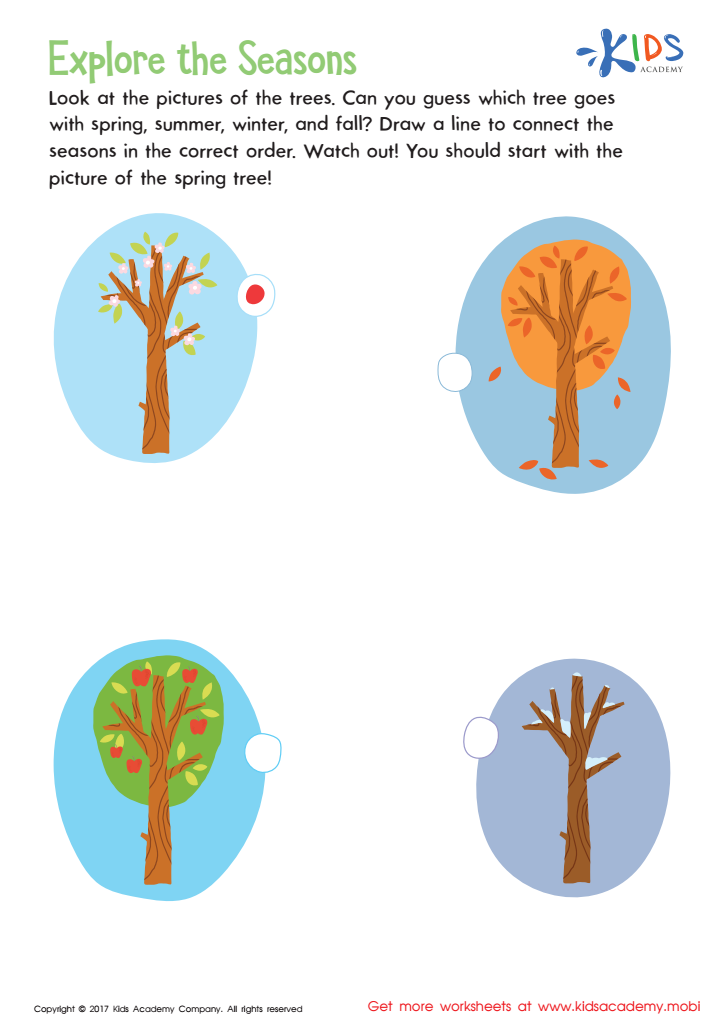
Explore the Seasons Worksheet
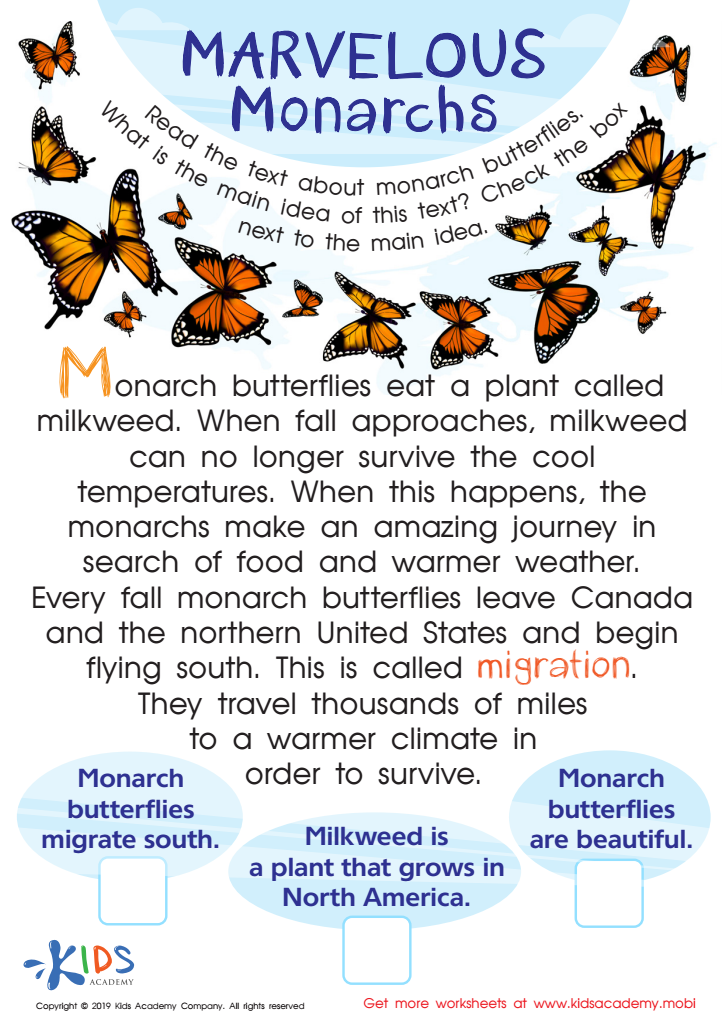
Marvelous Monarchs Worksheet
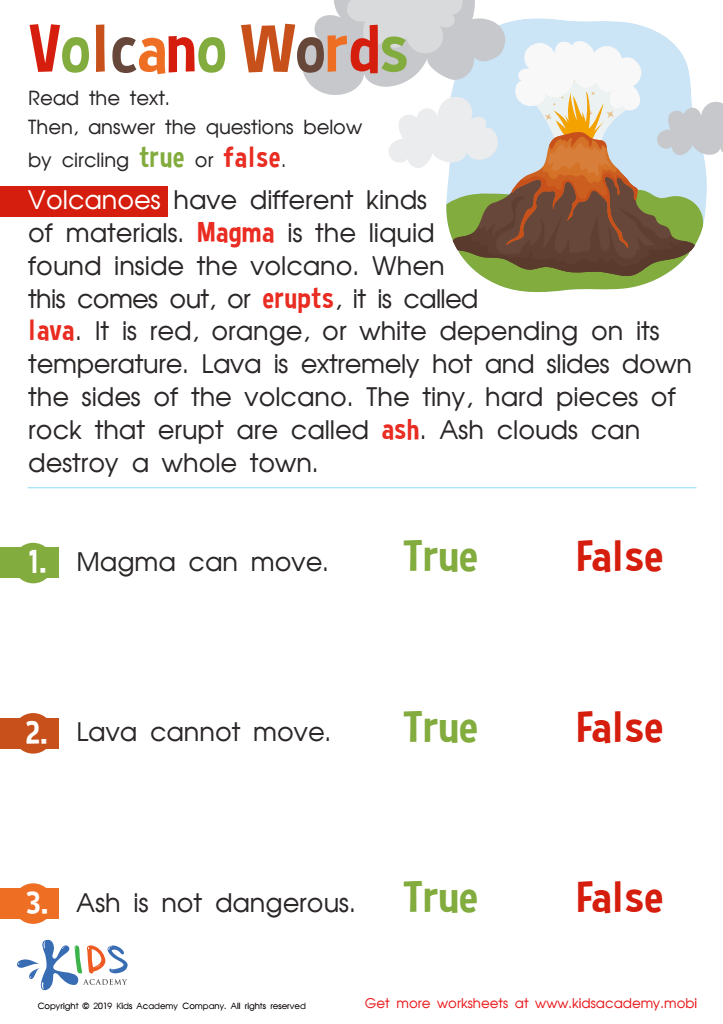
Volcano Words Worksheet
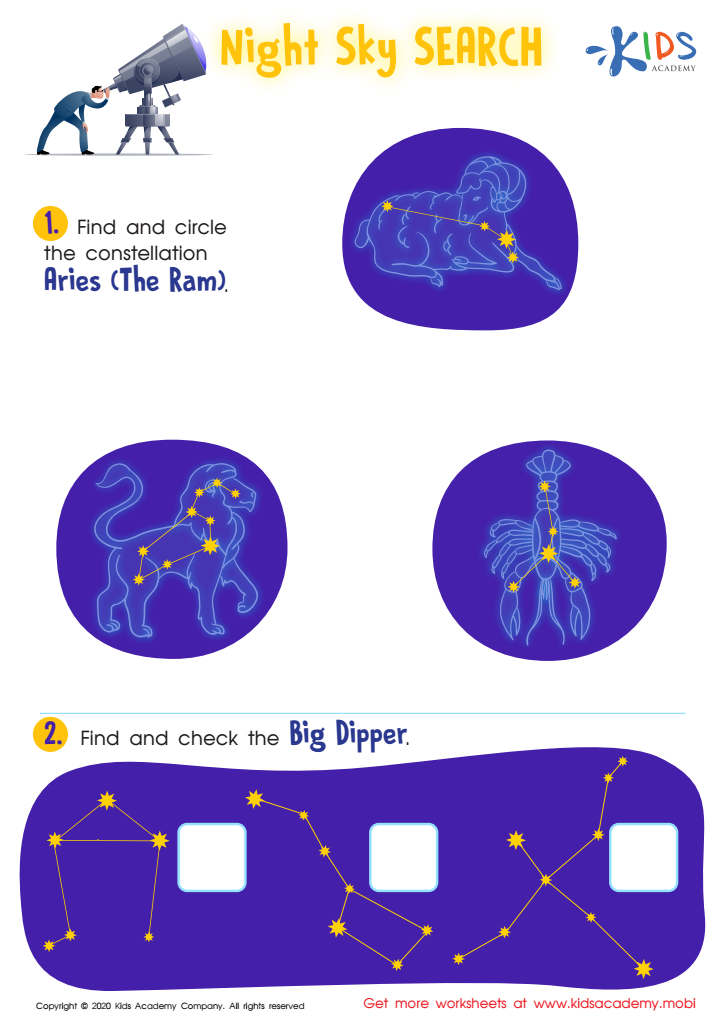
Night Sky Search Worksheet
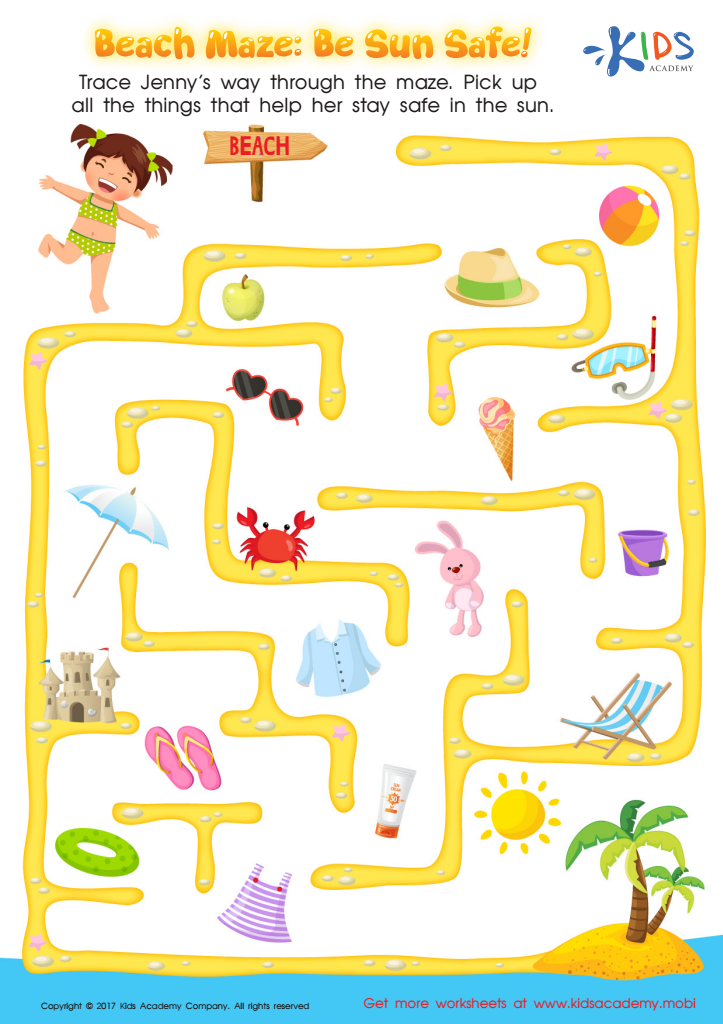
Beach Maze: Sun Safe Worksheet
Musical Band Worksheet
 Assign to My Students
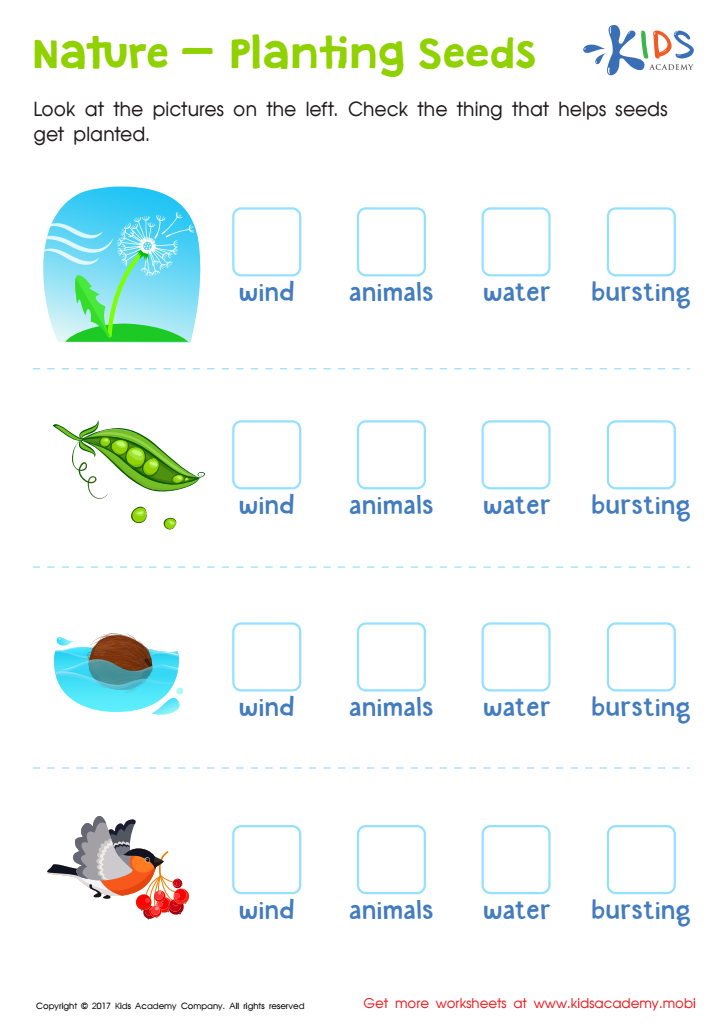
Nature Planting Seeds Worksheet
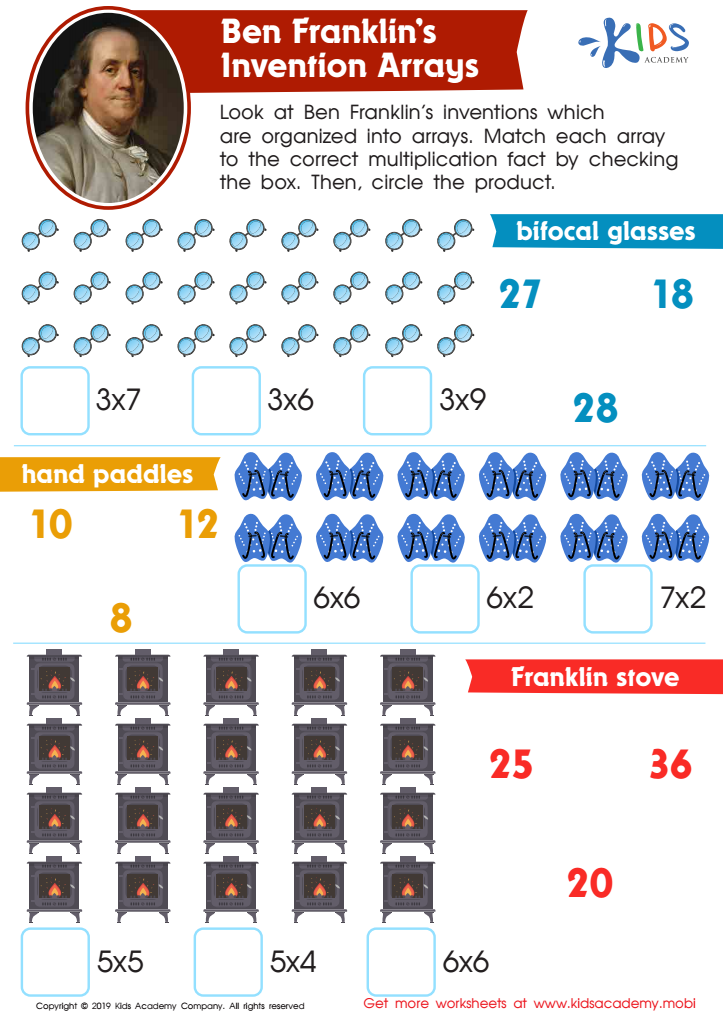
Ben Franklin’s Invention Arrays Worksheet
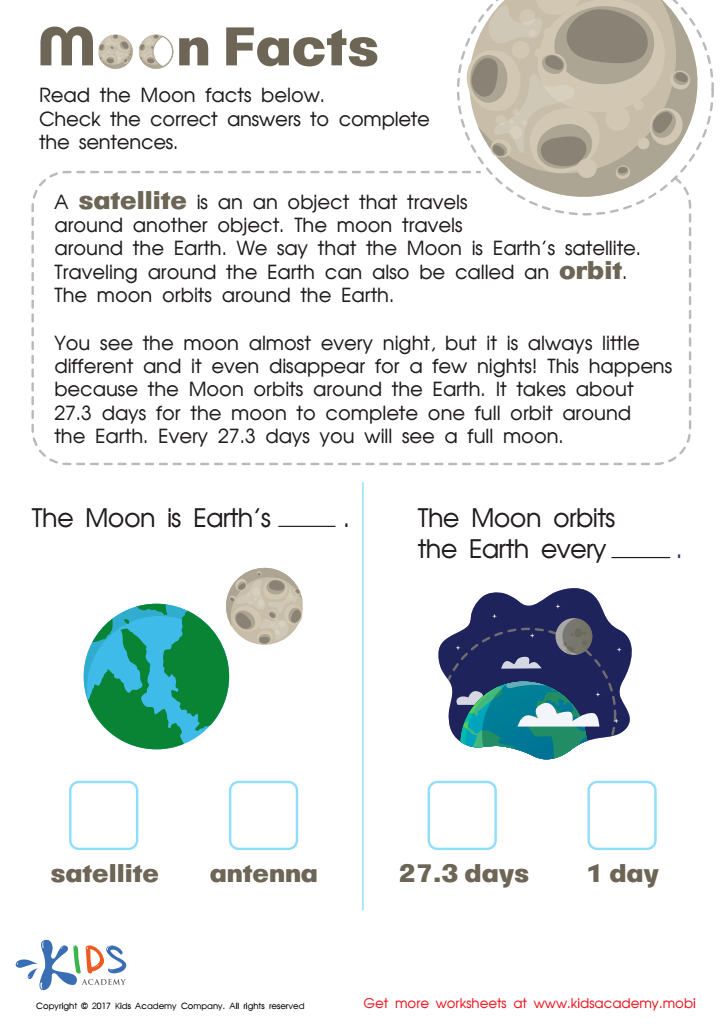
Moon Facts Worksheet
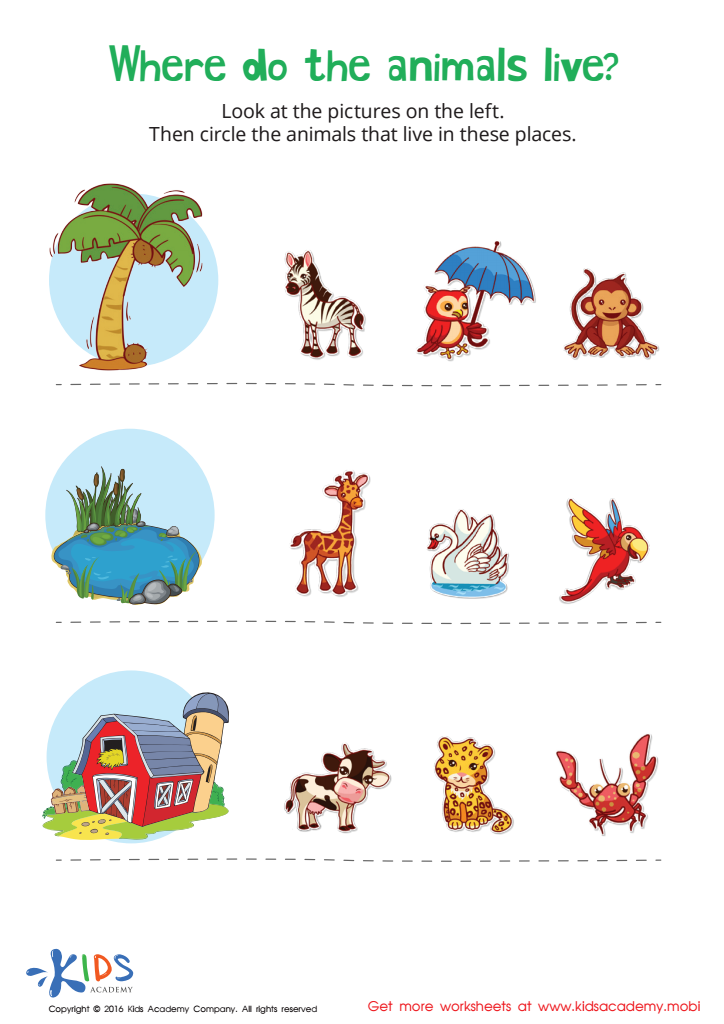
Where Animals Live Worksheet
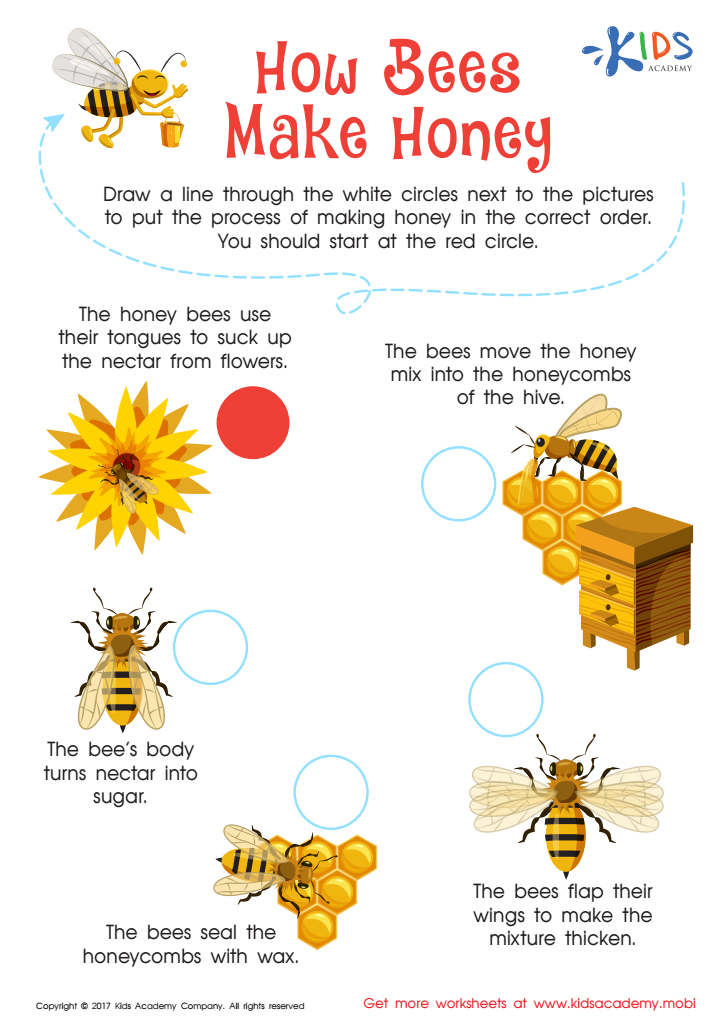
Honey Bee Worksheet
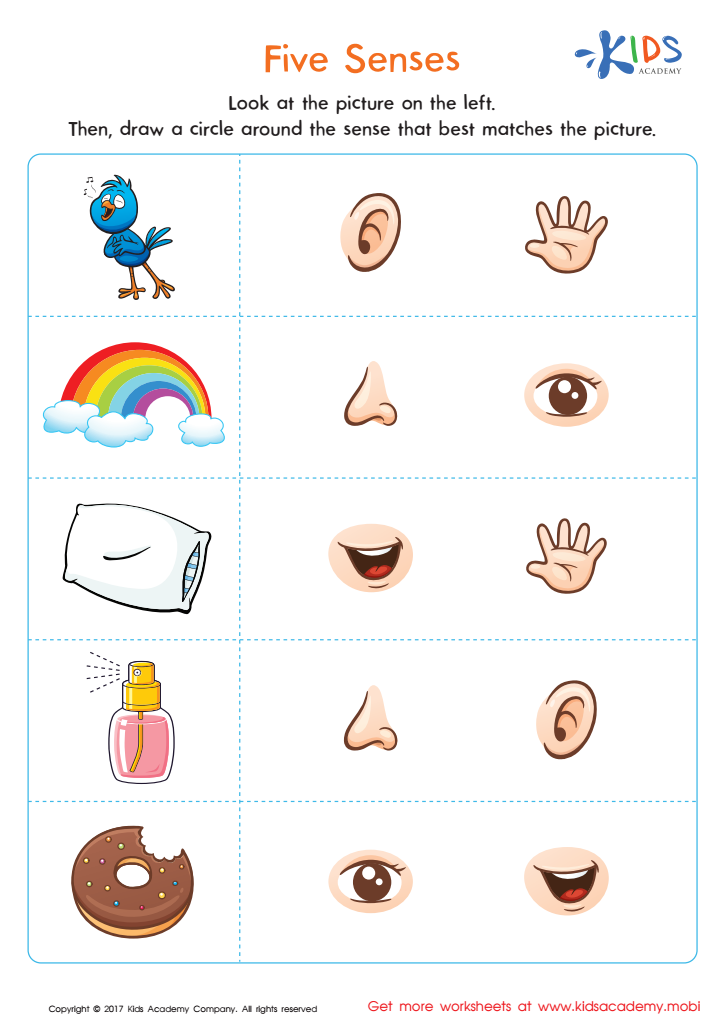
Five Senses Printable




.jpg)


Vocabulary development during the ages of 4-8 is pivotal for children's overall academic success and cognitive growth. During these formative years, children's brains are highly adaptable and primed for learning new words and concepts, which lay the groundwork for more complex language and literacy skills essential in later education.
One primary reason to focus on vocabulary development is its direct impact on reading comprehension. A rich vocabulary helps children understand what they read and enhances their ability to think critically about texts. This foundational skill is crucial as reading becomes a significant part of their education.
Furthermore, a strong vocabulary aids in effective communication. Children with an extensive vocabulary can express their thoughts, feelings, and ideas more precisely, fostering better interactions with peers and adults. This capability also builds social skills and self-esteem, contributing to emotional well-being.
From a scientific perspective, the process of vocabulary acquisition stimulates neural development. The activity of learning, memorizing, and using new words engages various parts of the brain, therefore improving cognitive function and overall intellect.
Additionally, vocabulary is a cornerstone for learning other subjects such as math, science, and social studies. Understanding subject-specific terms allows children to grasp more complex concepts more easily and perform better academically.
In essence, prioritizing vocabulary development equips young children with essential skills for lifelong learning and success.







