Categorizing objects Physical Science Worksheets for Ages 4-8
3 filtered results
-
From - To
Discover our engaging "Categorizing Objects Physical Science Worksheets" designed for children aged 4-8. These worksheets help young learners explore the exciting world of physical science through hands-on activities that encourage critical thinking and observation skills. Kids will enjoy sorting and classifying various objects based on their attributes, such as size, shape, and color. Each worksheet reinforces essential scientific concepts while making learning fun and interactive. Perfect for both classroom use and home learning, our resources support early childhood education and inspire scientific curiosity. Unlock your child's potential with these playful and educational worksheets that foster a love for discovery!
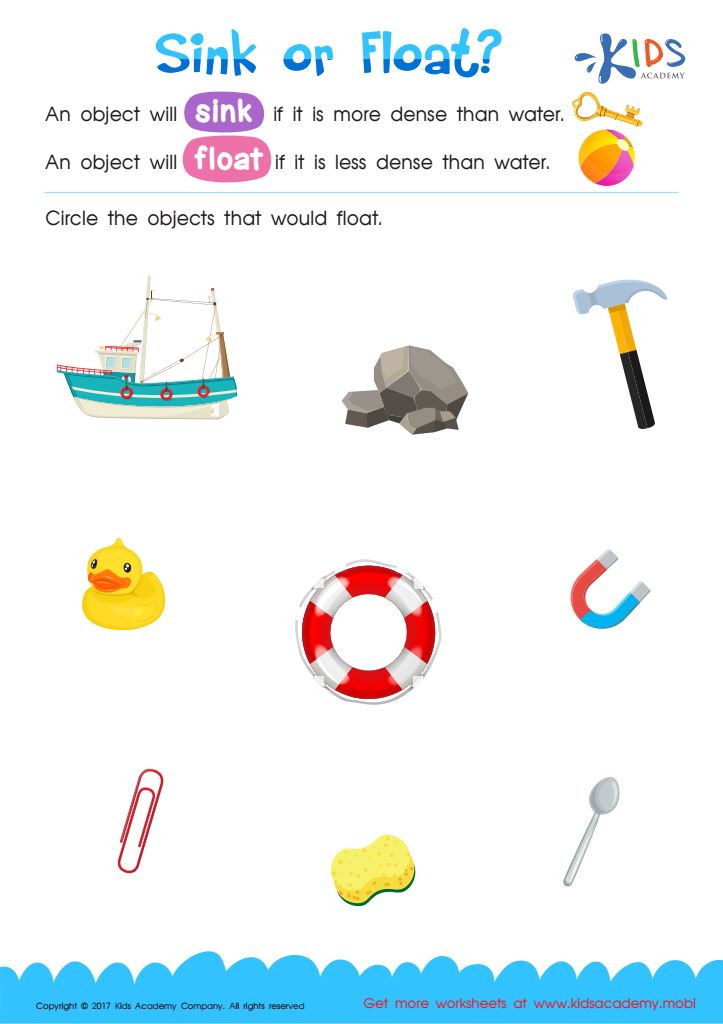
Sink or Float Printable
 Assign to My Students
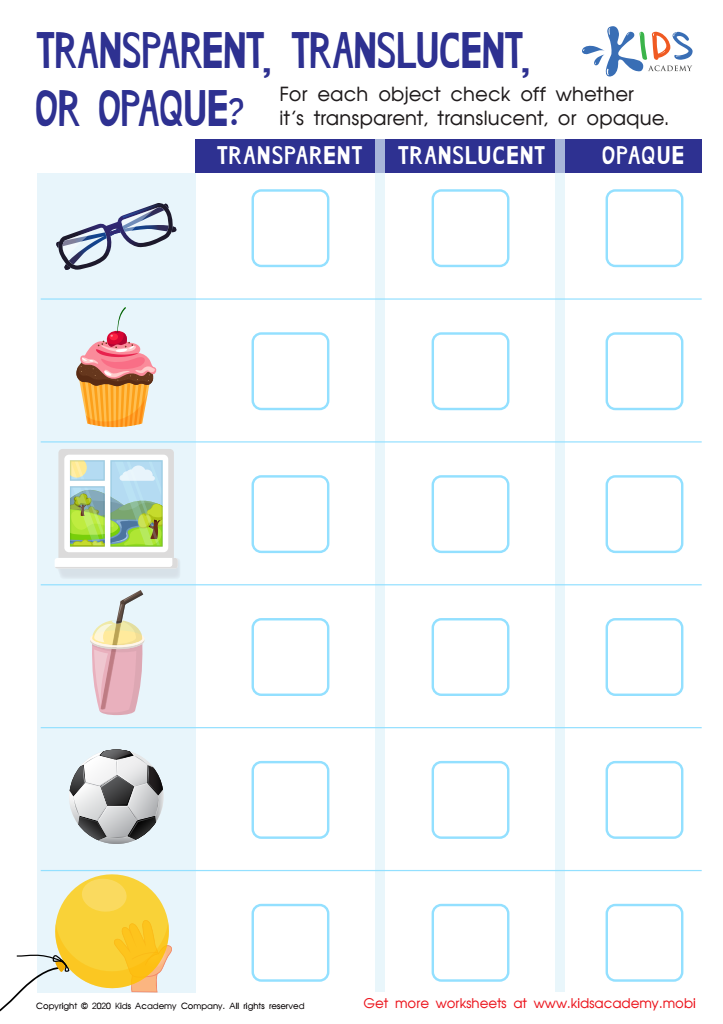
Transparent, Translucent, or Opaque Worksheet
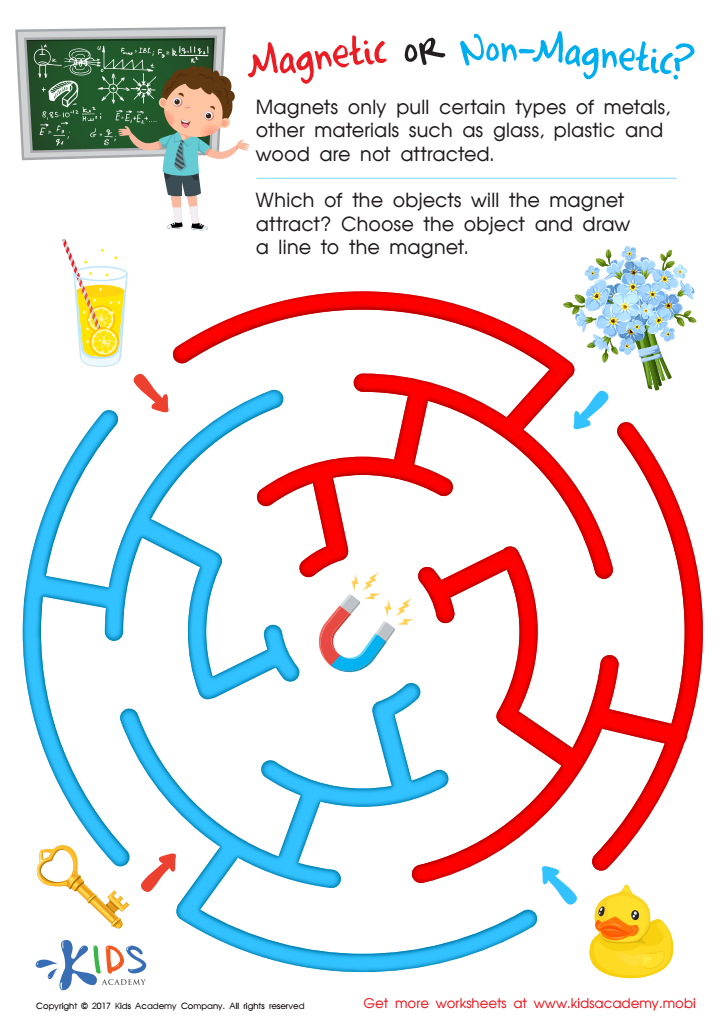
Magnetic or Non–Magnetic Worksheet





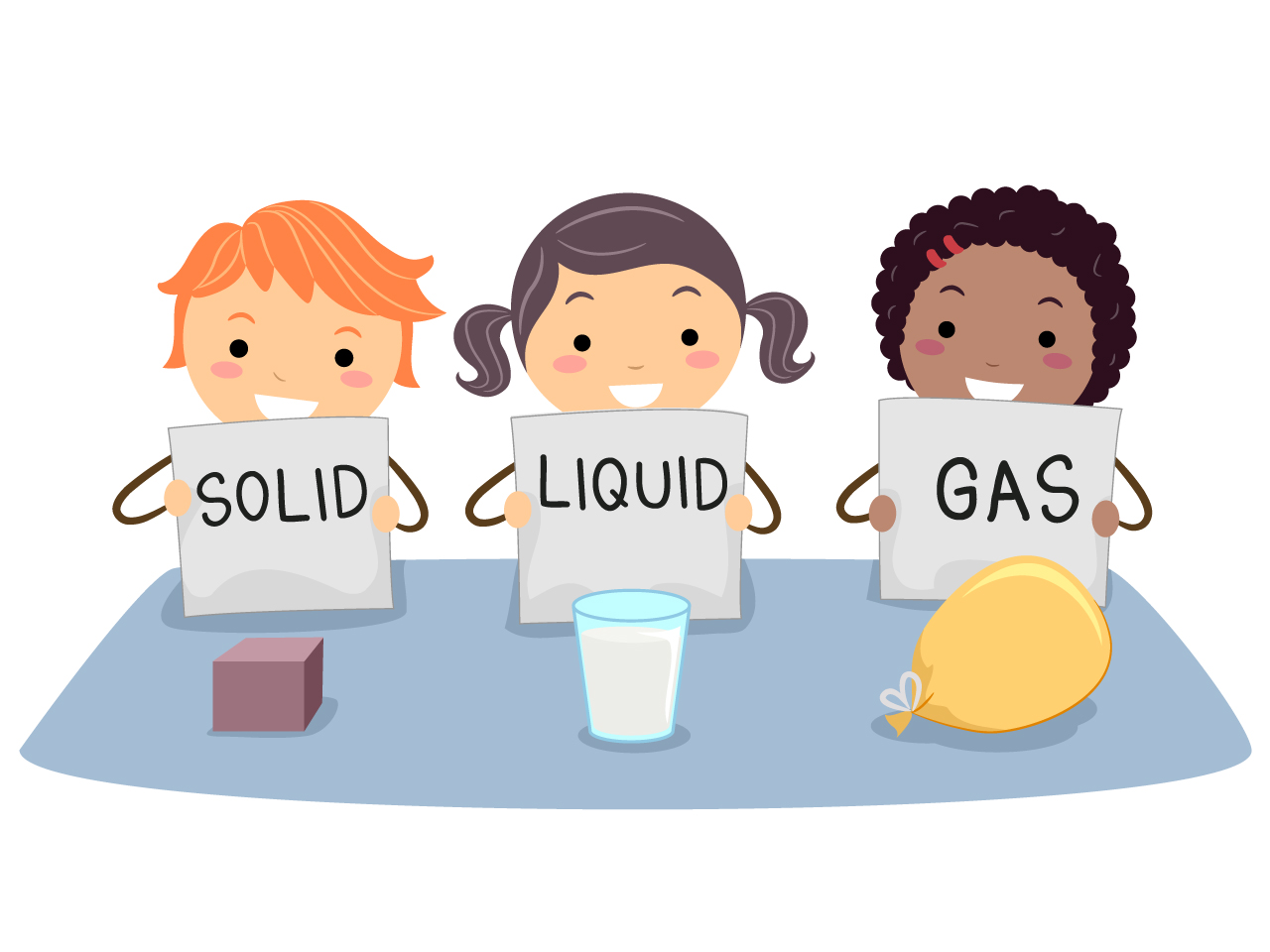
Categorizing objects in physical science is an essential activity for children ages 4-8 because it lays the foundation for critical thinking and cognitive development. This skill begins early and helps children recognize similarities and differences among objects, enhancing their observational abilities. When children categorize objects, they learn to classify items based on properties such as shape, size, color, and material. This process fosters a deeper understanding of their environment and promotes analytical skills that are vital for scientific reasoning.
Furthermore, categorizing encourages children to ask questions, explore new concepts, and develop their vocabulary associated with the properties of objects. It enhances their curiosity, making learning more engaging and interactive. In a classroom or at home, teachers and parents can foster this by providing diverse materials and encouraging children to sort, group, and compare.
Moreover, such activities contribute to the early development of mathematical skills, like counting and sequencing, and support ideas of inclusion and diversity when children learn to categorize items from various sources or cultures. Overall, nurturing categorization skills in young children prepares them for future science learning and promotes a lifelong interest in exploration and discovery.







