Animal recognition Plants and Animals Worksheets for Ages 4-8
6 filtered results
-
From - To
Discover the fun and educational "Animals and Plants Worksheets" designed for kids aged 4-8! Our engaging resources help young learners identify and recognize various animals and plants through colorful visuals and hands-on activities. These worksheets promote observation skills, enhance vocabulary, and support early science learning, making them perfect for classrooms or home use. Interactive exercises not only encourage critical thinking but also foster a love for nature, making learning an exciting adventure. Use our thoughtfully crafted materials to inspire curiosity and creativity, empowering your little ones to explore the wonderful world of plants and animals!
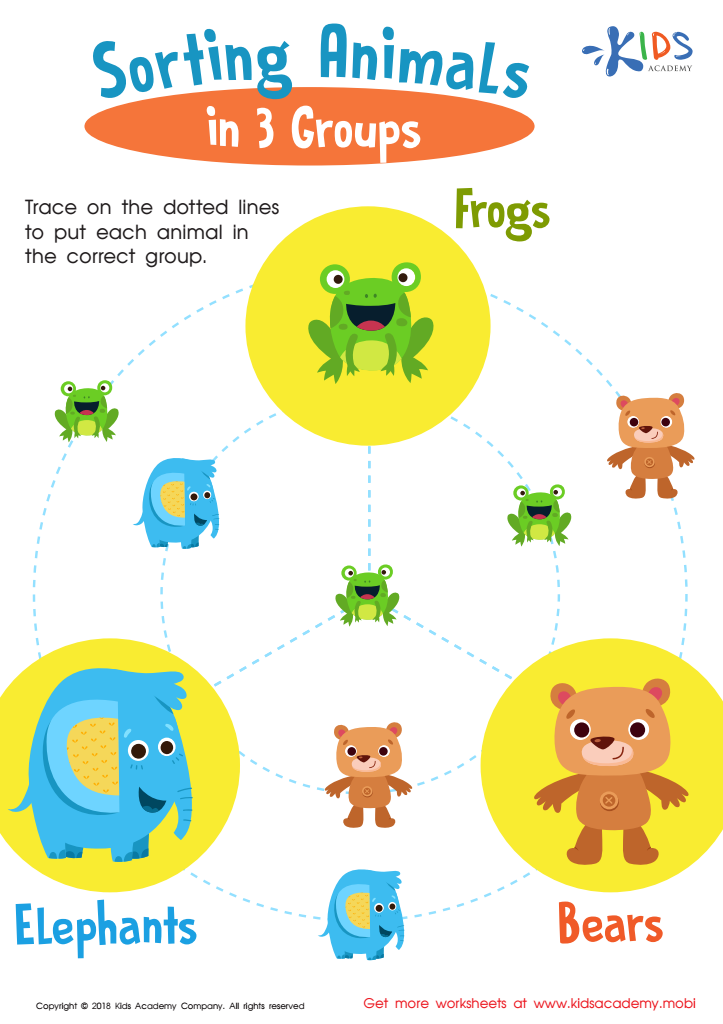
Sorting Animals in 3 Groups Worksheet
 Assign to My Students
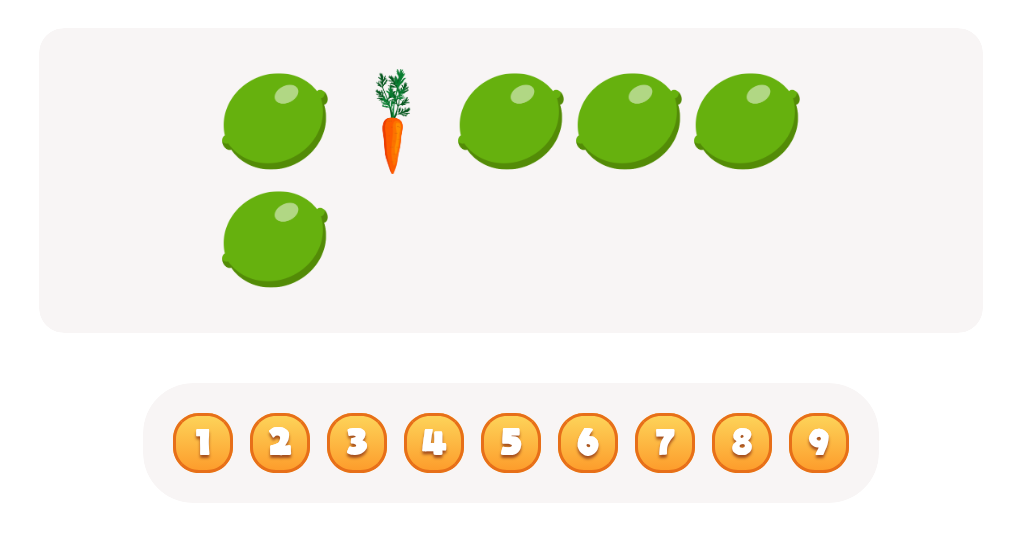


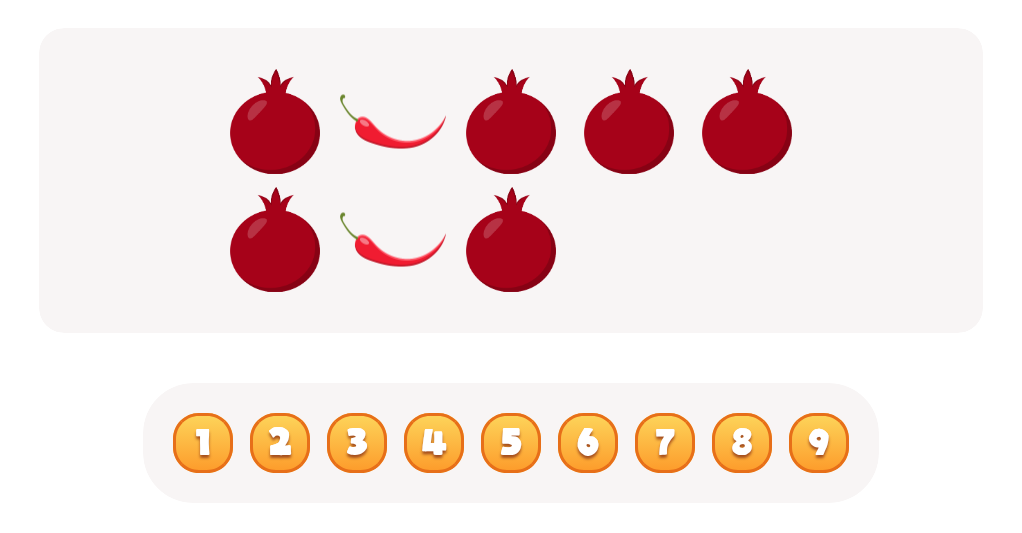
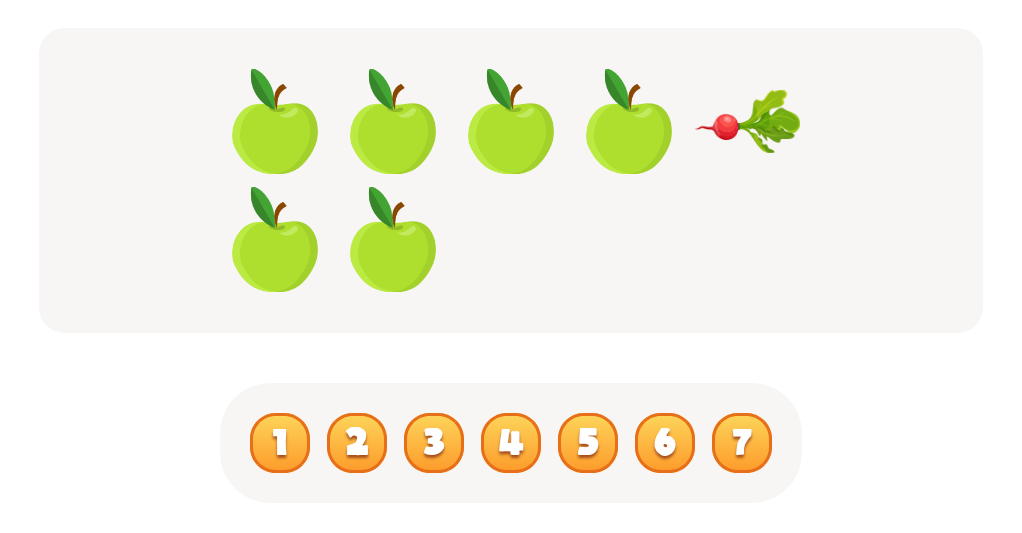
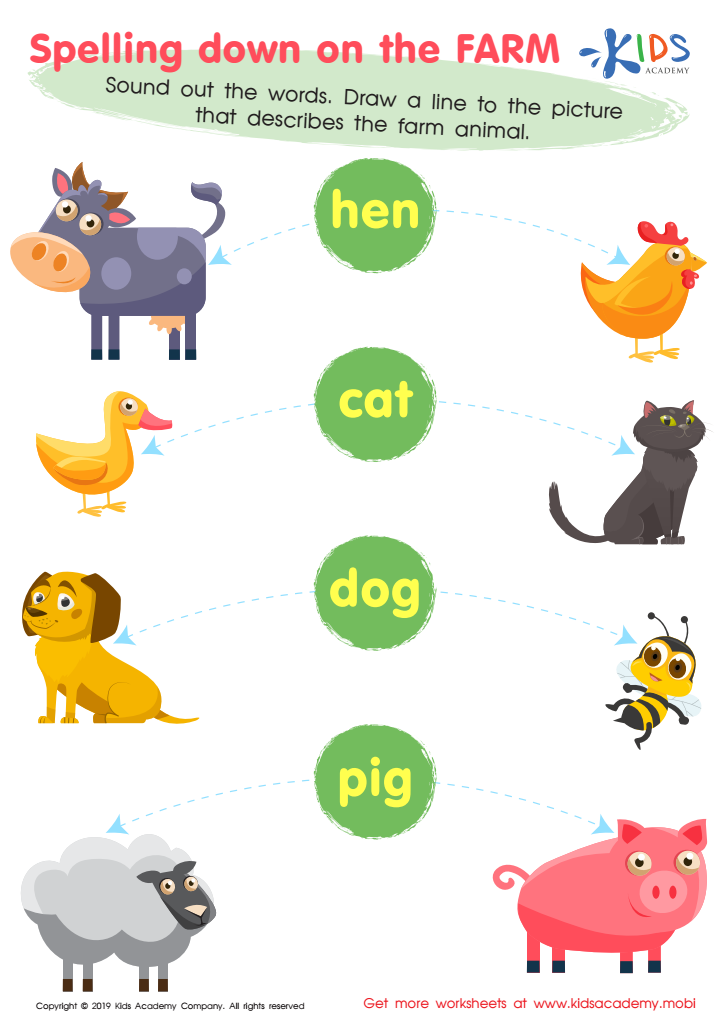
Spelling Down on the Farm Worksheet
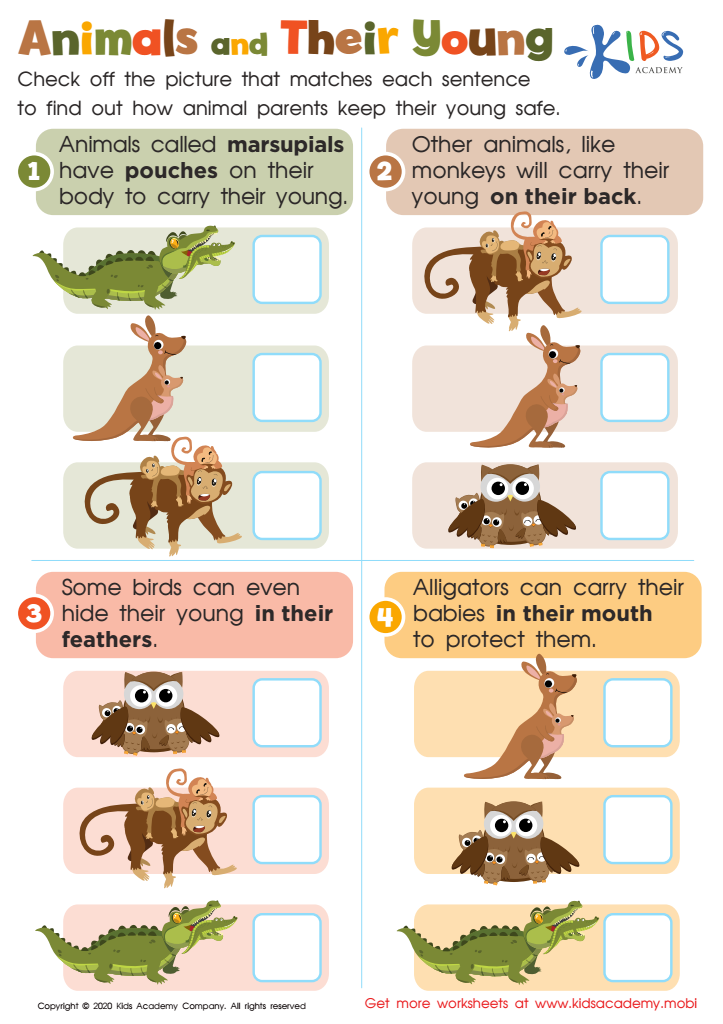
Animals and Their Young Worksheet
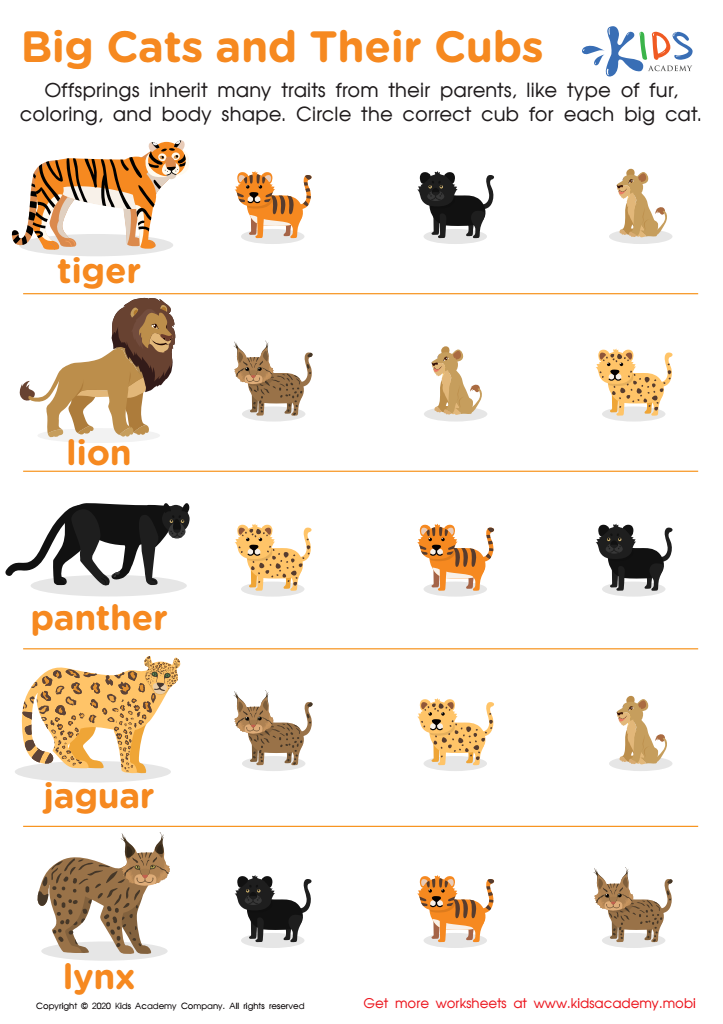
Big Cats and Their Cubs Worksheet
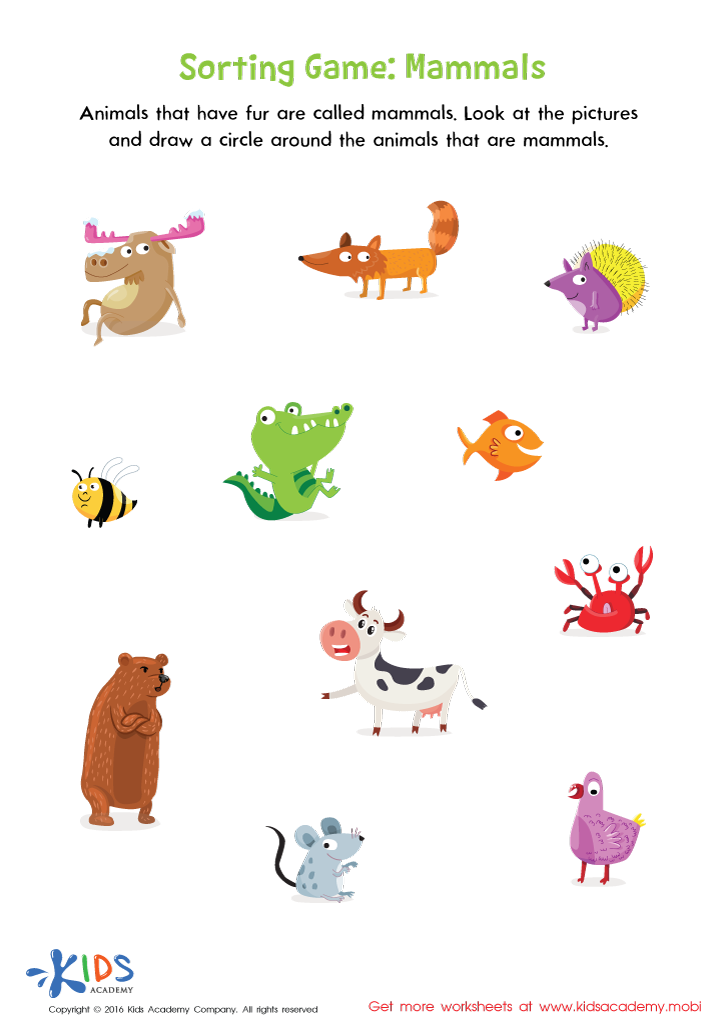
Mammals Sorting Worksheet
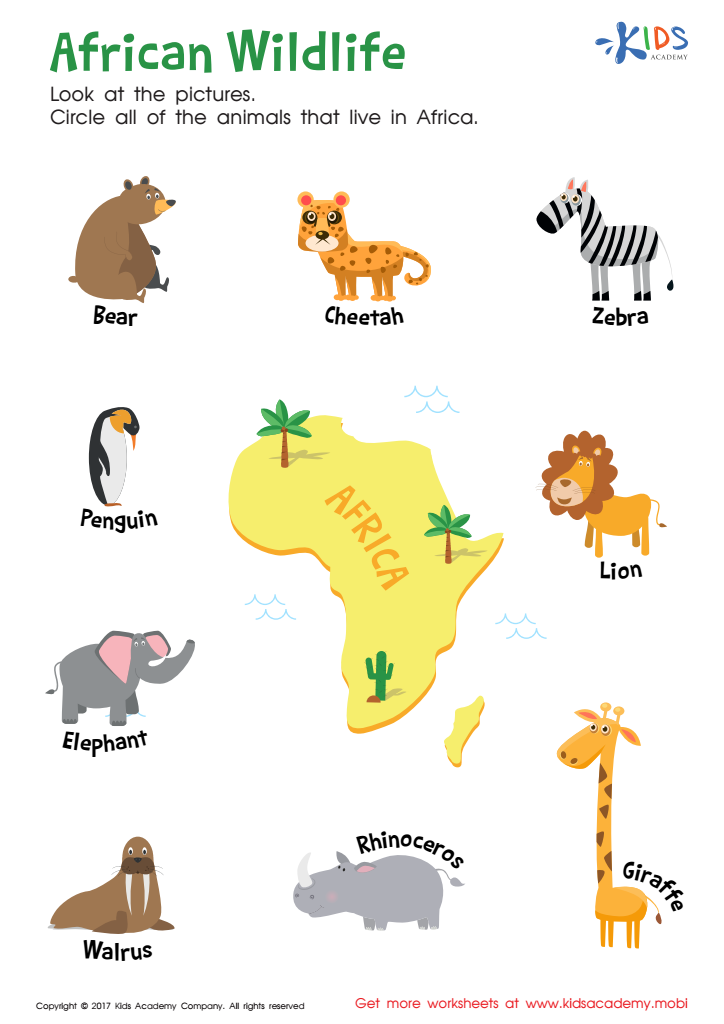







Parents and teachers should prioritize teaching animal recognition and plant identification to children aged 4-8 because these foundational skills foster early scientific understanding and encourage curiosity about the natural world. In this age group, children are naturally inquisitive and eager to explore their environment. Familiarizing them with different species helps them develop observation skills and an appreciation for biodiversity.
Additionally, recognizing animals and plants promotes environmental awareness and responsibility. Children learn the importance of conservation and the need to protect their local ecosystems as they differentiate between species and understand their roles in nature. This knowledge lays the groundwork for future environmental stewardship.
Engaging with the natural world also enhances vocabulary and cognitive development. As children learn new terms and concepts associated with animals and plants, their language skills improve, aiding their overall educational growth. Moreover, outdoor activities that incorporate animal and plant recognition can promote physical health and social skills through collaborative learning experiences.
Finally, fostering a love and respect for nature at an early age can have profound long-term effects, influencing children's values, behaviors, and choices as they grow. Ultimately, understanding the world around them enriches their childhood and equips them for a lifetime of learning and exploration.








