Analytical skills Social Studies Worksheets for Ages 4-8
3 filtered results
-
From - To
Unlock your child's potential with our engaging Analytical Skills Social Studies worksheets designed specifically for ages 4-8! These colorful and interactive worksheets encourage young learners to explore critical thinking and problem-solving through captivating themes in social studies. With activities tailored to enhance observation, classification, and comparison skills, each worksheet helps children make connections within the world around them. Watch as your child develops the ability to analyze information, fostering independence and confidence. Perfect for at-home learning or classroom enrichment, these resources make social studies fun and educational. Ignite your child's curiosity and support their analytical growth today!
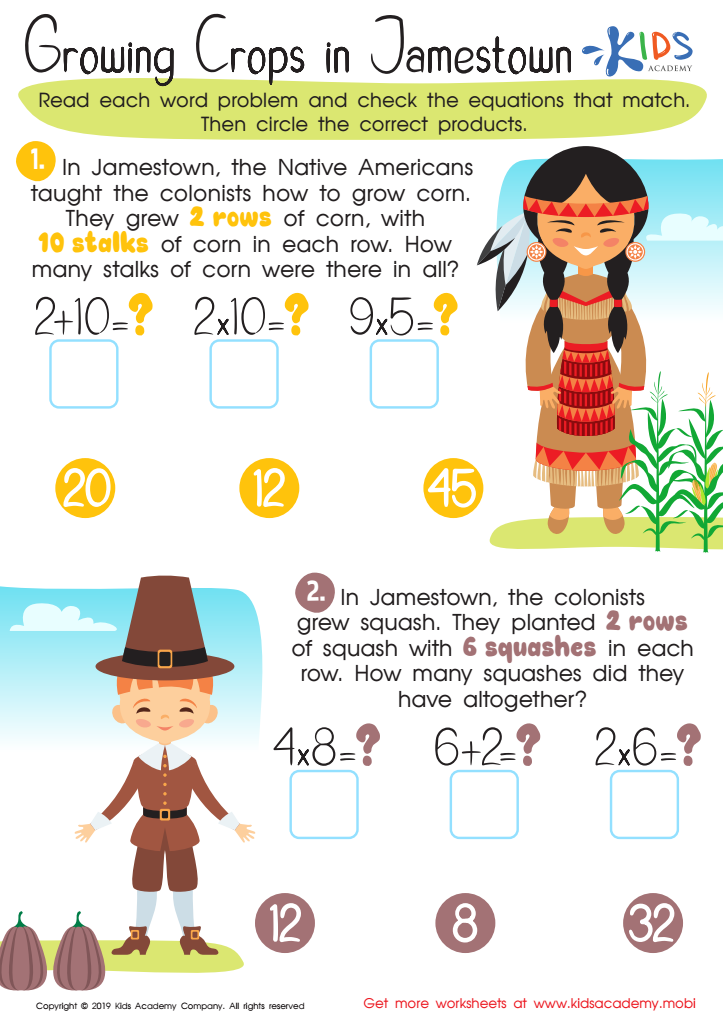
Growing Jamestown Worksheet
 Assign to My Students
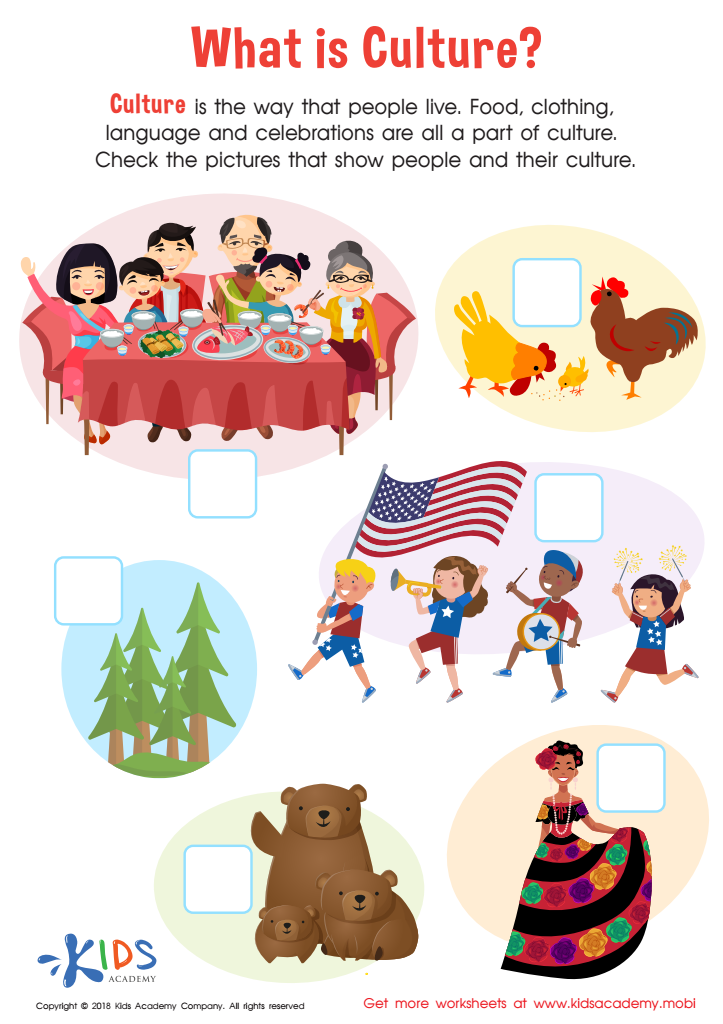
What Is Culture? Worksheet
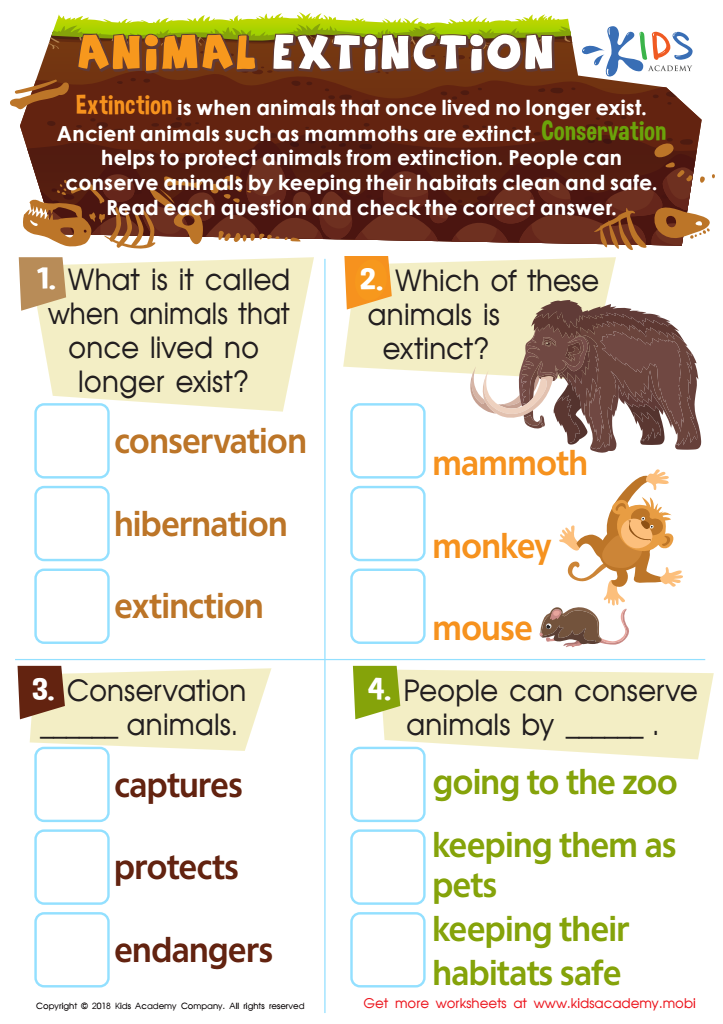
Animal Extinction Worksheet







.jpg)
Analytical skills in Social Studies are crucial for children ages 4-8 as they lay the foundation for critical thinking and informed citizenship. During these formative years, children are naturally curious about their world. By encouraging them to analyze historical events, social structures, and cultural differences, parents and teachers foster a sense of understanding and empathy.
When children develop analytical skills, they learn to ask questions, evaluate information, and draw conclusions. This not only enhances their academic performance but also promotes active engagement in discussions about community and global issues. As they explore concepts like fairness, justice, and diversity, children begin to form their values and beliefs, shaping them into responsible global citizens.
Teaching analytical skills through Social Studies also supports literacy and numeracy development, as children learn to interpret graphs, analyze texts, and evaluate sources. These skills are transferable and beneficial for lifelong learning. Moreover, by emphasizing social studies in early education, we help children become more aware of their role in society and the impact of their decisions, which ultimately inspires them to contribute positively to their communities. Therefore, parents and teachers should prioritize these skills to empower the next generation.








