Spelling improvement Writing Worksheets for Ages 4-8
7 filtered results
-
From - To
Unlock your child's potential with our engaging Spelling Improvement Writing Worksheets designed for ages 4-8! These interactive activities promote essential literacy skills while making learning fun. Each worksheet focuses on phonics, vocabulary enhancement, and spelling mastery, tailored to young learners' developmental needs. As kids fill in, trace, and practice words, they build confidence and competence in their writing abilities. Perfect for use at home or in the classroom, these worksheets provide a dynamic way to reinforce spelling skills and foster a love for language. Get started today, and watch your child thrive in their journey to becoming a confident writer!
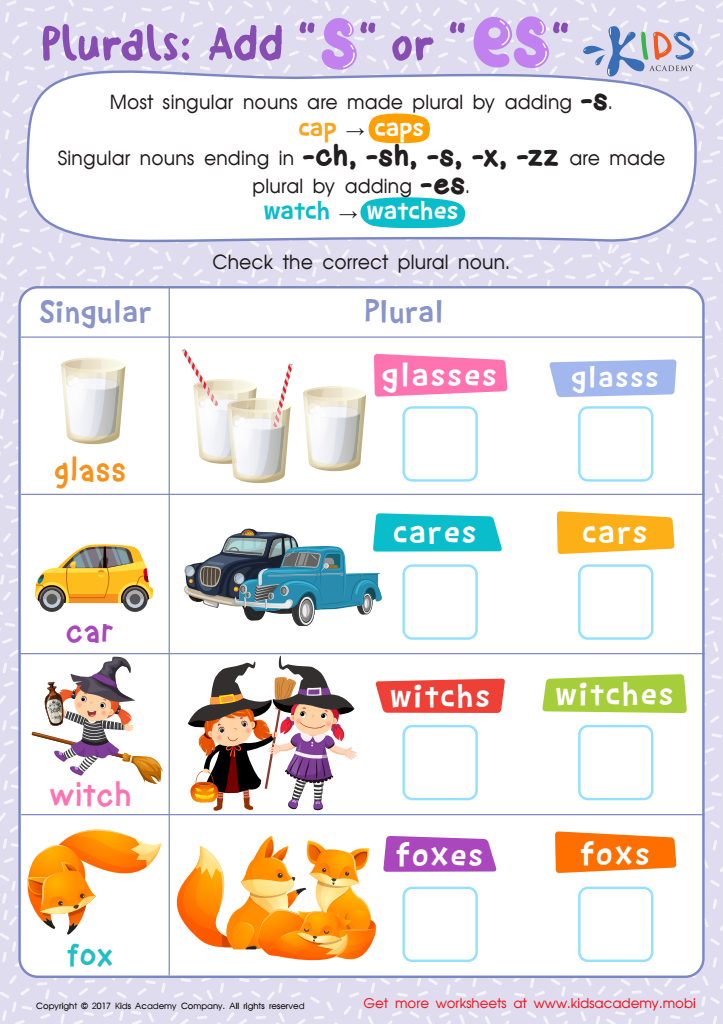
Plurals: "–es" or "–es"? Worksheet
 Assign to My Students

Pink Tracing Color Words Worksheet
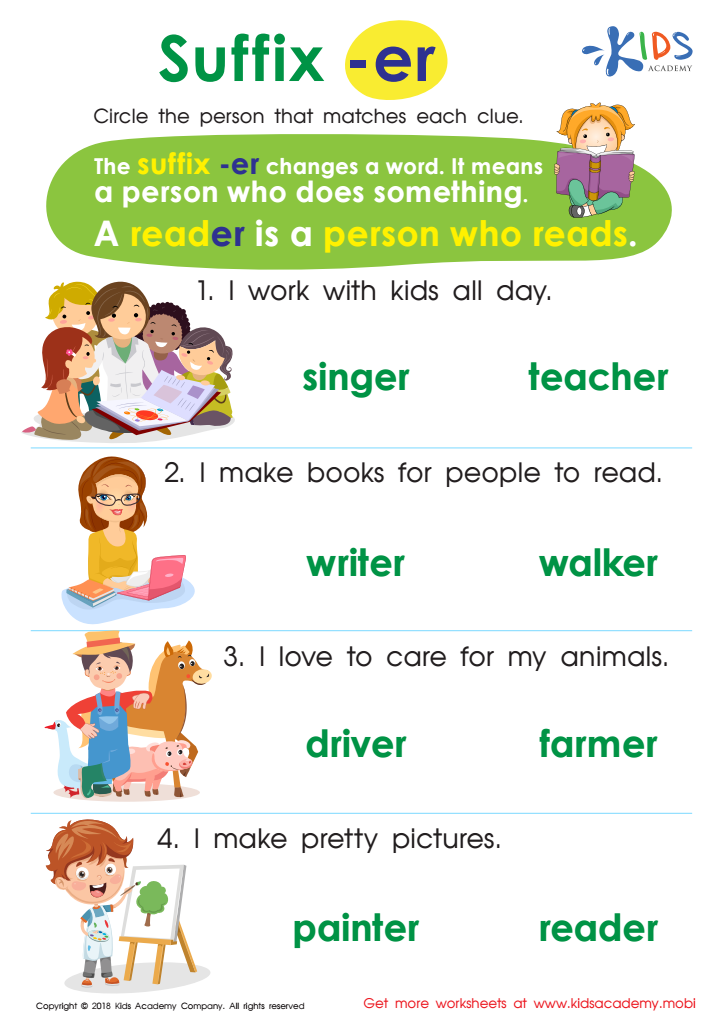
Suffix –er Printable Worksheet
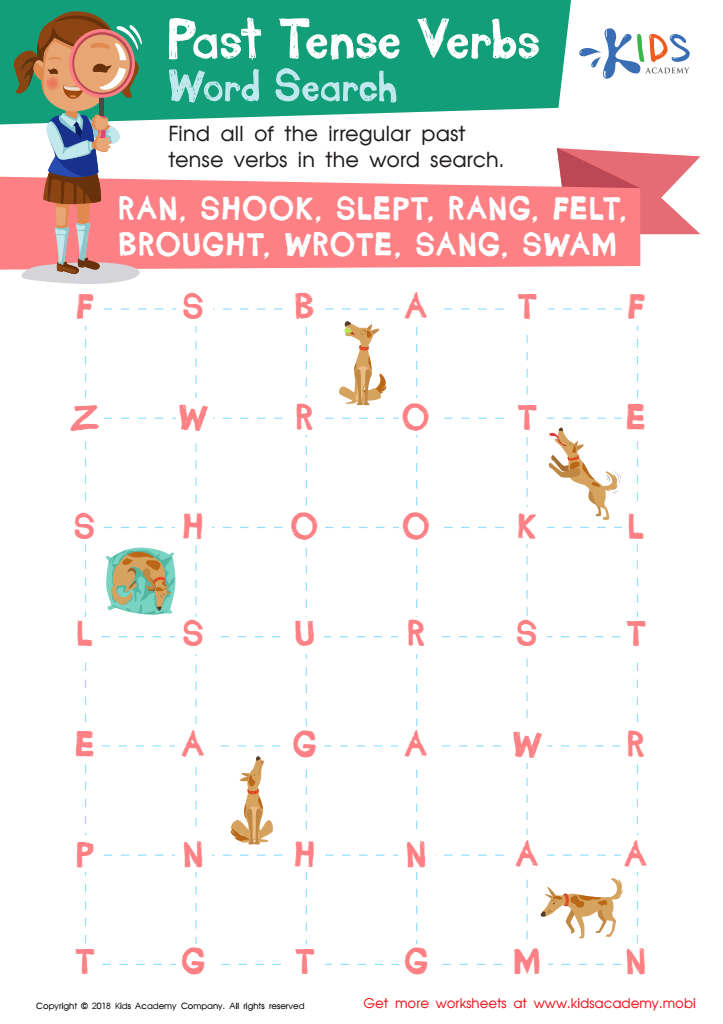
Past Tense Verbs Word Search Worksheet
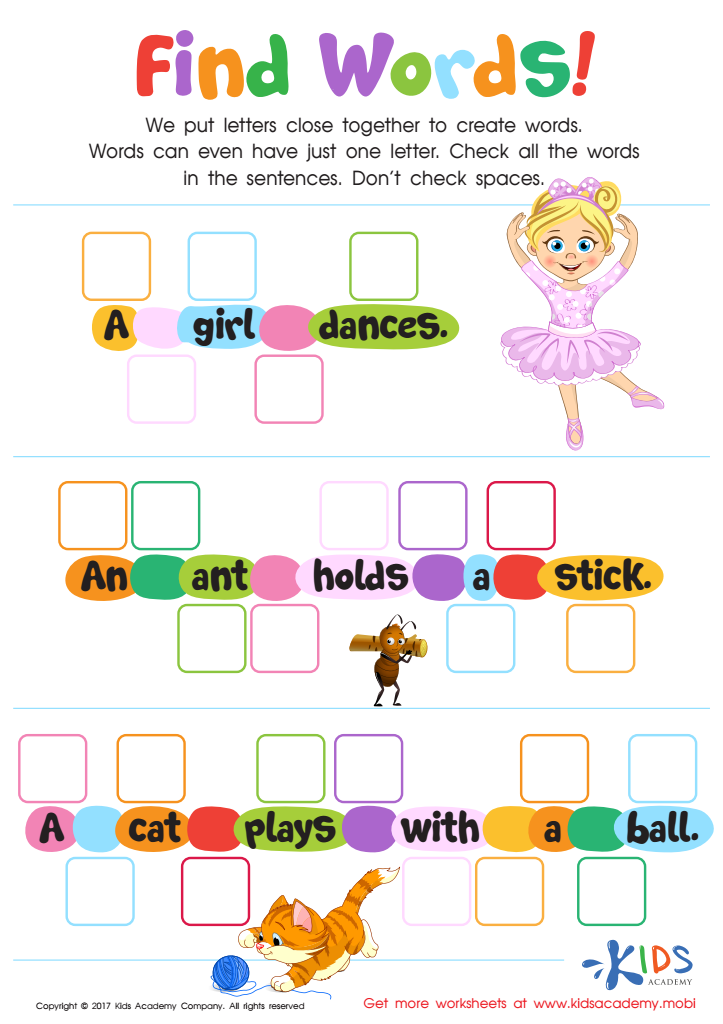
Find Words Worksheet
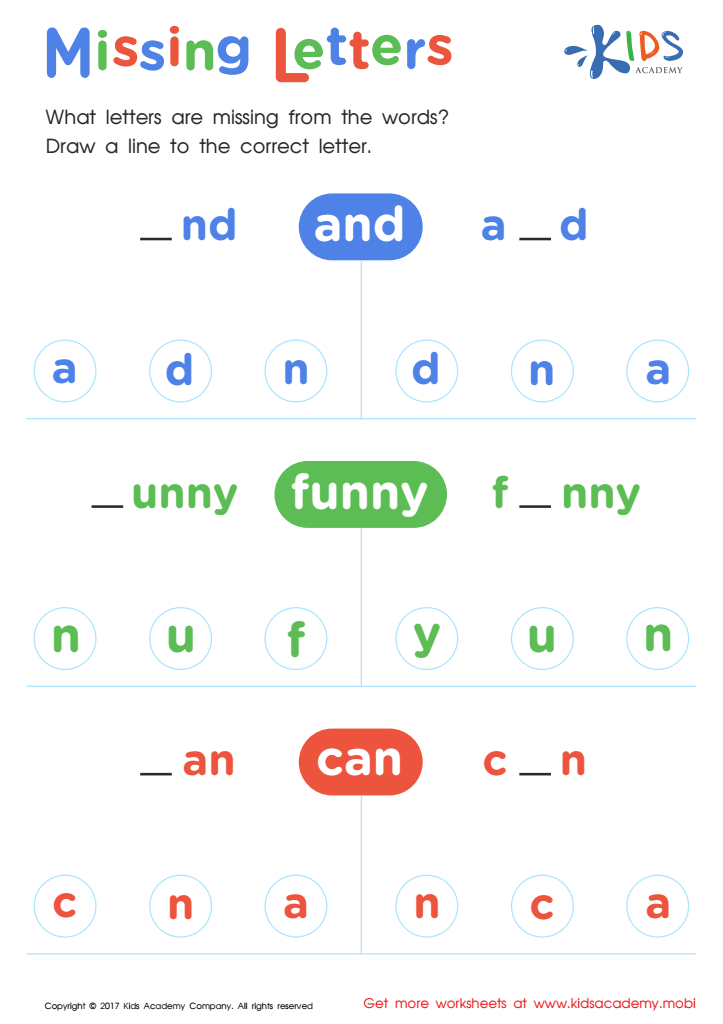
Missing Letters Worksheet
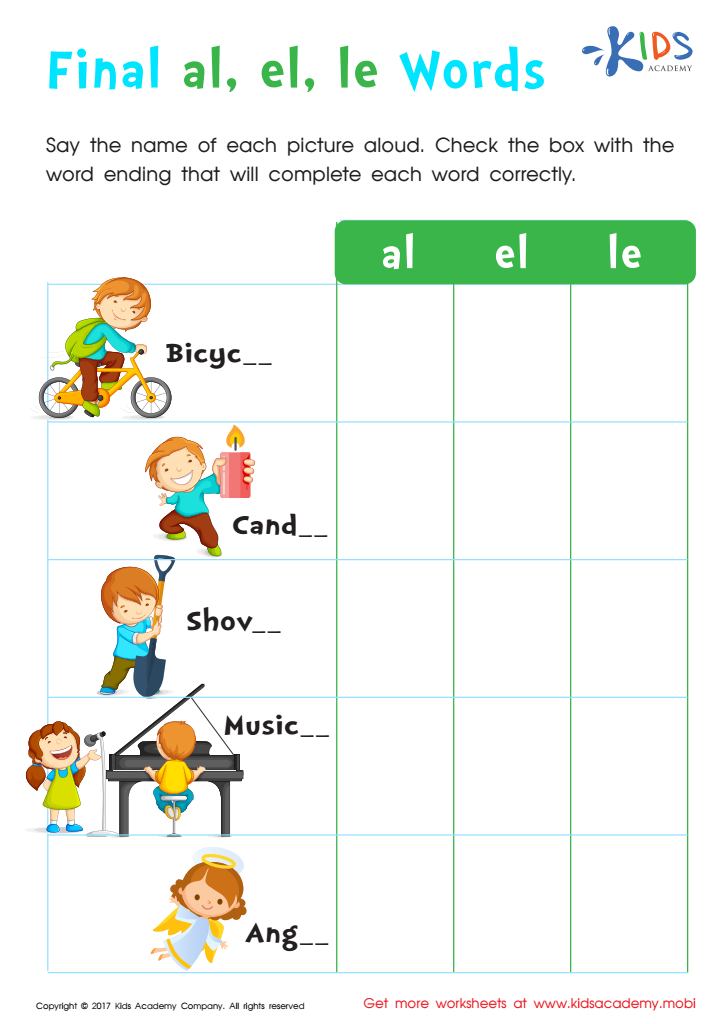
Spelling Words Ending with –le, –el and –al Worksheet








Spelling improvement in early writing for children aged 4-8 is crucial for several reasons. Firstly, a strong foundation in spelling enhances a child's reading and writing skills, promoting better literacy overall. As children learn to spell, they become more confident in their ability to express their thoughts and ideas on paper, fostering creativity and communication skills.
Additionally, mastering spelling during these formative years helps develop critical cognitive skills. Children learn to recognize patterns in words, understand phonetics, and build their vocabulary, all of which are essential for academic success. When parents and teachers prioritize spelling improvement, they are helping children develop a sense of accomplishment, which boosts their motivation and encourages a lifelong love of learning.
Moreover, effective spelling impacts a child's self-esteem. Struggling with spelling can lead to frustration and avoidance of writing tasks, while improvement empowers children to engage in activities that require written communication. By providing support and resources for spelling, parents and teachers play a vital role in nurturing children's literacy skills, preparing them for future academic challenges, and setting the groundwork for effective communication throughout their lives. Therefore, spelling improvement should be a priority for both parents and educators in early education.








