Vocabulary enhancement Writing Worksheets for Ages 4-8 - Page 3
75 filtered results
-
From - To
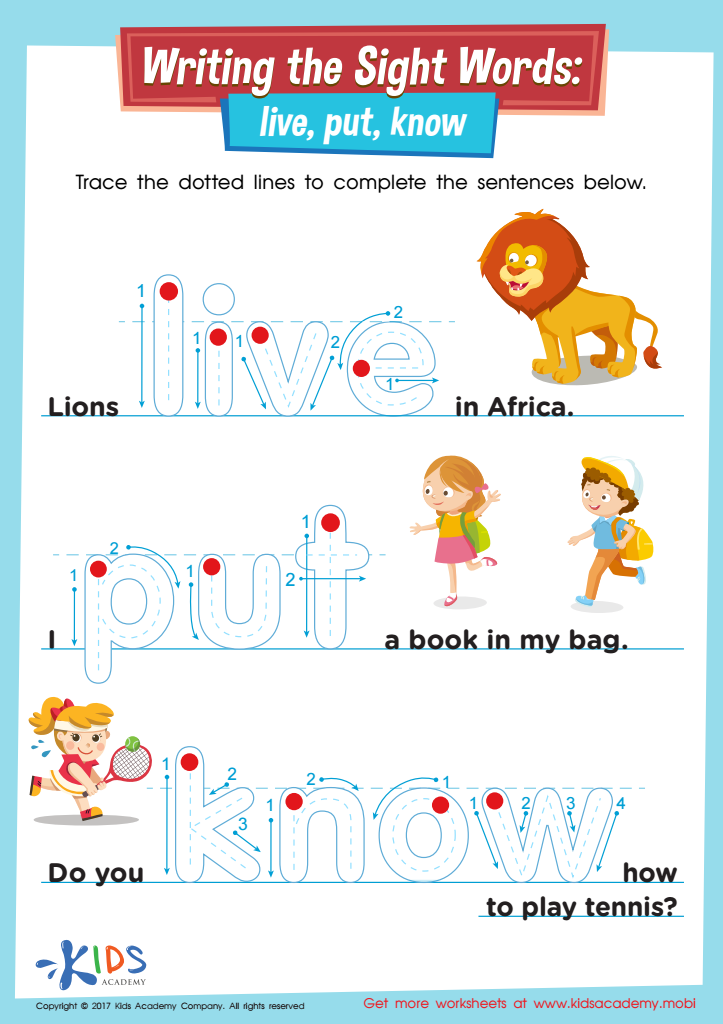
Live, Put, Know Printable Sight Words Worksheet
 Assign to My Students
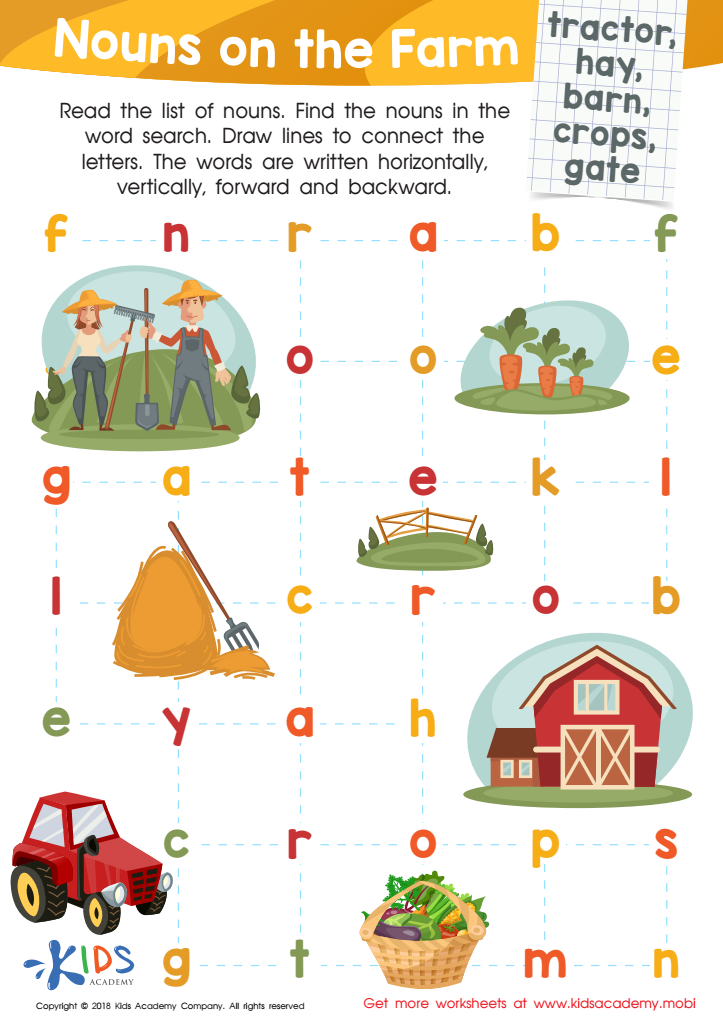
Nouns on the Farm Worksheet
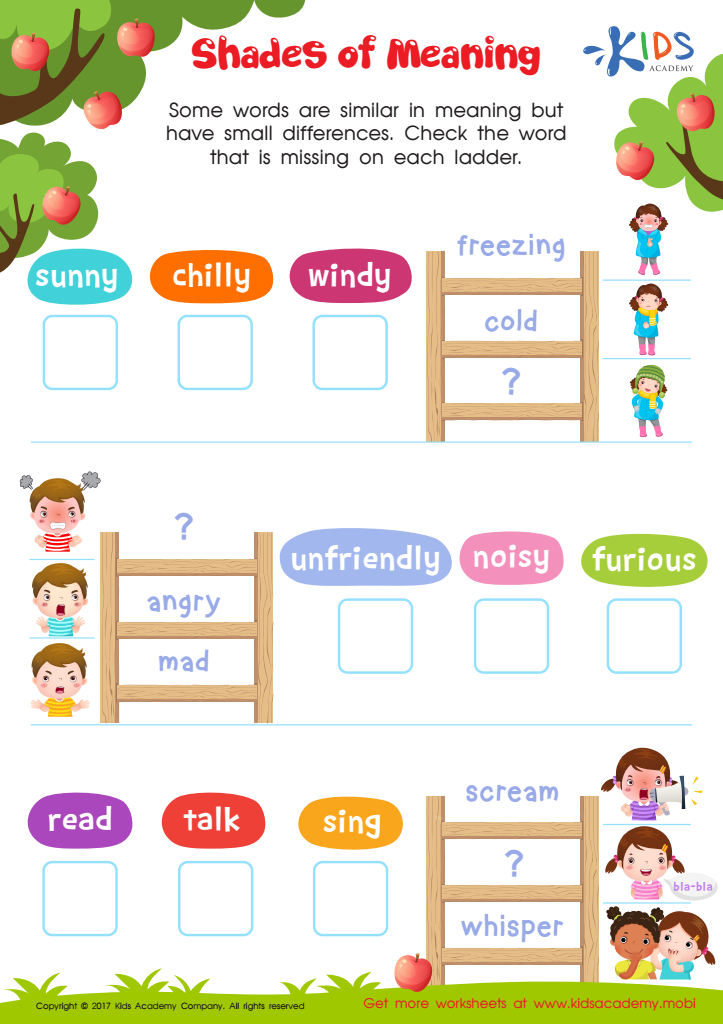
Shades of Meaning Worksheet
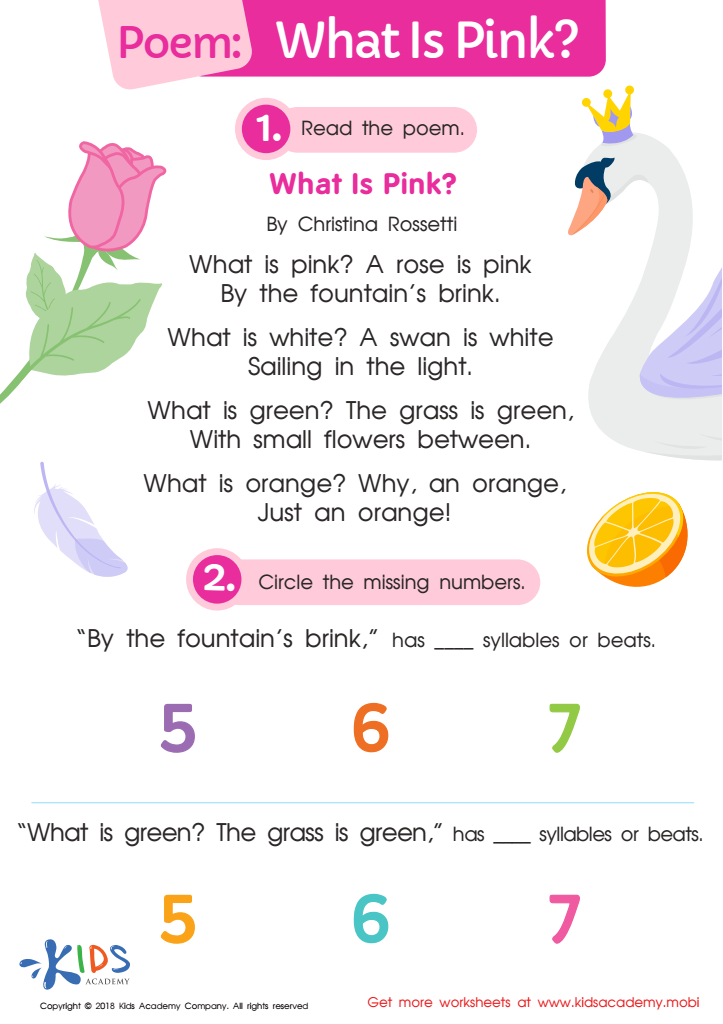
Poem: What Is Pink? Worksheet

The Planets: Saturn Printable
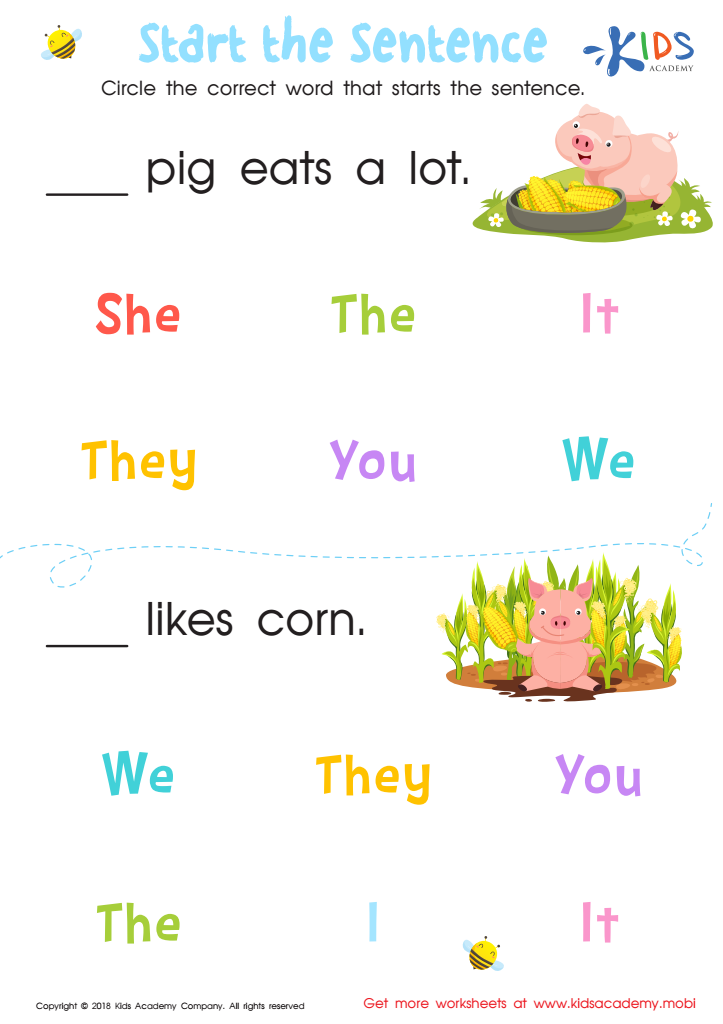
Start the Sentence Worksheet
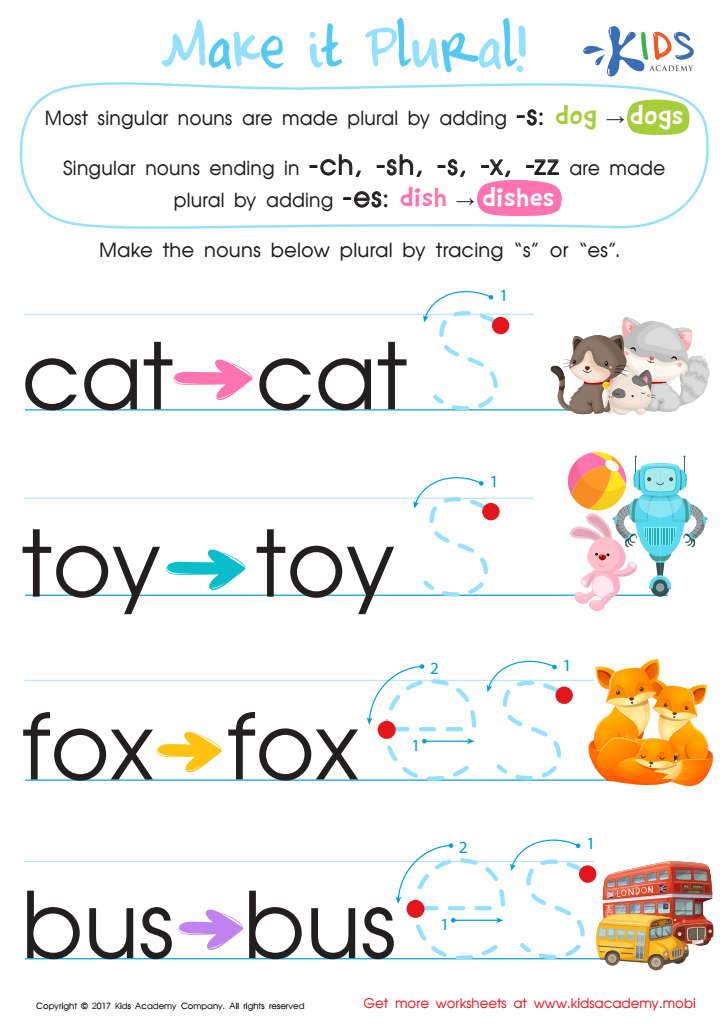
Make it Plural Worksheet
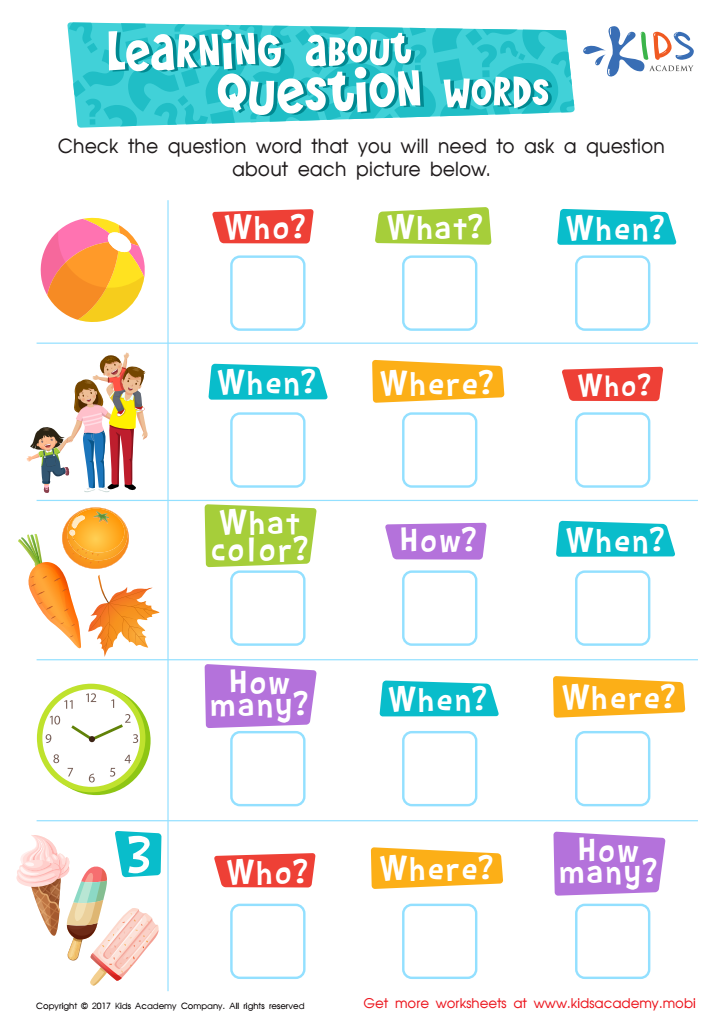
Learning about Question Words Worksheet
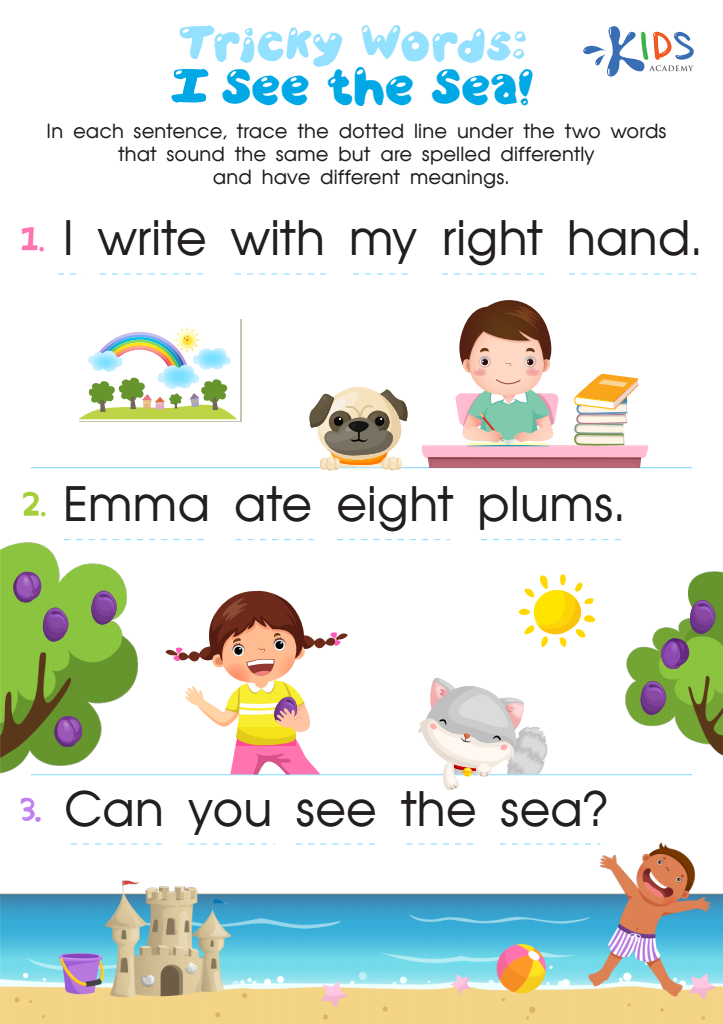
Tricky Words Worksheet
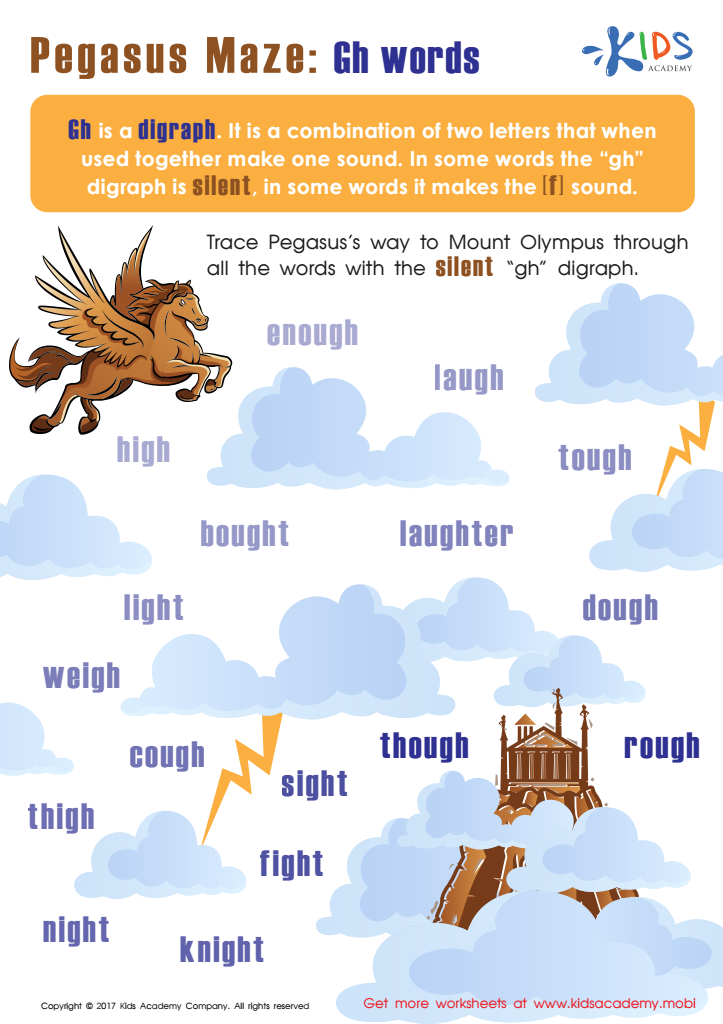
Pegasus Maze: GH Words Worksheet
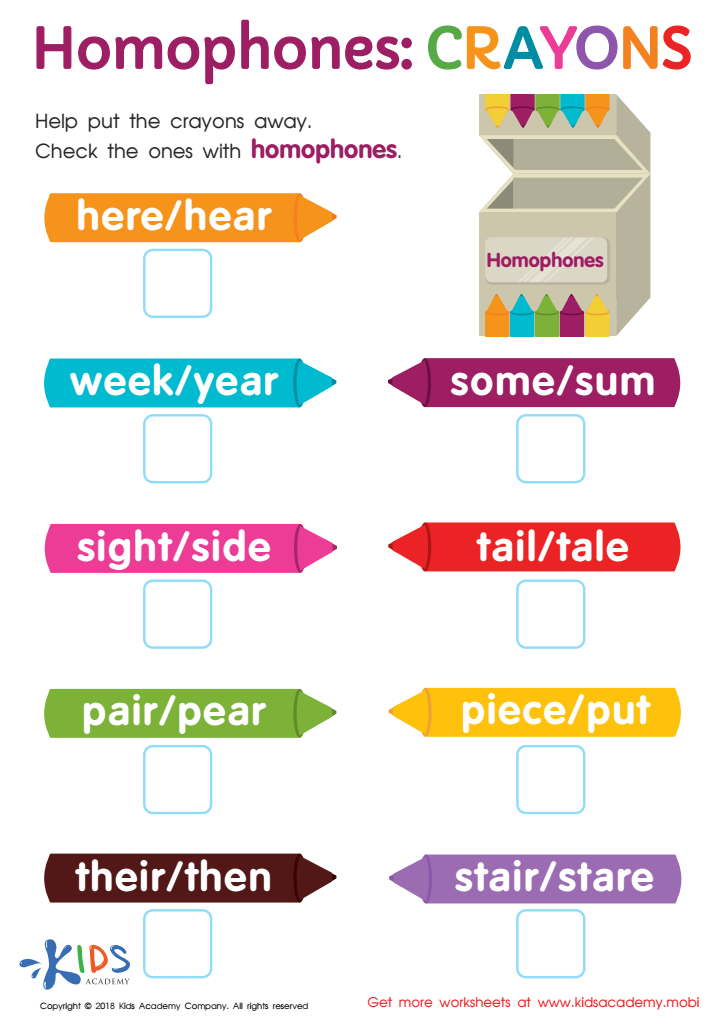
Homophones: Crayons Worksheet
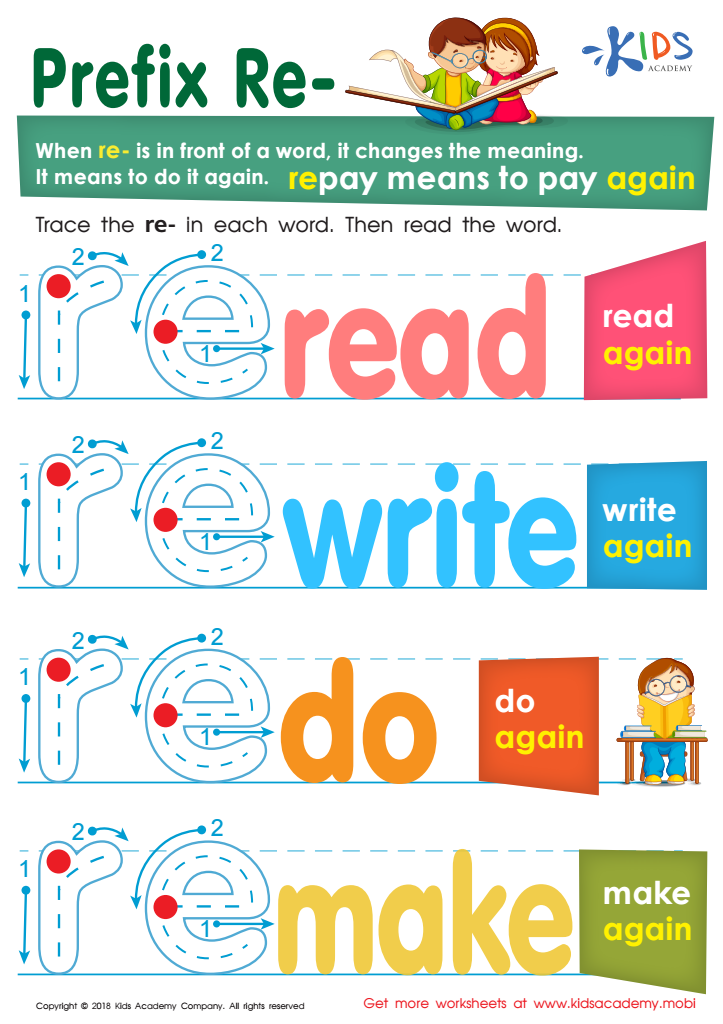
Prefix Re- Worksheet
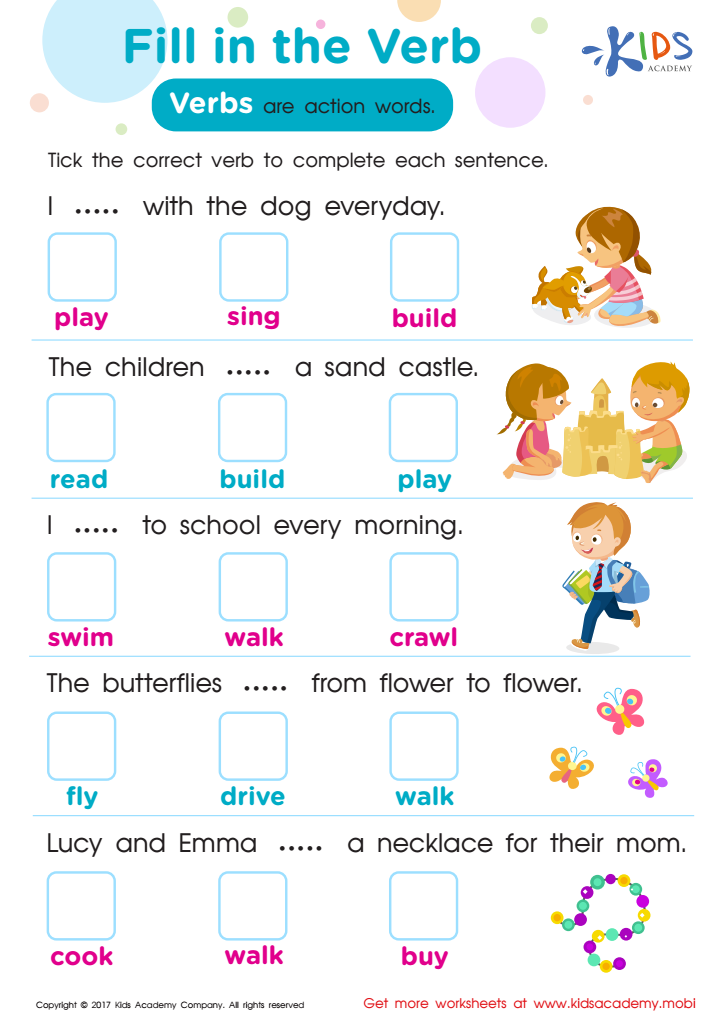
Fill in the Verb Printable
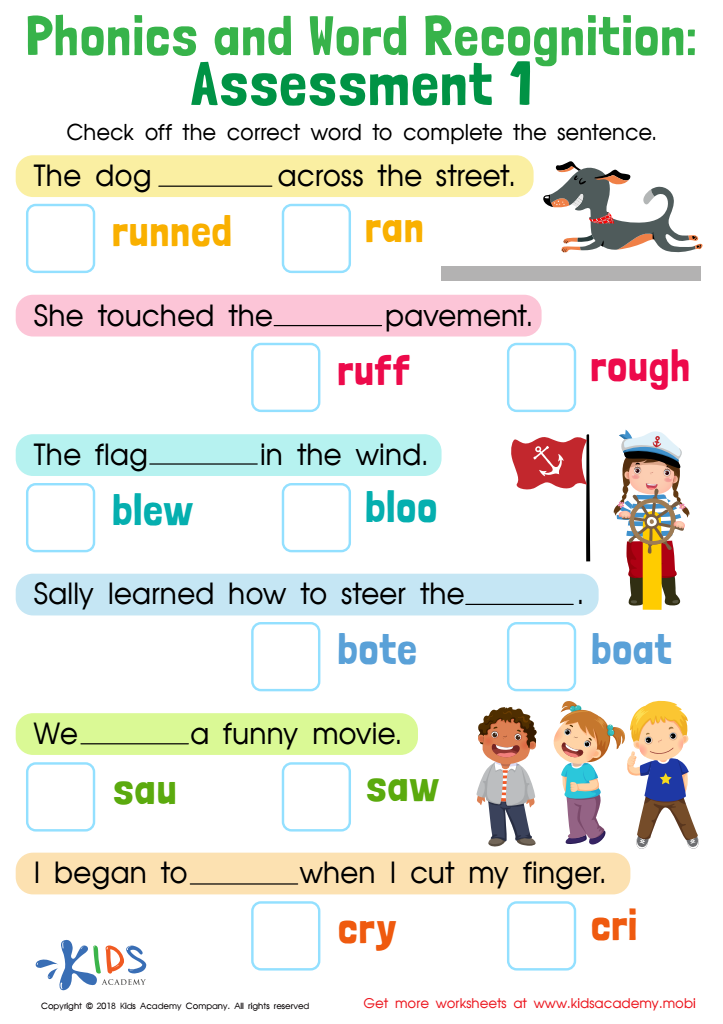
Phonics and Word Recognition: Assessment 1 Worksheet
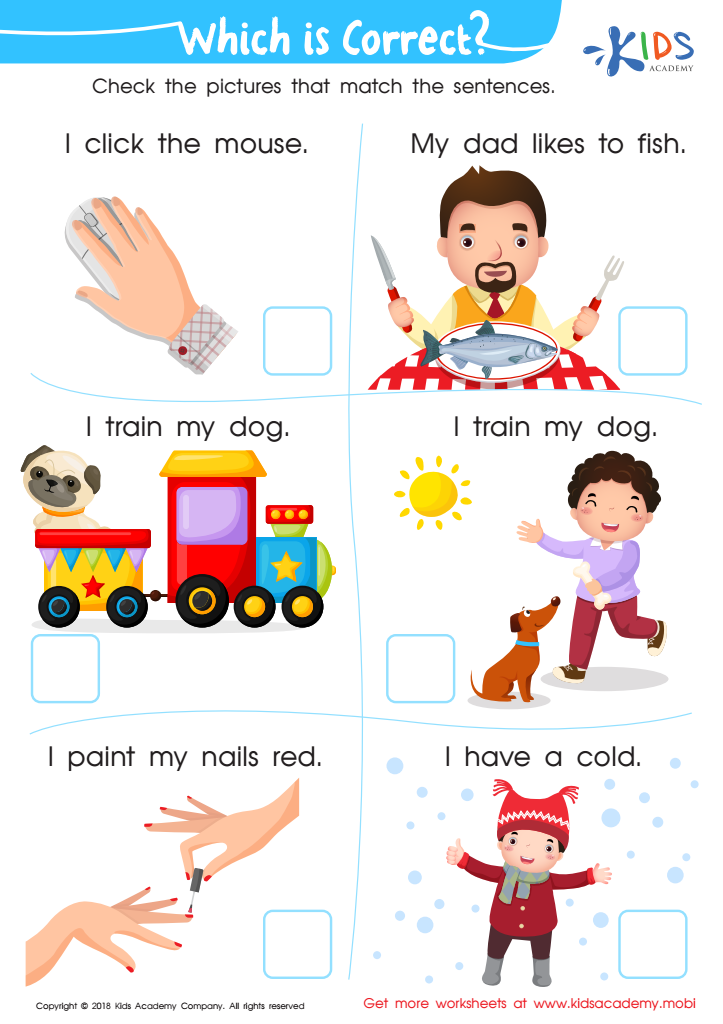
Which Is Correct? Worksheet
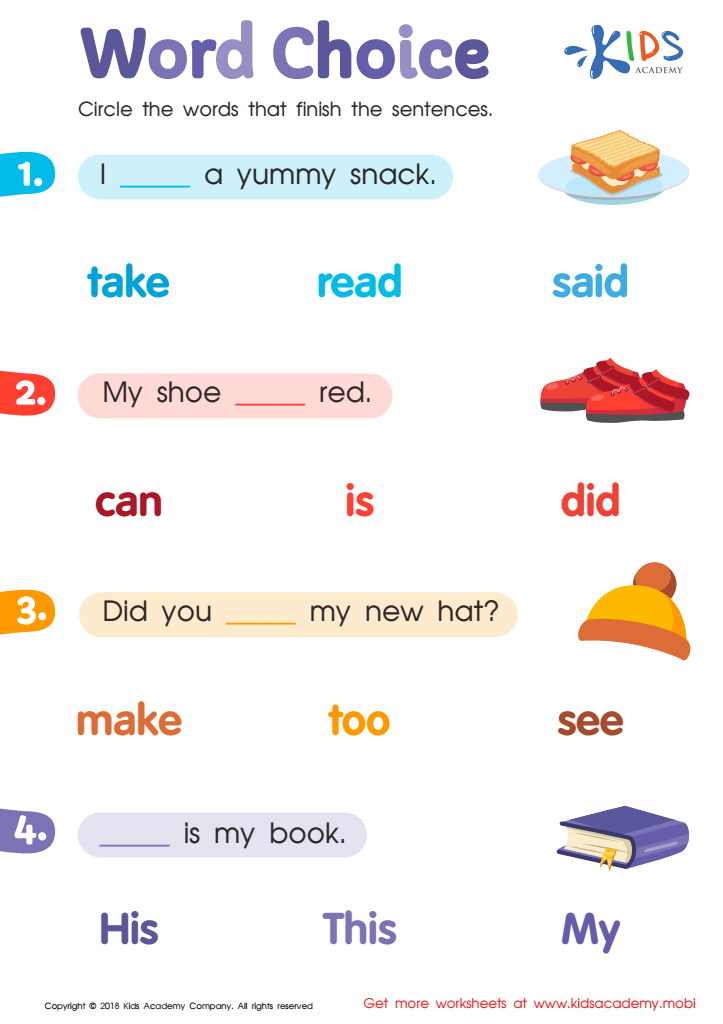
Word Choice Worksheet
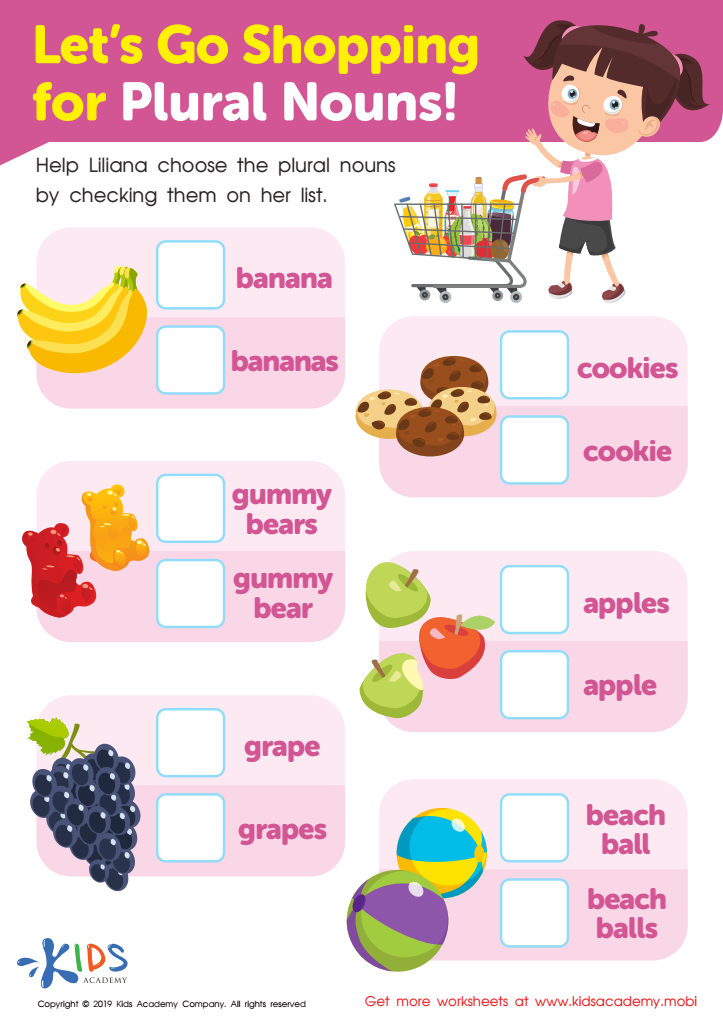
Let's Go Shopping for Plural Nouns! Worksheet
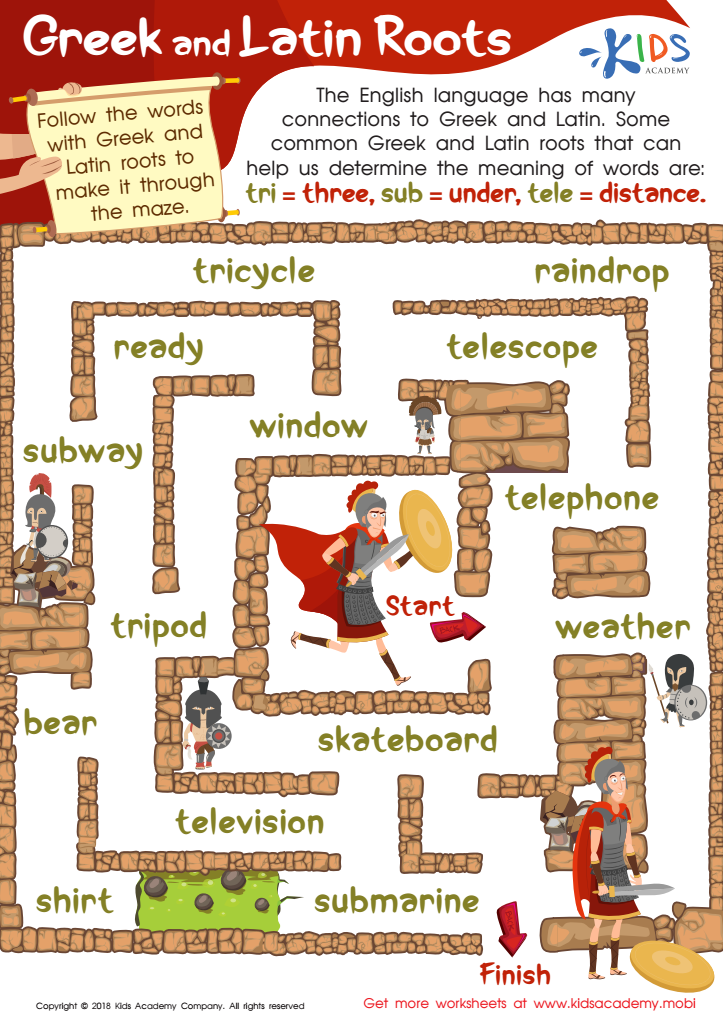
Greek and Latin Roots Worksheet
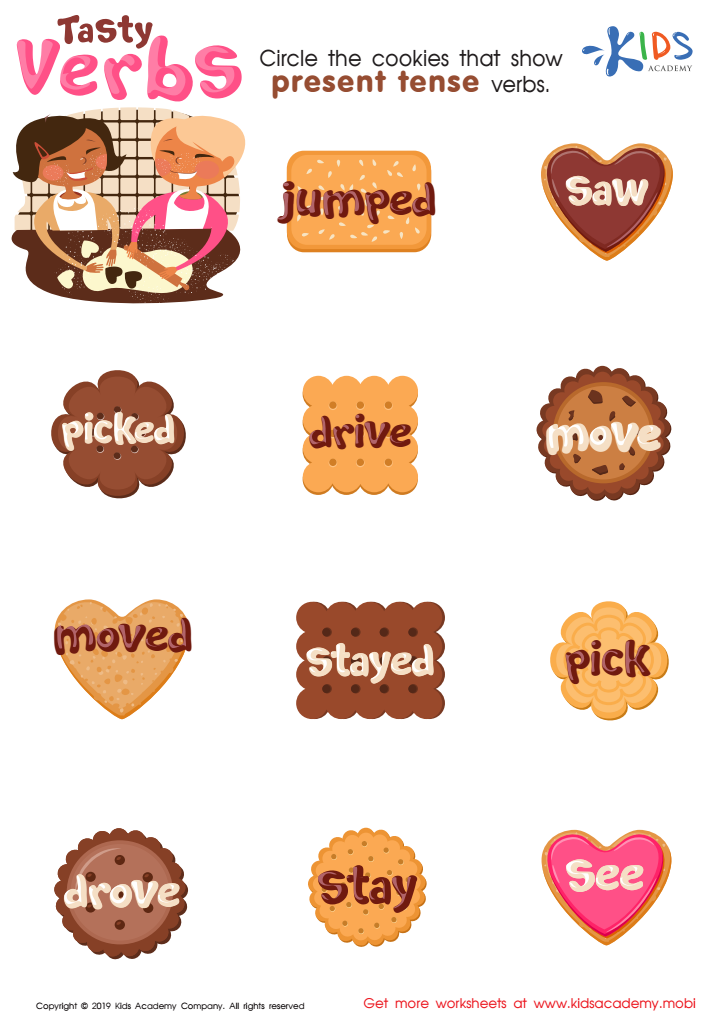
Tasty Verbs Worksheet
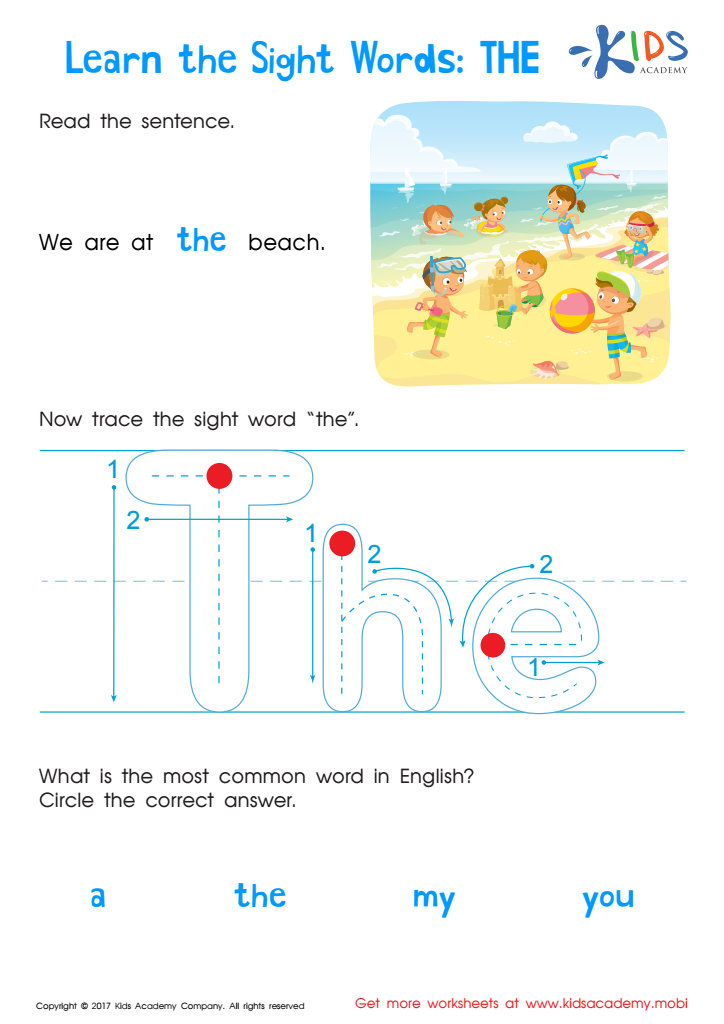
Sight Words: The Worksheet
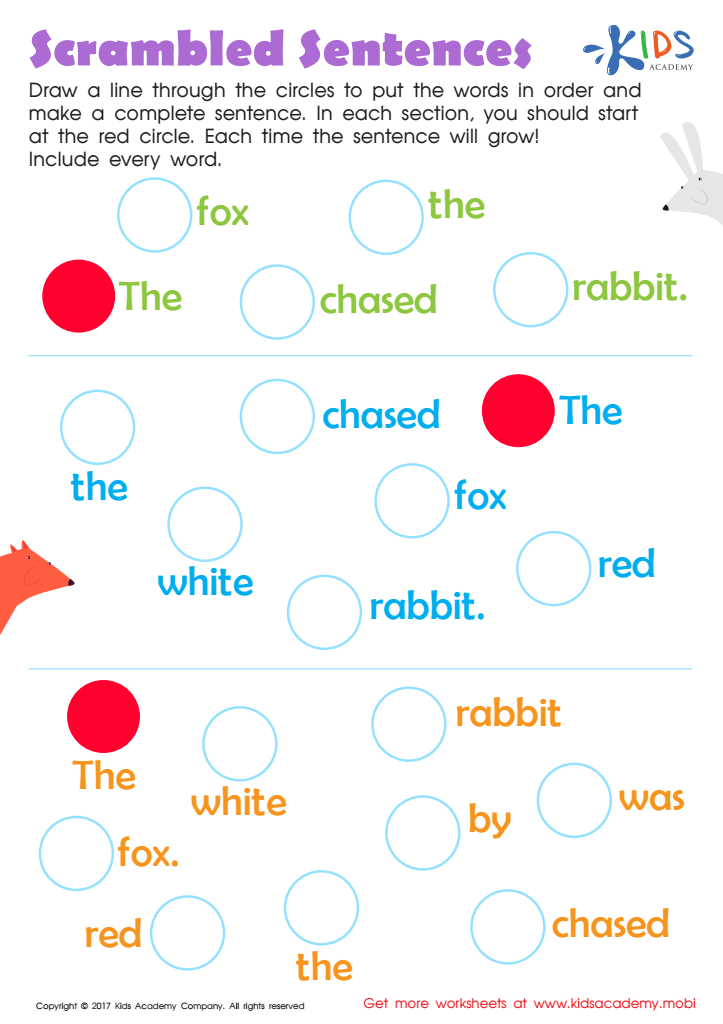
Scrambled Sentences Worksheet
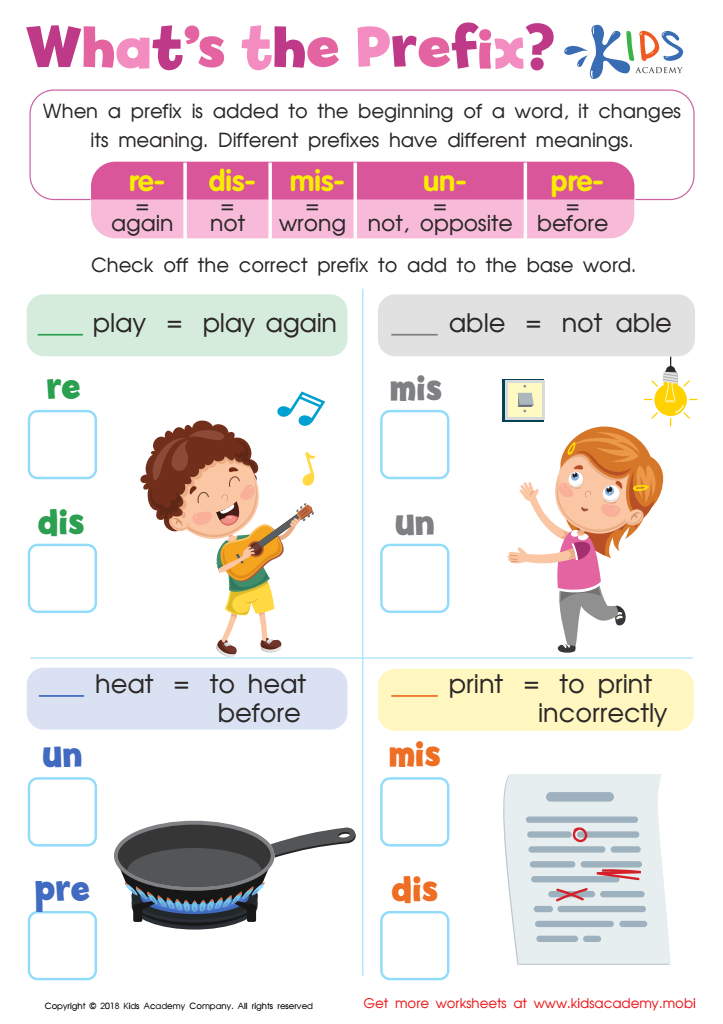
Reading: What Is the Prefix Worksheet
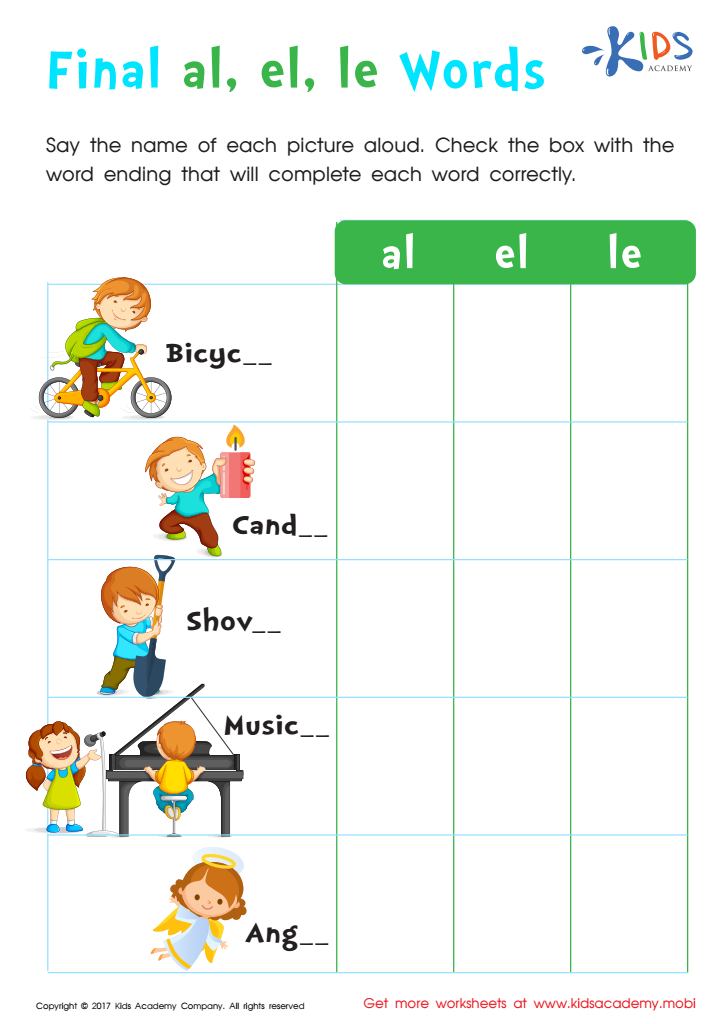
Spelling Words Ending with –le, –el and –al Worksheet







Parents and teachers should prioritize vocabulary enhancement in writing for children aged 4-8 because a strong vocabulary is foundational for literacy and overall academic success. At this age, children are forming essential language skills that will support their reading comprehension, expression, and critical thinking later in life. A robust vocabulary enables young learners to articulate their thoughts, ideas, and emotions more effectively, fostering confident communication.
Engaging in vocabulary-rich writing activities cultivates creativity and encourages children to explore new words in context, deepening their understanding. As they encounter varied vocabulary in stories and creative prompts, they begin to make connections and associations that enrich their overall language experience. This not only influences their writing but also empowers them during discussions and while navigating texts.
Moreover, vocabulary development has been linked to improved social interactions, as children with a richer vocabulary can better articulate their feelings and needs. Through supportive environments and targeted activities, parents and teachers can create opportunities for exploration and expansion of language skills. Investing in vocabulary enhancement at this critical developmental stage prepares children for future academic challenges and helps them become lifelong learners and effective communicators. Consequently, vocabulary enhancement should be an integral focus in early childhood education.








