Letter recognition Phonics Worksheets for Ages 4-9
24 filtered results
-
From - To
Enhance your child's reading journey with our engaging Letter Recognition Phonics Worksheets, specially designed for ages 4-9. Our printable resources help children identify and recognize letters through fun activities that promote early literacy skills. Each worksheet is crafted to make learning enjoyable, featuring colorful illustrations and interactive tasks that support phonics education. Perfect for preschoolers and early learners, these worksheets lay a solid foundation for reading comprehension and phonemic awareness. Explore a variety of exercises that cater to different learning styles, ensuring a well-rounded approach to letter recognition. Start boosting your child's confidence in reading today!
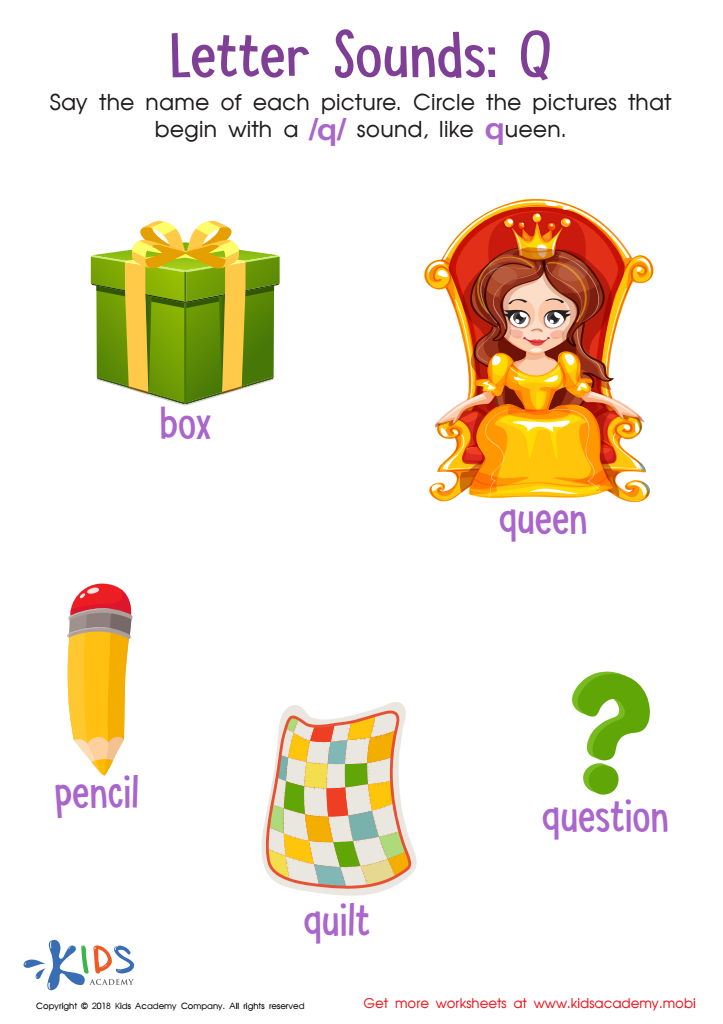
Letter Q Sounds Worksheet
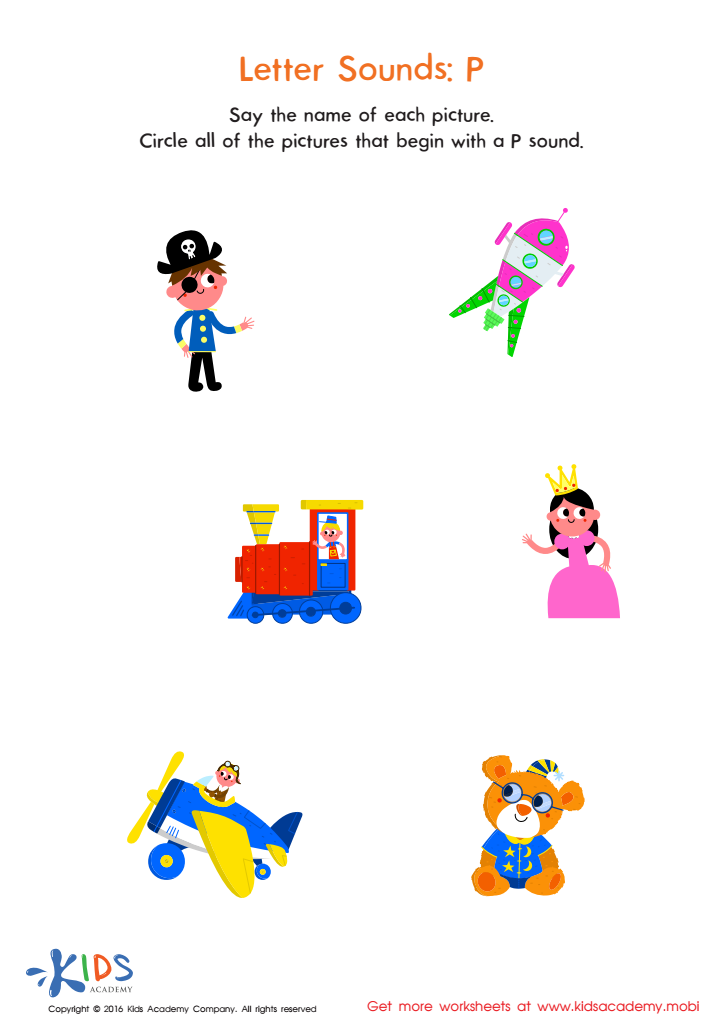
Letter P Sound Worksheet
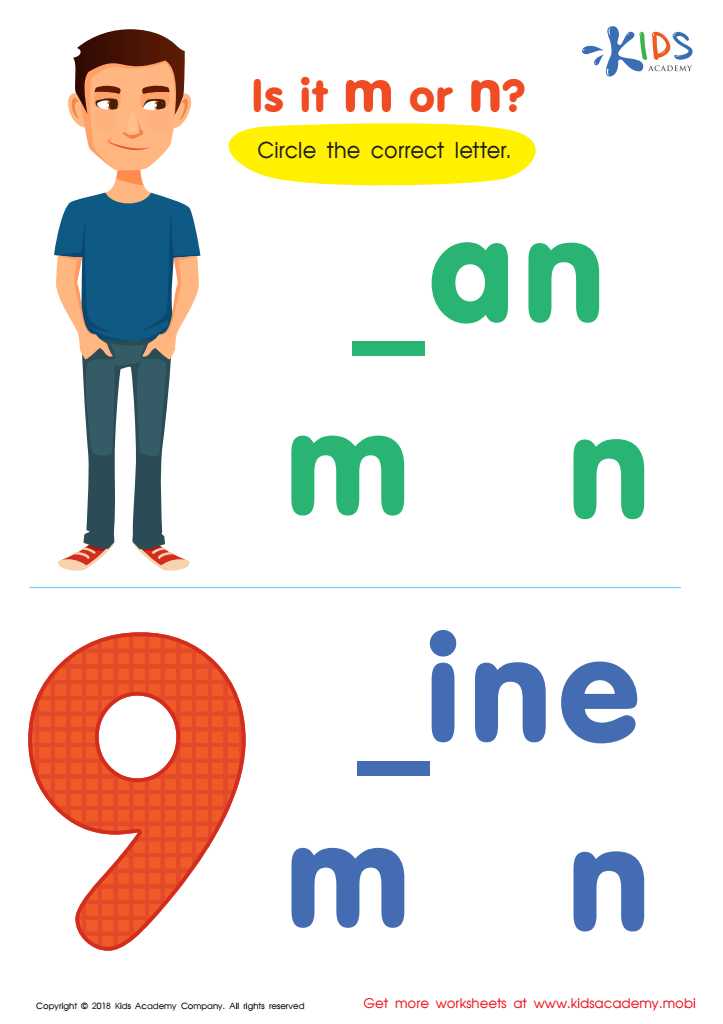
Is It m or n? Worksheet
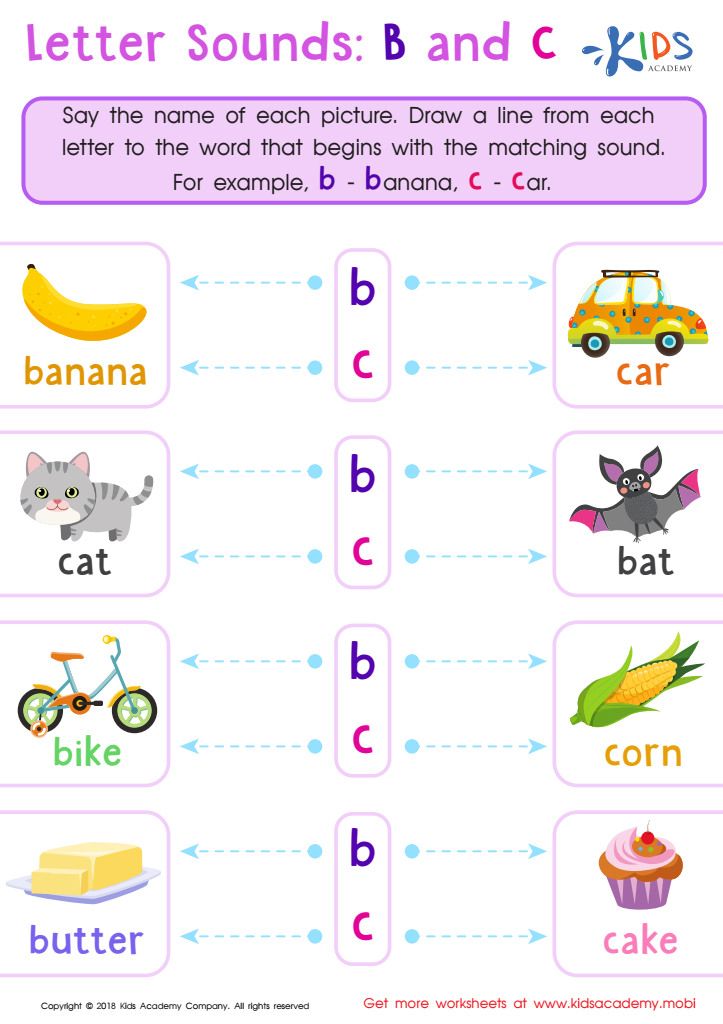
Letter B and C Sounds Worksheet
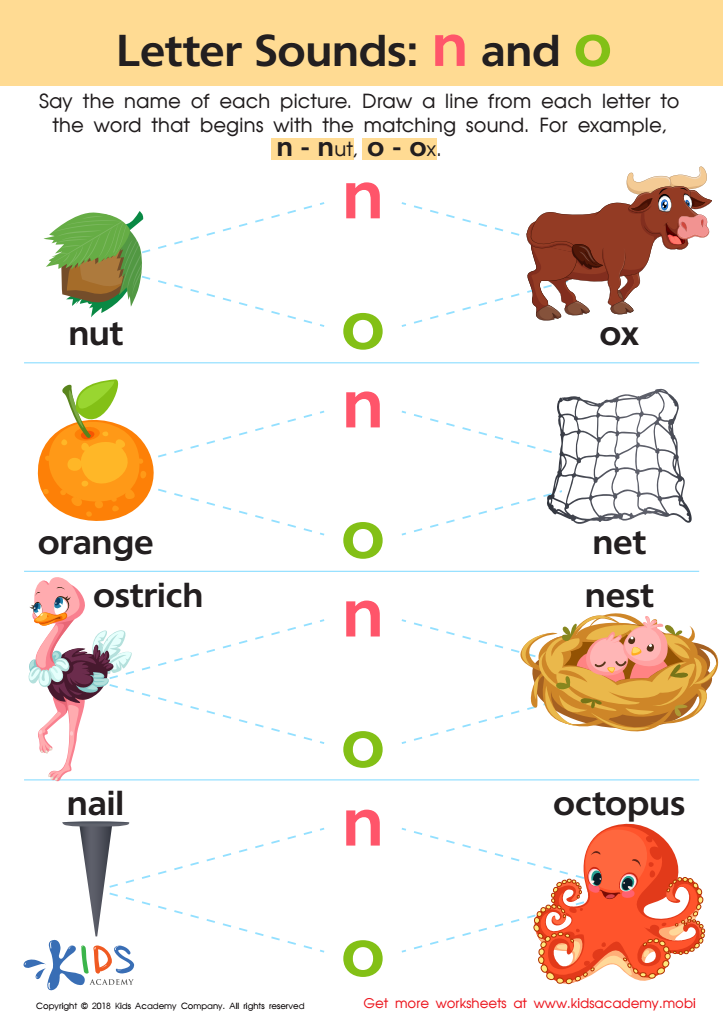
Letter N and O Sounds Worksheet
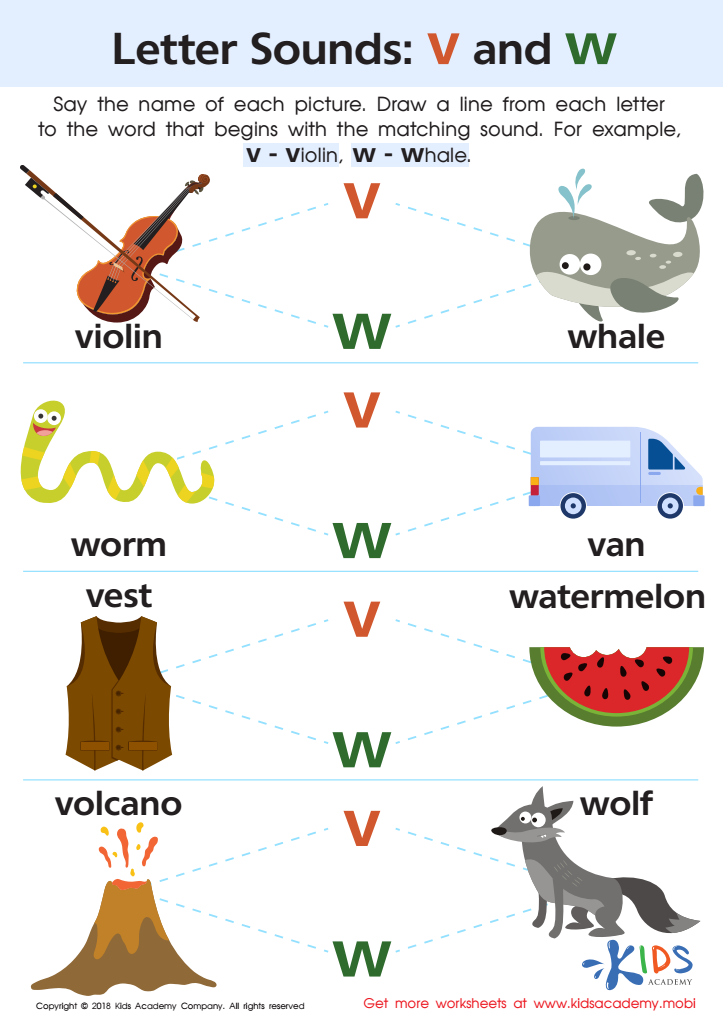
Letter V and W Sounds Worksheet
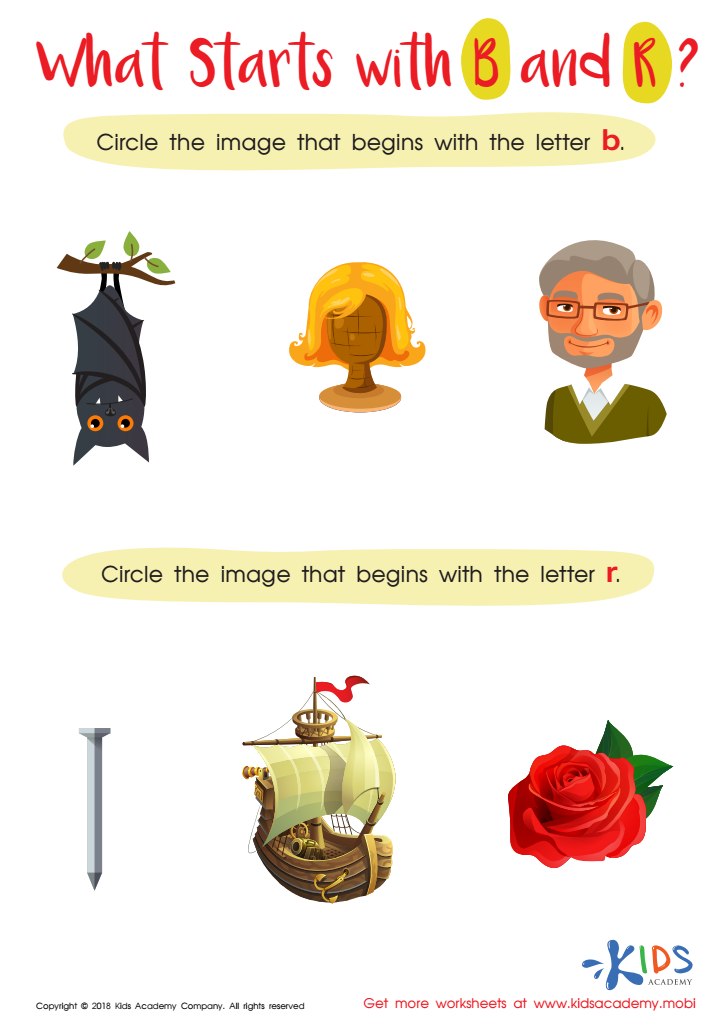
What Starts with B and R? Worksheet
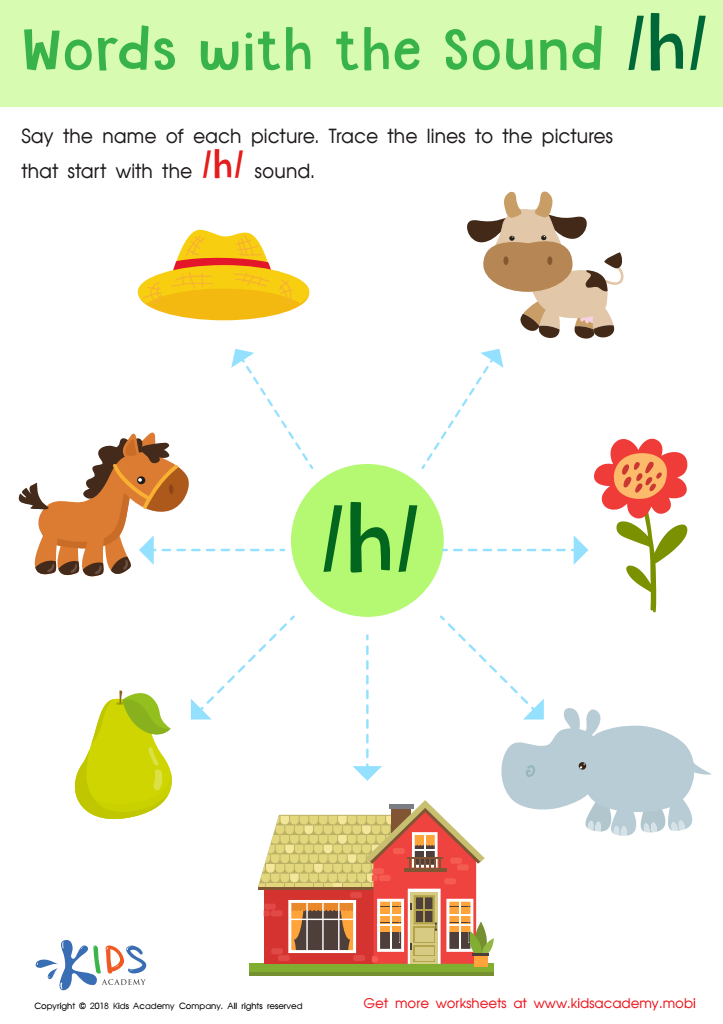
Words with sound h Reading Worksheet
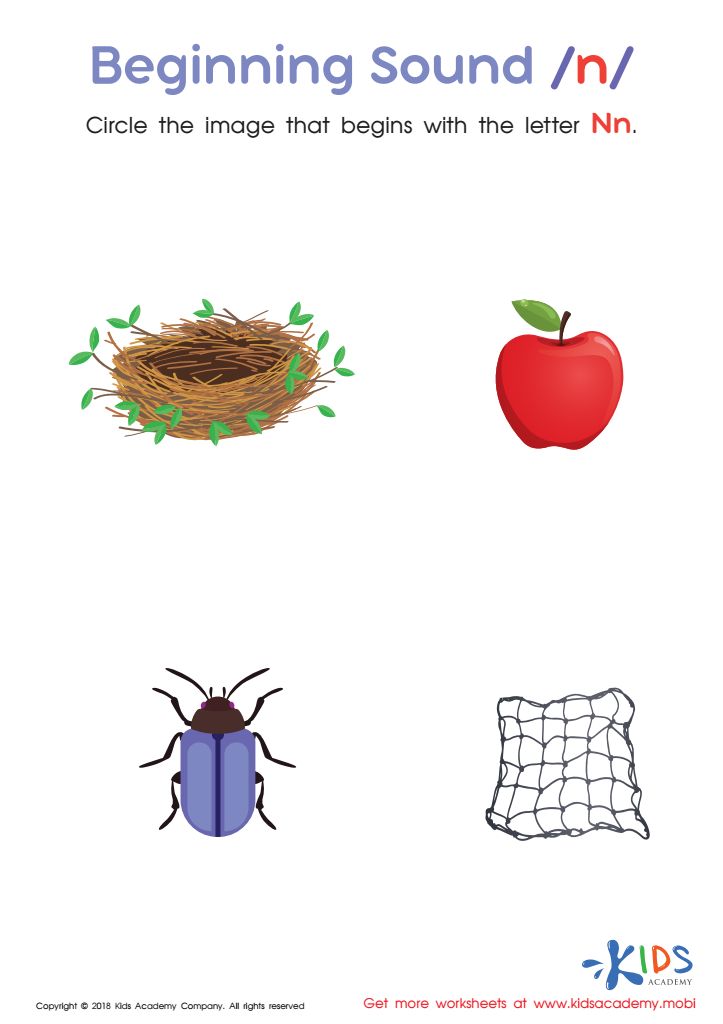
Beginning Sound «n» Worksheet
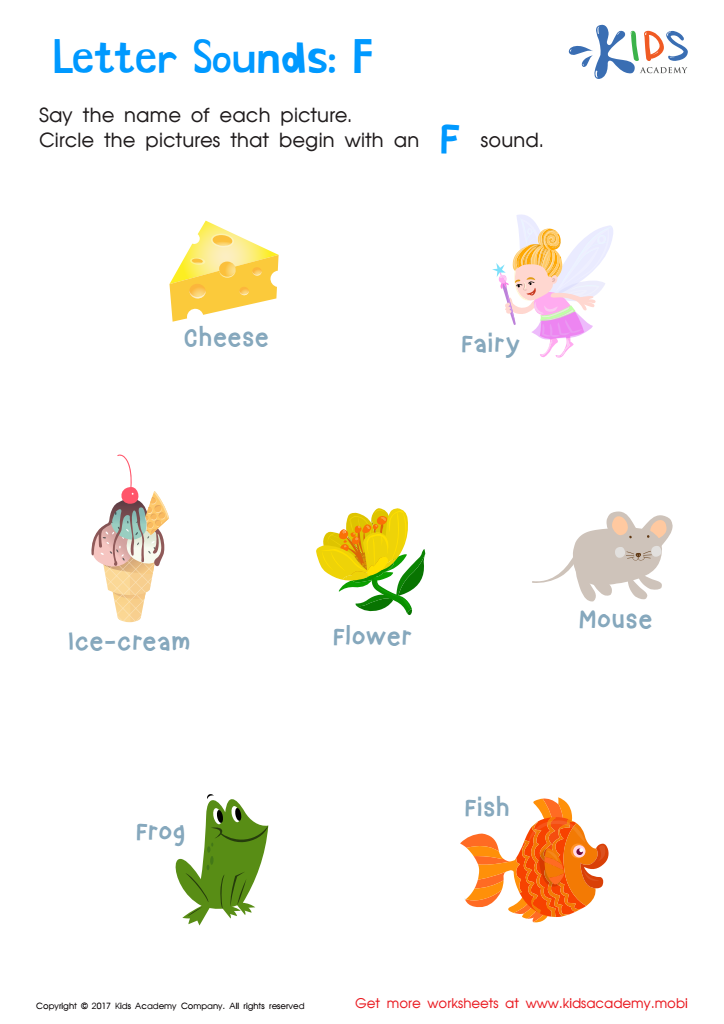
Letter F Sounds Worksheet
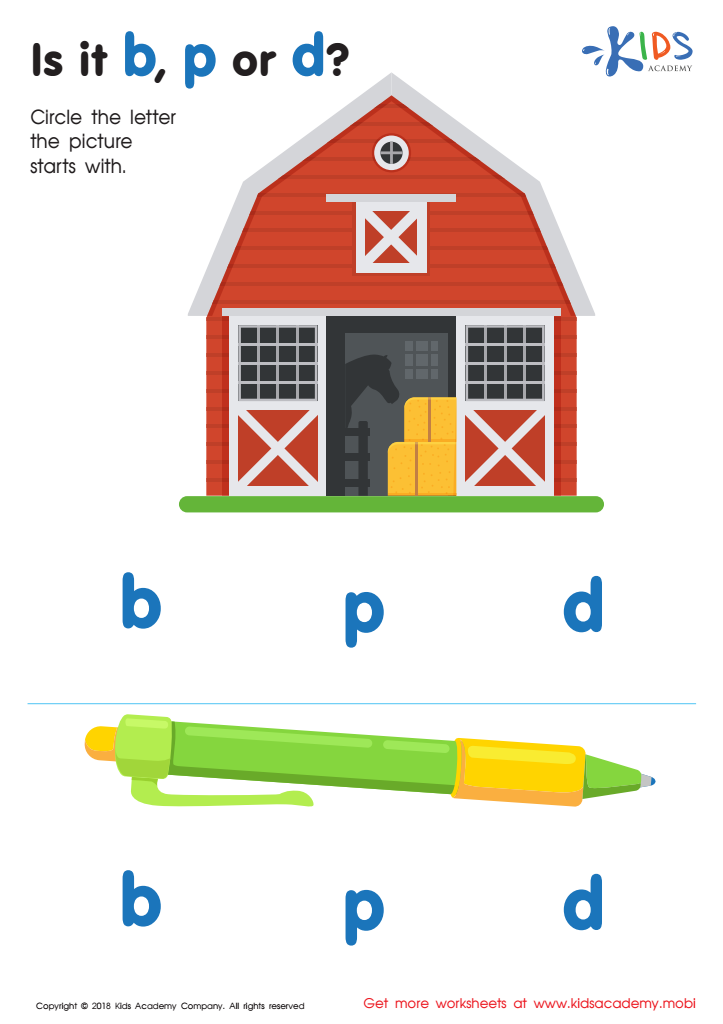
Is it b, p or d? Worksheet
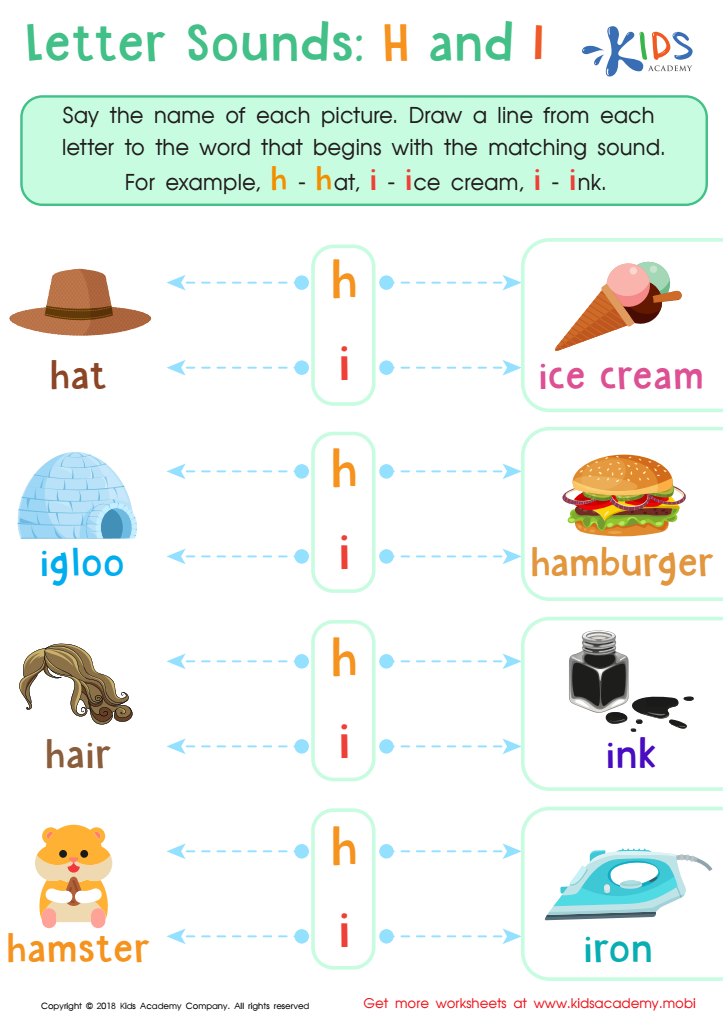
Letter H and I Sounds Worksheet
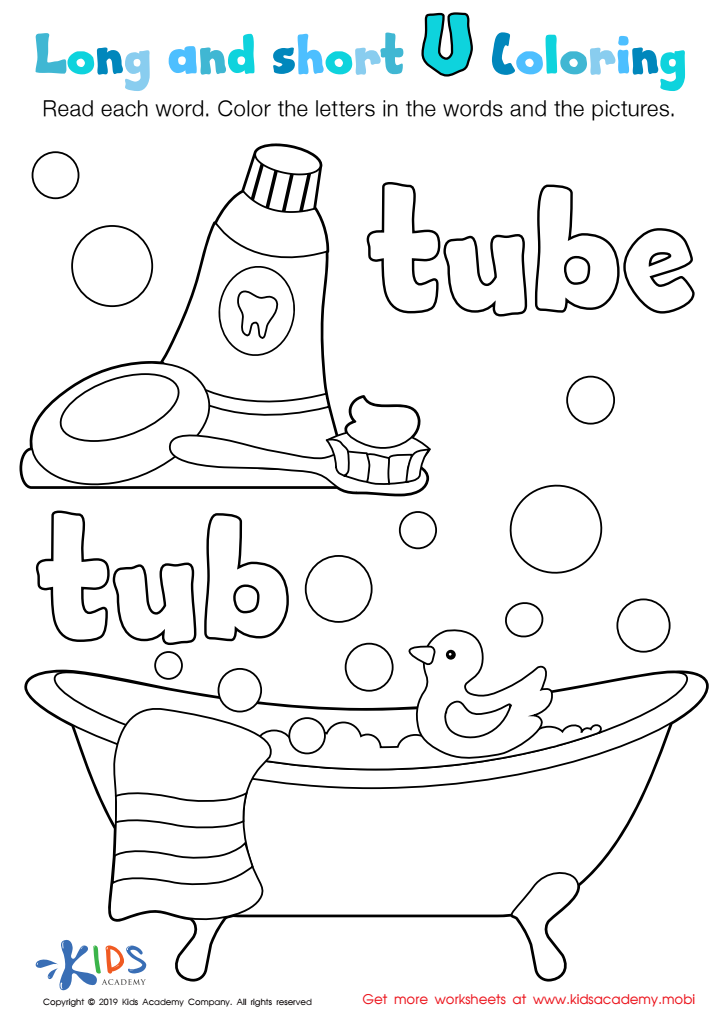
Long and Short U Worksheet
 Assign to My Students
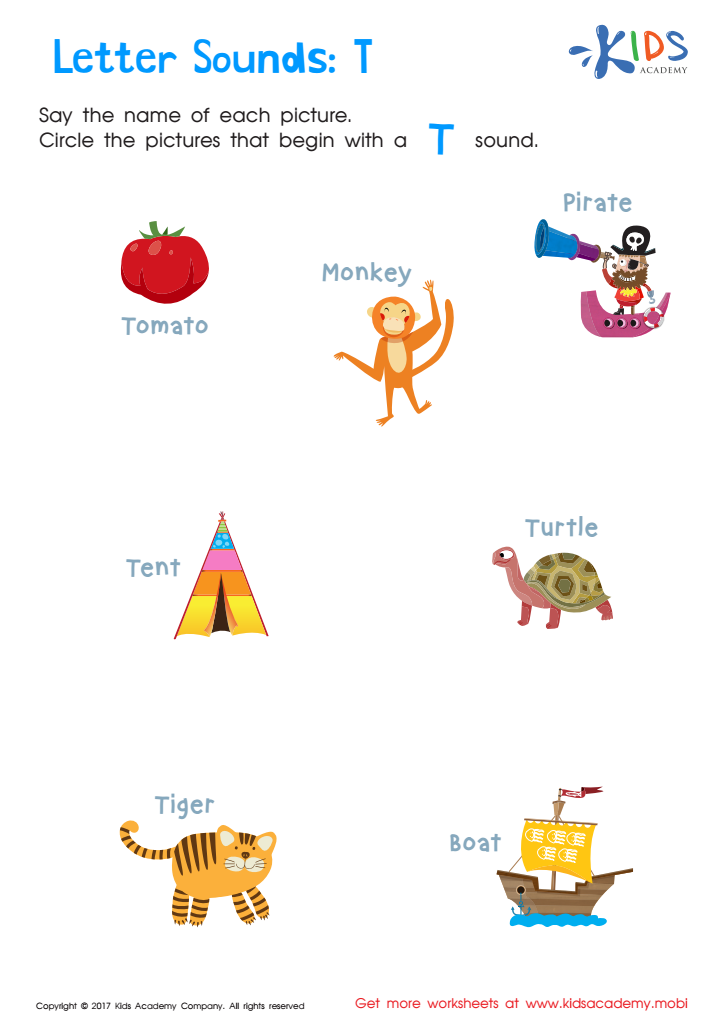
Letter T Sounds Worksheet
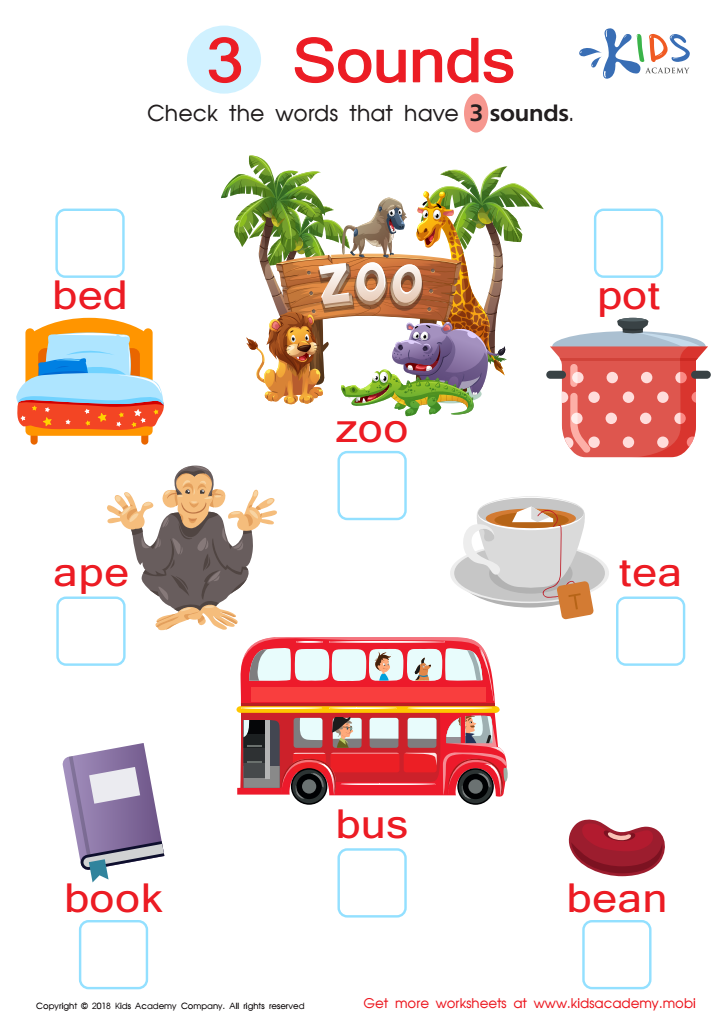
3 Sounds Worksheet
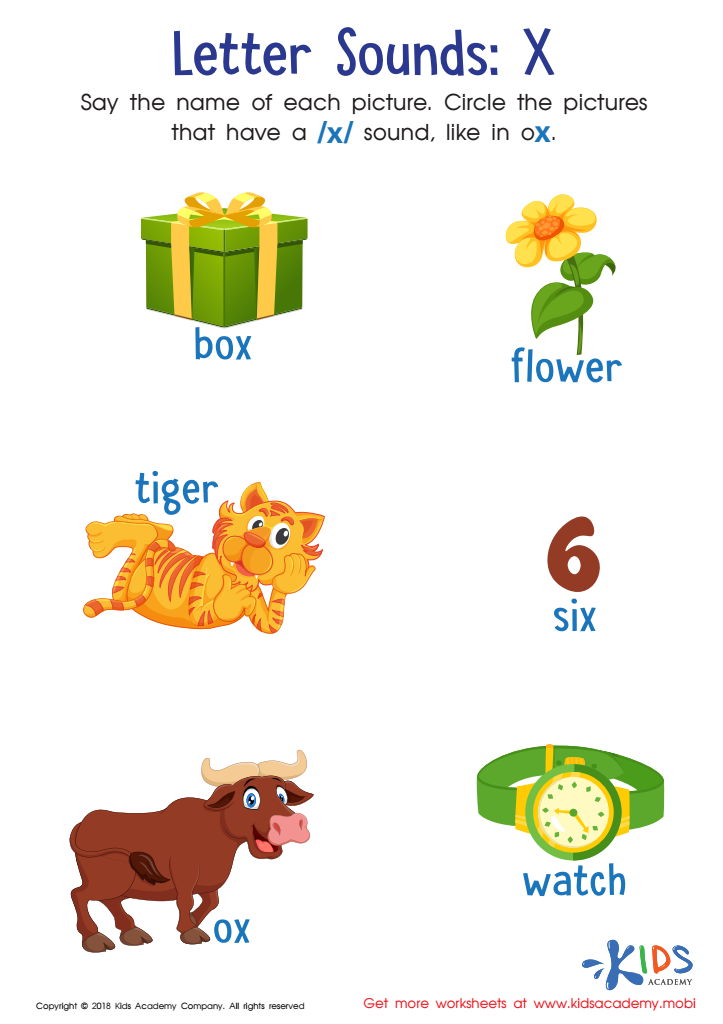
Letter X Sounds Worksheet
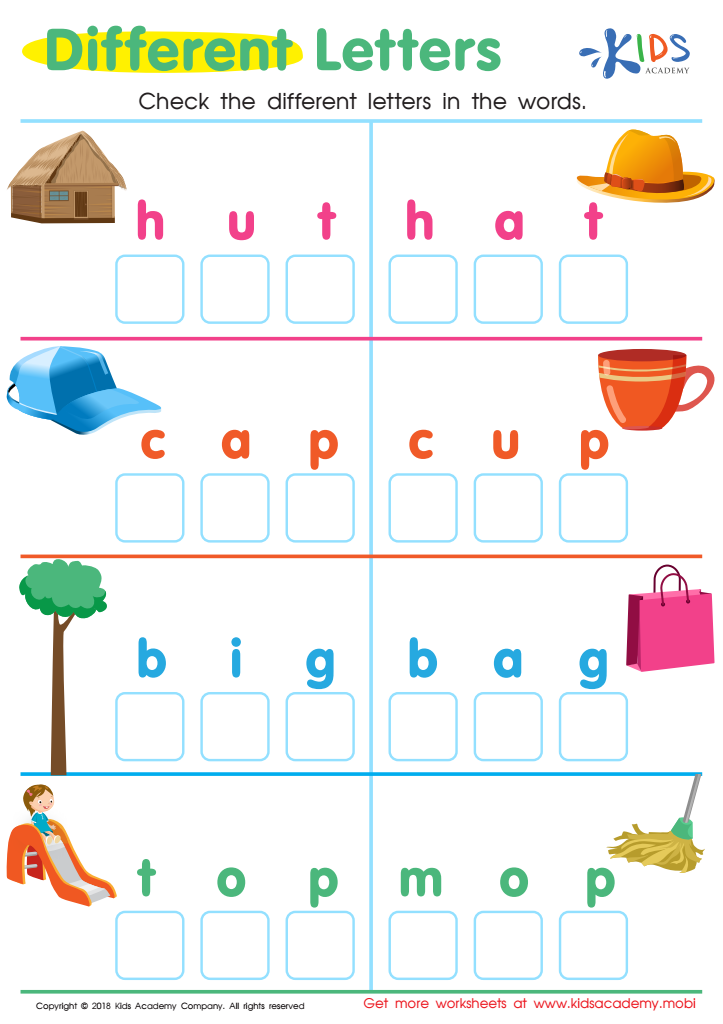
Different Letters Reading Worksheet
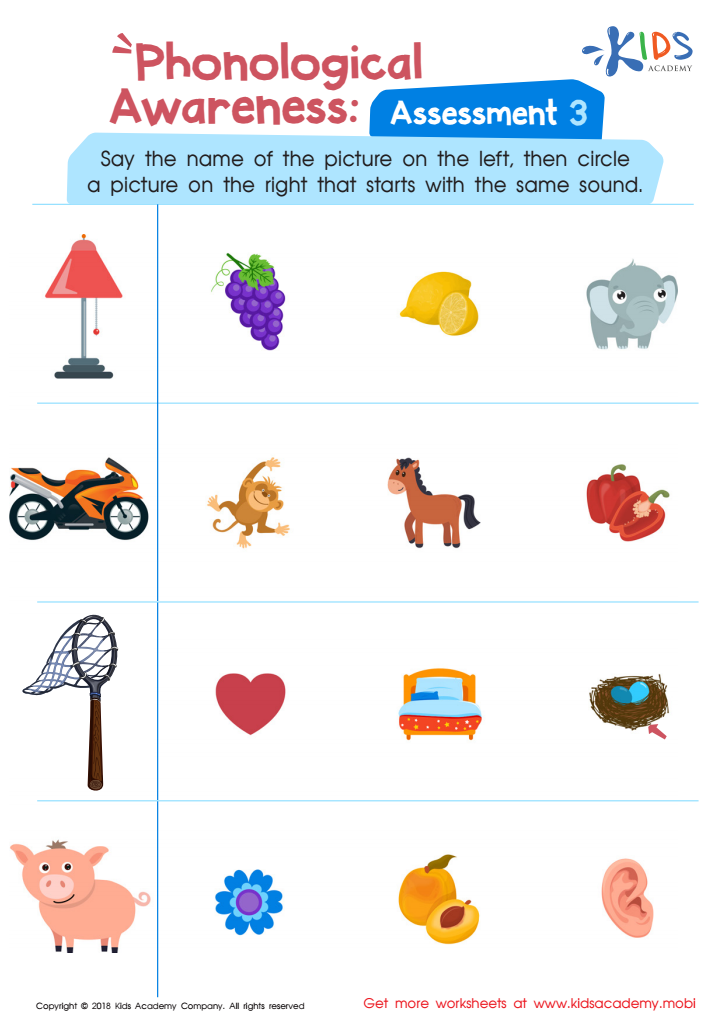
Phonological Awareness: Assessment 3 Worksheet
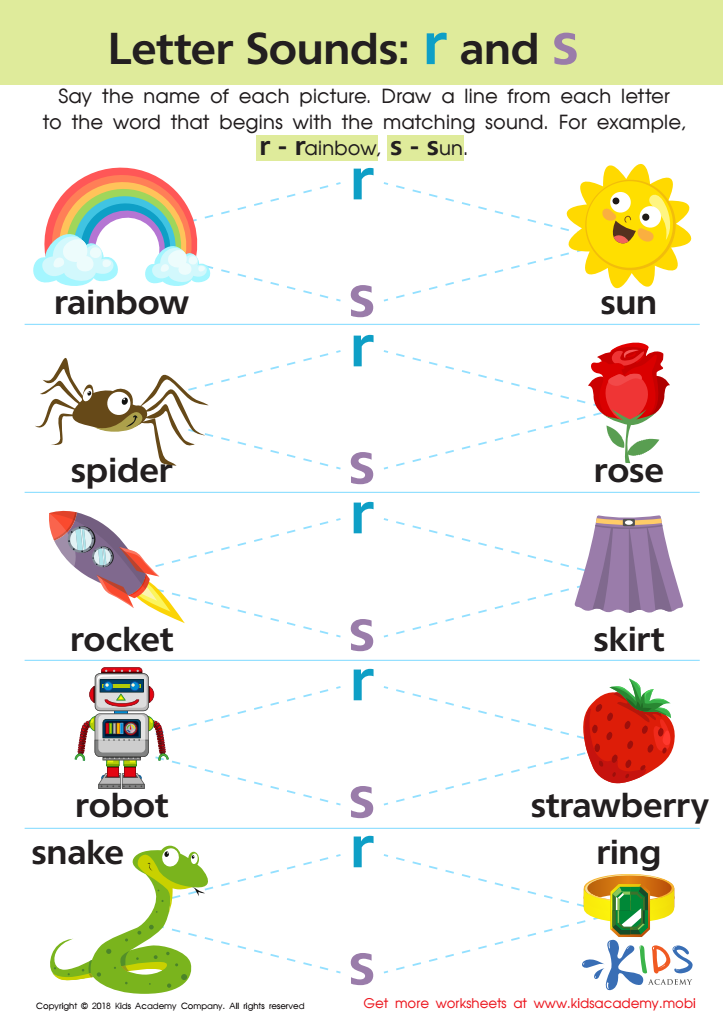
Letter R and S Sounds Worksheet
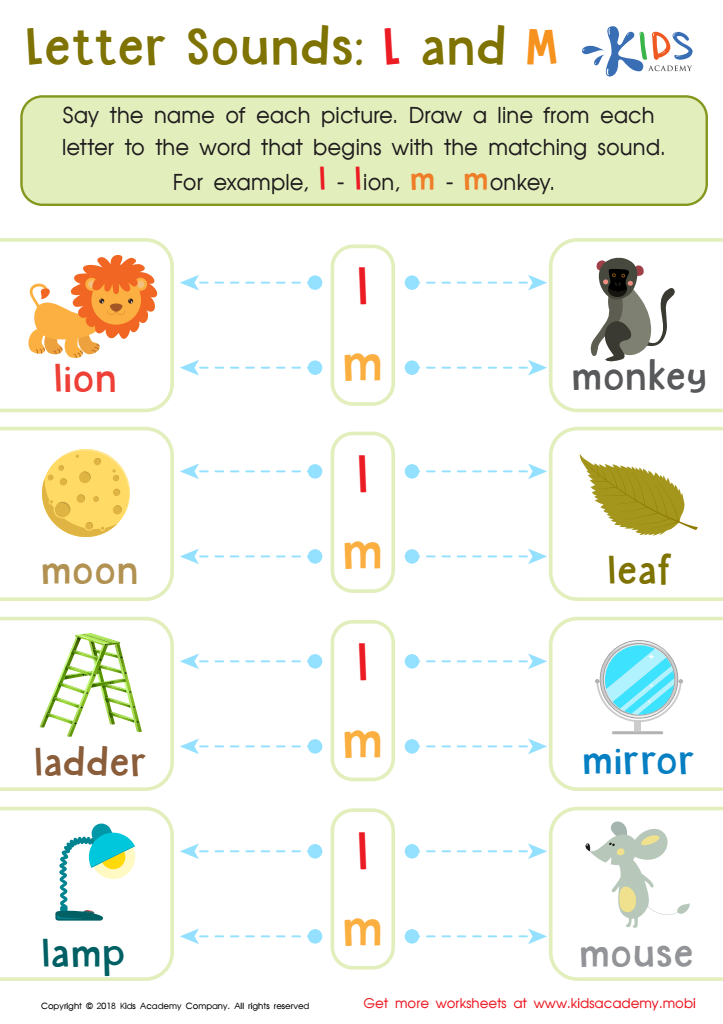
Letter l and M Sounds Worksheet
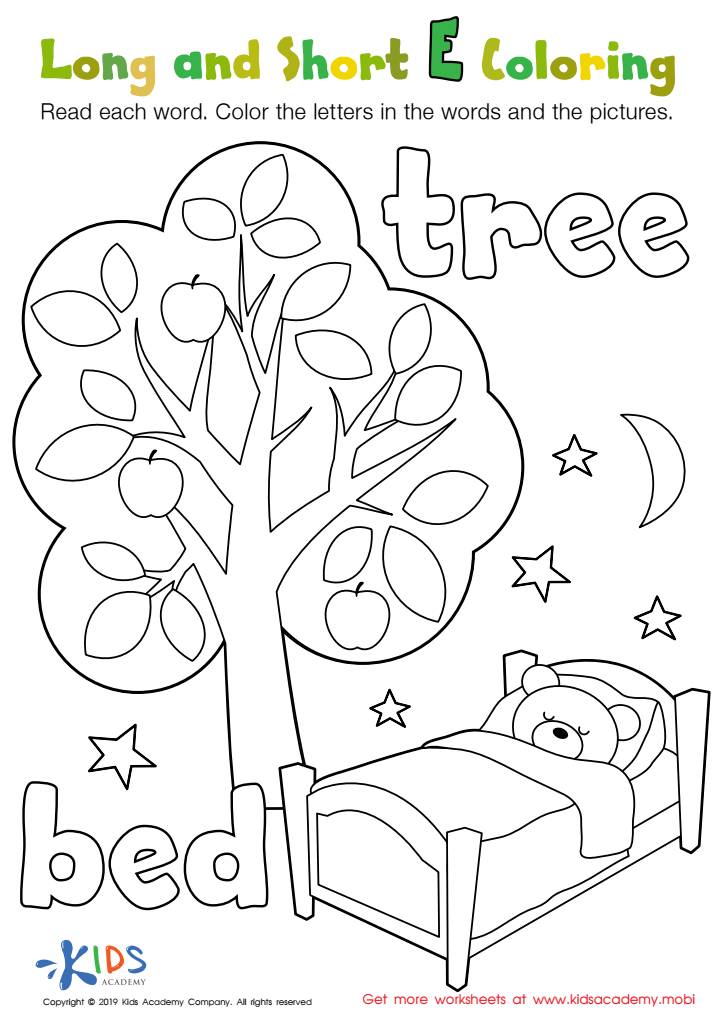
Long and Short E Worksheet
Assign to My Students
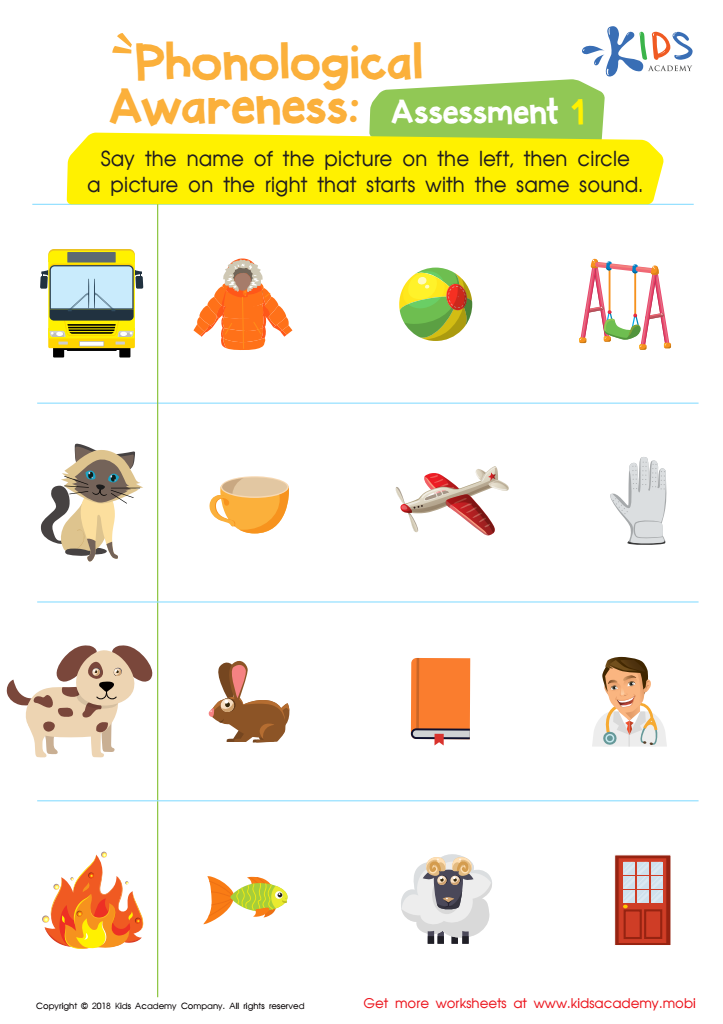
Phonological Awareness: Assessment 1 Worksheet
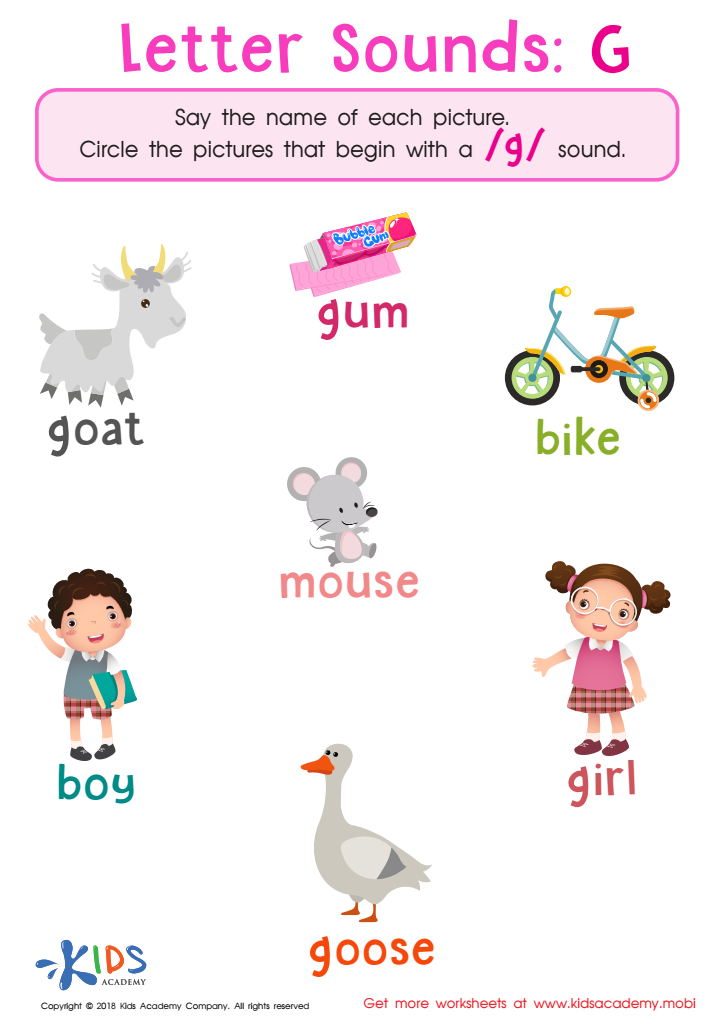
Letter G Sounds Worksheet
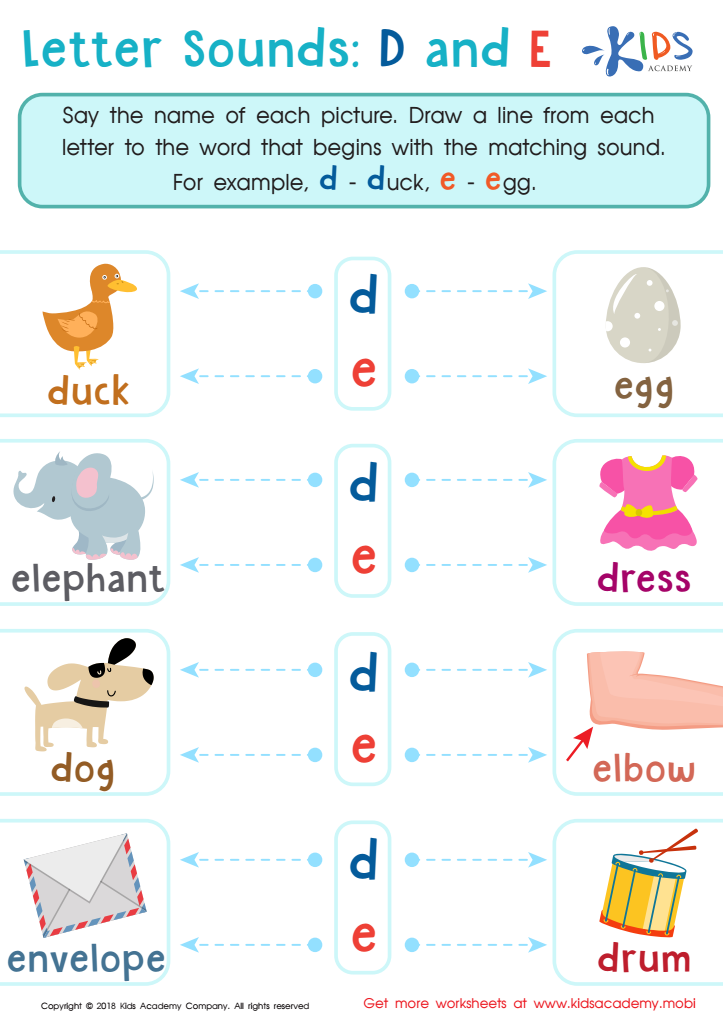
Letter D and E Sounds Worksheet








Letter recognition and phonics are foundational skills for children aged 4-9, crucial in fostering early literacy. Understanding letter recognition equips children with the ability to identify and name letters, while phonics teaches them the relationship between letters and their corresponding sounds. These skills are essential as they form the building blocks for reading and writing.
For parents and teachers, investing time in letter recognition and phonics is vital because early literacy skills significantly influence a child’s long-term academic success. Proficient readers are more likely to perform better across subjects, as understanding written language can unlock critical thinking and comprehension abilities.
Moreover, early exposure to phonics helps children develop decoding skills, allowing them to sound out unfamiliar words independently. This independence strengthens their confidence and motivation to read, creating a positive cycle of learning.
Furthermore, understanding phonics supports spelling development, enhances vocabulary, and fosters essential communication skills. By nurturing these foundational skills, parents and teachers can help children build competence in literacy, setting the stage for lifelong learning. Ultimately, investment in letter recognition and phonics during these formative years can have a profound and lasting impact on a child’s educational journey.







