Reading Improvement Phonics Worksheets for Ages 4-9
12 filtered results
-
From - To
Enhance your child's reading skills with our engaging Reading Improvement Phonics Worksheets designed for ages 4-9! These thoughtfully created printable resources focus on phonics fundamentals, helping young learners master letter sounds and blends. Perfect for classroom use or at-home practice, these worksheets encourage children to develop confidence and fluency in reading. With a variety of exciting activities, your child will practice identifying sounds, recognize sight words, and strengthen decoding abilities. Foster a love for reading while supporting your child's educational journey. Explore our collection today and give your child the tools they need for successful reading!
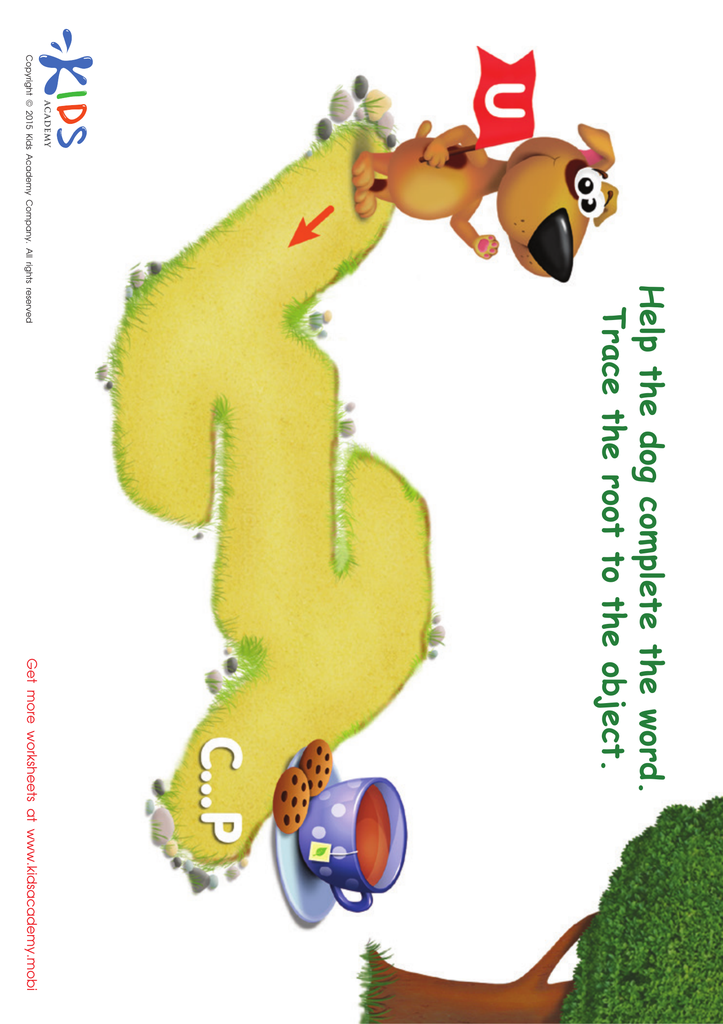
Short Vowel Sound U Worksheet Worksheet
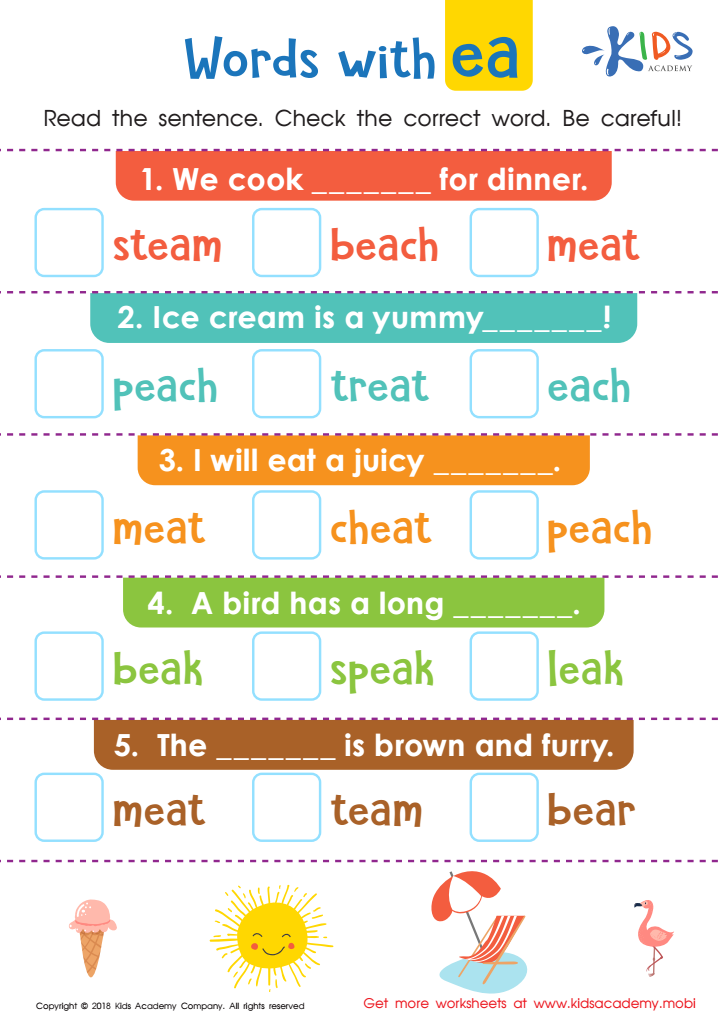
Words with ea Worksheet
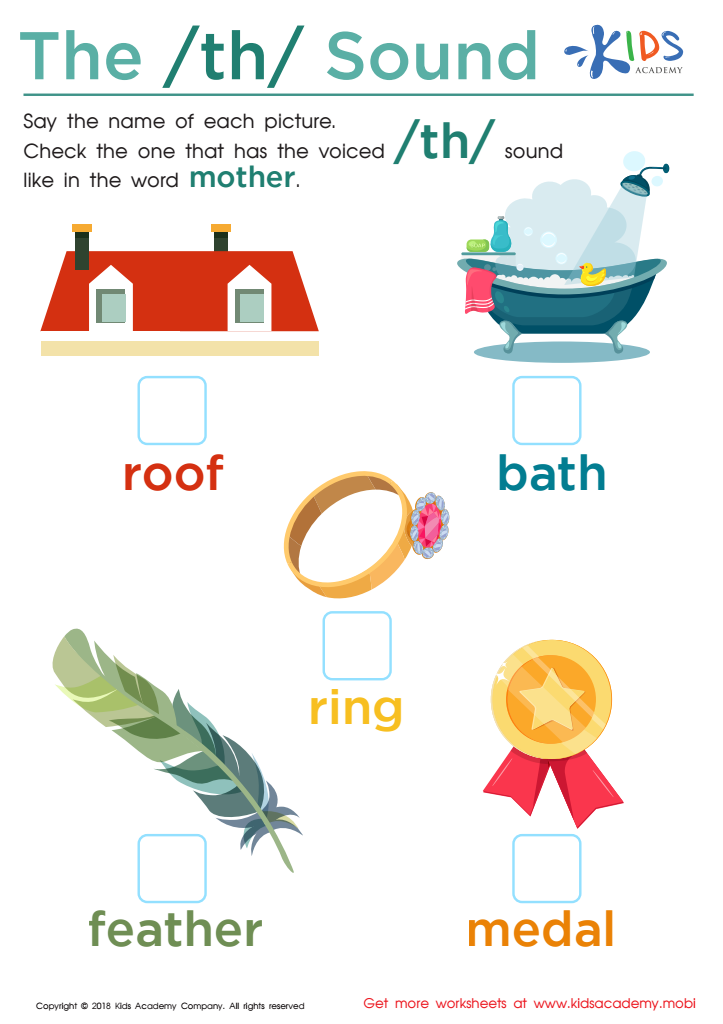
The /th/ Sound Worksheet
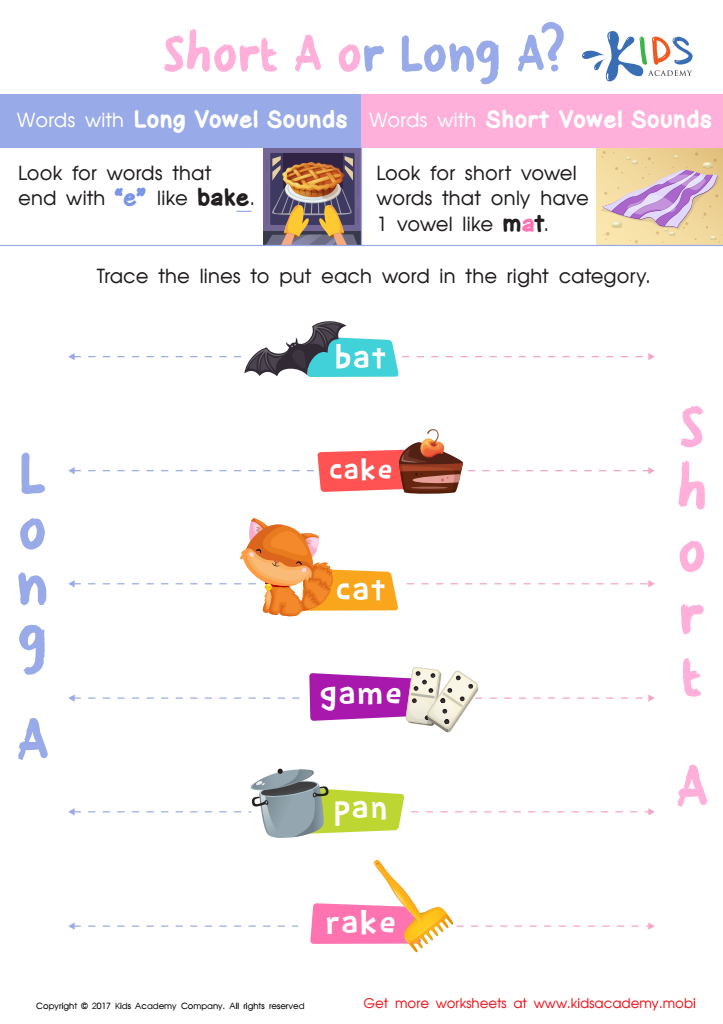
Short /a/ or Long /a/? Worksheet
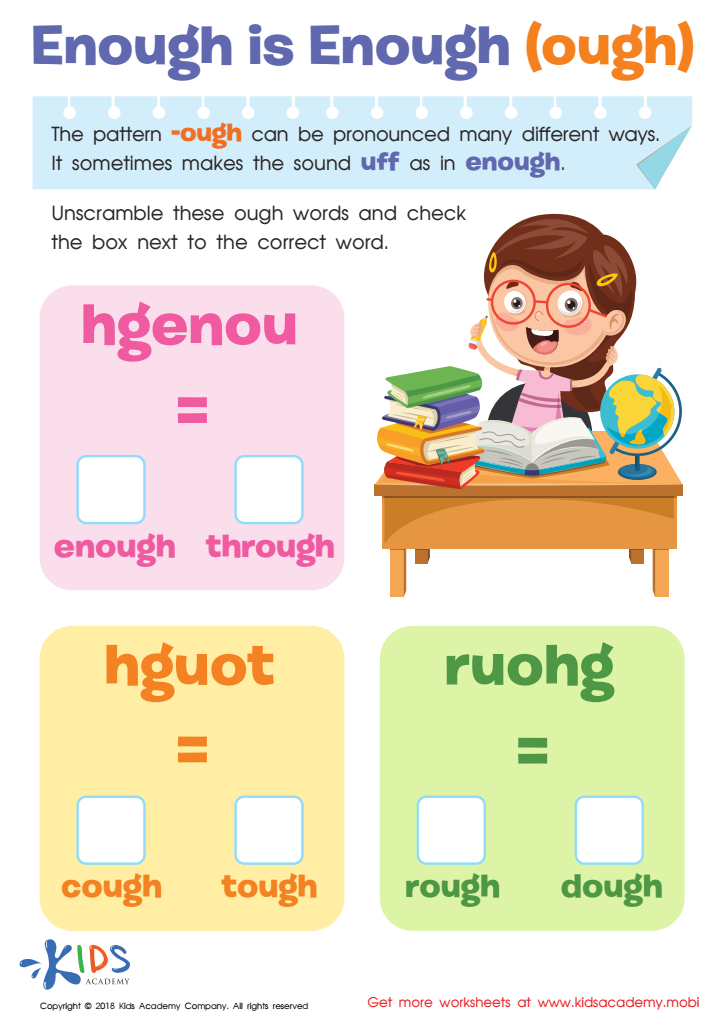
Enough Is Enough (ough) Worksheet
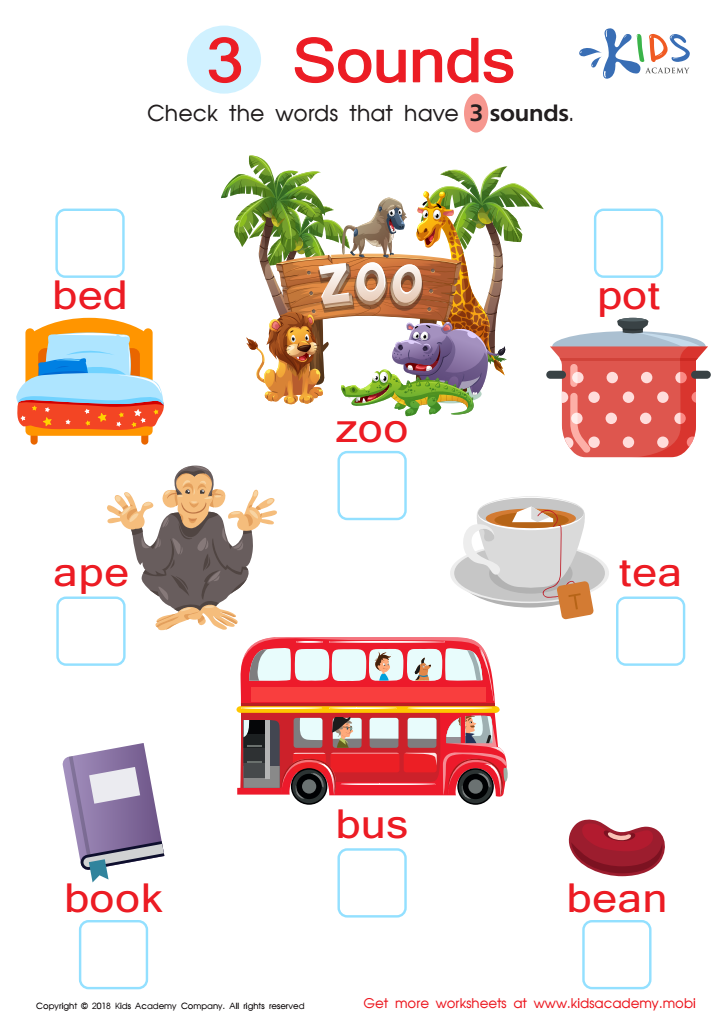
3 Sounds Worksheet
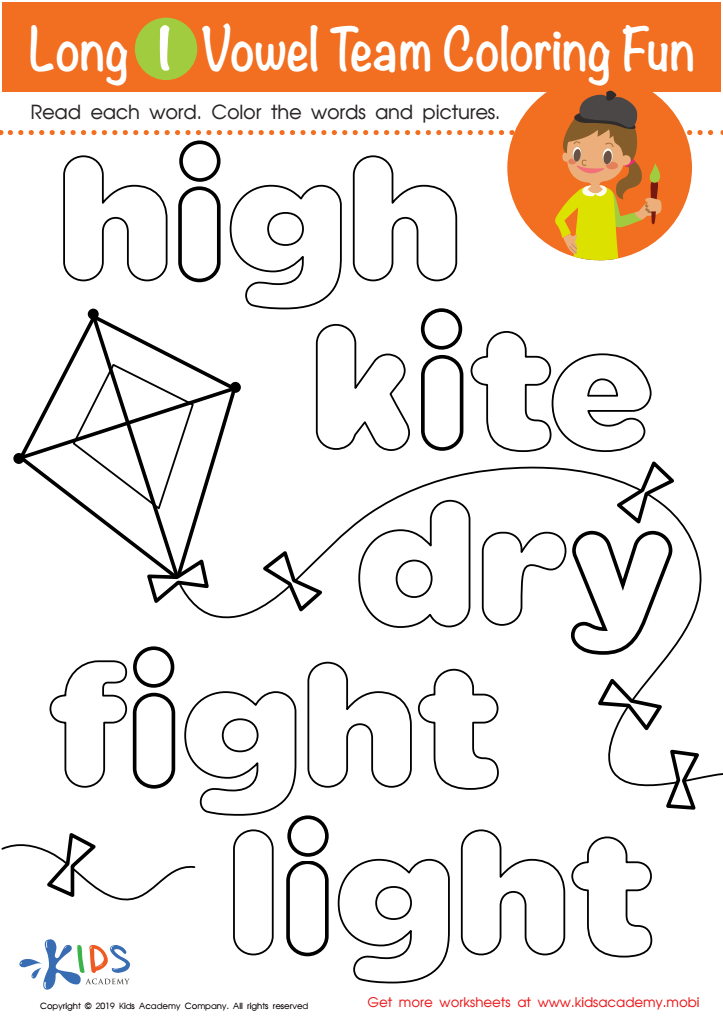
Long I Vowel Team Coloring Worksheet
 Assign to My Students
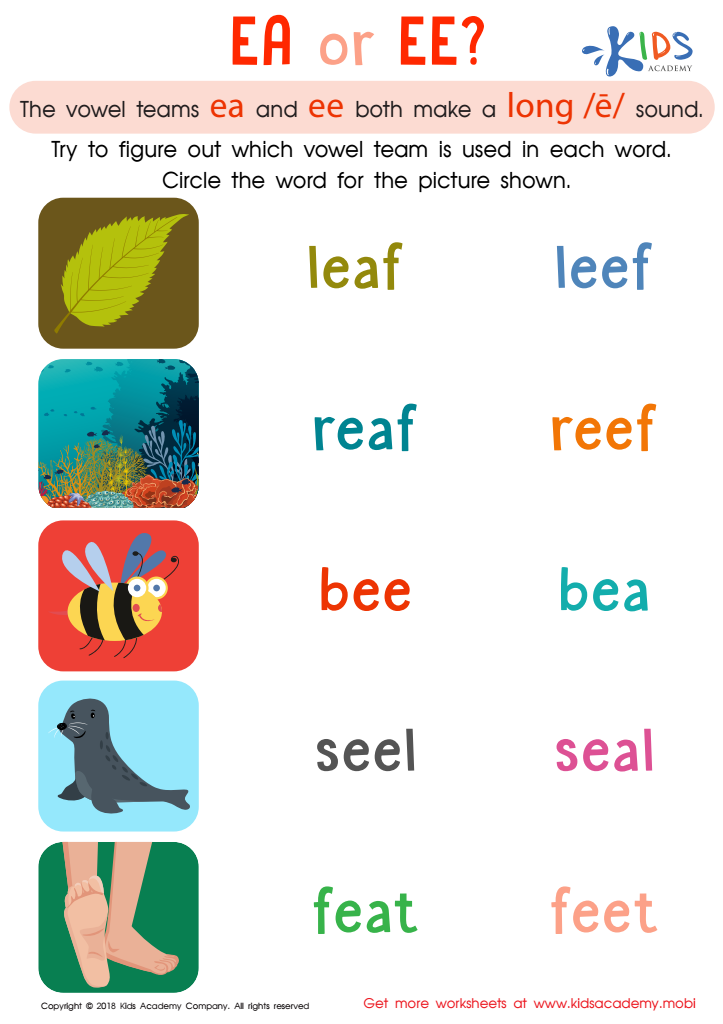
Reading: EA and EE Worksheet
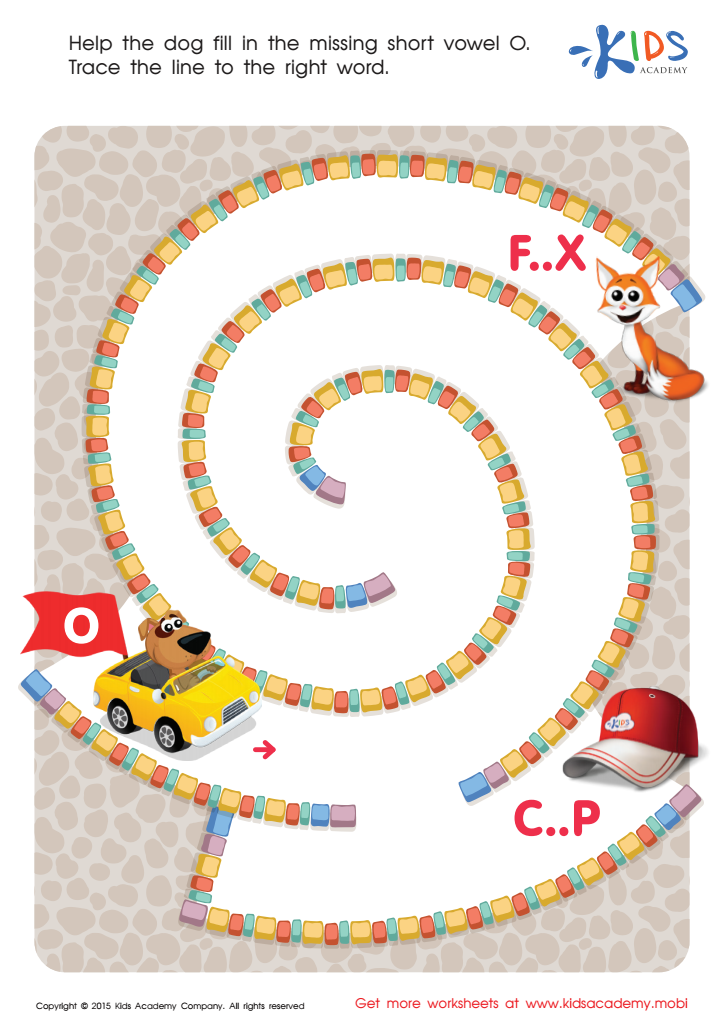
Short Vowel Sound O Worksheet
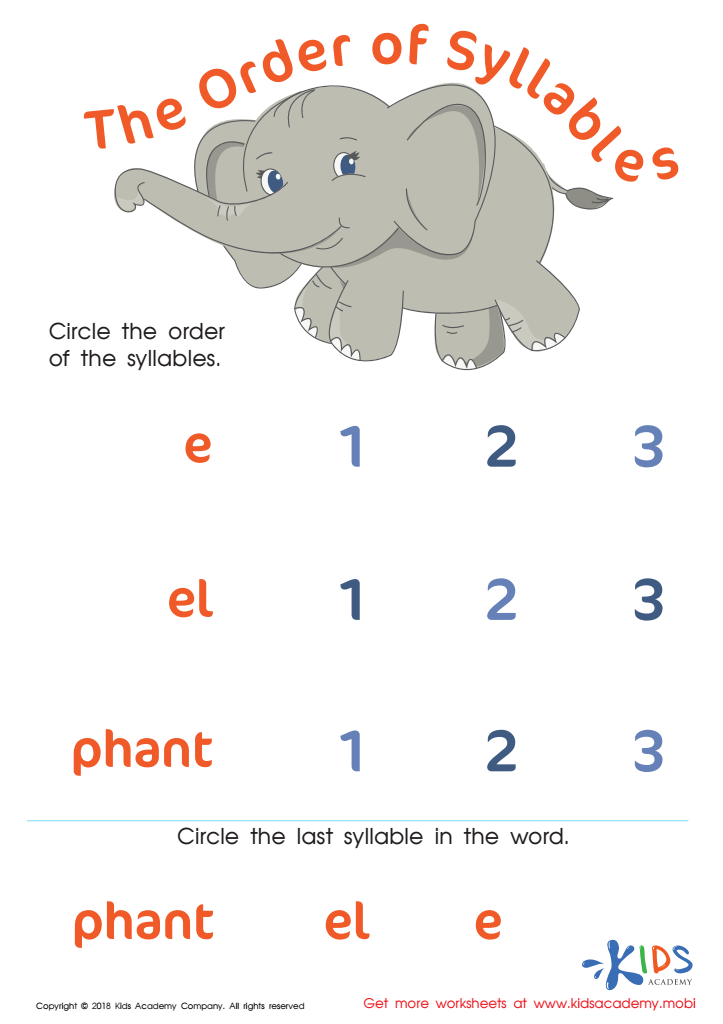
The Order of Syllables Worksheet
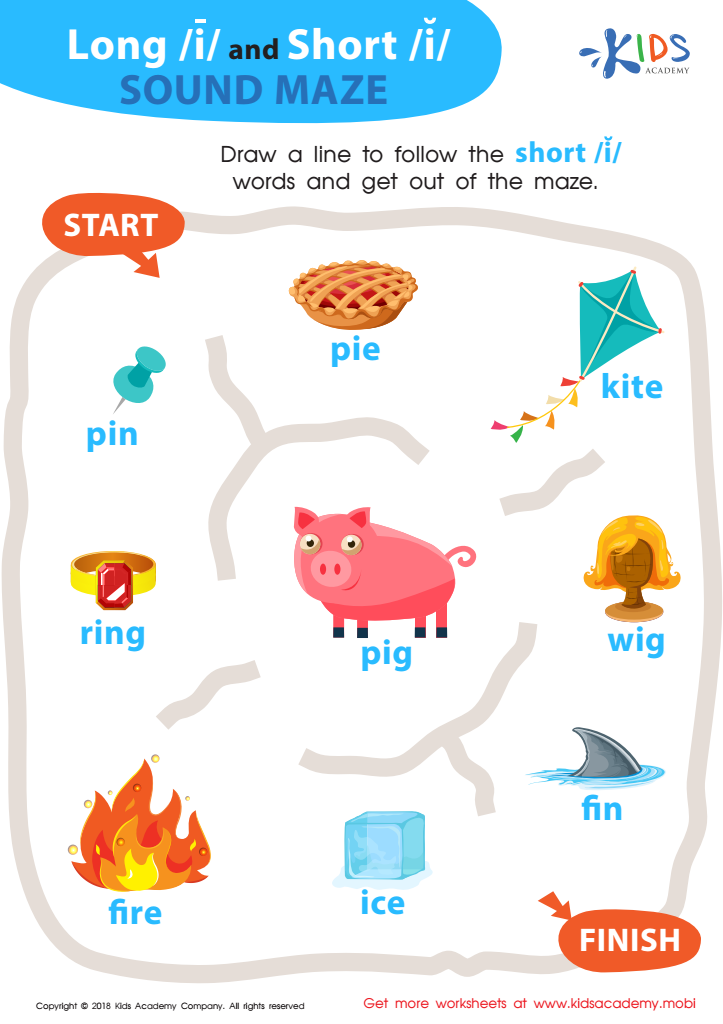
Reading: Long I and Short I Sound Maze Worksheet
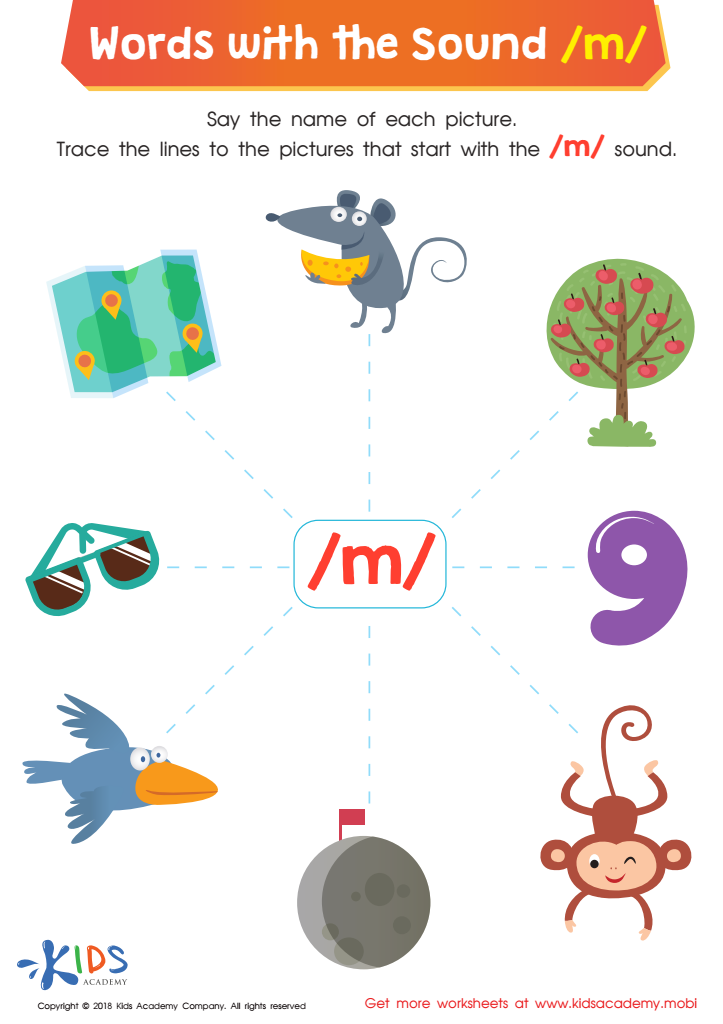
Words with Sound M Reading Worksheet








Parents and teachers should prioritize Reading Improvement Phonics for children aged 4-9, as this foundational stage lays the groundwork for lifelong reading skills. During these critical early years, children are developing essential language and literacy abilities that significantly impact their academic success and cognitive development. Phonics instruction, which focuses on the relationship between sounds and letters, equips young learners with the tools to decode words effectively, enhancing their reading fluency and comprehension.
Furthermore, effective phonics programs improve phonemic awareness, helping students segment and blend sounds essential for word recognition. This leads to increased confidence and a positive attitude toward reading, encouraging a love for literature that extends beyond the classroom. Research consistently demonstrates that early intervention in reading—especially through proven phonics strategies—can prevent long-term reading difficulties and gaps in academic achievement.
Additionally, involving parents in their child's reading journey is crucial. When families engage in phonics activities at home, they reinforce what is taught in school, fostering a collaborative learning environment. Ultimately, prioritizing Reading Improvement Phonics can create a solid reading foundation, equipping children with essential skills for future learning and personal growth. This investment pays off, benefiting the child, the classroom, and society at large.







