Vocabulary enhancement Phonics Worksheets for Ages 4-9 - Page 3
66 filtered results
-
From - To
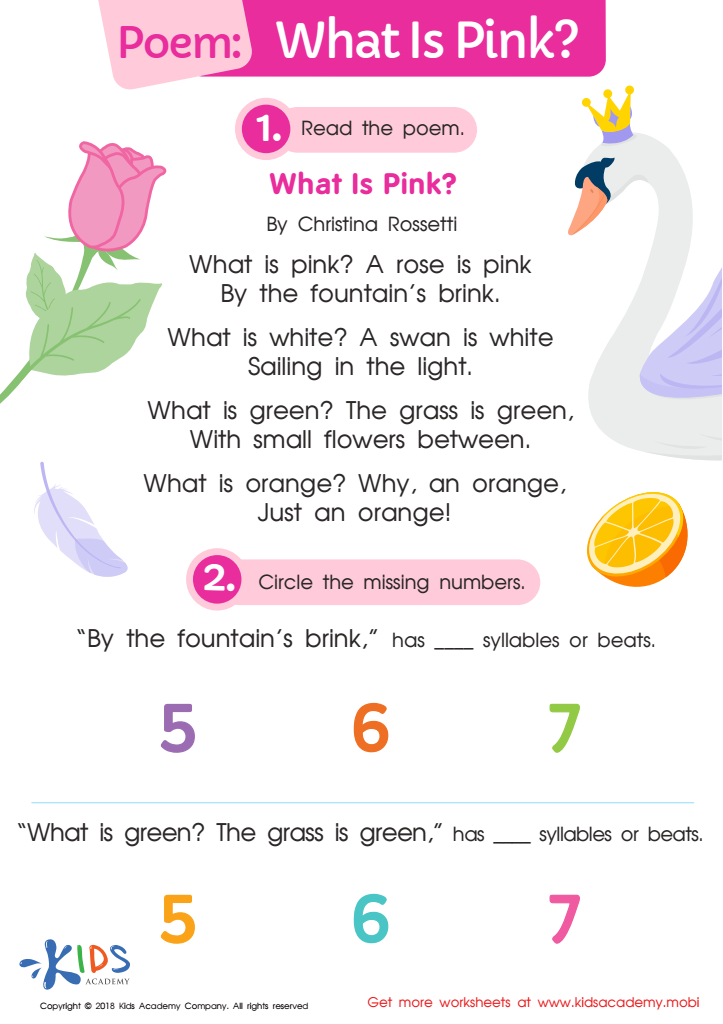
Poem: What Is Pink? Worksheet
 Assign to My Students
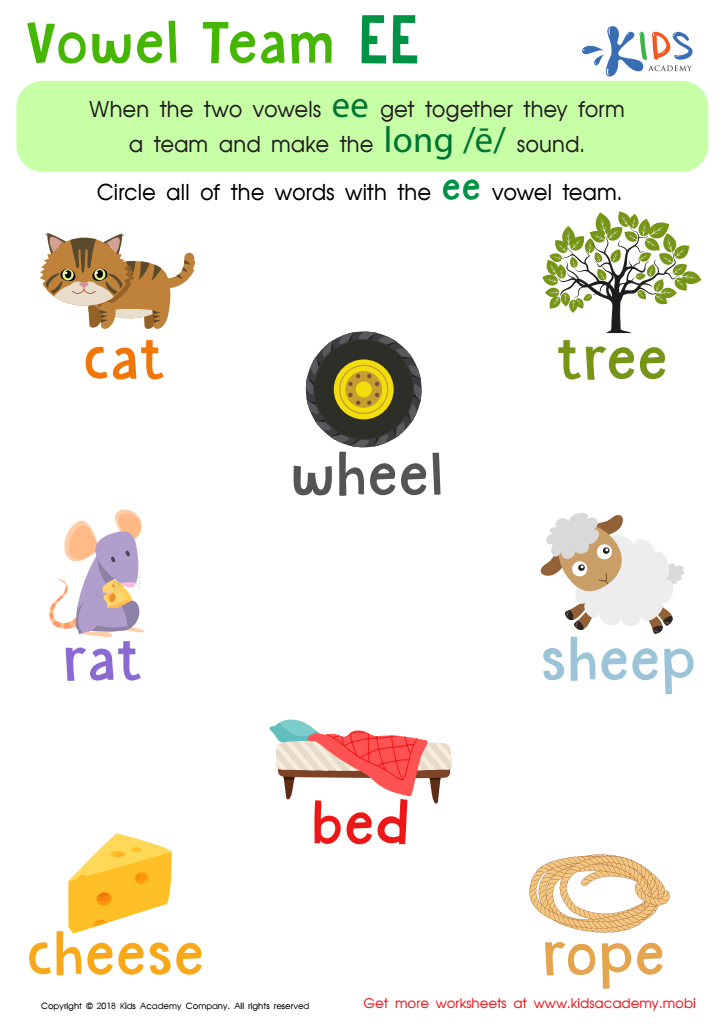
Reading: Vowel Team EE Worksheet
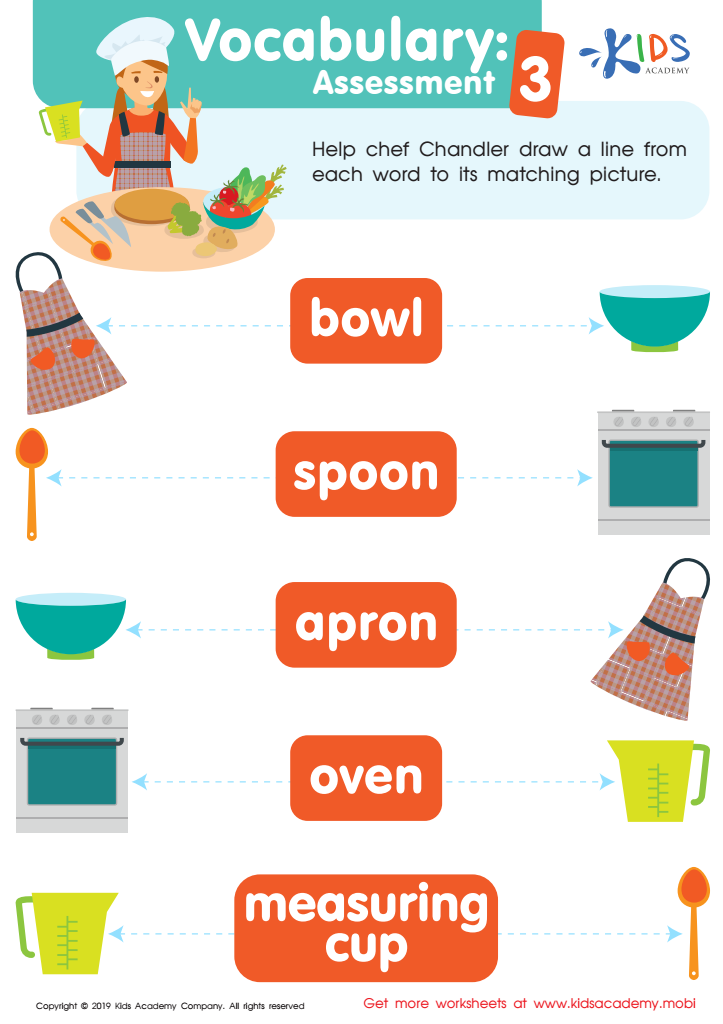
Vocabulary: Assessment 3 Worksheet
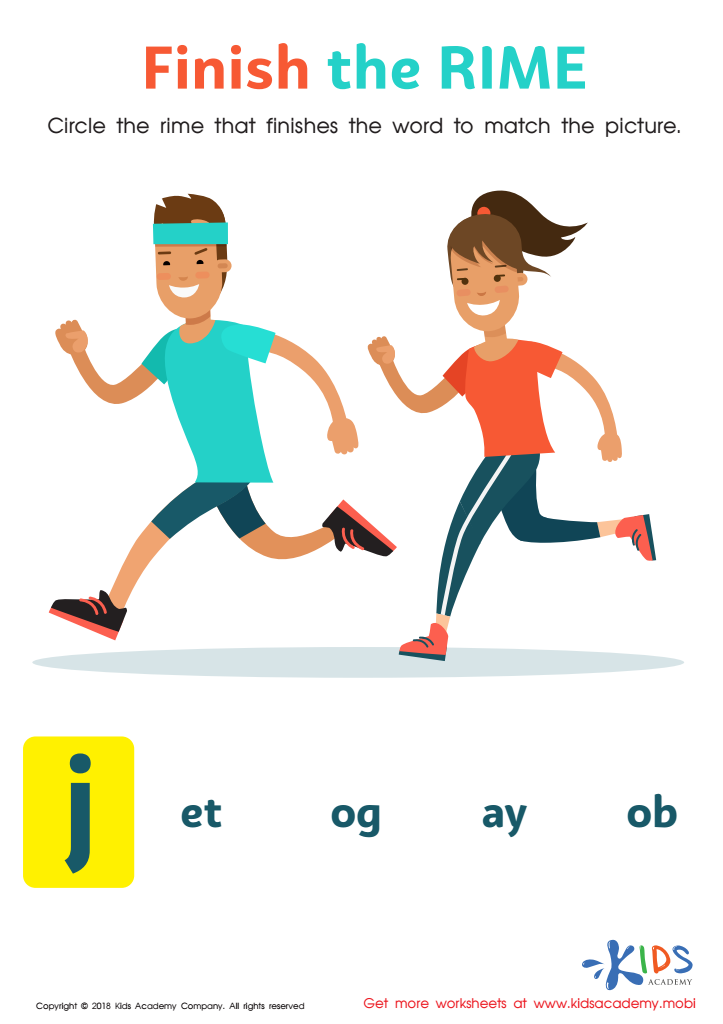
Finish the Rime Worksheet
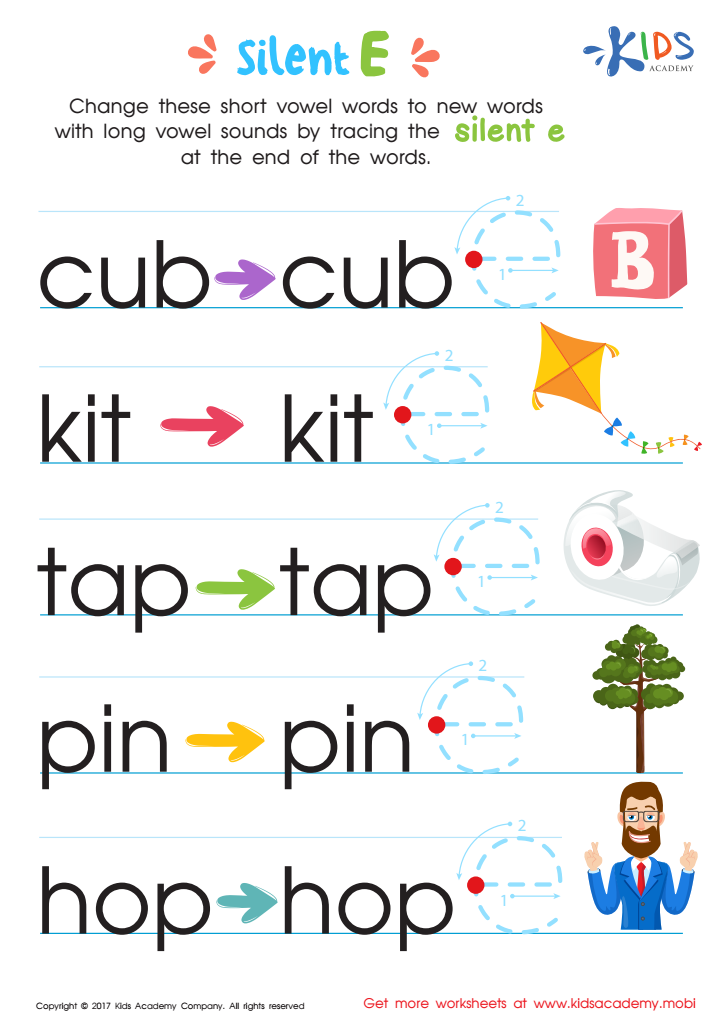
Silent E Words Worksheet
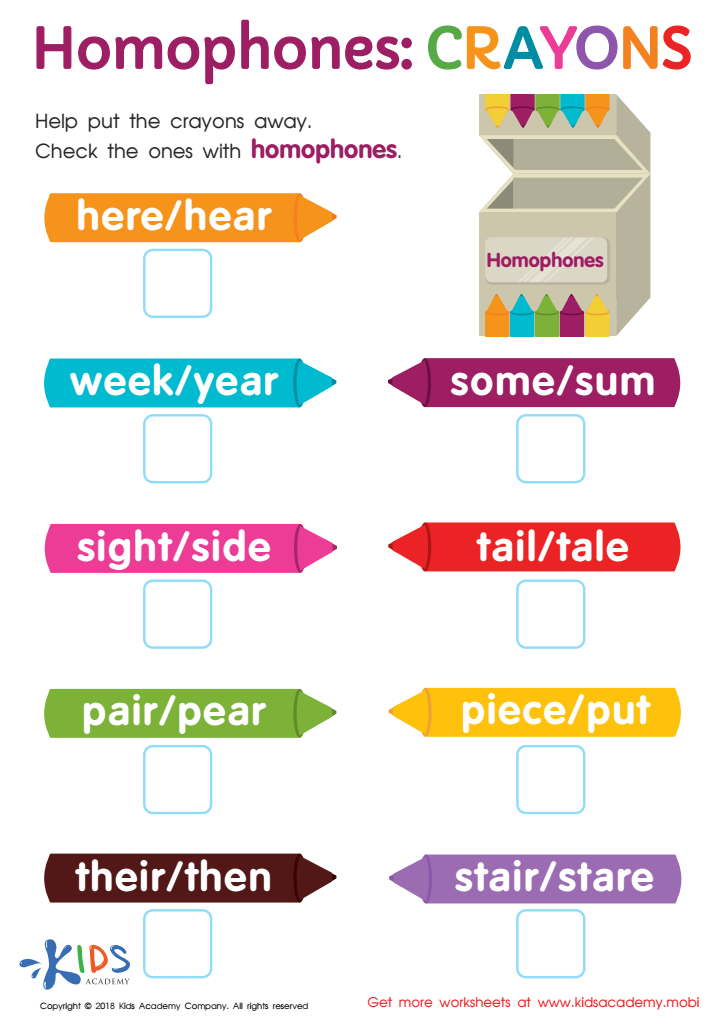
Homophones: Crayons Worksheet
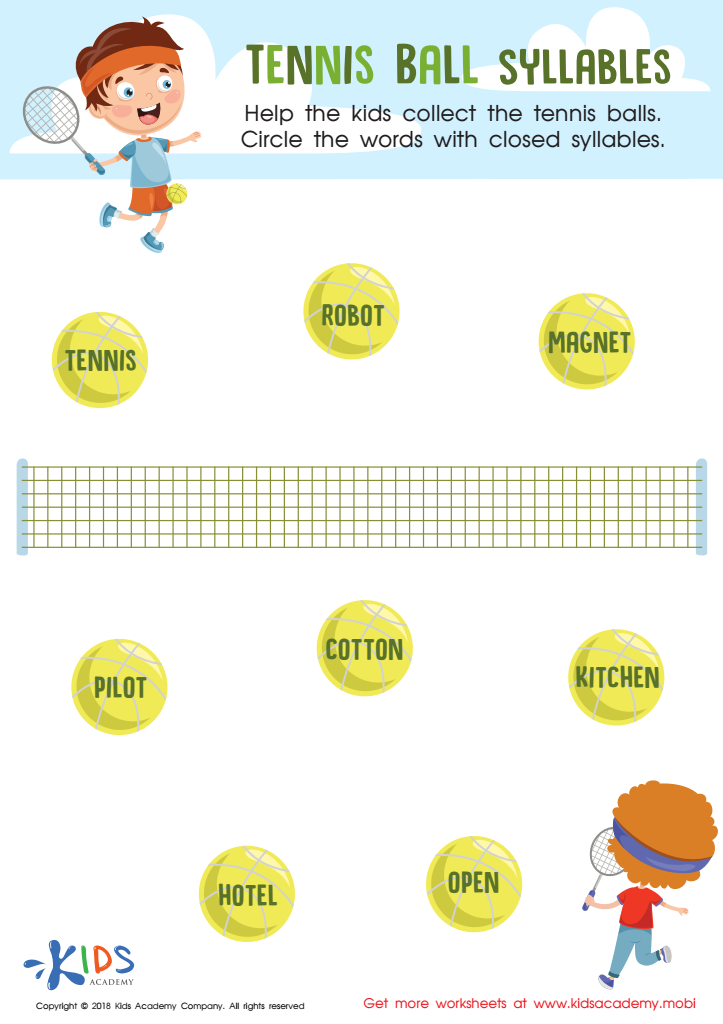
Tennis Ball Syllables Worksheet
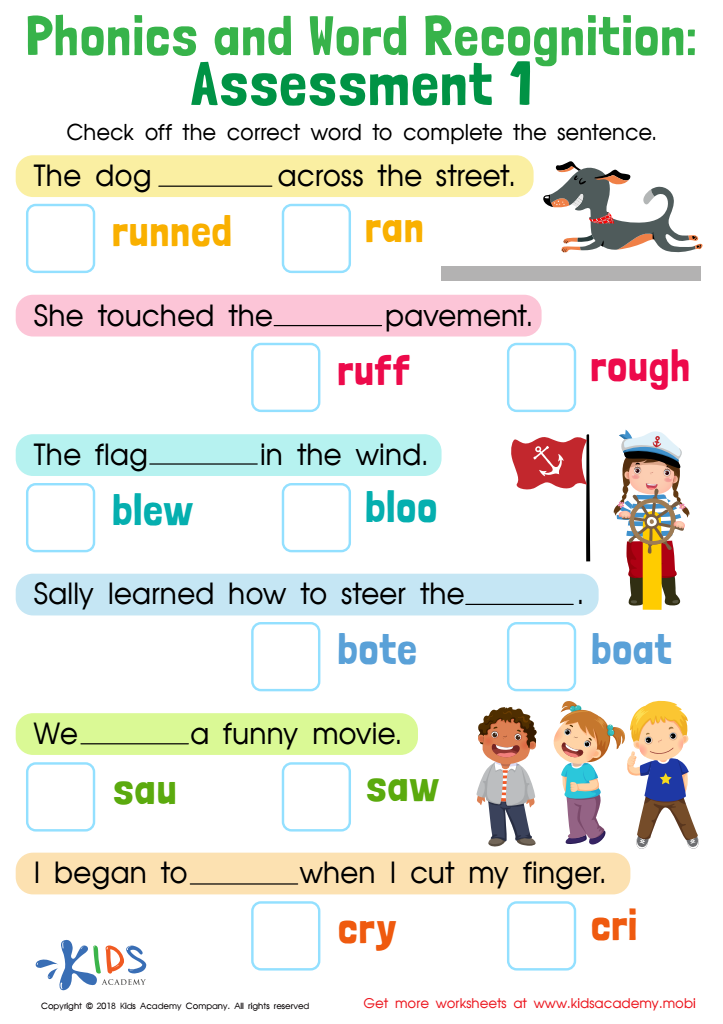
Phonics and Word Recognition: Assessment 1 Worksheet
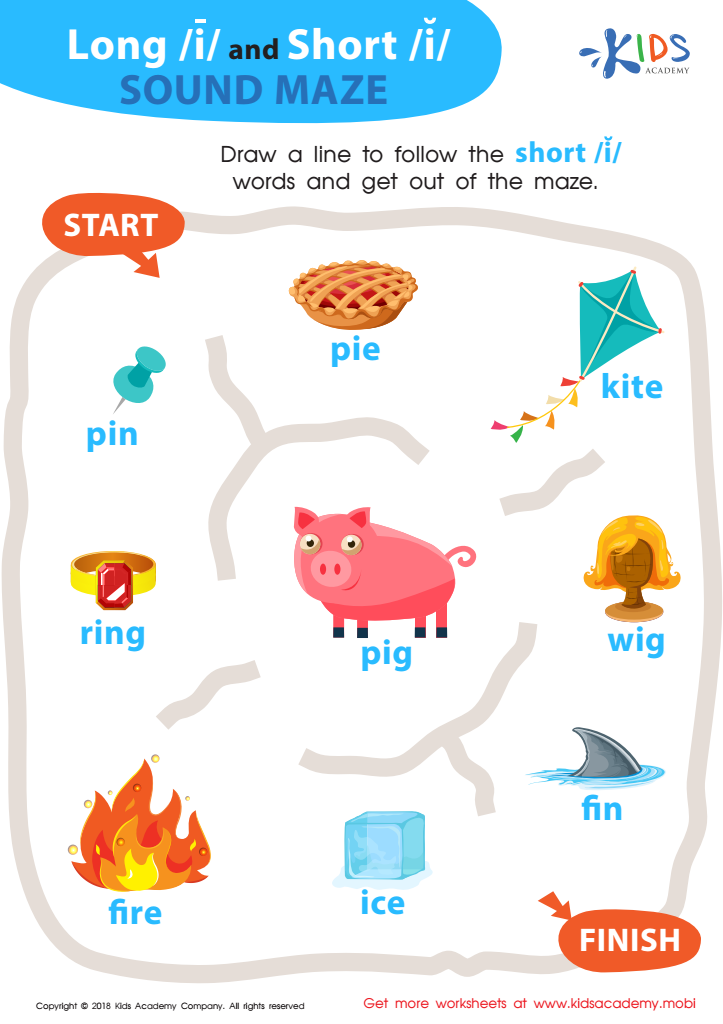
Reading: Long I and Short I Sound Maze Worksheet
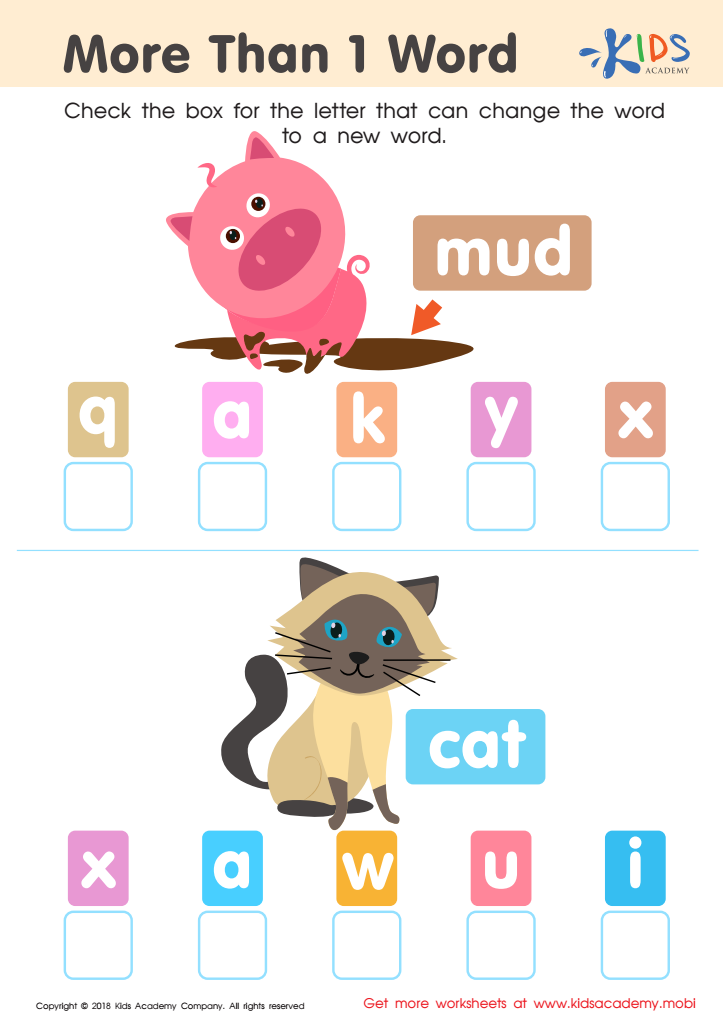
More than 1 word Worksheet

Poem: Cats and Dogs Worksheet
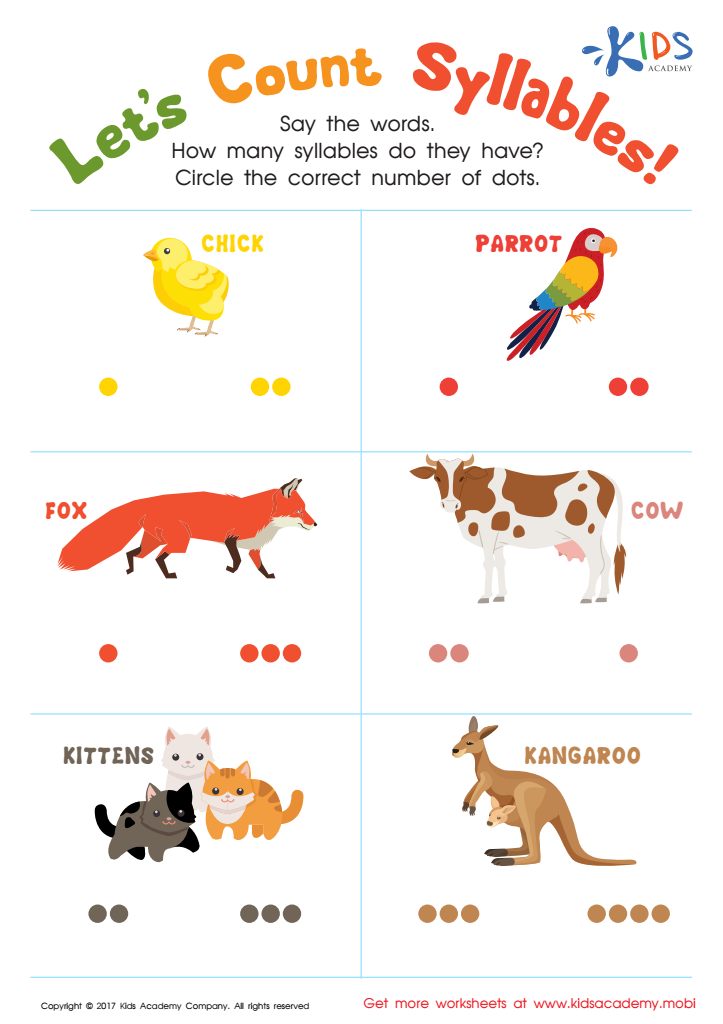
Lets Count Syllables Worksheet
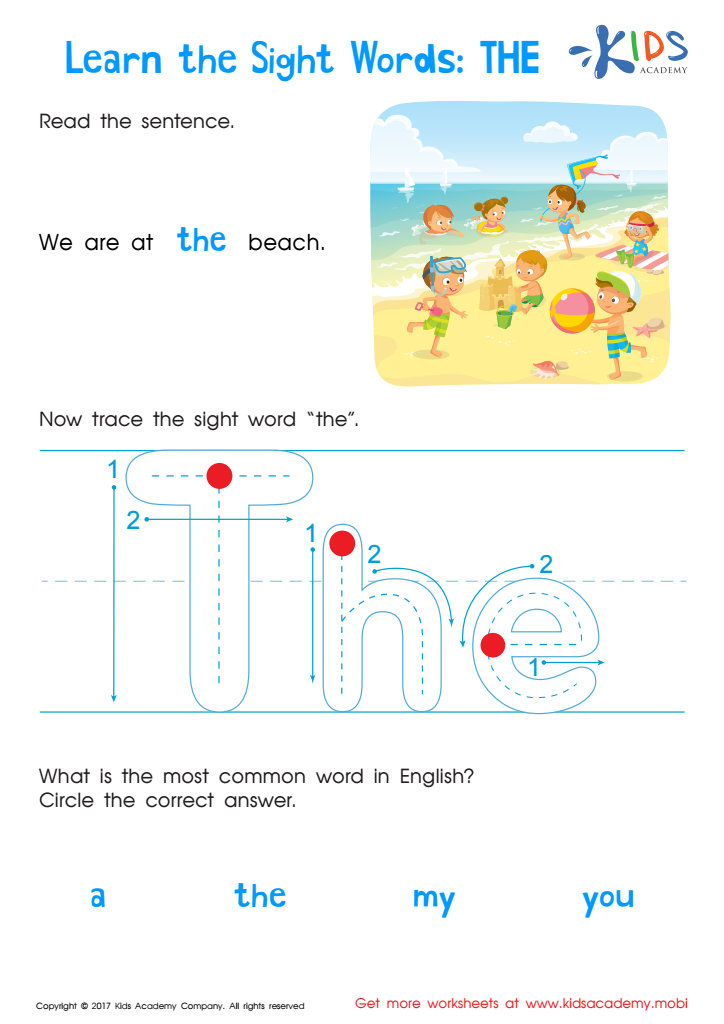
Sight Words: The Worksheet
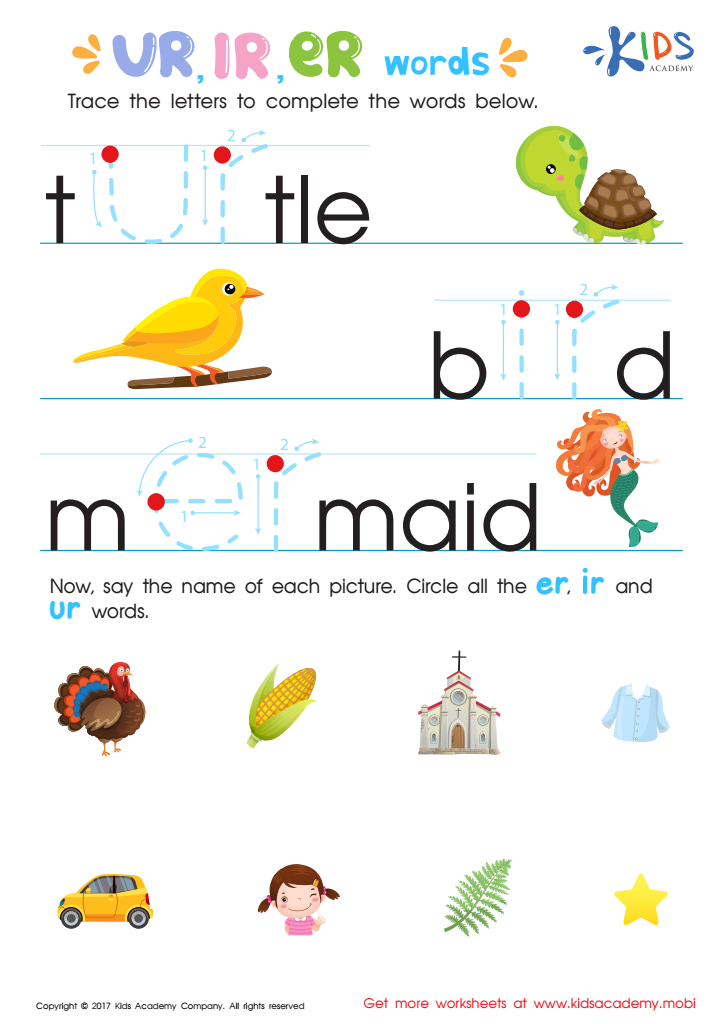
IR UR ER Words Worksheet
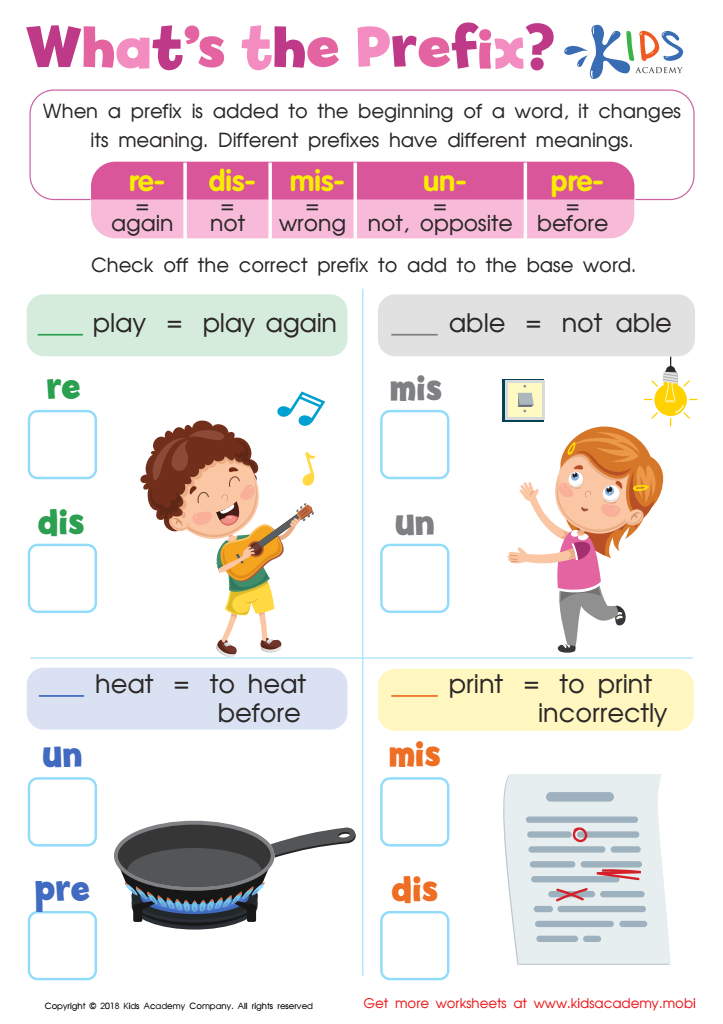
Reading: What Is the Prefix Worksheet
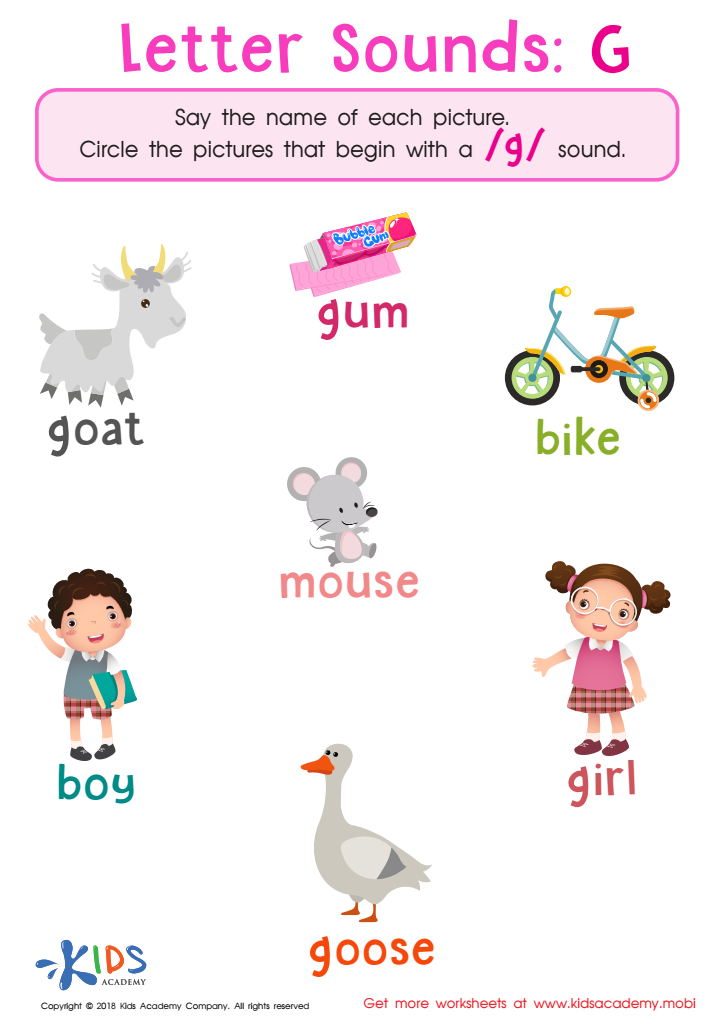
Letter G Sounds Worksheet
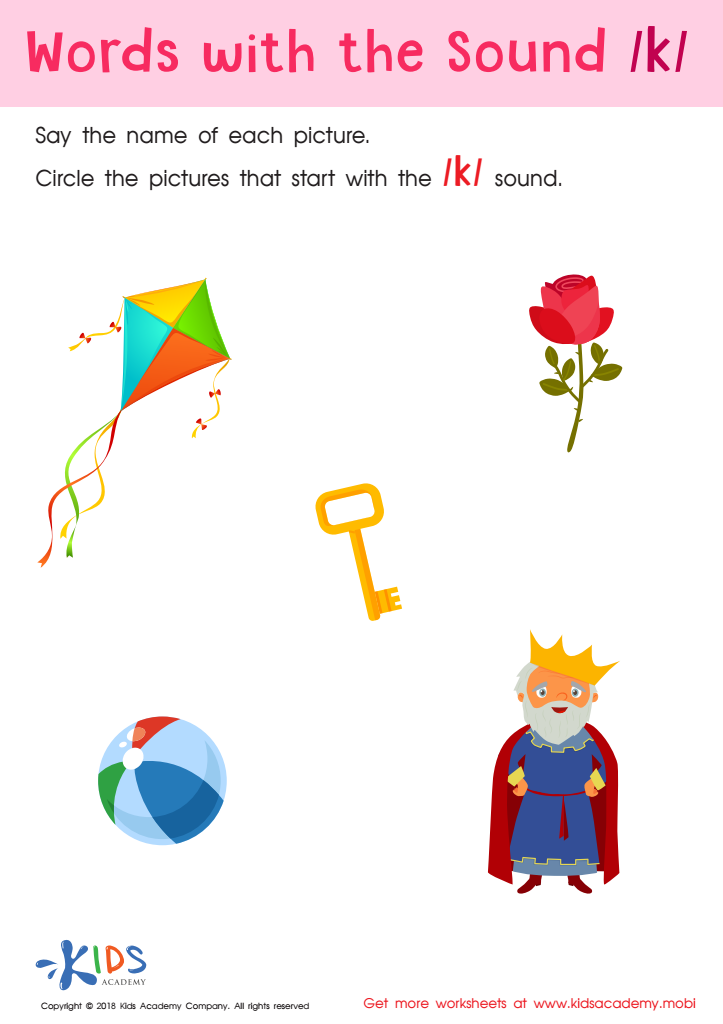
Words with sound k Reading Worksheet








Vocabulary enhancement and phonics are foundational elements in early childhood education, particularly for children aged 4-9. Parents and teachers should care deeply about these areas because they lay the groundwork for a child's overall academic success and lifelong learning skills.
First, a strong vocabulary is essential for understanding and communicating effectively. Children with rich vocabularies are better able to comprehend what they read and hear, which in turn enhances their ability to learn across all subjects. Vocabulary is not only critical for academic achievement, but it also facilitates social interactions and emotional development by giving children the words they need to express their thoughts and feelings.
Phonics, the relationship between sounds and their written symbols, is equally important. When children grasp phonics, they can decode new words while reading, making the process more fluid and less frustrating. Early phonics instruction helps children build the skills needed for reading accuracy, fluency, and comprehension. Fluent readers can focus on understanding the text rather than laboring over individual words, fostering a love for reading and learning.
Early attention to vocabulary and phonics can also detect and mitigate potential learning issues, setting children on a positive academic trajectory. In summary, investment in vocabulary and phonics at a young age equips children with the tools necessary for long-term educational and personal success.







