Flora and Fauna Worksheets for Ages 4-9 - Page 2
32 filtered results
-
From - To

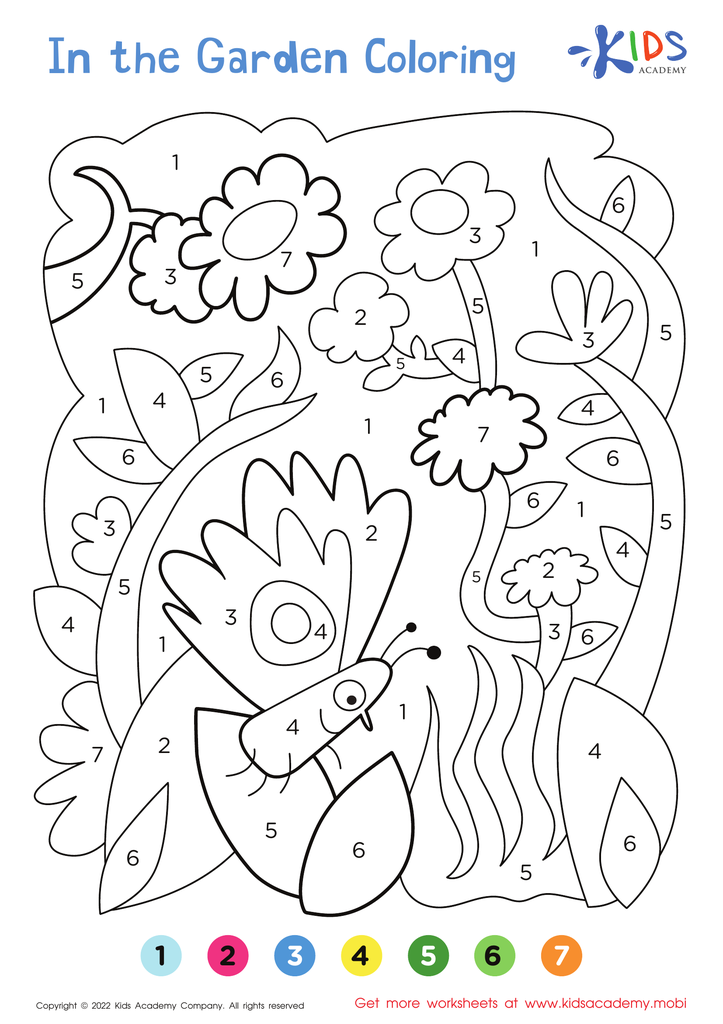
In the Garden – Coloring by Numbers


Parents and teachers should care about flora and fauna for children ages 4-9 because fostering an early appreciation for nature has wide-ranging benefits. At this young age, children are naturally curious and eager to explore the world. Introducing them to plants and animals can spark a lifelong interest in science and the environment. Understanding ecosystems helps children grasp basic scientific principles and the interconnectedness of life, which are foundational concepts in STEM education.
Additionally, direct interactions with nature promote physical activity and enhance sensory development. Outdoor activities like gardening or observing wildlife can improve motor skills, attention spans, and overall well-being. Children exposed to natural settings often exhibit reduced stress and better emotional health. Guiding them to respect and protect living organisms instills values of empathy and responsibility.
Moreover, in the face of current environmental challenges, raising environmentally conscious individuals is crucial. Early education about flora and fauna fosters environmental stewardship. By learning the importance of biodiversity and the roles that various species play in maintaining balance, children can better appreciate the urgent need for conservation efforts. Thus, engaging young minds with the wonders of nature equips them with the knowledge and values to contribute positively to the world.