Handwriting practice English for Beginners Worksheets for Ages 4-9 - Page 2
43 filtered results
-
From - To
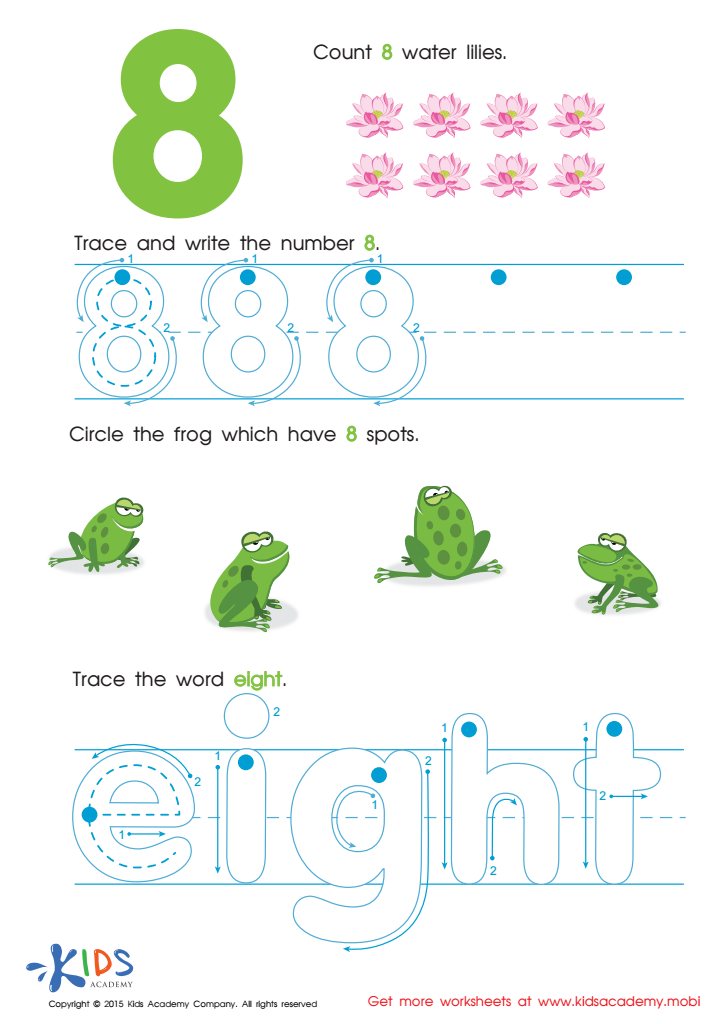
Learn Number 8 Easily Worksheet
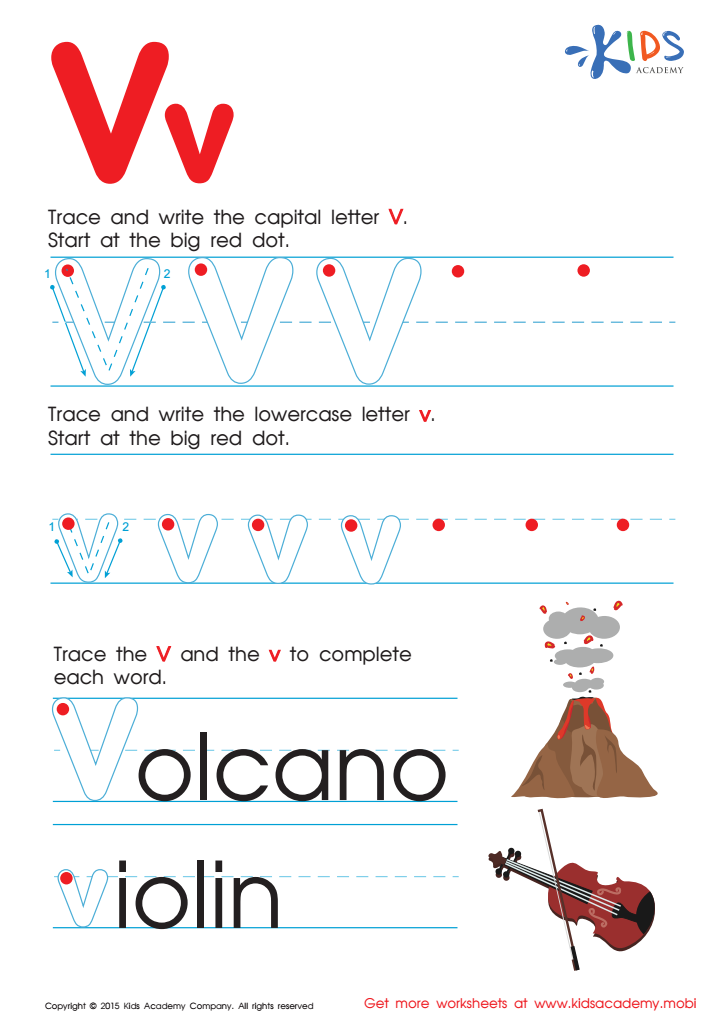
Letter V Tracing Page
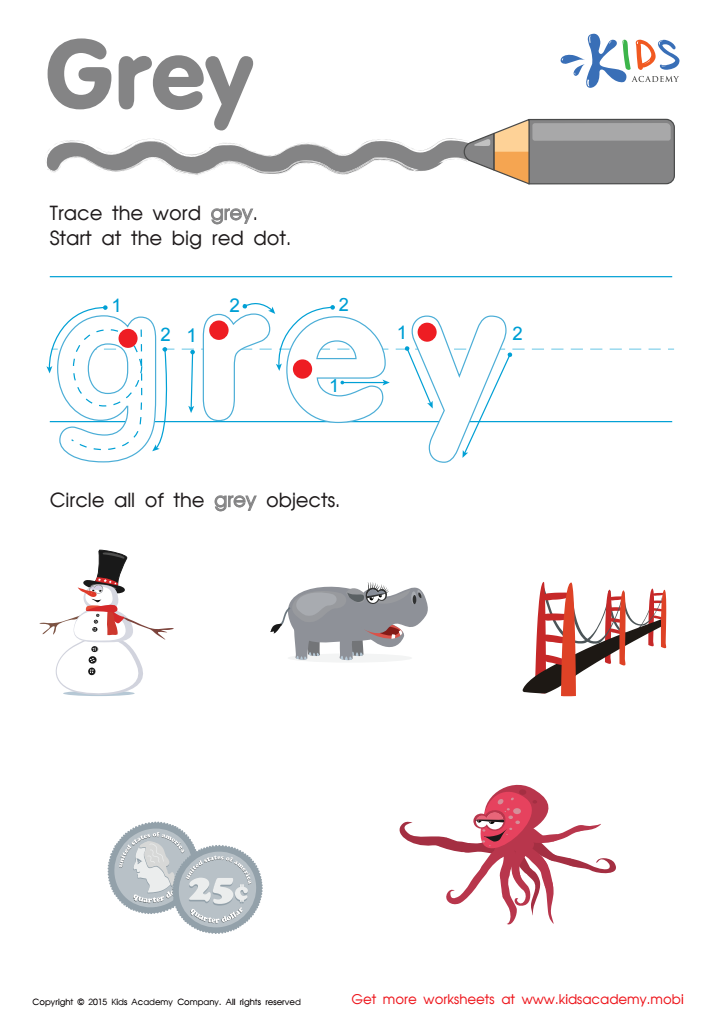
Grey Tracing Color Words Worksheet
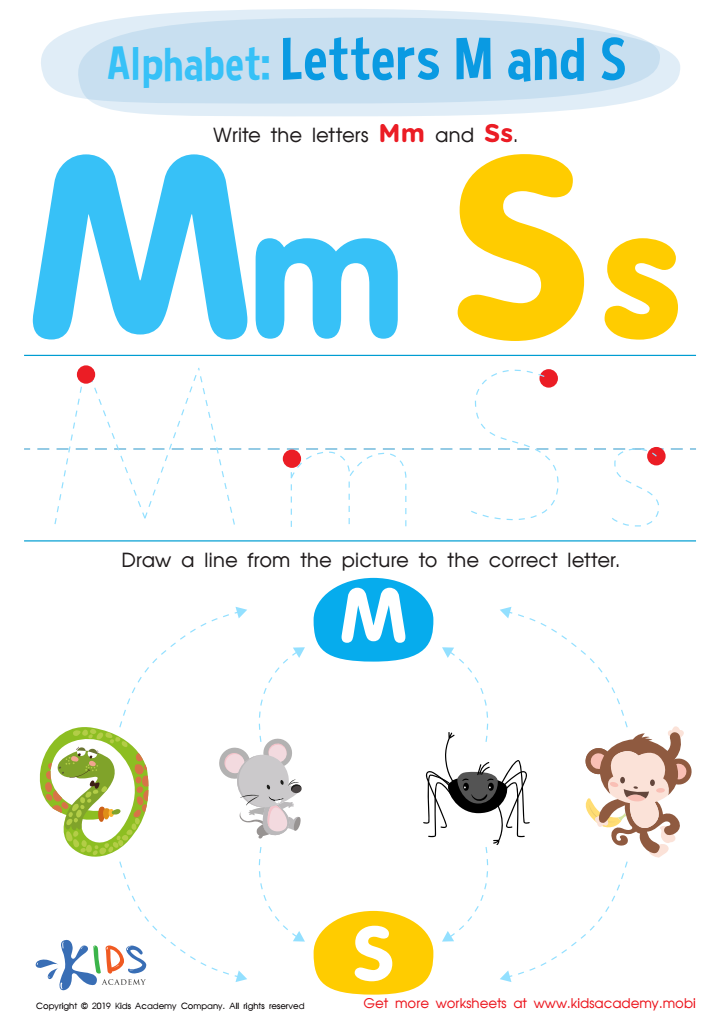
Letters M and S Tracing Worksheet
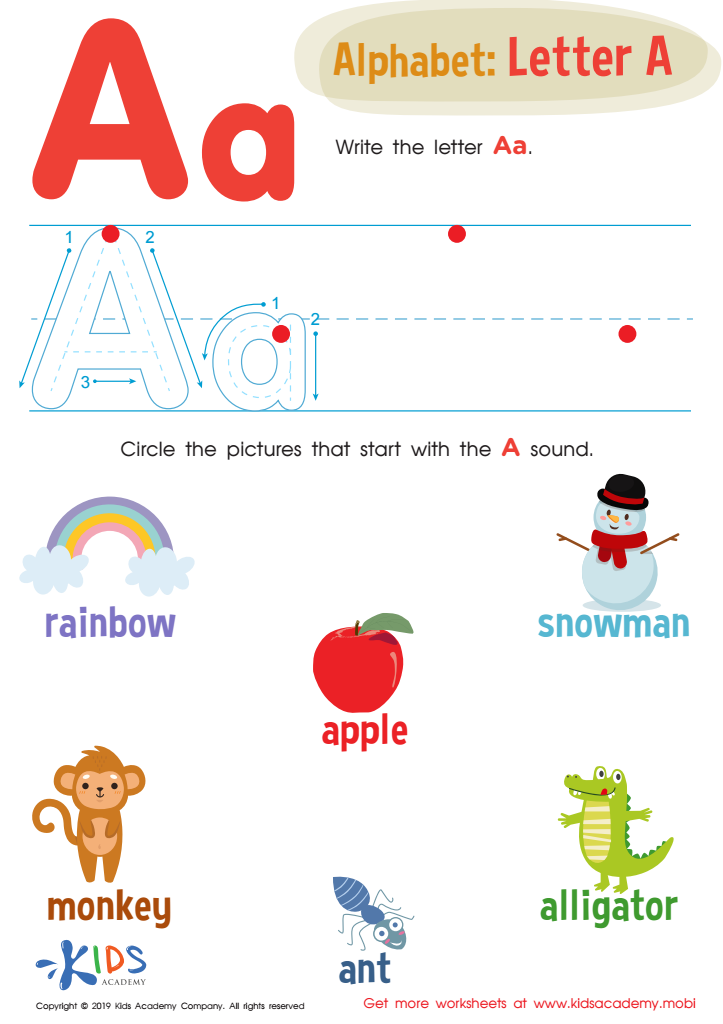
Letter A Tracing Worksheet
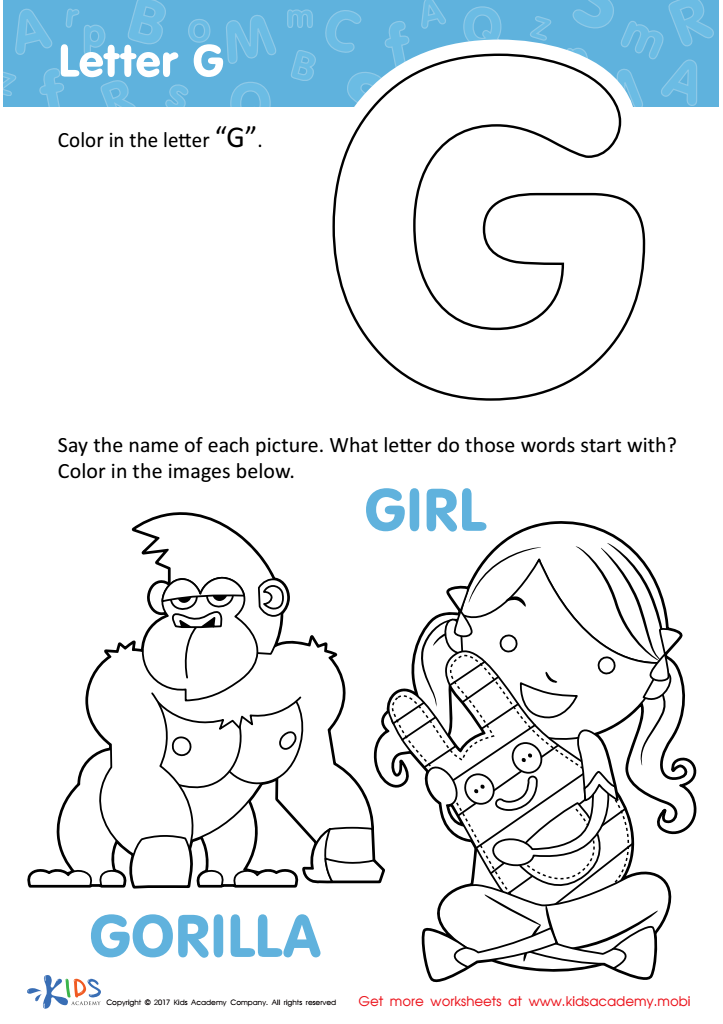
Letter G Coloring Sheet
 Assign to My Students
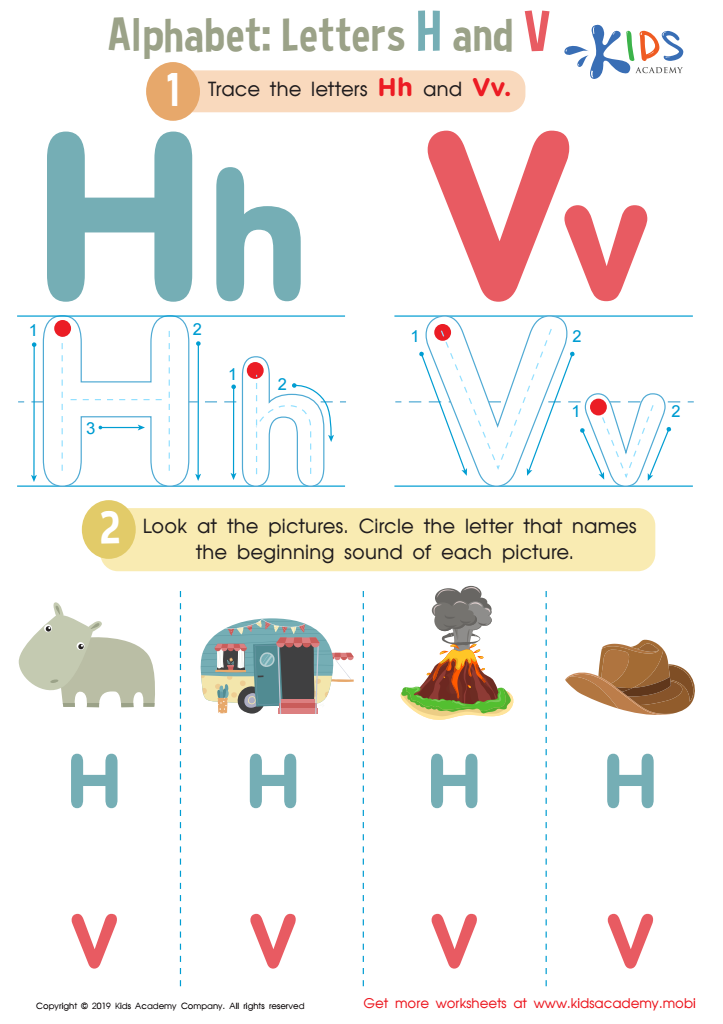
Letters H and V Tracing Worksheet
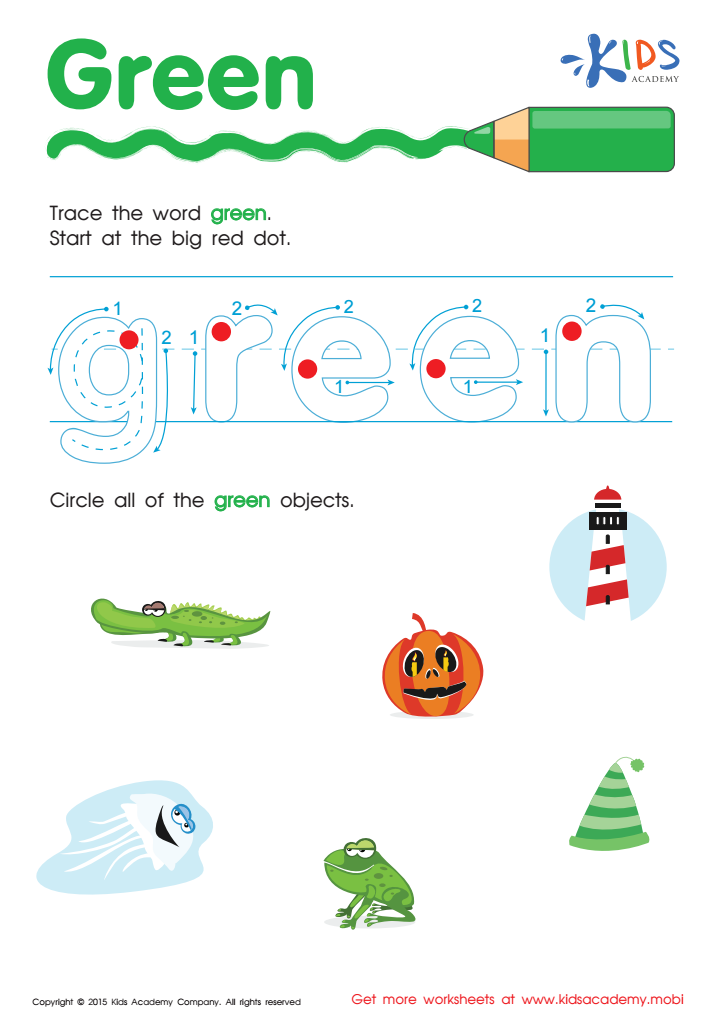
Green Tracing Color Words Worksheet
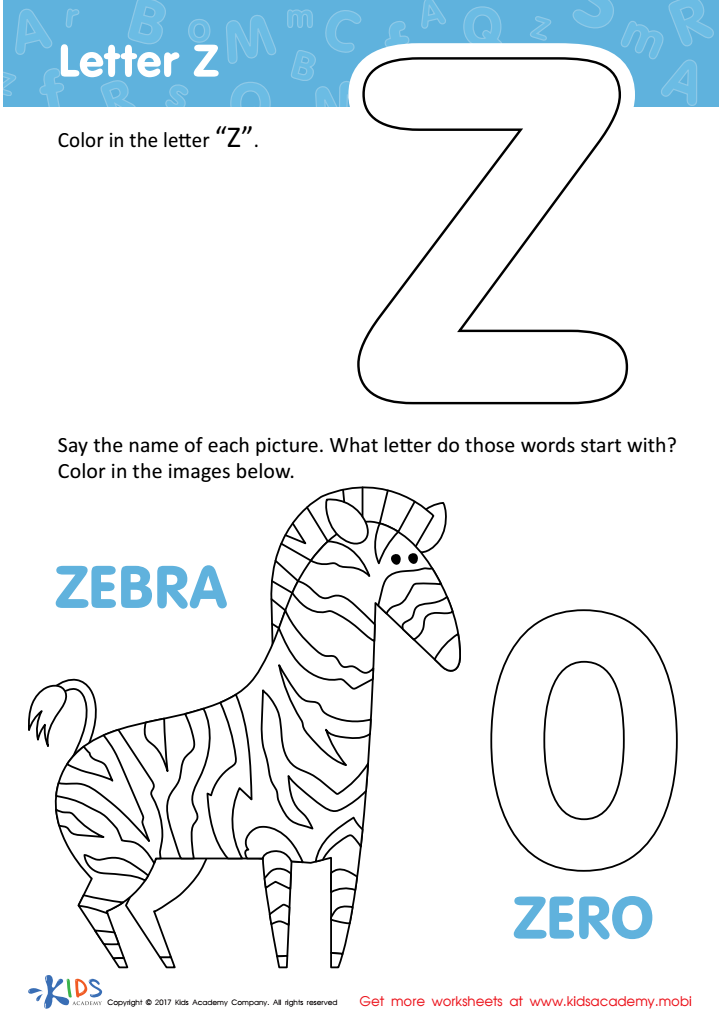
Letter Z Coloring Sheet
Assign to My Students
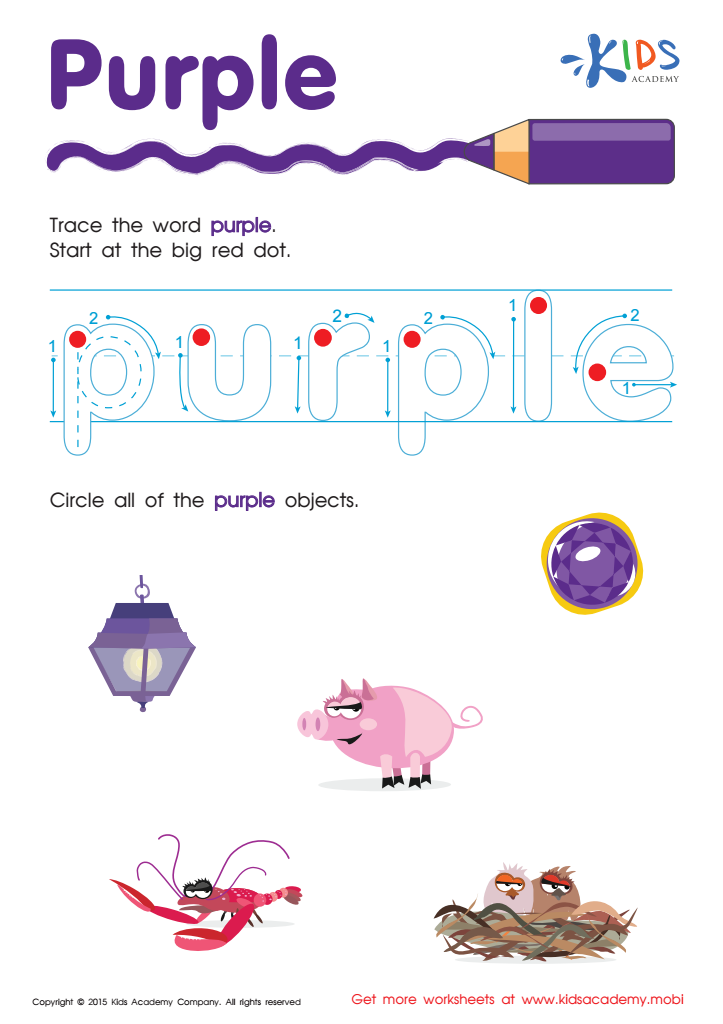
Purple Tracing Color Words Worksheet
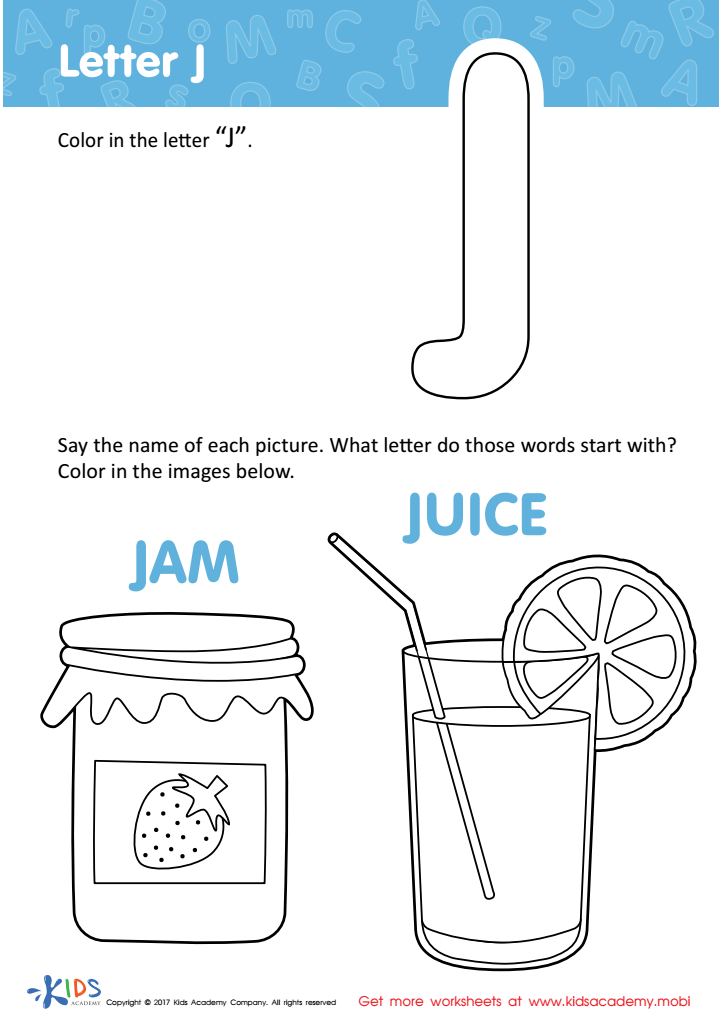
Letter J Coloring Sheet
Assign to My Students
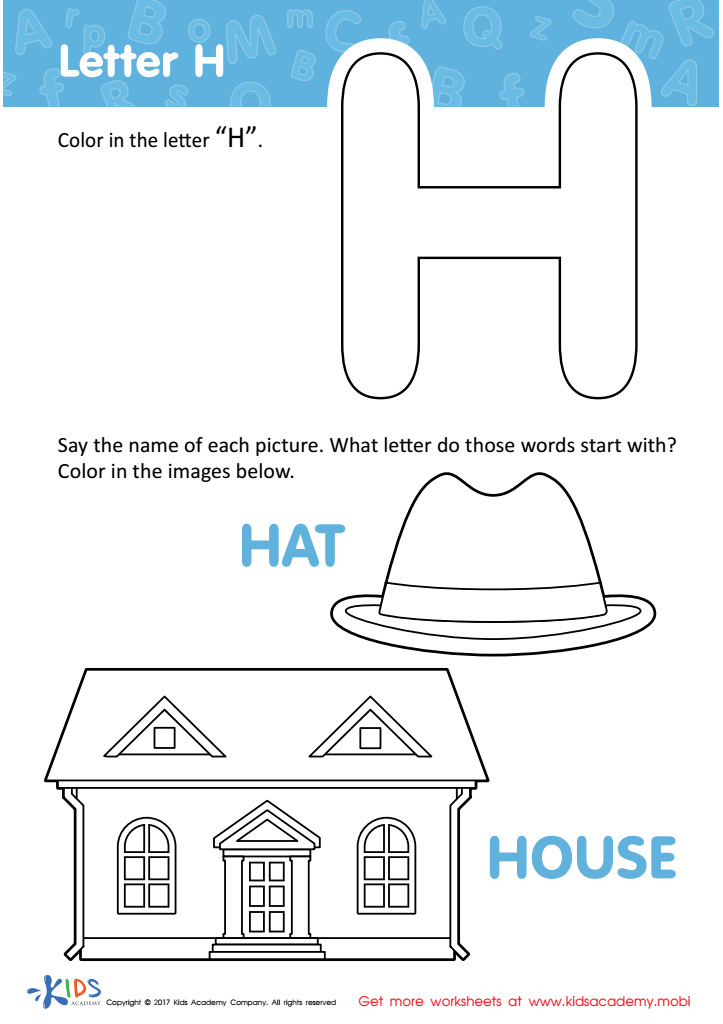
Letter H Coloring Sheet
Assign to My Students
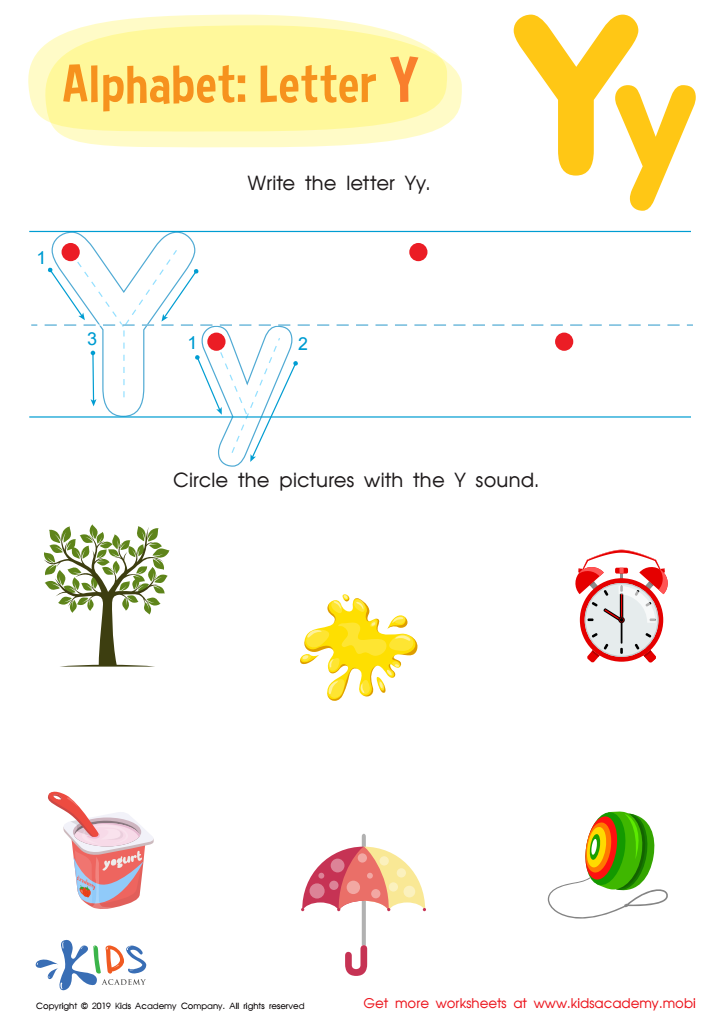
Letter Y Tracing Worksheet
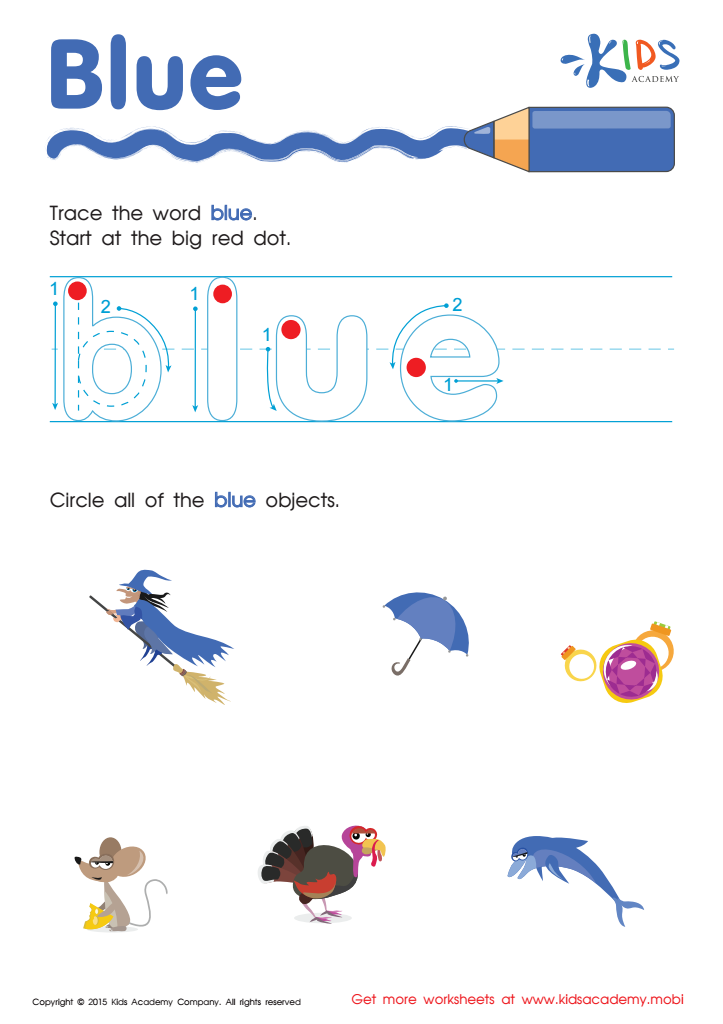
Blue Tracing Color Words Printable

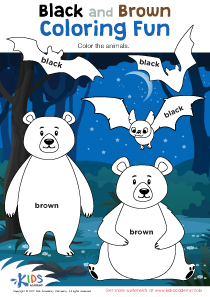
Brown Tracing Color Words Worksheet
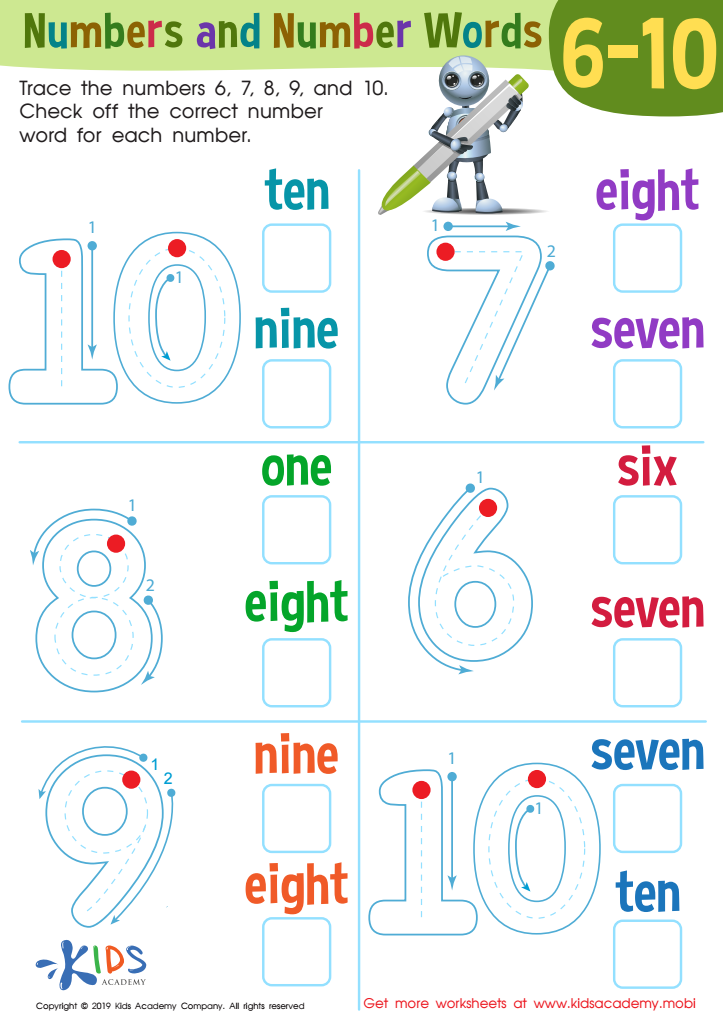
Numbers and Number Words 6–1 Worksheet
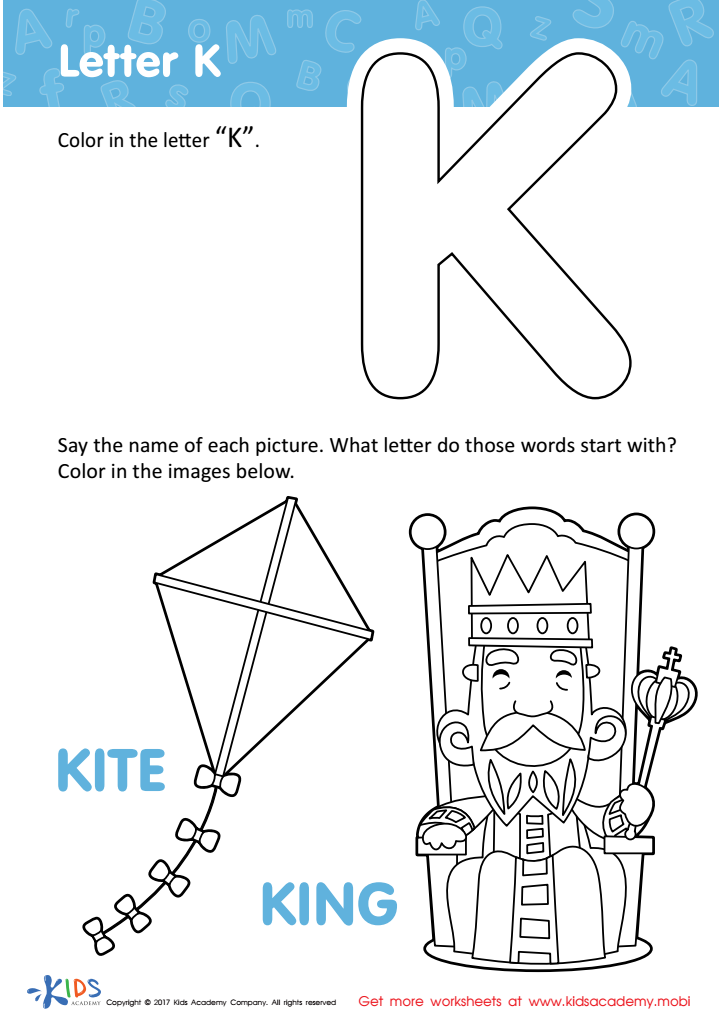
Letter K Coloring Sheet
Assign to My Students
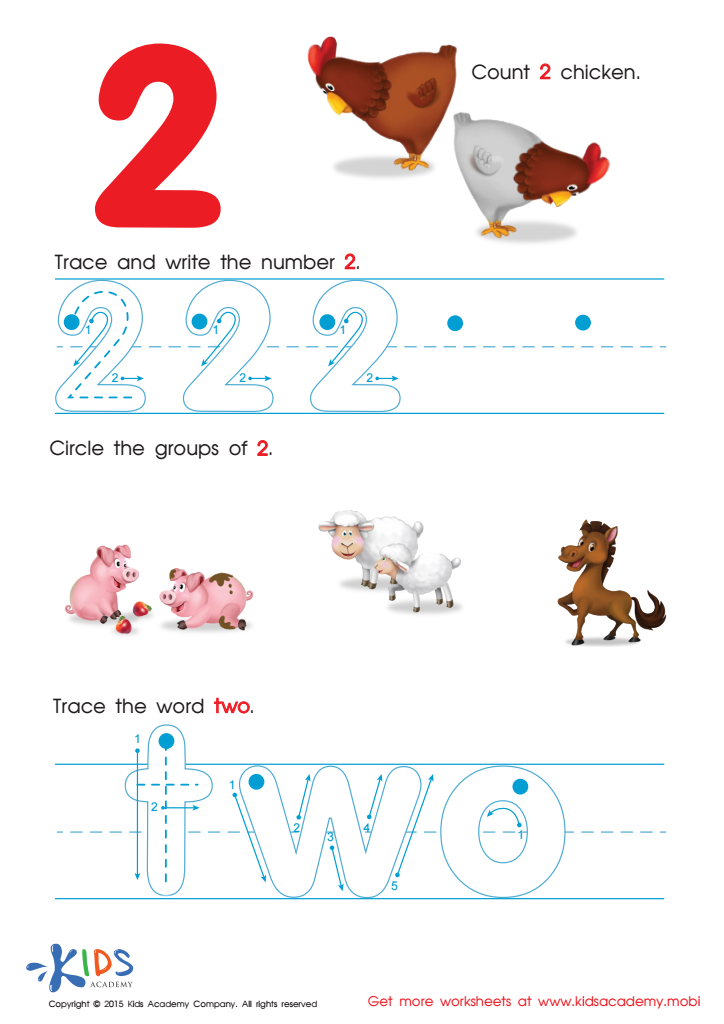
Learn to Write the Number 2 Worksheet

Letter N Coloring Sheet
Assign to My Students





Handwriting practice is crucial for children aged 4-9 as it lays the foundation for effective communication and cognitive development. At this age, children are still developing fine motor skills, and practicing handwriting helps strengthen their hand muscles, improve coordination, and enhance spatial awareness. Learning to write in English provides them with the necessary tools to express their ideas clearly, which builds confidence and encourages creative thinking.
Moreover, acquiring good handwriting habits early on can have lasting effects on academic performance. Clear handwriting can impact a child's ability to take notes, complete assignments, and ultimately communicate effectively in written form. Teachers and parents play a vital role in fostering positive attitudes towards handwriting; engaging children in fun, interactive writing activities not only makes learning enjoyable but also instills a sense of achievement.
Additionally, early handwriting practice can help in identifying any potential learning difficulties, such as dysgraphia, allowing for timely interventions. An appreciation for handwriting extends beyond the classroom, promoting skills that benefit homework, personal correspondence, and lifelong communication. In sum, prioritizing handwriting practice in early education is an investment in children's overall development, empowering them to express themselves with clarity and confidence throughout their lives.