Categorization skills Worksheets for Ages 4-9
34 filtered results
-
From - To
Explore our engaging Categorization Skills Worksheets tailored for children ages 4-9! Designed to enhance critical thinking and cognitive development, these worksheets encourage kids to group objects, identify similarities and differences, and develop their observation skills. Featuring fun themes and vibrant illustrations, they provide an enjoyable learning experience that complements early childhood education. Perfect for homeschoolers, caregivers, and teachers, our worksheets cater to various learning styles, making them an excellent resource for differentiated instruction. Help your child master categorization through interactive activities that make learning both fun and effective! Download and start boosting their organizational skills today!
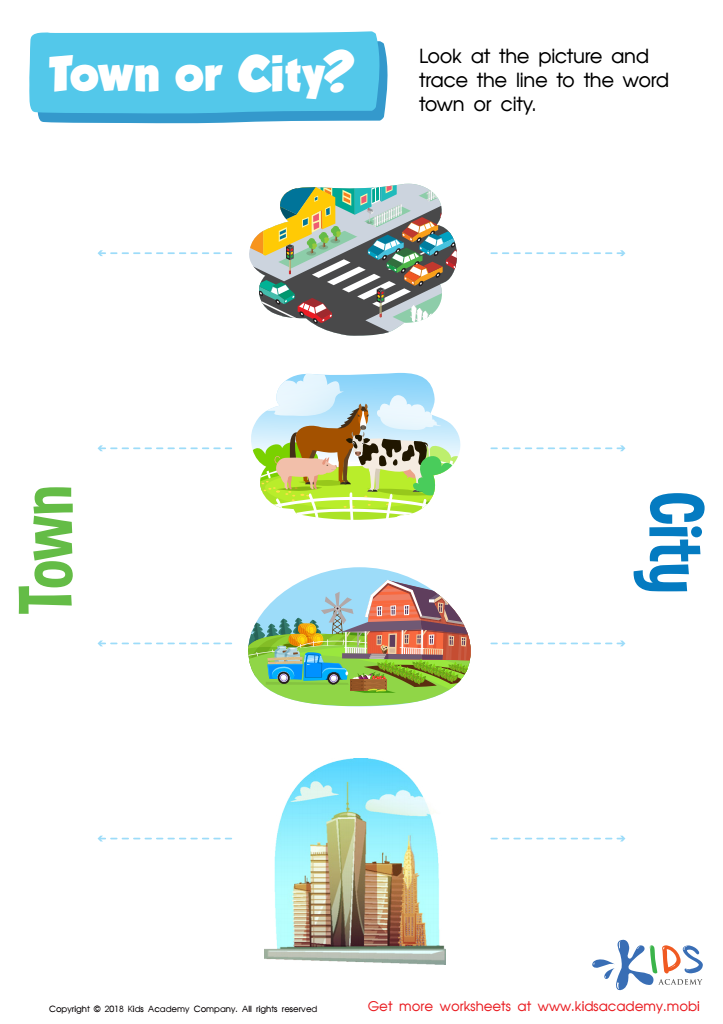
Town or City? Worksheet
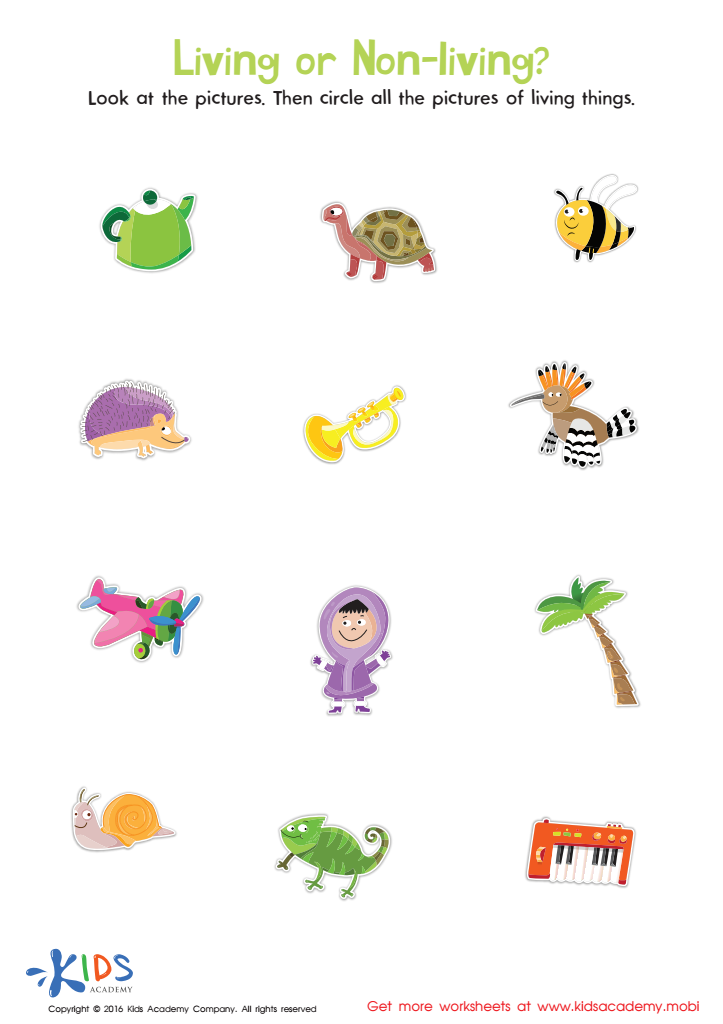
Identifying Living and Non–living Things Sorting Worksheet
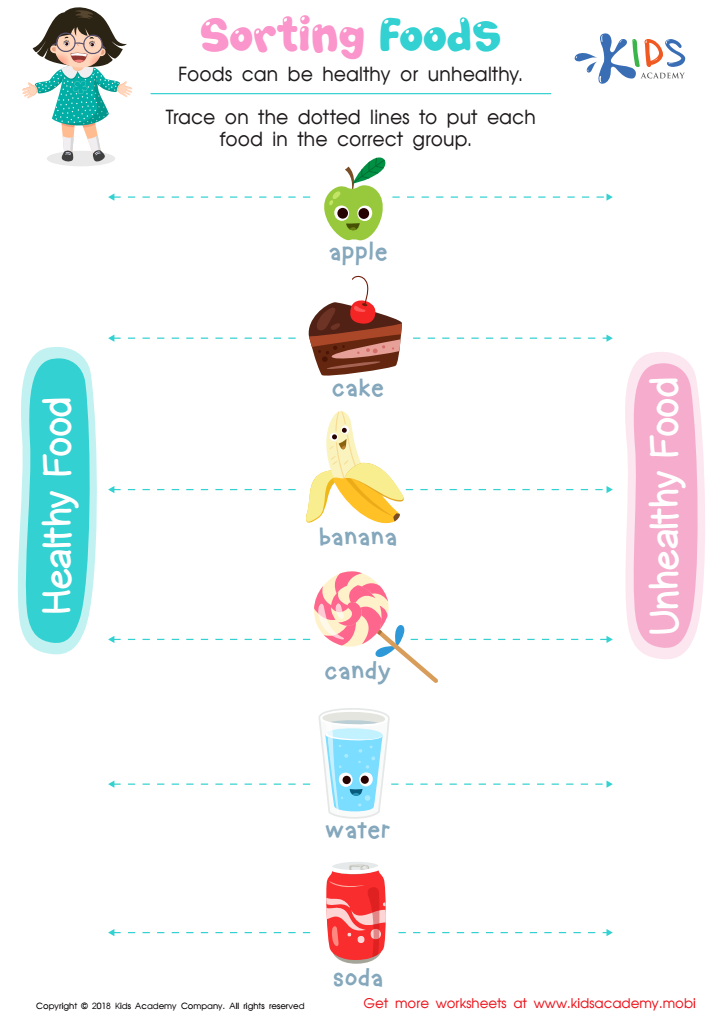
Sorting Food Worksheet
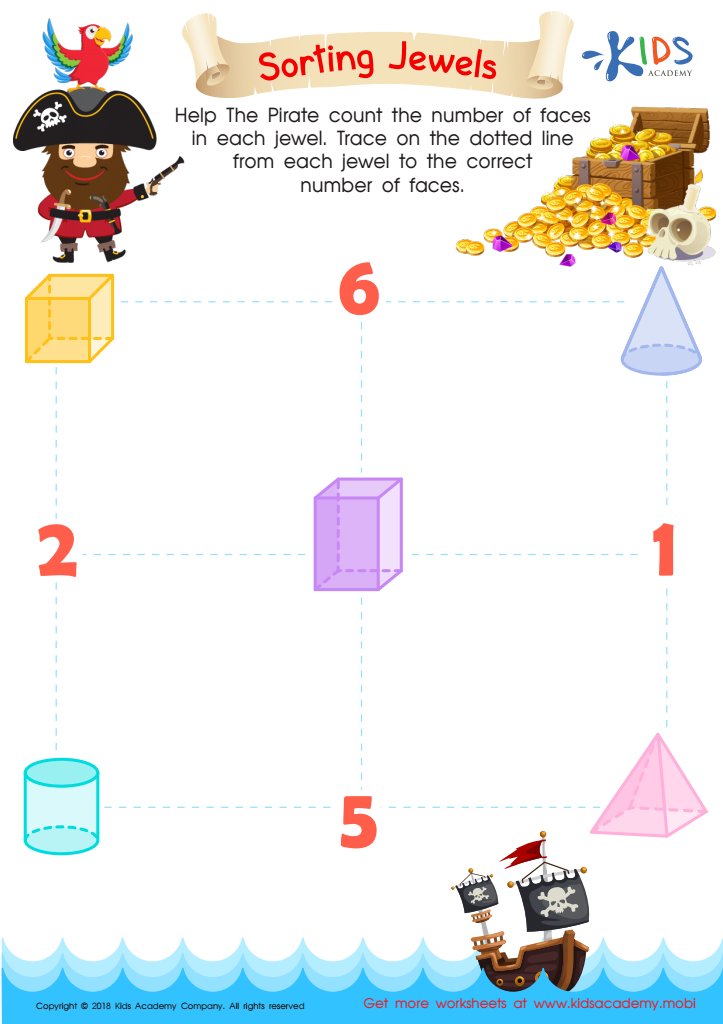
Sorting Jewels Worksheet
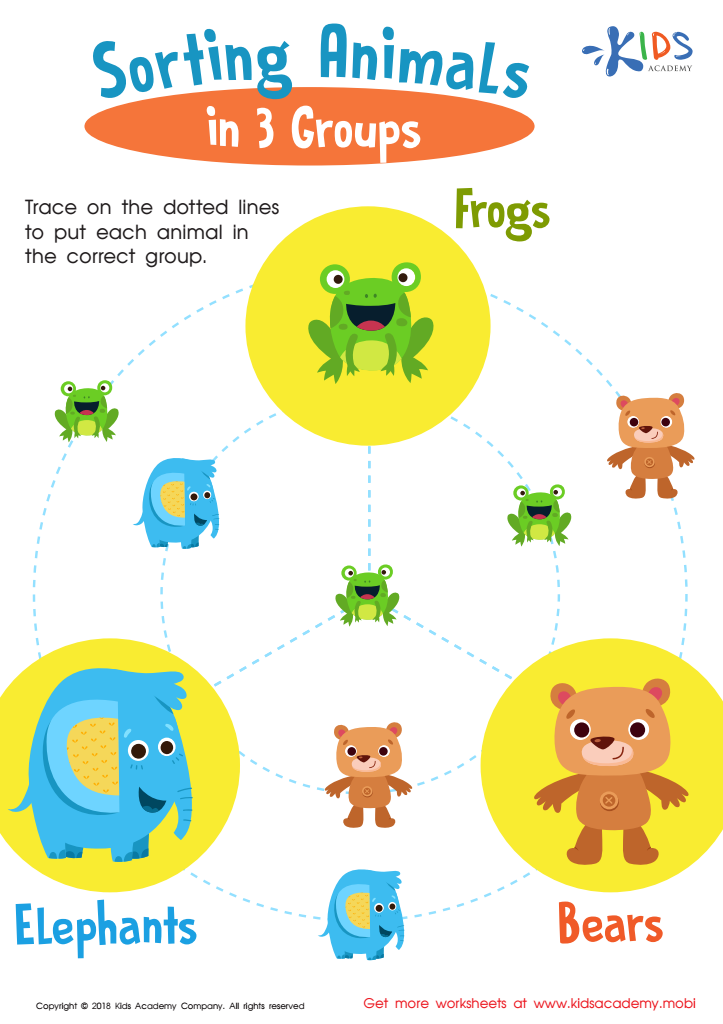
Sorting Animals in 3 Groups Worksheet
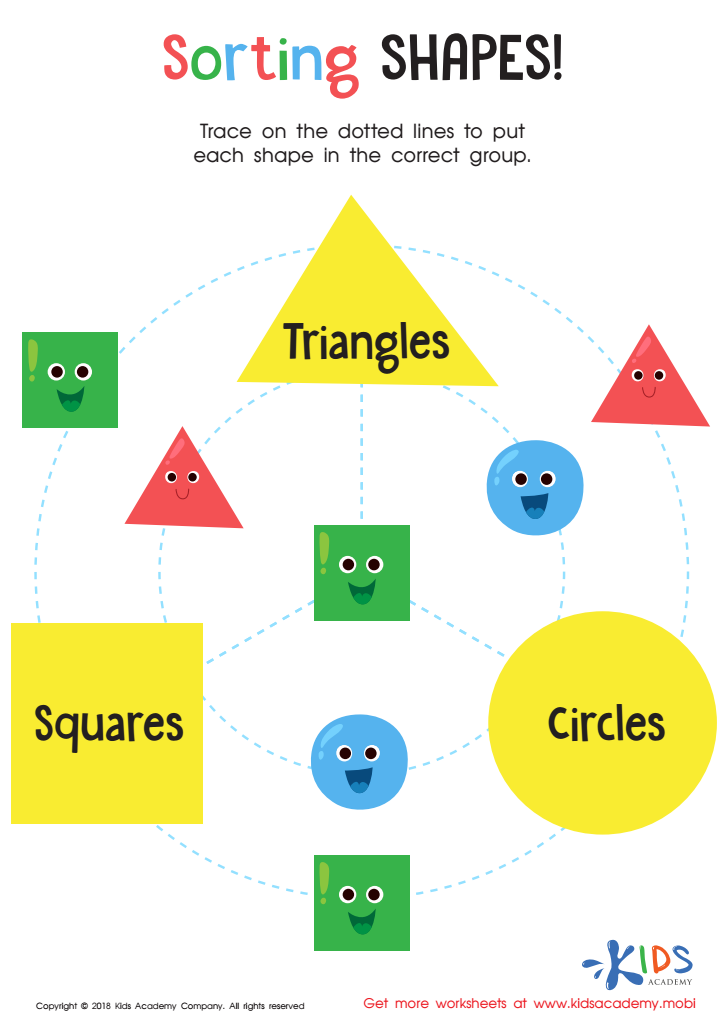
Sorting Shapes - Part 3 Worksheet
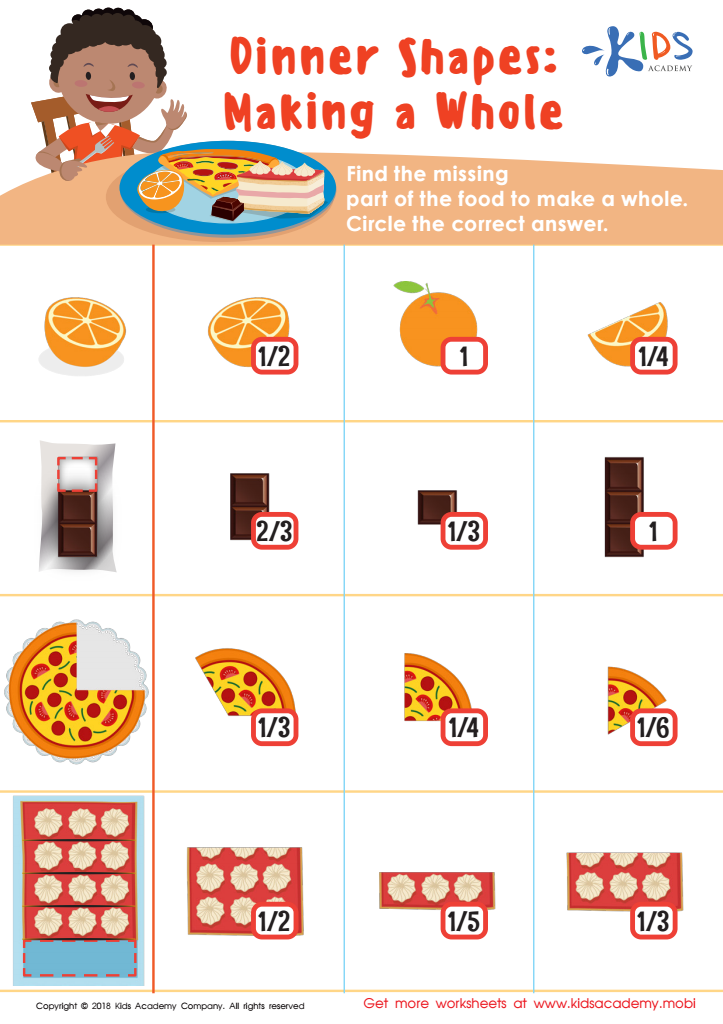
Dinner Shapes: Making a Whole Worksheet
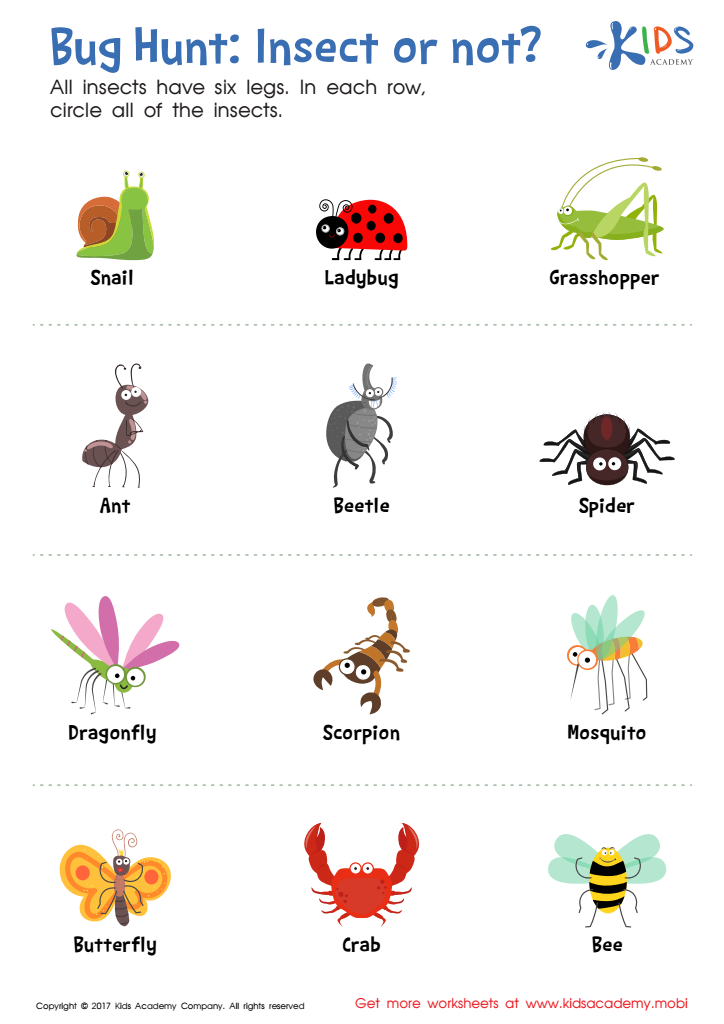
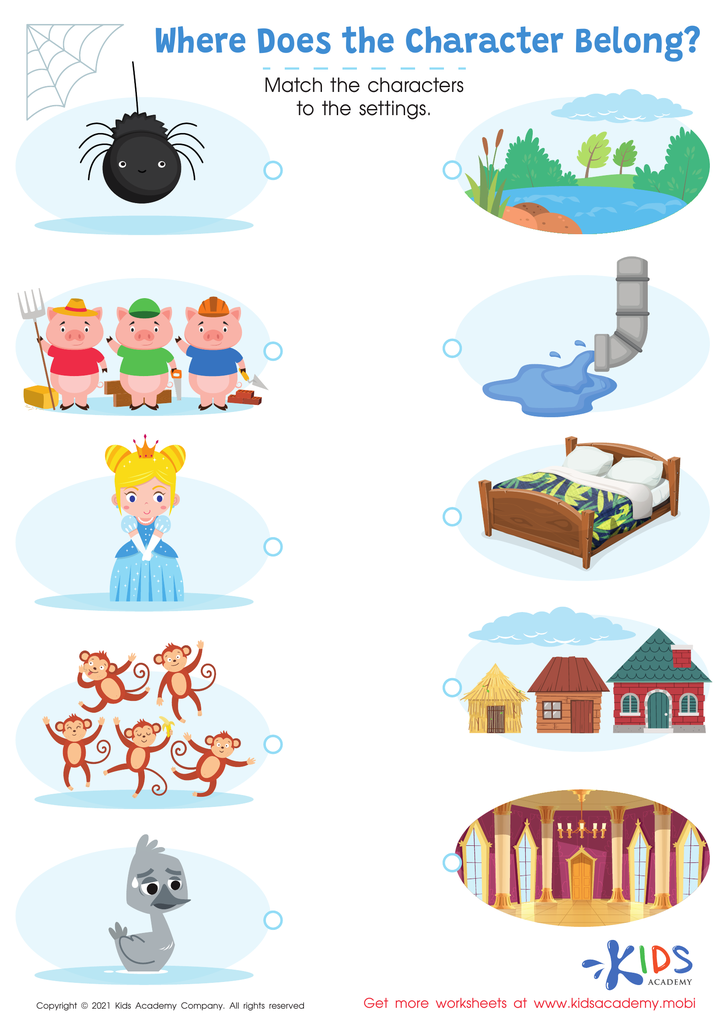
Where Does the Character Belong? Worksheet
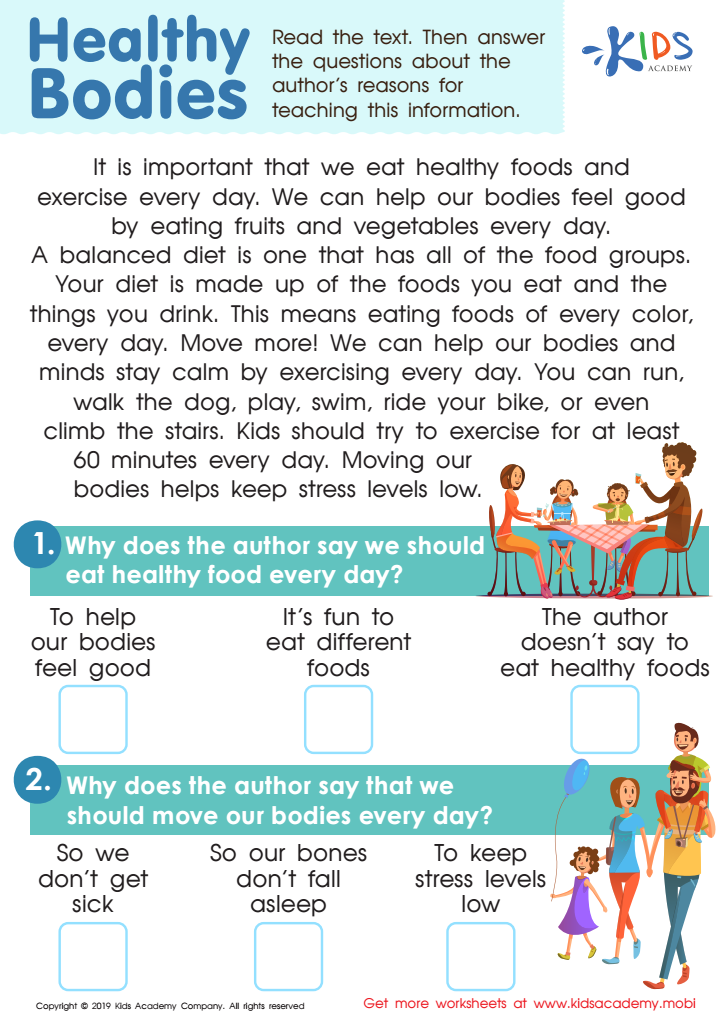
Healthy Bodies Worksheet
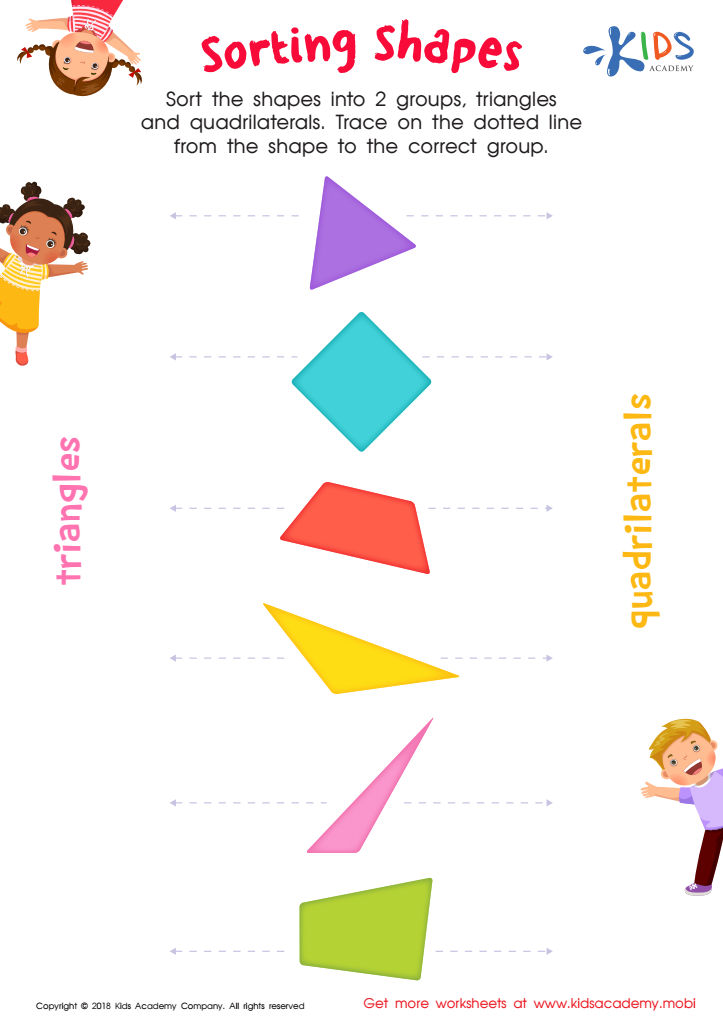
Sorting Shapes Worksheet
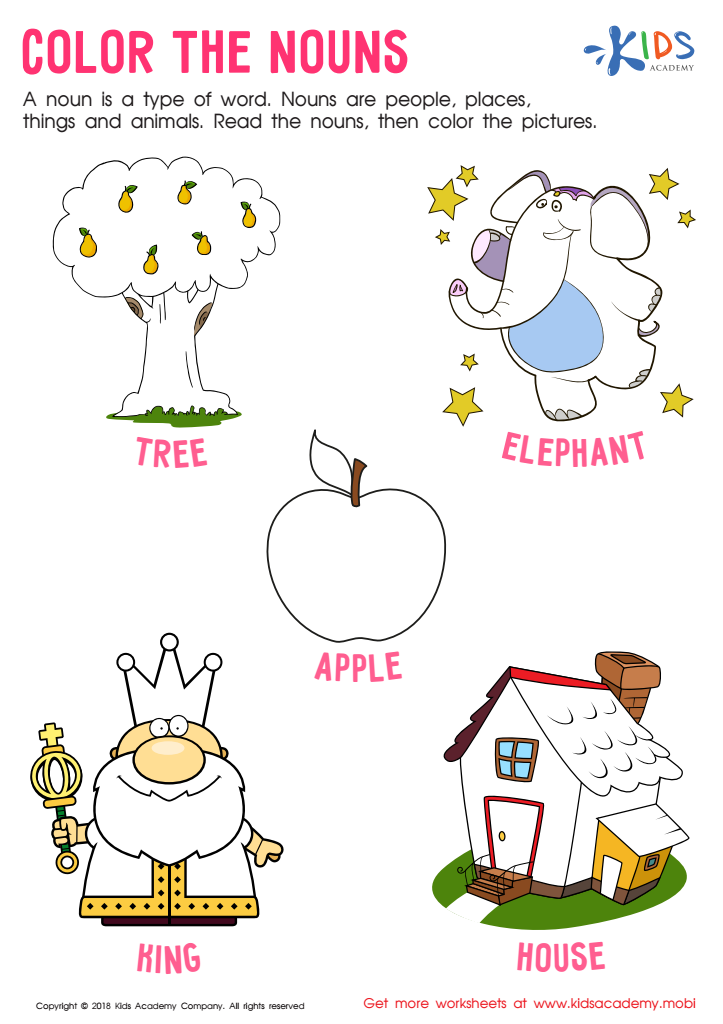
Color the Nouns Worksheet
 Assign to My Students
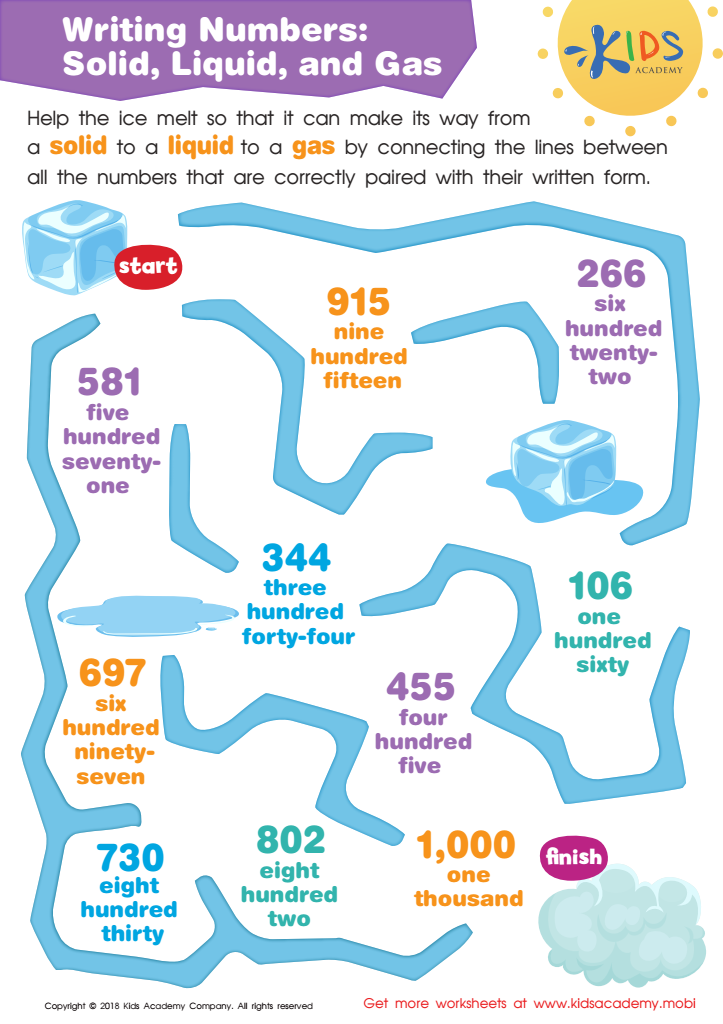
Solid, Liquid, and Gas Writing Numbers Worksheet
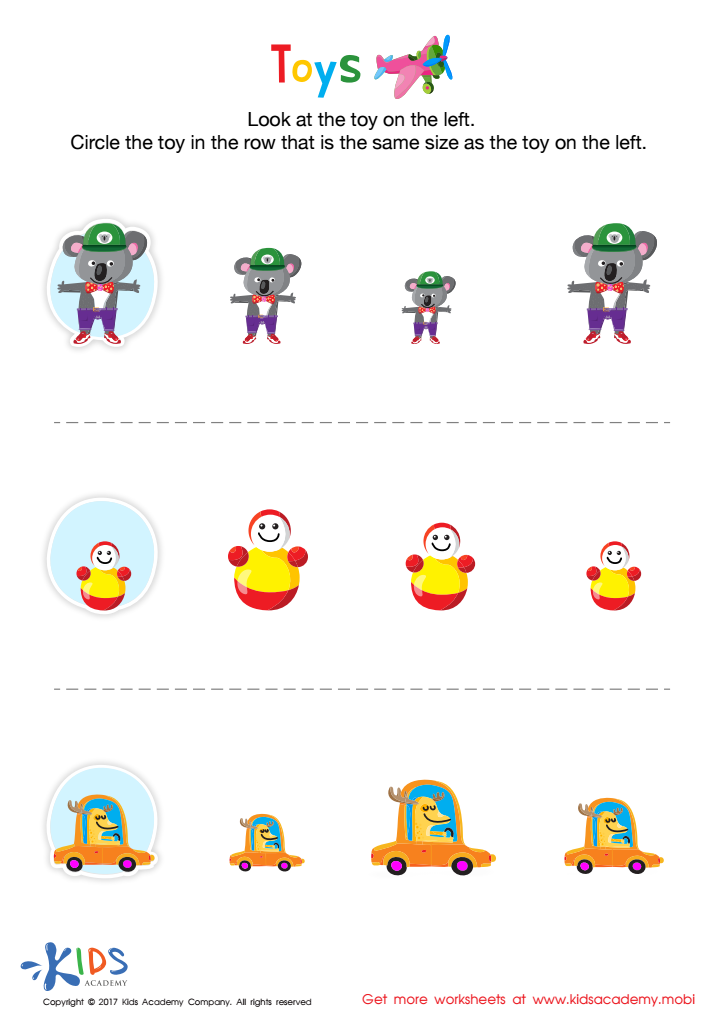
Matching: Classifying Toys by Size Worksheet
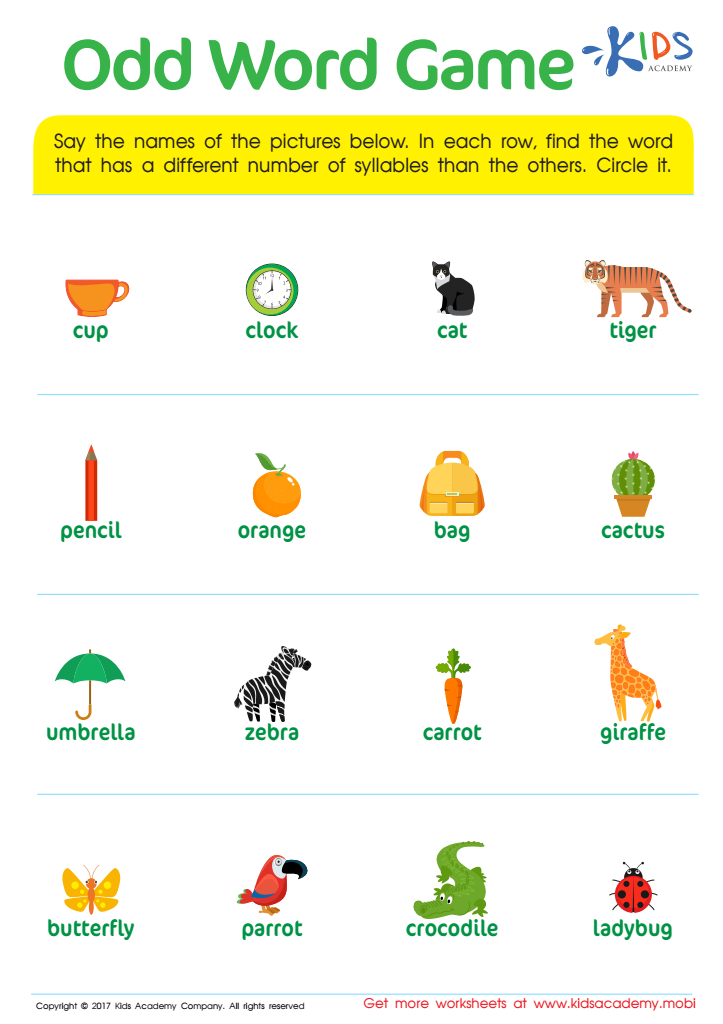
Count Syllables: Odd Word Game Worksheet
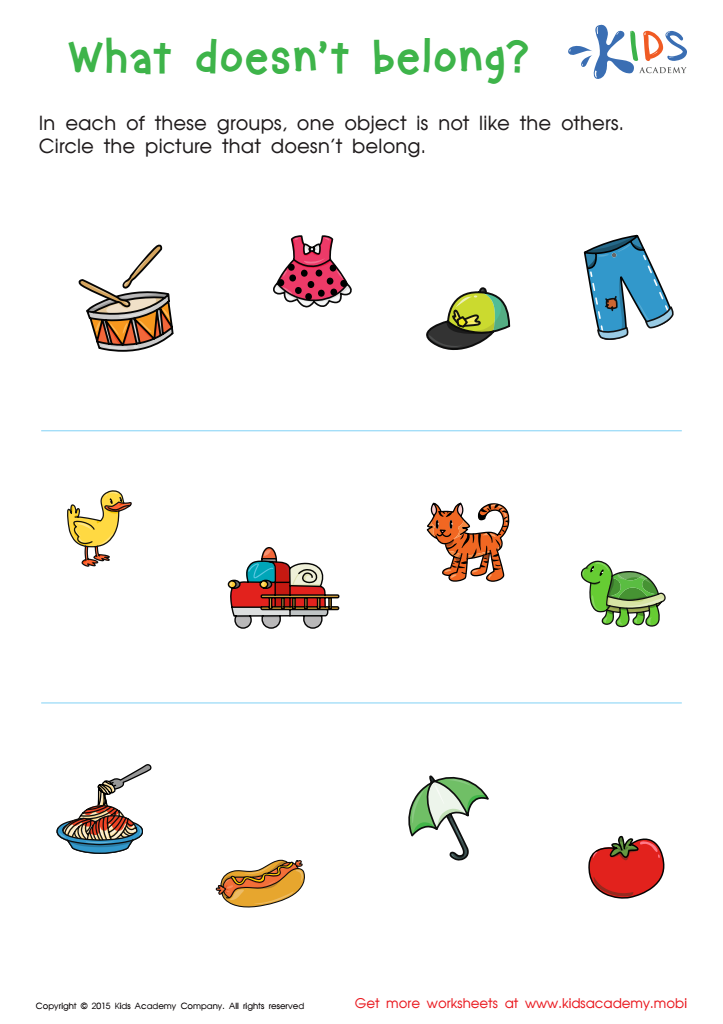
First Words: What Doesn't Belong Worksheet
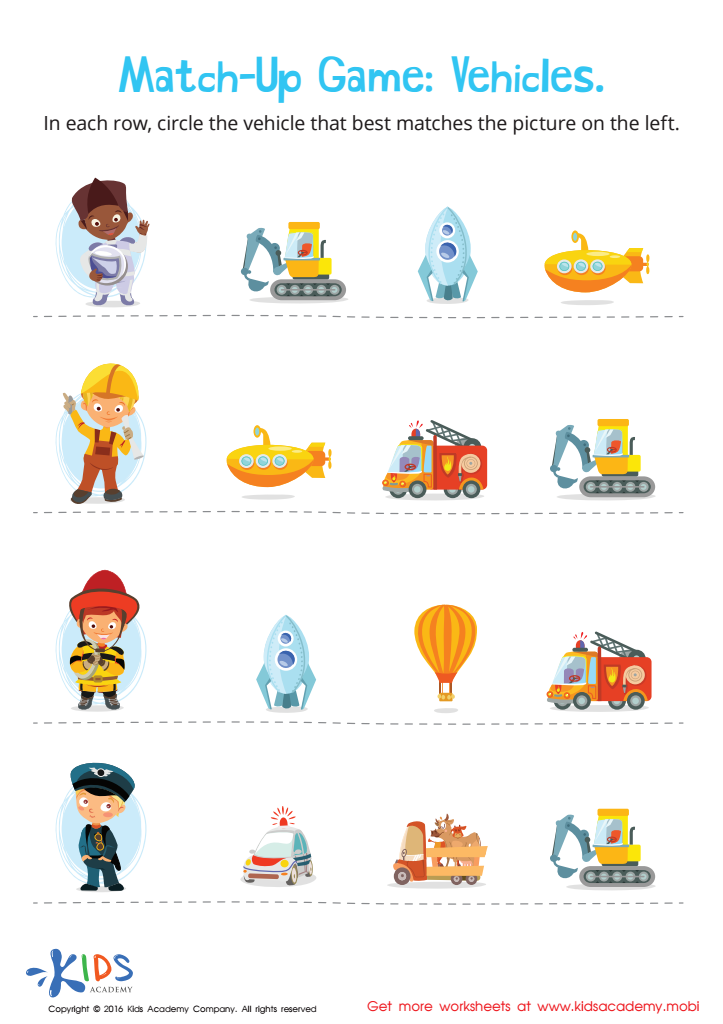
Vehicles Worksheet
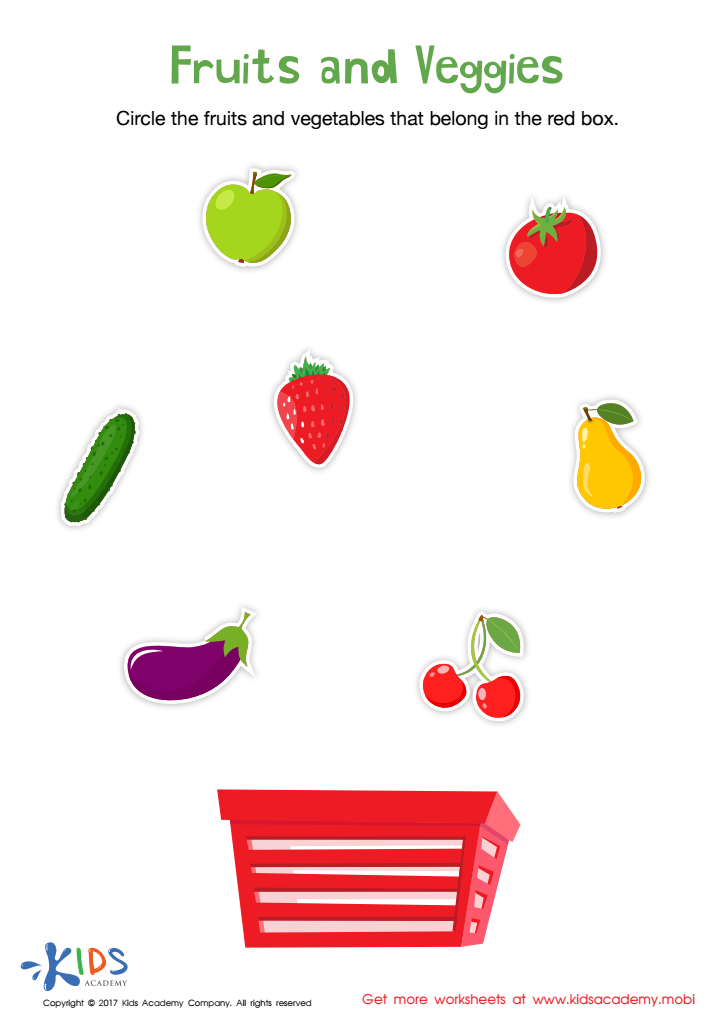
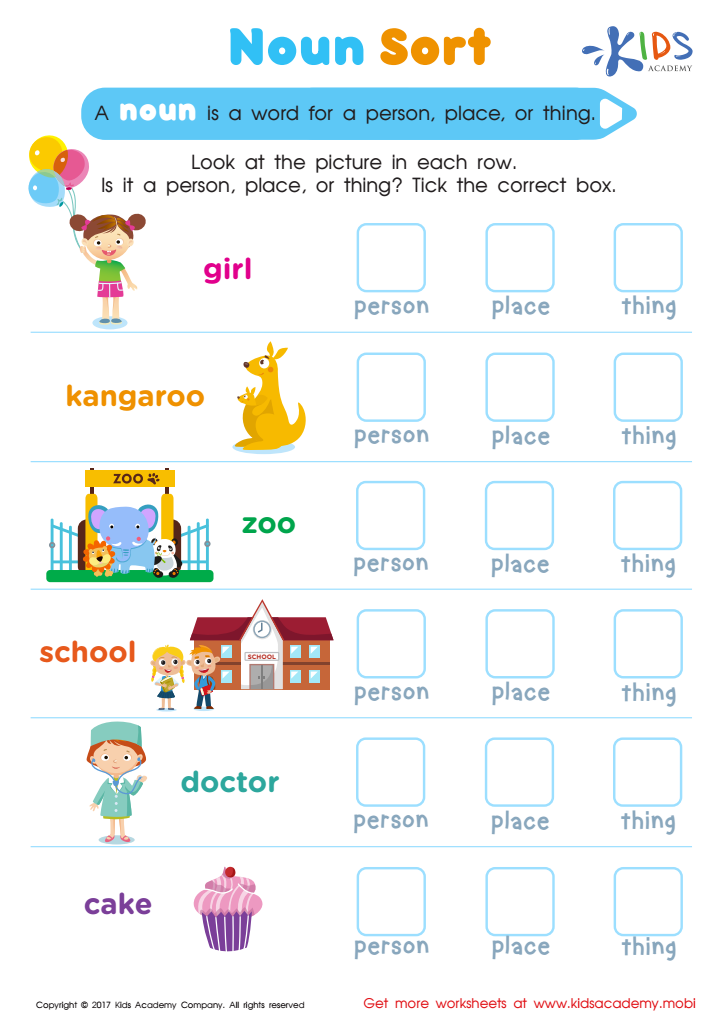
Noun Sort Printable
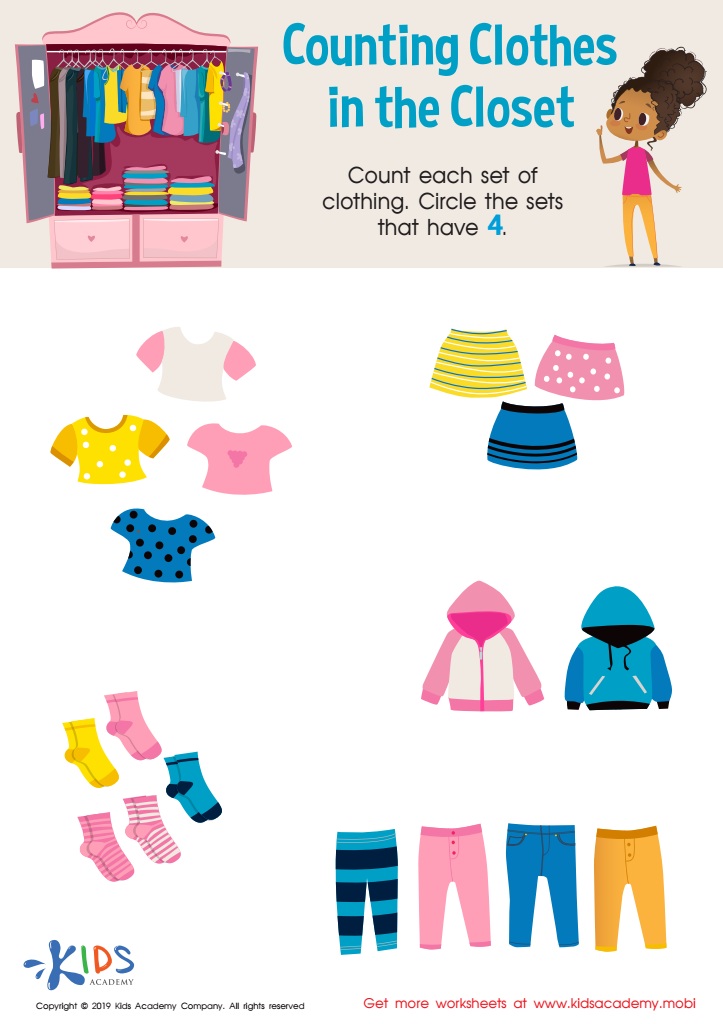
Counting Clothes Worksheet
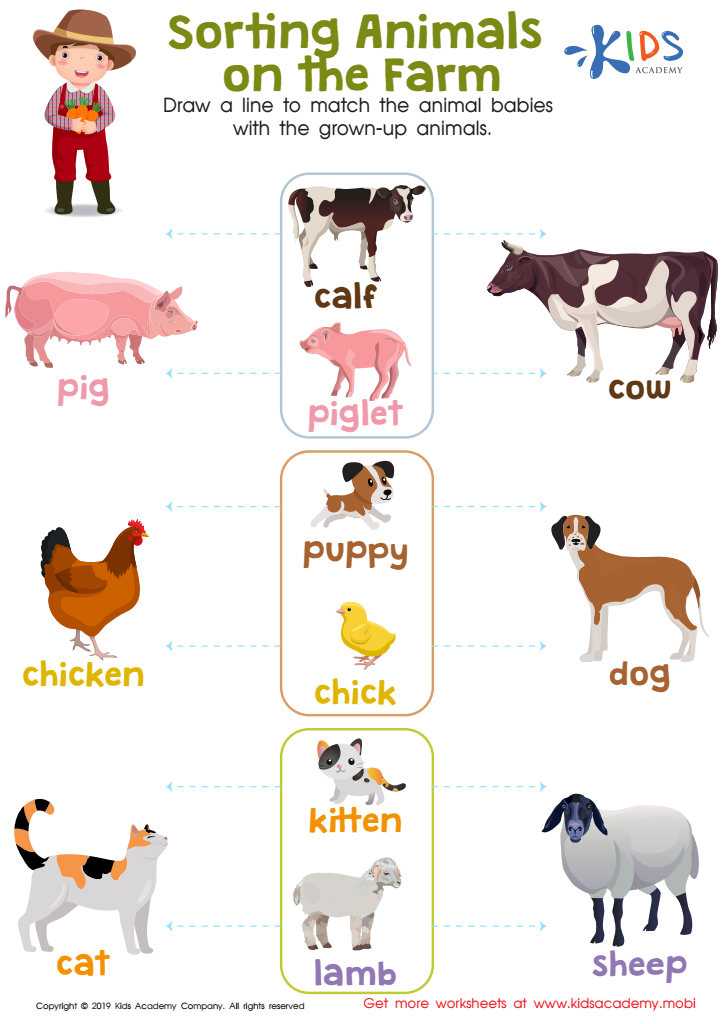
Sorting Animals on the Farm Worksheet
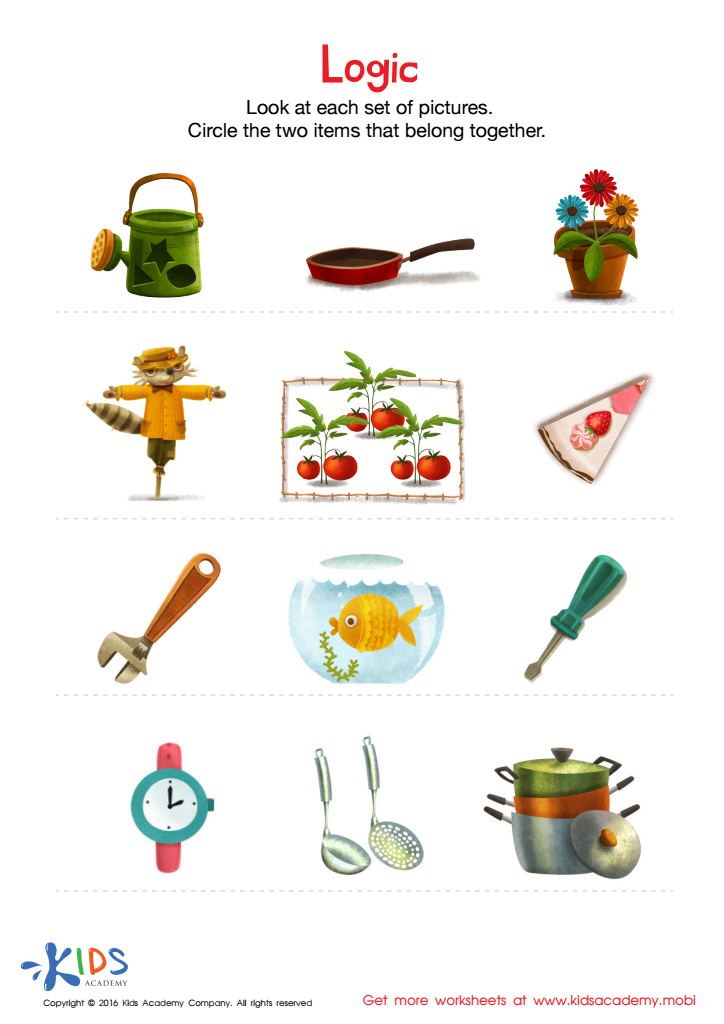
Logic Game Sorting Worksheet





.jpg)
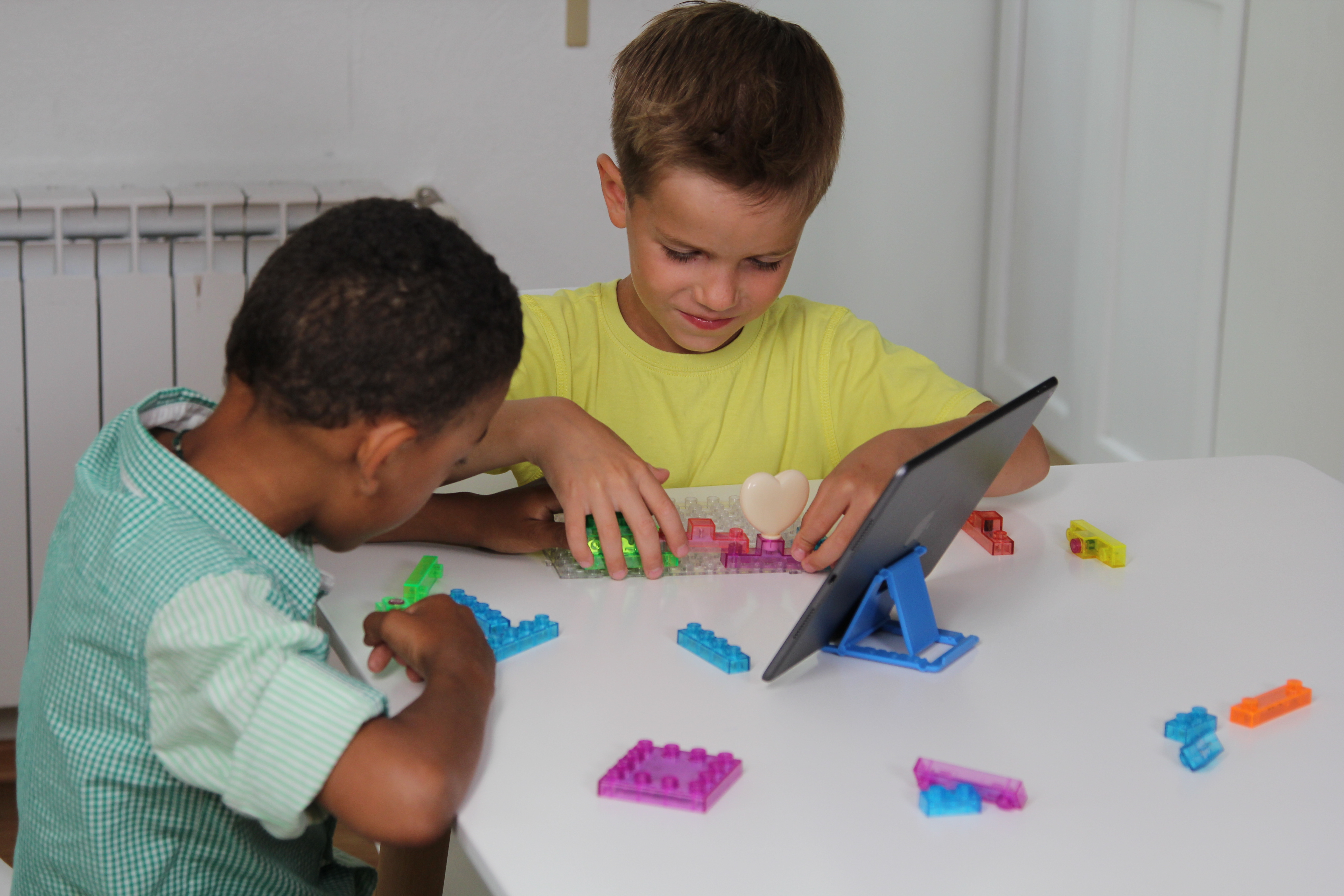
Categorization skills are vital for children aged 4-9 as they form the foundation for critical thinking and cognitive development. During this stage, children learn to sort items, identify similarities and differences, and group objects based on shared attributes. These skills are the building blocks for problem-solving and analytical thinking, essential tools for academic success.
Parents and teachers should prioritize the development of categorization skills because they enhance language acquisition, boost vocabulary, and foster comprehension. When children categorize information, they learn to articulate their thoughts and beliefs more clearly, aiding effective communication. Additionally, these skills contribute to a child’s ability to make connections across various subjects, aiding their performance in areas like math and science where classification systems abound.
Moreover, strong categorization skills encourage independence and confidence in decision-making, as children learn to classify their experiences and surroundings effectively. By promoting these abilities, parents and teachers not only prepare children for complex learning tasks but also instill a lifelong love for learning. Engaging in activities that promote categorization—from sorting games to creative play—can be both fun and educational, reinforcing why nurturing these skills early on is crucial for future success.








