Color Identification Worksheets for Ages 4-9
75 filtered results
-
From - To
Discover a vibrant collection of Color Identification Worksheets designed for children aged 4 to 9! Our engaging worksheets help young learners recognize, name, and explore colors through fun activities and interactive exercises. Ideal for early childhood education, these resources enhance observational skills and creativity while reinforcing important concepts. Each worksheet is crafted with age-appropriate visuals, making learning enjoyable and effective. Whether at home or in the classroom, these printable worksheets provide endless opportunities for kids to develop their color recognition skills. Spark your child’s imagination and boost their confidence in identifying colors with our expertly designed worksheets today!
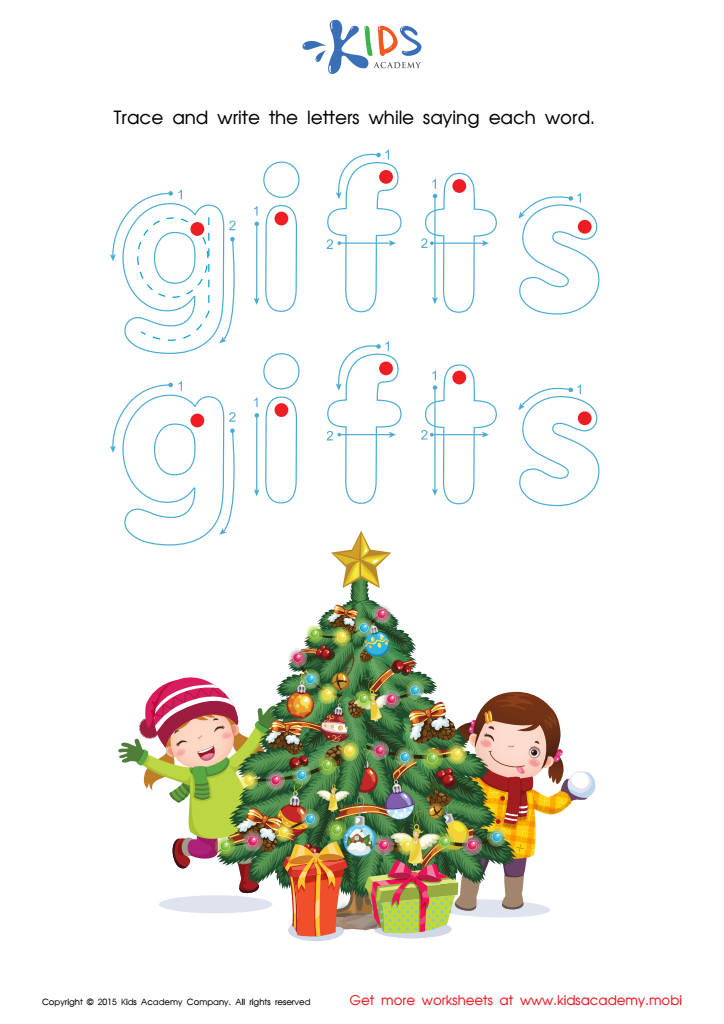
Christmas Tree Tracing Winter Words Worksheet
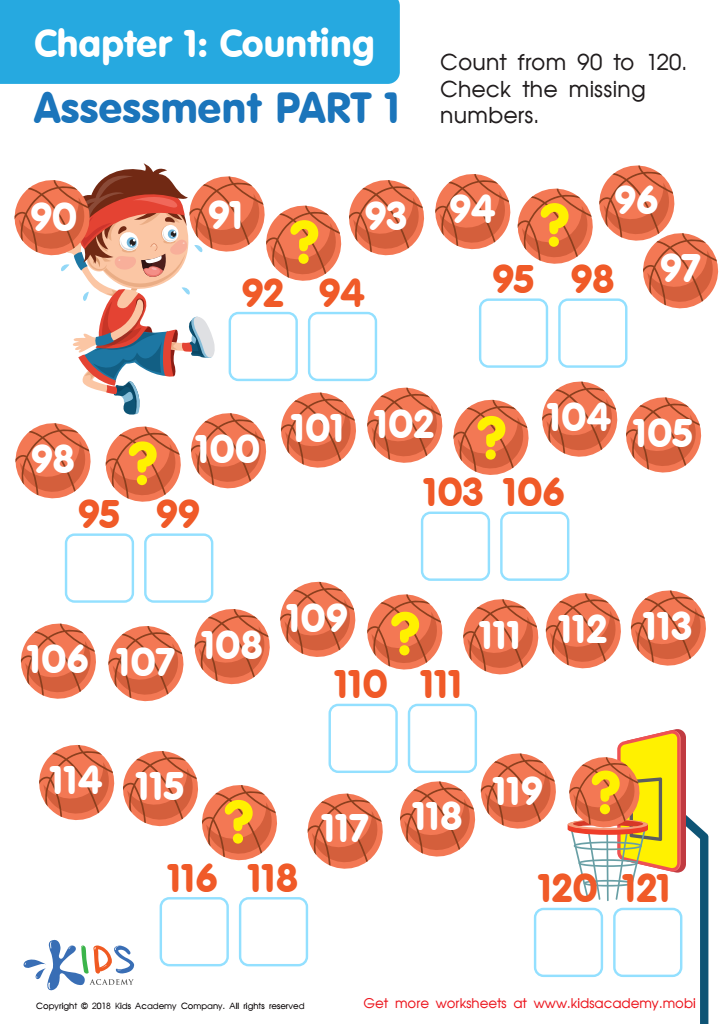
Counting Past 1: Assessment 1 Worksheet
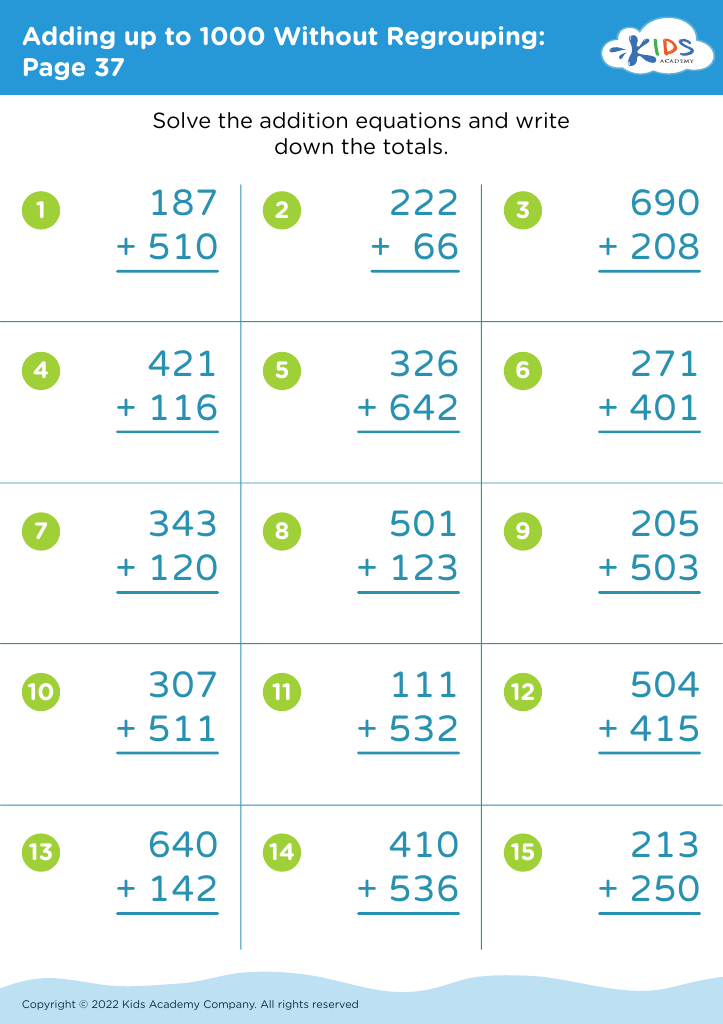
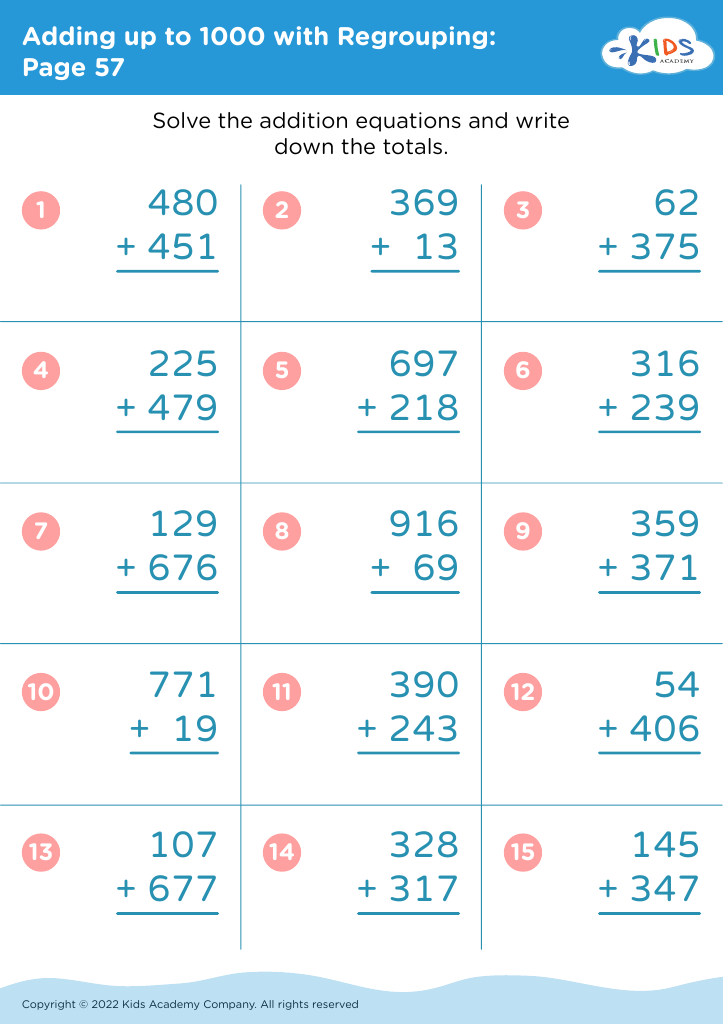
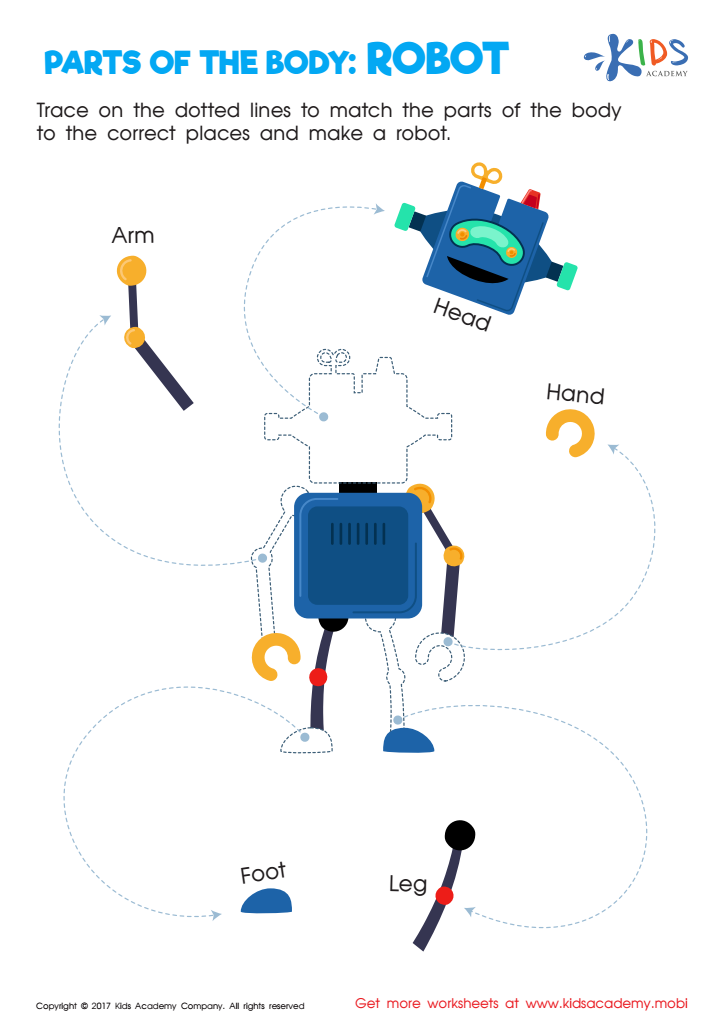
Robot Printable
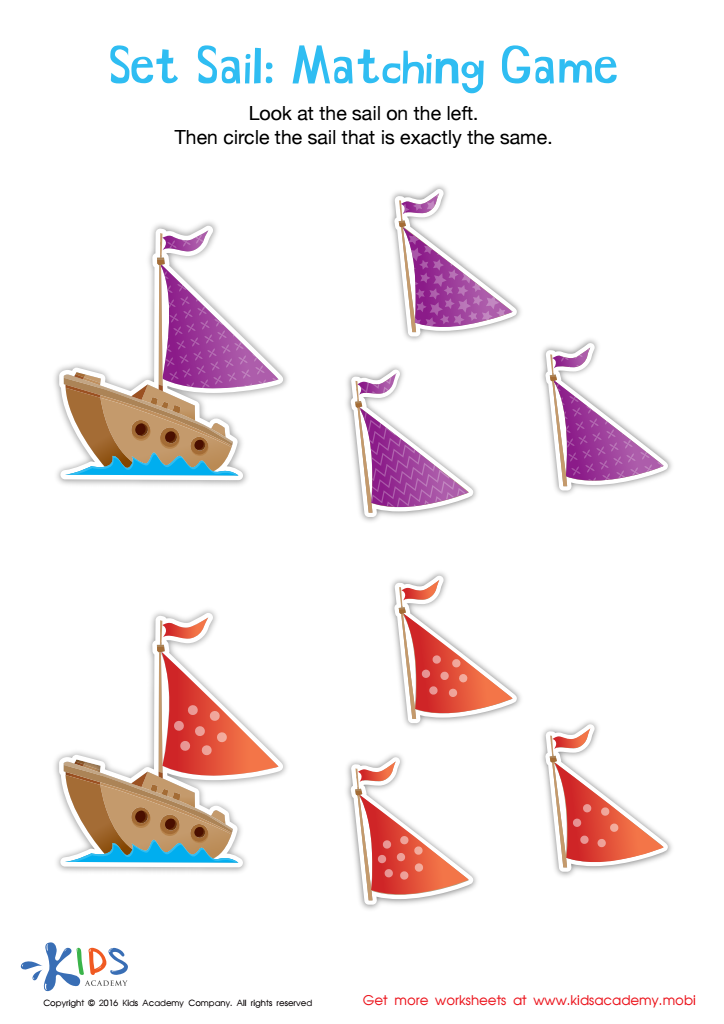
Set Sail Worksheet
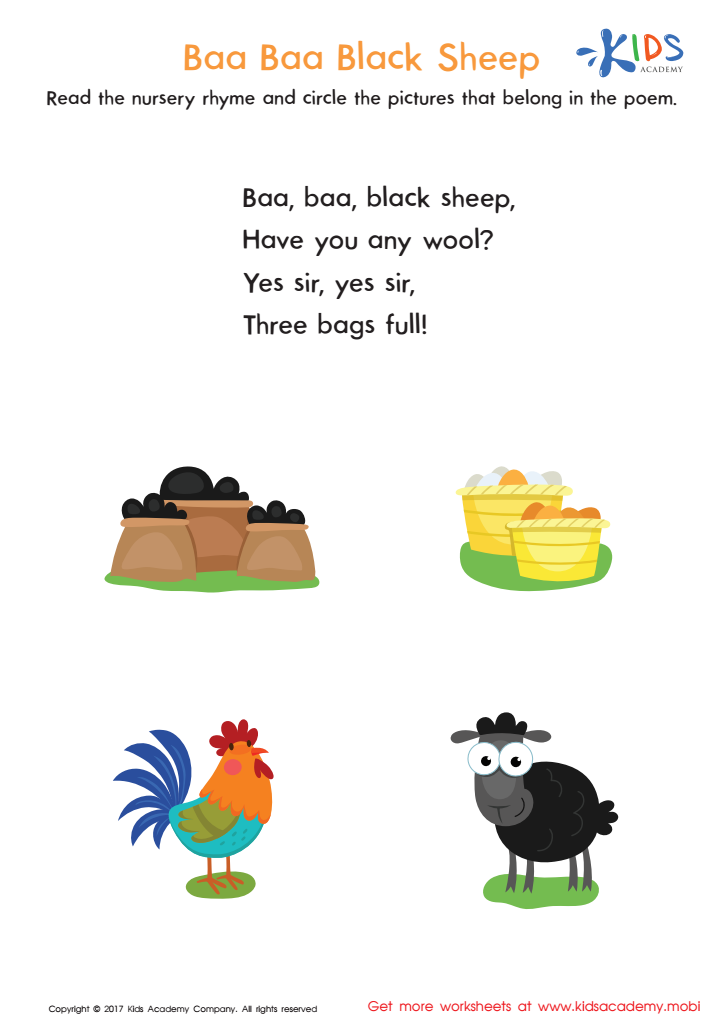
Baa Baa Black Sheep Printable
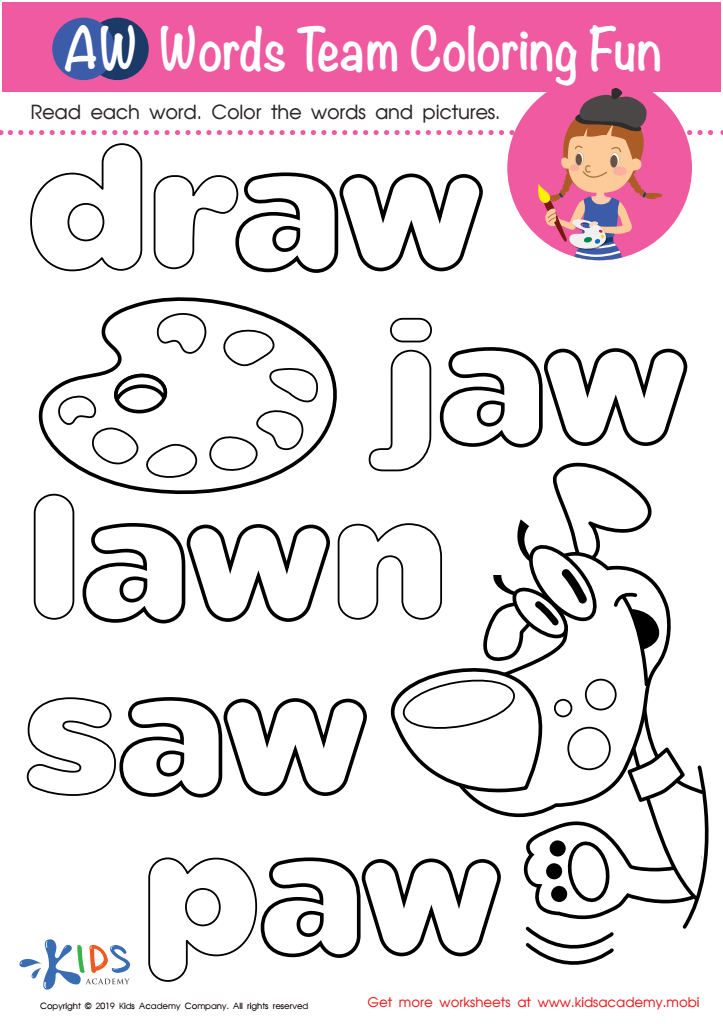
AW Words Team Coloring Fun Worksheet
 Assign to My Students
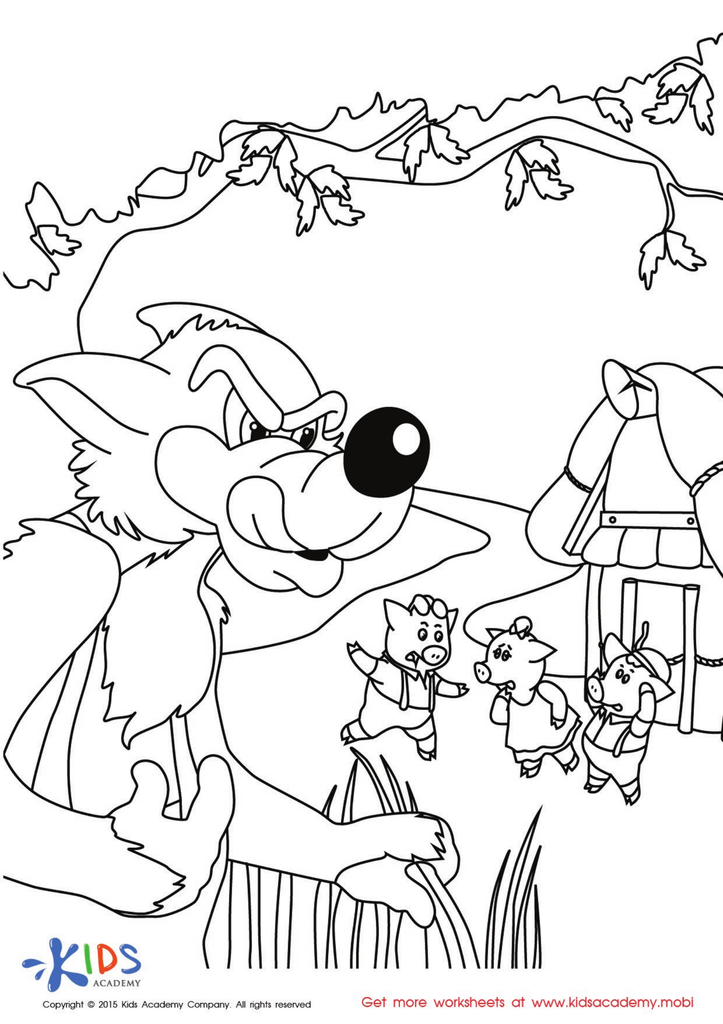
The Story of the Three Little Pigs Coloring Worksheet
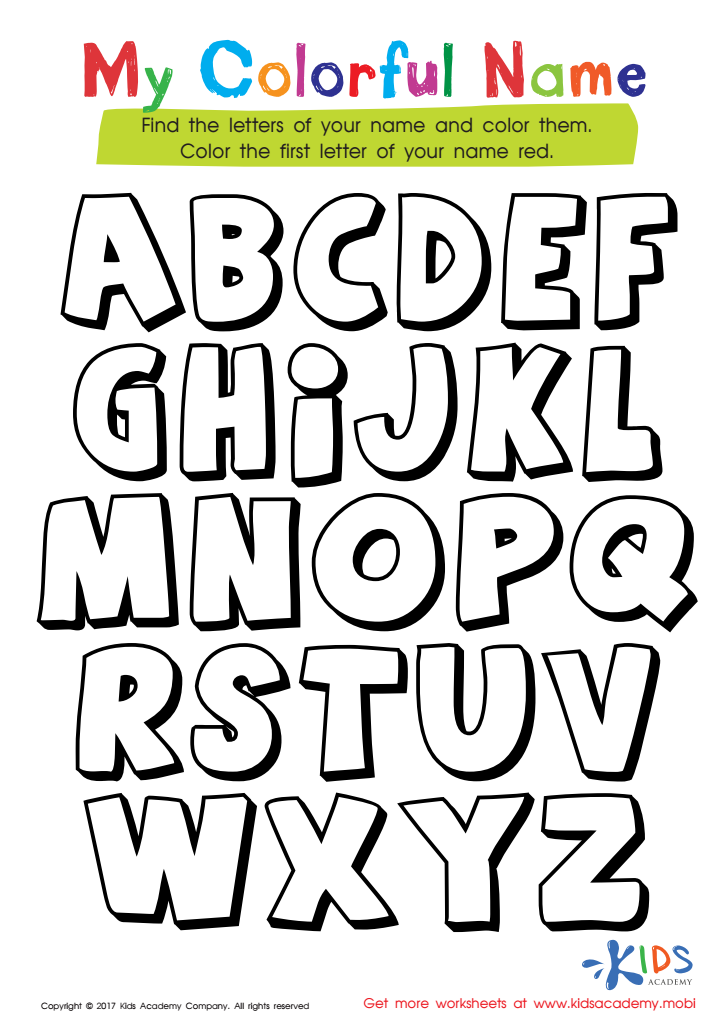
My Colorful Name Worksheet
Assign to My Students
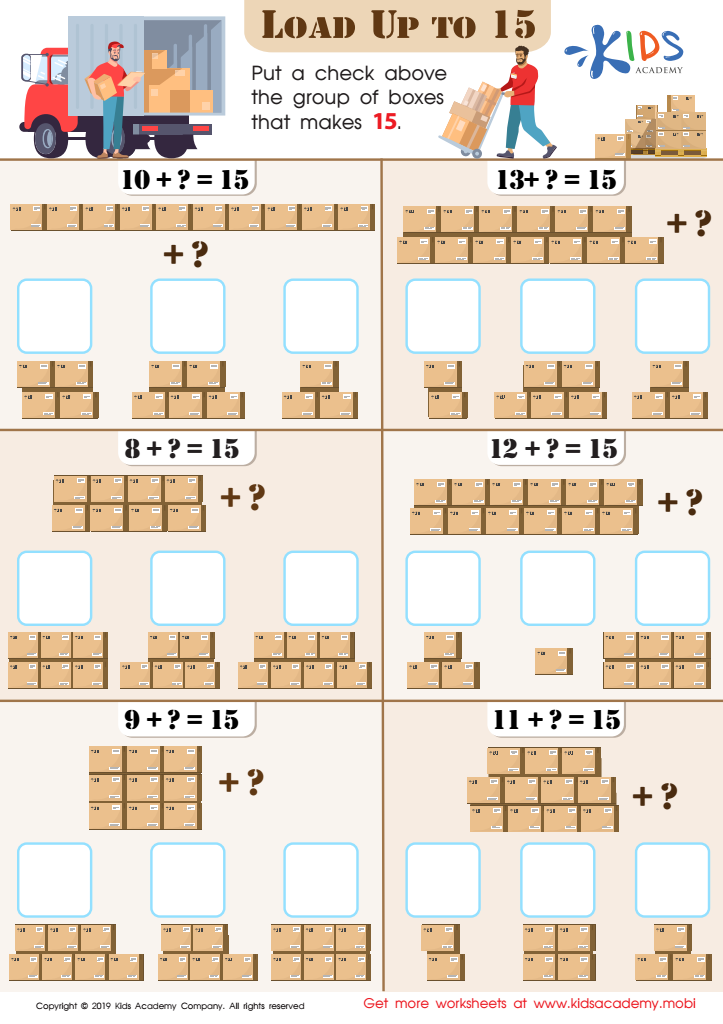
Load up to 15 Worksheet
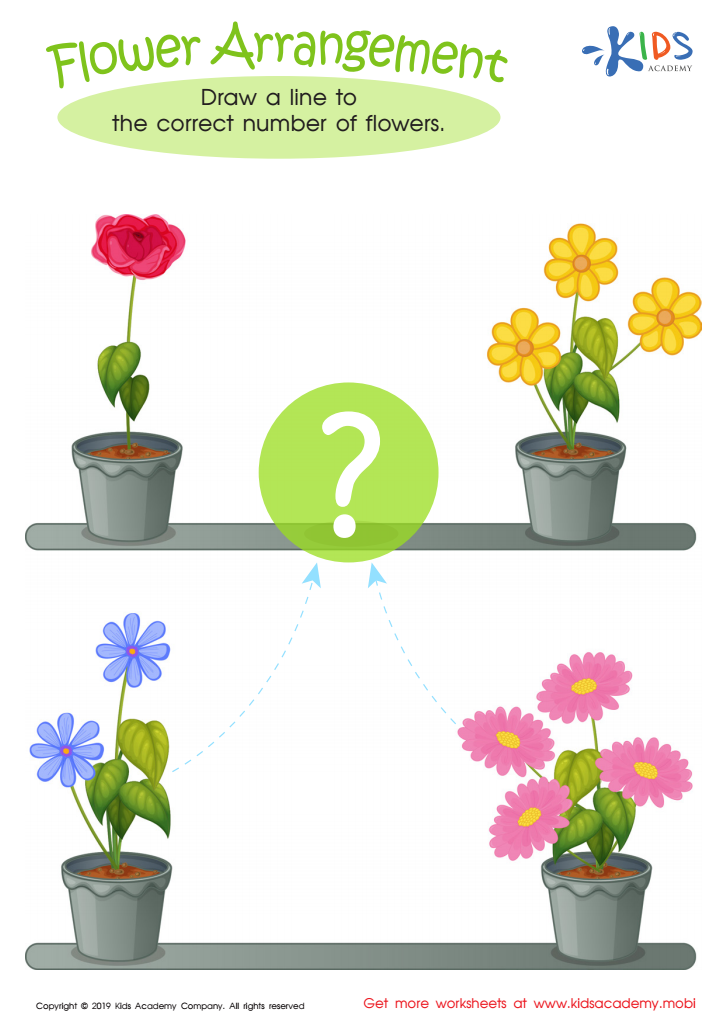
Flower Arrangement Worksheet
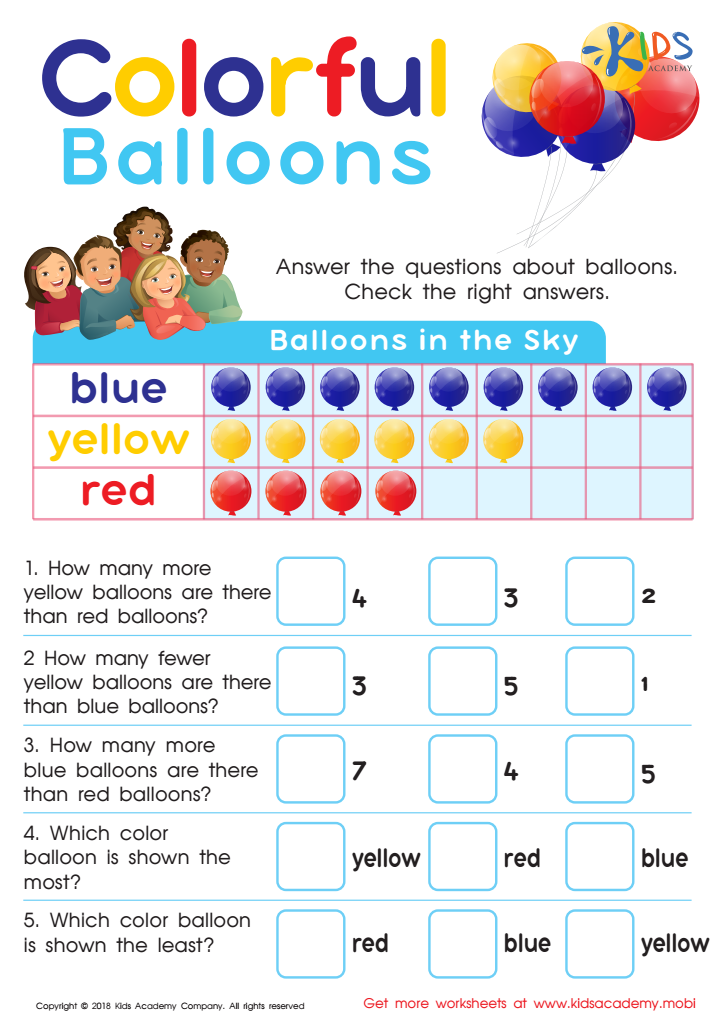
Picture Graphs: Colorful Balloons Worksheet
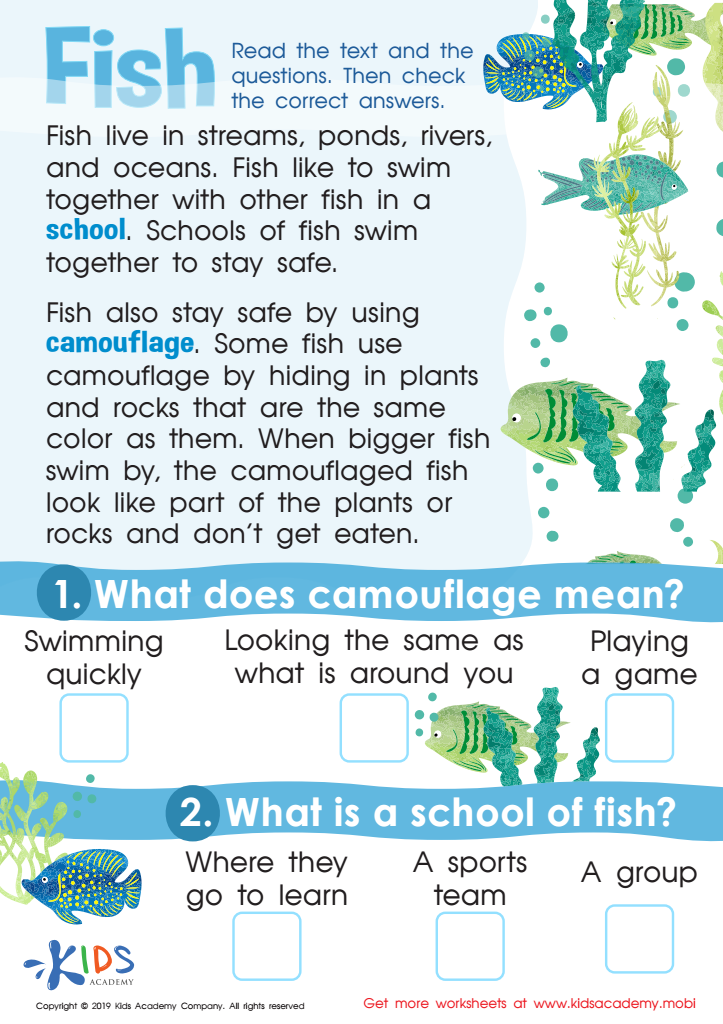
Fish Worksheet
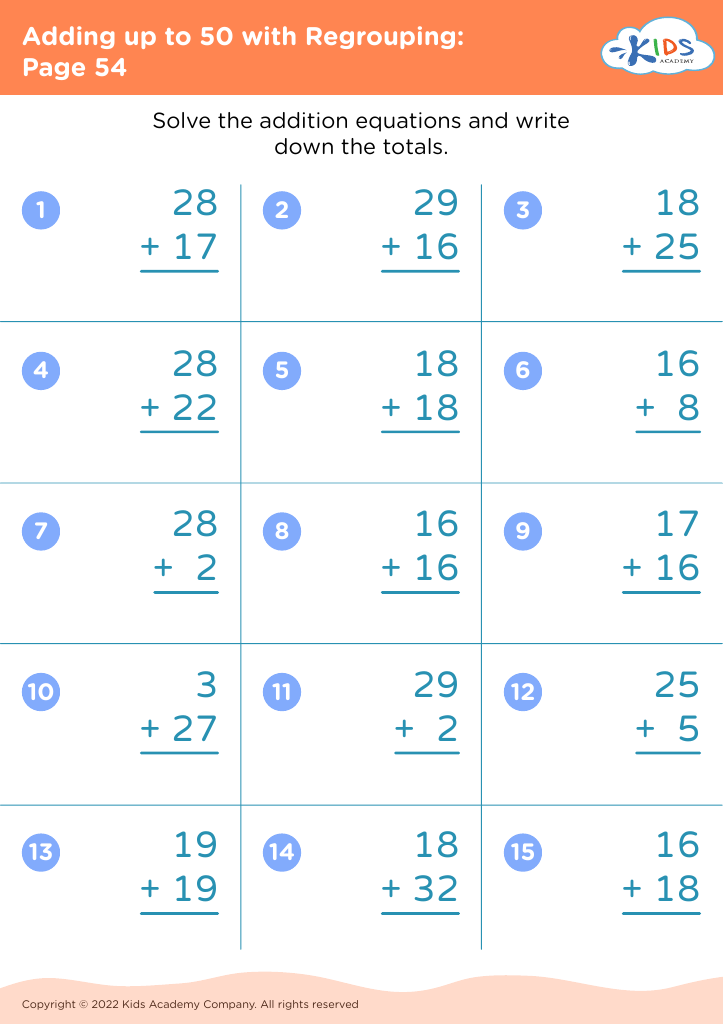
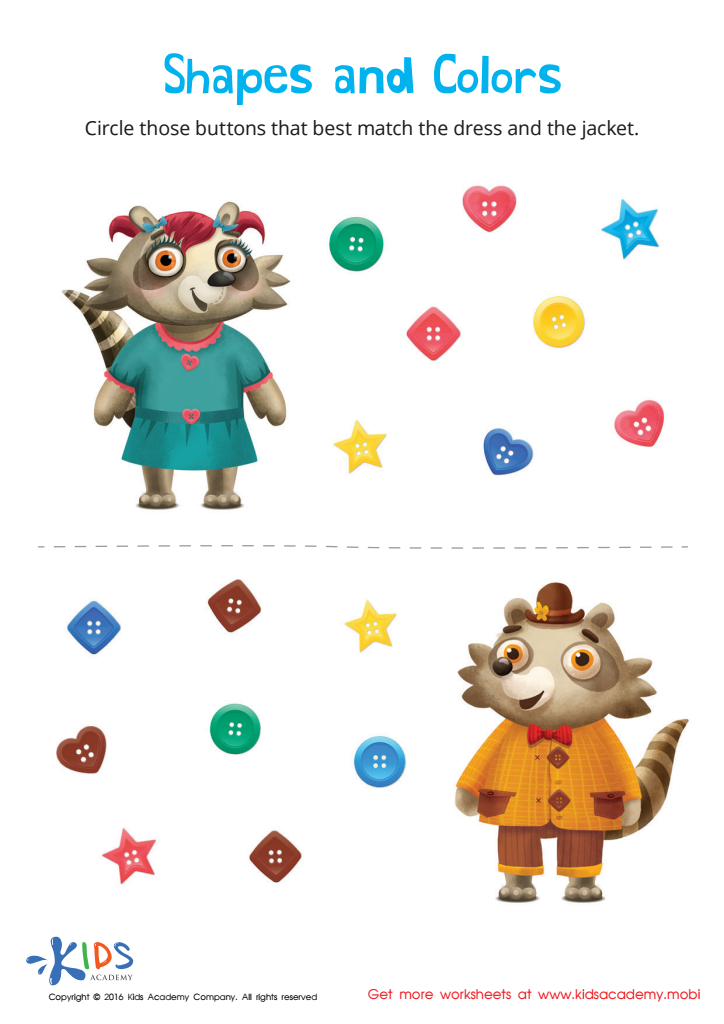
Matching: Shapes and Colors Worksheet
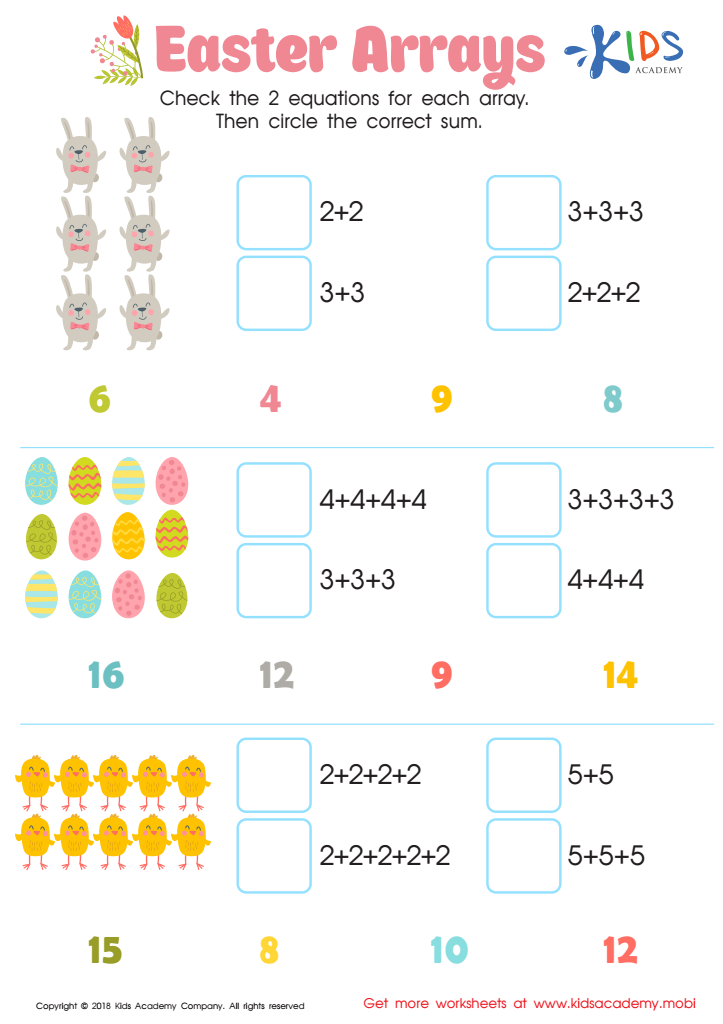
Easter Arrays Worksheet
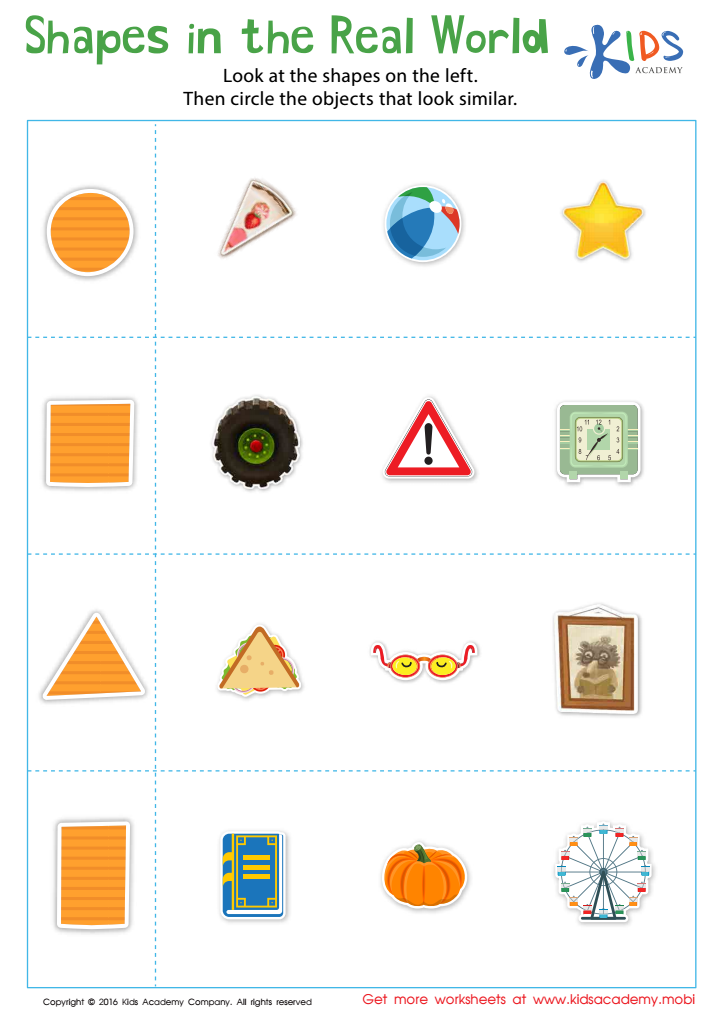
Shapes in the Real World Worksheet
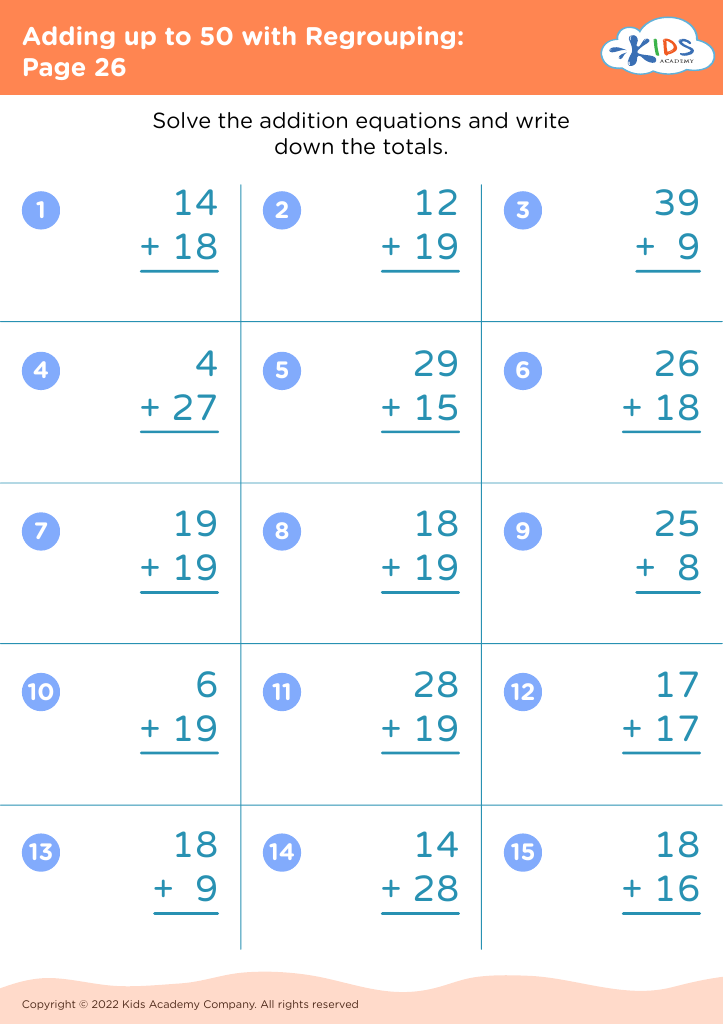






Color identification is a fundamental skill for children aged 4-9 that significantly impacts their cognitive and social development. Understanding colors helps children categorize their world, developing critical thinking and observational skills essential for their overall learning. Recognizing different colors also aids in language development; children learn to express themselves by naming and describing objects based on their colors, enriching their vocabulary.
In early education settings, color identification plays a crucial role in teaching concepts like sorting, grouping, and comparisons. Through engaging activities involving colors, such as art projects and games, teachers can cultivate creativity and encourage children's ability to think imaginatively.
Moreover, colors can influence emotional responses and mood. By learning about colors, children can develop a better understanding of feelings and expressions associated with different hues, fostering emotional intelligence.
For parents, actively participating in color identification helps strengthen the parent-child bond. Engaging children in activities related to colors creates a fun and interactive learning experience, making it easier for children to grasp essential concepts.
In essence, promoting color identification nurtures not only foundational skills necessary for academic success but also emotional and social growth, making it an essential focus for both parents and educators.








