Comparing shapes Worksheets for Ages 4-9
6 filtered results
-
From - To
Explore our engaging Comparing Shapes Worksheets designed for children ages 4-9! These worksheets encourage young learners to recognize, identify, and compare various shapes through fun and interactive activities. With vibrant illustrations and simple instructions, kids will enjoy developing their spatial awareness and critical thinking skills. Our resources include a variety of exercises, such as matching shapes, sorting, and filling in comparison charts, to cater to different learning styles. Perfect for use in the classroom or at home, these worksheets support foundational math skills while keeping learning enjoyable. Download today to inspire your child's love for shapes and geometry!
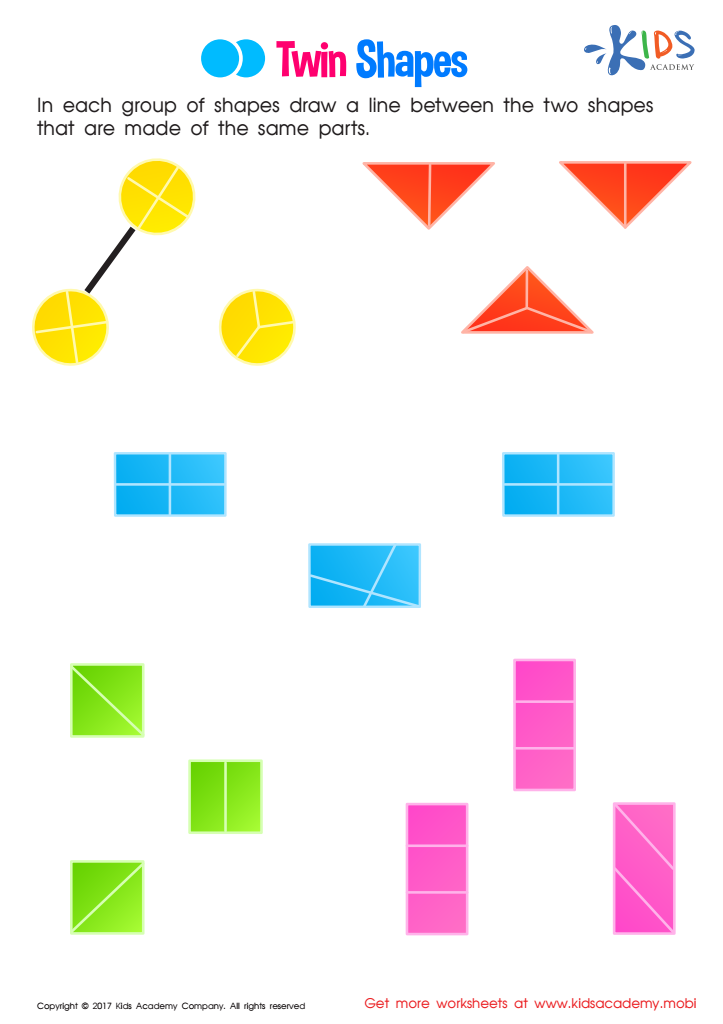
Twin Shapes Worksheet
 Assign to My Students
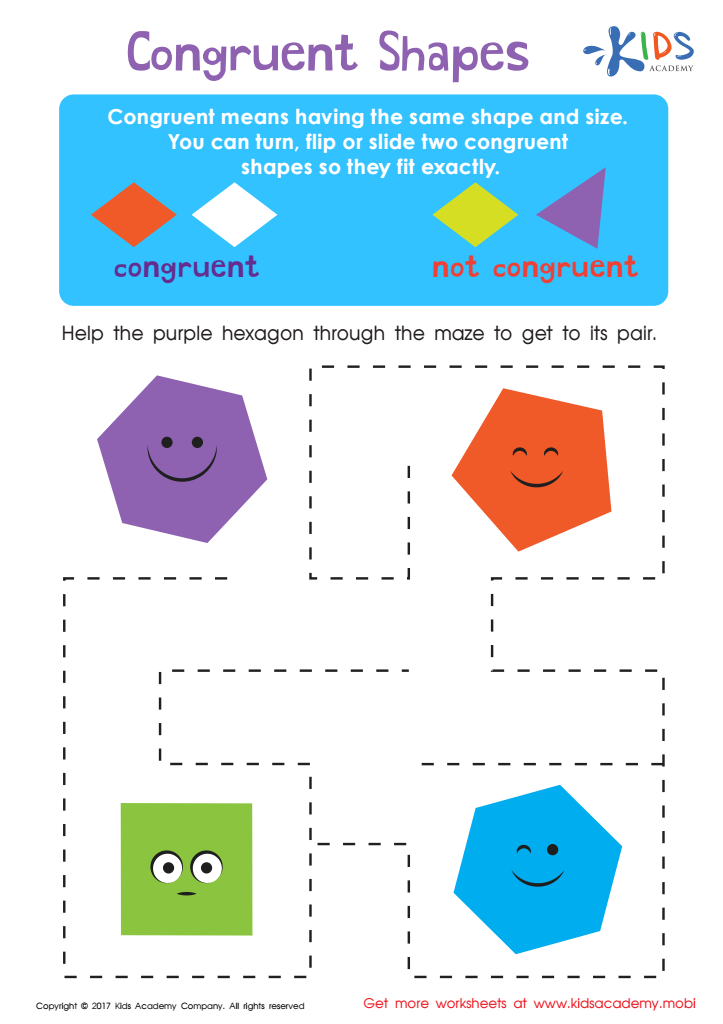
Congruent Shapes Worksheet
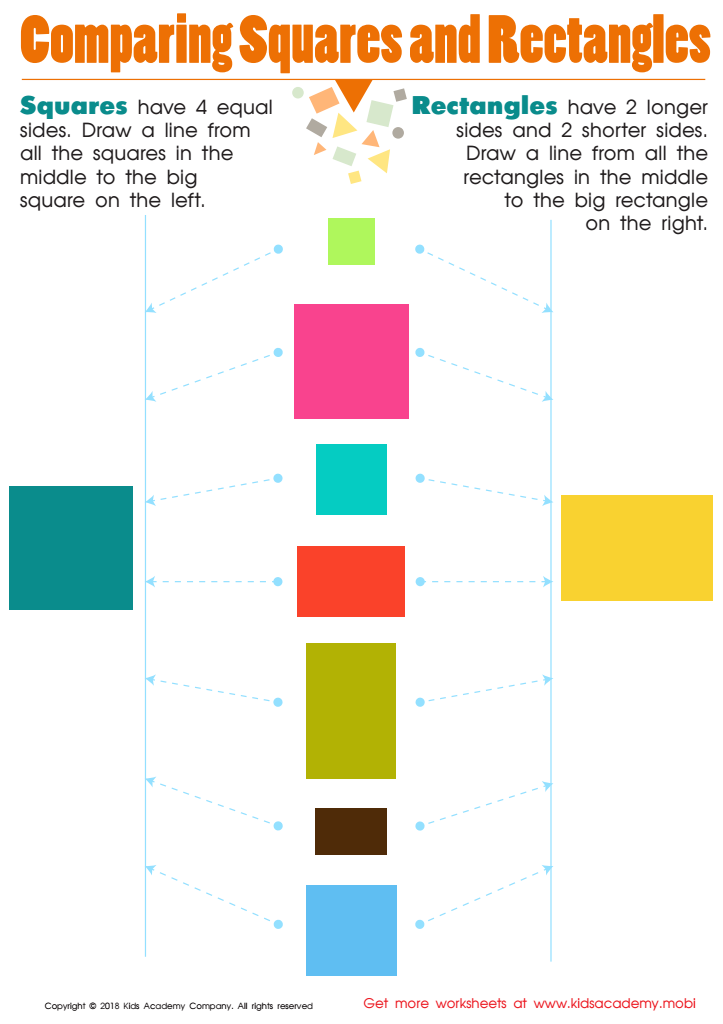
Comparing Squares Rectangles Worksheet
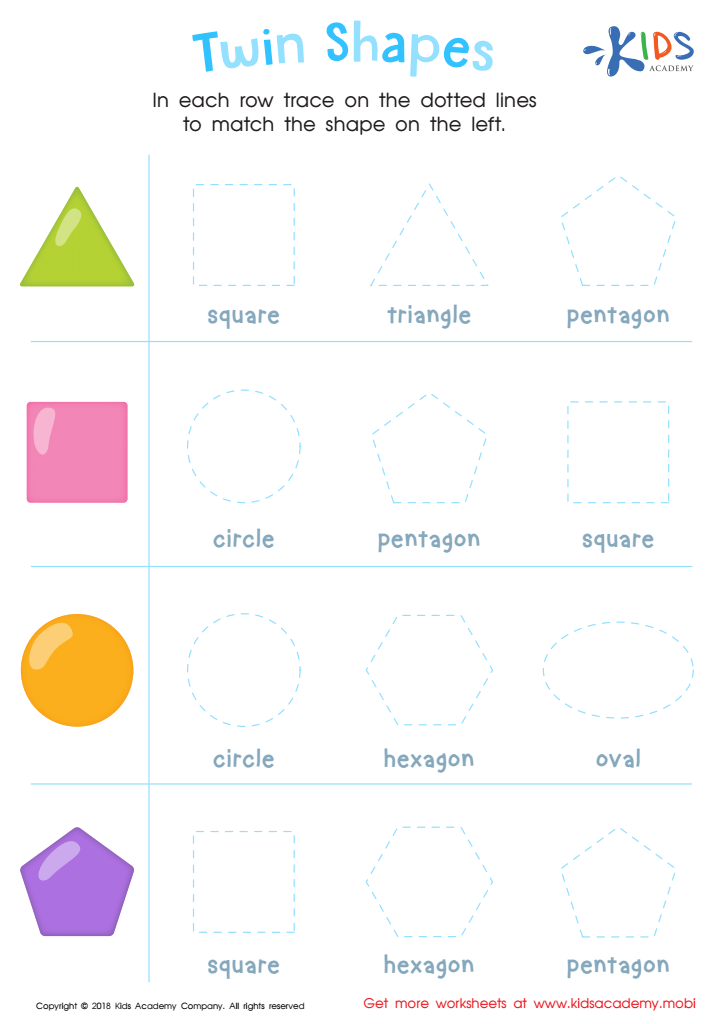
Twin Shapes Dot-to-Dot Worksheet


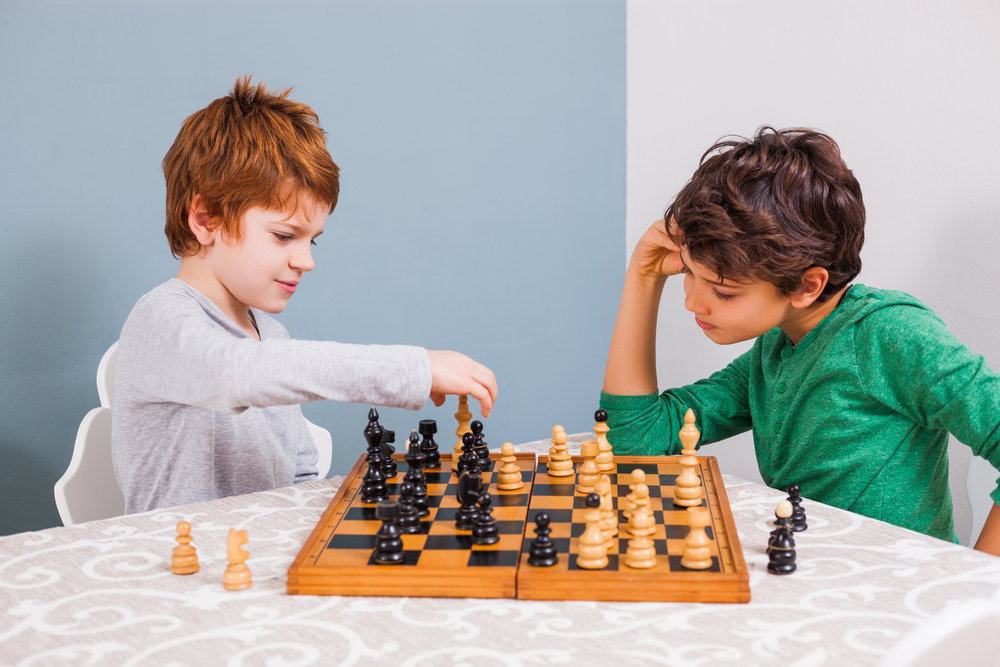

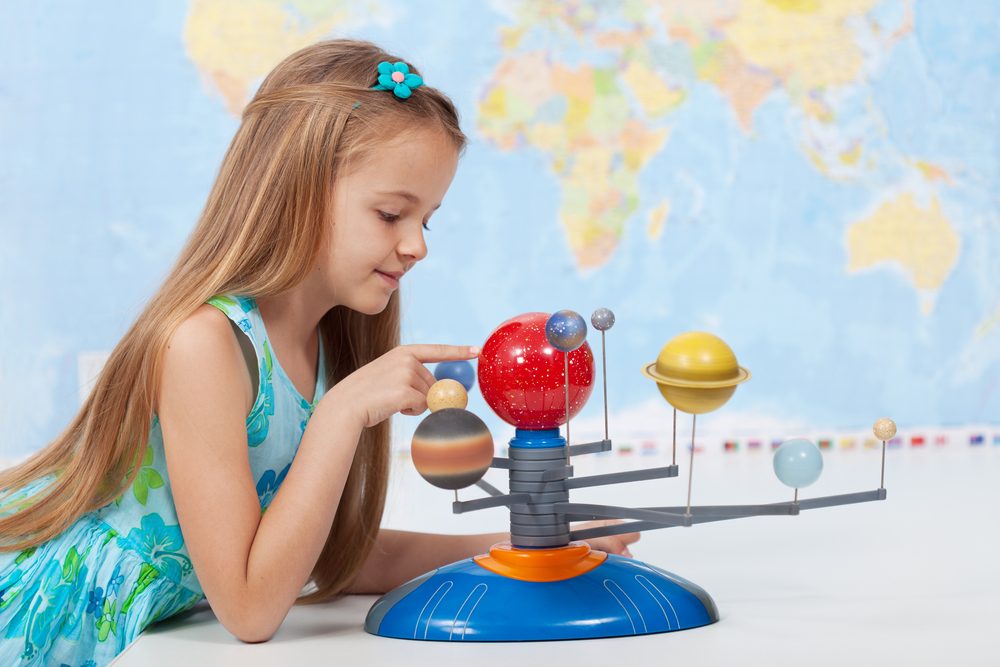



Comparing shapes is a vital skill for children aged 4-9 that lays the groundwork for later mathematical concepts and problem-solving abilities. For parents and teachers, engaging in shape comparison activities can enhance children's cognitive development and spatial awareness. By comparing shapes, children learn to identify characteristics such as size, area, symmetry, and the number of sides, which fosters a solid understanding of geometry.
Furthermore, hands-on activities involving shape comparison promote critical thinking as children assess and analyze objects. This practice encourages them to make predictions, form conclusions, and articulate their reasoning—skills that are crucial not just in mathematics but in everyday decision-making.
Incorporating shape comparison into play and learning also cultivates a sense of curiosity and exploration. Children start to recognize shapes in their environment, which connects classroom instruction to real-world applications. Additionally, this foundational skill supports later learning in more complex mathematical concepts and enhances their ability to categorize and organize information.
Parents and teachers should prioritize shape comparison as a pathway to developing connections in understanding, promoting a love for math, and preparing children for future academic success. Encouraging this exploration can significantly contribute to young learners' overall development.








