Problem-Solving Skills Worksheets for Ages 4-9 - Page 3
422 filtered results
-
From - To
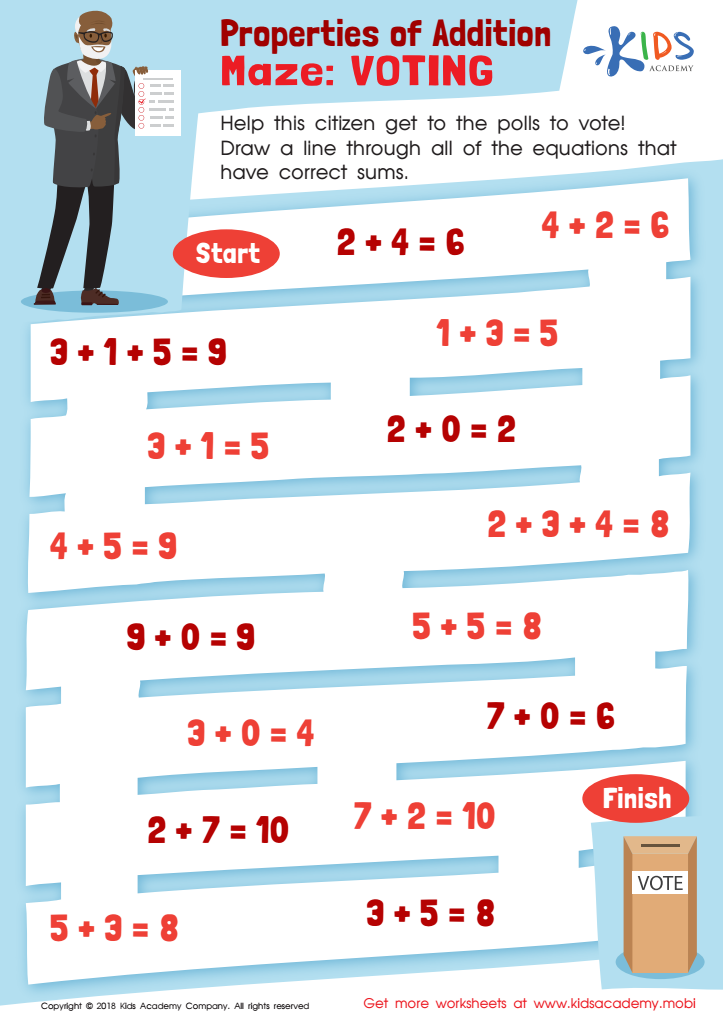
Properties of Addition Maze: Voting Worksheet
 Assign to My Students
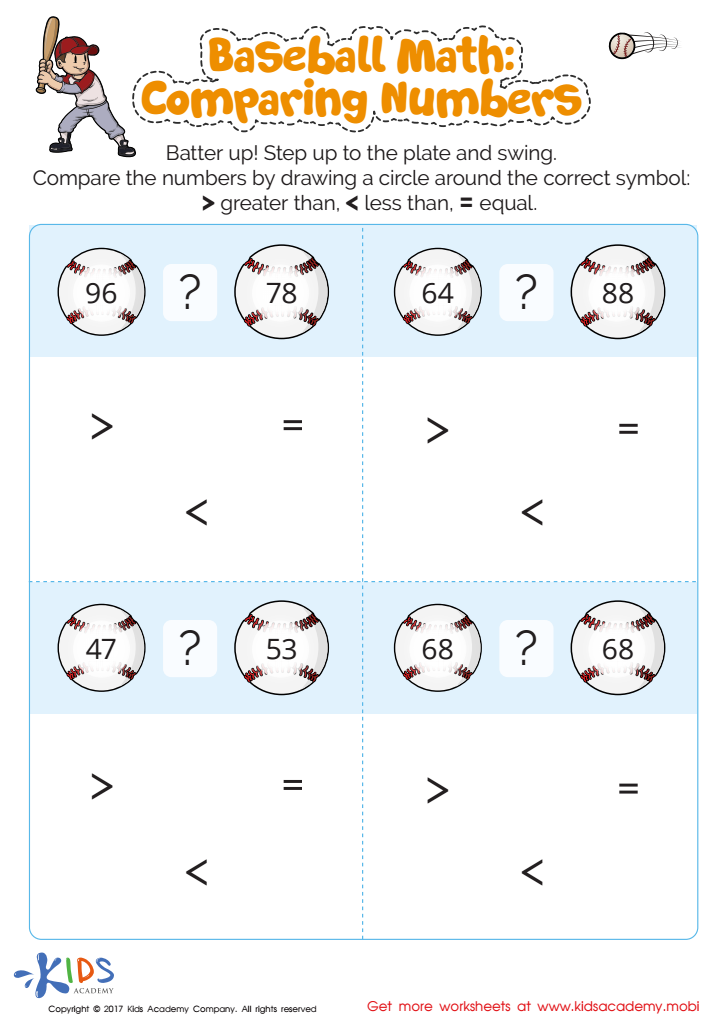
Compare Numbers Printable
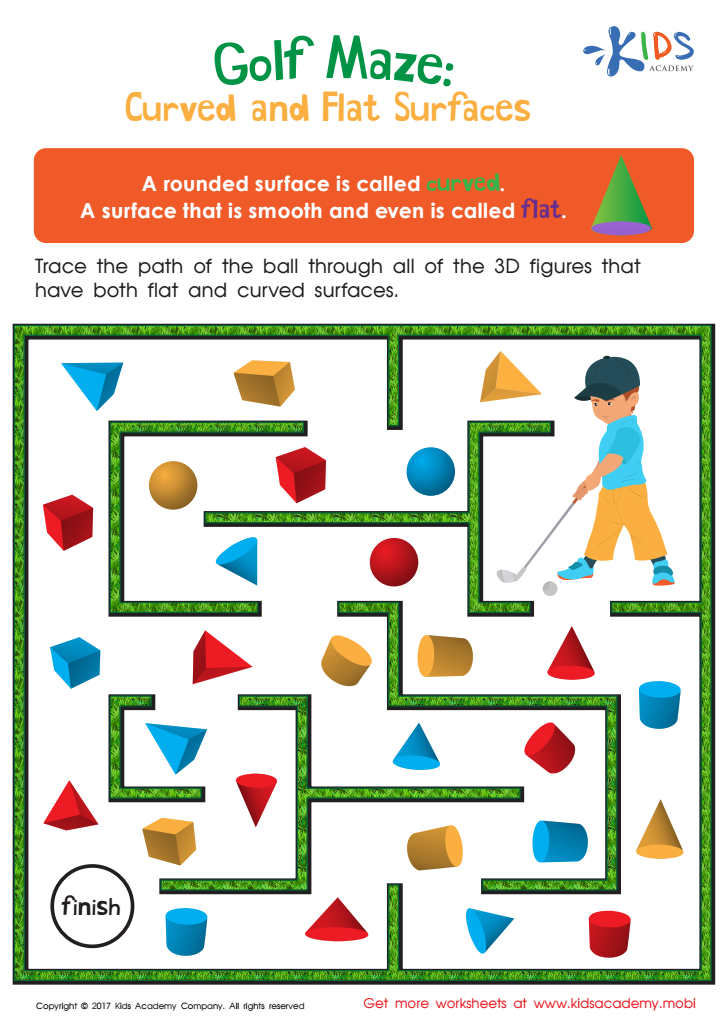
Golf Maze: Curved and Flat Surfaces Worksheet
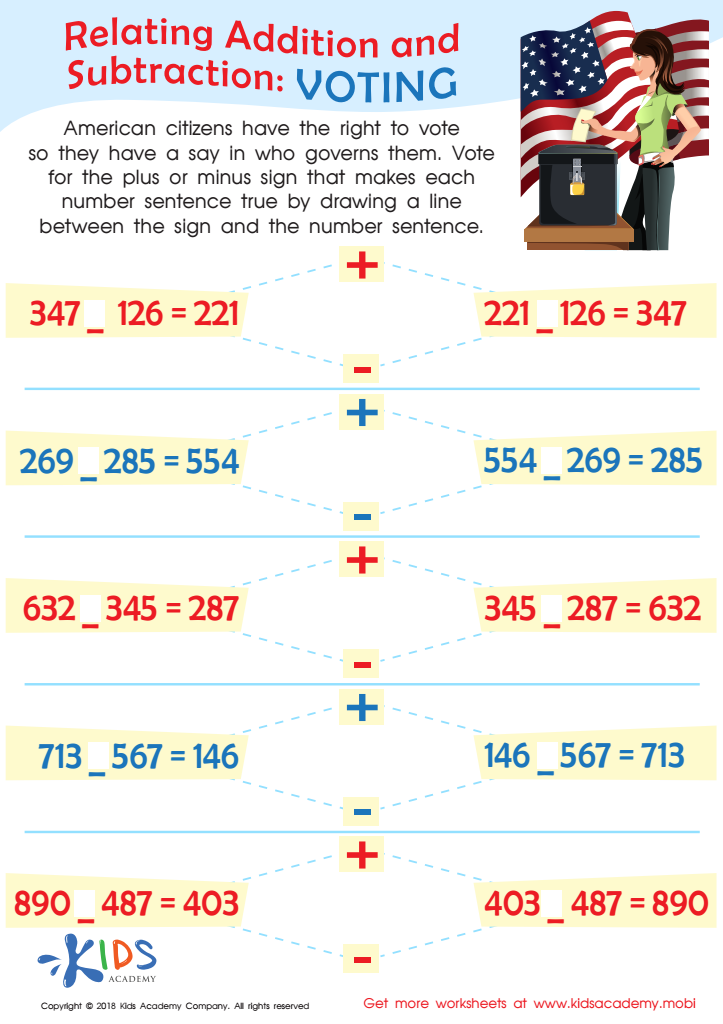
Voting Worksheet
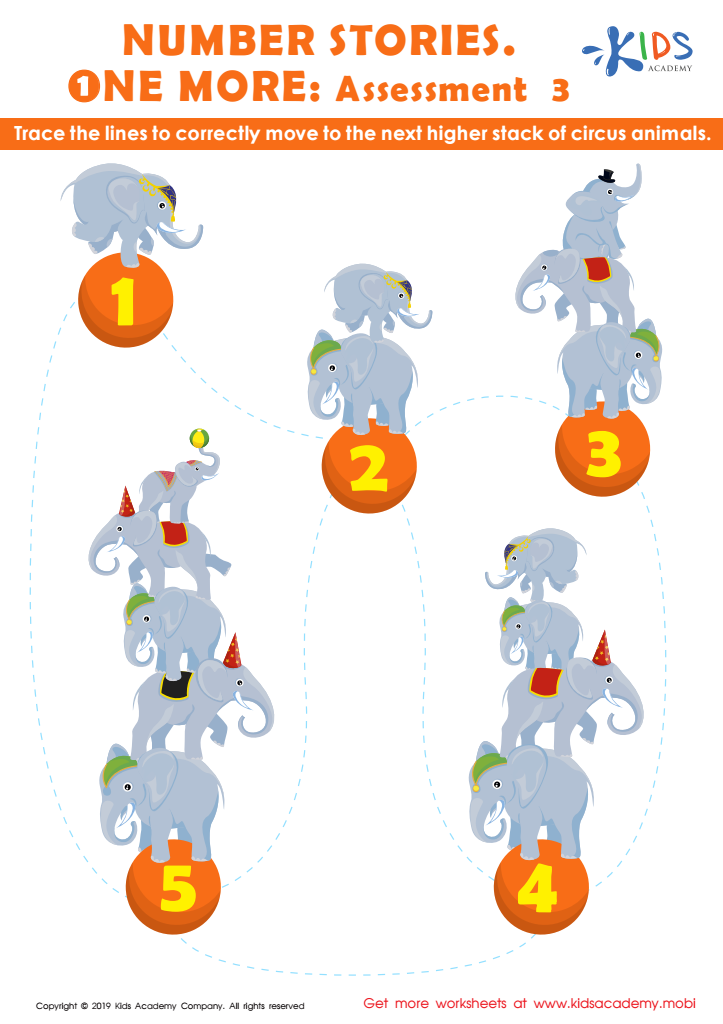
Number Stories One More: Assessment 3 Worksheet
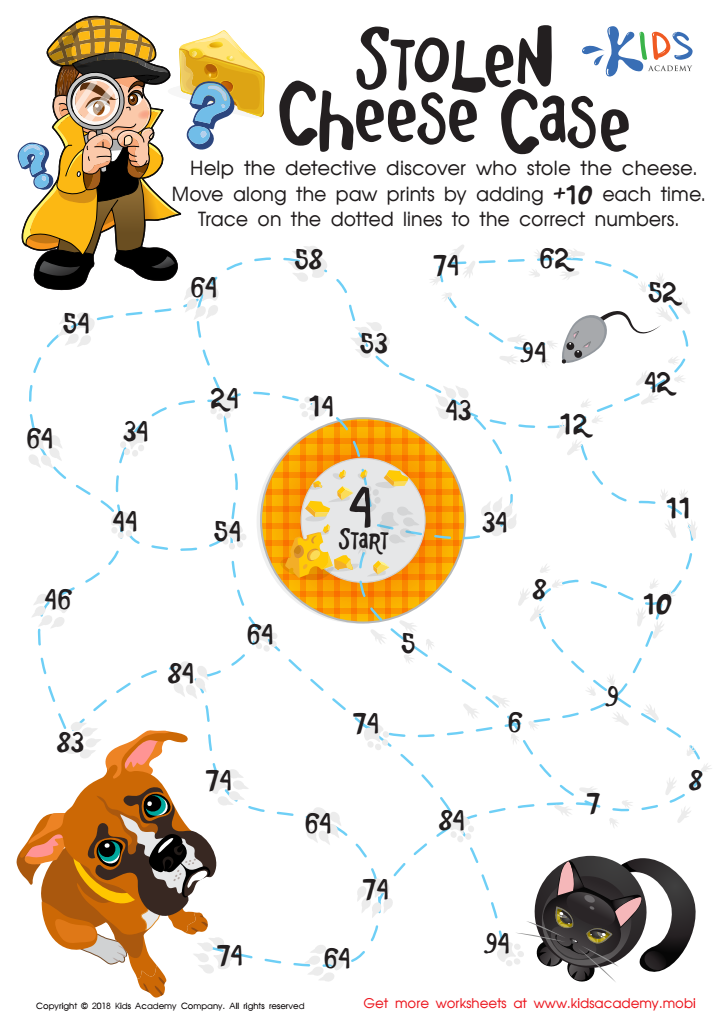
Stolen Cheese Case Maze Worksheet
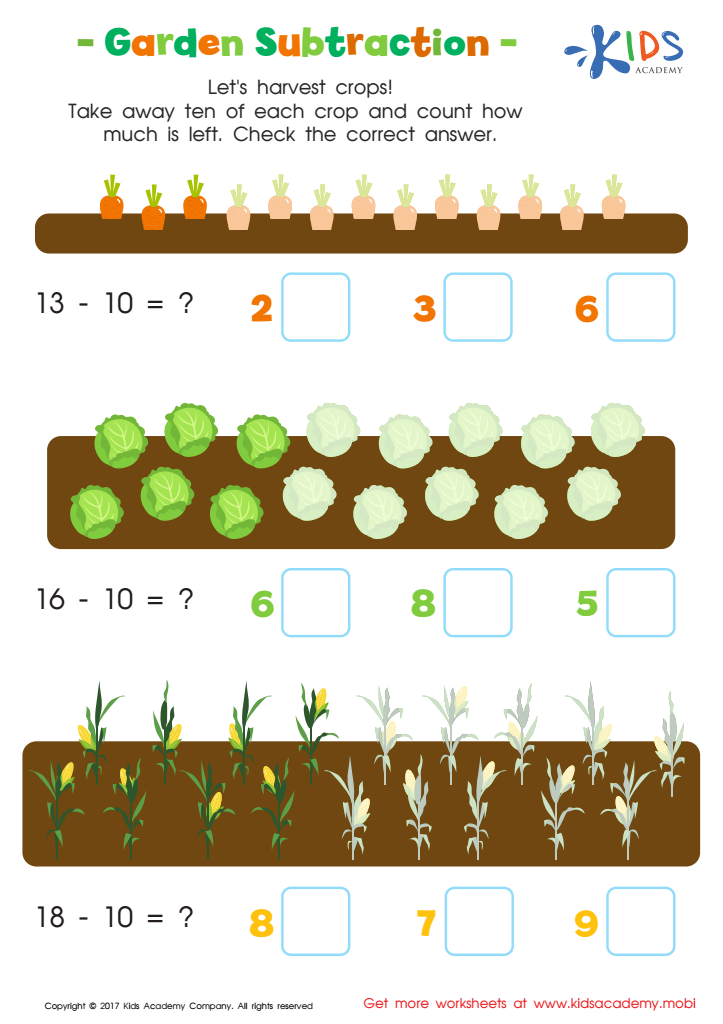
Garden Subtraction Worksheet
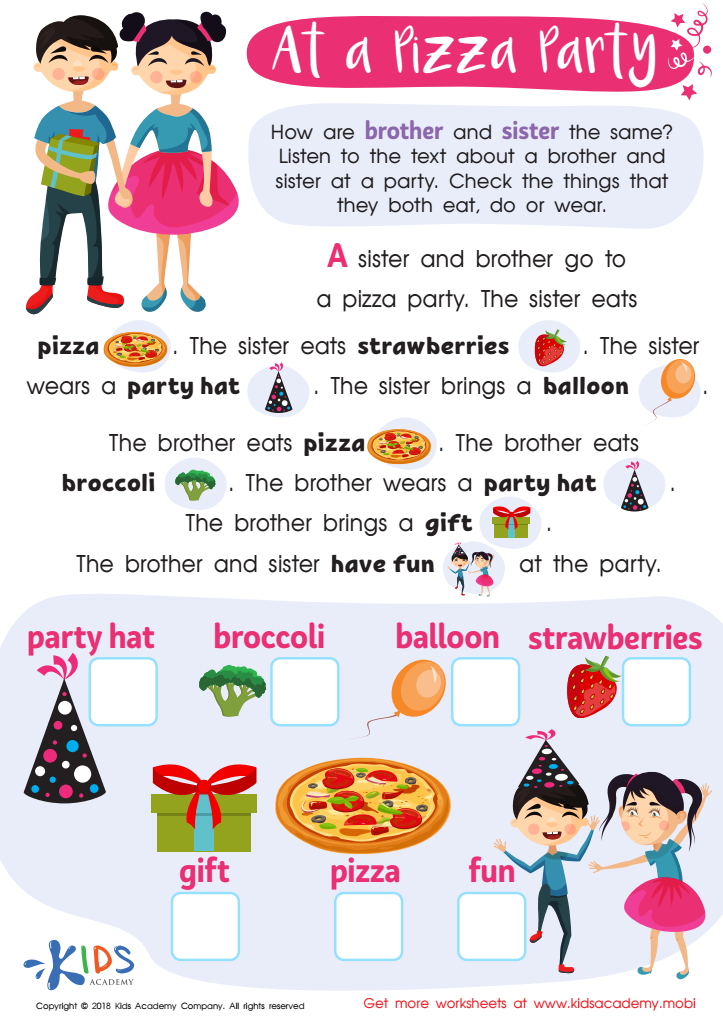
At a Pizza Party Worksheet
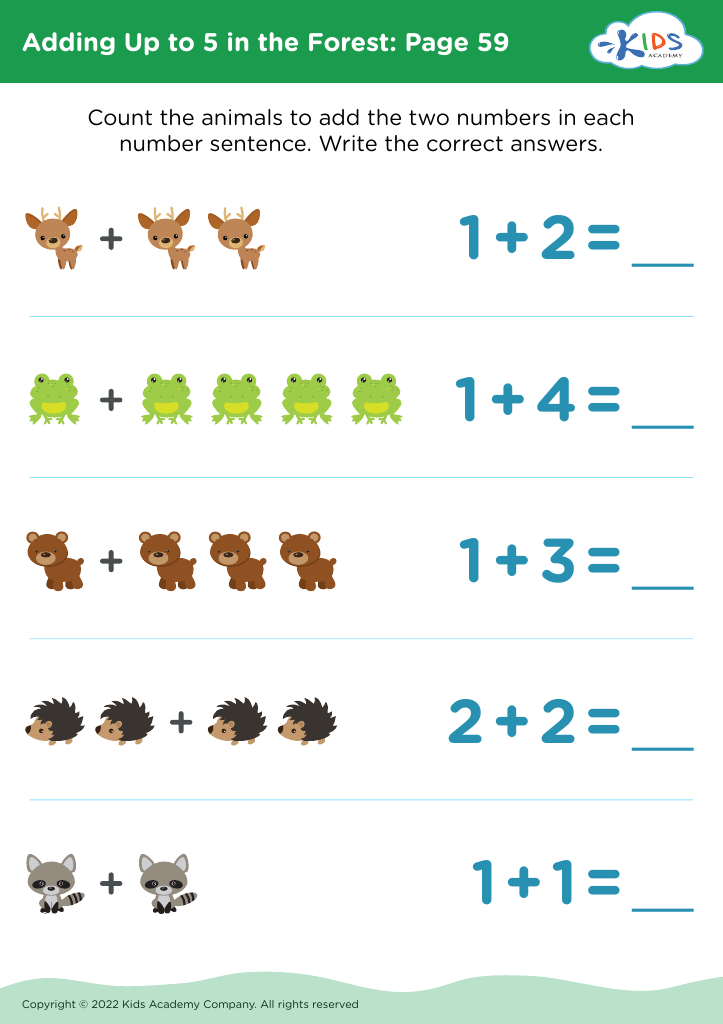
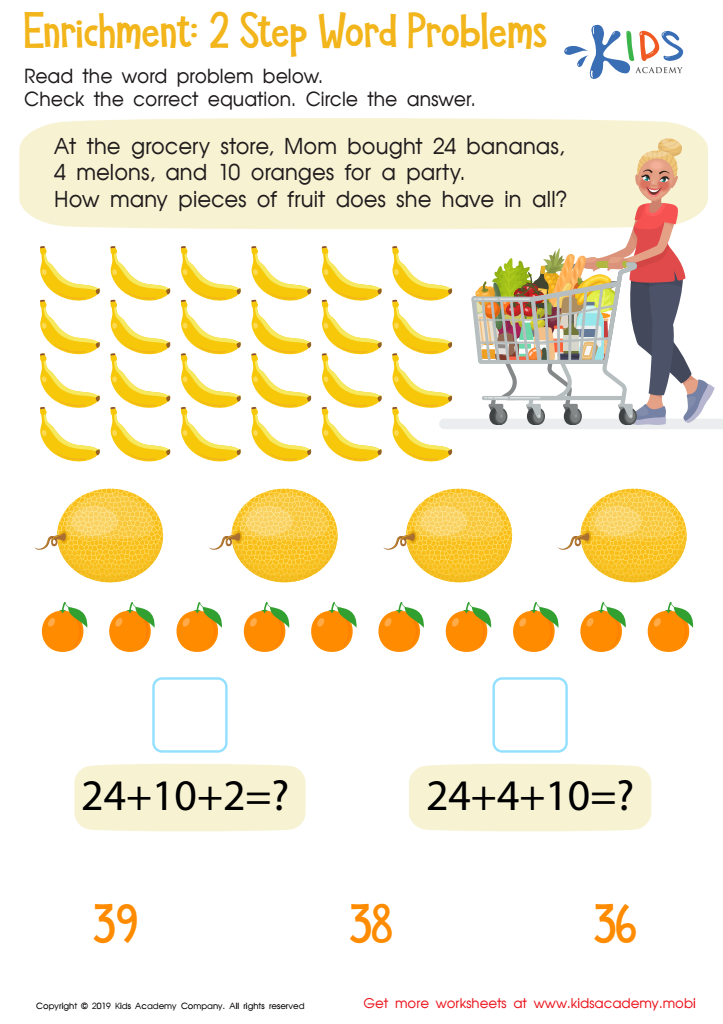
Enrichment -2 Step Word Problems Worksheet
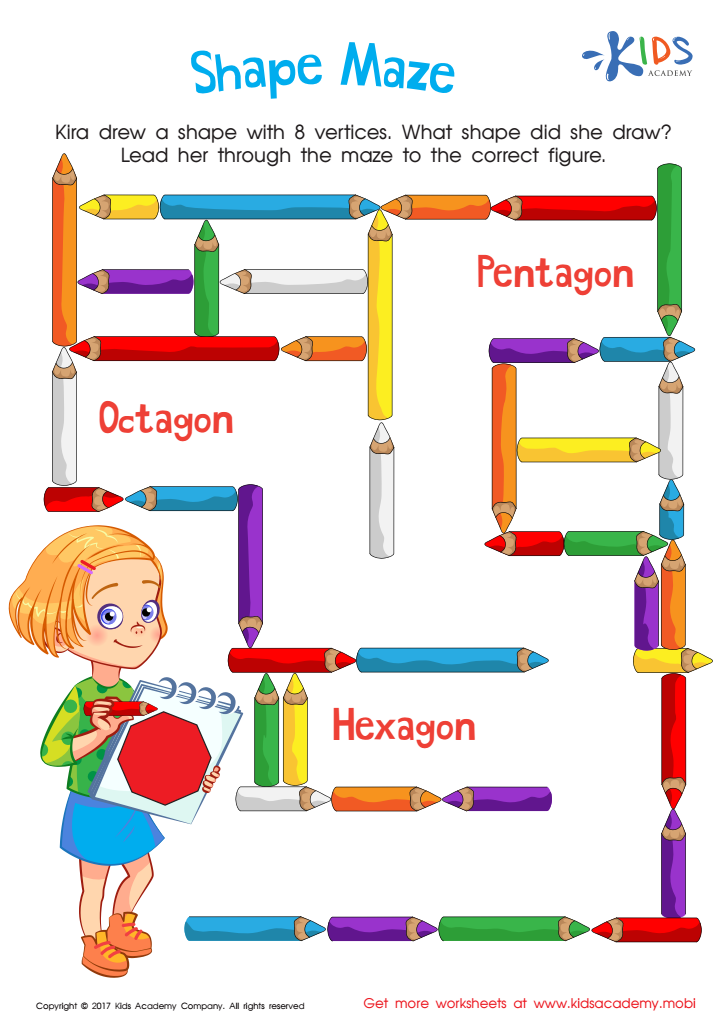
Shape Maze Worksheet
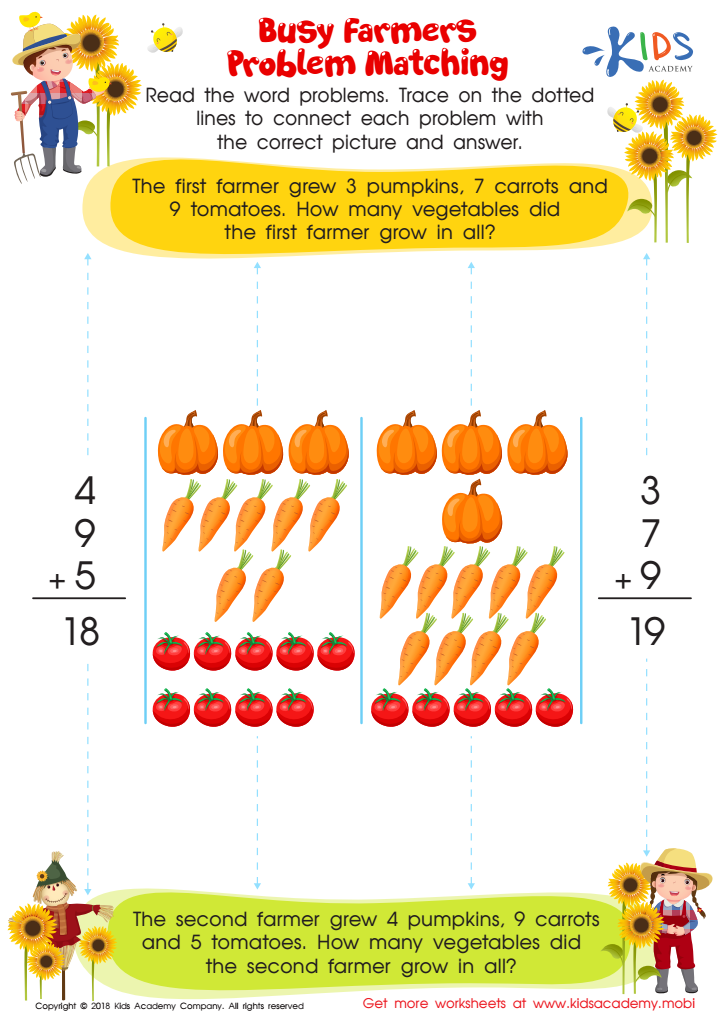
Busy Farmers: Problem Matching Worksheet
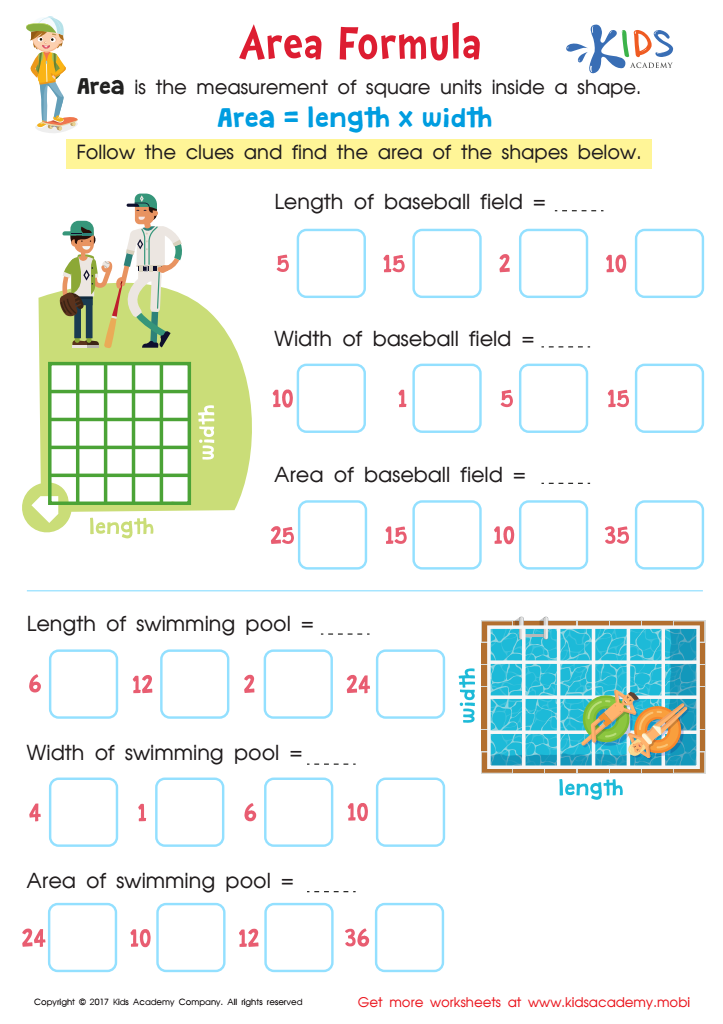
Area Formula Worksheet
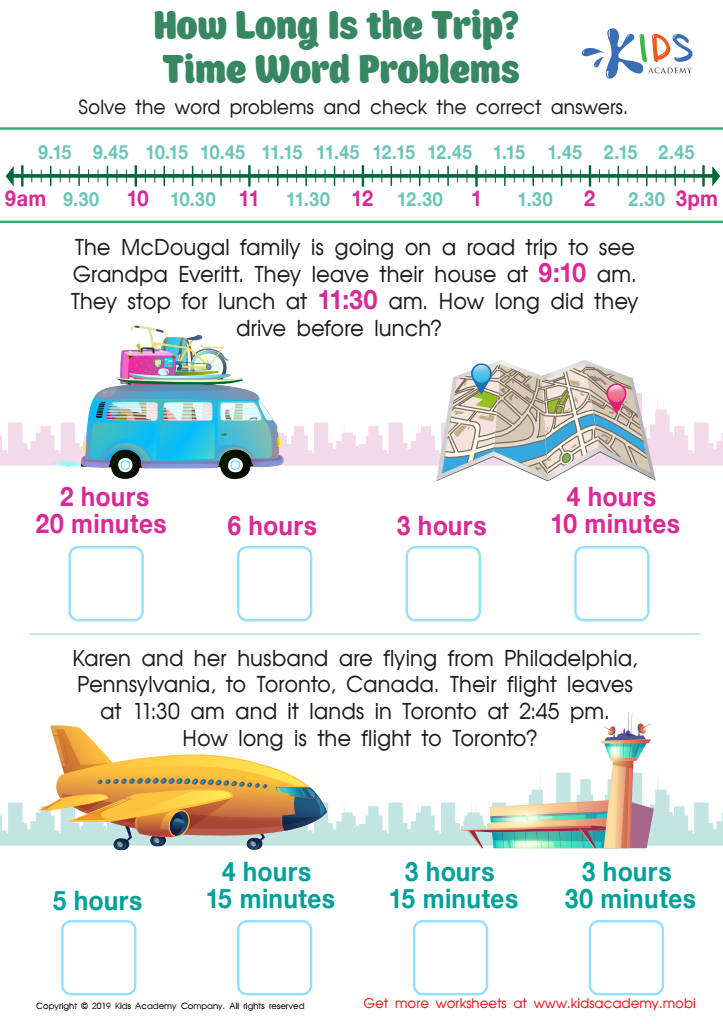
How long is the Trip? Time Word Problems Worksheet
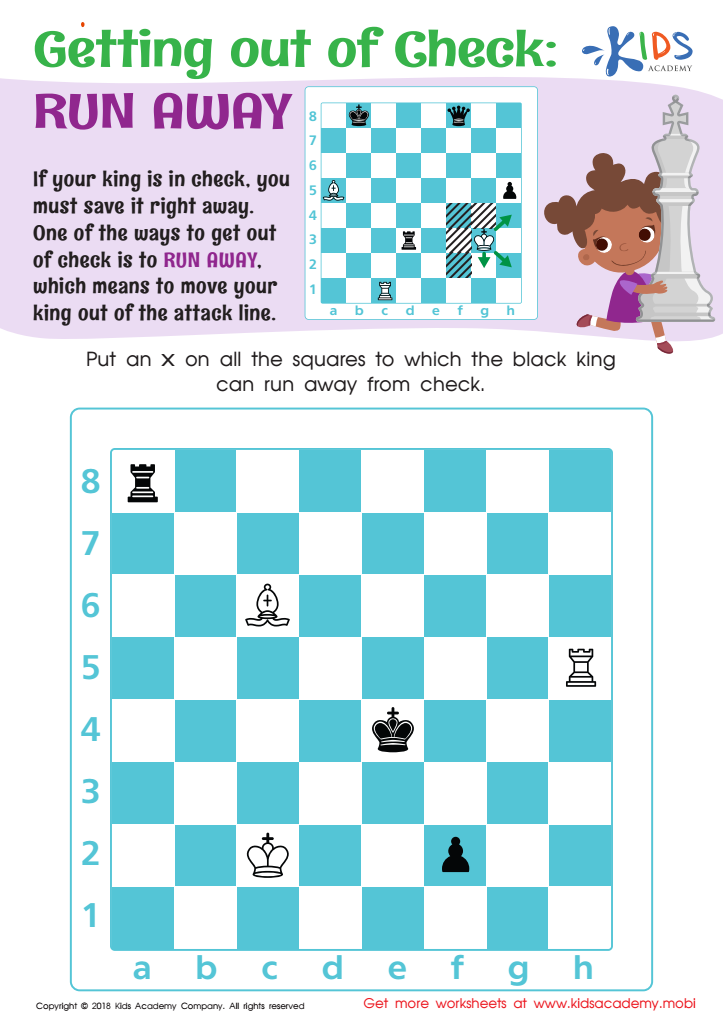
Getting out of Check: Run Away Worksheet
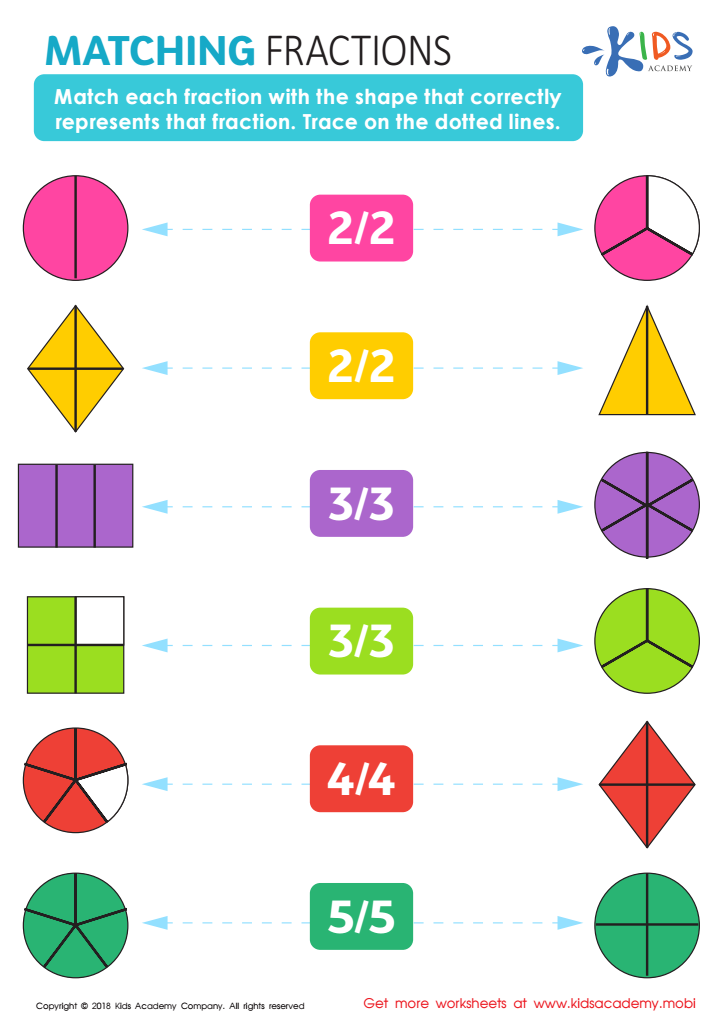
Matching Fractions Worksheet
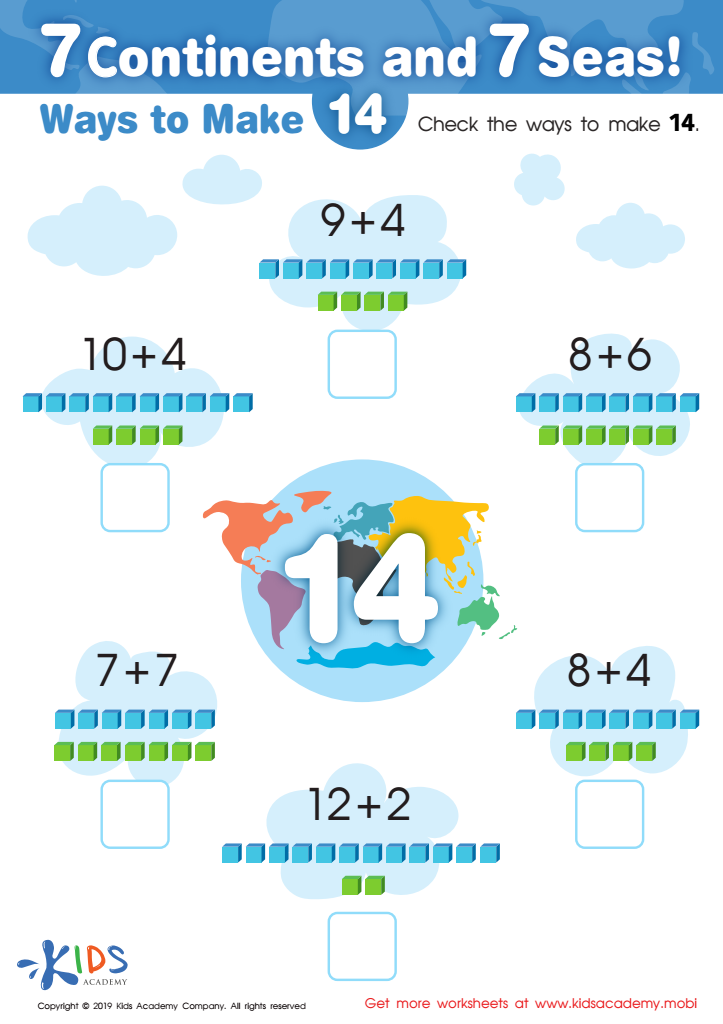
7 Continents and 7 Seas Worksheet
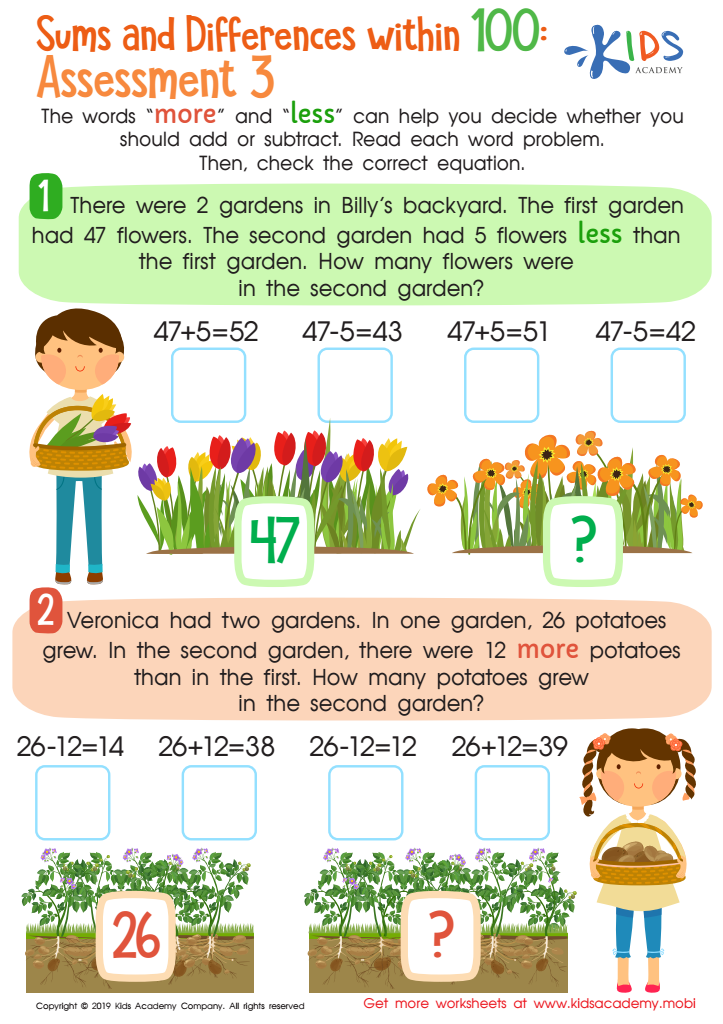
Sums and Differences Within 1 - Assessment 1 Worksheet
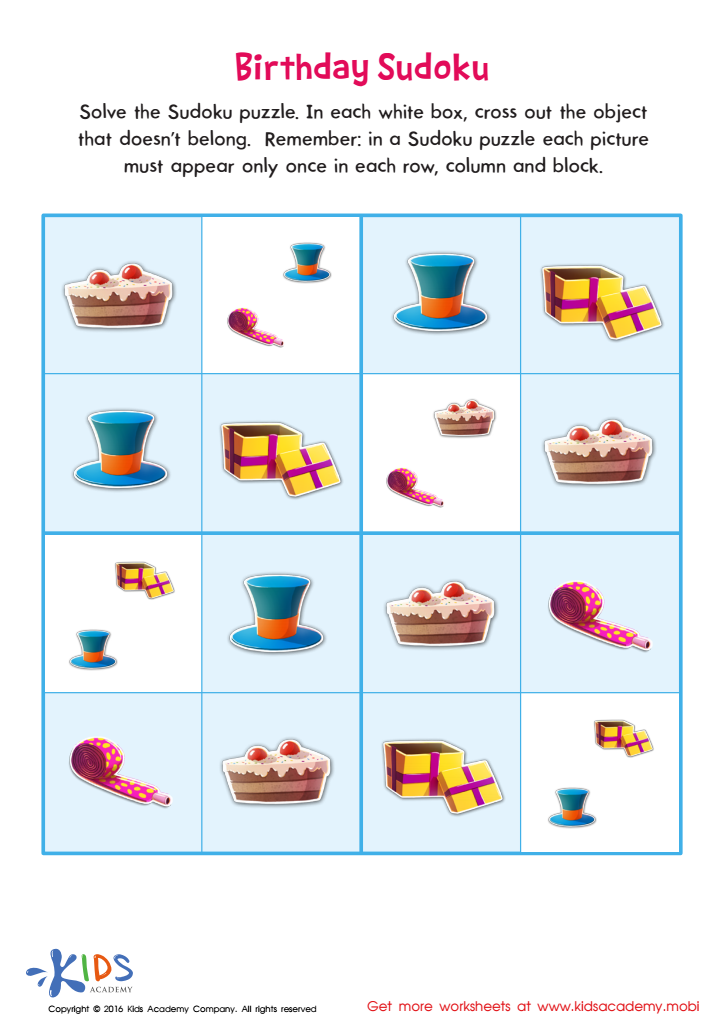
Birthday Sudoku Sorting Worksheet
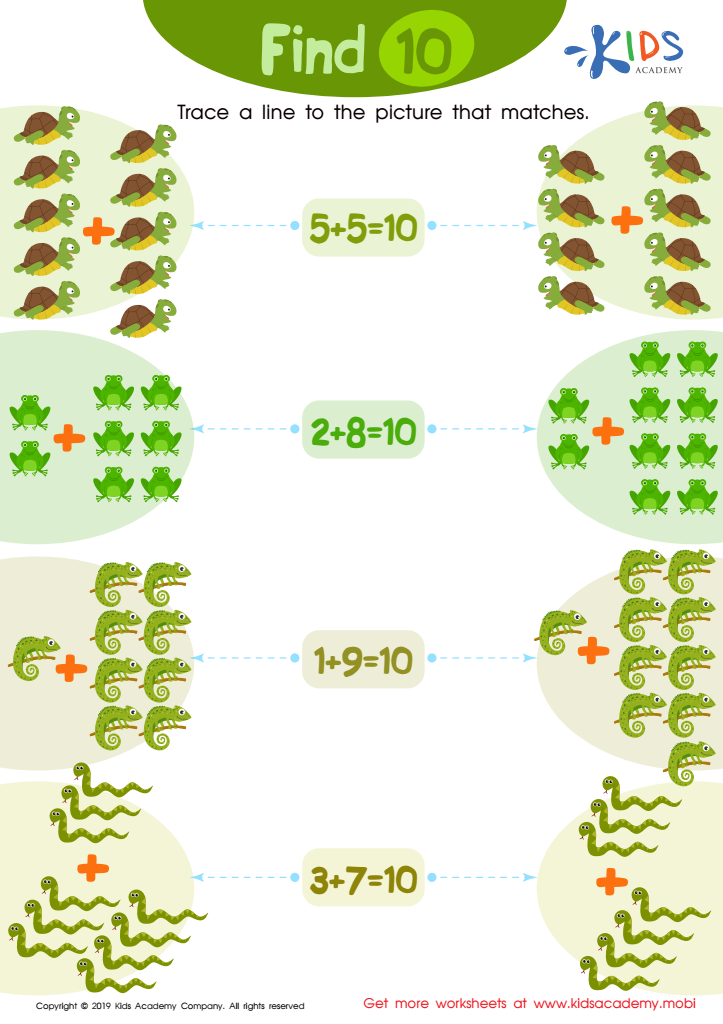
Find 10 Worksheet
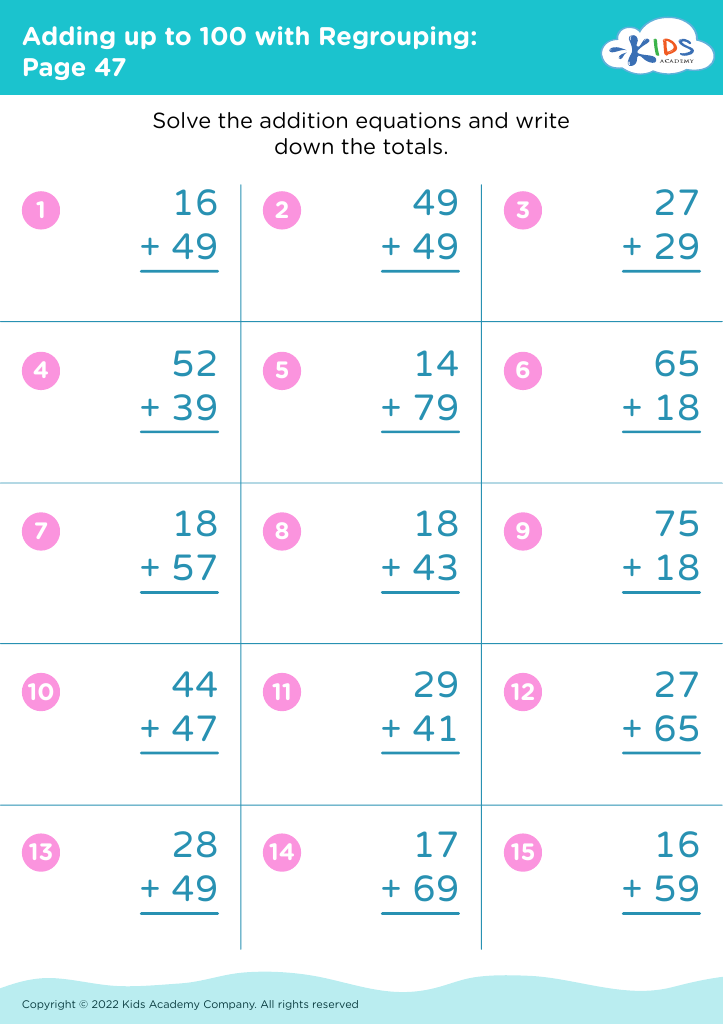



.jpg)
%20(1).jpg)



Problem-solving skills are essential for children aged 4-9, as they lay the foundation for critical thinking, creativity, and adaptability throughout life. During this developmental stage, children learn how to approach challenges, analyze situations, and consider various solutions. Encouraging these skills fosters independence, resilience, and confidence, helping kids navigate not just academic hurdles but also social interactions and everyday decisions.
Parents and teachers should prioritize problem-solving because it enhances a child's ability to think logically and make informed choices. By guiding children through problem-solving processes, such as breaking complex tasks into manageable steps or brainstorming alternatives when faced with obstacles, they build cognitive abilities and emotional intelligence.
Moreover, these skills can significantly influence academic success and lifelong learning. As children learn to tackle problems, they develop perseverance—a crucial trait in overcoming future academic challenges. Ultimately, supporting the growth of problem-solving skills in young children helps them become active learners who can approach the world with curiosity and an open mind. By creating an environment that values challenges and exploration, parents and teachers prepare children for both school and the complexities of everyday life, fostering well-rounded individuals.








