Sound recognition Worksheets for Ages 4-9
17 filtered results
-
From - To
Discover engaging Sound Recognition Worksheets for kids aged 4-9 designed to enhance auditory skills and phonemic awareness. Our worksheets offer innovative, educational, and enjoyable activities that help children differentiate between sounds and improve their listening abilities. Perfect for preschool and early elementary learners, these printables support phonics instruction through playful exercises and interactive elements. They'll practice identifying letter sounds, matching sounds to pictures, and more! Whether used in a classroom or at home, our resources make learning fun and straightforward. Equip young learners with essential skills for reading success with our expertly crafted sound recognition worksheets.
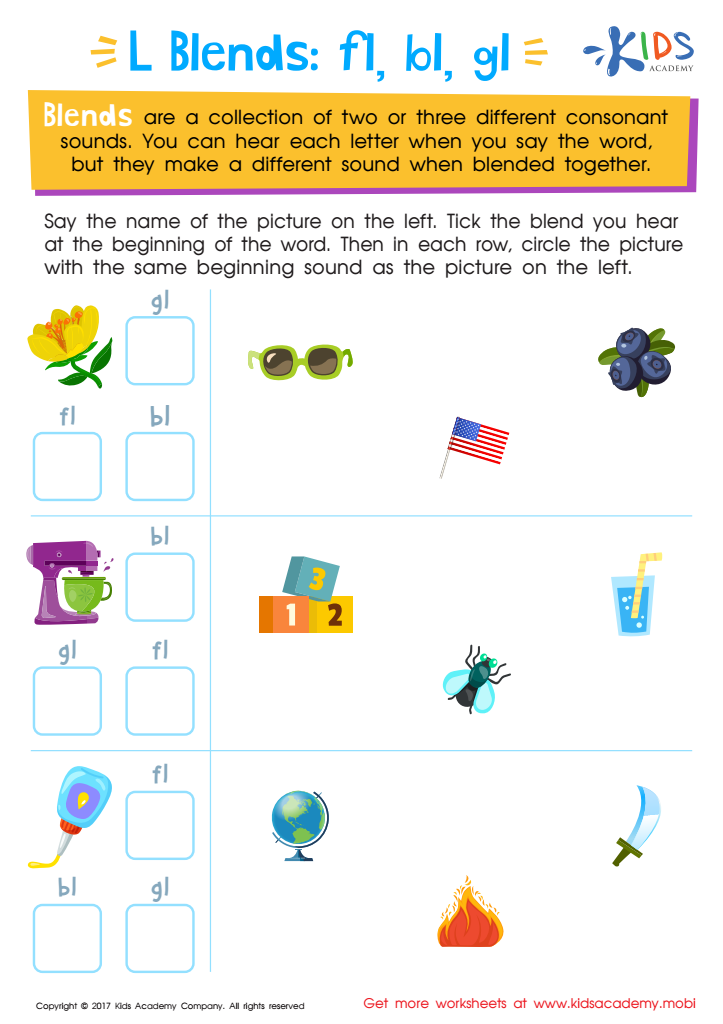
Blending Consonants: "Fl", "Bl" and "Gl" Printable
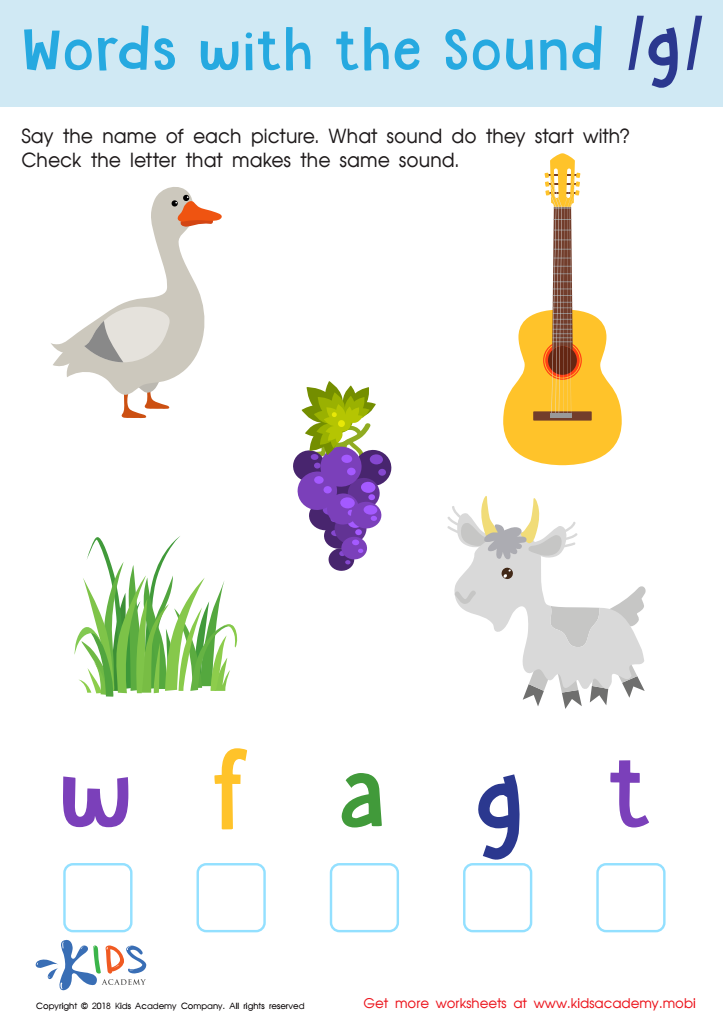
Words with sound g Reading Worksheet
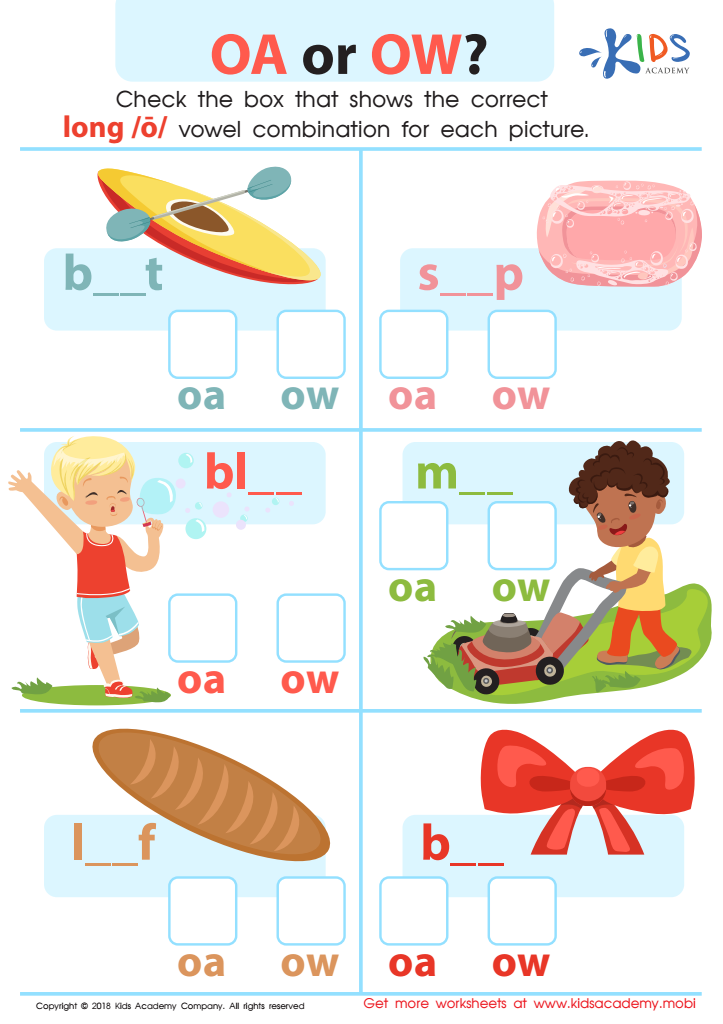
Reading: OA or OW Worksheet
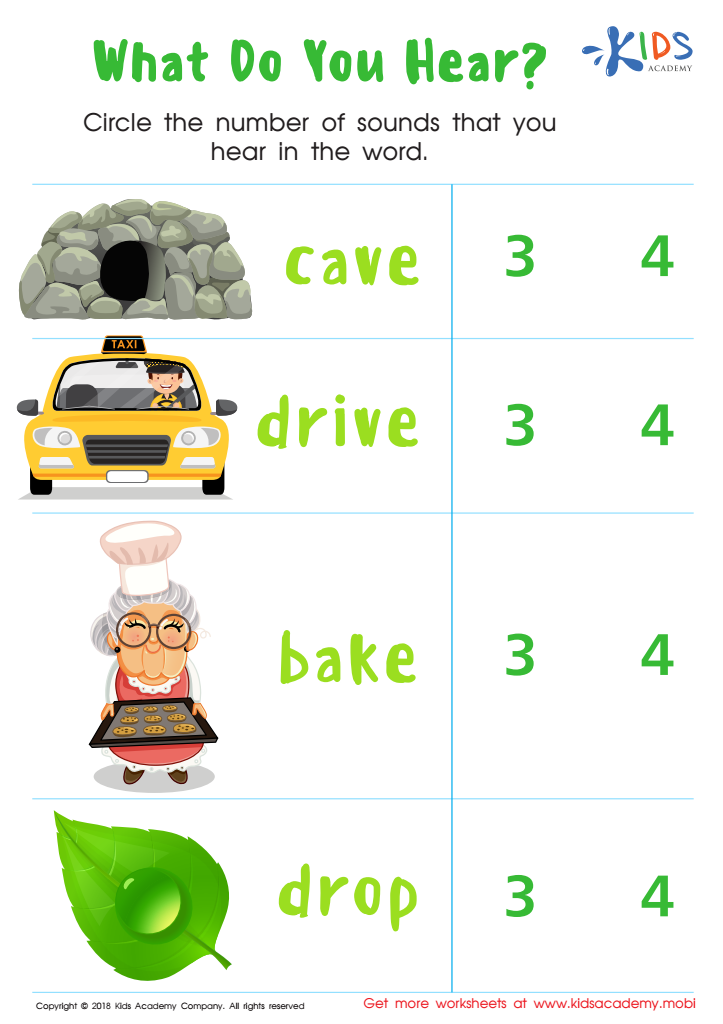
What Do You Hear? Worksheet
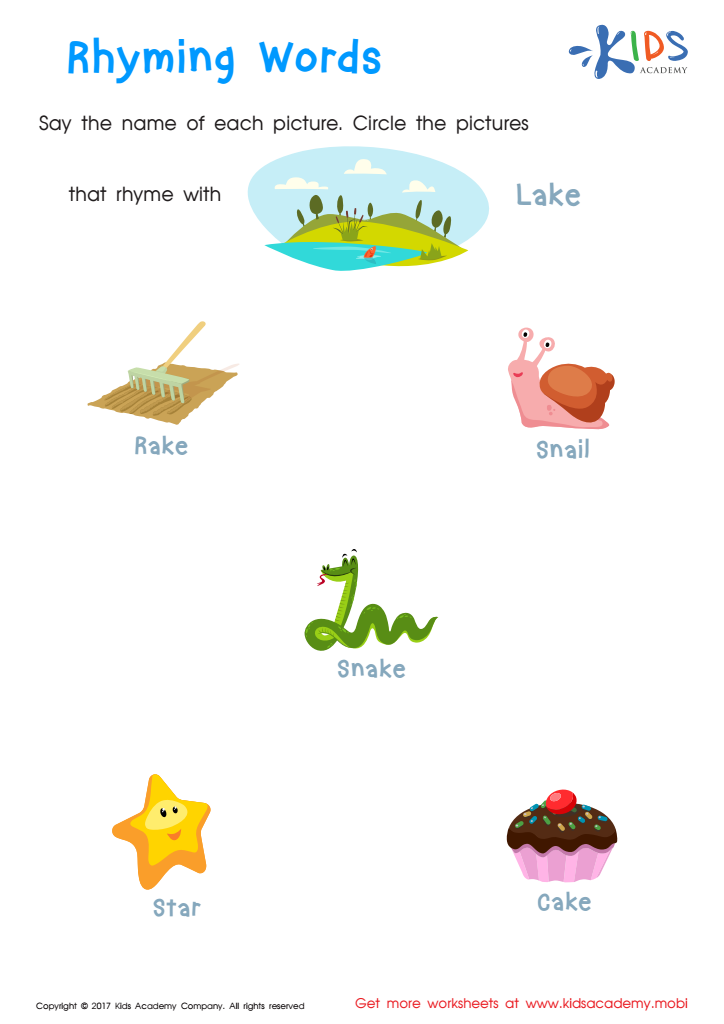
Rhyming Words Rhyming Worksheet
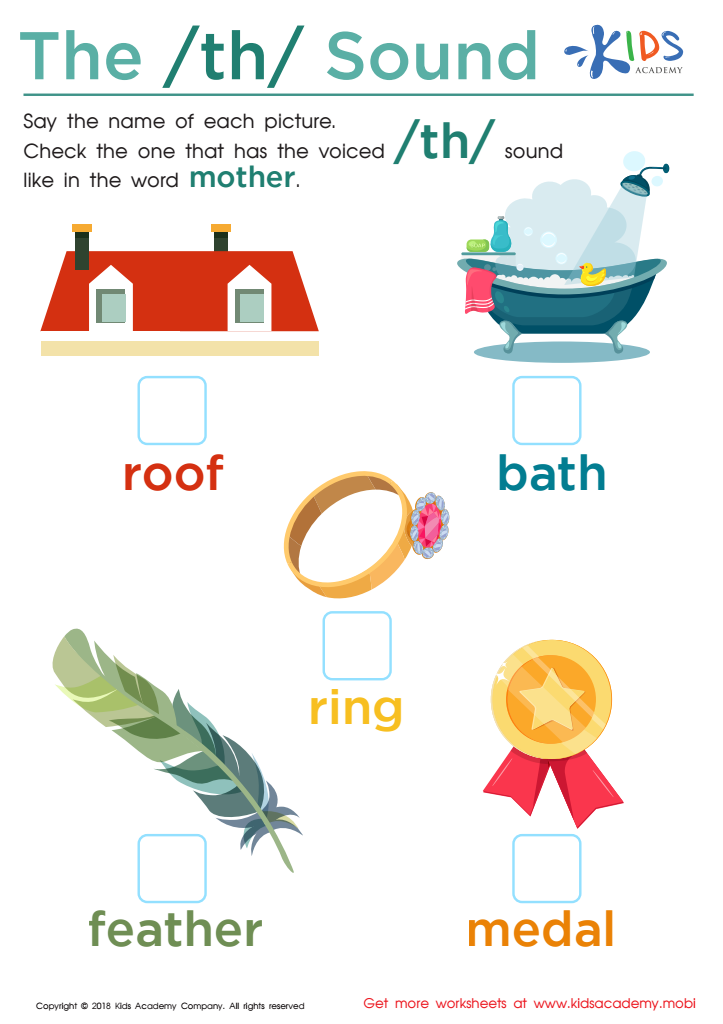
The /th/ Sound Worksheet
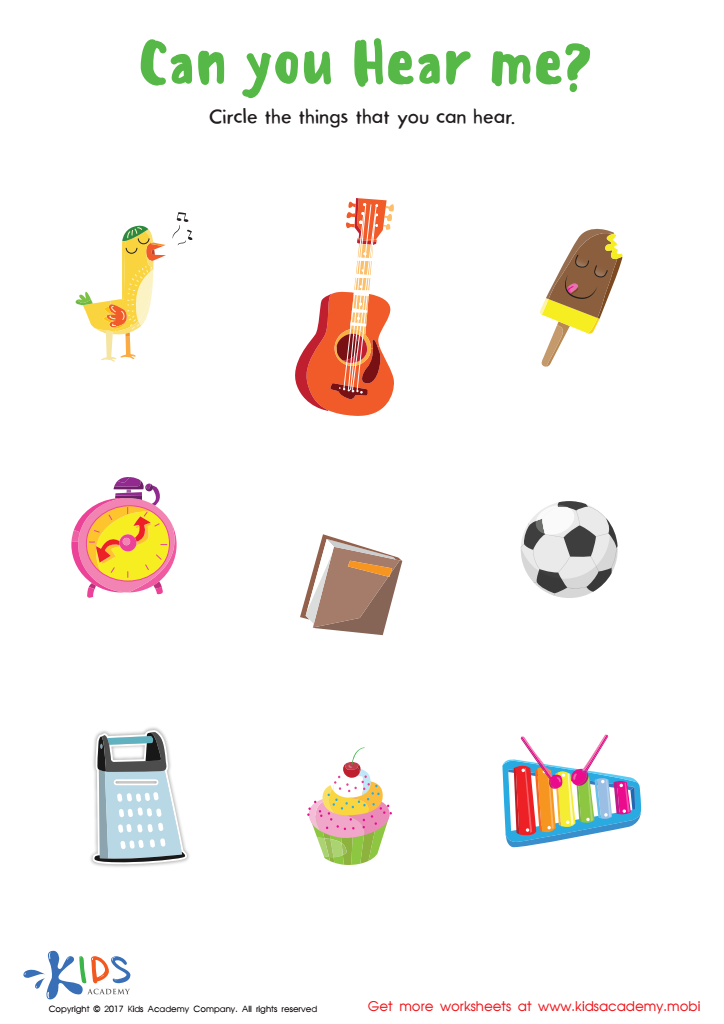
Can You Hear Me Worksheet
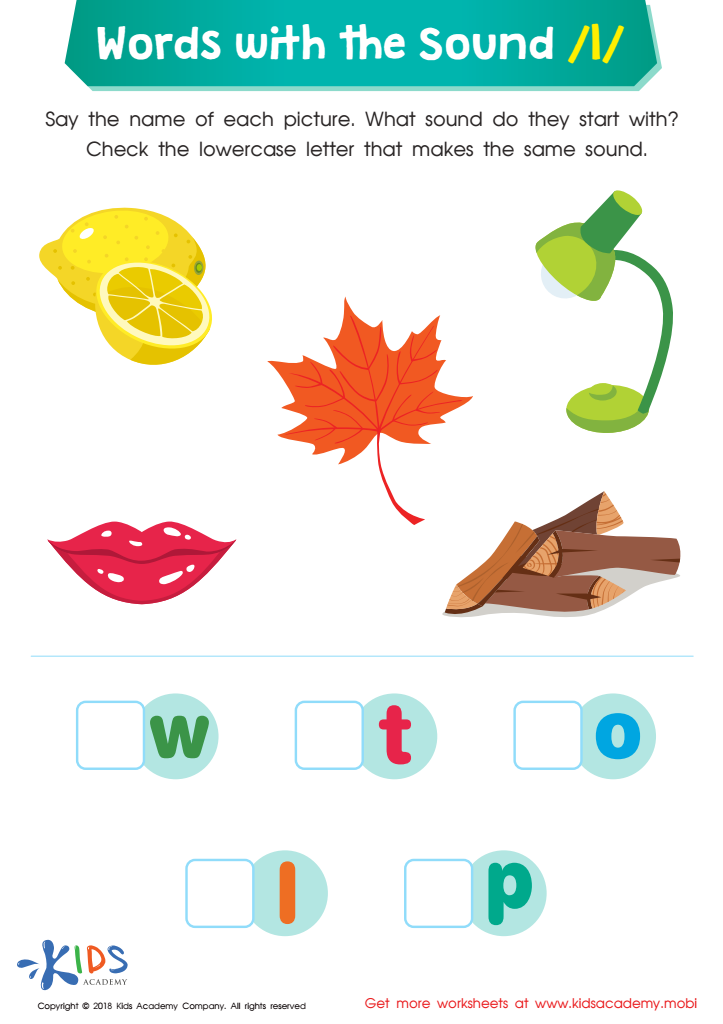
Words with Sound L Reading Worksheet
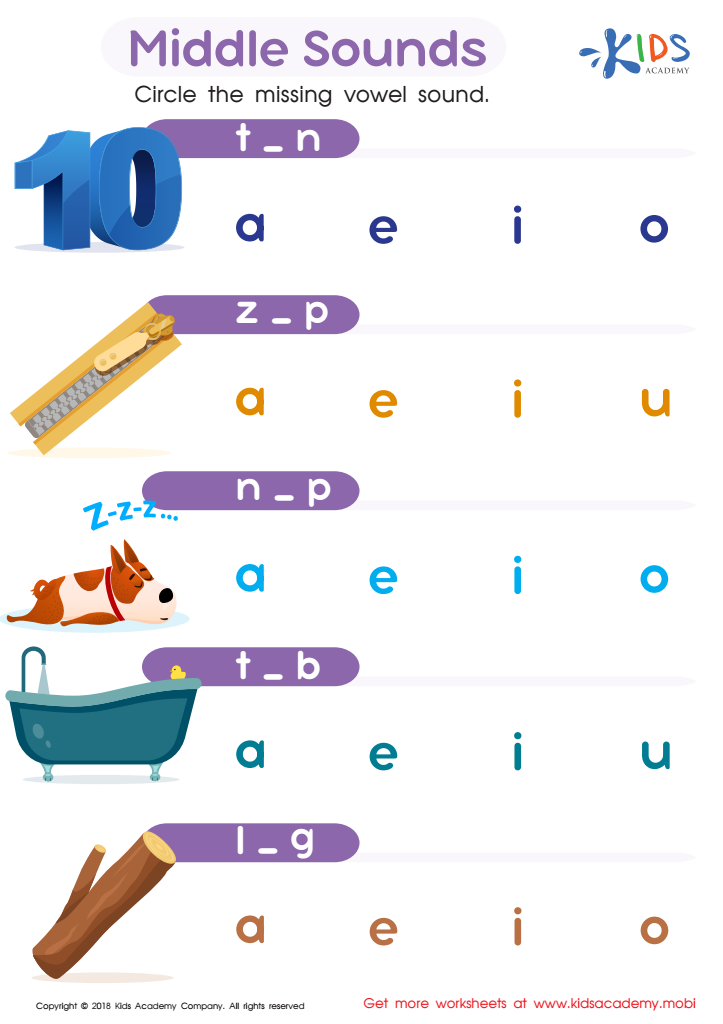
Middle Sounds Worksheet

Long and Short U Worksheet
 Assign to My Students
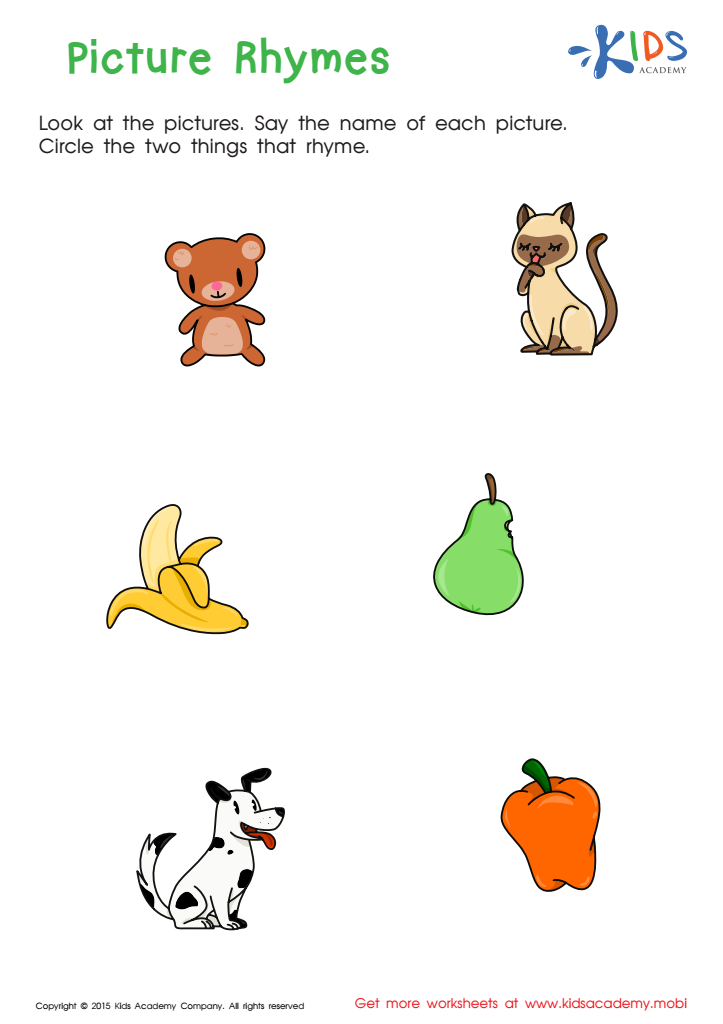
First Words: Picture Rhymes Worksheet
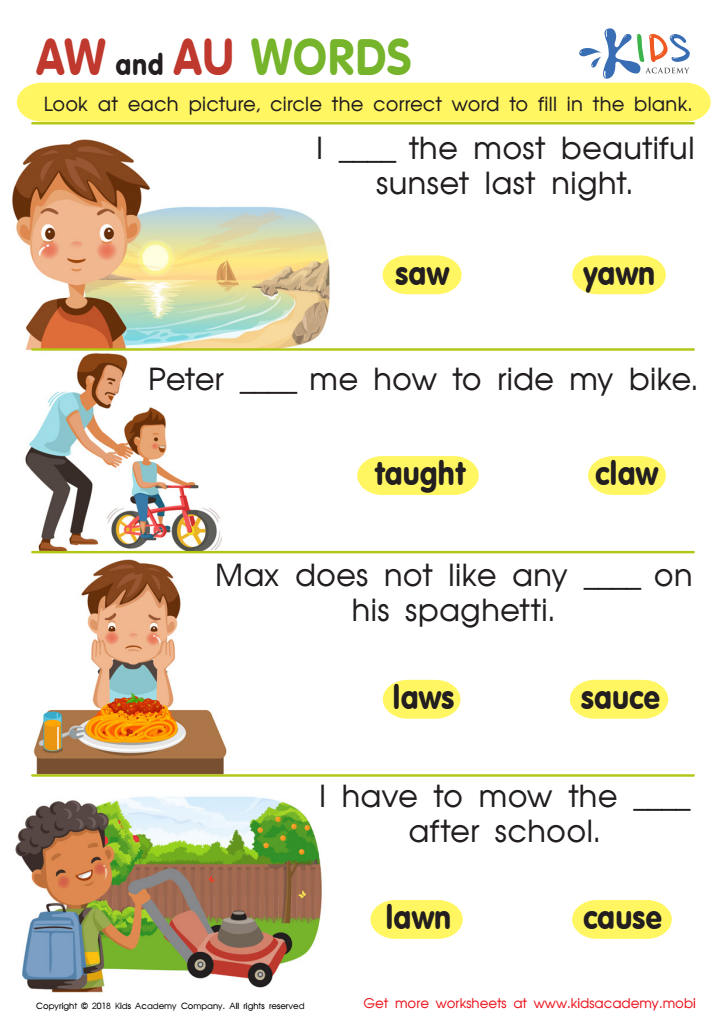
Reading: AW and AU Words Worksheet
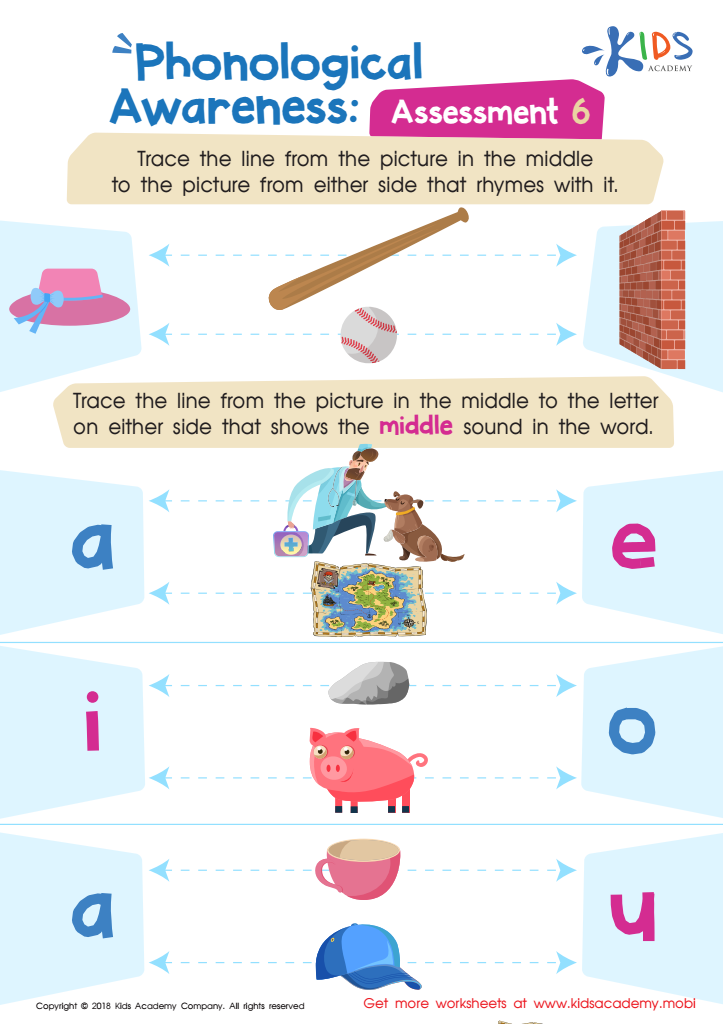
Phonological Awareness: Assessment 6 Worksheet
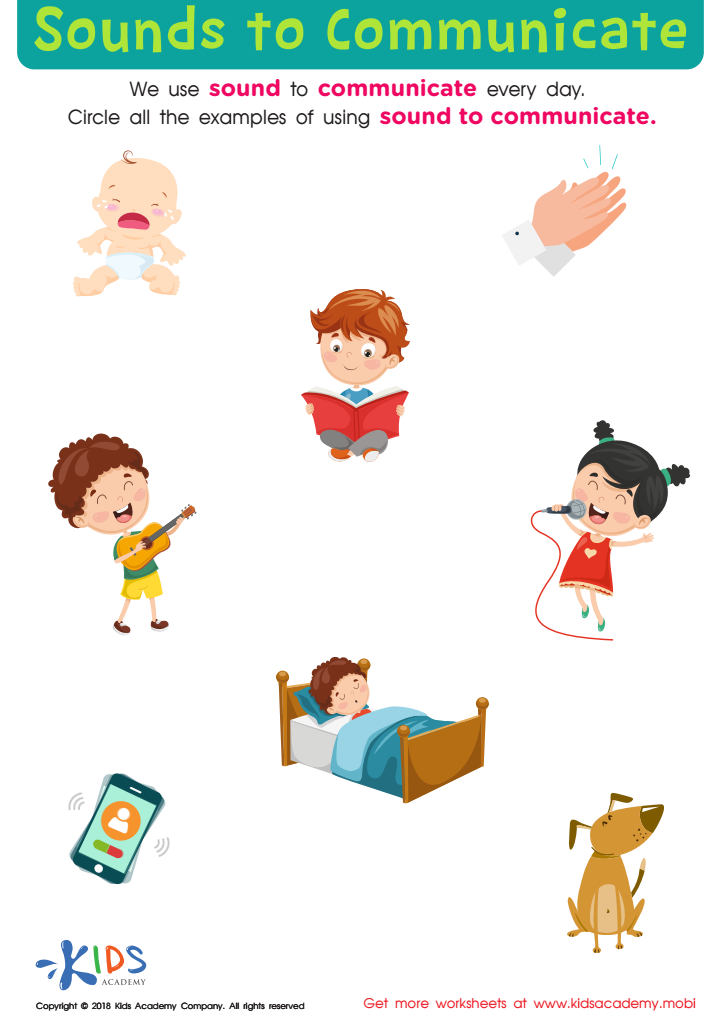
Sounds to Communicate Worksheet
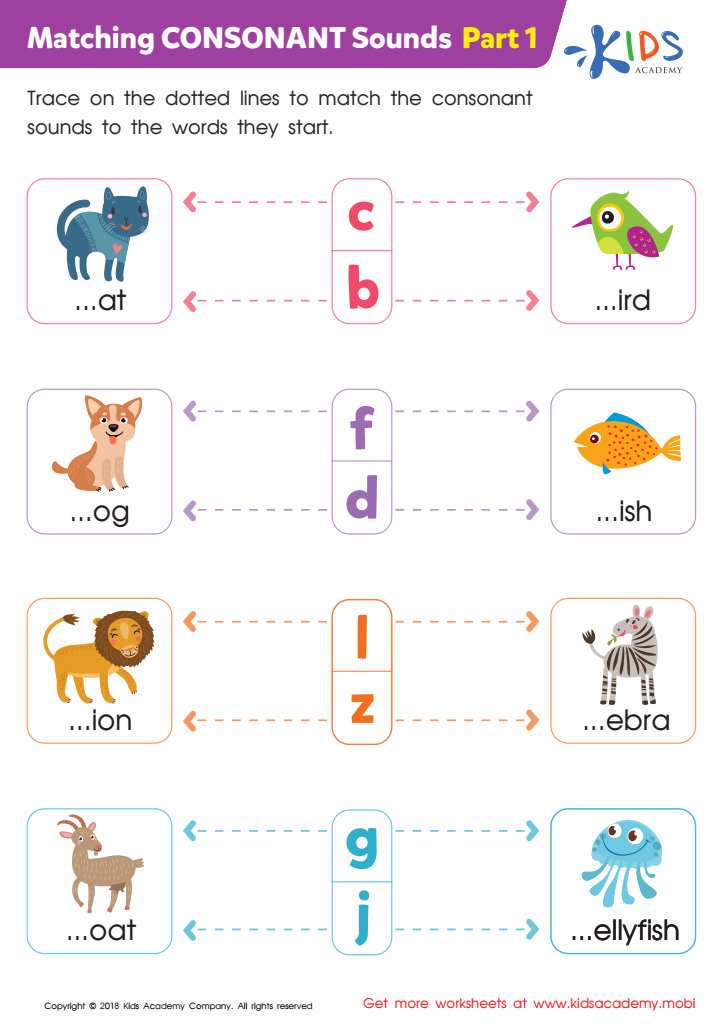
Matching Consonant Sounds: Part 1 Worksheet
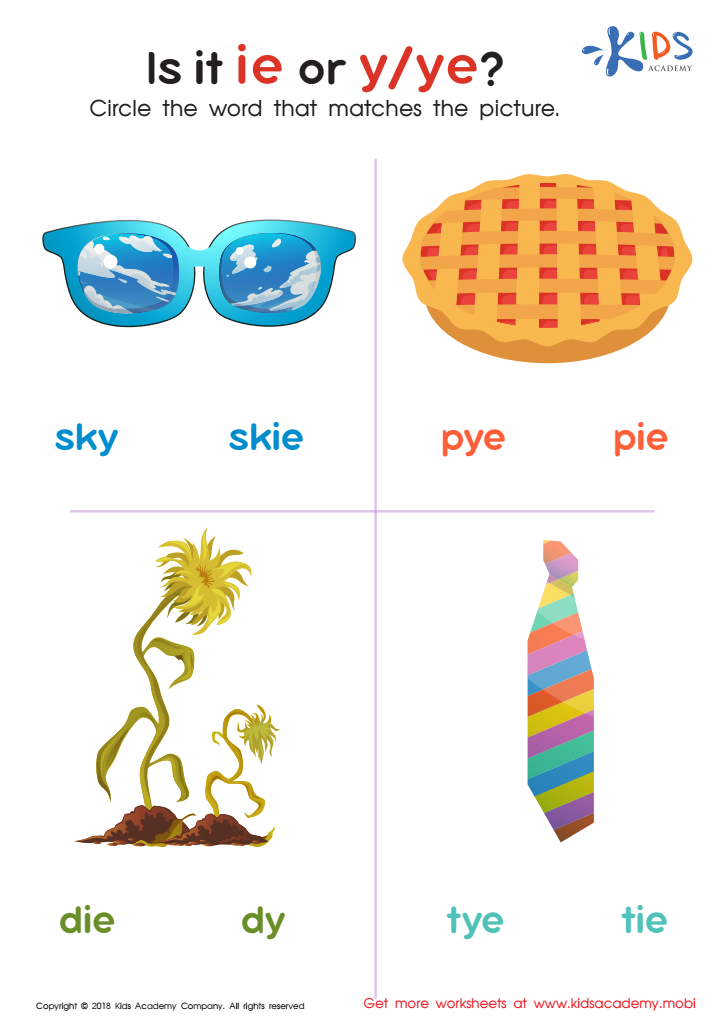
Is It IE or Y/Ye? Worksheet






Sound recognition is a crucial skill for children aged 4-9 as it plays a foundational role in their development across multiple domains, including language acquisition, reading, and cognitive skills. At this age, children’s brains are especially receptive to learning, making it the ideal time to introduce them to various sounds and phonemic patterns.
From a literacy perspective, understanding and recognizing different sounds helps children decode words while reading, enhancing their ability to read fluently and comprehend text. Phonemic awareness, which refers to the ability to hear and manipulate individual sounds in spoken words, is a strong predictor of later reading success. Without a good grasp of sound recognition, children may struggle with reading, writing, and eventually academic performance.
Cognitive development is another critical area impacted by sound recognition. As children distinguish between various sounds — such as the telephone ringing, a dog barking, or letters being sounded out — they improve their listening skills, attention to detail, and auditory memory. These skills are beneficial not only academically but also in daily life, helping them respond appropriately to their environment.
Moreover, sound recognition facilitates social and emotional development. The ability to accurately identify and respond to sounds can enhance communication skills, enabling children to express themselves more clearly and understand others better, an important aspect of building healthy relationships.
By prioritizing sound recognition, parents and teachers can provide a strong foundation for children’s future success in multiple aspects of life.








