Understanding multiplication Worksheets for Ages 4-9
36 filtered results
-
From - To
Unlock your child's potential with our "Understanding Multiplication Worksheets for Ages 4-9." Designed to cater to early learners, these engaging and educational worksheets simplify the concept of multiplication through fun, age-appropriate activities. Each worksheet combines colorful visuals with interactive tasks, making learning both exciting and effective. Perfect for home or classroom use, our worksheets help develop crucial math skills, laying a vital foundation for future academic success. Visit our site to explore a wide range of resources tailored to young minds, and watch your child grasp multiplication with confidence and joy.
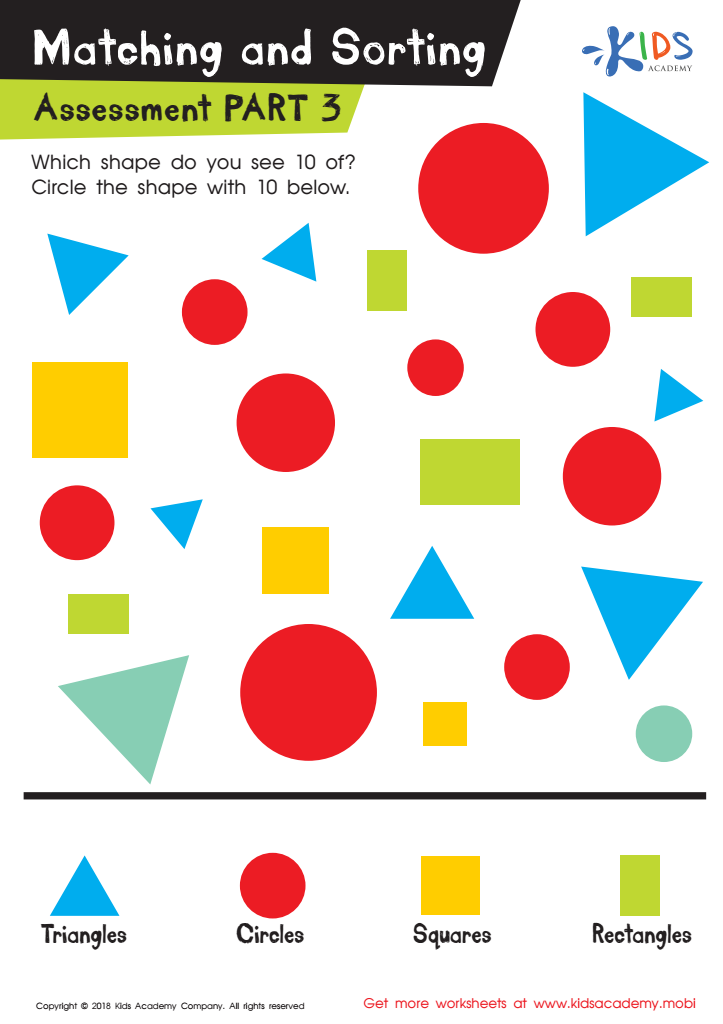
Matching and Sorting for Kindergarten: Assessment 3 Worksheet
 Assign to My Students
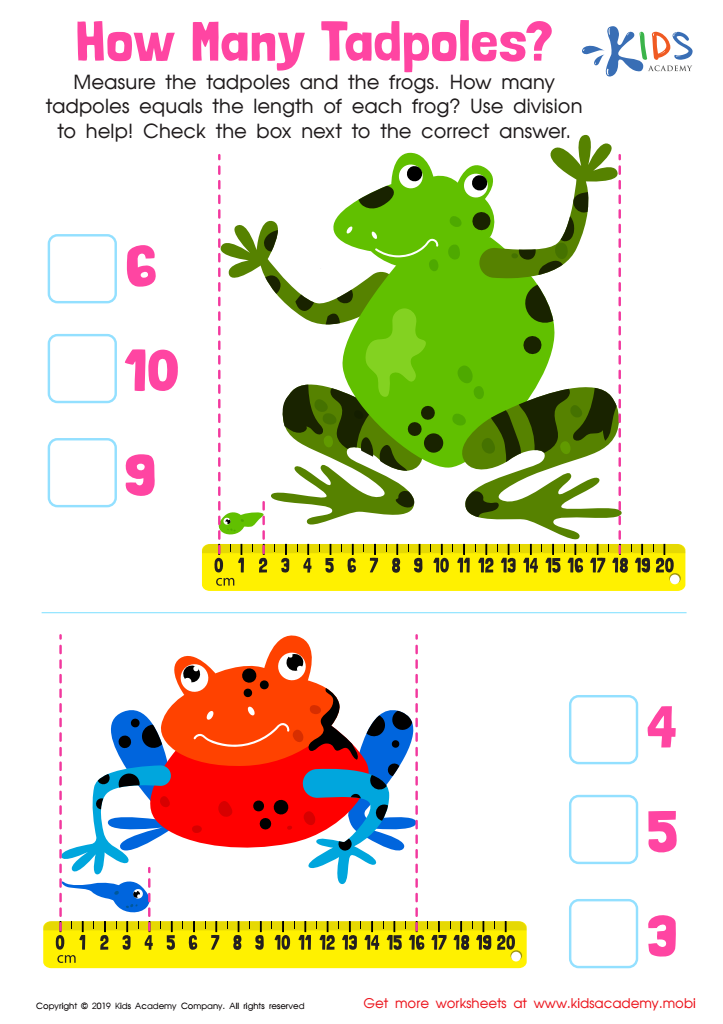
How Many Tadpoles Worksheet
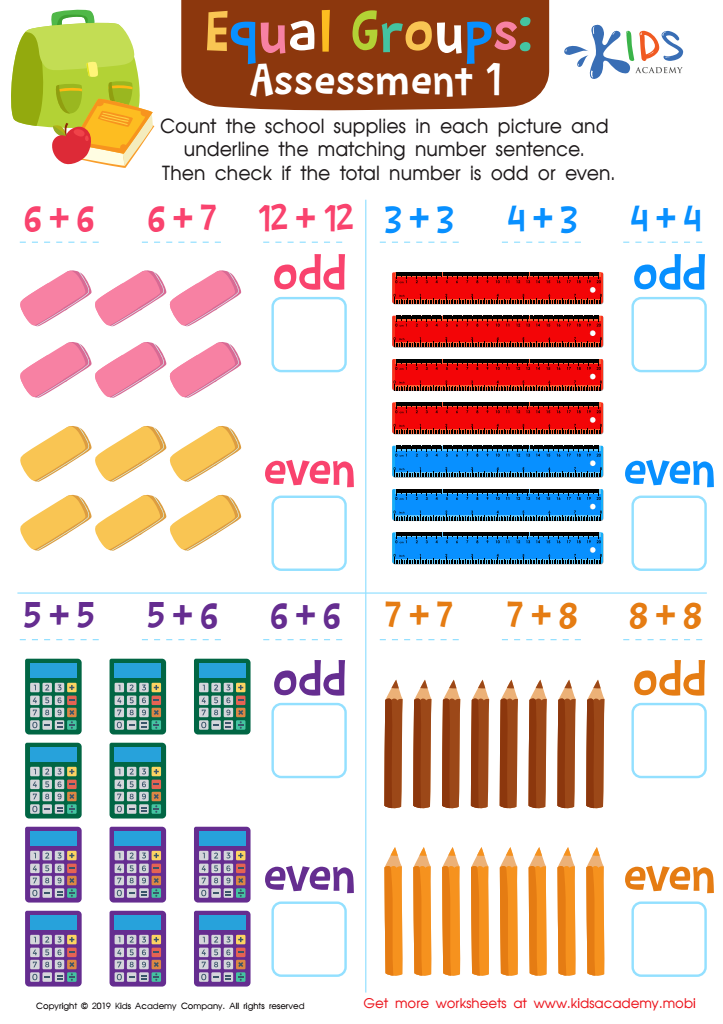
Equal Groups: Assessment 1 Worksheet
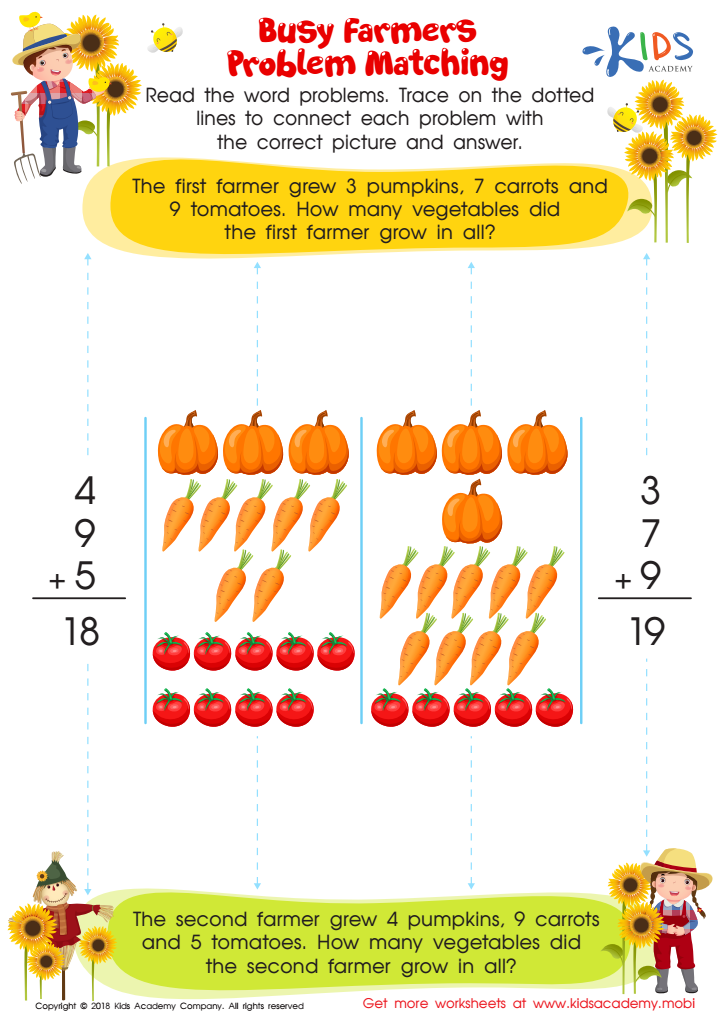
Busy Farmers: Problem Matching Worksheet
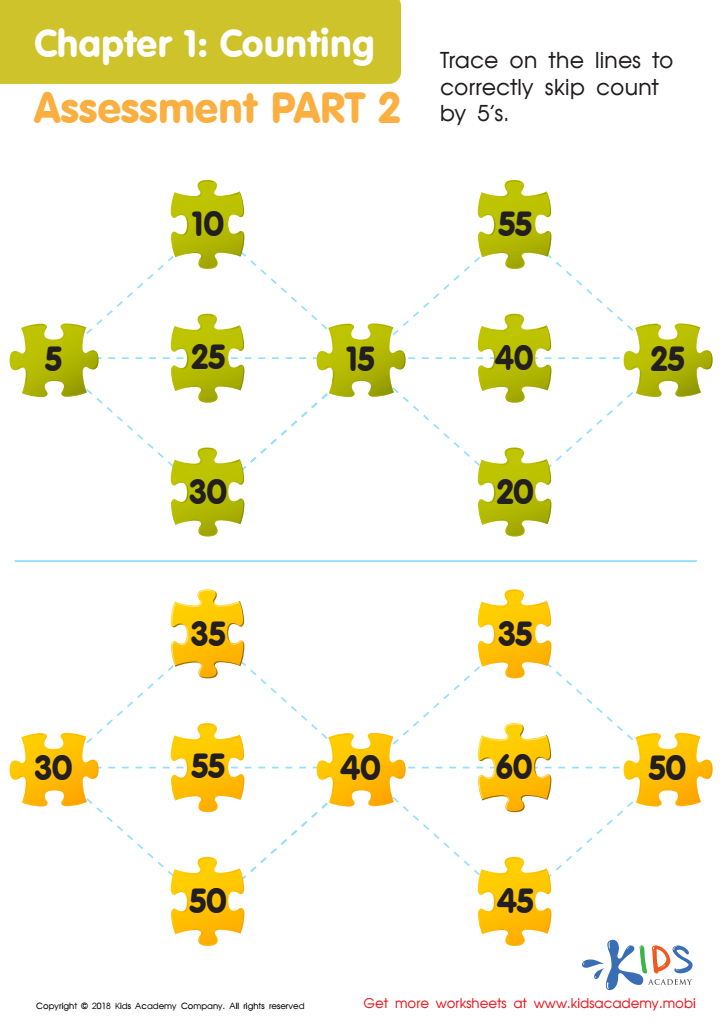
Counting: Assessment 2 Worksheet
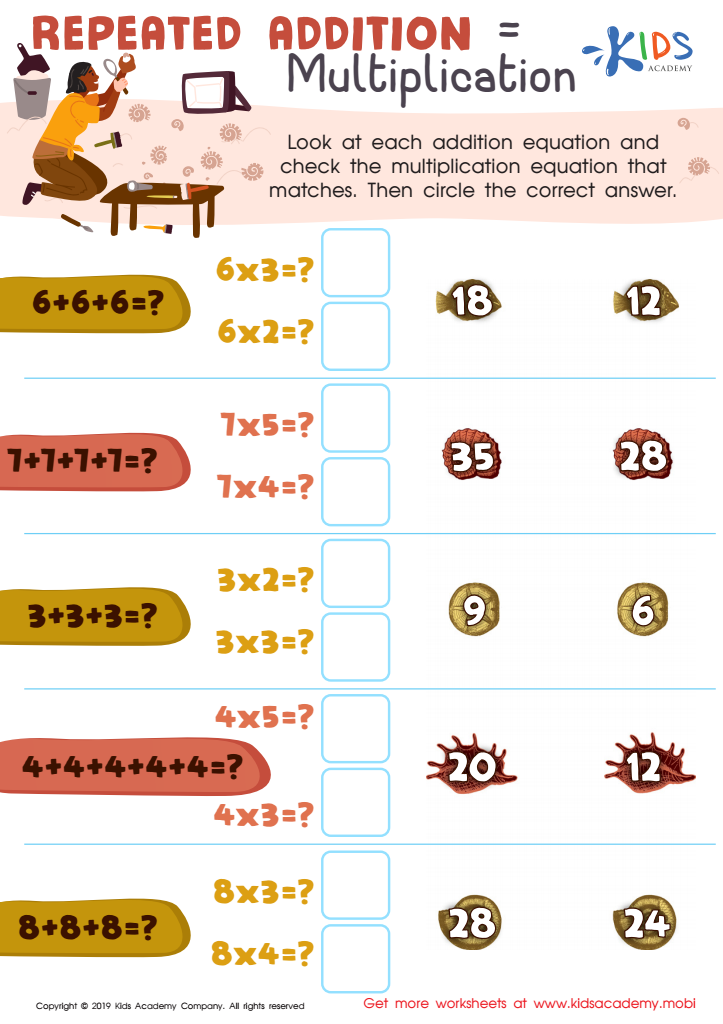
Repeated Addition = Multiplication Worksheet
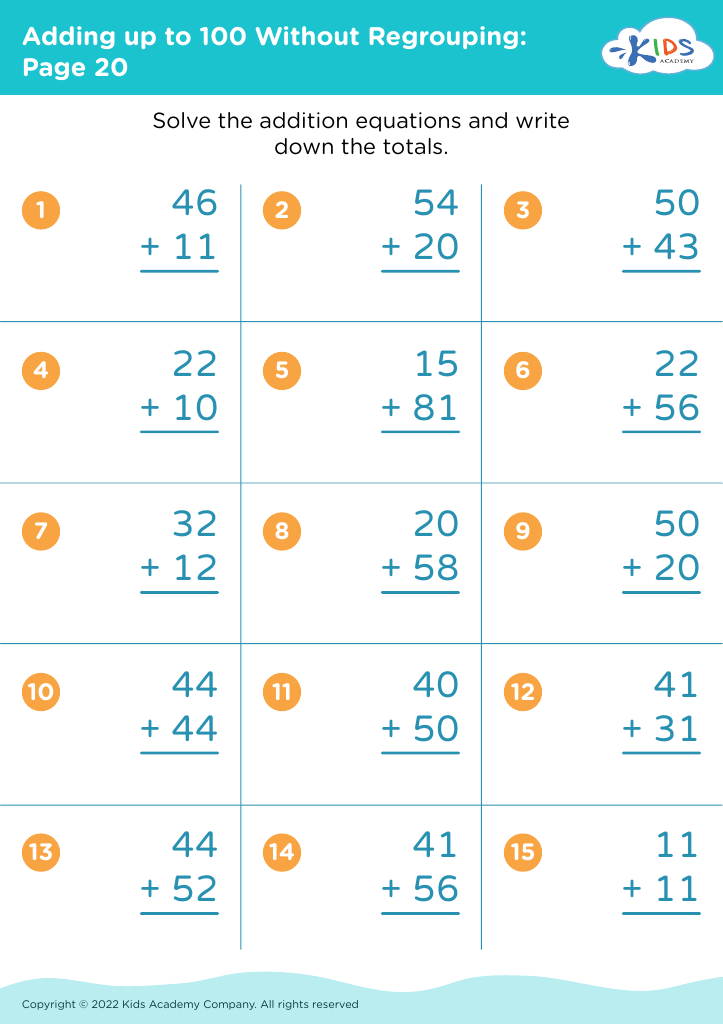
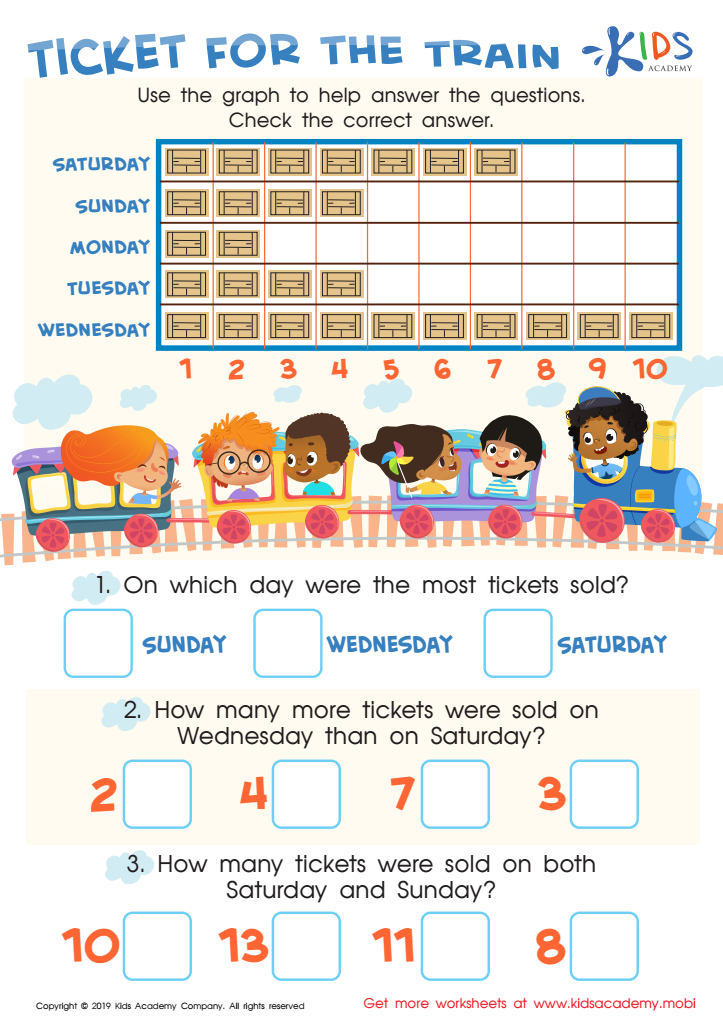
Ticket for the Train Worksheet
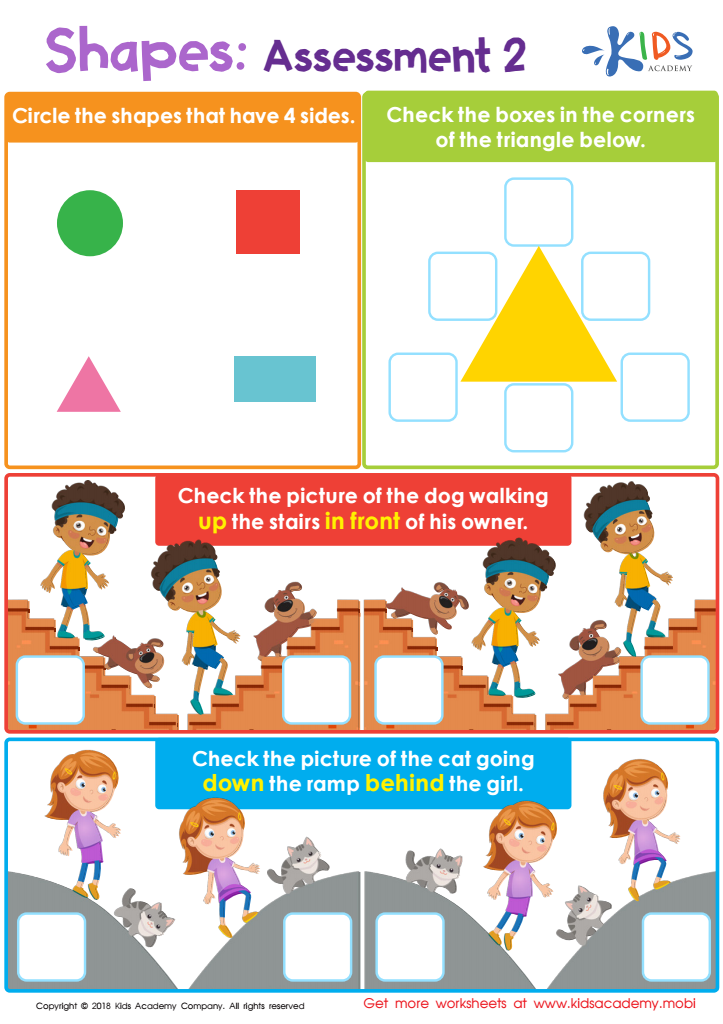
Shapes: Assessment 2 Worksheet
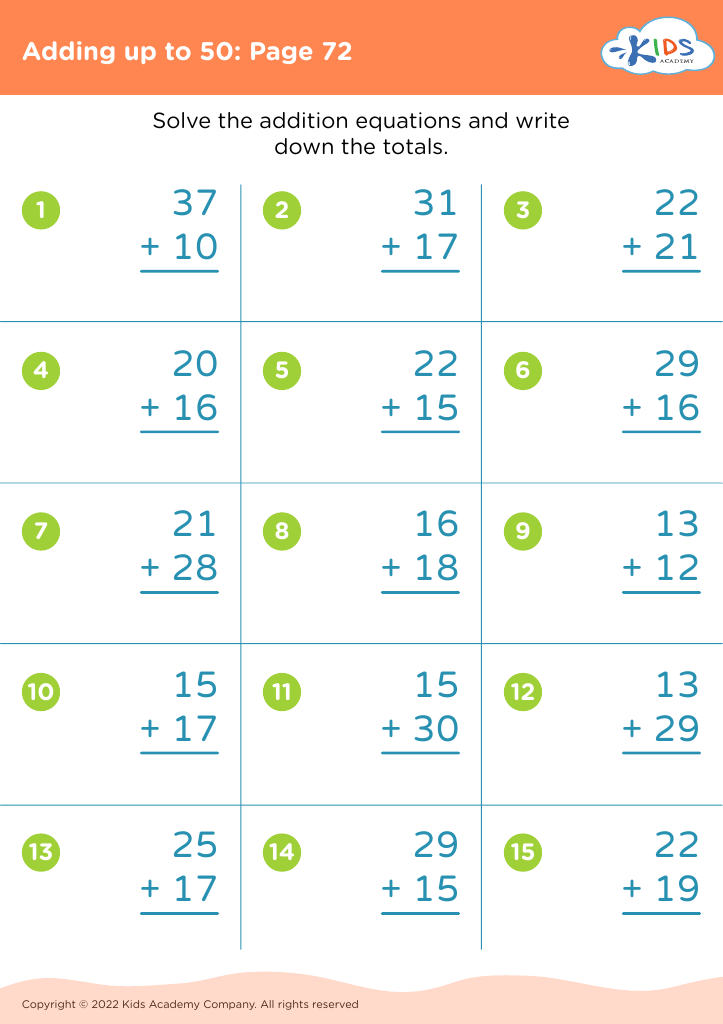
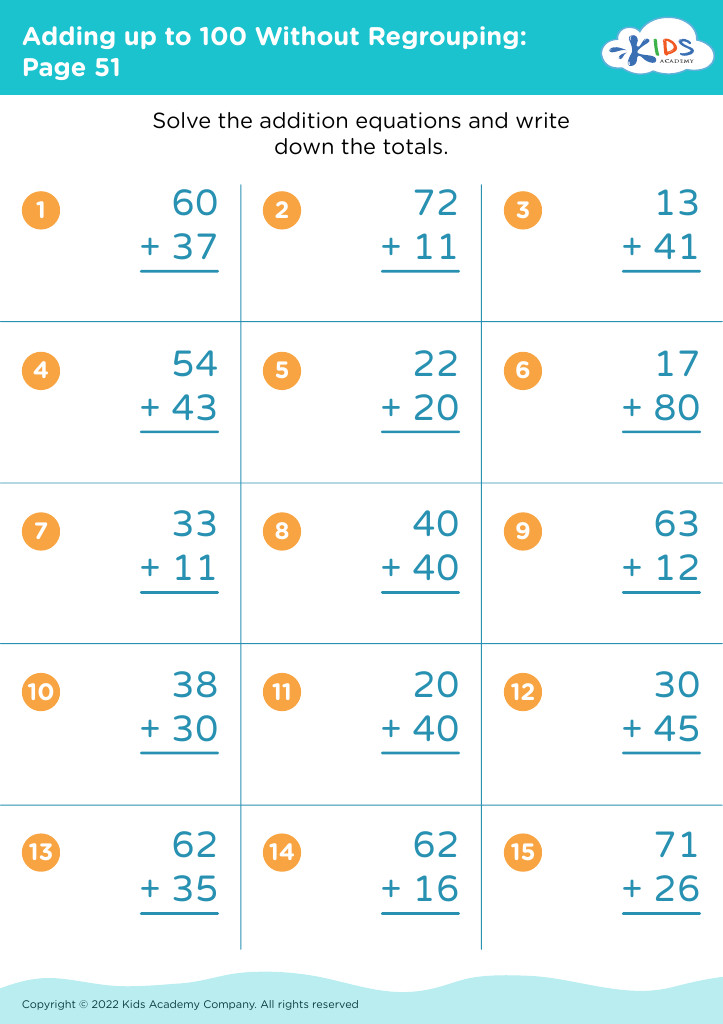
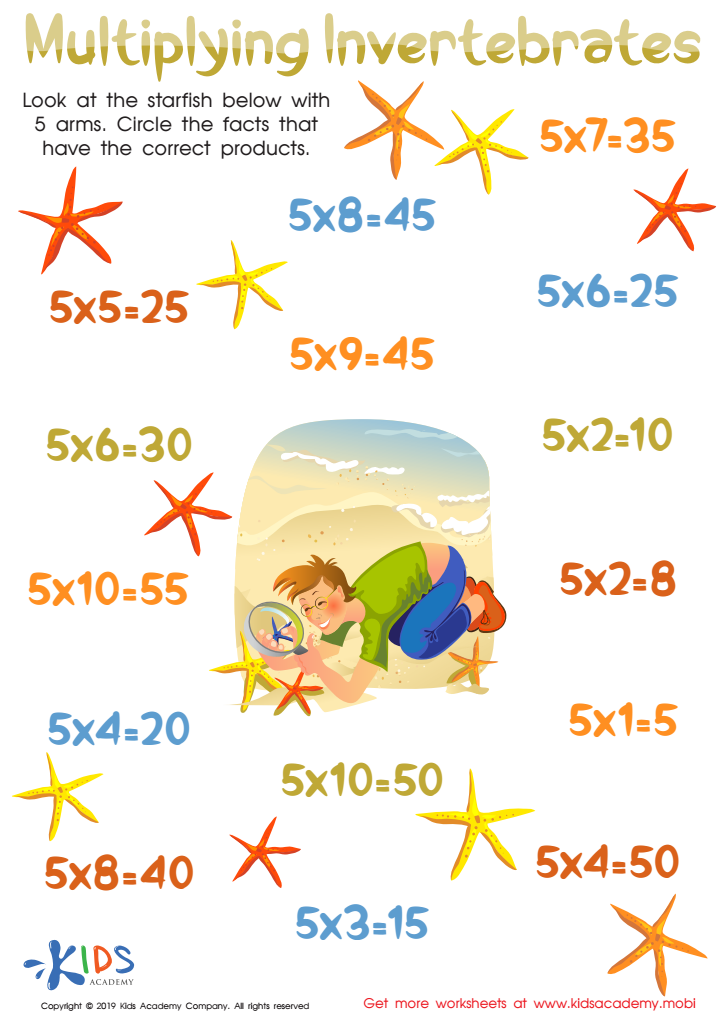
Multiplying Invertebrates Worksheet
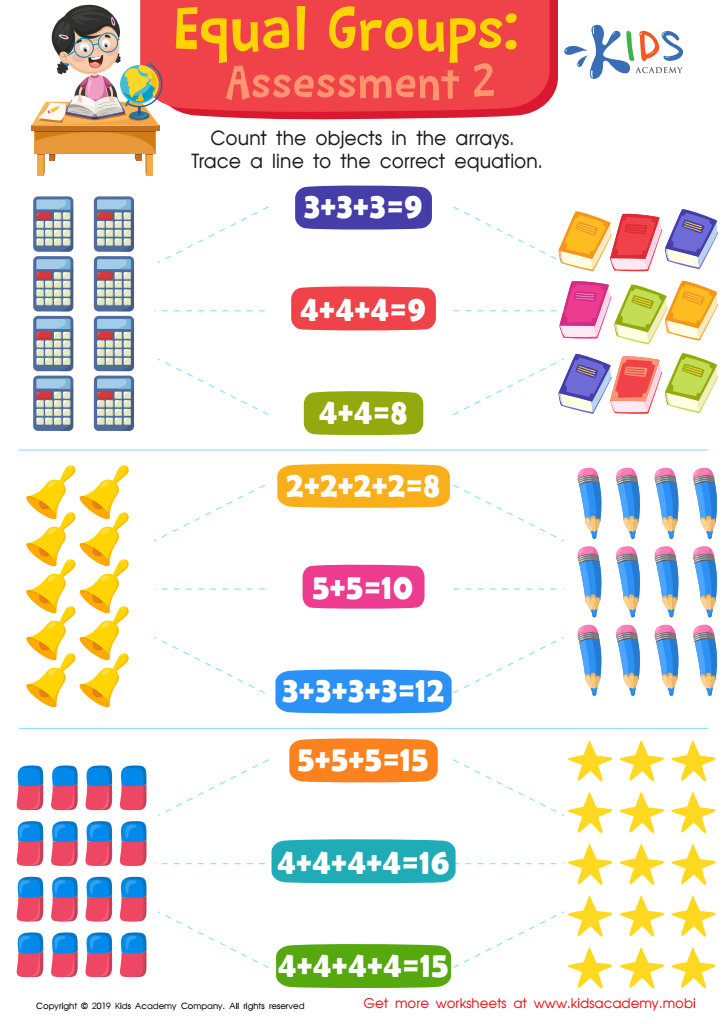
Equal Groups: Assessment 2 Worksheet







Understanding multiplication at an early age is paramount for several reasons. Firstly, multiplication is a foundational math skill that supports other mathematical concepts, such as division, fractions, and algebra. By grasping multiplication early, children build a robust base for future learning, enhancing their overall proficiency in math.
Early mastery of multiplication helps foster a positive attitude toward math. When children understand concepts early on, they are more likely to experience success, which boosts their confidence and interest in the subject. This positive early experience can shape their long-term outlook on math and learning in general.
Furthermore, real-life applications of multiplication are plentiful. Whether understanding time, calculating money, or dividing a group equally, multiplication is used in everyday tasks. Introducing multiplication basics early empowers children to handle these daily activities more independently and confidently.
From a cognitive standpoint, learning multiplication can enhance problem-solving skills and logical thinking abilities. It encourages children to recognize patterns and relationships, which are vital cognitive skills that extend beyond mathematics.
Moreover, early learning caters to the developmental plasticity of young brains, making it easier for them to absorb and retain these concepts. Teachers and parents play a crucial role in shaping a child’s early experiences and attitudes toward learning, making multiplication an essential focus to ensure a well-rounded educational foundation.








