Word identification Worksheets for Ages 4-9
15 filtered results
-
From - To
Enhance your child's reading skills with our engaging Word Identification Worksheets designed for ages 4-9. These printable activities focus on building vocabulary, recognition of sight words, and phonetic awareness through fun exercises. Tailored to inspire young learners, our worksheets feature colorful visuals and interactive tasks that make word identification exciting. Parents and educators can effortlessly incorporate these resources into daily learning routines, ensuring children develop essential reading skills while having fun. Explore our diverse collection and watch your child's confidence grow as they master word identification and lay the foundation for lifelong literacy success! Start their learning adventure today!
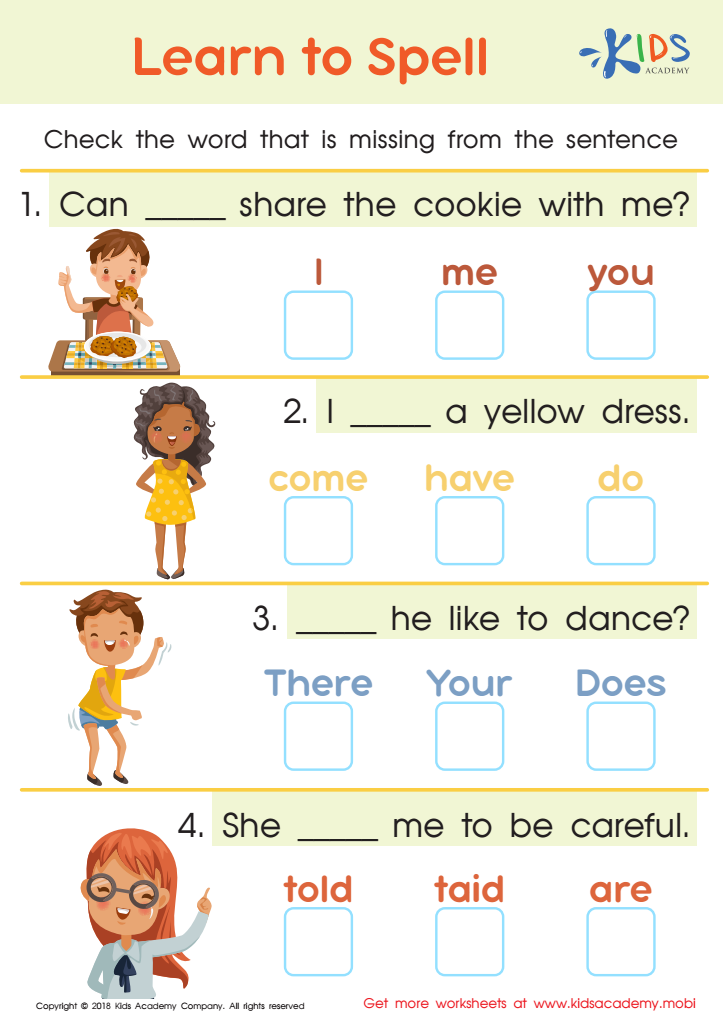
Learn to Spell Worksheet
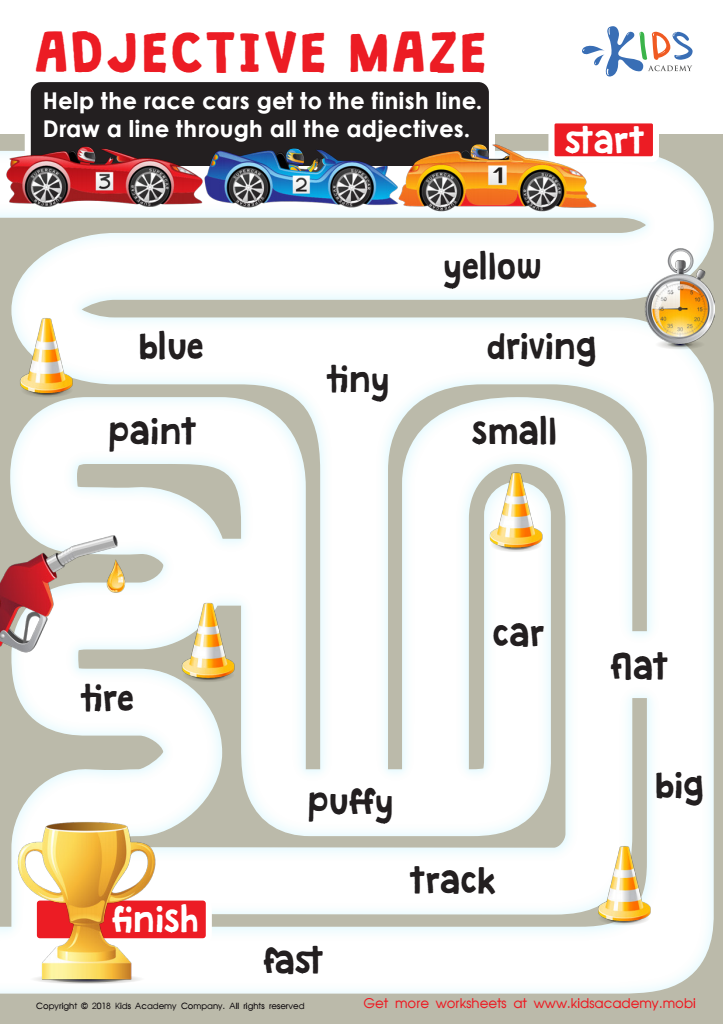
Adjective Maze Worksheet
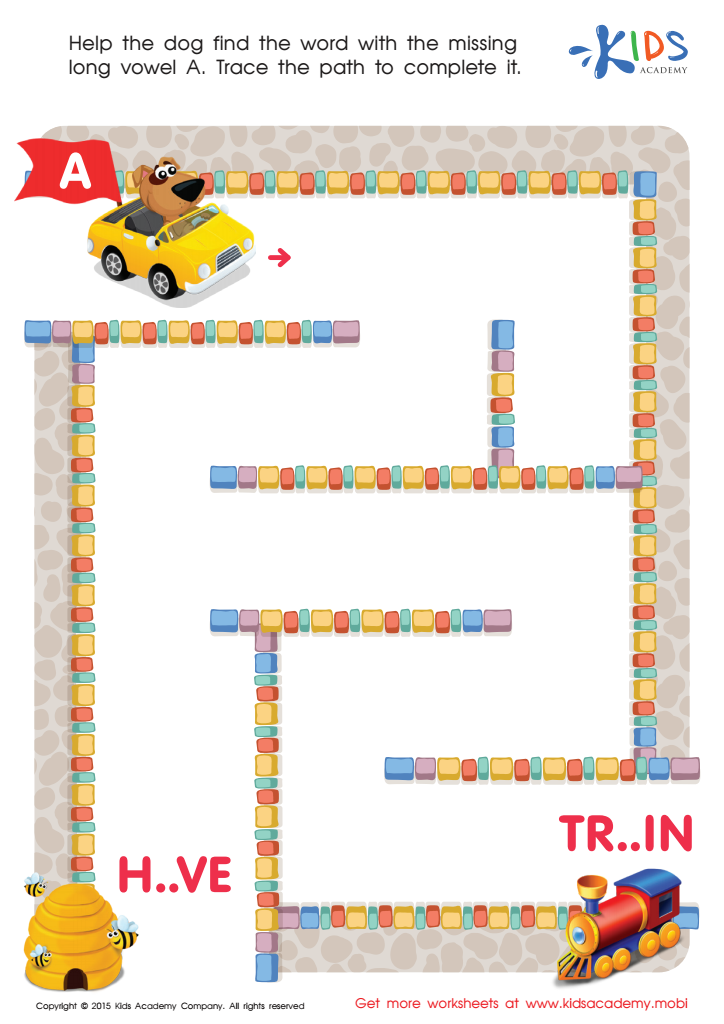
Long Vowel Sound A Worksheet
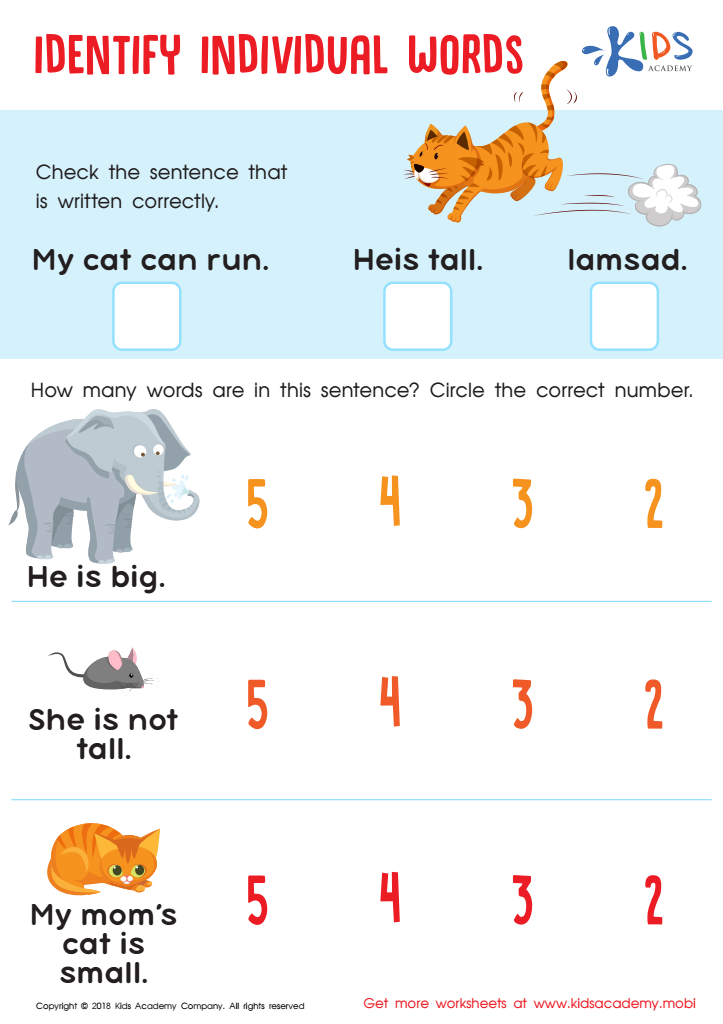
Identify Individual Words Worksheet
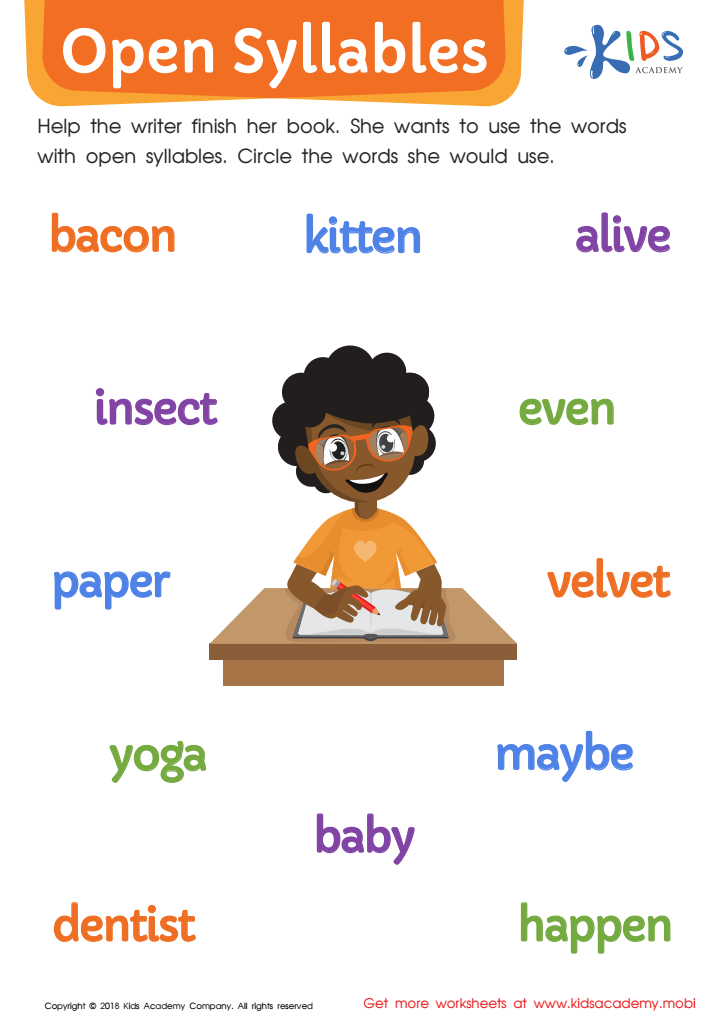
Open Syllables Worksheet
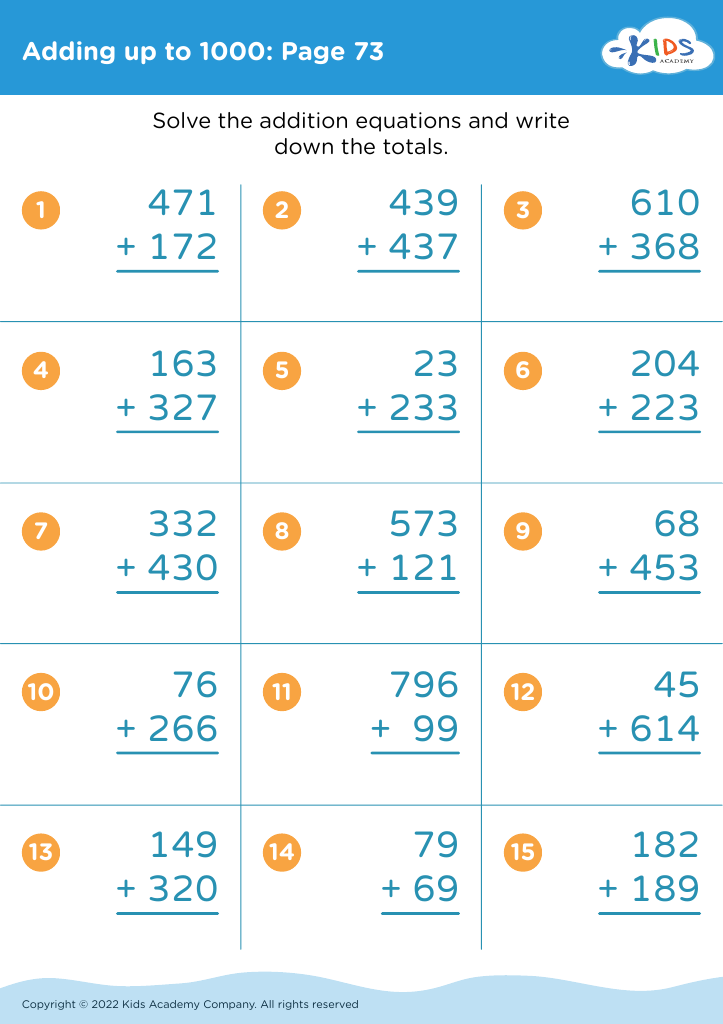
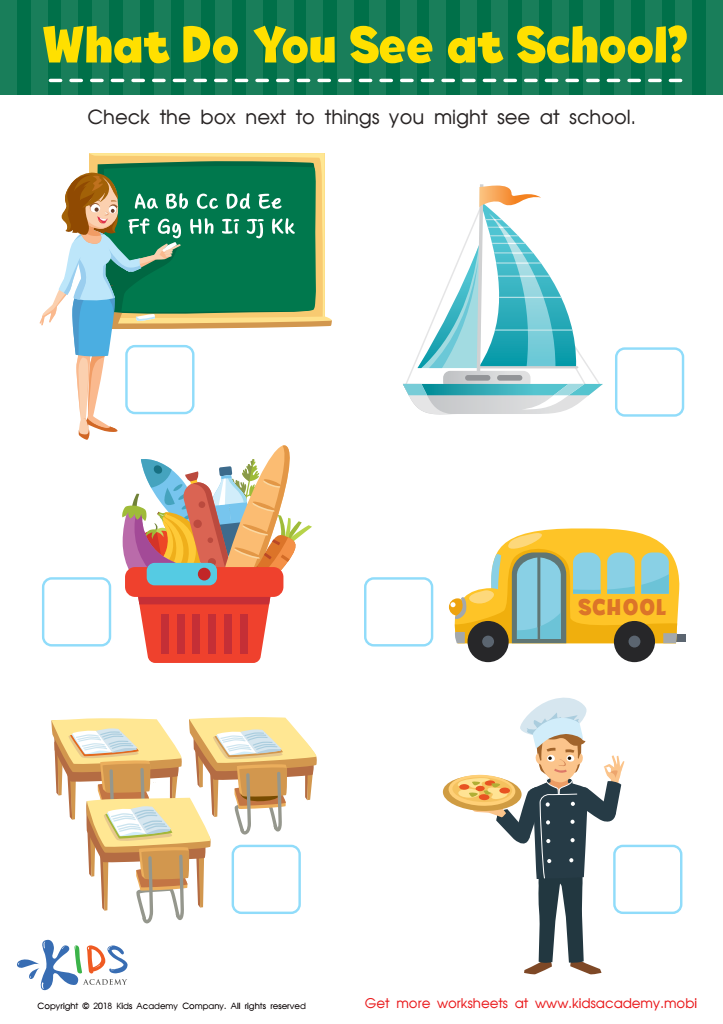
What Do you See at School? Worksheet
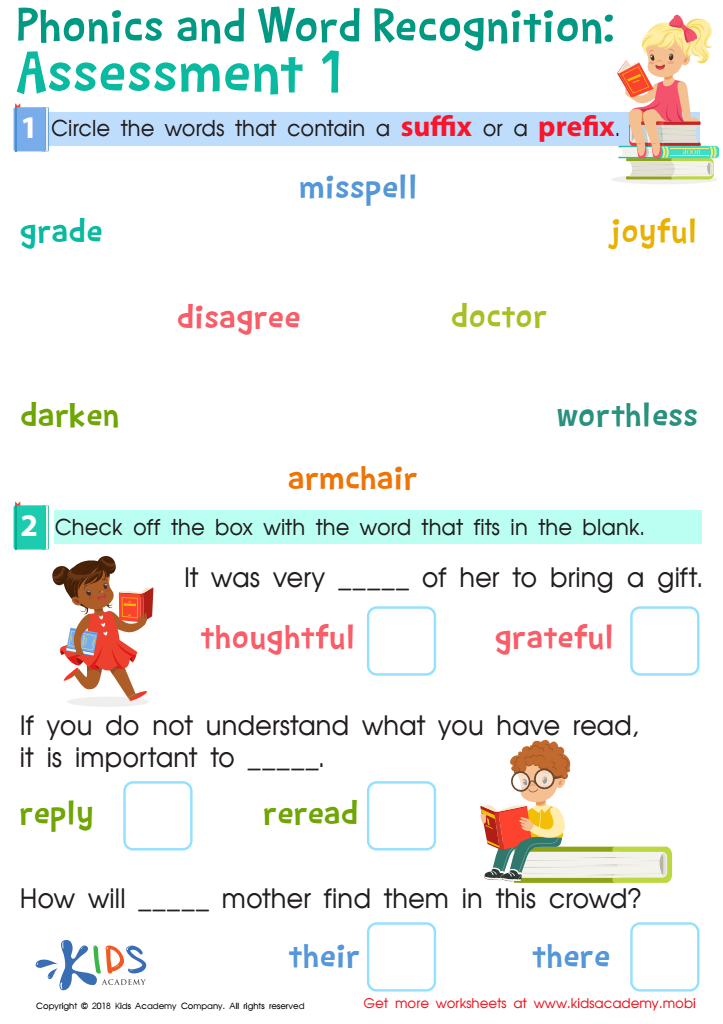
Phonics and Word Recognition: Assessment 1 Worksheet
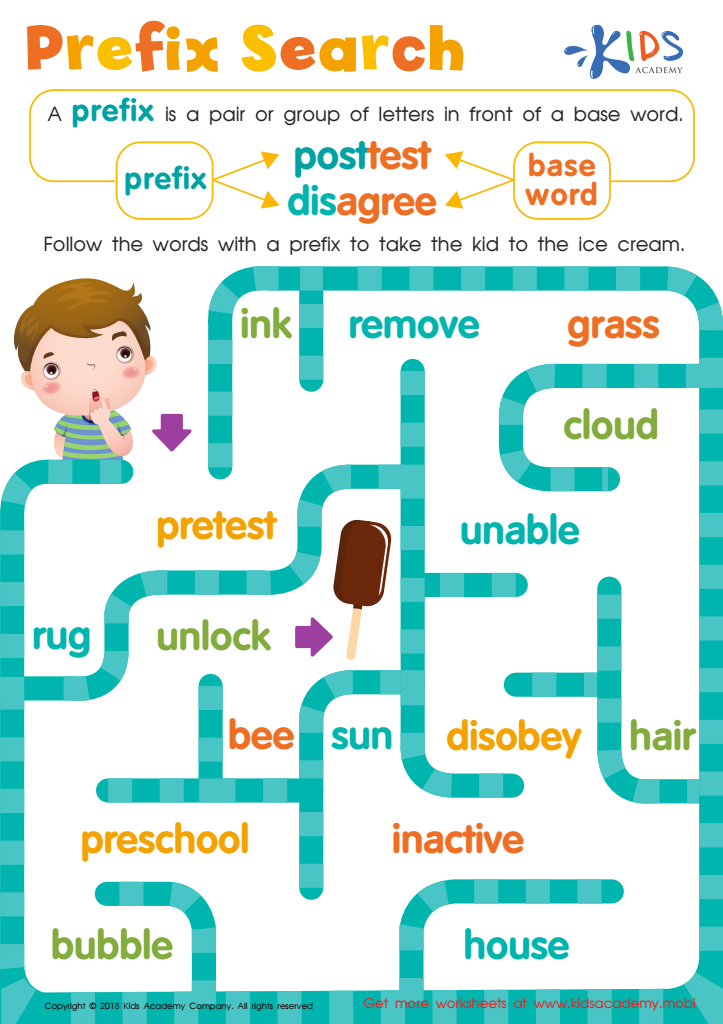
Reading: Prefix Search Worksheet
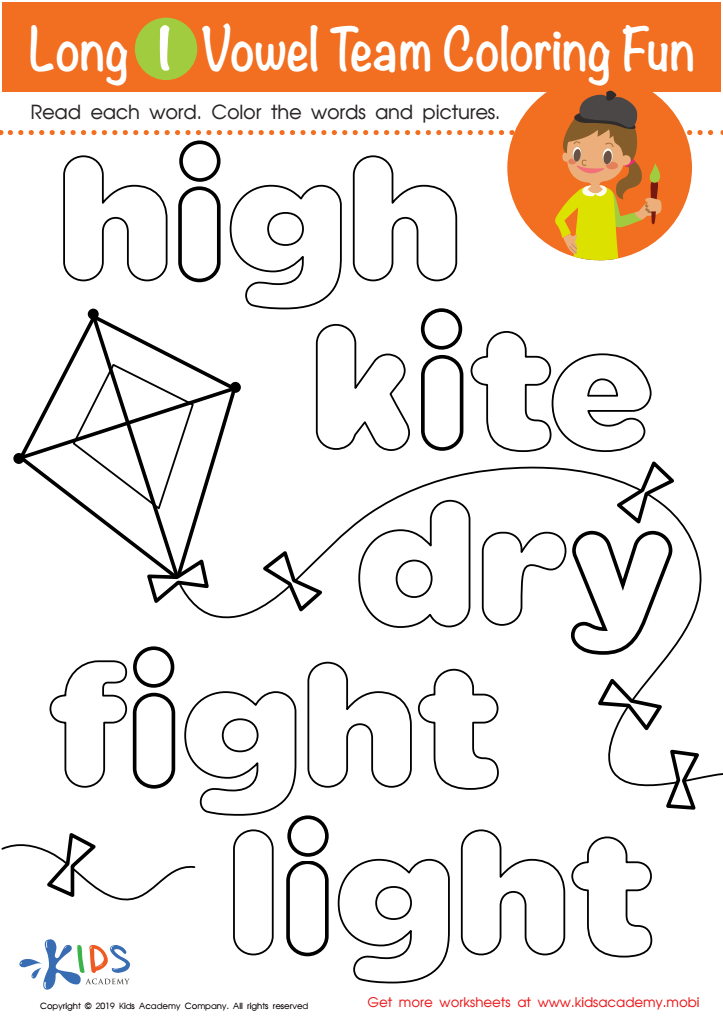
Long I Vowel Team Coloring Worksheet
 Assign to My Students
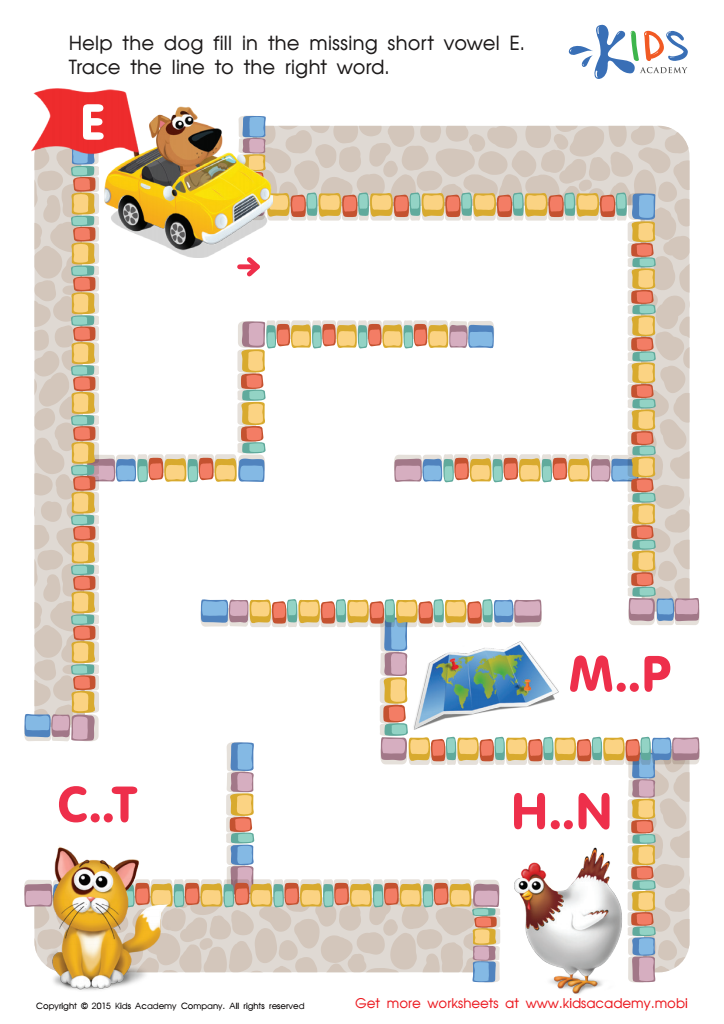
Short Vowel Sound E Worksheet
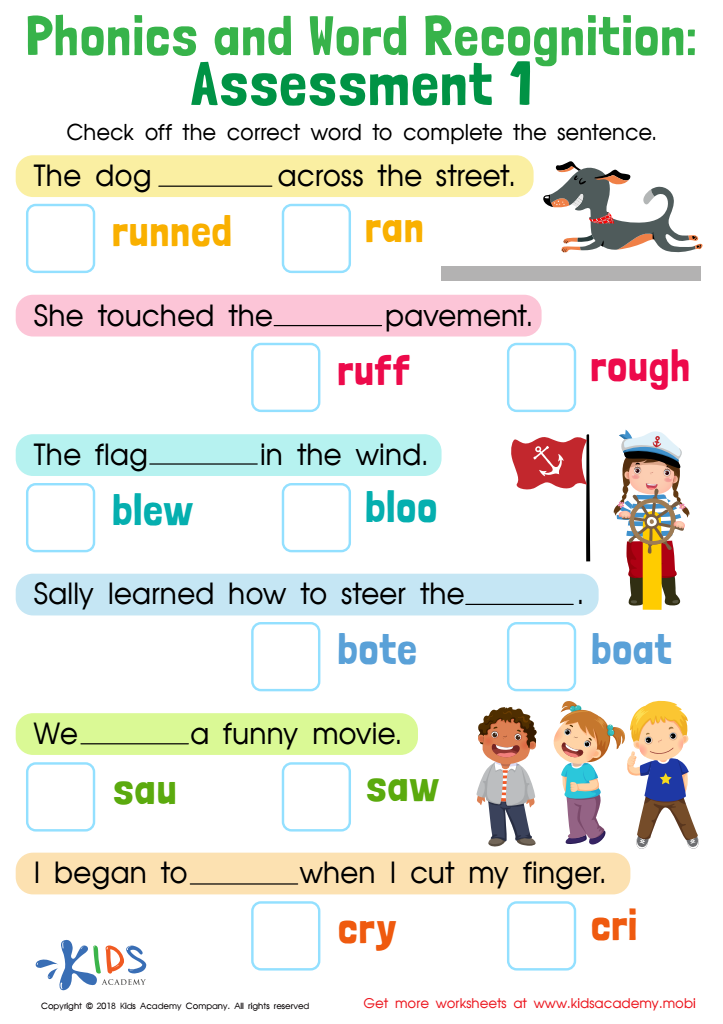
Phonics and Word Recognition: Assessment 1 Worksheet
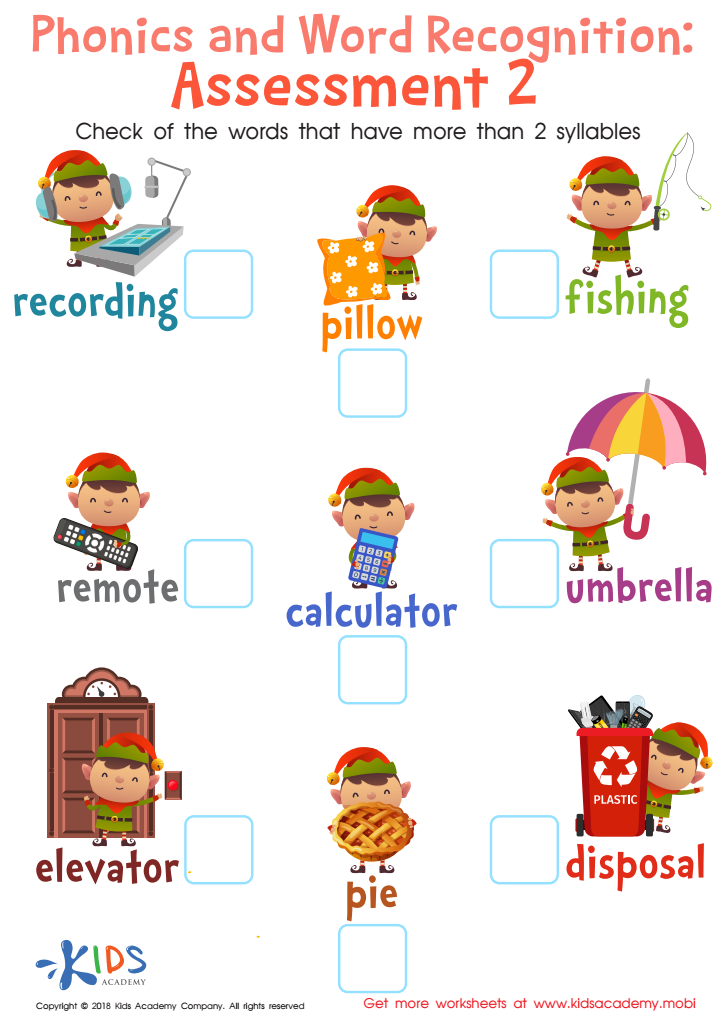
Phonics and Word Recognition: Assessment 2 Worksheet
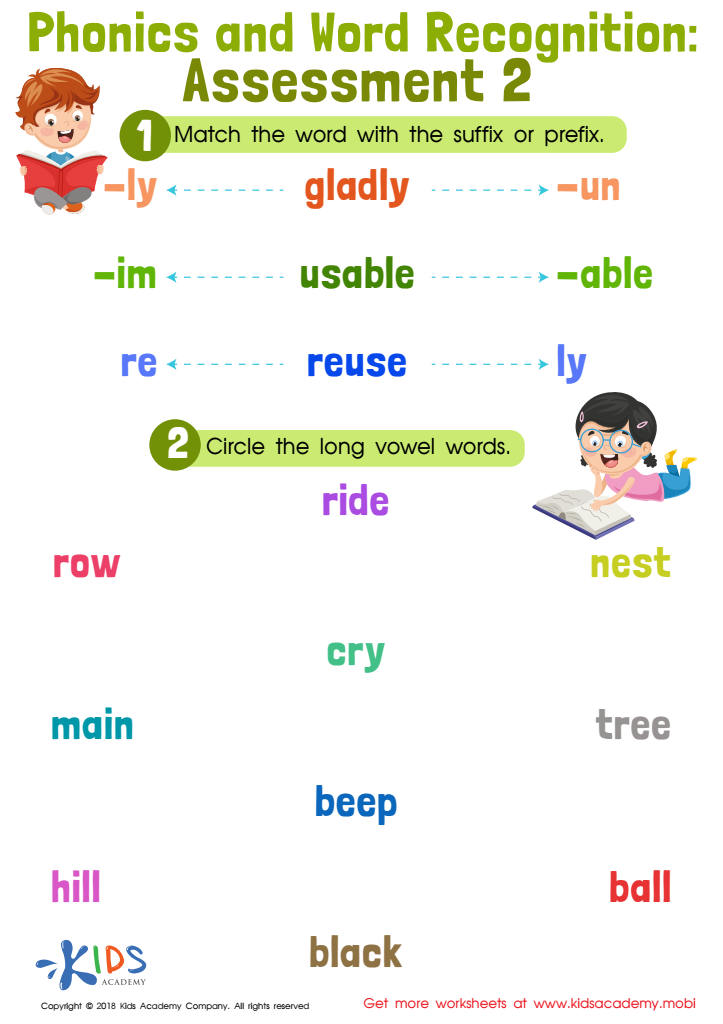
Phonics and Word Recognition: Assessment 2
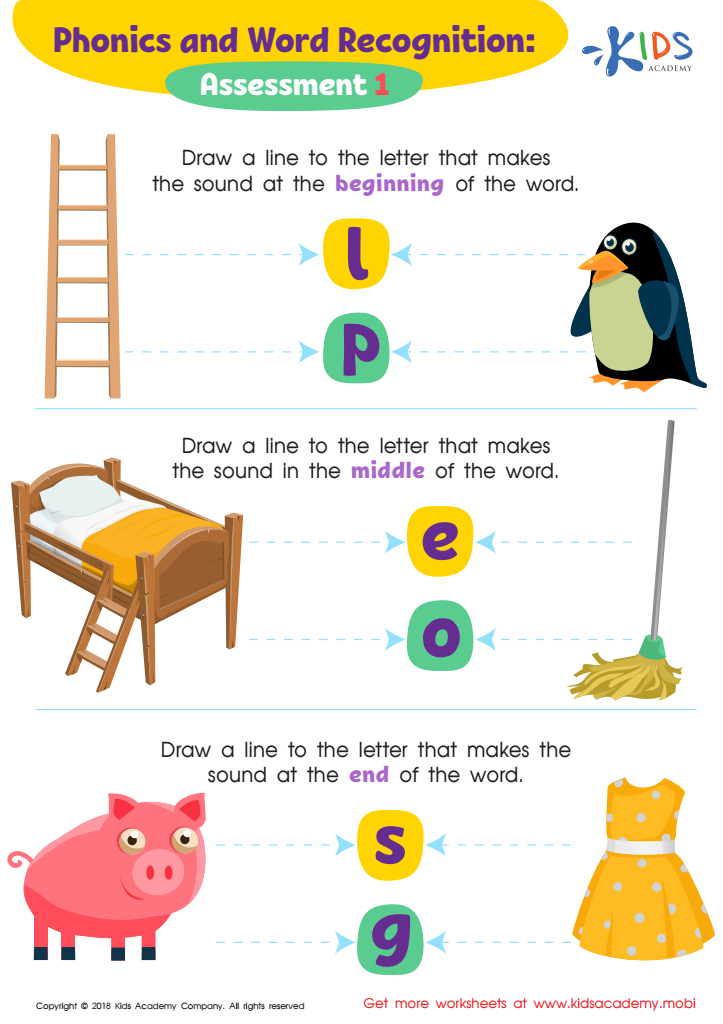
Phonics and Word Recognition: Assessment 1 ELA Worksheet








Word identification is a crucial skill for children ages 4-9, as it lays the foundation for their literacy development. Parents and teachers should care about this skill because it directly impacts a child's ability to read and comprehend text effectively. Early mastery of word identification not only boosts reading fluency but also enhances vocabulary acquisition and comprehension skills, all of which are vital for academic success.
At this developmental stage, children are exposed to diverse print materials, and familiarizing them with word identification strategies can foster a love for reading. Recognizing sight words and understanding phonetics help children decode new words, making reading less daunting and more enjoyable. Moreover, strong word identification abilities improve confidence, encouraging children to engage more actively in reading activities.
In addition, word identification skills contribute to a child's overall cognitive development. Reading is closely tied to critical thinking, problem-solving, and language development, which are essential skills in both academic and everyday contexts. By supporting word identification, parents and teachers empower their children with lifelong skills that will serve them in all areas of learning and communication. Therefore, investing time and effort in developing these skills during ages 4-9 is vital for fostering a successful future in literacy and learning.








