Number Sequencing Addition & Subtraction Worksheets for Ages 4-9

Our Number Sequencing Addition & Subtraction Worksheets are the perfect tools to help young learners enhance their math skills. Designed for children ages 4-9, these engaging activities focus on developing proficiency in adding and subtracting within a sequence of numbers. With a wide variety of creatively designed exercises, these worksheets aim to make learning fun and effective. They are ideal for both classroom use and home practice, enabling kids to build a strong foundation in math through playful and interactive problem-solving. Boost your child's confidence and skills with our expertly crafted worksheets today!
Check out this FREE Trial Lesson on Addition & Subtraction for age 4-9!

Figure out the Unknown Number

Favorites
With answer key
Interactive
  • 4-9
  • Number Sequencing
  • Addition & Subtraction
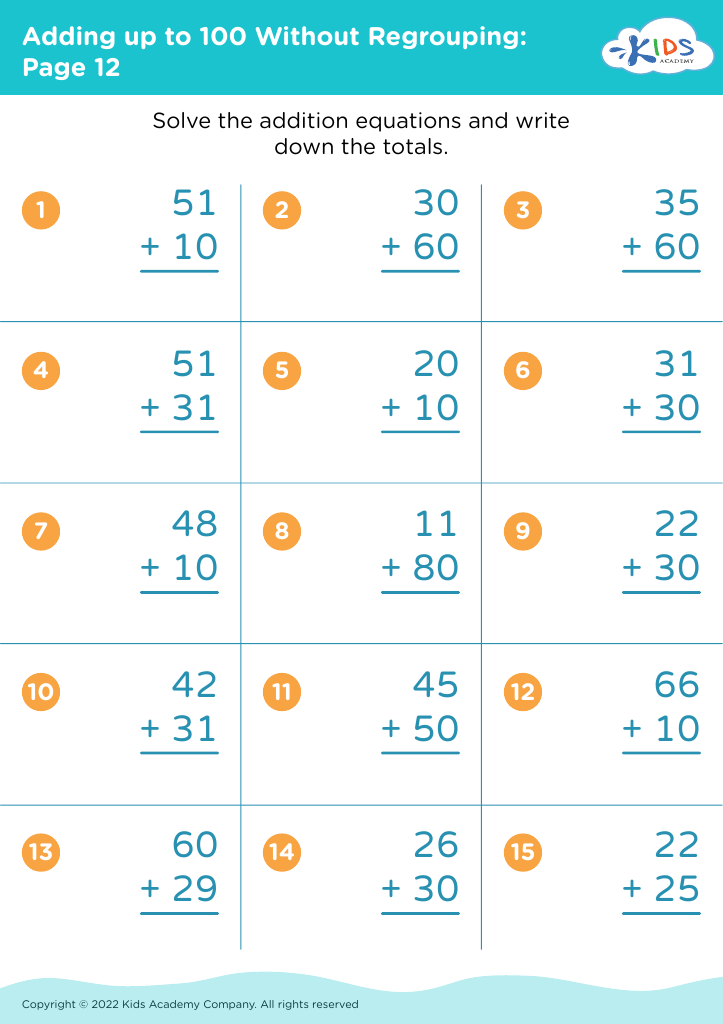
Adding up to 100 Without Regrouping: Page 12
Worksheet
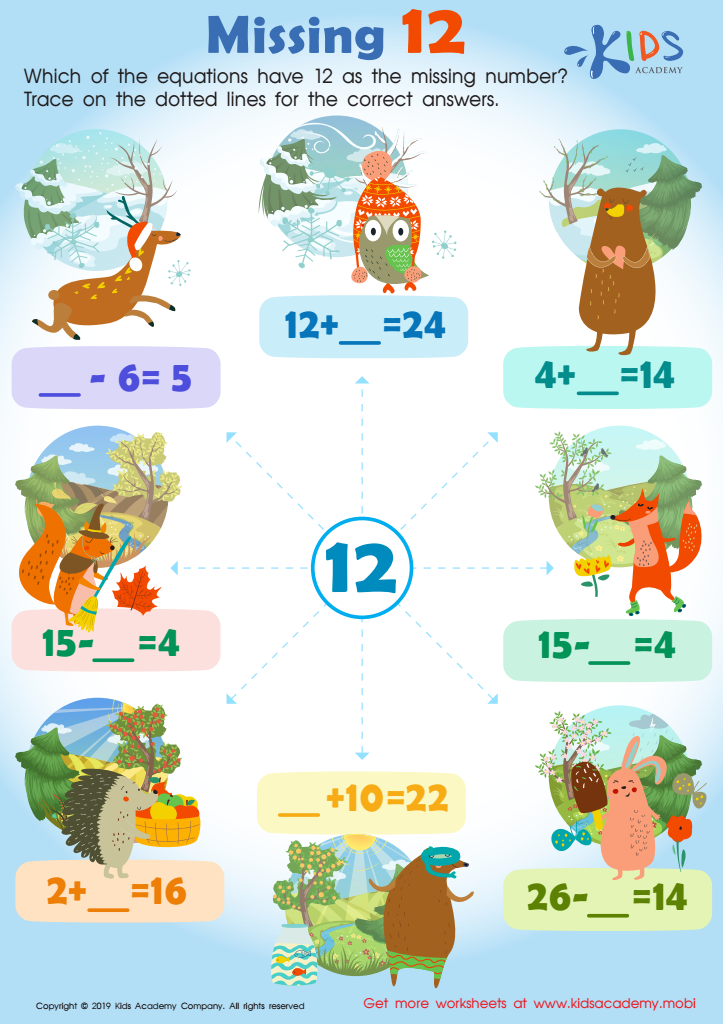
Missing 12 Worksheet

Missing 12 Worksheet

Help your kids find the missing number in this fun nature worksheet. Engage them with this educational exercise - combining teaching and fun. Encourage them to practice addition and subtraction skills. Look at the picture with them. Which equations have 12 as the missing number? Guide them to trace the dotted lines for the correct answers.
Missing 12 Worksheet
Worksheet
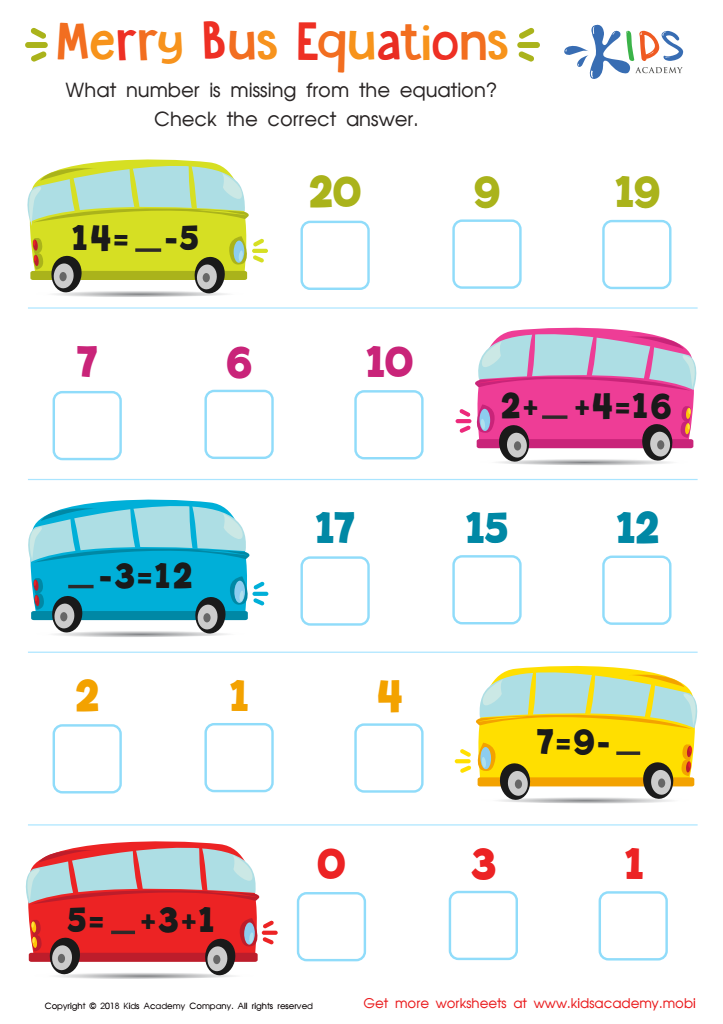
Merry Bus Equations Worksheet

Merry Bus Equations Worksheet

Help your child master elementary math with this fun worksheet! Featuring colorful buses and a variety of addition and subtraction equations, some with 3-digit numbers, it encourages kids to find the missing number and choose the correct answer. Give them the practice they need for success!
Merry Bus Equations Worksheet
Worksheet
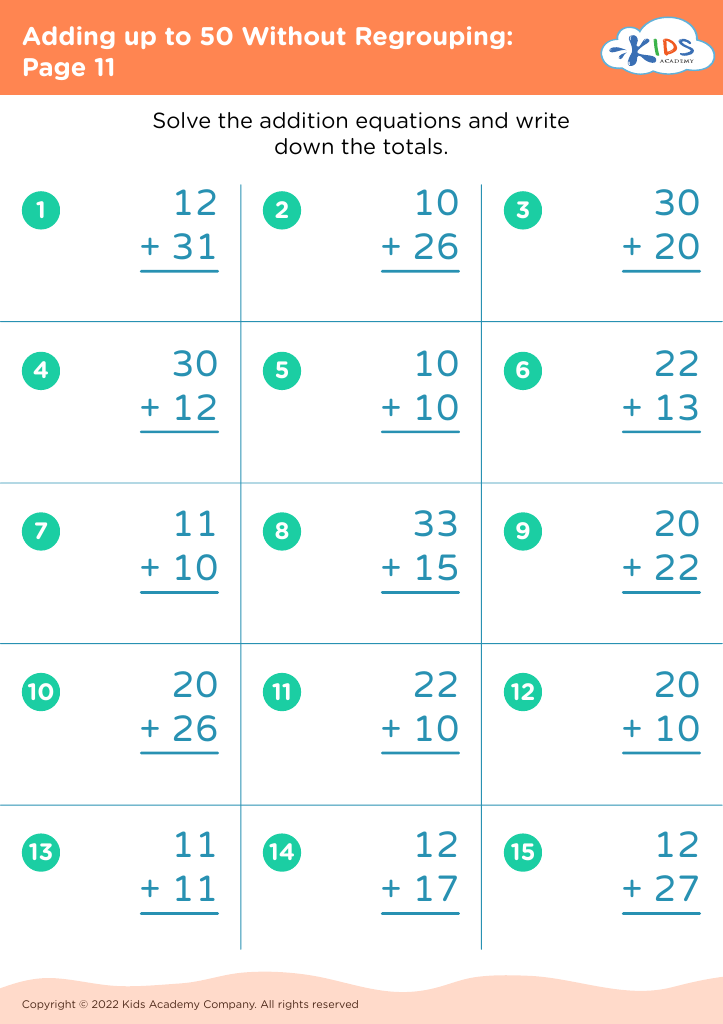
Adding up to 50 Without Regrouping: Page 11
Worksheet
Second Grade Math Worksheets

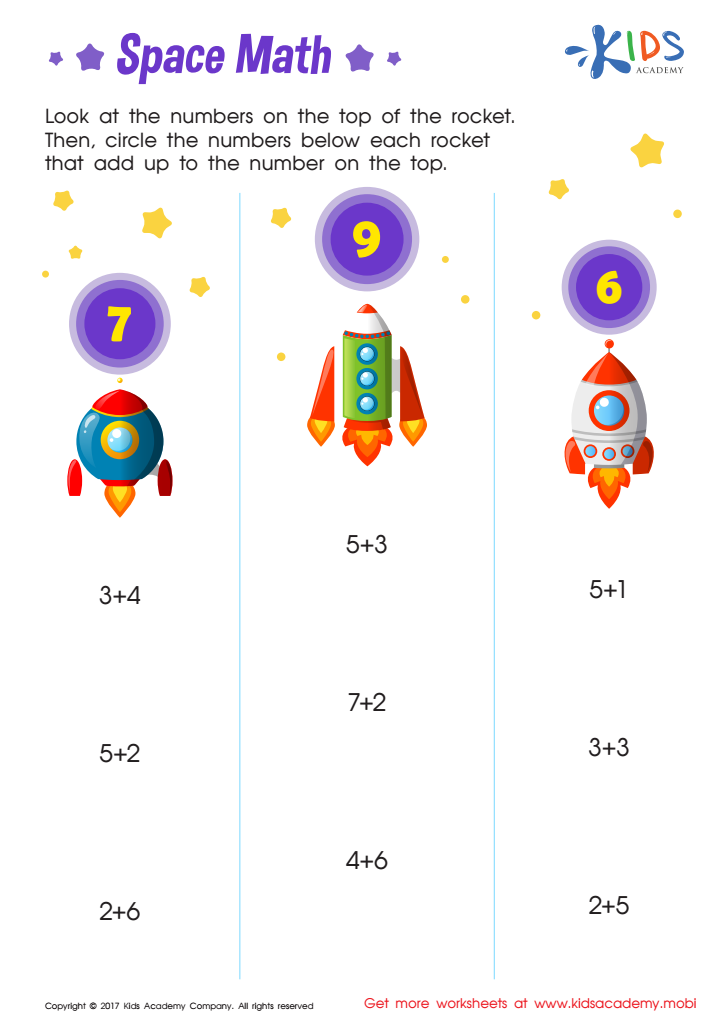
Addition: Space Math Worksheet

Fun and engaging space-themed practice with vivid pictures and matching numbers will make learning more meaningful. Take their math skills out of this galaxy today with Kids Academy!
Addition: Space Math Worksheet
Worksheet
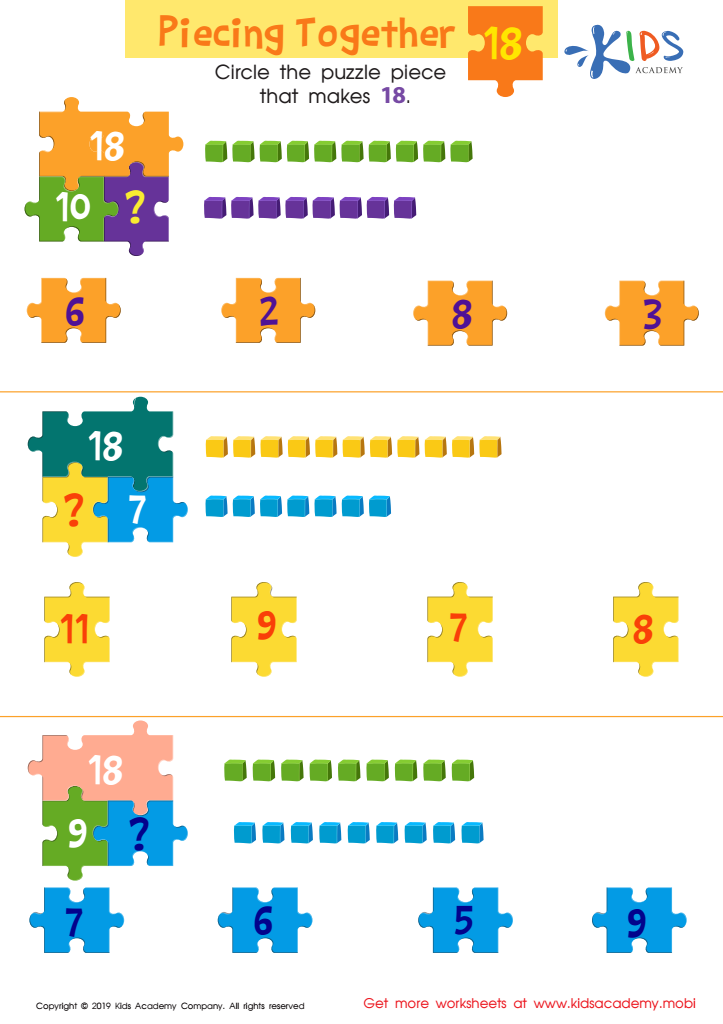
Piecing Together 18 Worksheet

Piecing Together 18 Worksheet

Let your preschoolers learn and have fun with this colorful worksheet. Look at the picture with them and ask what they see. Help them solve the equations missing on each puzzle piece and then circle the one that will make the bottom puzzle piece numbers equal 16. Puzzles and bright colors make learning easy and enjoyable!
Piecing Together 18 Worksheet
Worksheet
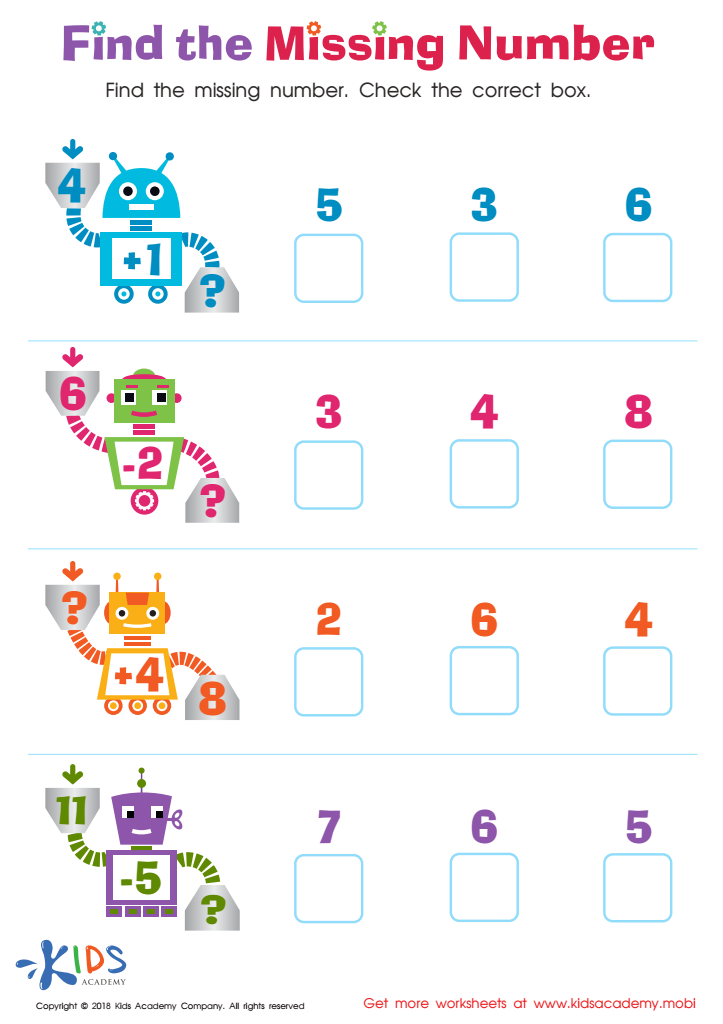
Find the Missing Number Worksheet
Find the Missing Number Worksheet
Repetition and practice are key to success in elementary math. Kids Academy's printable worksheet featuring delightful robots with addition and subtraction problems is a great way to reinforce this. Your child must find the missing number, check the box and complete the sheet. Here's a fun way to foster learning!
Find the Missing Number Worksheet
Worksheet
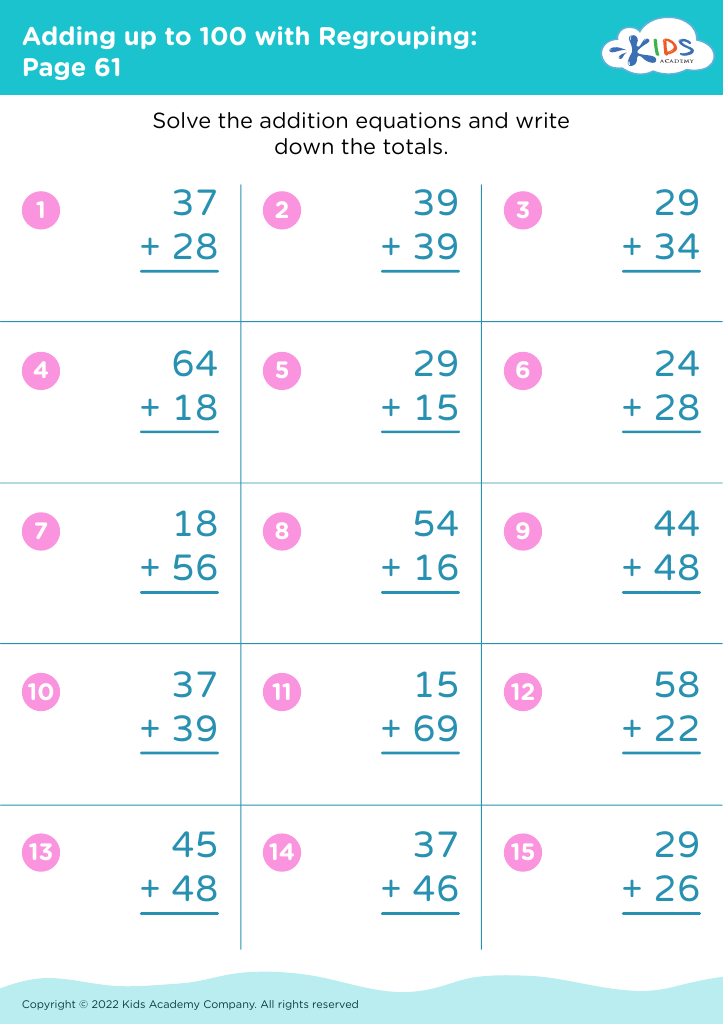
Adding up to 100 with Regrouping: Page 61
Worksheet
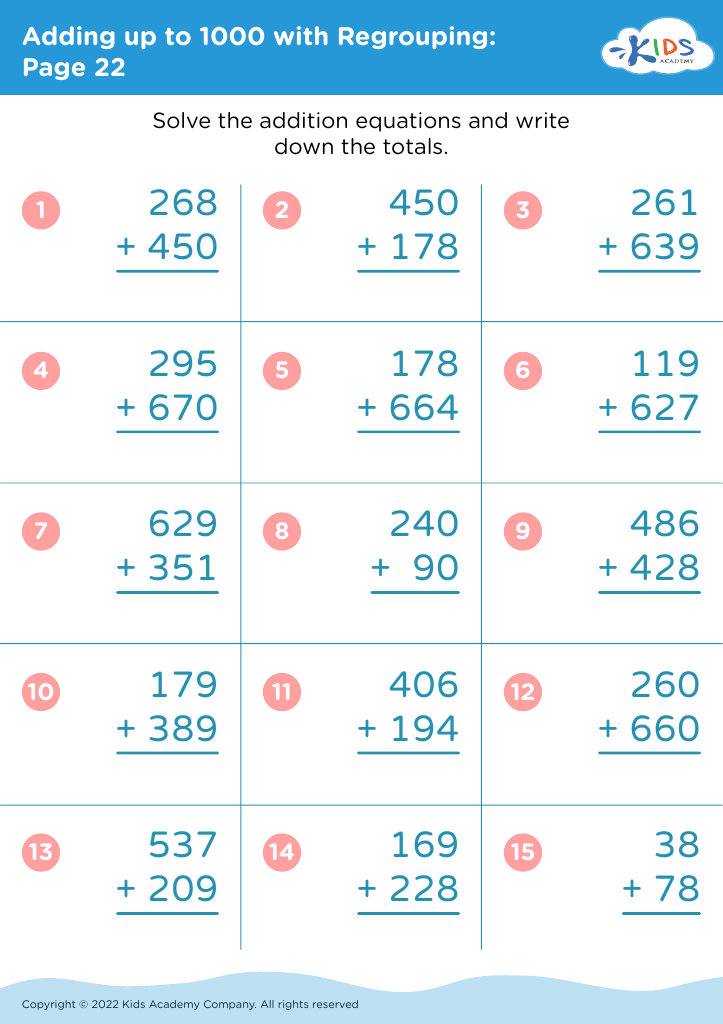
Adding up to 1000 with Regrouping: Page 22
Worksheet
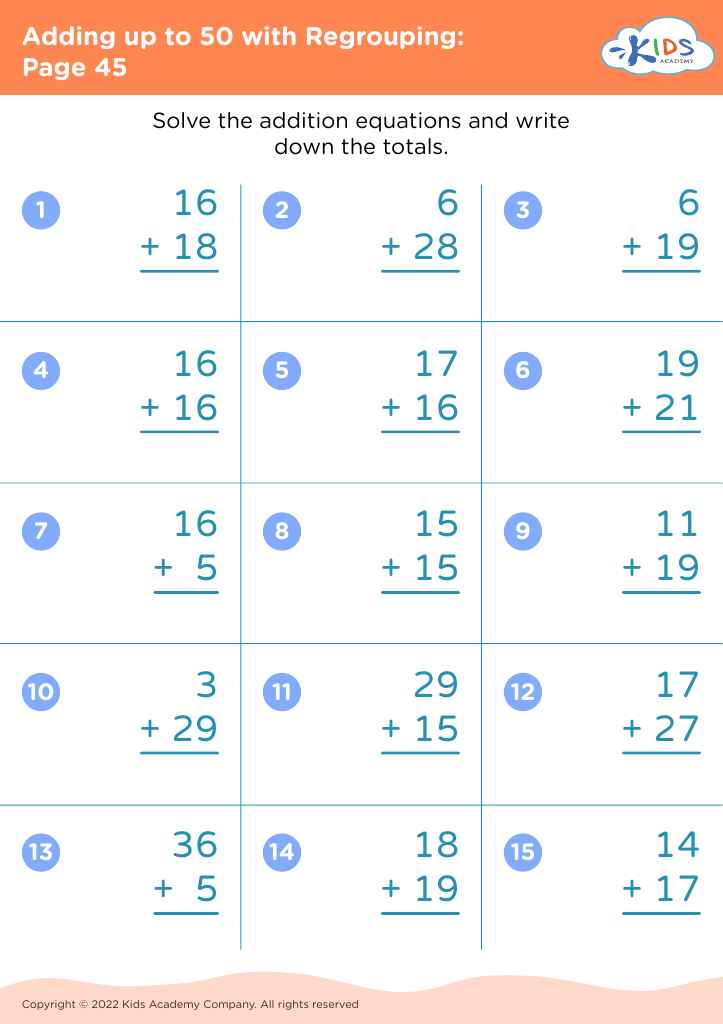
Adding up to 50 with Regrouping: Page 45
Worksheet
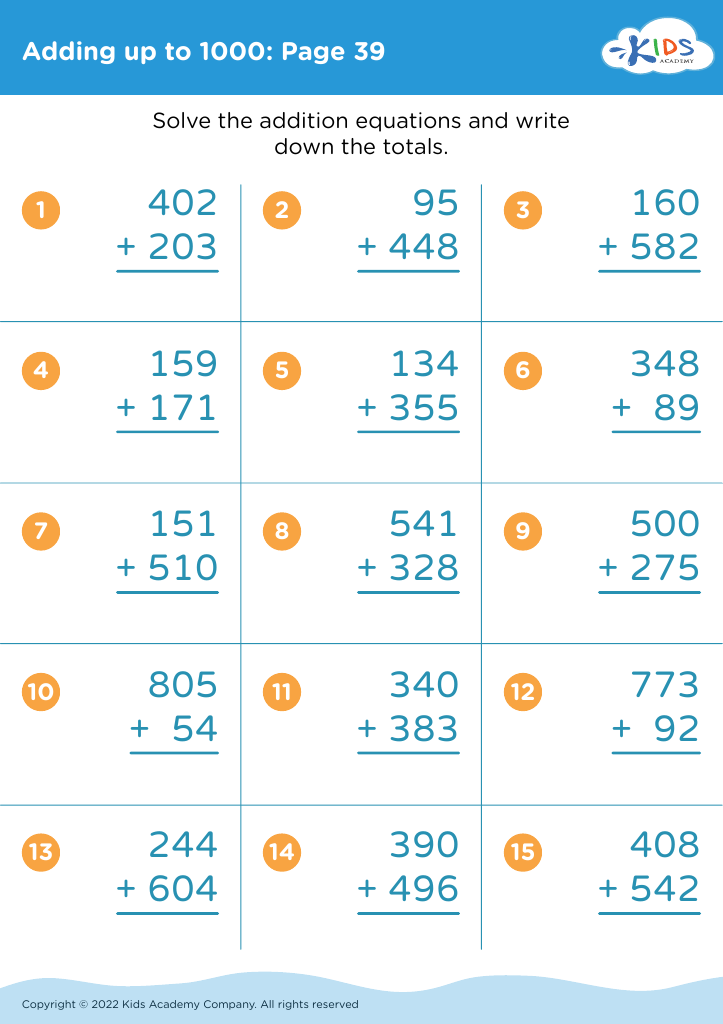
Adding up to 1000: Page 39

Adding up to 1000: Page 39

Adding up to 1000: Page 39
Worksheet
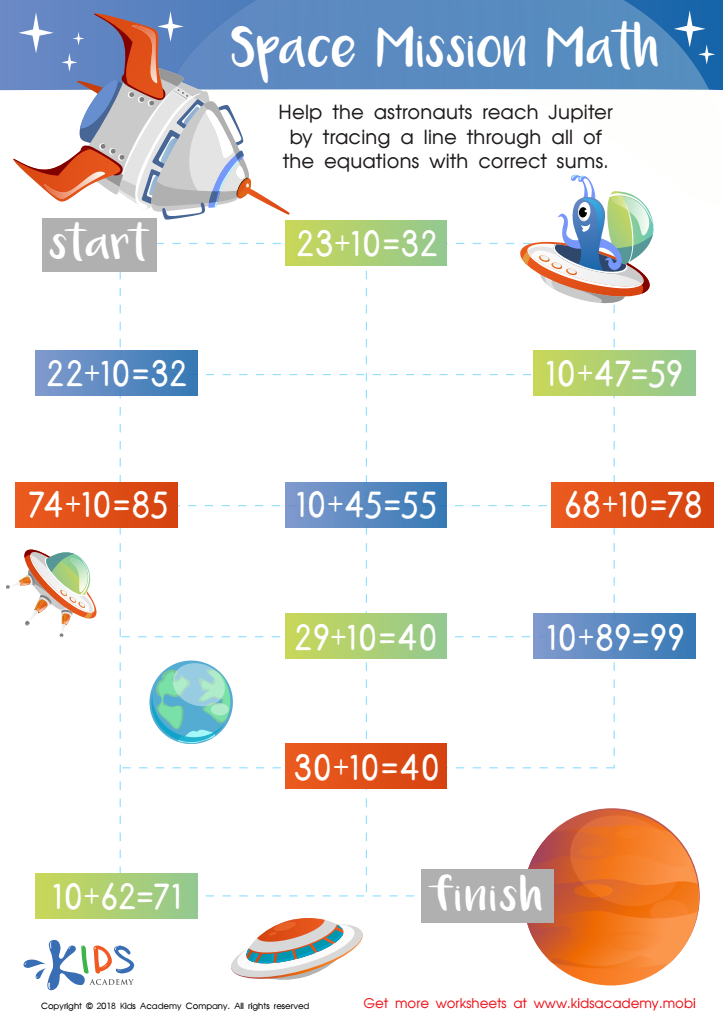
Space Mission Math Worksheet

Space Mission Math Worksheet

Your kids will love this worksheet! They can help astronauts reach Jupiter by tracing a line through all the equations and adding them up correctly. Spark their curiosity about space by exploring asteroids, planets, and aliens. Astronauts are professionals who study the complexities of space - let them help your child join in the journey!
Space Mission Math Worksheet
Worksheet
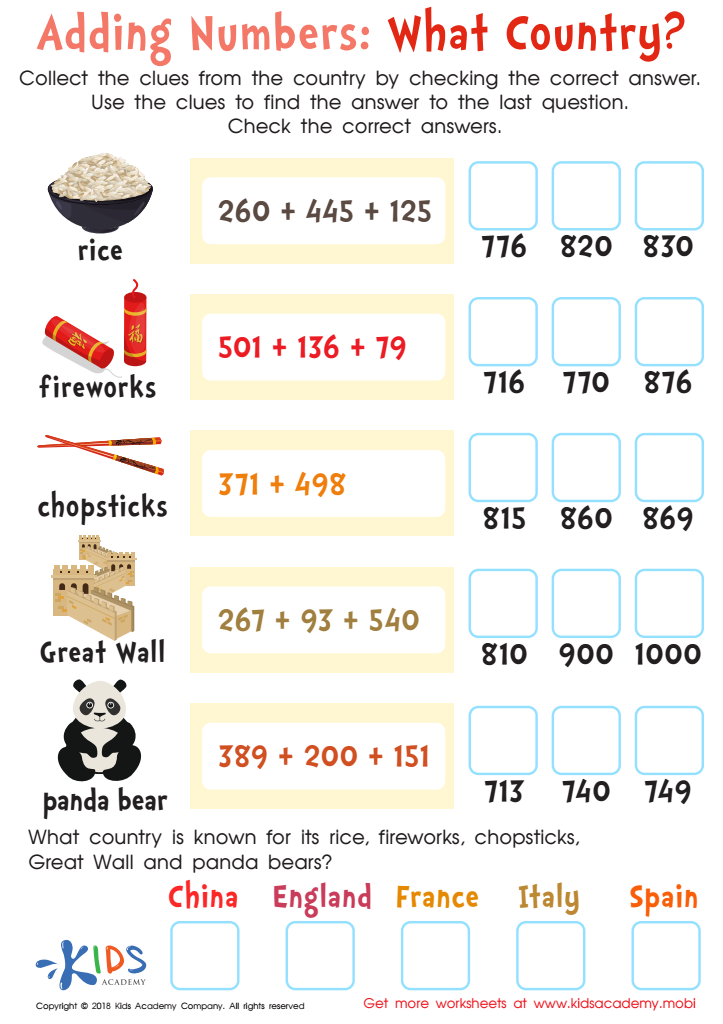
Adding Numbers: What Country Worksheet
Adding Numbers: What Country Worksheet
Students can use this worksheet to learn more about different countries. Have them collect clues from the worksheet to answer the last question. Help them check the correct answer, and they'll gain knowledge about each country's food, animals, celebrations, and landmarks.
Adding Numbers: What Country Worksheet
Worksheet
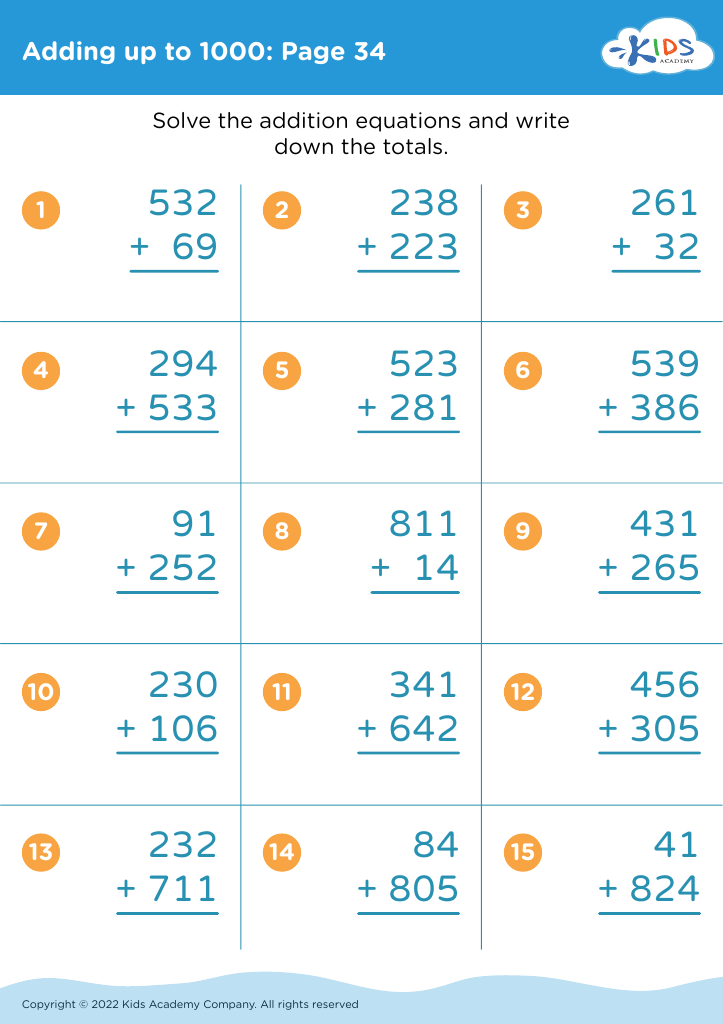
Adding up to 1000: Page 34

Adding up to 1000: Page 34

Adding up to 1000: Page 34
Worksheet
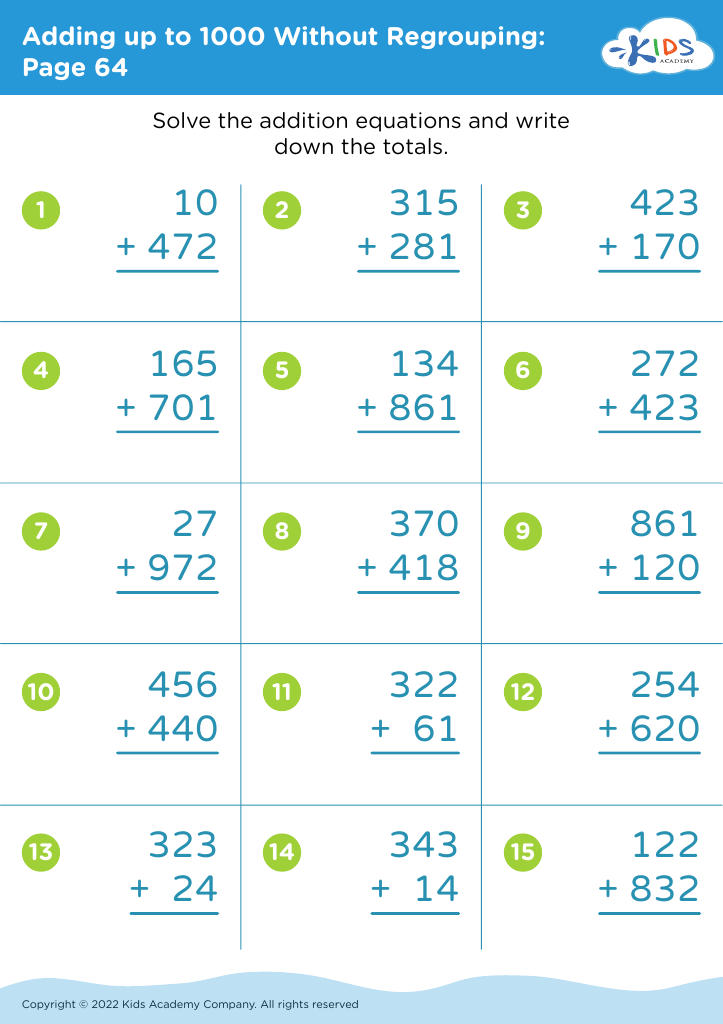
Adding up to 1000 Without Regrouping: Page 64
Worksheet
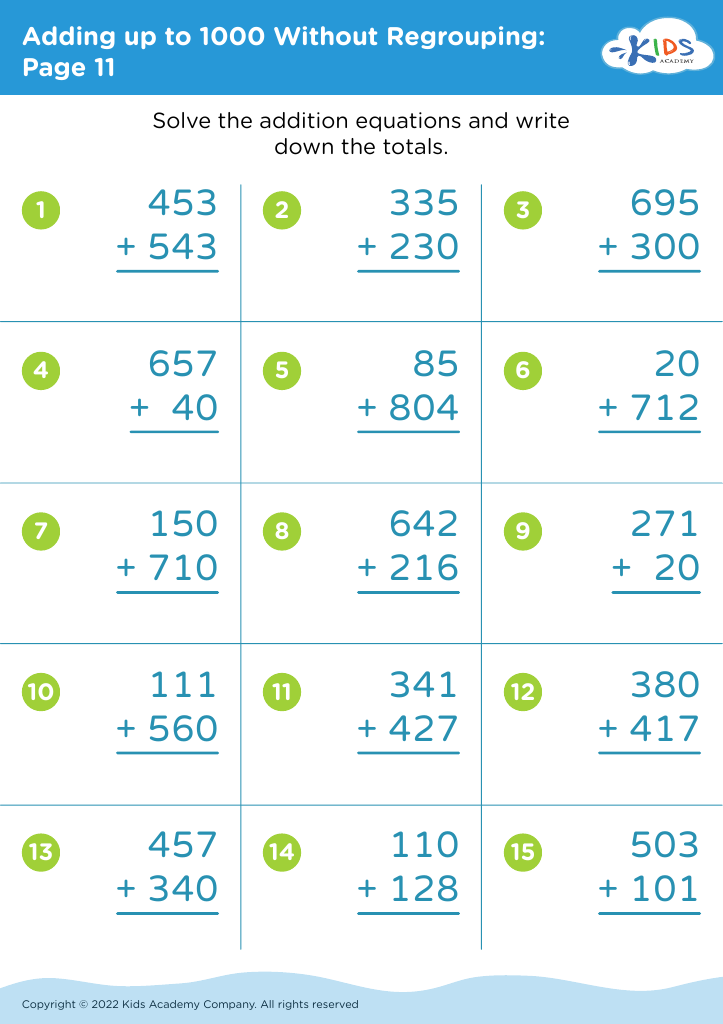
Adding up to 1000 Without Regrouping: Page 11
Worksheet
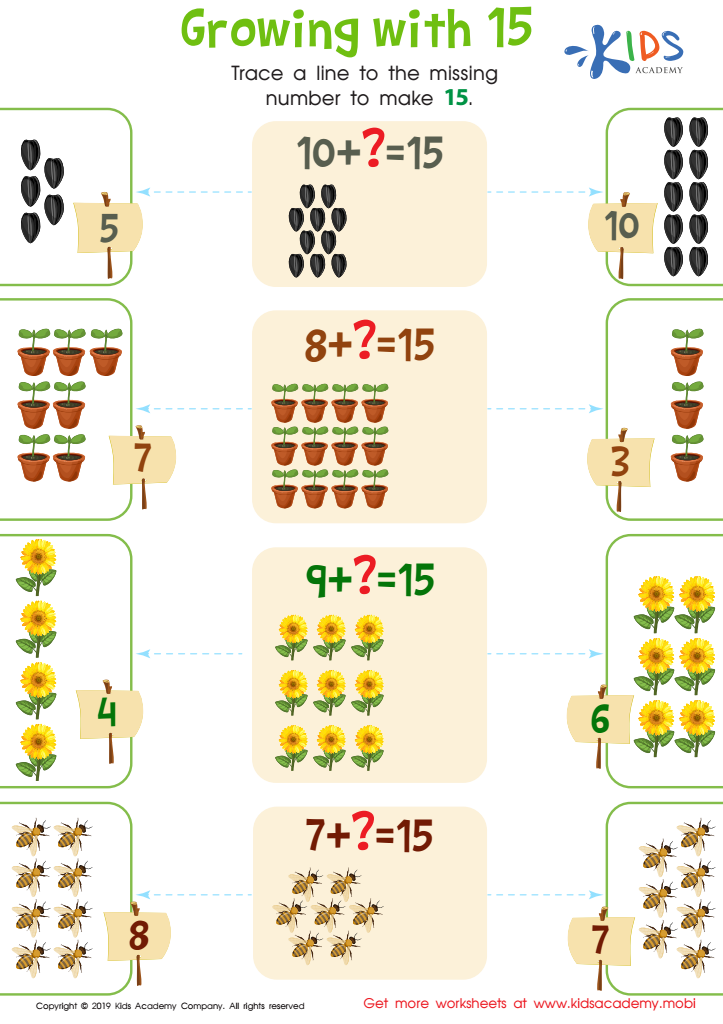
Growing with 15 Worksheet


Growing with 15 Worksheet

Remind your kids that adding different sets of numbers can give the same total (e.g. 2+3=5, 4+1=5). Test their understanding by asking them for more examples. Move onto the worksheet: count objects, then trace the line to the number making a total of 15.
Growing with 15 Worksheet
Worksheet


Number sequencing, addition, and subtraction are foundational math skills essential for children ages 4-9. Mastering these concepts is crucial for several reasons.

Firstly, young children's brains are highly receptive to new information, and early math skills form the basis for more complex mathematical reasoning later in life. By understanding number sequencing, children learn to recognize patterns and relationships between numbers, which are fundamental for future topics such as multiplication and division.

Addition and subtraction are the building blocks of arithmetic. These operations teach children about the concepts of increase, decrease, and the conservation of numbers—core principles of math that also enhance problem-solving skills. Effective problem-solving skills extend beyond math into everyday life; making decisions, planning, and understanding sequences all require logical thinking.

Moreover, early proficiency in math correlates with overall academic success. Research shows children who excel in early math often perform better in other subjects as well, including reading. Finally, fostering a love for math at a young age can boost children's confidence and encourage a growth mindset, allowing them to approach different subjects with persistence and curiosity.

In essence, parents and teachers should emphasize number sequencing, addition, and subtraction because these skills not only fortify a child's academic foundation but also inspire a lifetime of learning and critical thinking.