Subtraction practice Addition & Subtraction Worksheets for Ages 4-9 - Page 3
77 filtered results
-
From - To
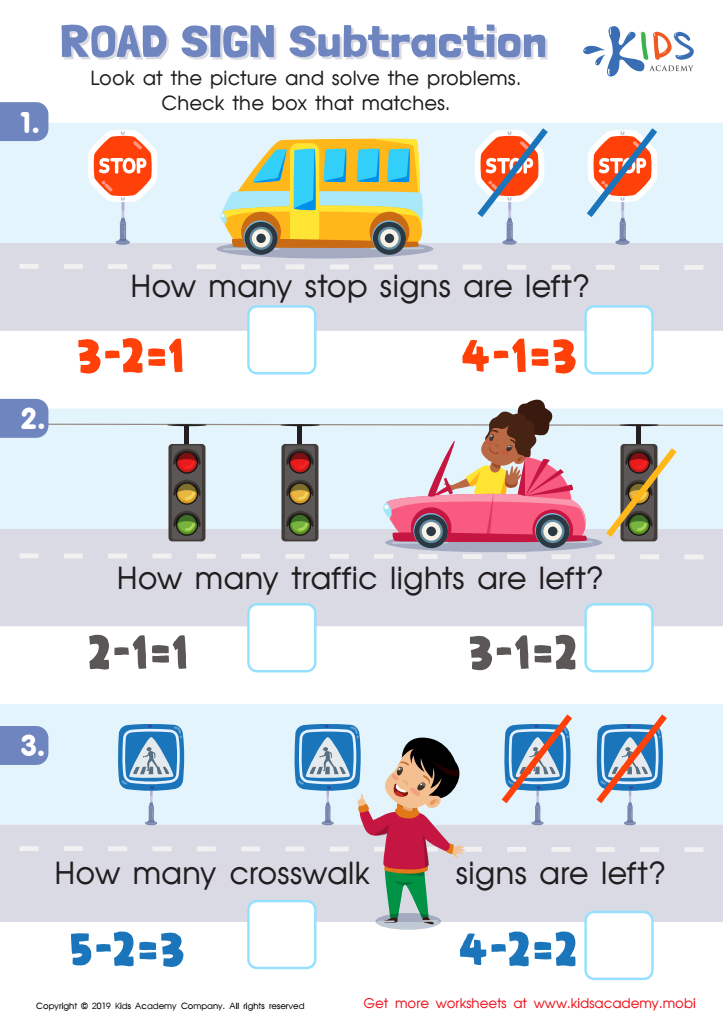
Road Sign Subtraction Worksheet
 Assign to My Students
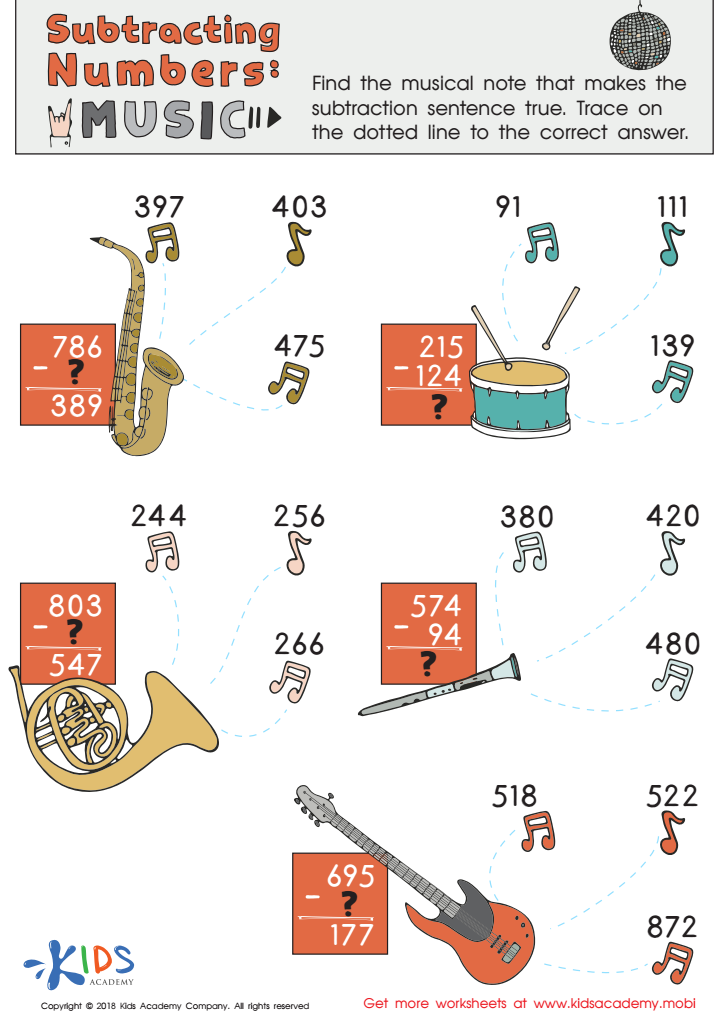
Subtracting Numbers: Music Worksheet
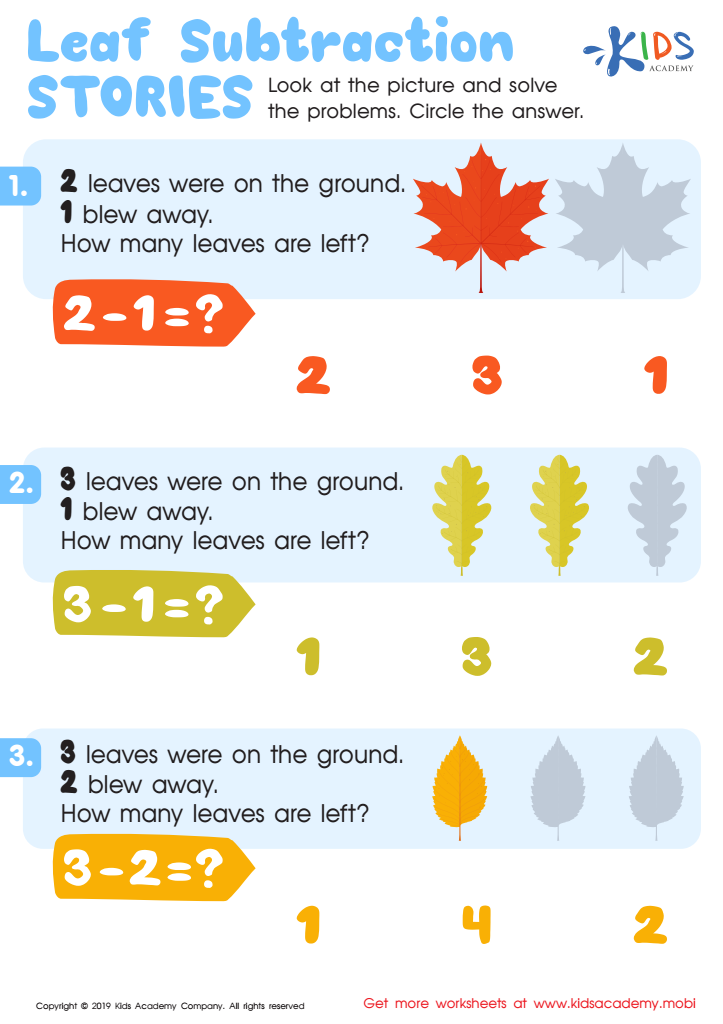
Leaf Subtraction Stories Worksheet
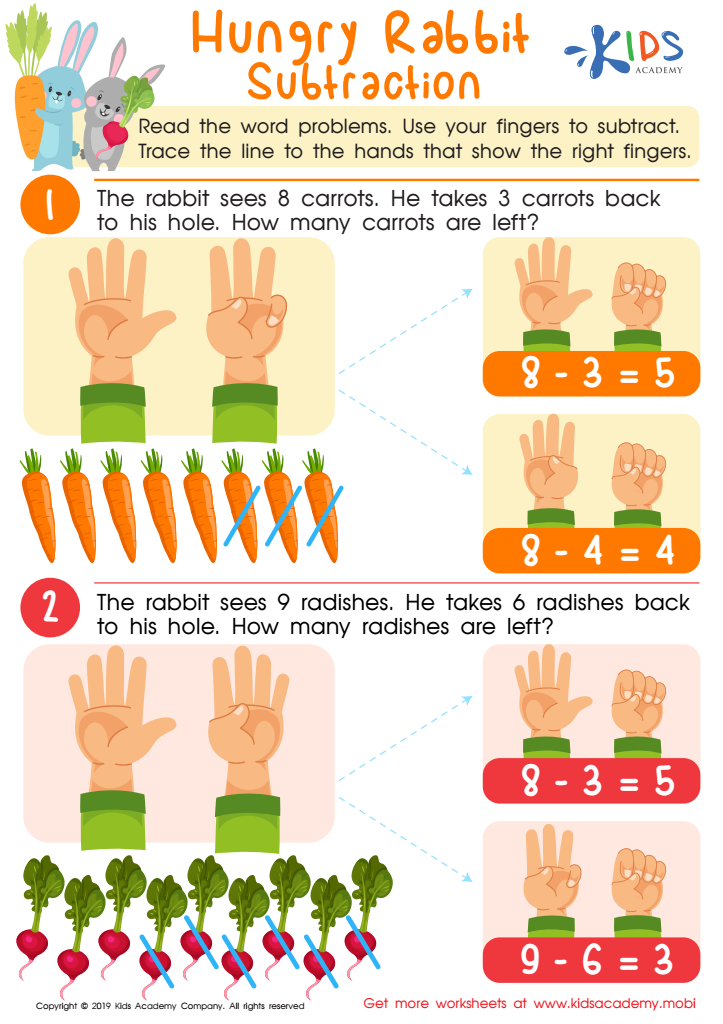
Hungry Rabbit Subtraction Worksheet
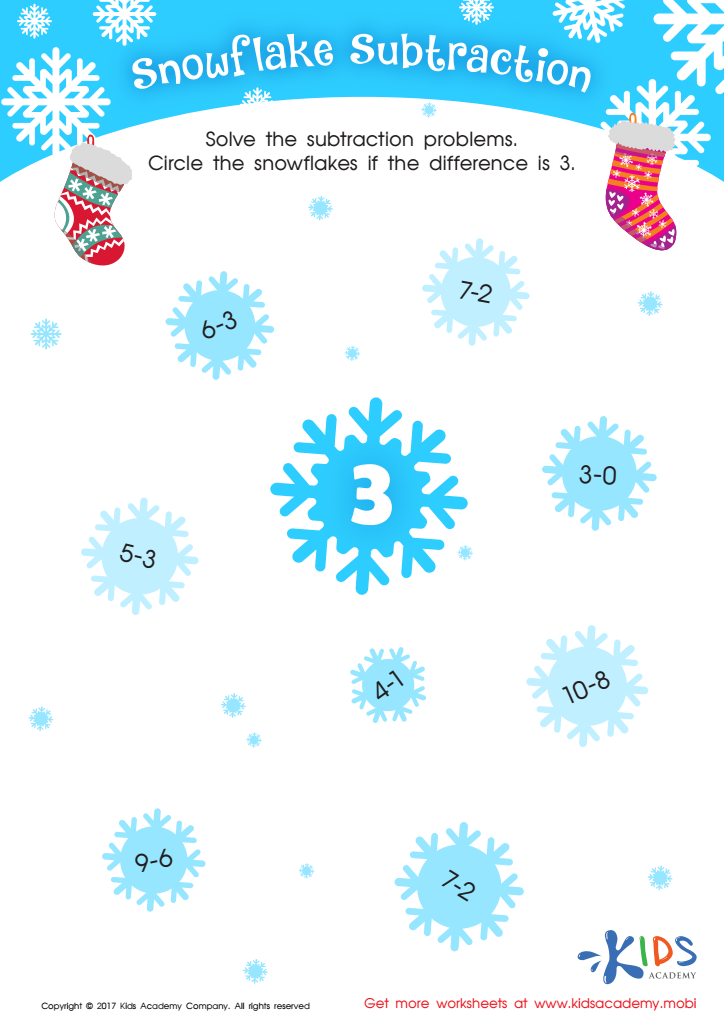
Snowflake Subtraction Worksheet
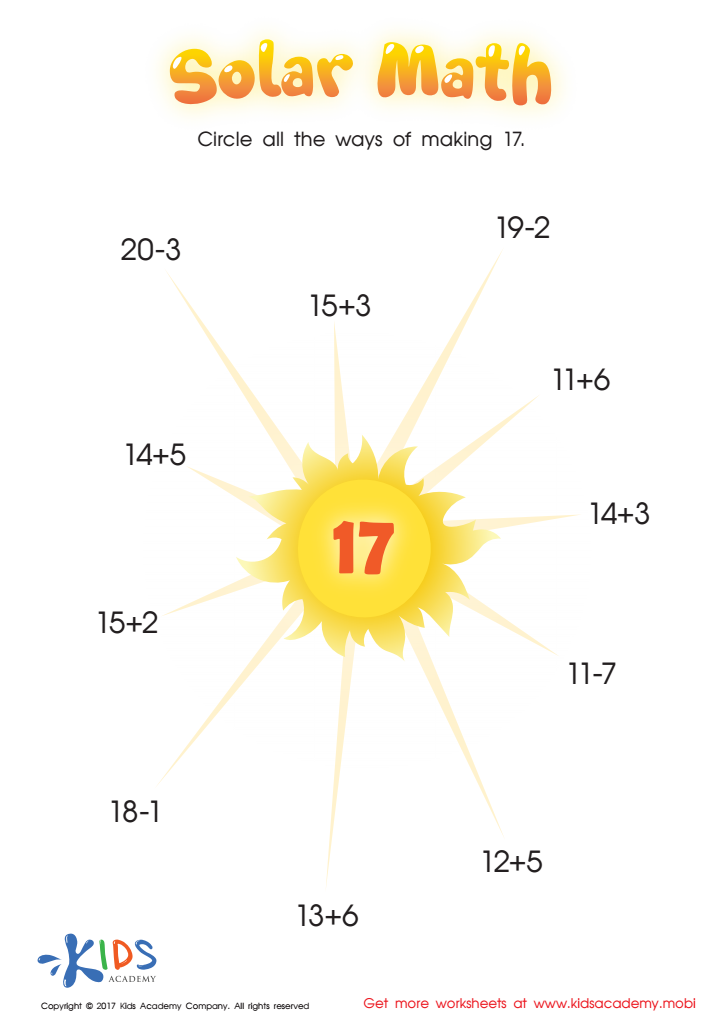
Solar Math Substraction Worksheet
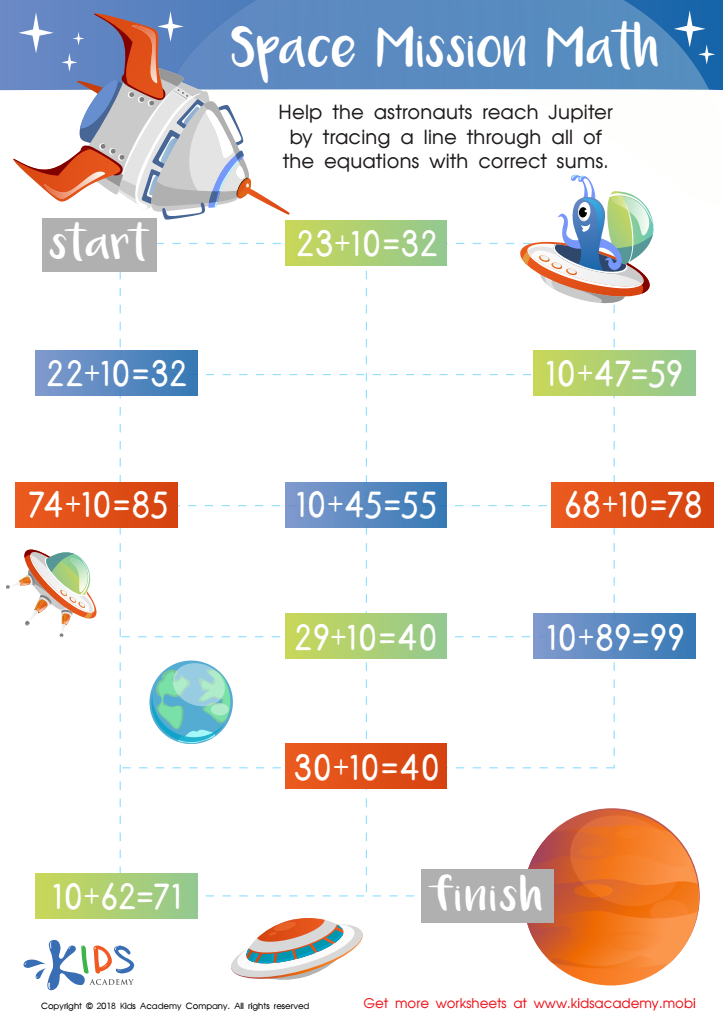
Space Mission Math Worksheet
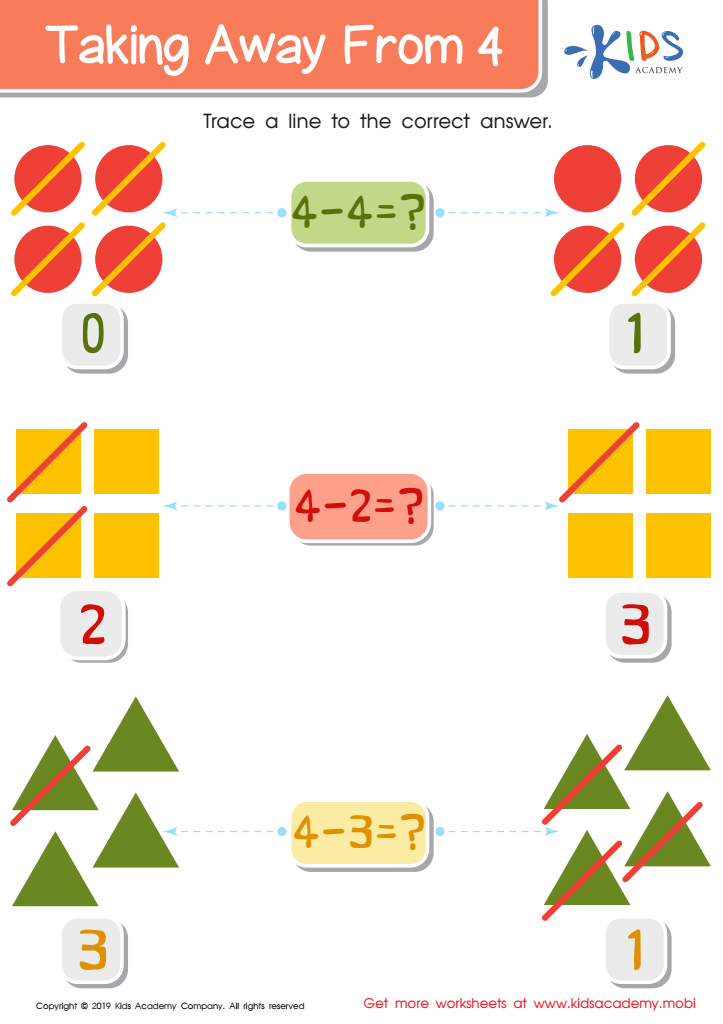
Taking Away from 4 Worksheet
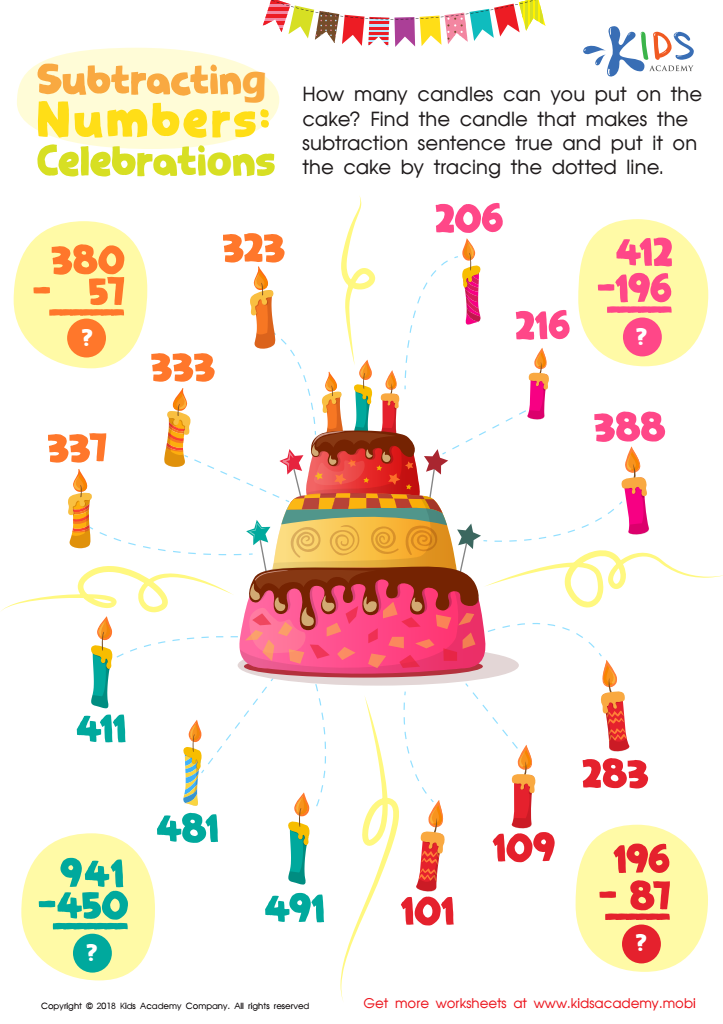
Subtracting Numbers: Celebrations Worksheet
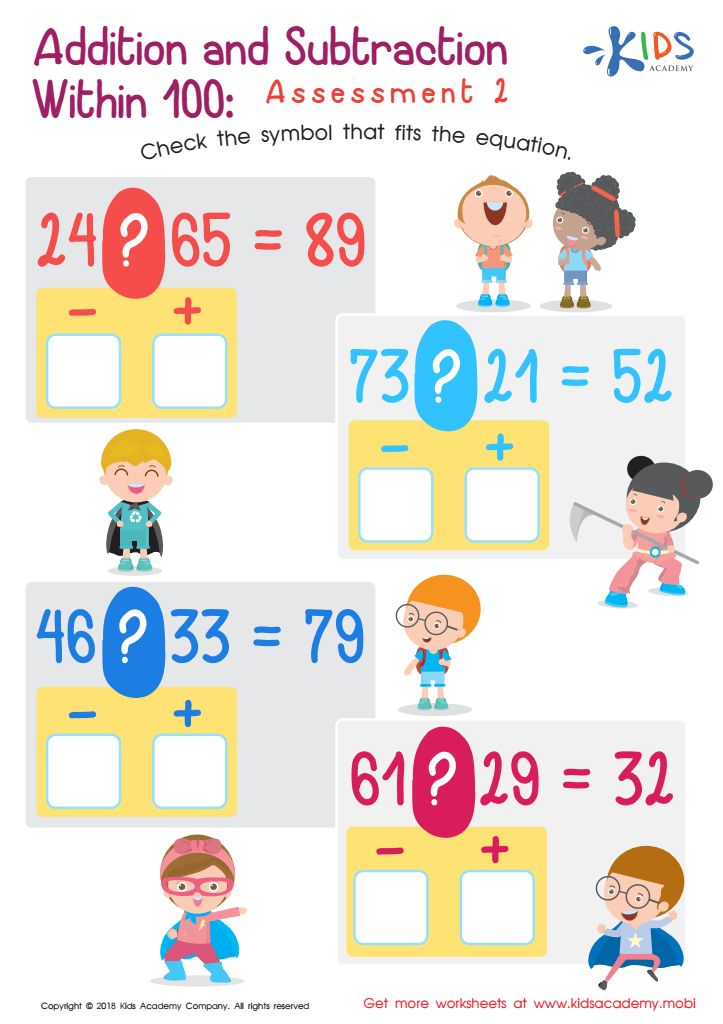
Addition and Subtraction Within 1: Assessment 2 Worksheet
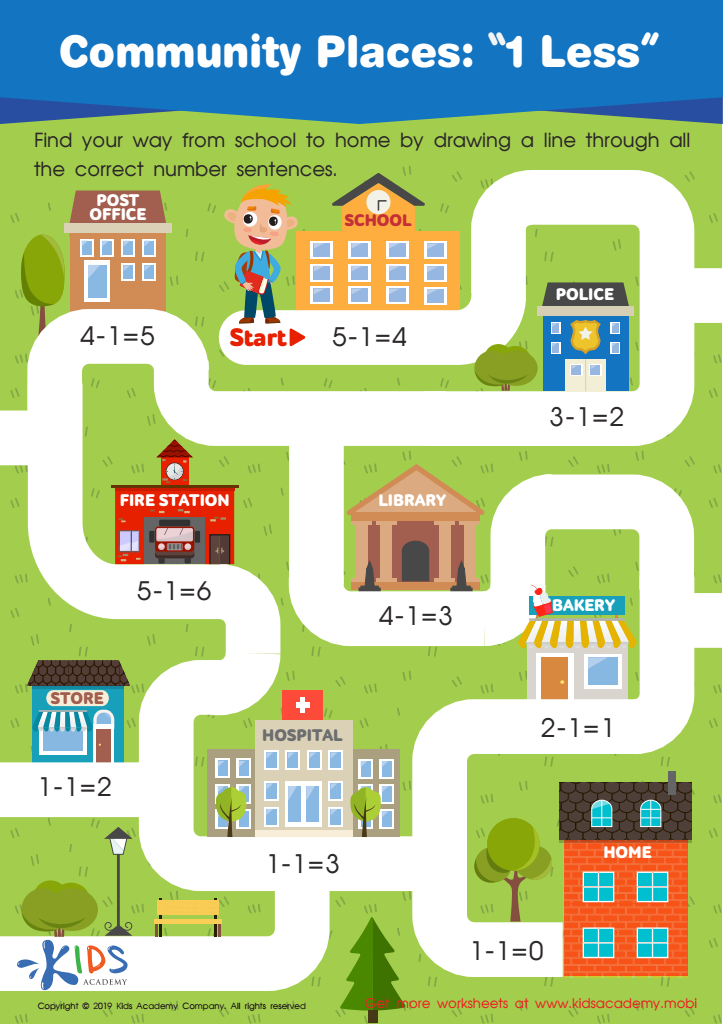
Community Places: 1 Less Worksheet
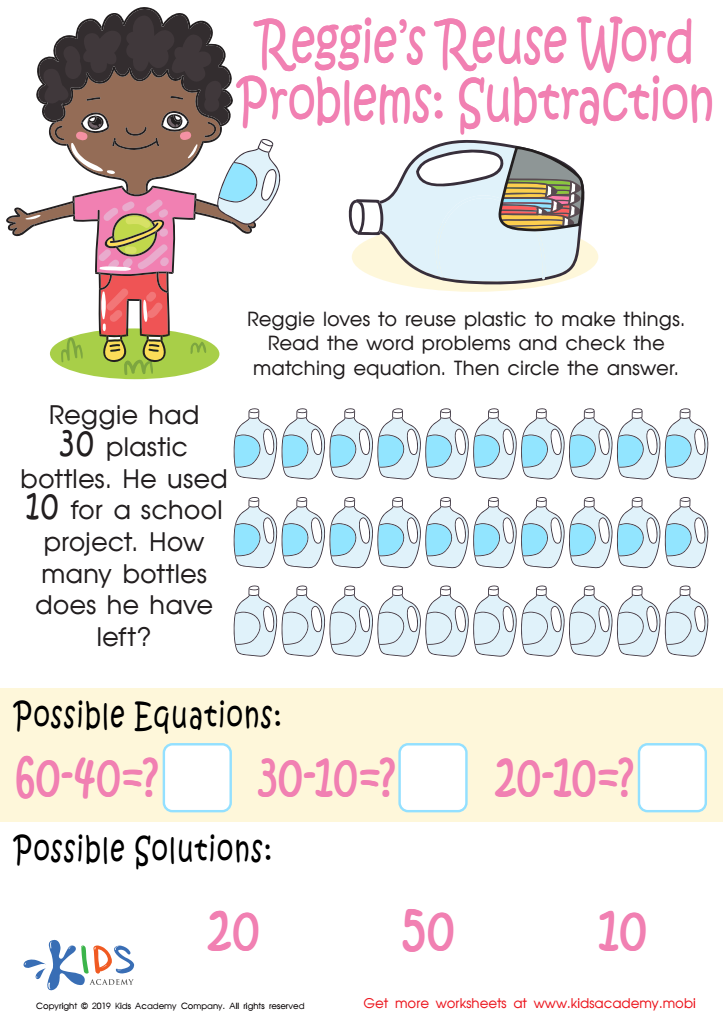
Reggie's Reuse Word Problems: Subtraction Worksheet
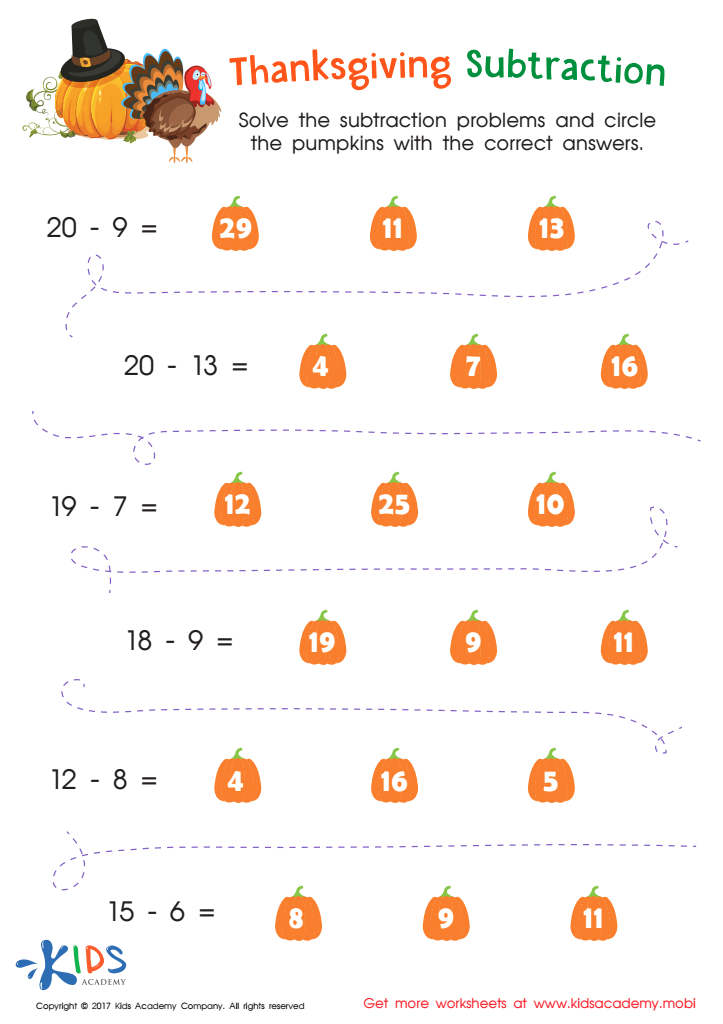
Thanksgiving Subtraction Substraction Worksheet
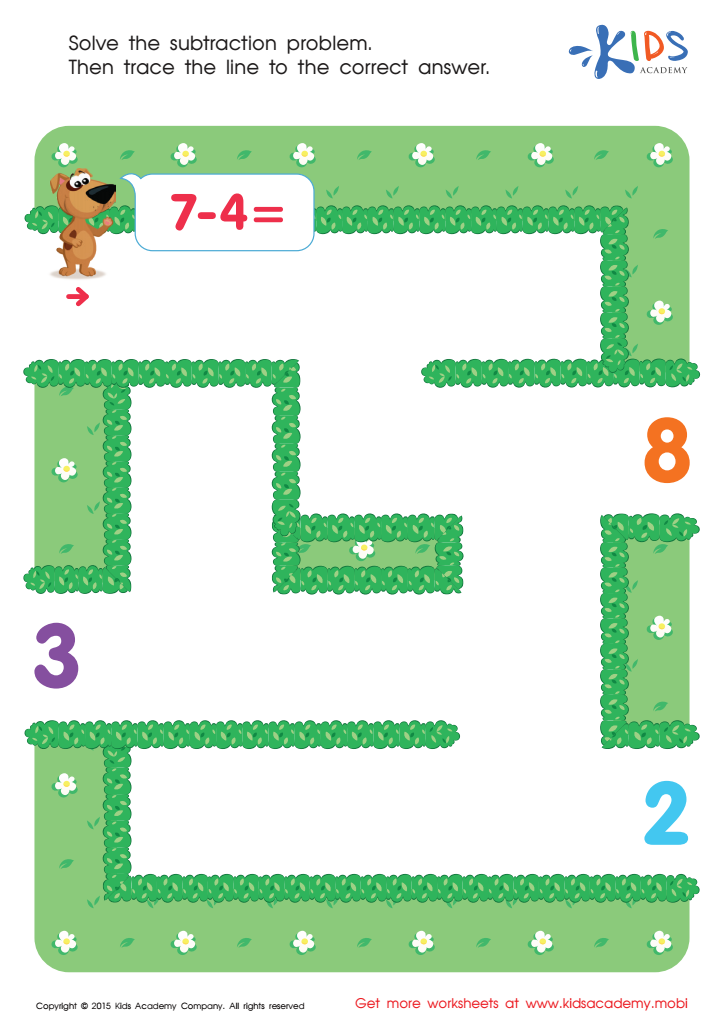
Subtraction Seven Minus Four Worksheet
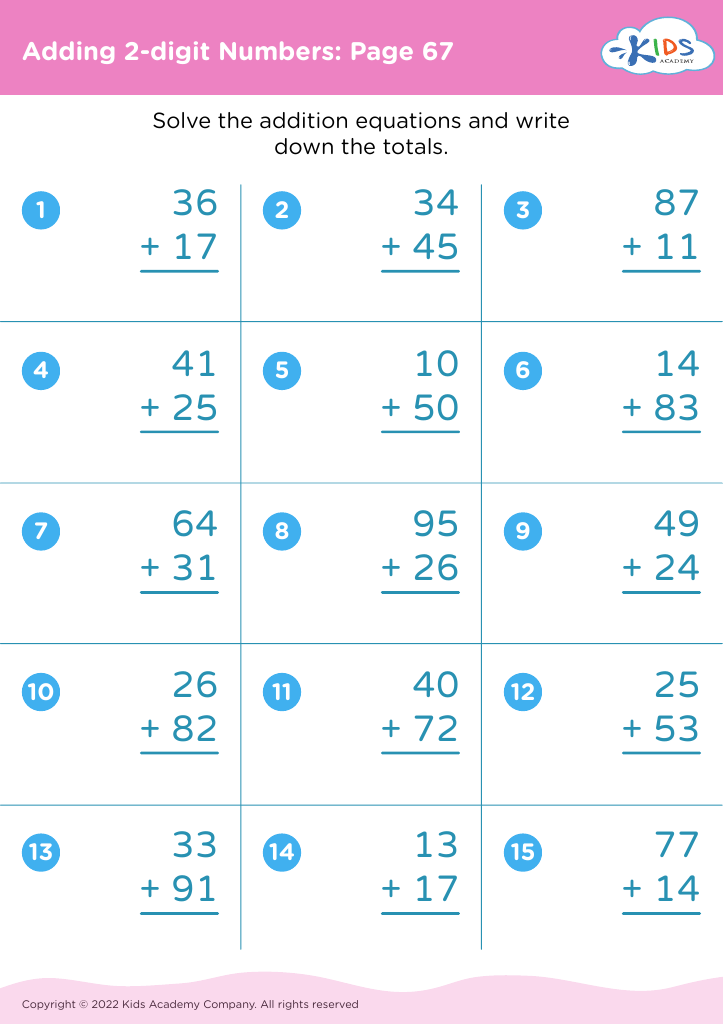
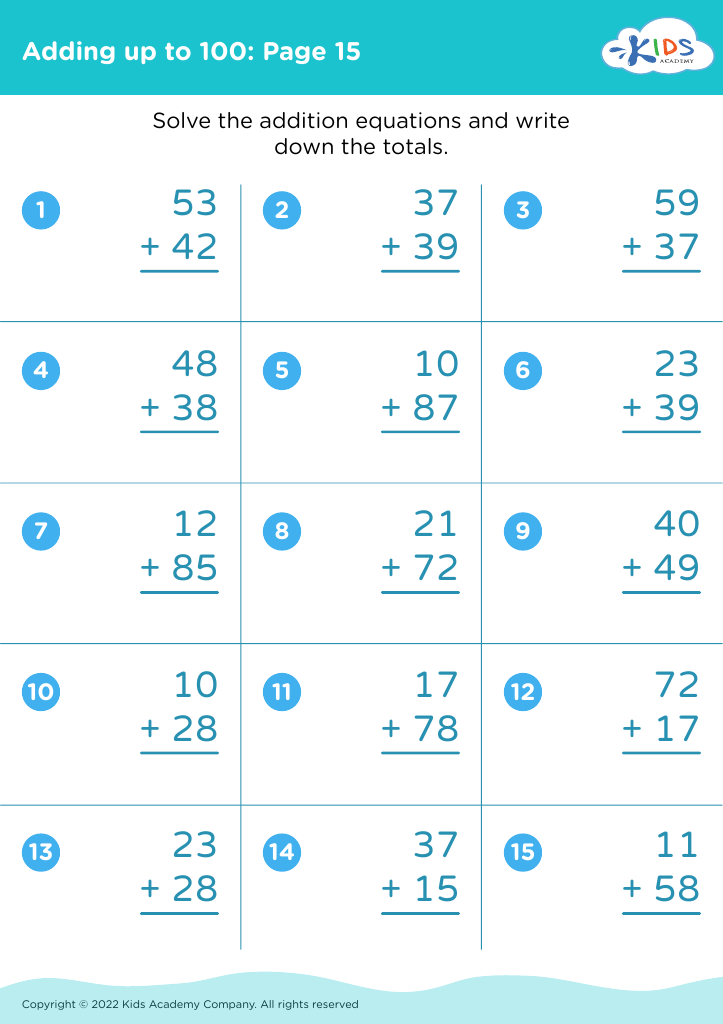
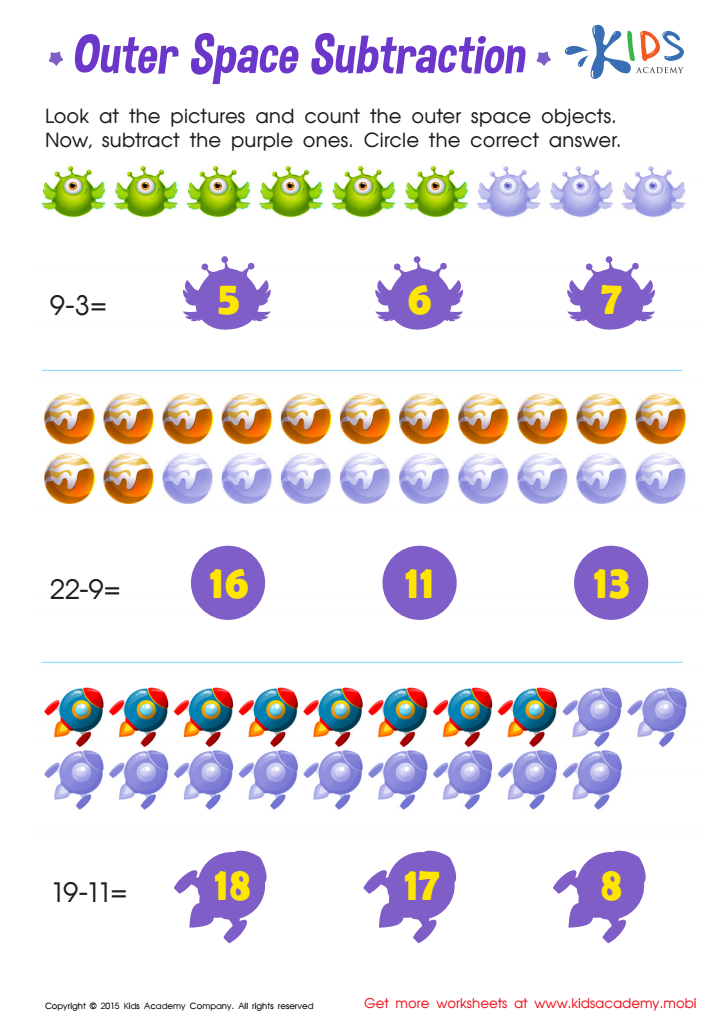
Outer Space Substraction Worksheet
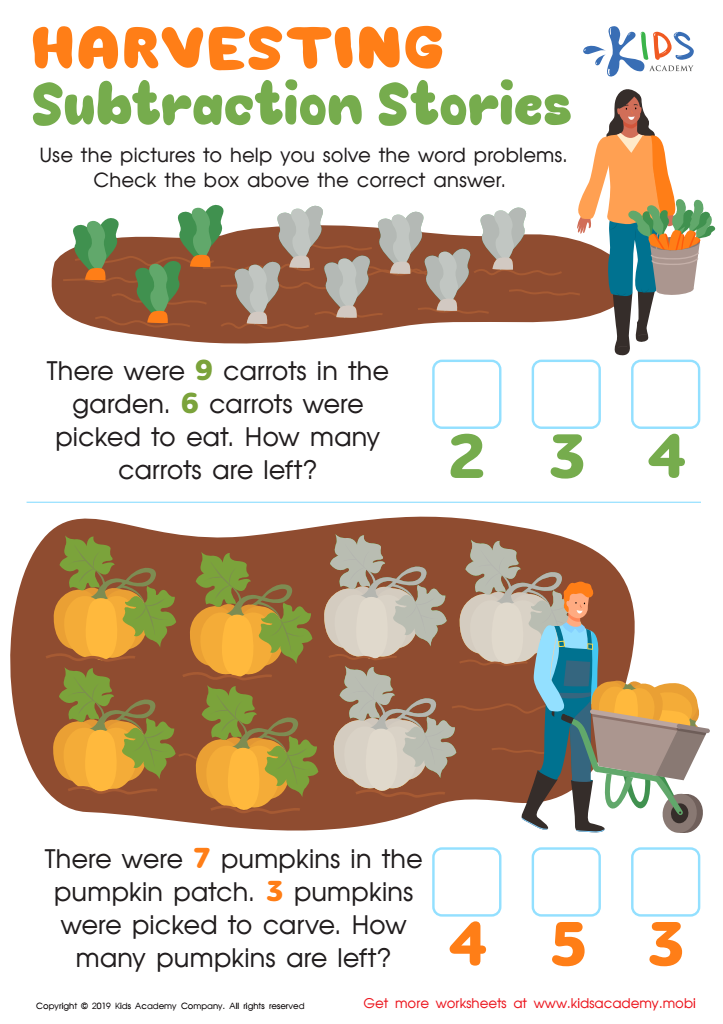
Harvesting Subtraction Stories Worksheet
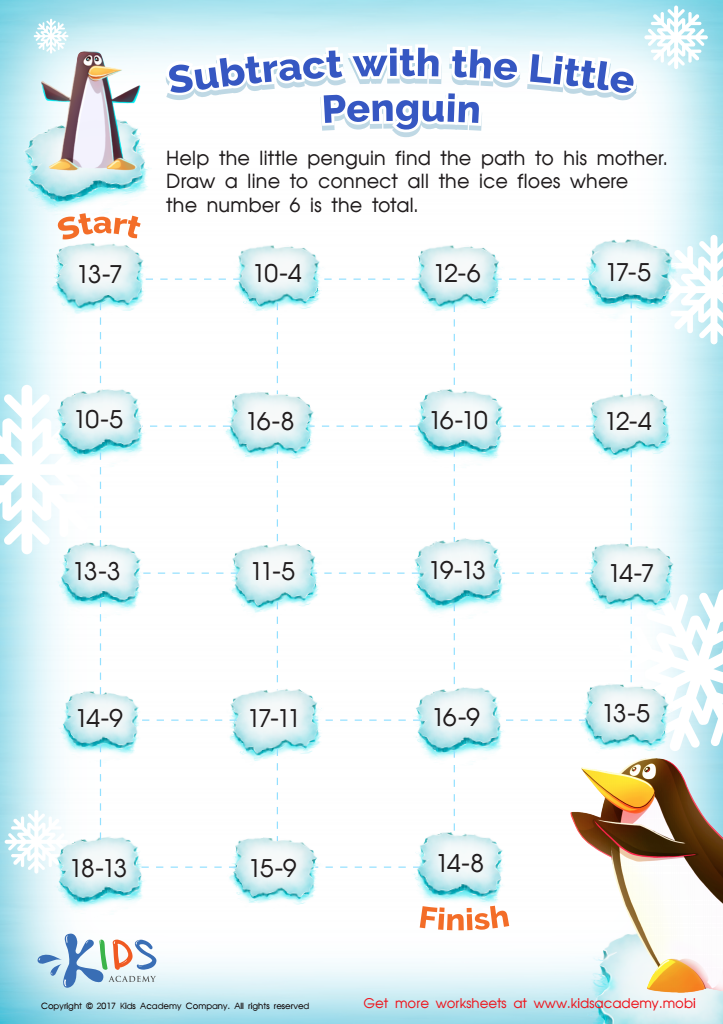
Subtract With The Little Penguin Substraction Worksheet
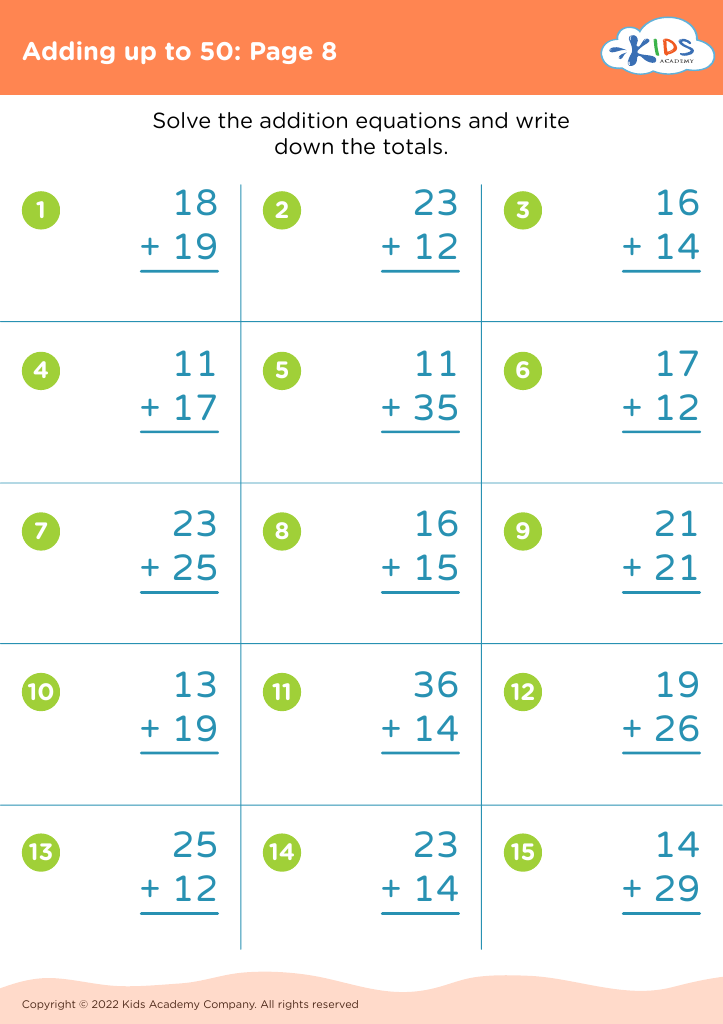
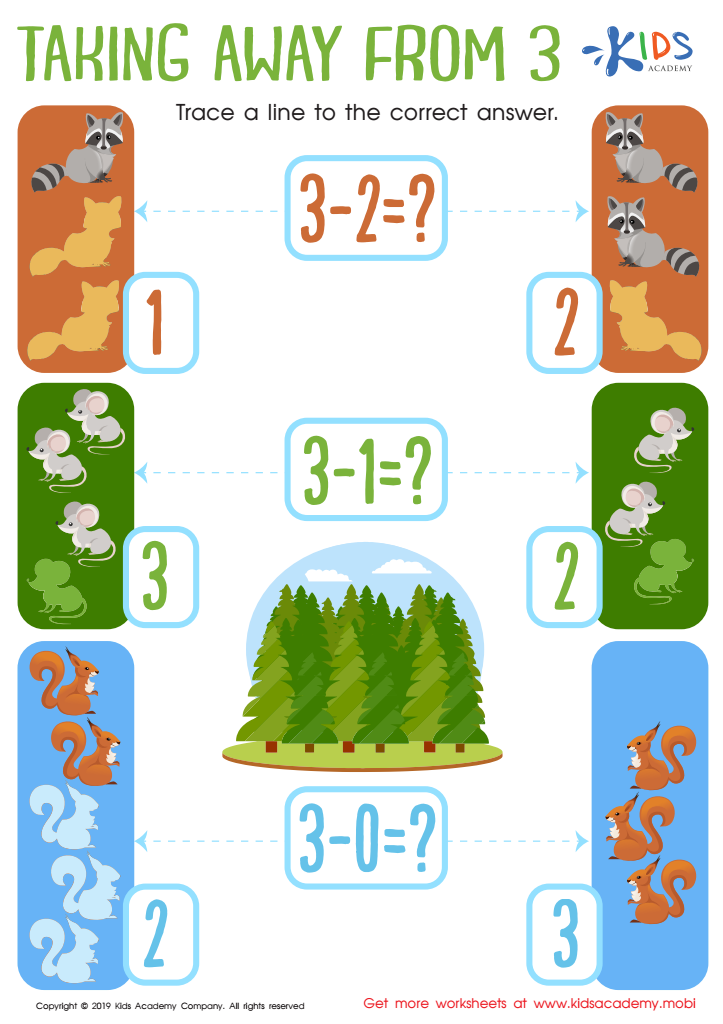
Taking Away From 3 Worksheet
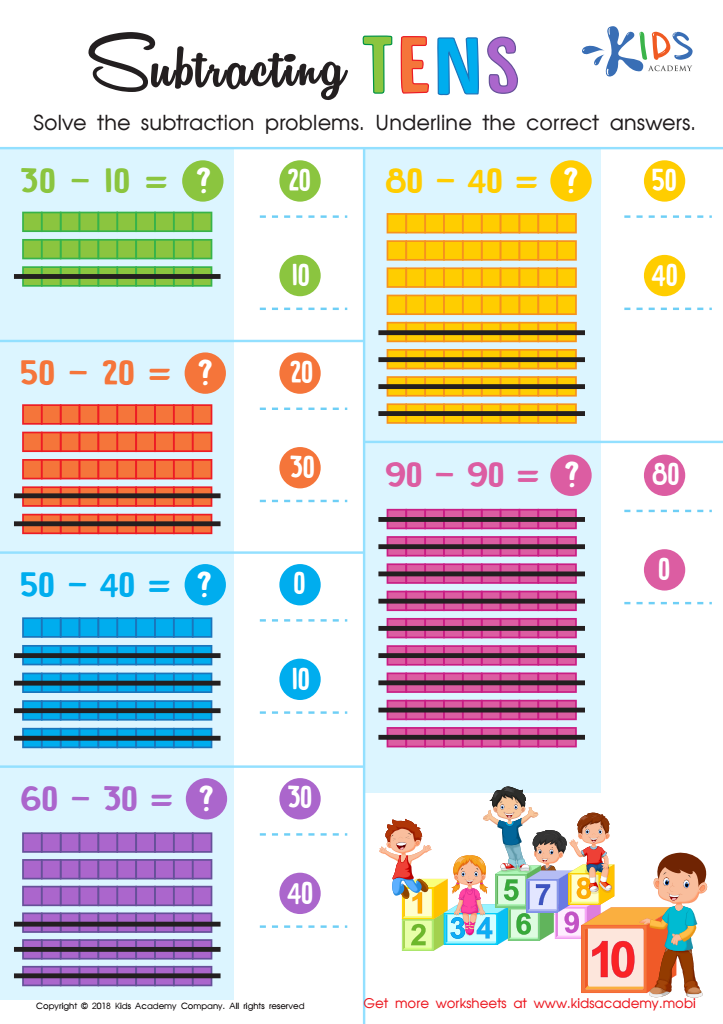
Subtracting Tens Worksheet
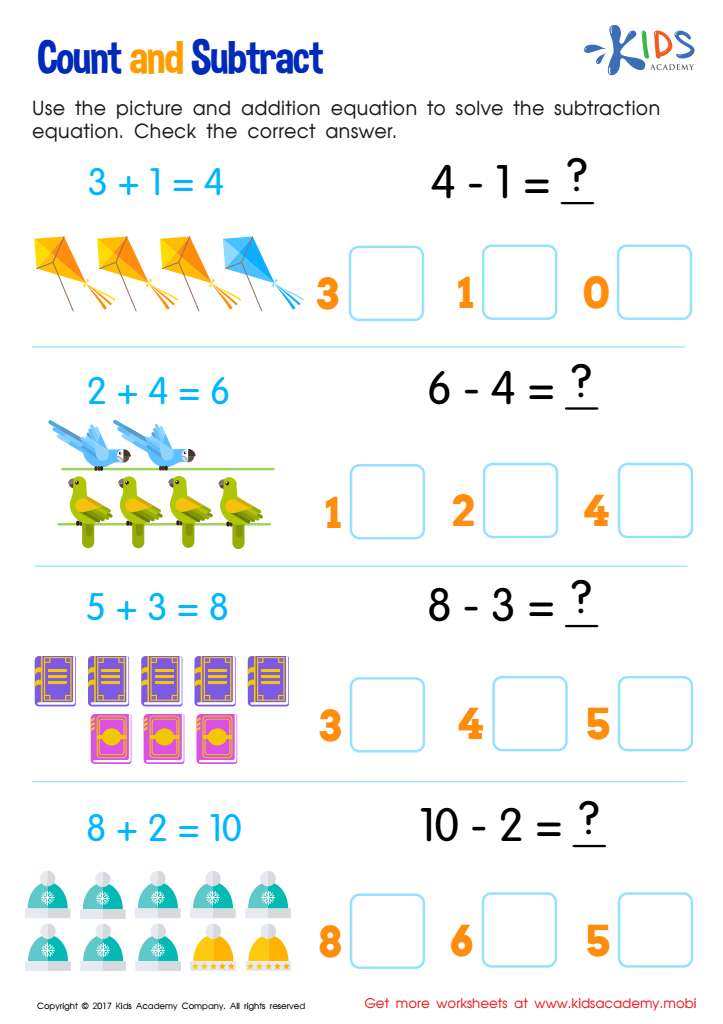
Count and Subtract Worksheet
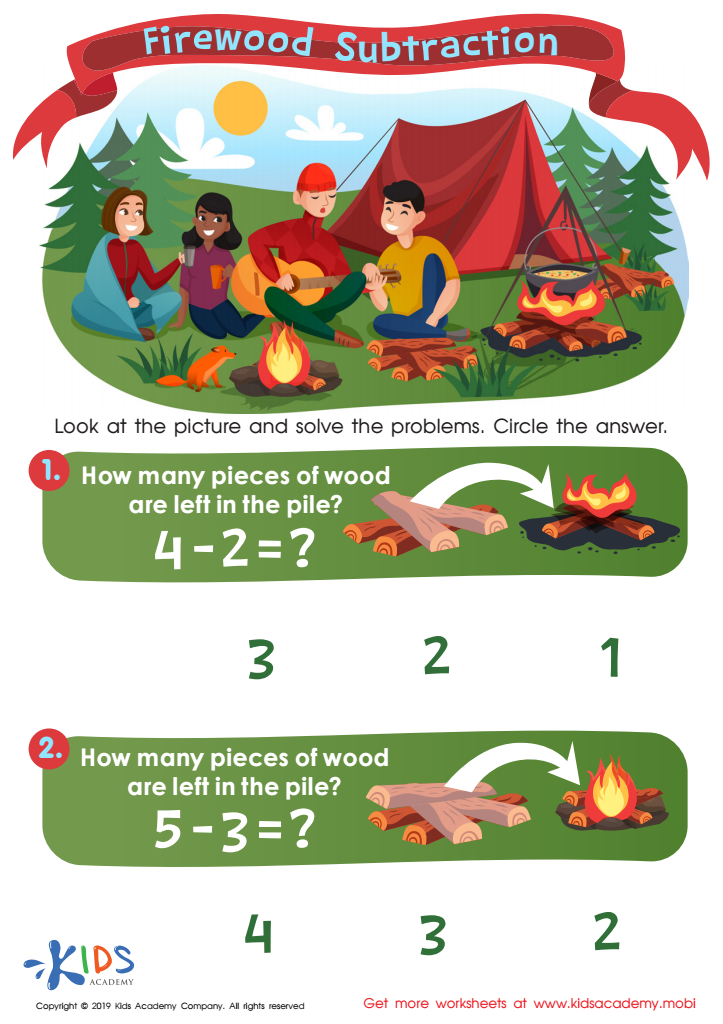
Firewood Subtraction Worksheet





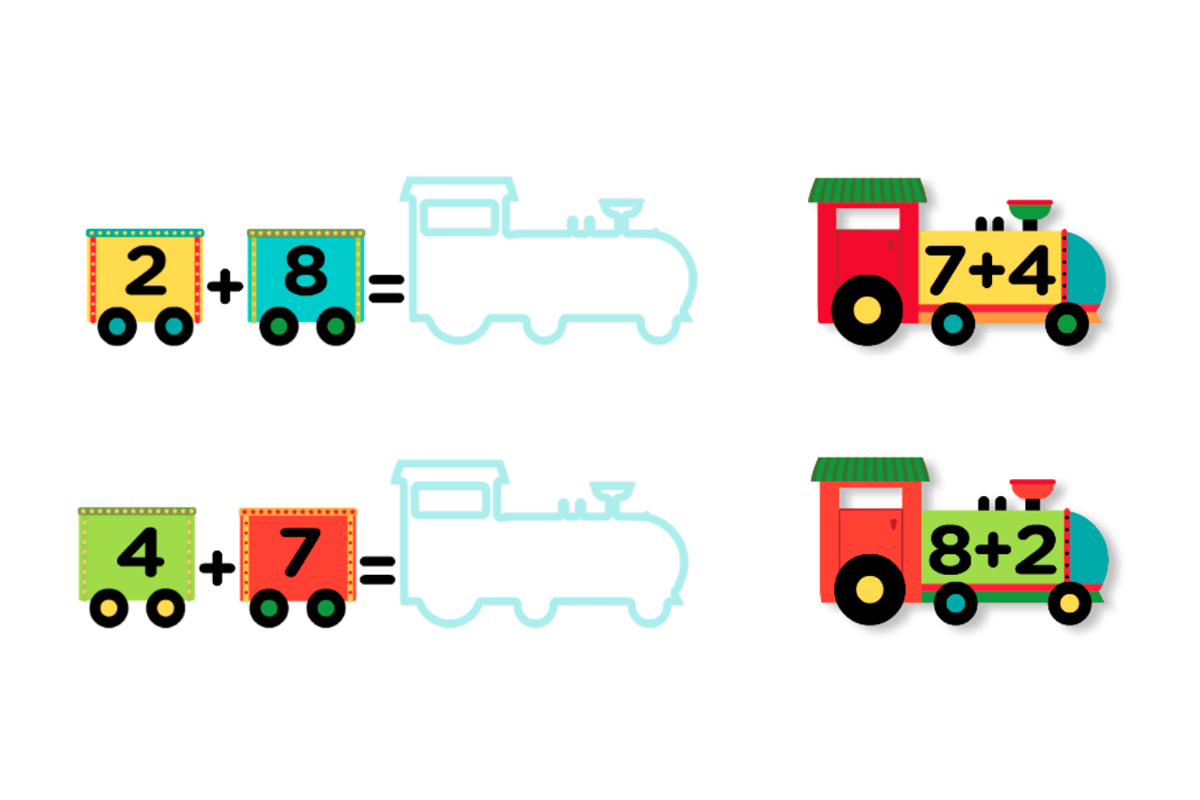


Parents and teachers should care about subtraction and addition practice for ages 4-9 because these foundational math skills are essential for a child's overall cognitive development, academic success, and everyday life. Mastery of addition and subtraction serves as the building block for more complex mathematical concepts, such as multiplication, division, and algebraic thinking, which children will encounter as they progress through their education.
At these ages, children begin to develop number sense, which is the intuitive understanding of numbers and their relationships. Regular practice helps them develop this sense, making it easier to solve problems, think critically, and make informed decisions. Additionally, enhancing arithmetic skills at an early age improves memory, concentration, and mental discipline.
Engaging in structured, consistent practice also boosts a child's confidence in their abilities, reducing math anxiety—a common barrier to learning mathematics. Early interaction with math ideas is not only required by the curriculum but also crucial for intellectual stimulation and growth. In a world increasingly driven by technology and data, early competence in fundamental math skills sets the stage for future opportunities in science, technology, engineering, and math (STEM) fields.
Therefore, investing time and effort in practicing addition and subtraction is key to nurturing a child's mathematical mind and preparing them for the challenges and opportunities of the future.








