Interpreting data Numbers Worksheets for Ages 4-9
4 filtered results
-
From - To
Welcome to our "Interpreting Data Numbers Worksheets" for ages 4-9! Designed to bolster young learners' math skills, these engaging worksheets introduce children to essential concepts of data interpretation. Through fun activities like counting, sorting, and comparing, kids will develop a foundational understanding of data analysis while enhancing their critical thinking. Our resources foster decision-making skills and encourage exploration of numbers through colorful visuals and relatable scenarios. Ideal for both classroom and home use, these worksheets cater to varying skill levels and support differentiated learning. Get started today and empower your child to become confident and capable in interpreting data!
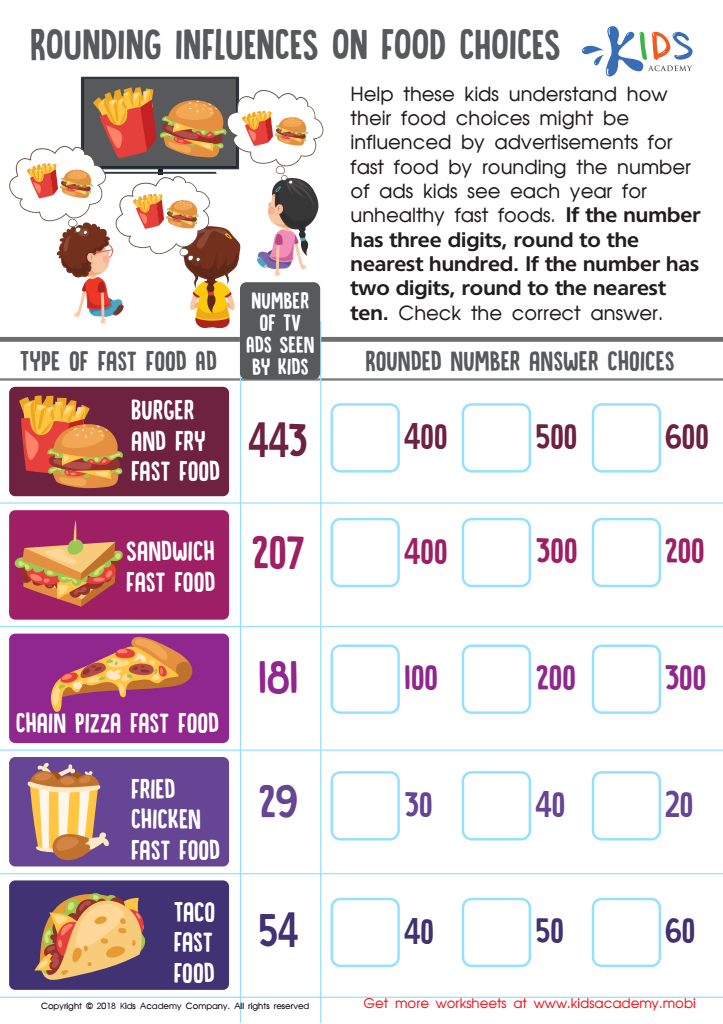
Rounding Influences Food Choices Worksheet
 Assign to My Students
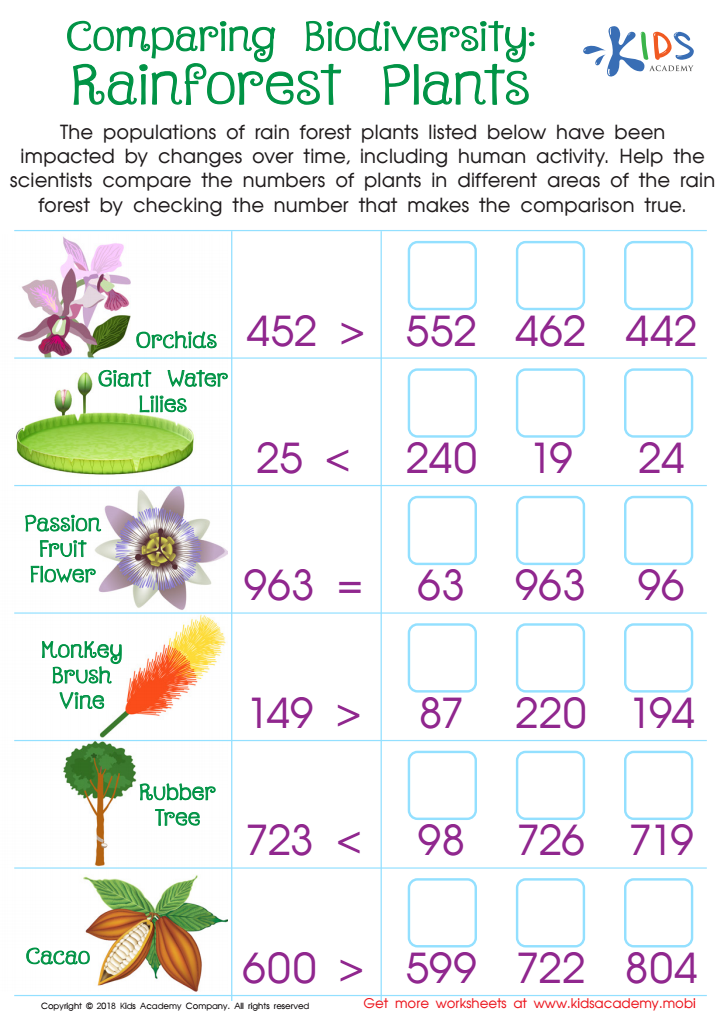
Comparing Biodiversity: Rainforest Plants Worksheet
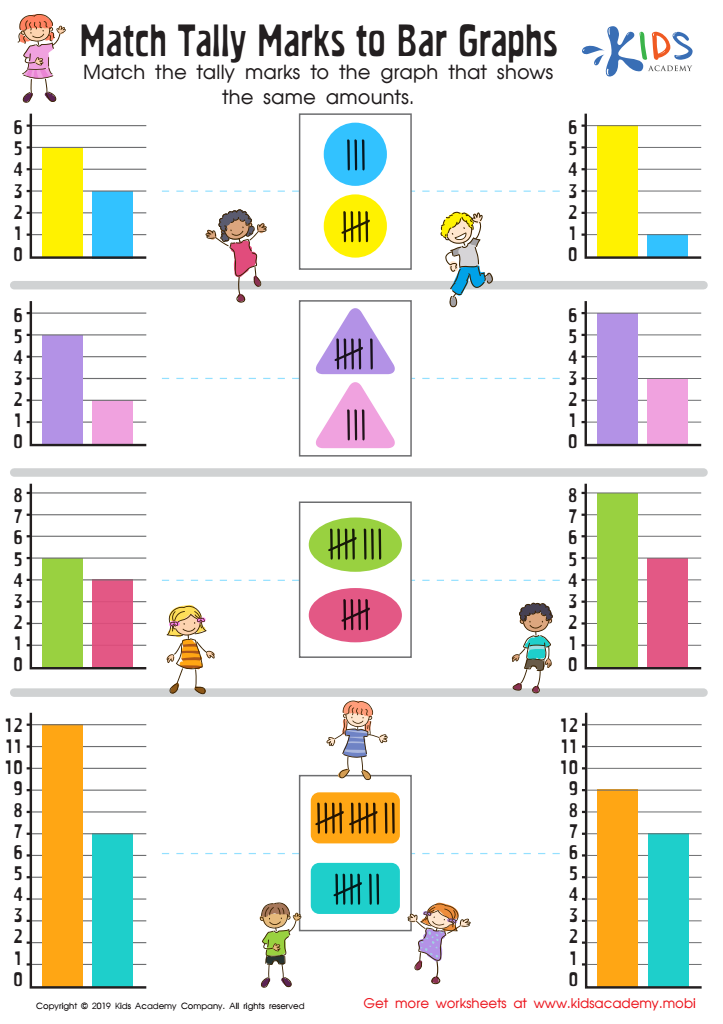
Match Tally Marks to Bar Graphs Worksheet
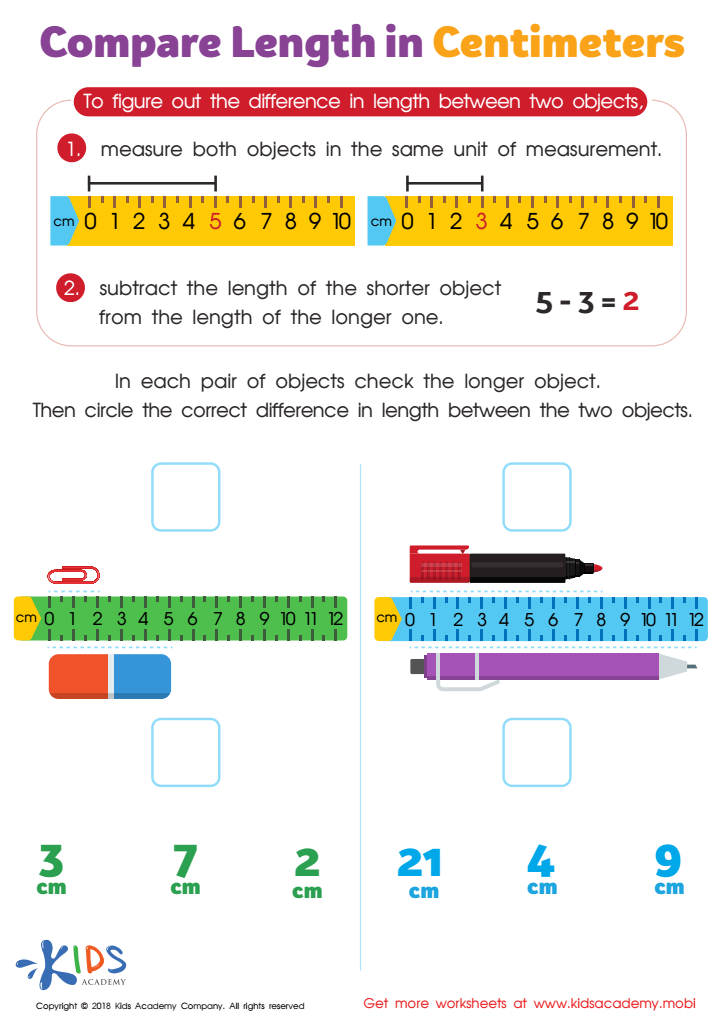
Compare Length in Centimeters Worksheet








Understanding and interpreting data from ages 4-9 is crucial for parents and teachers as it directly impacts a child's educational journey. Accurate data interpretation helps educators tailor instruction to meet individual student needs, ensuring that each child receives the appropriate challenges and support based on their performance. This age group is critical for foundational learning; therefore, deciphering trends in academic progress can identify areas where a child thrives or struggles.
Moreover, involving parents in this interpretation builds a collaborative environment. When parents grasp how to read data from assessments, report cards, or standardized tests, they can better support their child’s learning at home. This creates a consistent approach to education, fostering a partnership that encourages a child's success.
Additionally, understanding data can help in setting realistic goals for children, establishing developmental benchmarks, and promoting growth mindsets. The knowledge gained from data lends itself to celebrating achievements, motivating children to advance their skills.
In sum, interpreting data equips parents and teachers to make informed decisions, customize learning experiences, enhance communication, and ultimately create an enriched educational landscape for children that nurtures their potential.








