Basic Addition Skills Math Worksheets for Ages 4-9 - Page 2
286 filtered results
-
From - To
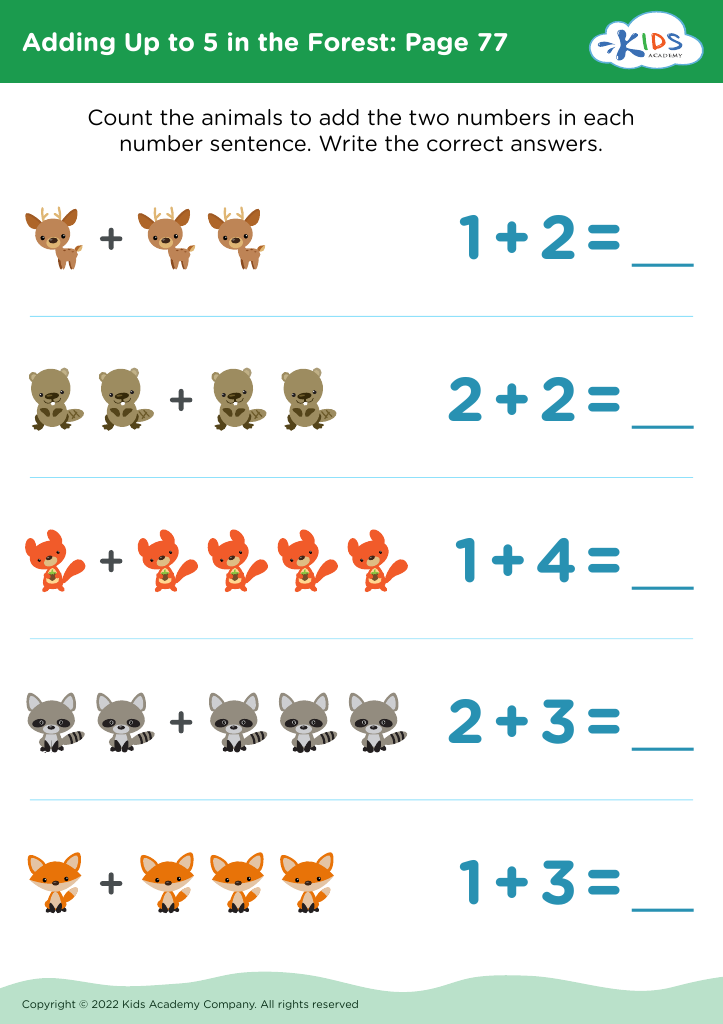
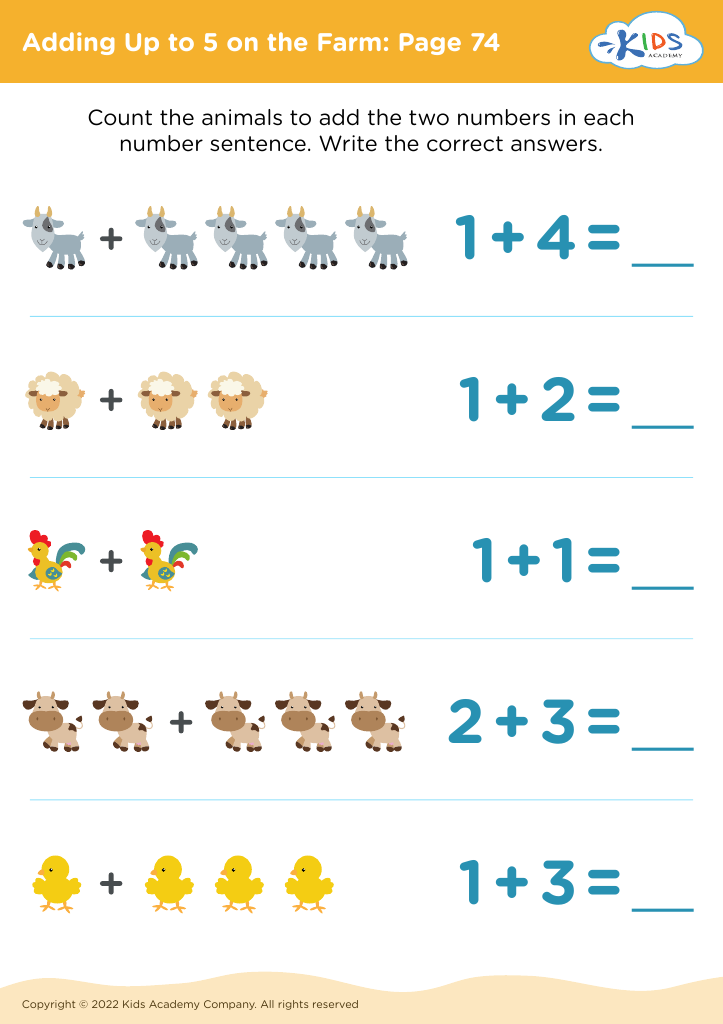
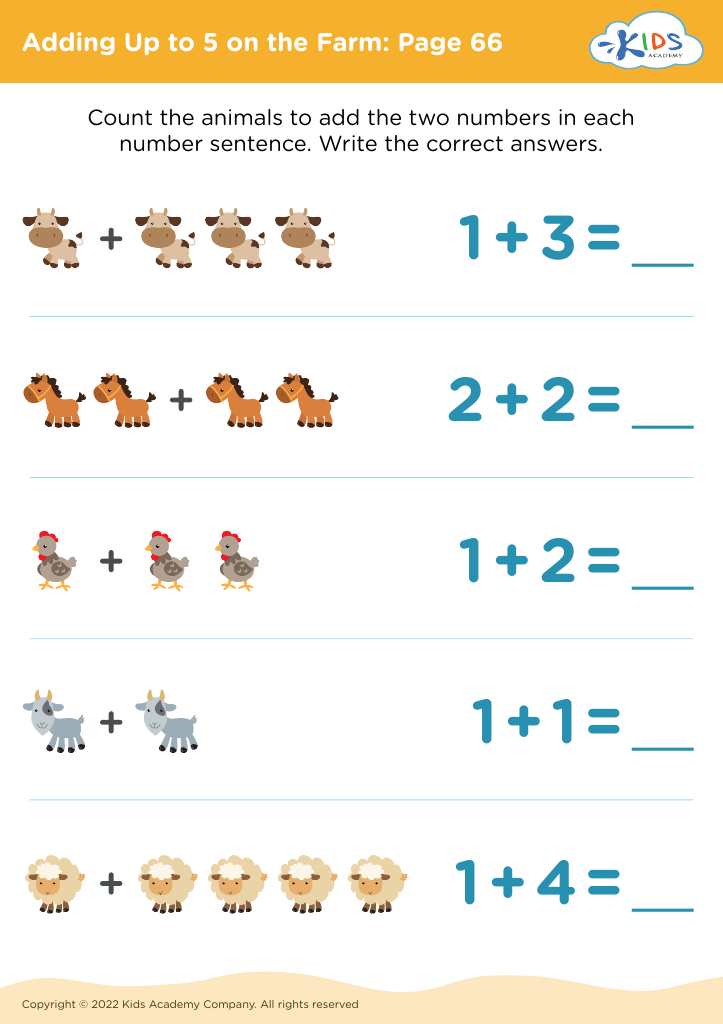
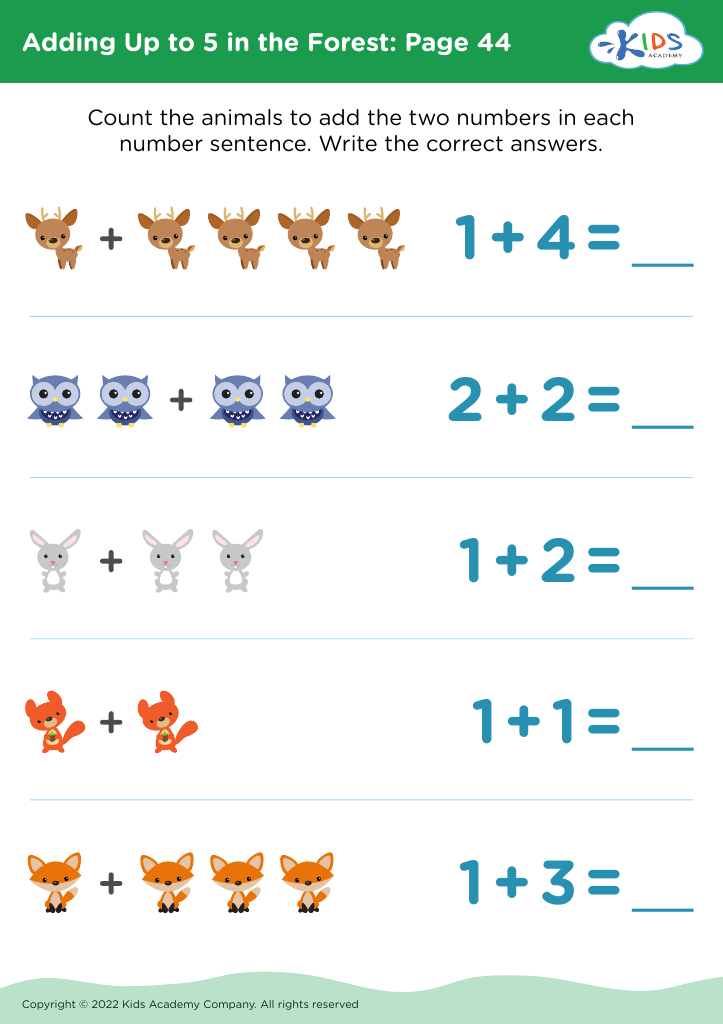
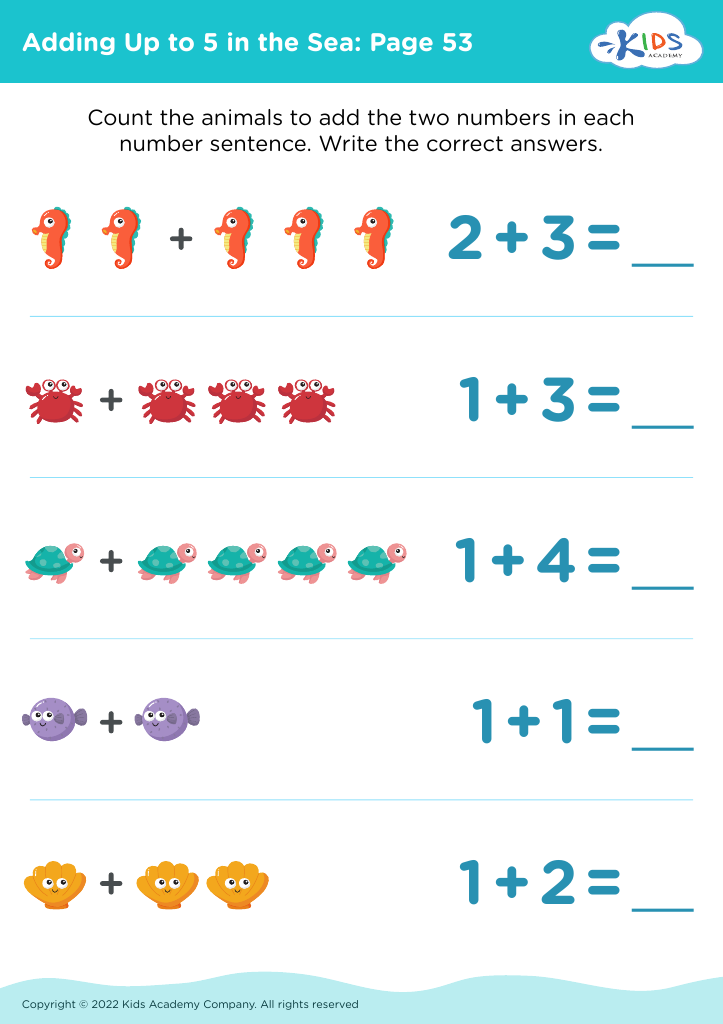
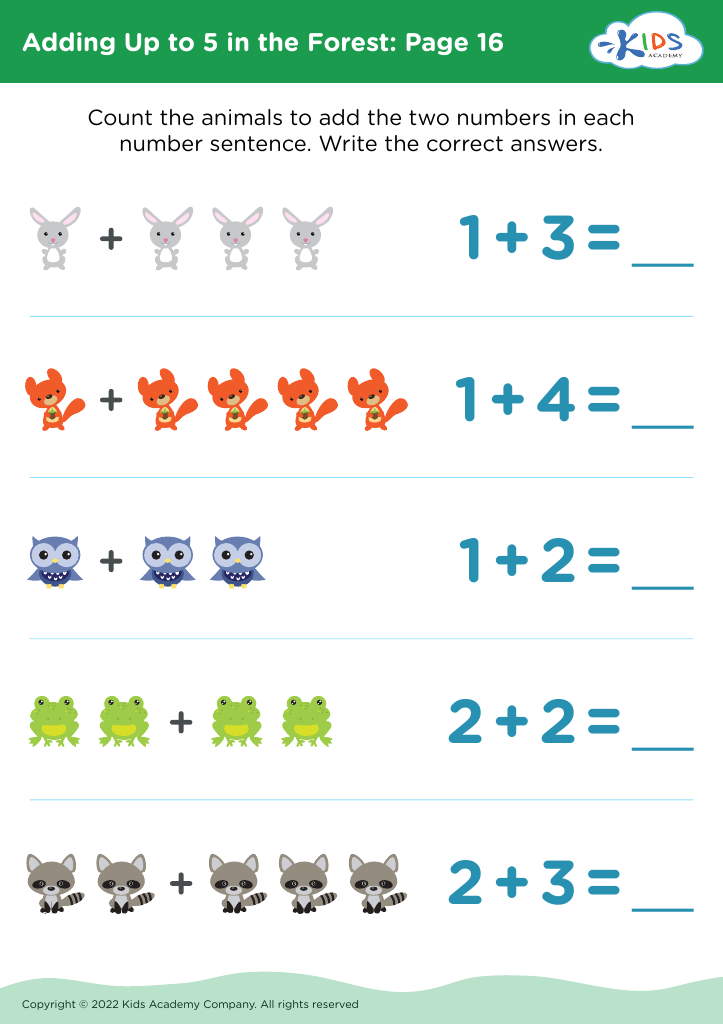
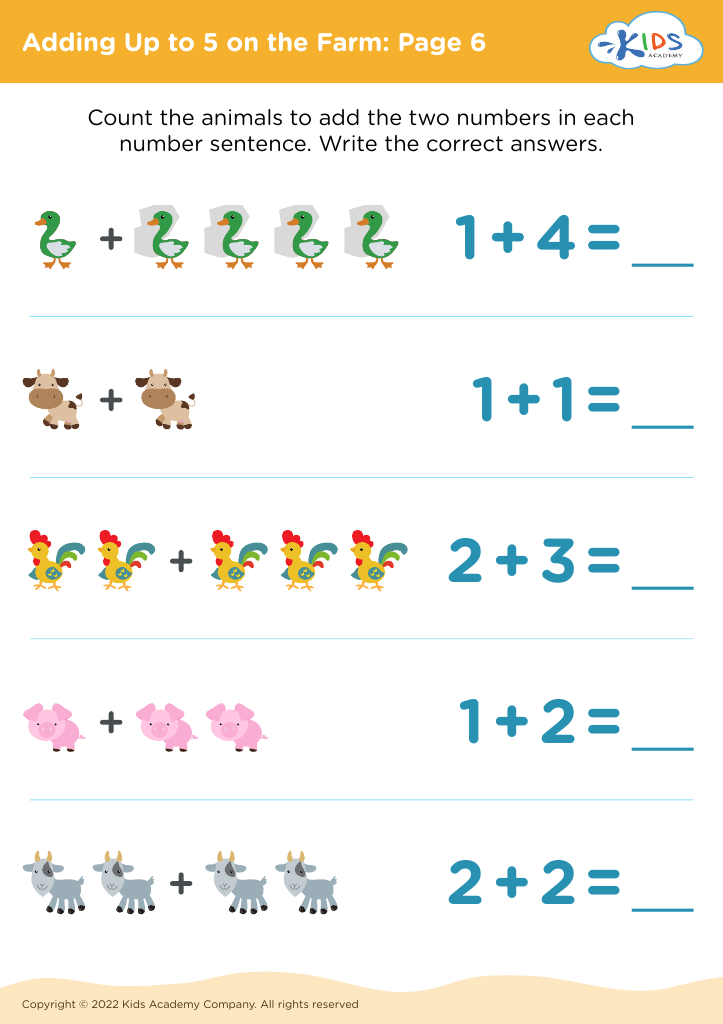
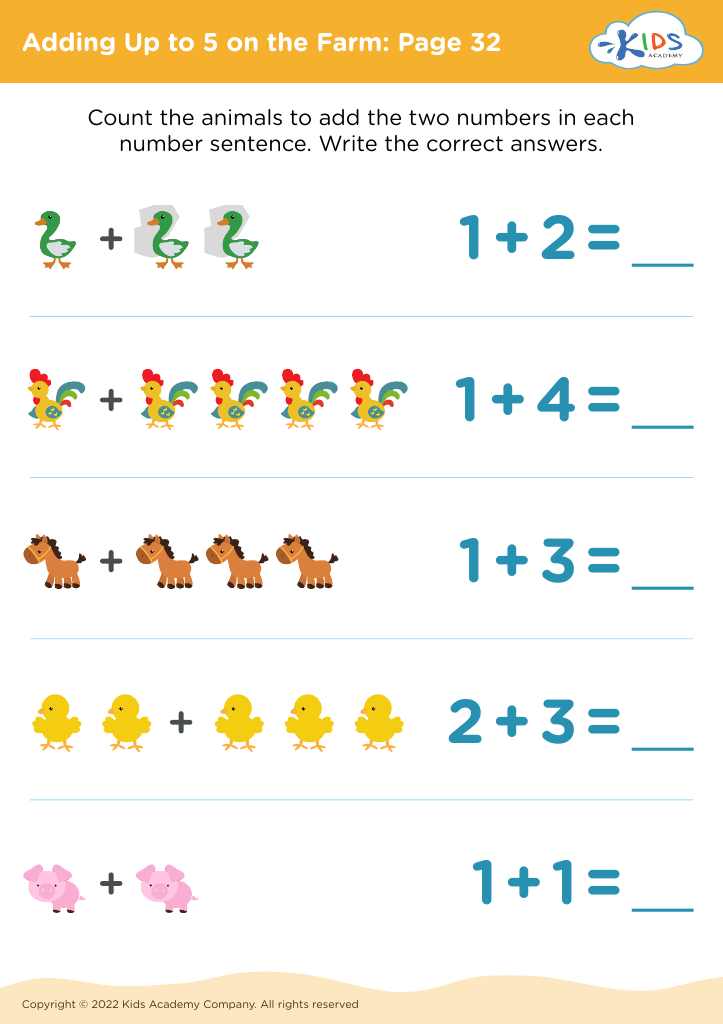
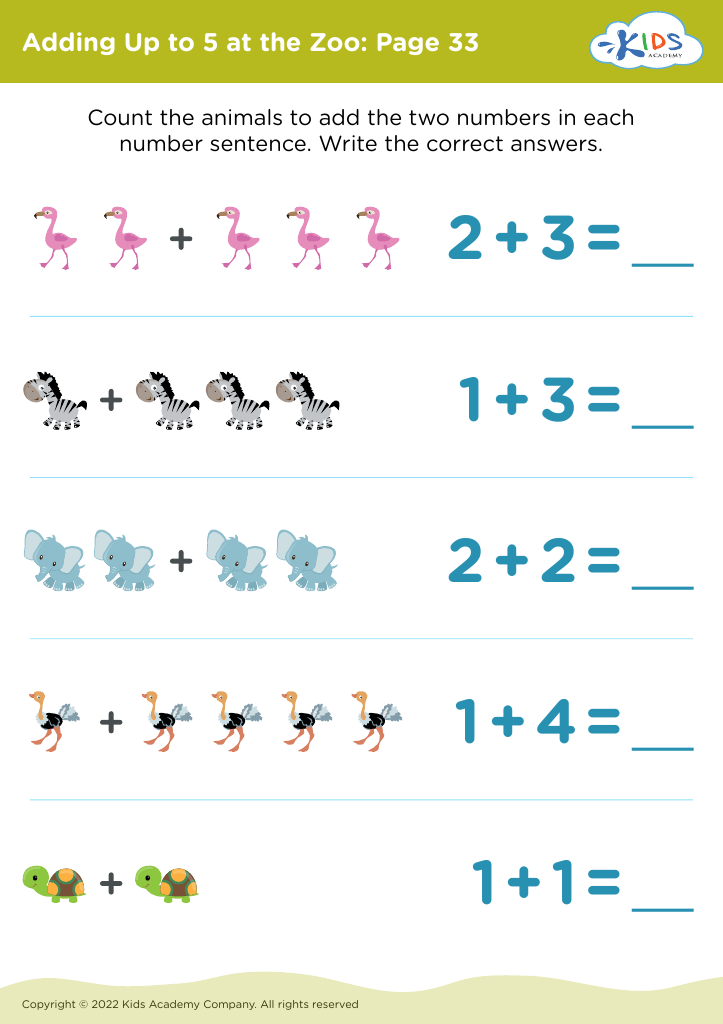
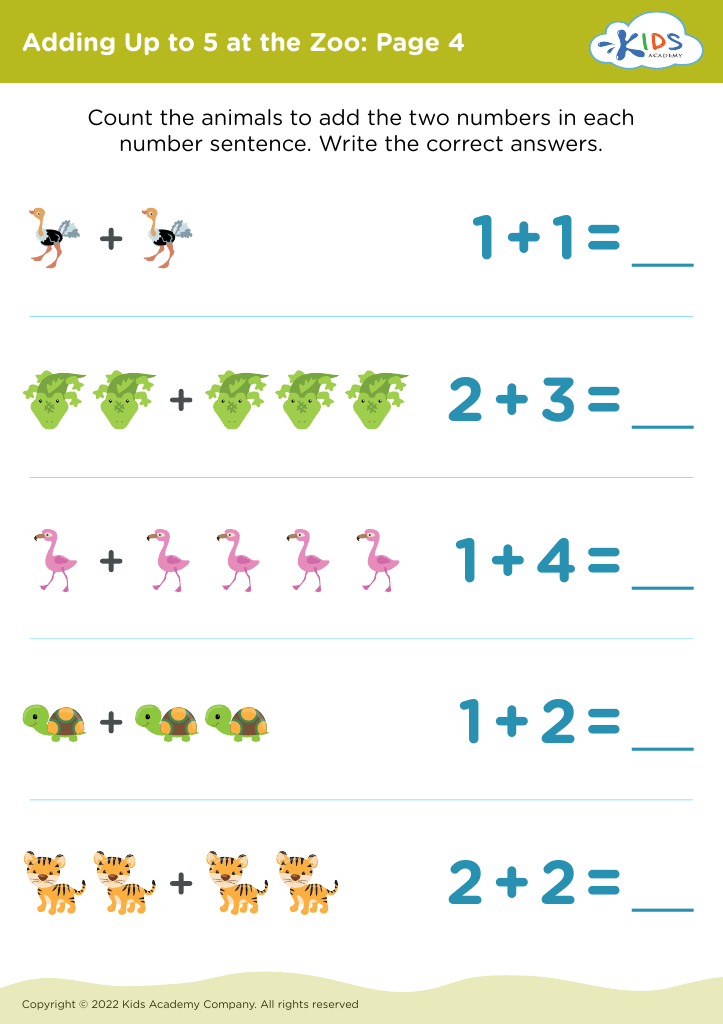
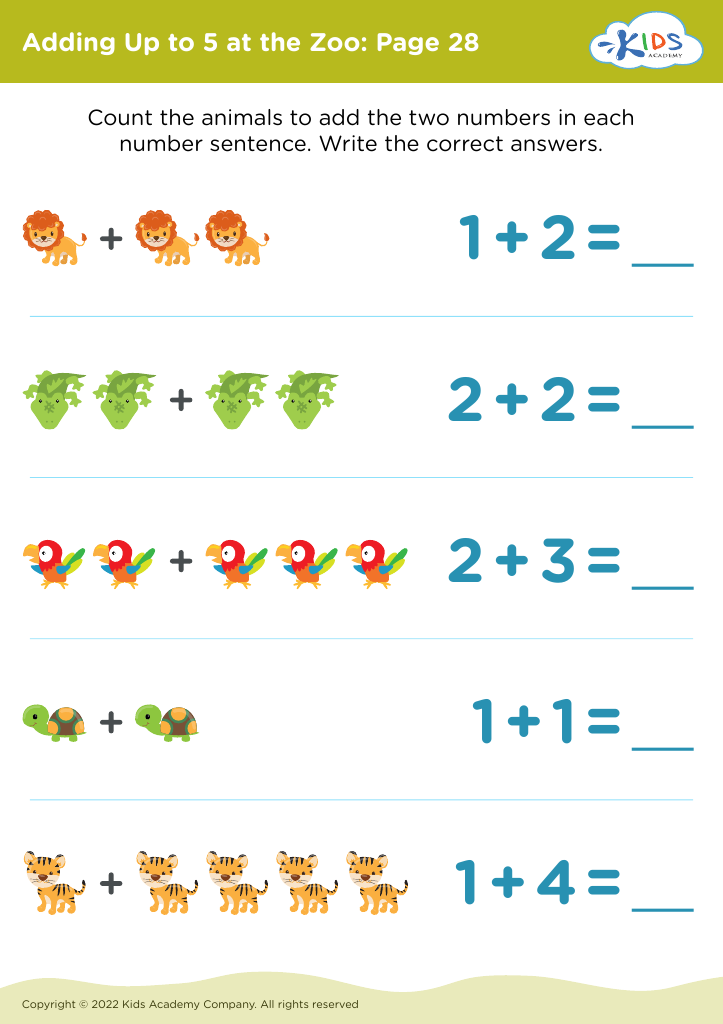
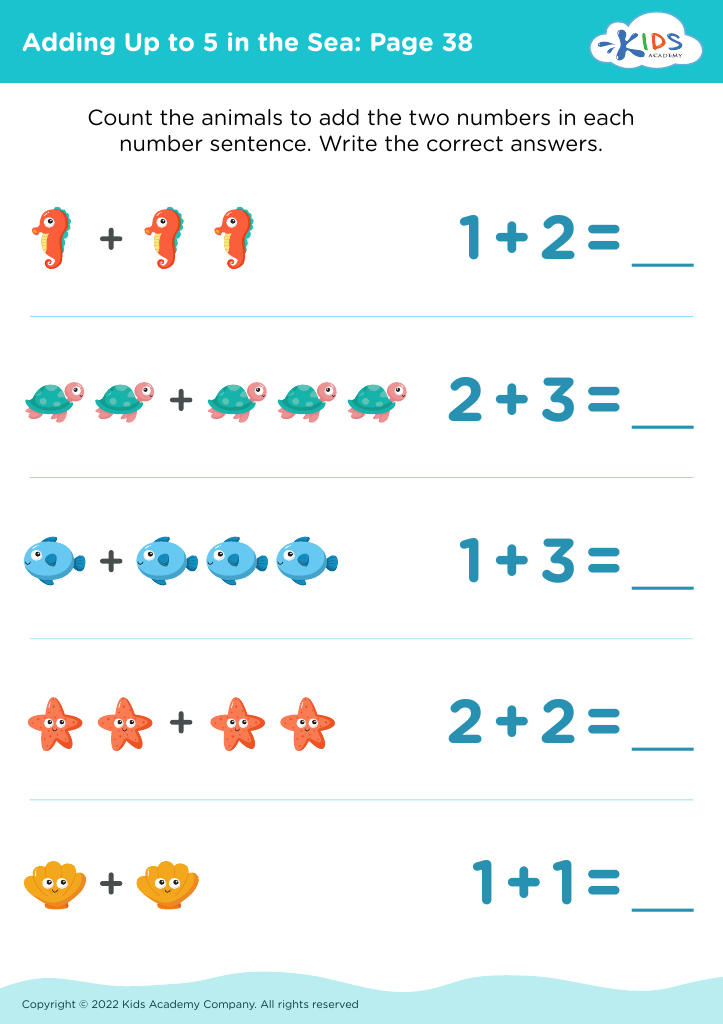
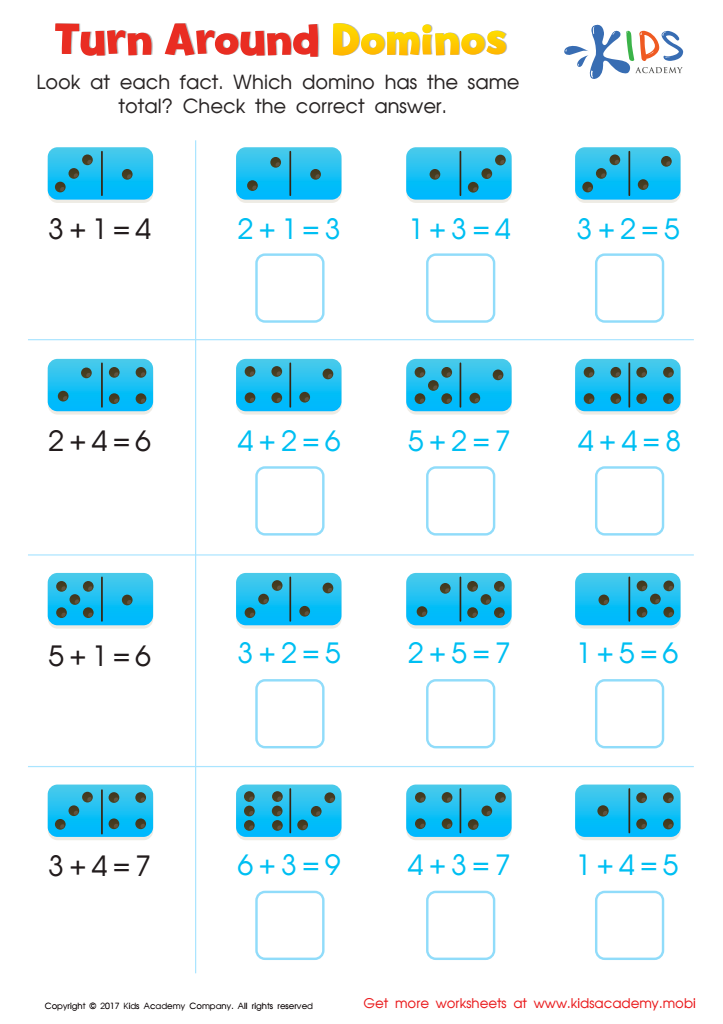
Turn Around Dominos Worksheet
 Assign to My Students
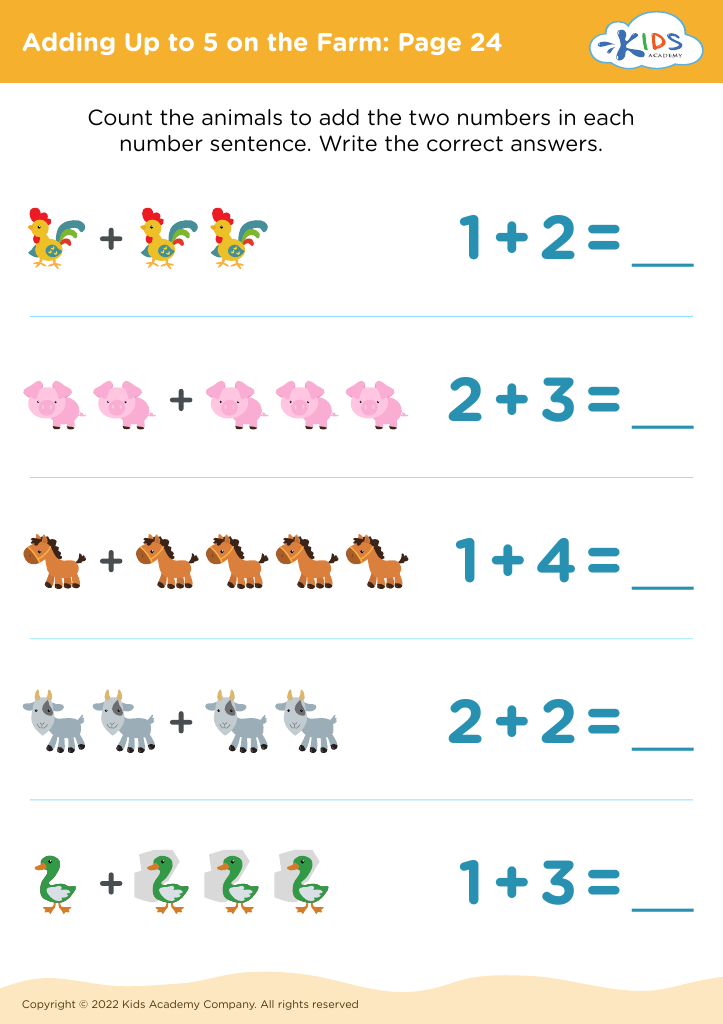
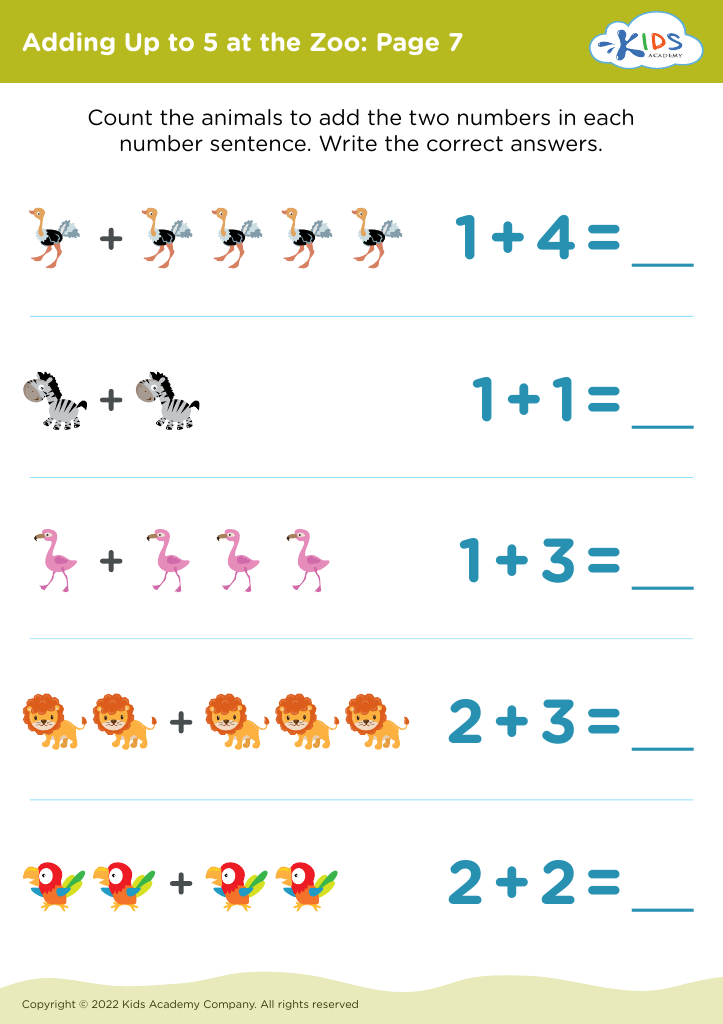
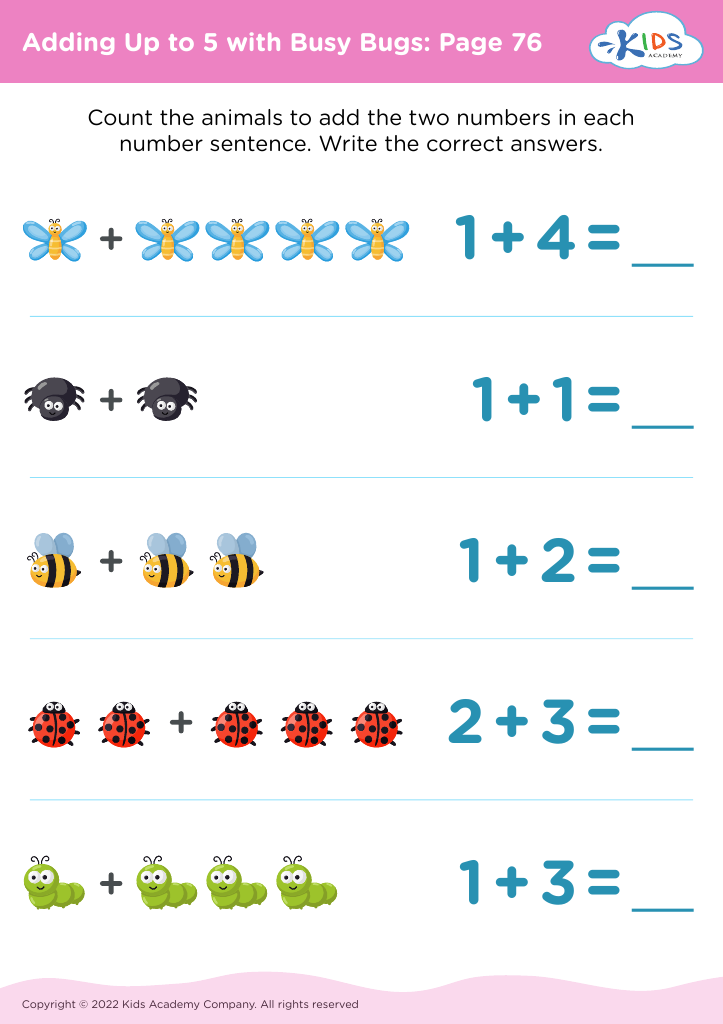



.jpg)



Basic addition skills are foundational to a child's overall development and future academic success. For children aged 4-9, mastering addition not only builds essential math skills but also boosts confidence and stimulates cognitive development. During these formative years, children are developing the ability to see patterns, analyze problems, and think critically—all critical skills that addition practice enhances.
Parents and teachers play an essential role in nurturing these early math skills. When children understand basic addition, they are better prepared to tackle more complex arithmetic, including subtraction, multiplication, and division. This early mastery also leads to improved performance in other subjects; a strong math foundation often corresponds with improved reading comprehension and problem-solving abilities in science and beyond.
Additionally, fostering a positive attitude towards math at an early age can lead to lasting effects on a child's educational journey. Early success and encouragement in basic addition make children more likely to approach math assignments with enthusiasm and resilience, reducing math anxiety in later years.
Moreover, functional math skills are vital for everyday activities, such as telling time, counting money, and cooking. Ensuring that children build solid basic addition skills sets them up for both academic success and practical everyday living skills. Thus, investment by parents and teachers in these early skills is time well spent.








