Categorization skills Math Worksheets for Ages 4-9
22 filtered results
-
From - To
Enhance your child's learning experience with our Categorization Skills Math Worksheets, designed specifically for ages 4-9. These engaging worksheets help young learners develop essential skills in sorting and grouping objects based on various attributes such as shape, color, and size. By working through these fun activities, children will strengthen their critical thinking and problem-solving abilities while gaining a solid foundation in early math concepts. Perfect for both parents and educators, our printable resources are designed to captivate and motivate young minds, fostering a love for learning. Explore our collection and watch your child thrive in the world of mathematics!
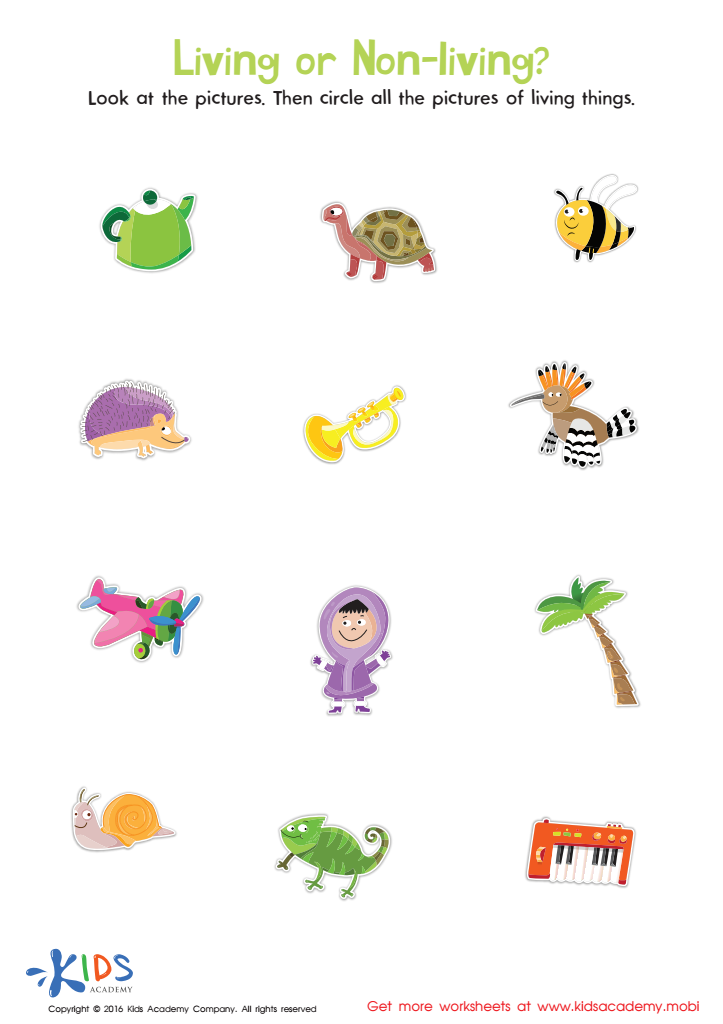
Identifying Living and Non–living Things Sorting Worksheet
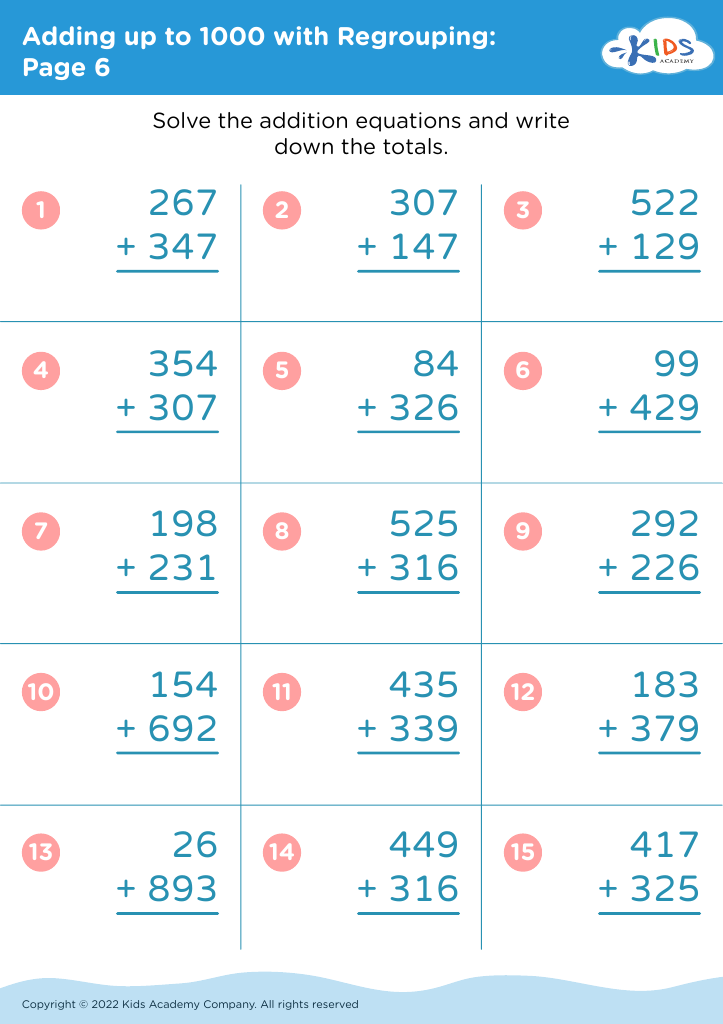
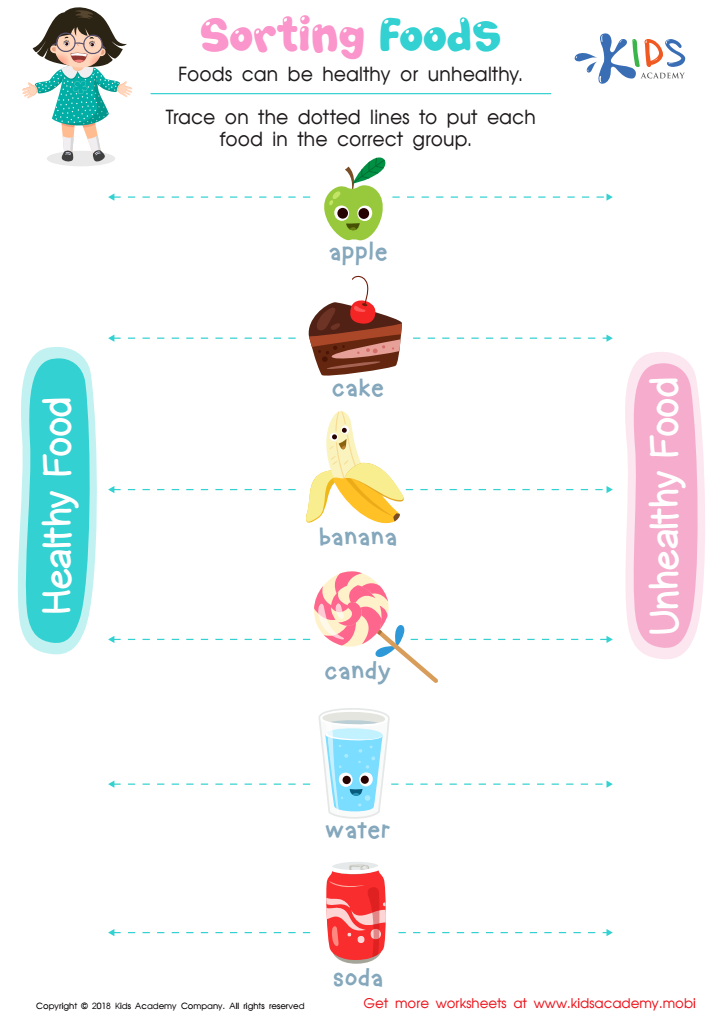
Sorting Food Worksheet
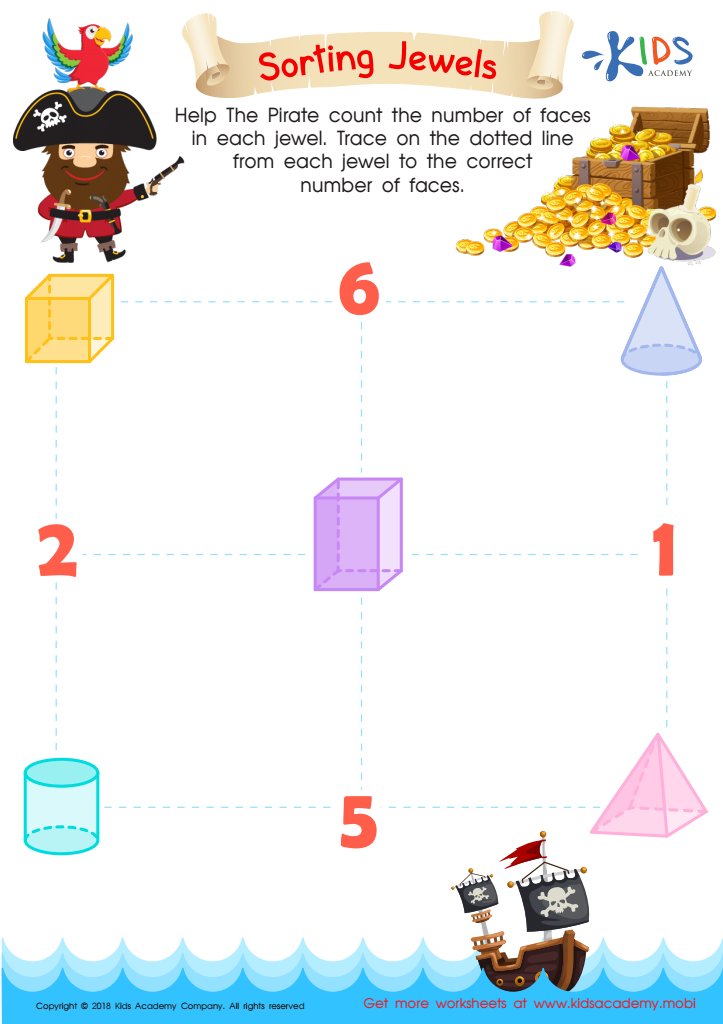
Sorting Jewels Worksheet
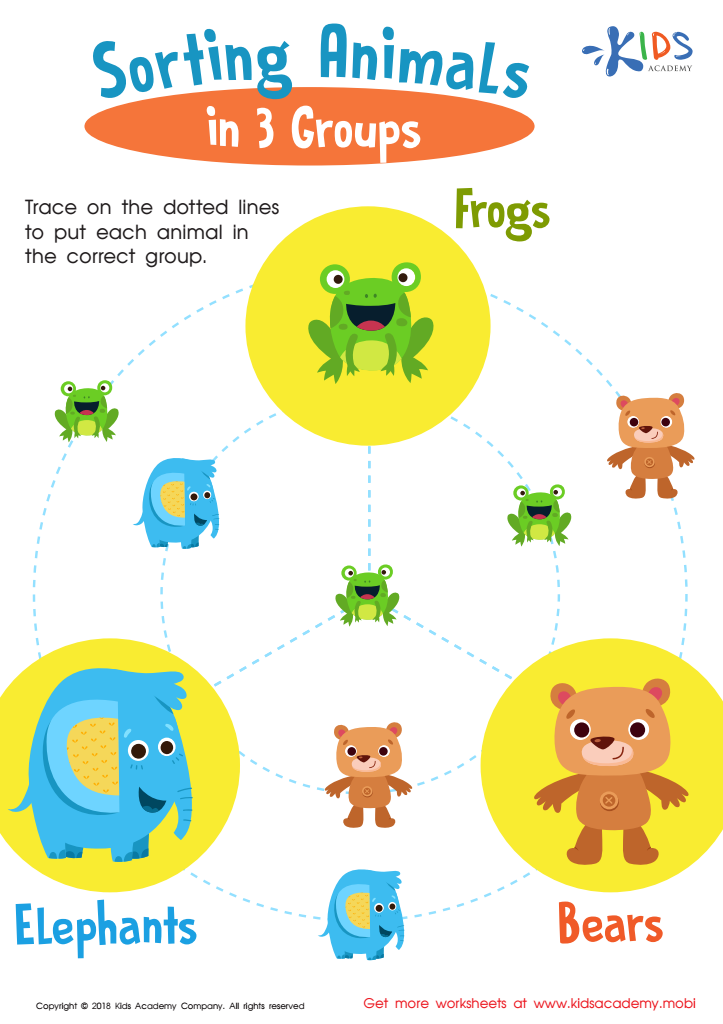
Sorting Animals in 3 Groups Worksheet
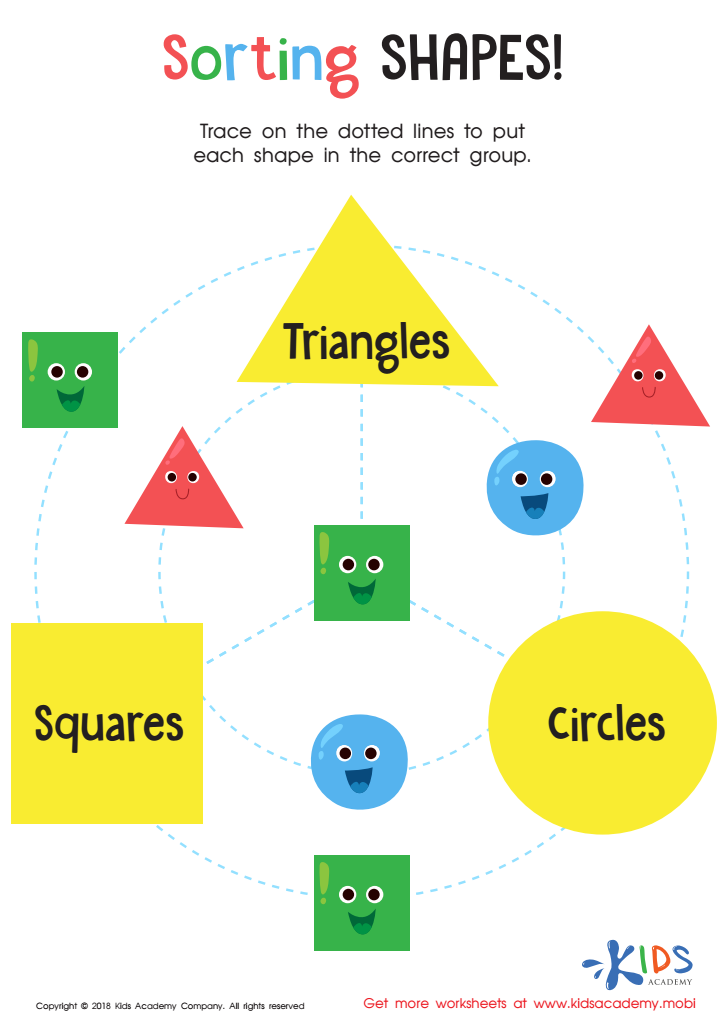
Sorting Shapes - Part 3 Worksheet
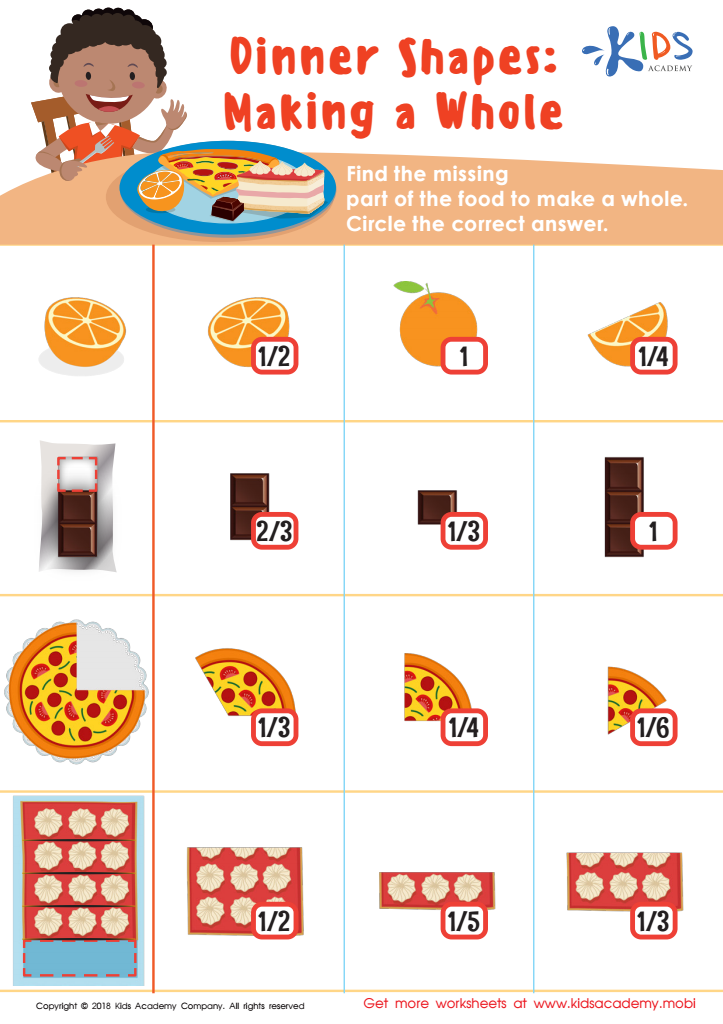
Dinner Shapes: Making a Whole Worksheet
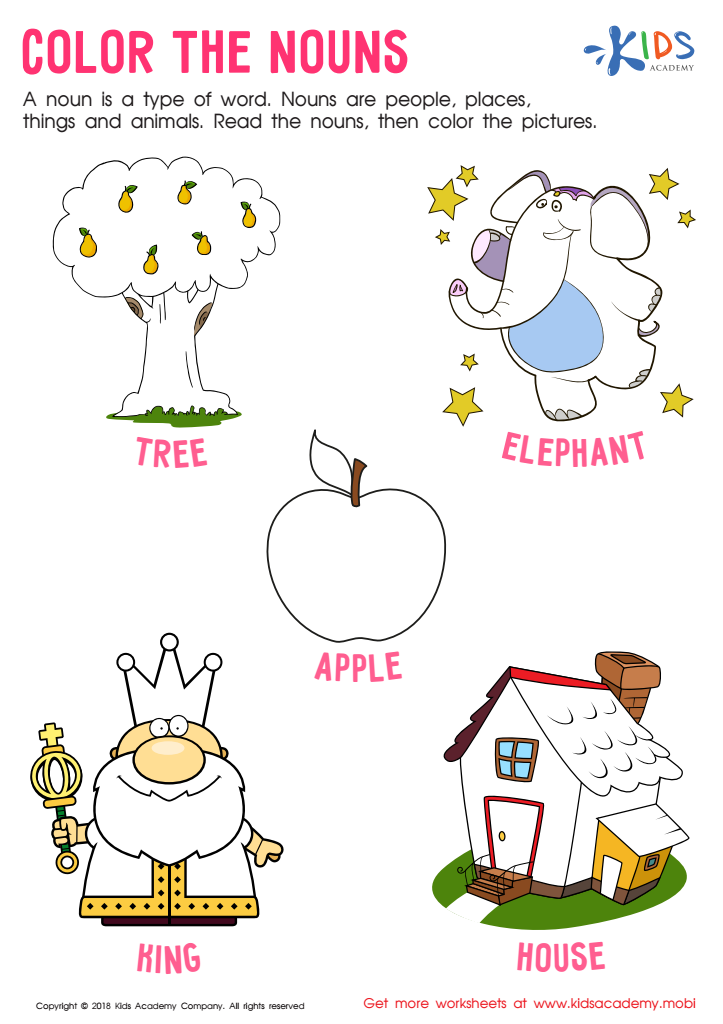
Color the Nouns Worksheet
 Assign to My Students
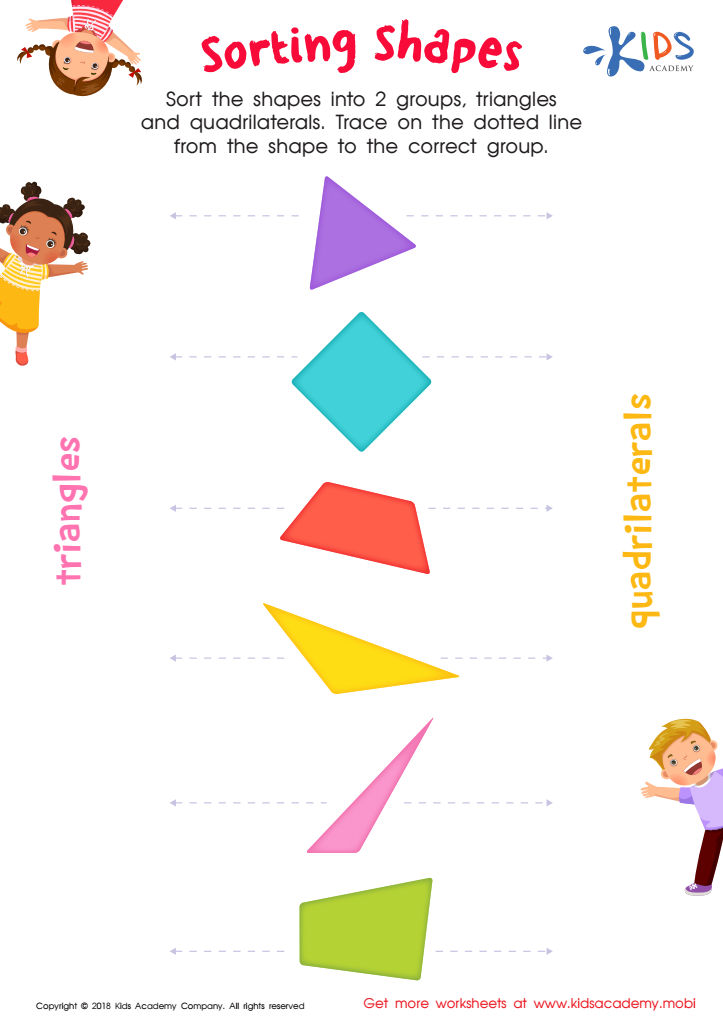
Sorting Shapes Worksheet
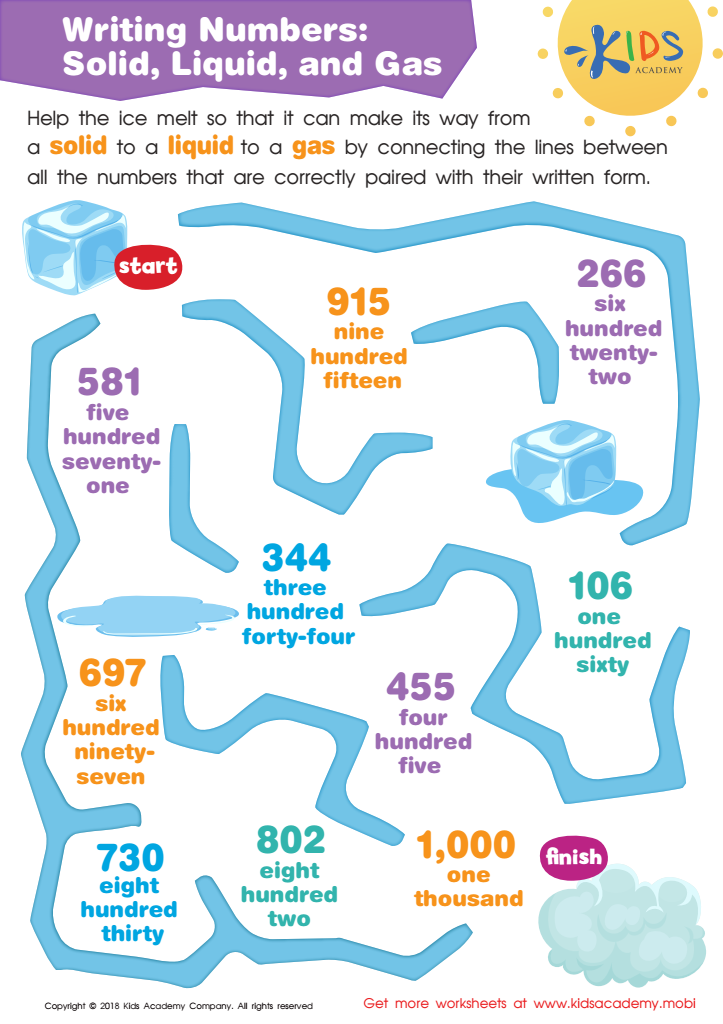
Solid, Liquid, and Gas Writing Numbers Worksheet
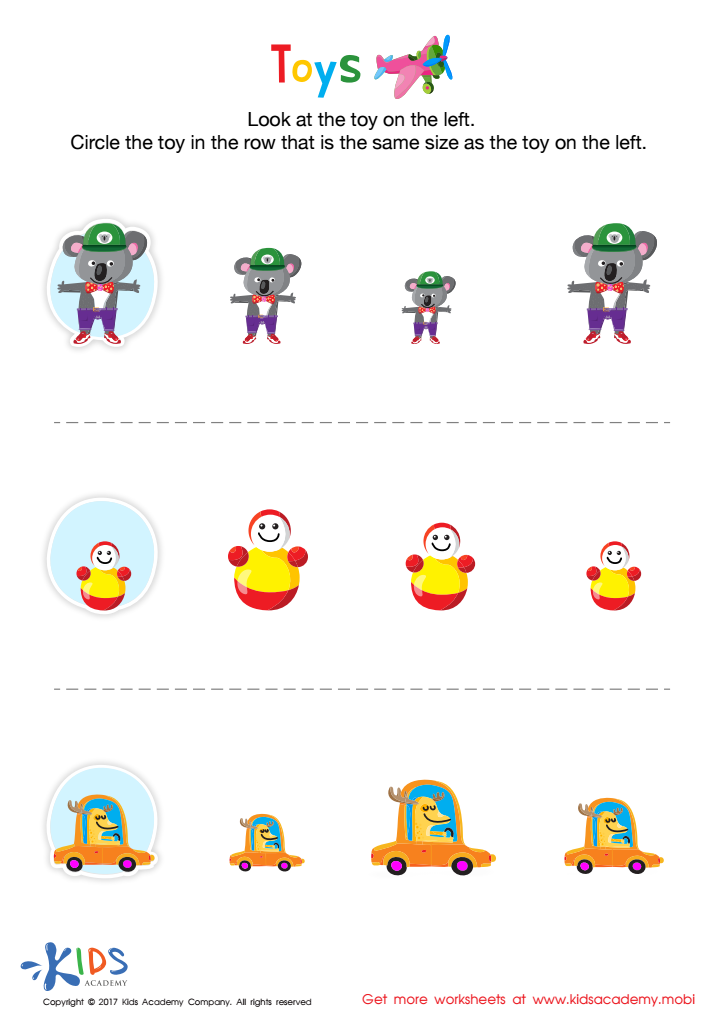
Matching: Classifying Toys by Size Worksheet
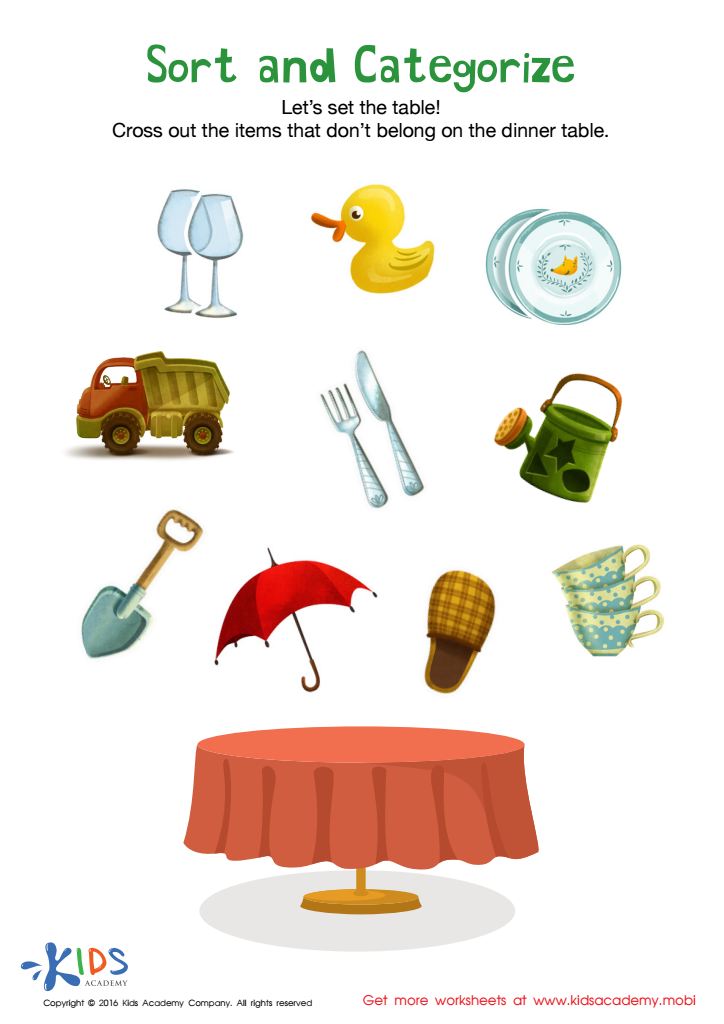
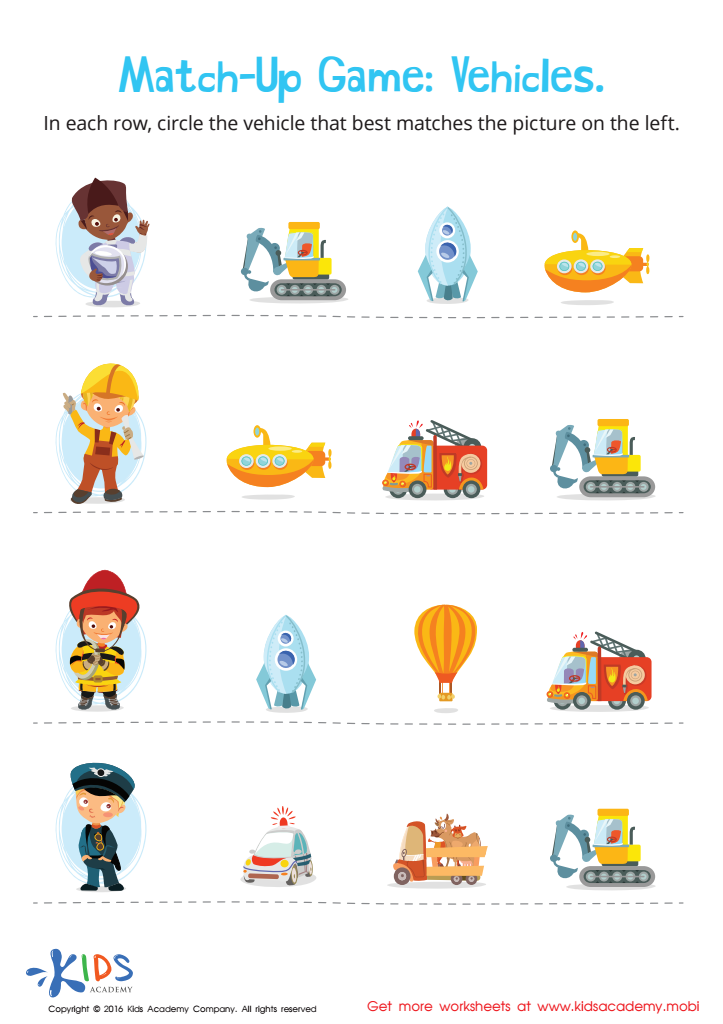
Vehicles Worksheet
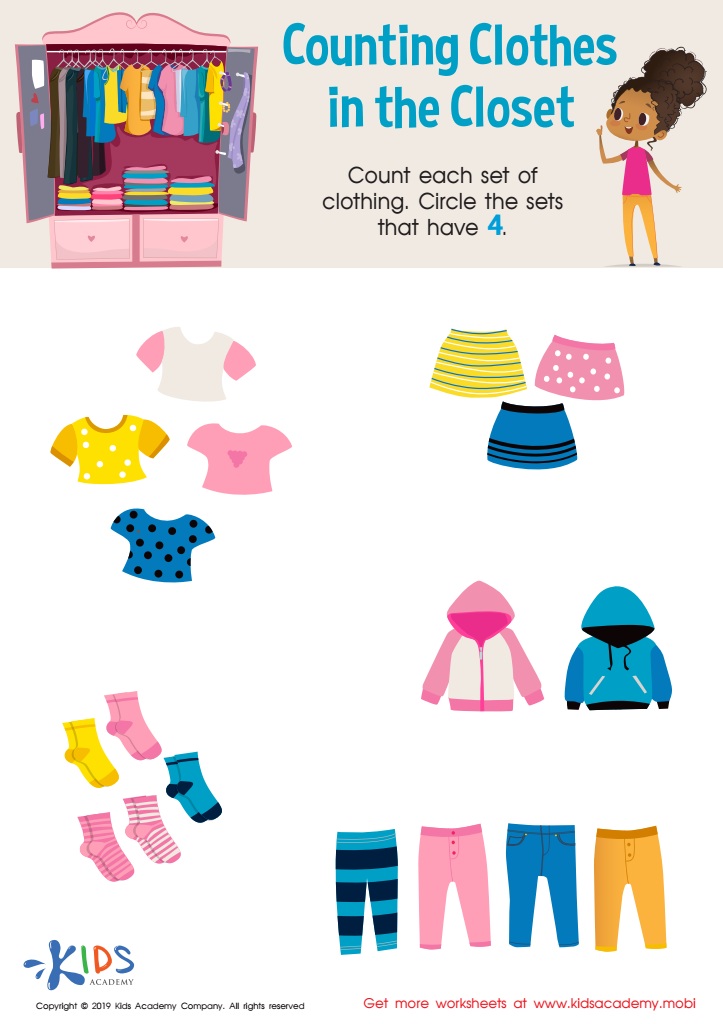
Counting Clothes Worksheet
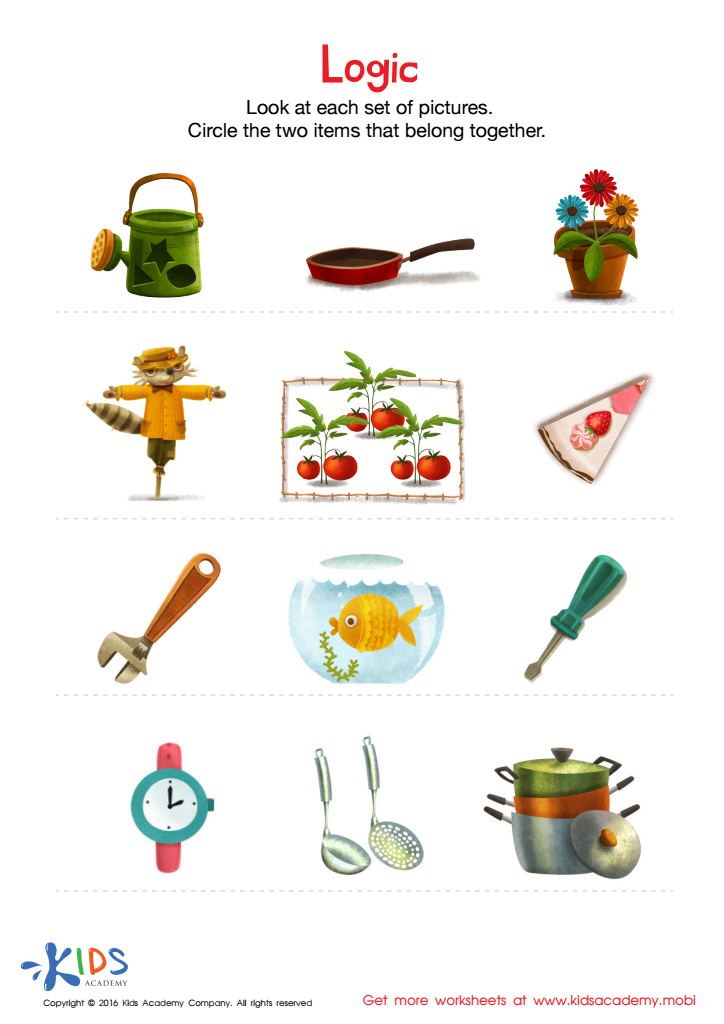
Logic Game Sorting Worksheet
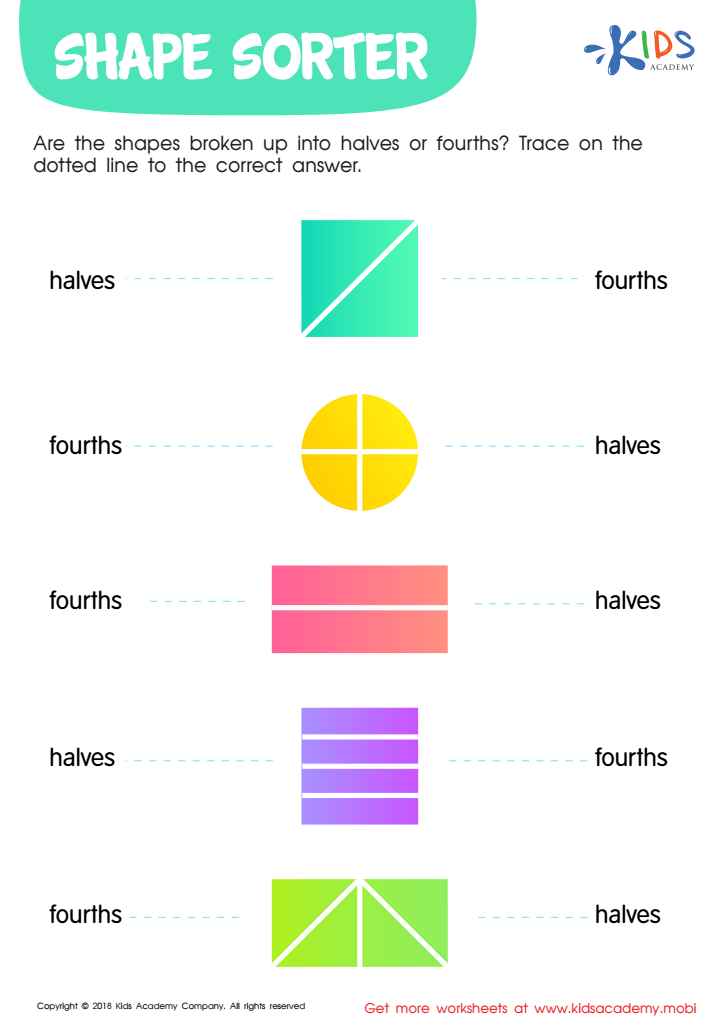
Shape Sorter Worksheet
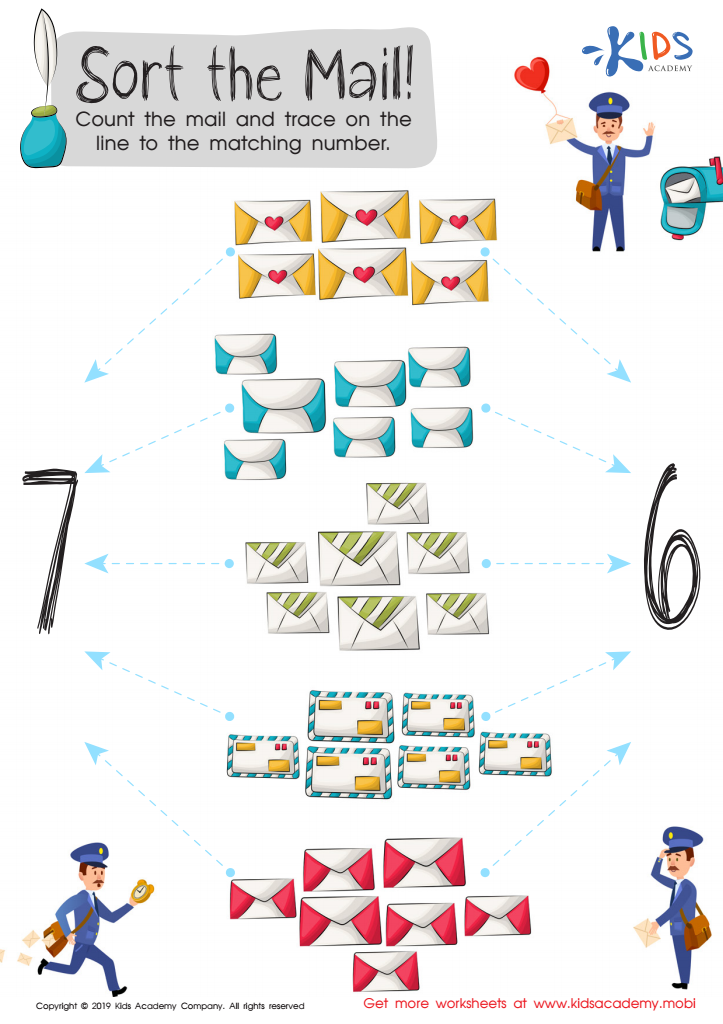
Sort the Mail Worksheet
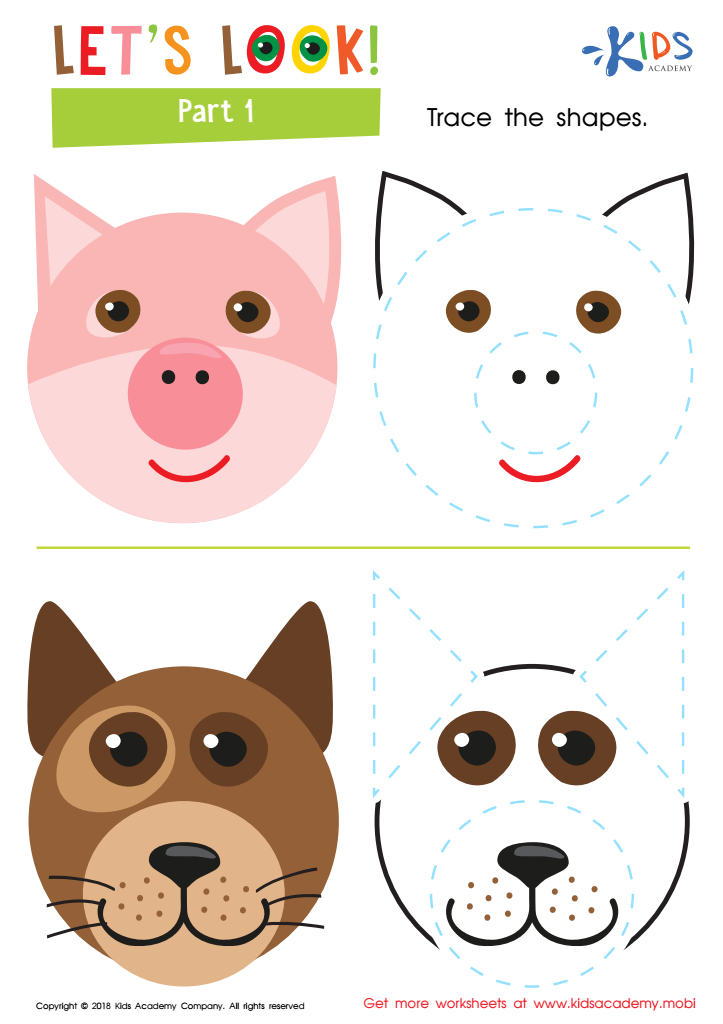
Let's Look! Part 1 Worksheet
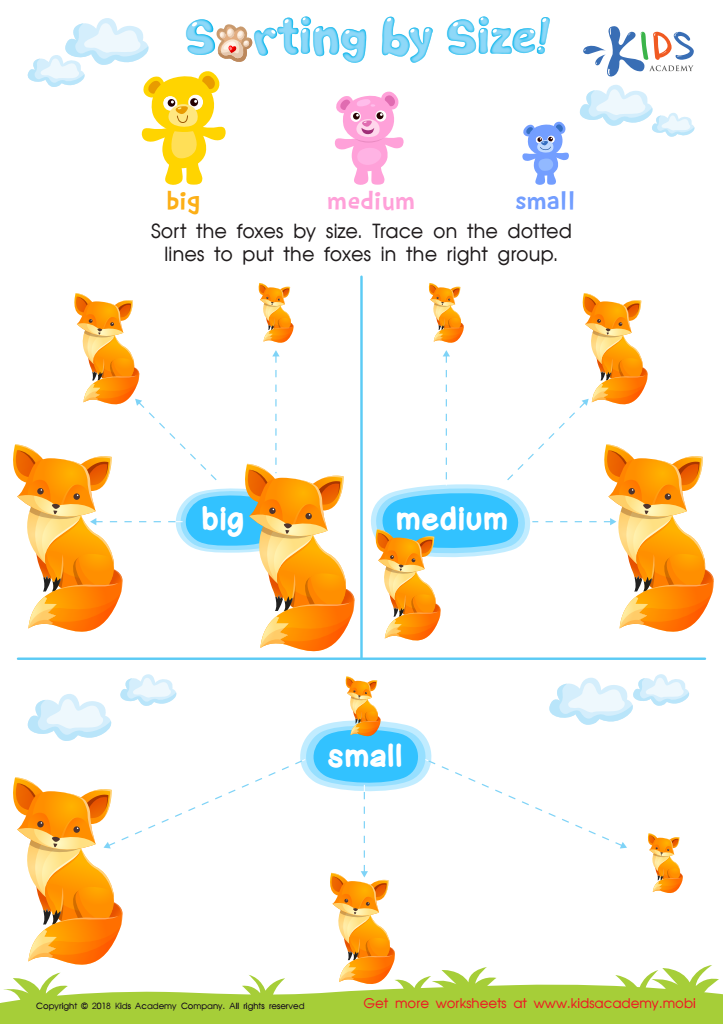
Sorting by Size Worksheet
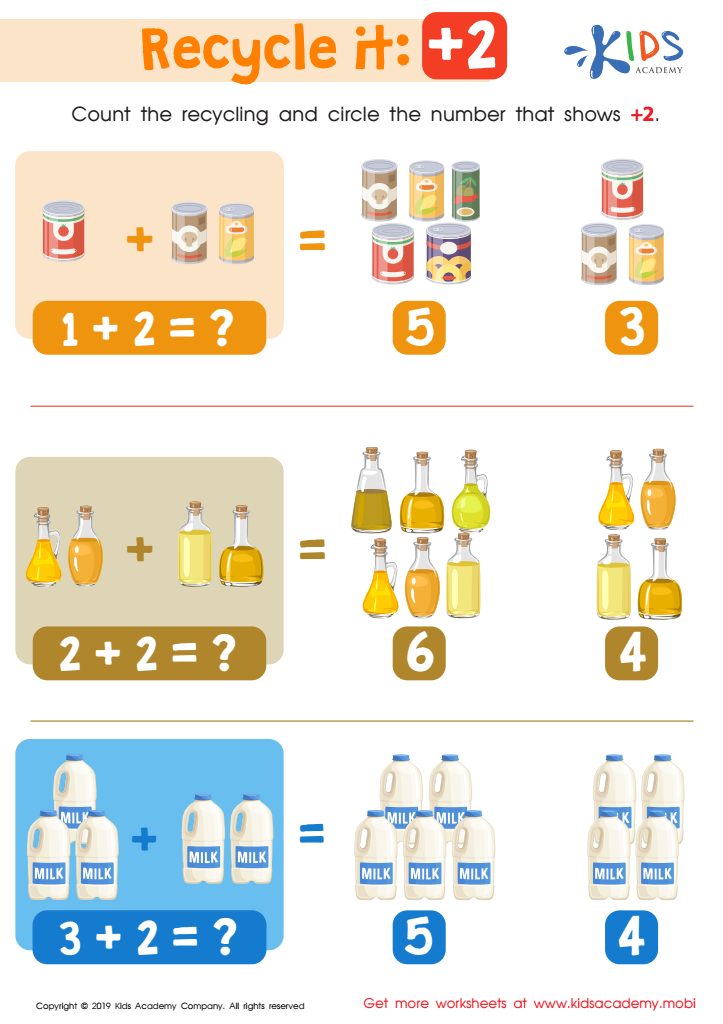
Recycle It: +2 Worksheet
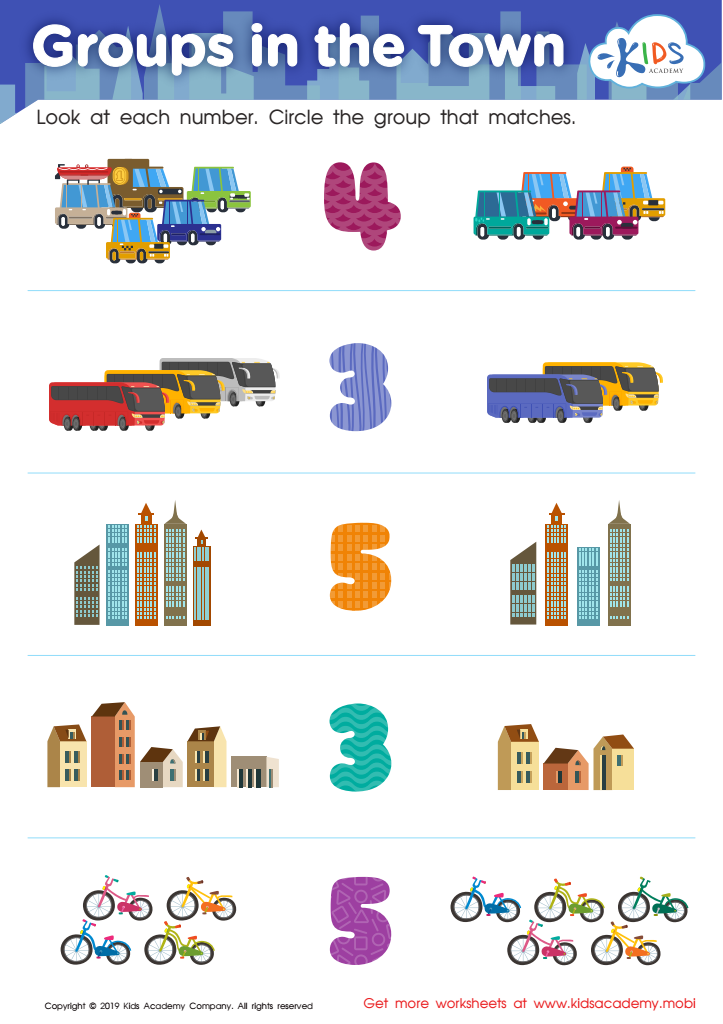
Groups in the Town Worksheet








Categorization skills in math are vital for children aged 4-9, as they lay the foundational understanding necessary for more advanced mathematical concepts. During these early developmental years, children are naturally curious and beginning to make sense of the world around them. By honing their categorization skills, parents and teachers empower children to group objects, recognize patterns, and make comparisons, fostering critical thinking and problem-solving abilities.
When children categorize objects by size, color, shape, or other attributes, they begin to understand relationships and differences, which are essential to developing numeracy. For example, when differentiating between large and small, they practice sorting and labeling, which enhances their vocabulary and comprehension.
Moreover, categorization promotes organizational skills and encourages logical reasoning, skills that are applicable across various subjects beyond math. Engaging children in categorization activities - such as sorting toys, classifying animals, or organizing shapes - provides them with hands-on learning experiences that reinforce their understanding.
Ultimately, strong categorization skills build confidence in young learners, making mathematical concepts more accessible and enjoyable. As early influencers in a child's education, both parents and teachers play a crucial role in nurturing these essential skills, setting the stage for lifelong learning and academic success.








