Shape Recognition Math Worksheets for Ages 4-9 - Page 3
113 filtered results
-
From - To
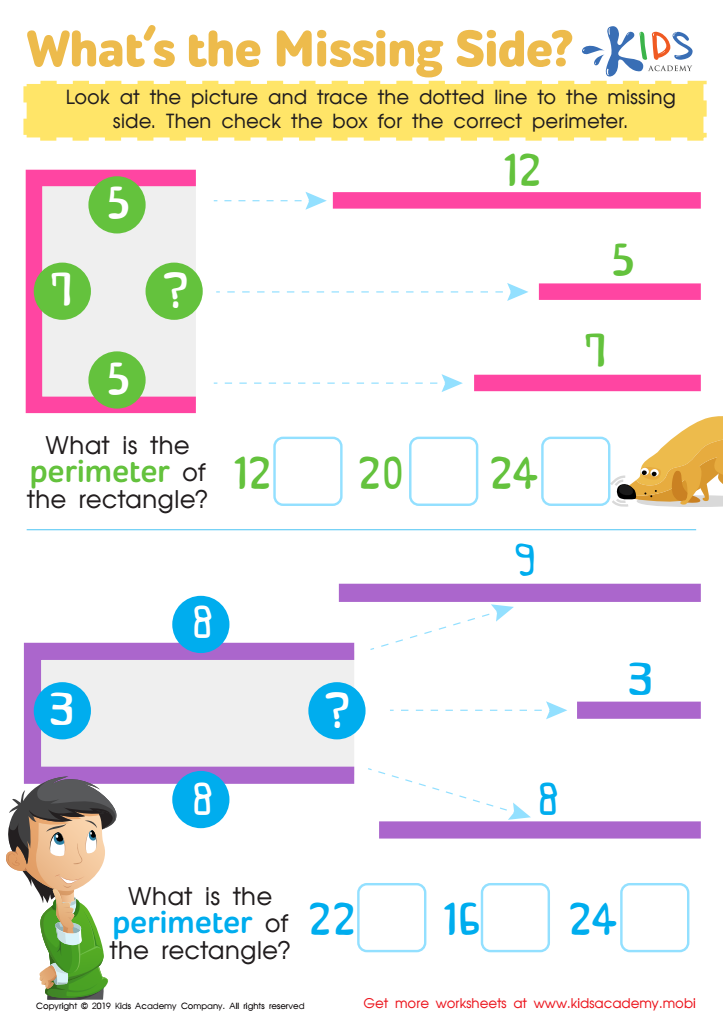
What's the Missing Side Worksheet
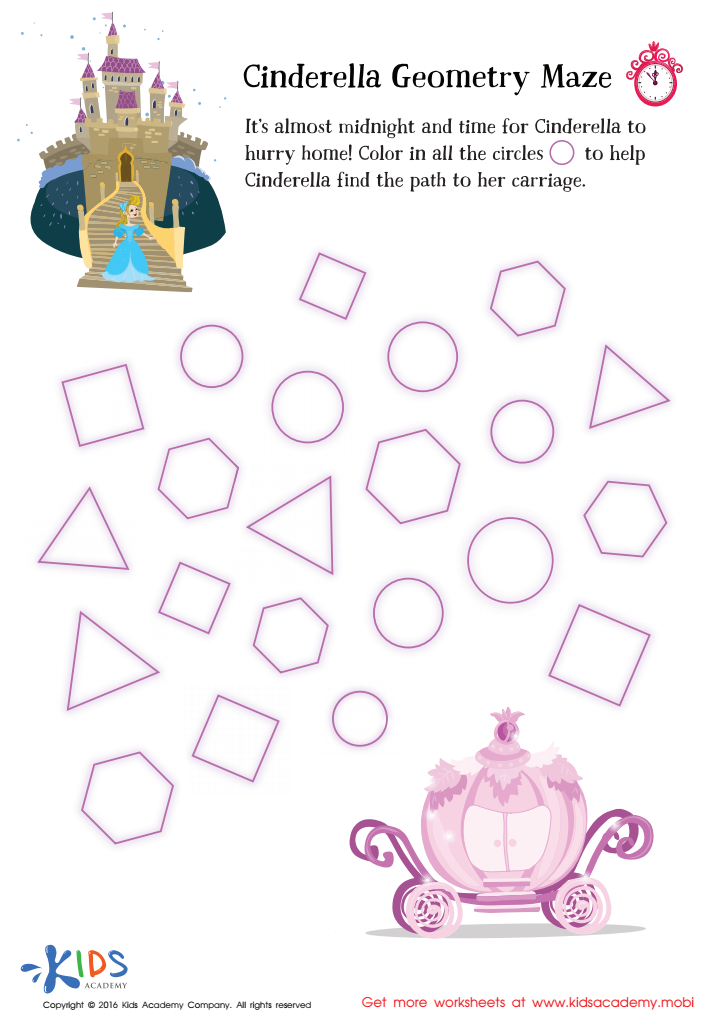
Cinderella Geometry Maze Worksheet
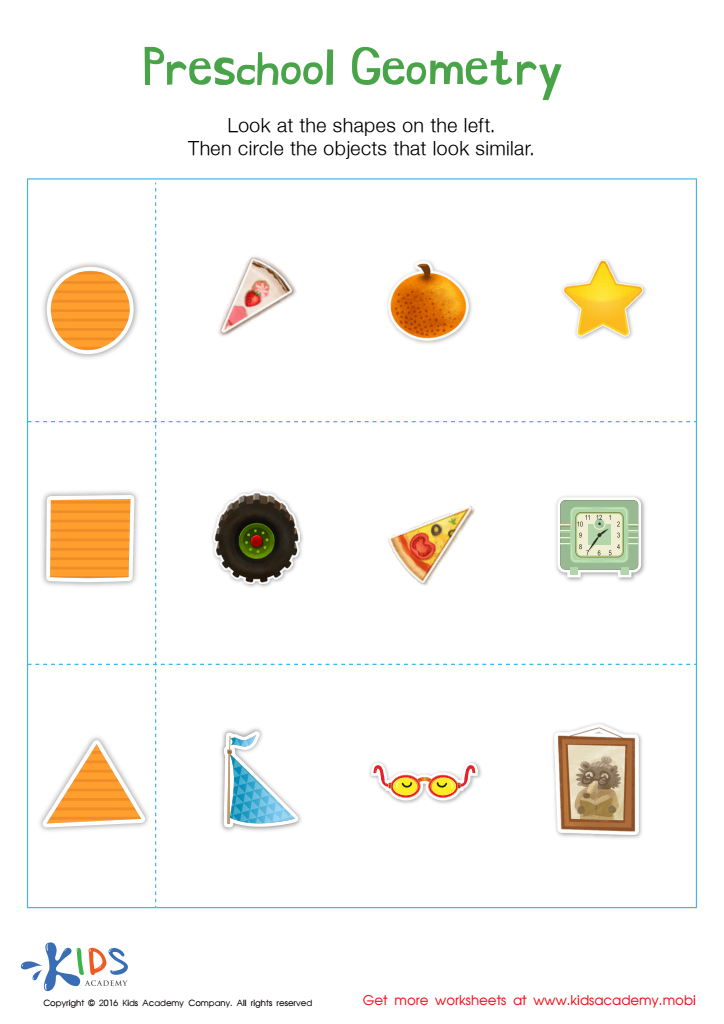
Preschool Geometry Match Up Worksheet
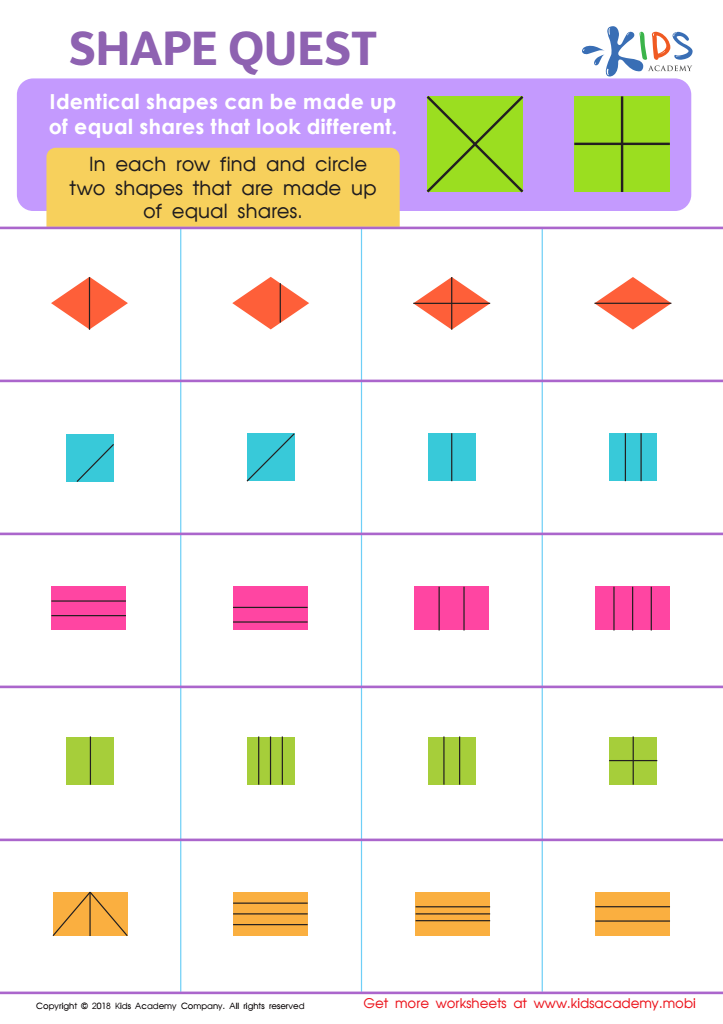
Shape Quest Worksheet
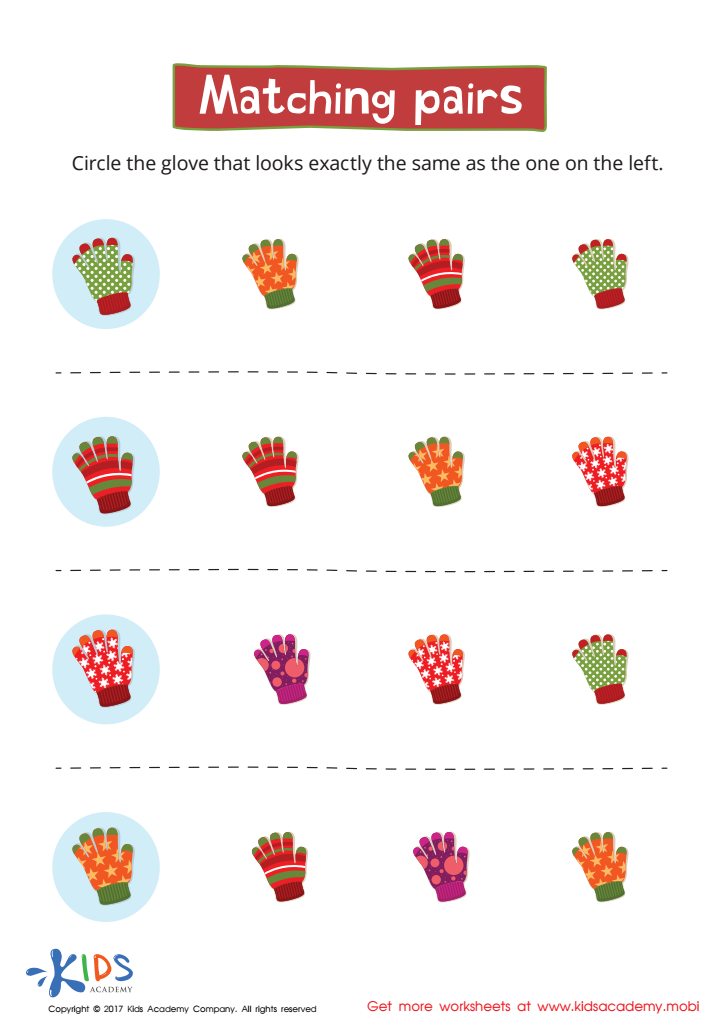
Matching: Matching Pairs Worksheet
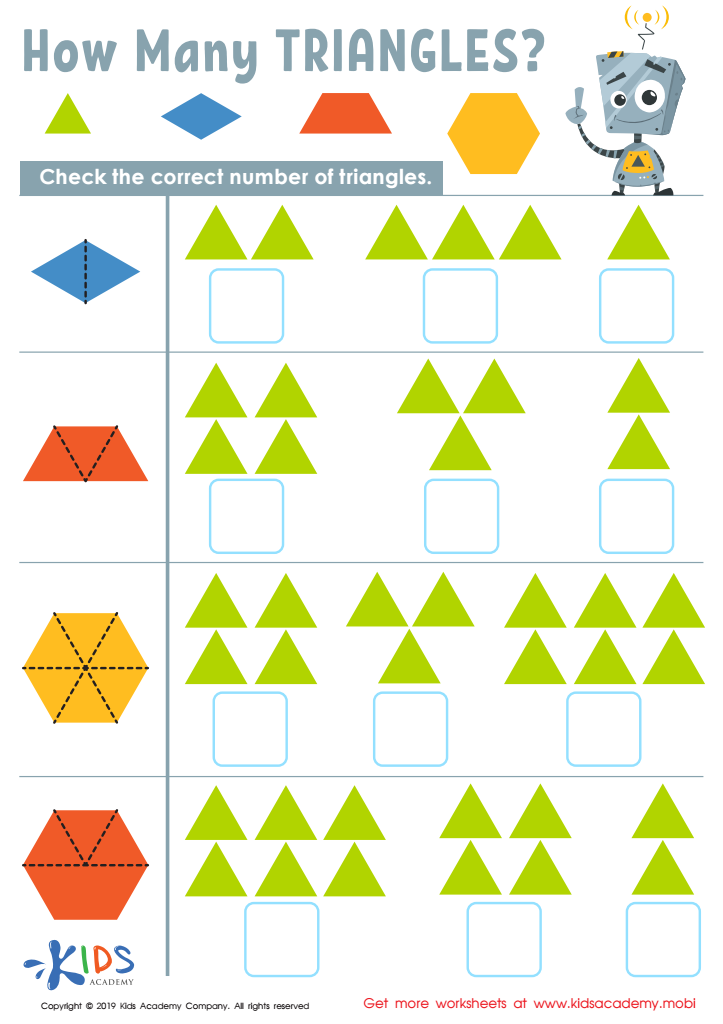
How Many Triangles Worksheet
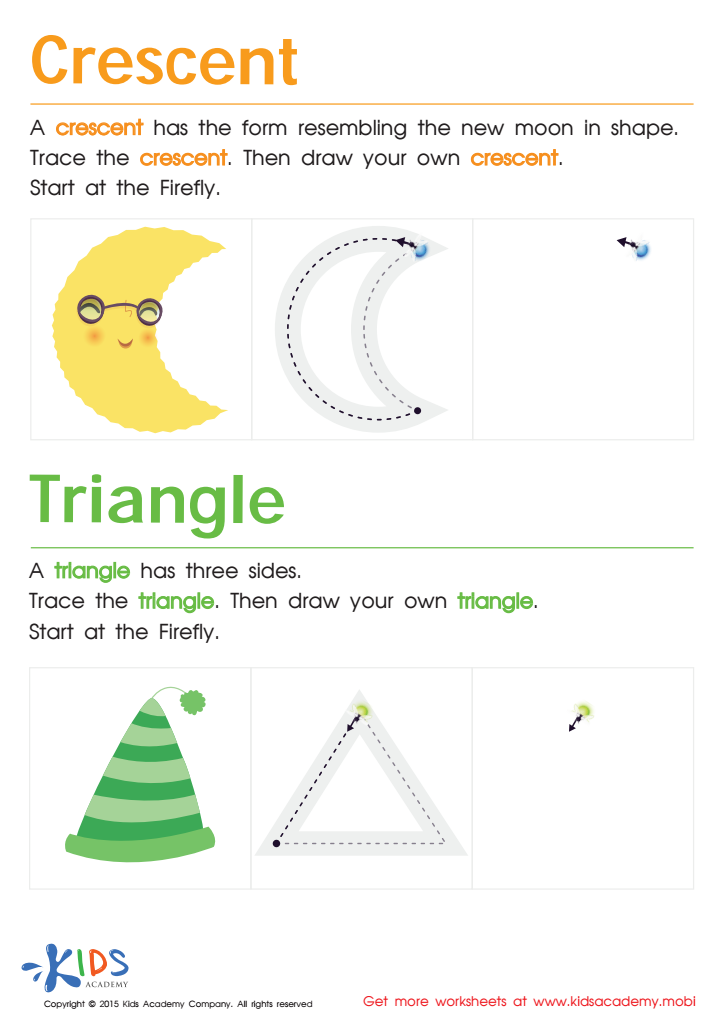
Learning to Draw Crescents And Triangles Worksheet
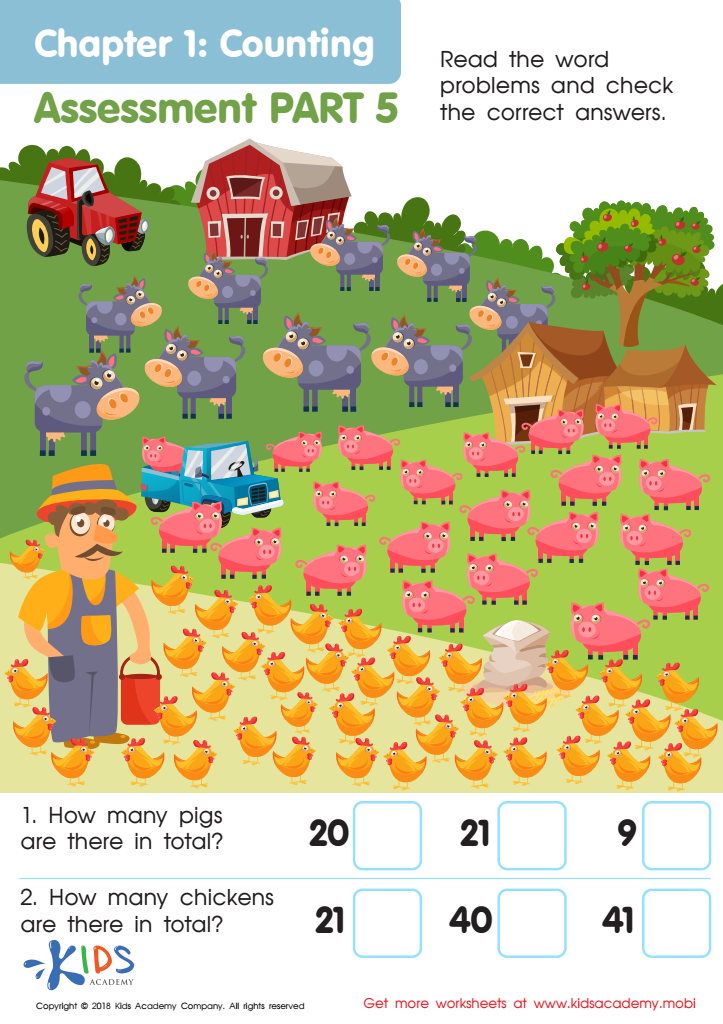
Counting: Assessment 5 Worksheet
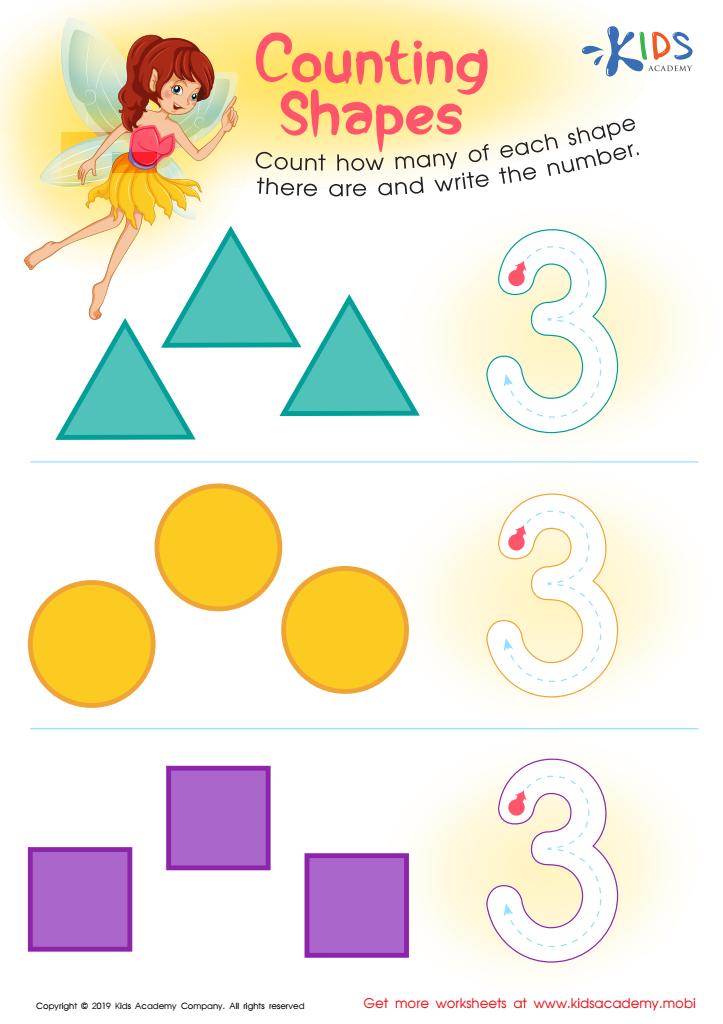
Counting Shapes Worksheet
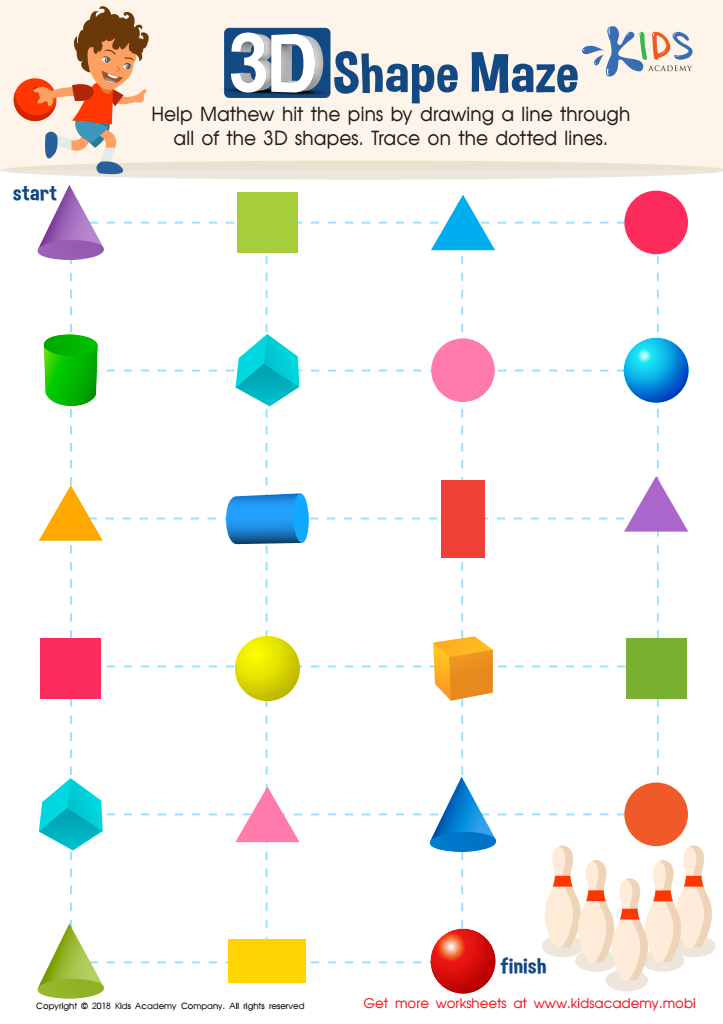
Shapes Maze Geometry Worksheet
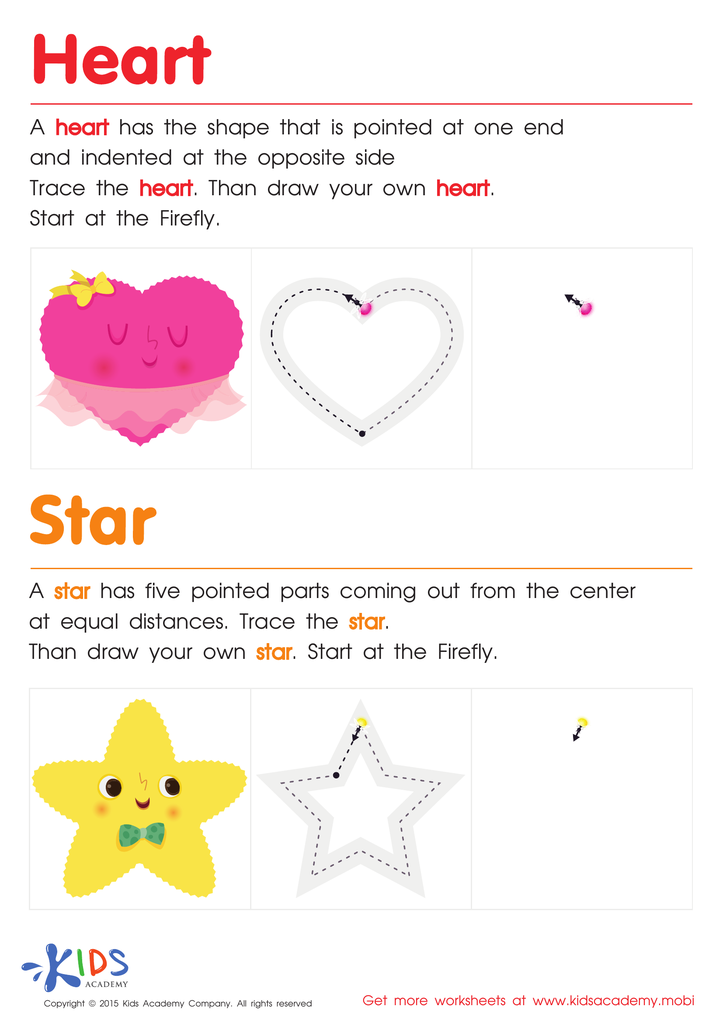
Let's Learn to Draw Hearts And Stars Printable
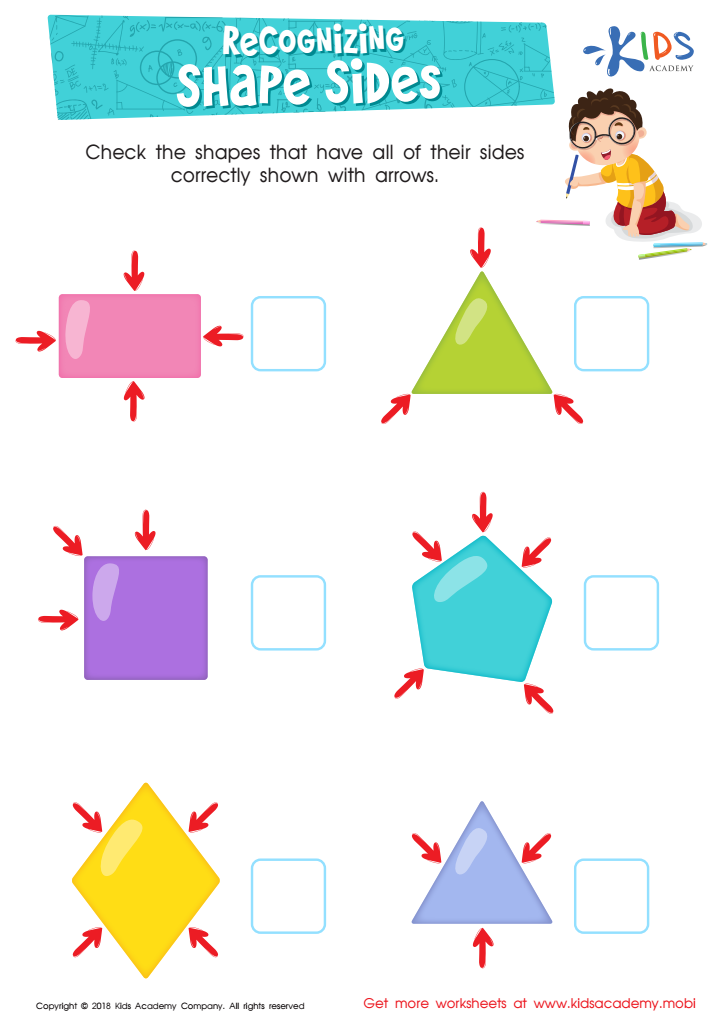
Recognizing Shape Sides Worksheet
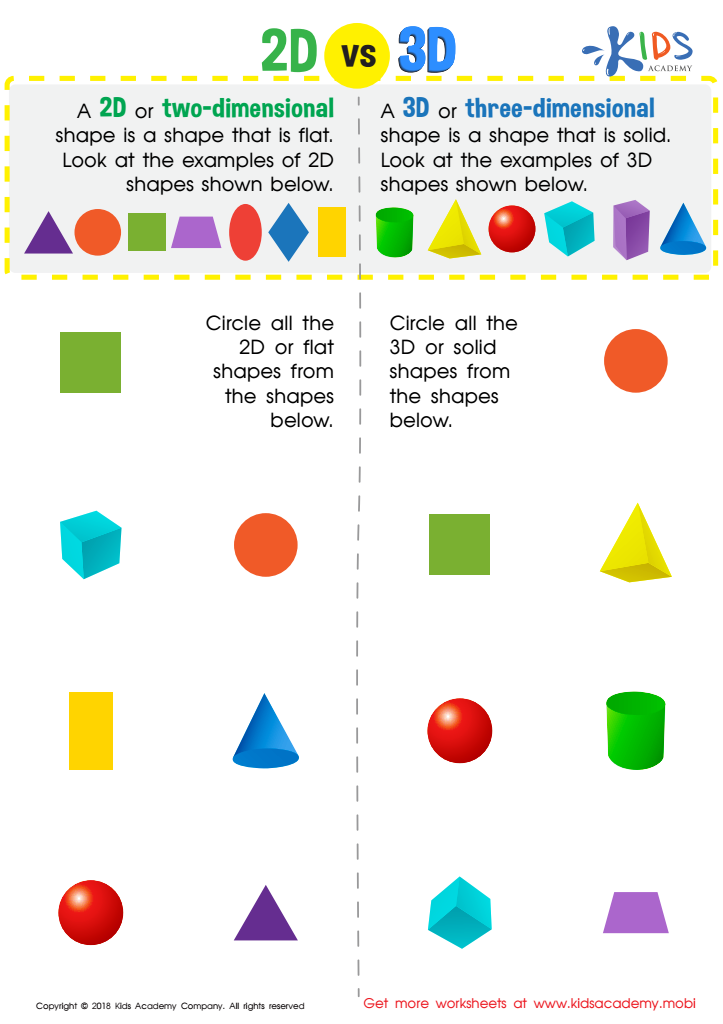
2D vs 3D Shapes Worksheet
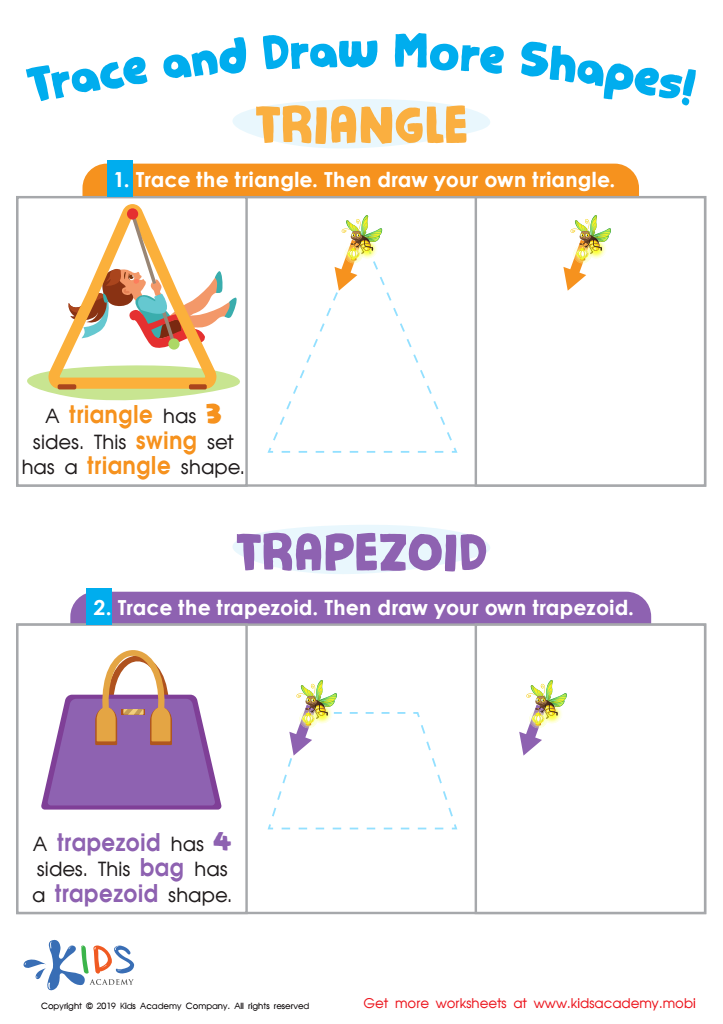
Trace and Draw More Shapes Worksheet
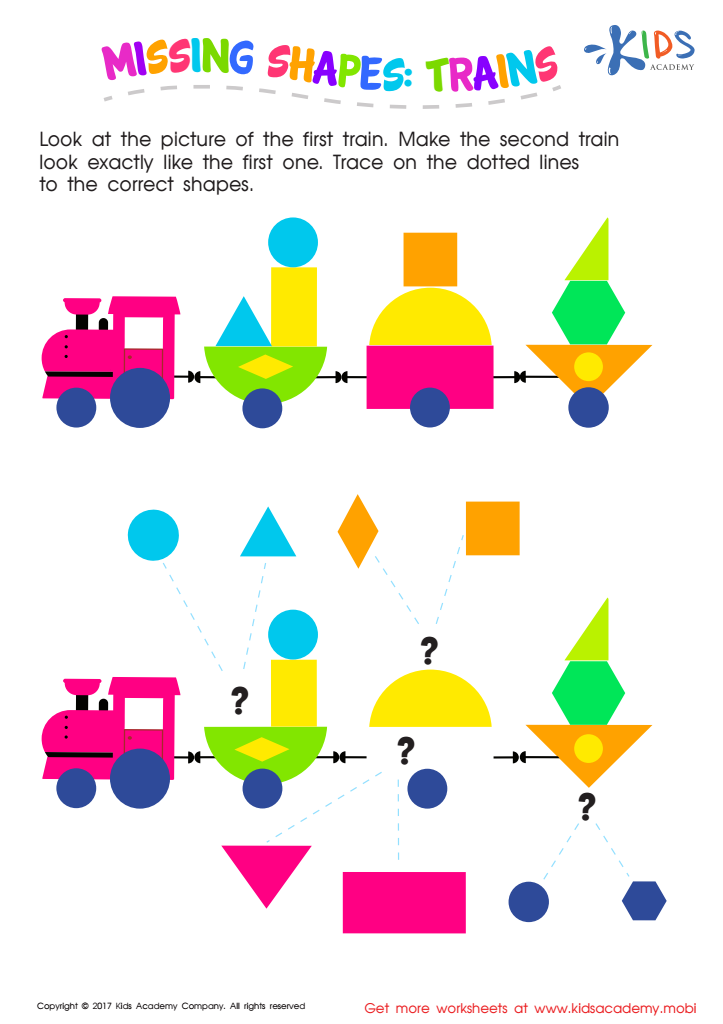
Missing Shapes: Trains Worksheet
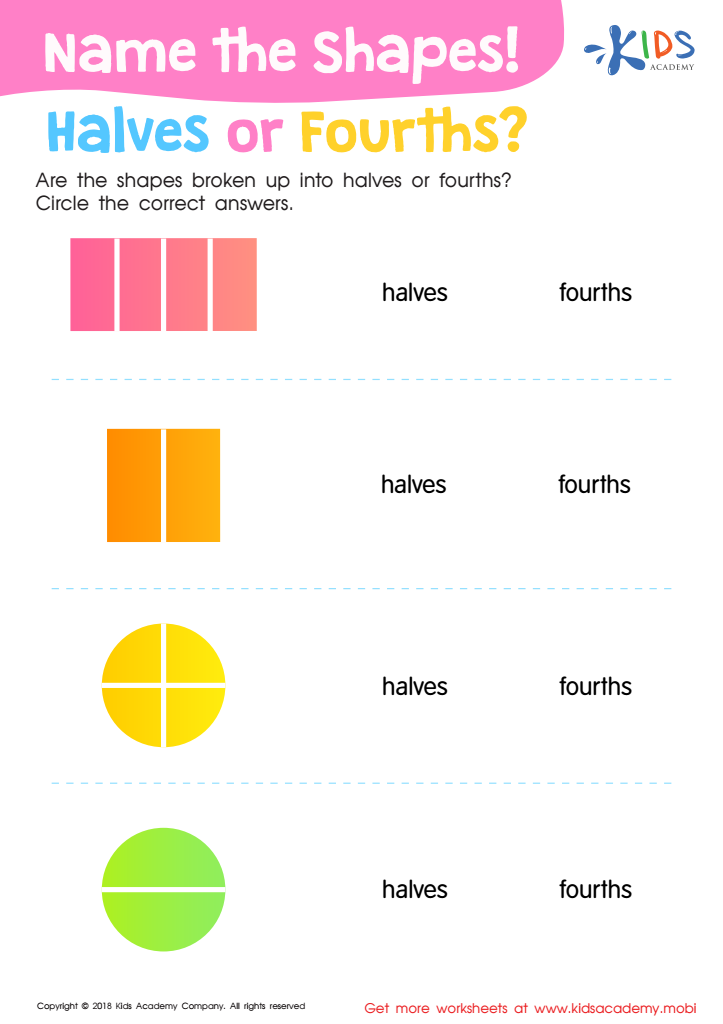
Name the Shapes Halves or Fourths? Worksheet
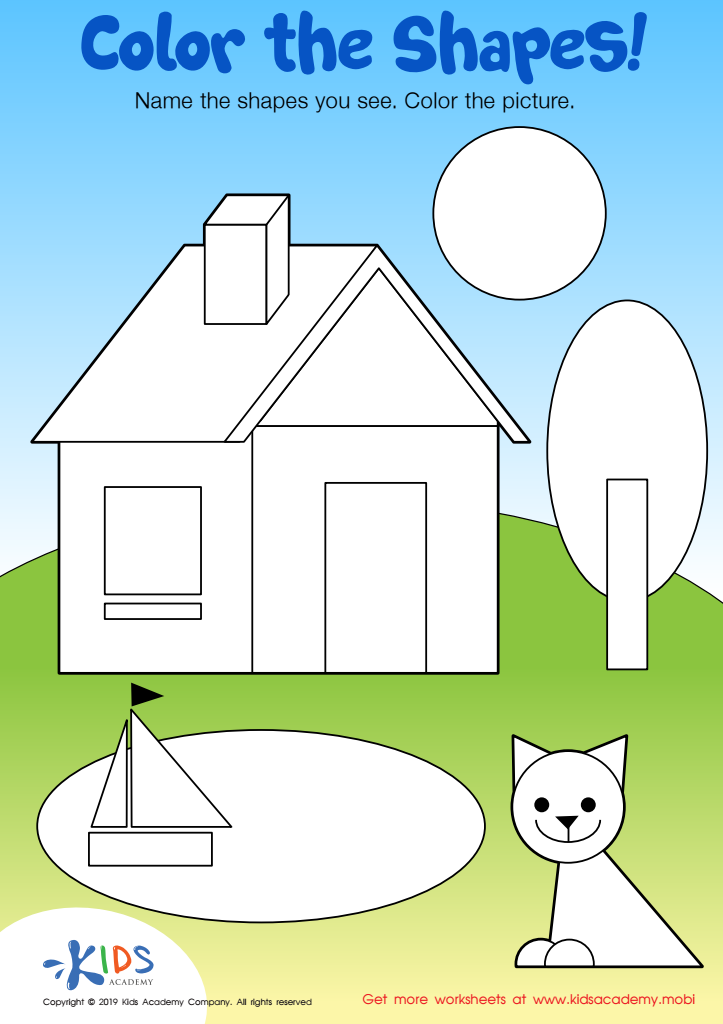
Color the Shapes Worksheet
 Assign to My Students






Shape recognition math is a fundamental aspect of early childhood education that provides significant cognitive benefits. For children aged 4-9, understanding shapes is not just about learning their names; it's about developing critical thinking and problem-solving skills. At this age, young minds are highly receptive and shape recognition can lay the groundwork for later mathematical concepts such as geometry, fractions, and patterns.
For parents and teachers, emphasizing shape recognition is crucial because it builds a child's spatial awareness—the ability to understand the relationships between objects. This skill aids in everyday tasks and enhances future learning in STEM fields. Additionally, recognizing and differentiating shapes contribute to a child's ability to categorize and organize information, thereby improving memory and logical sequencing.
Encouraging shape recognition also boosts language development. When children describe shapes, they learn to use descriptive vocabulary and understand positional words like "above," "below," and "near." This enhances their communication skills, which are vital for success in all areas of learning.
Moreover, engaging children in shape-related activities is enjoyable and motivating, fostering a positive attitude toward learning. In summary, caring about shape recognition math equips children with essential cognitive tools, linguistic proficiency, and a solid foundation for future academic achievement.








