Numbers 0–10 Worksheets for Ages 4-9 - Page 7
157 filtered results
-
From - To
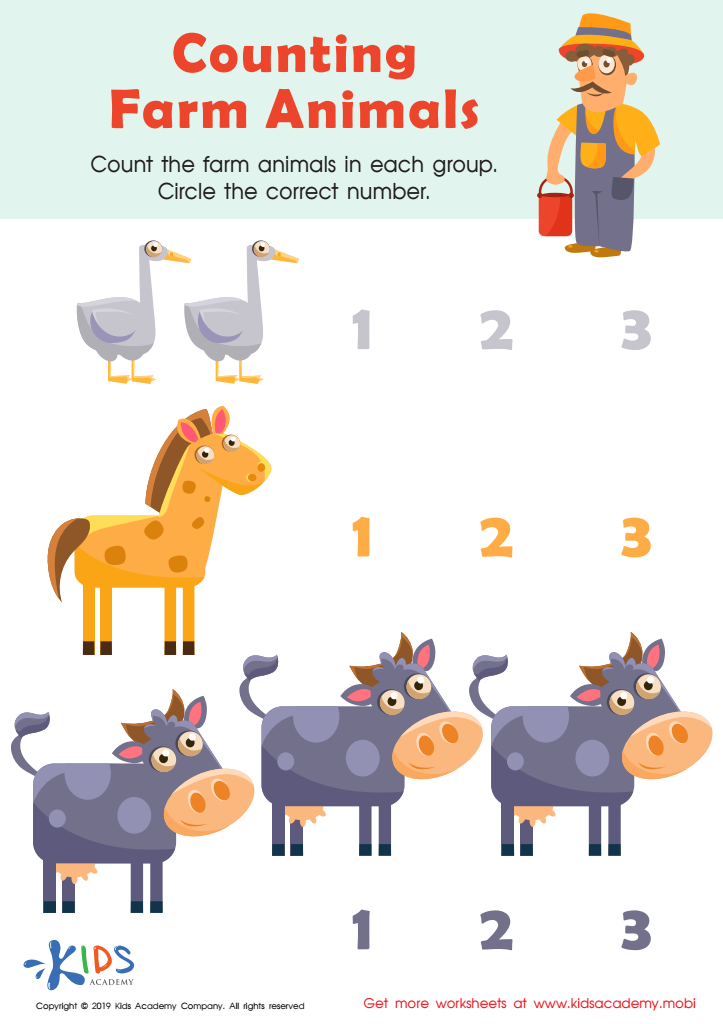
Counting Farm Animals Worksheet
 Assign to My Students
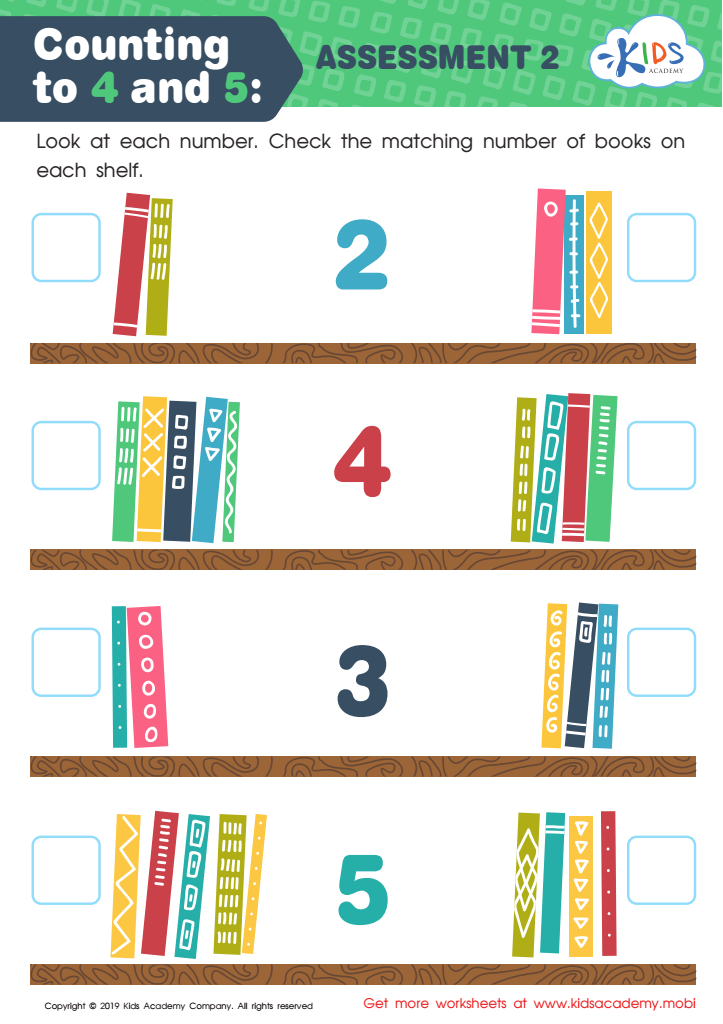
Counting to 4 and 5: Assessment 2 Worksheet
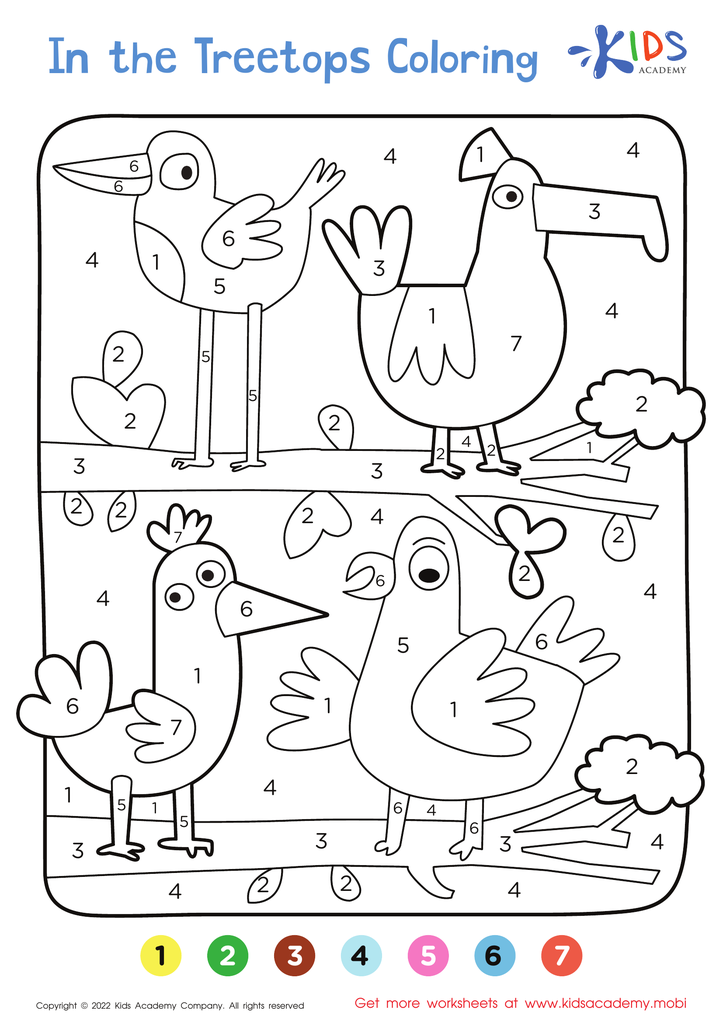
In the Treetops – Coloring Page
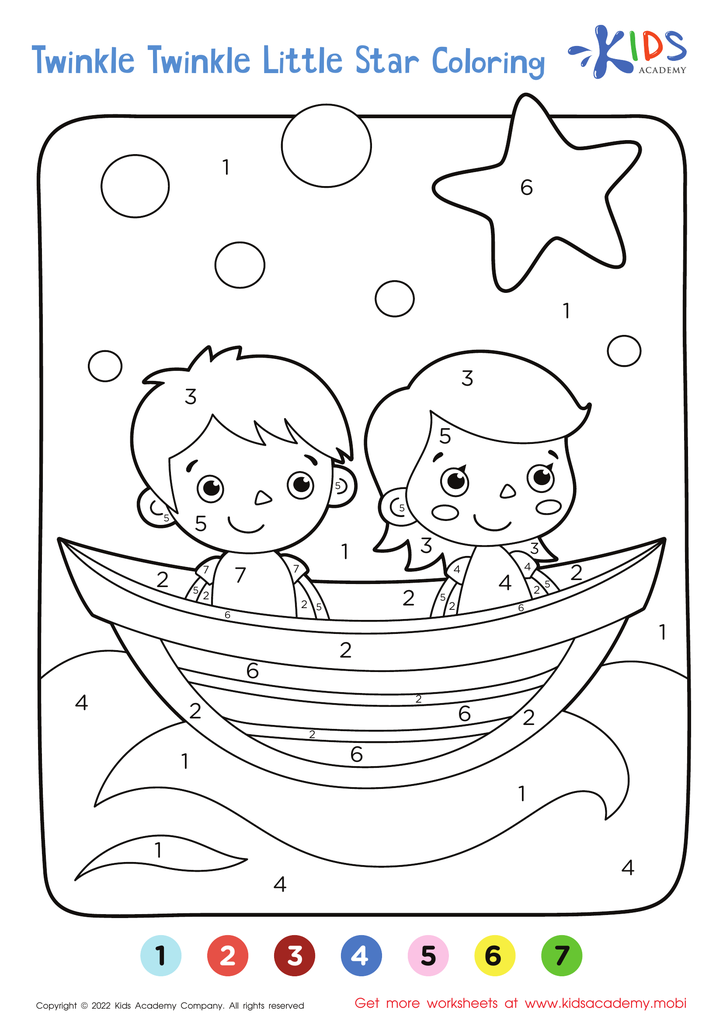
Twinkle, Twinkle, Little Star – Coloring by Numbers
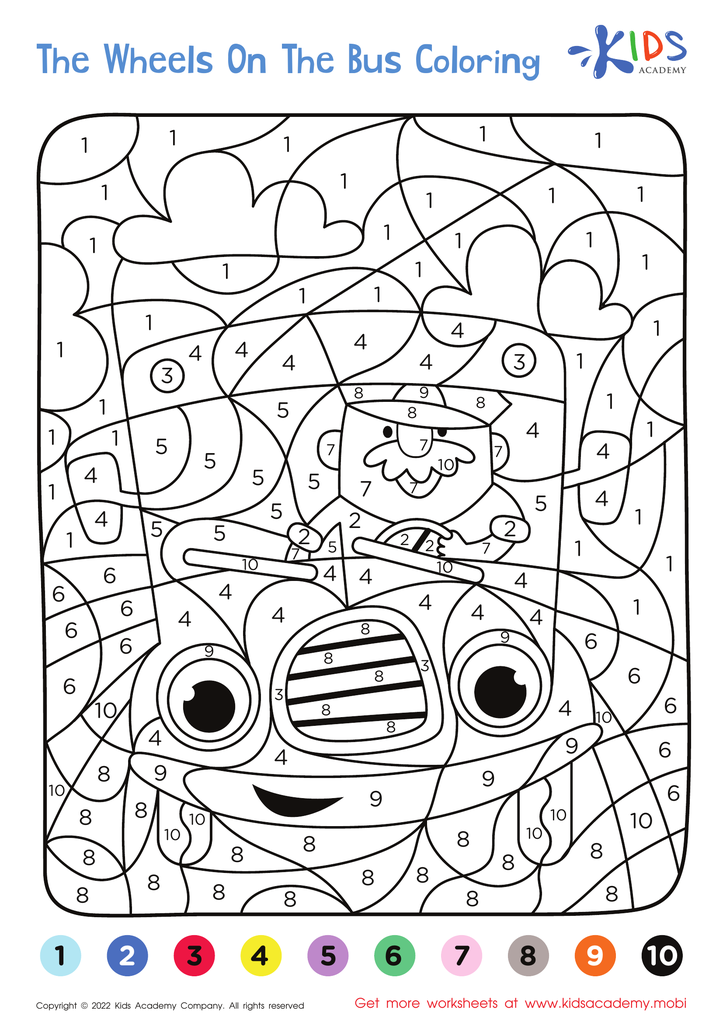
Wheels on the Bus – Coloring by Numbers
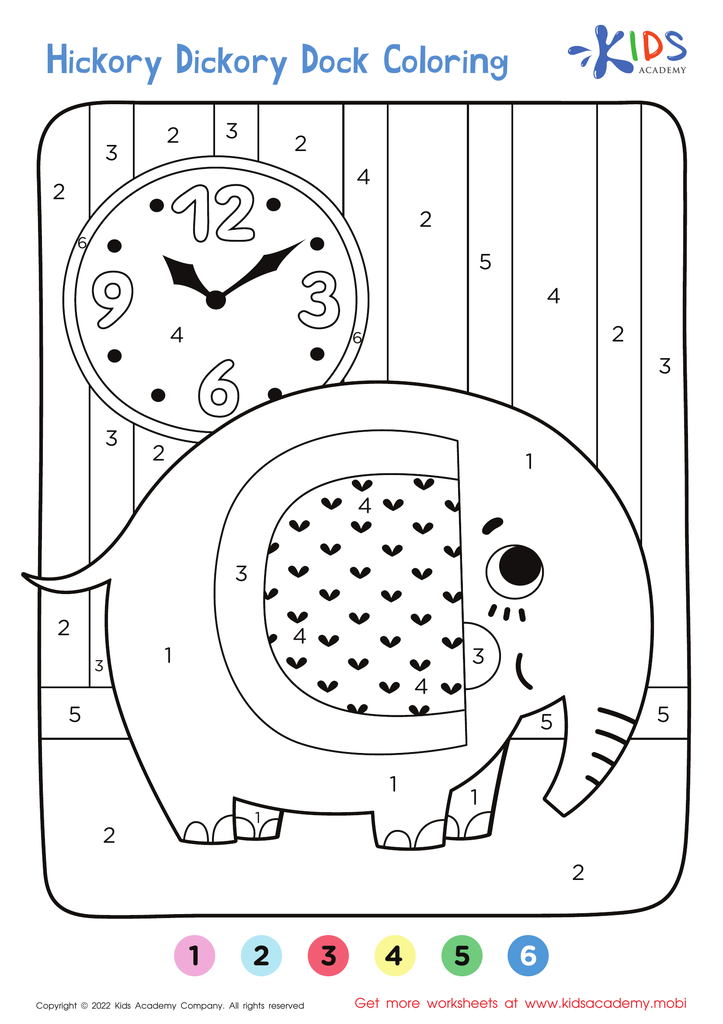
Hickory Dickory Dock – Coloring by Numbers
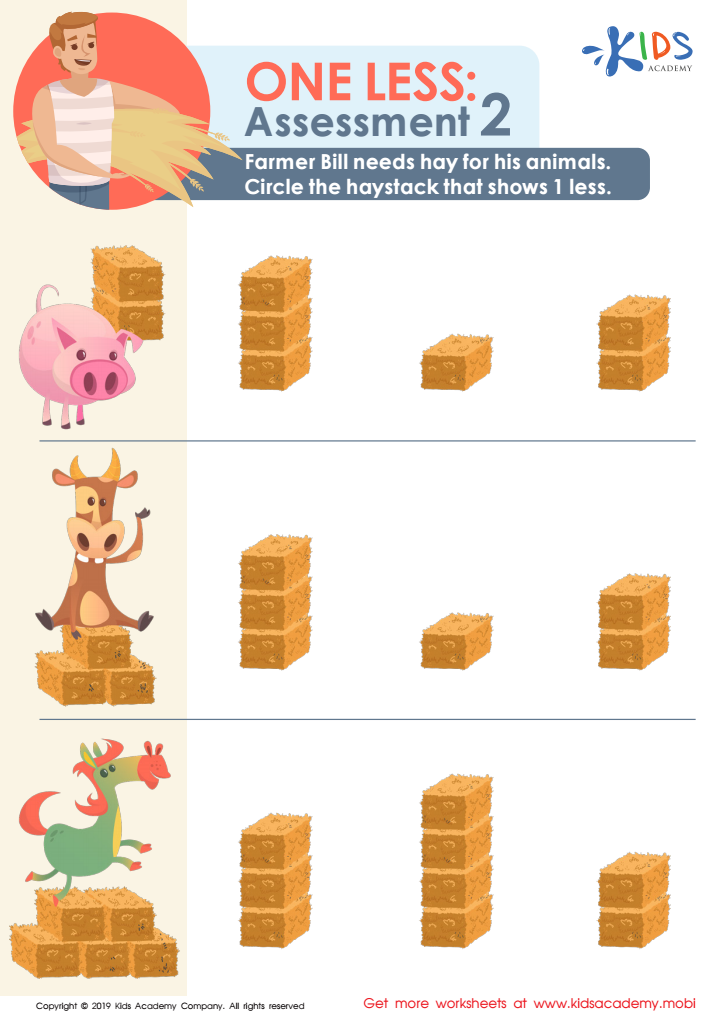
One Less: Assessment 2 Worksheet

Night Sky Numbers Worksheet
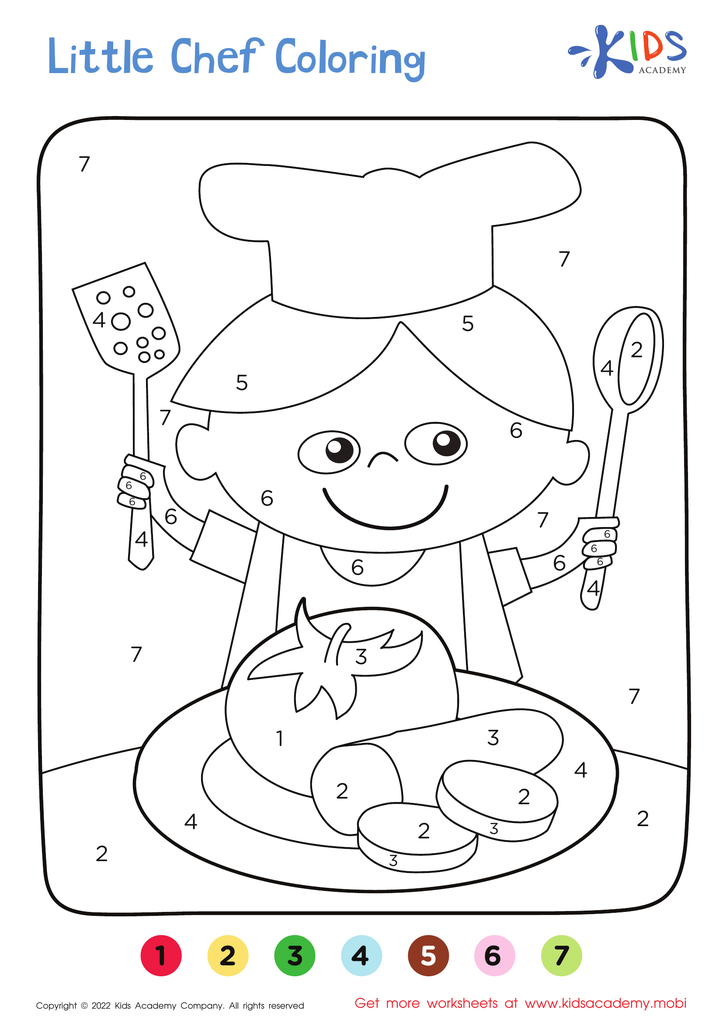
Little Chef – Coloring by Numbers
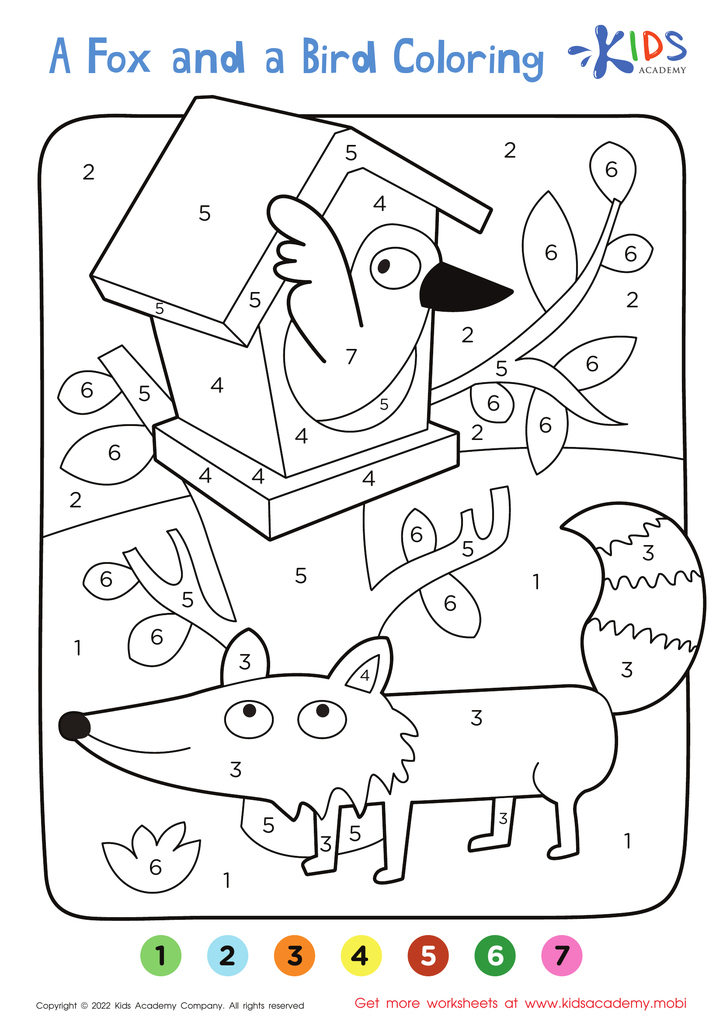
A Fox and a Bird – Coloring by Numbers
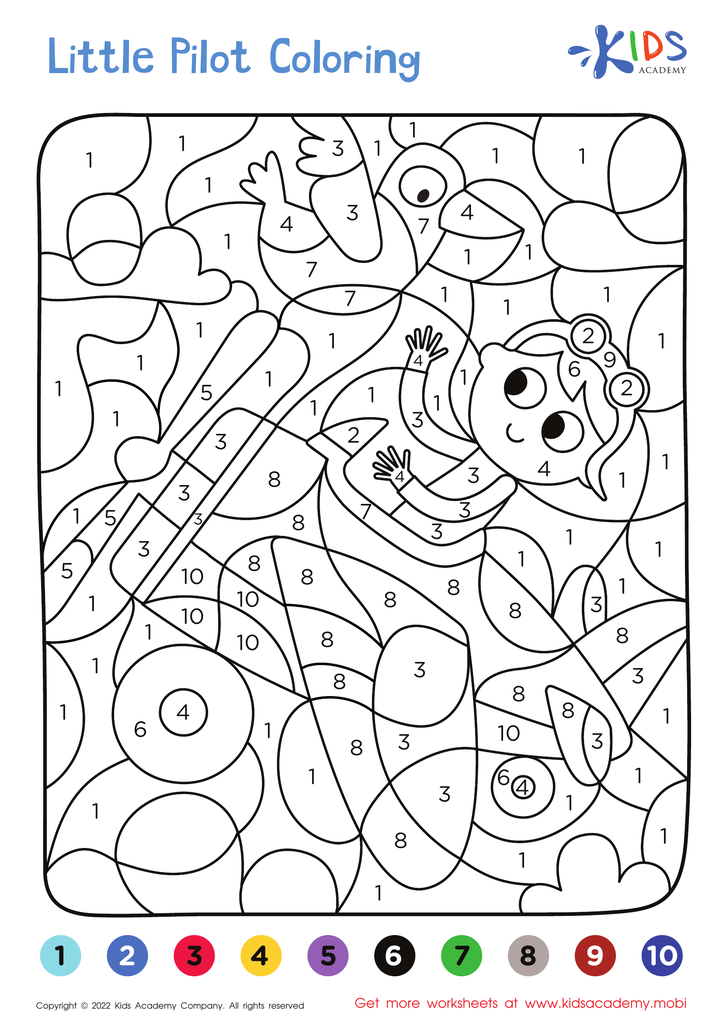
Little Pilot – Coloring by Numbers
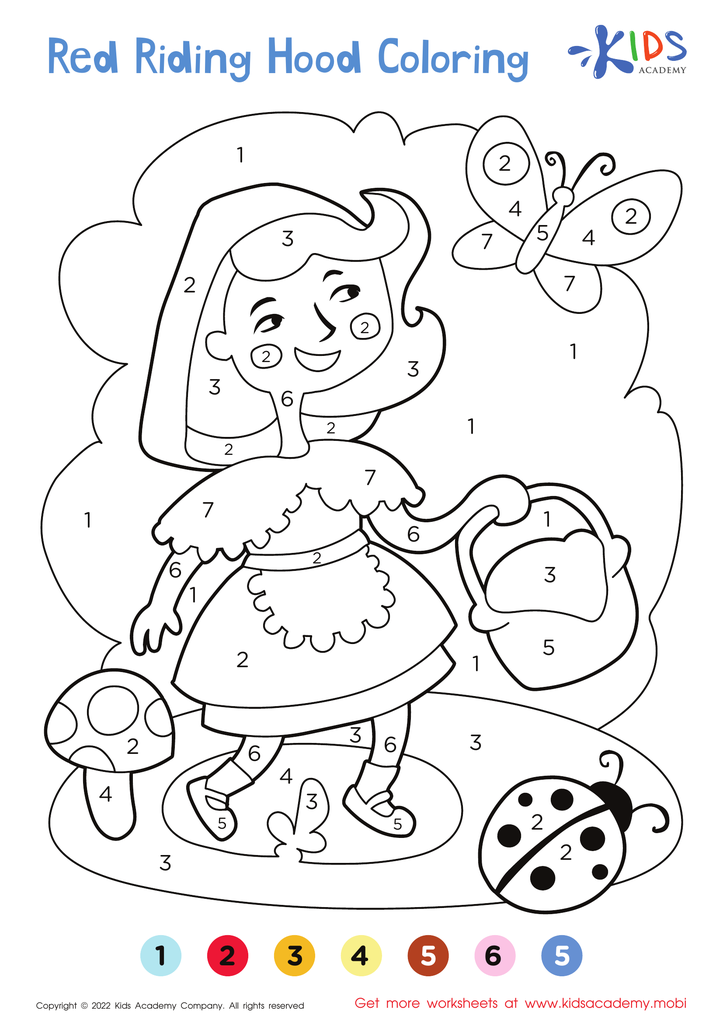
Little Red Riding Hood – Coloring by Numbers
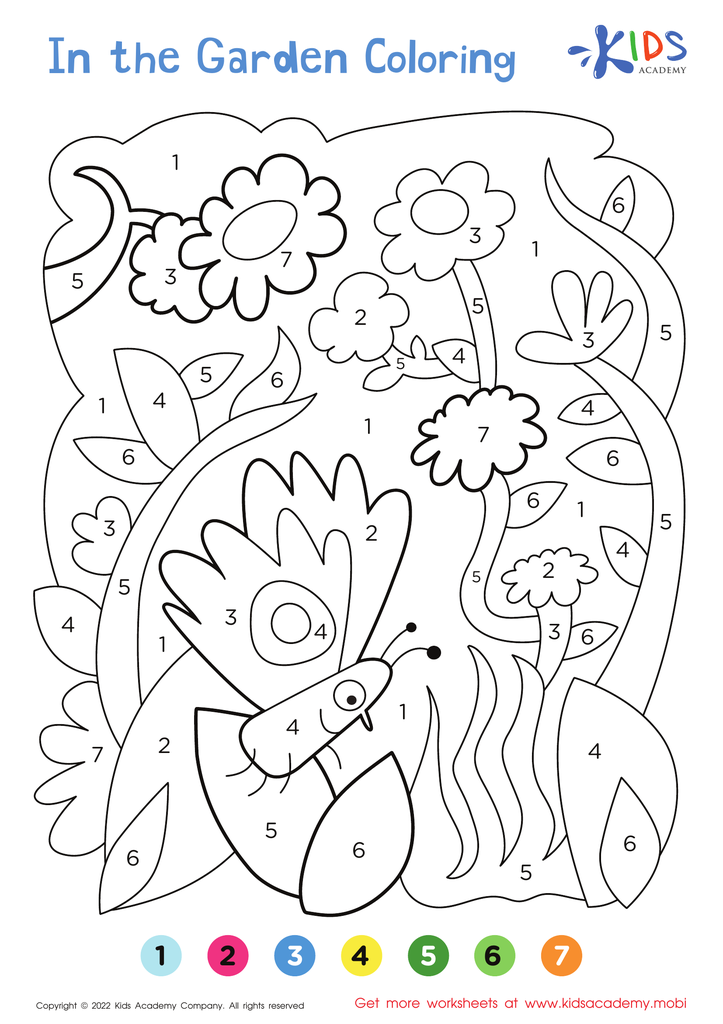
In the Garden – Coloring by Numbers








Parents and teachers should prioritize the understanding of numbers 0–10 for children ages 4-9 because these foundational concepts are crucial for later mathematical learning. Mastery of numbers in this range not only aids in developing counting skills but also helps children understand basic arithmetic operations such as addition and subtraction. Early familiarity with numbers fosters confidence and helps children make sense of their world, as they encounter numbers in everyday situations like counting toys, understanding time, or measuring ingredients while cooking.
Developing number recognition and comprehension during these formative years also enhances cognitive skills. It encourages logical thinking, problem-solving, and the ability to recognize patterns. Engaging with numbers lays the groundwork for higher-level math concepts, setting students up for future academic success.
Moreover, instilling a positive attitude toward math at a young age can prevent math anxiety later in life. Fun, interactive activities involving numbers—like games and playful learning—can enrich children's social and emotional growth too. By investing time and energy into helping children grasp these essential concepts, parents and teachers create a supportive environment that encourages not only academic proficiency but a lifelong appreciation of mathematics.








