Number Sequencing Numbers up to 100 Worksheets for Ages 4-9
6 filtered results
-
From - To
Enhance your child's math skills with our engaging Number Sequencing Worksheets designed for ages 4-9. Perfect for young learners, these worksheets help children practice ordering numbers up to 100, reinforcing their understanding of numerical patterns and sequences. Touching on essential skills, these activities foster critical thinking and problem-solving abilities. With colorful illustrations and interactive exercises, your child will enjoy exploring numbers while building a strong foundation in mathematics. Ideal for home or classroom use, these worksheets make learning fun and effective. Start your child's numerical journey today and watch them flourish with confidence in their math skills!
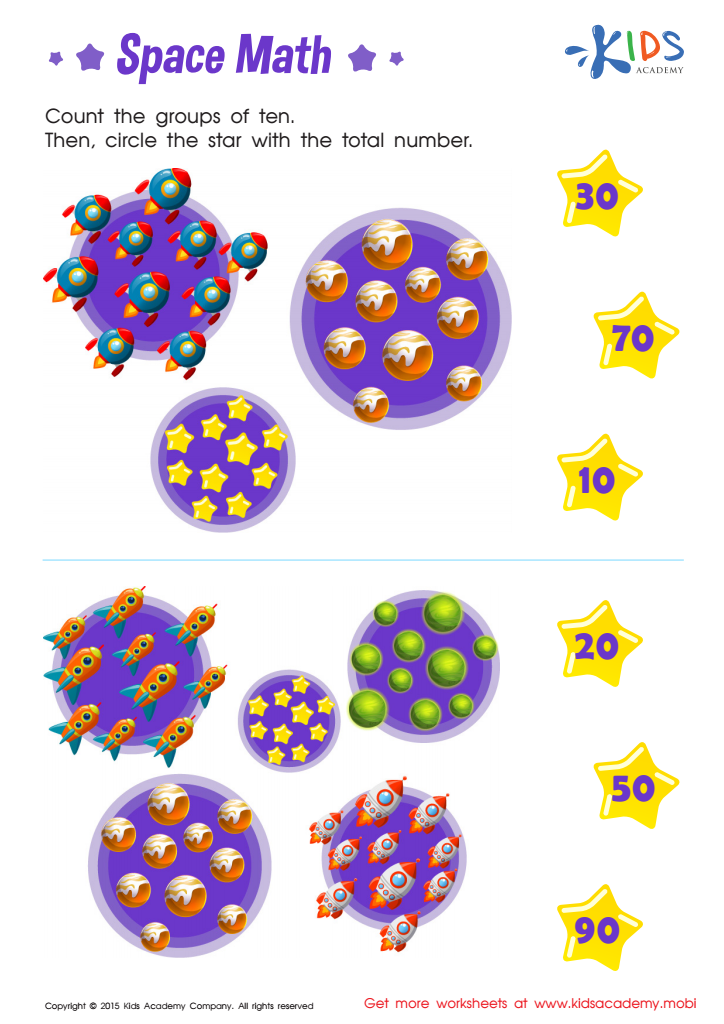
Learn dozens: Space math Worksheet
 Assign to My Students
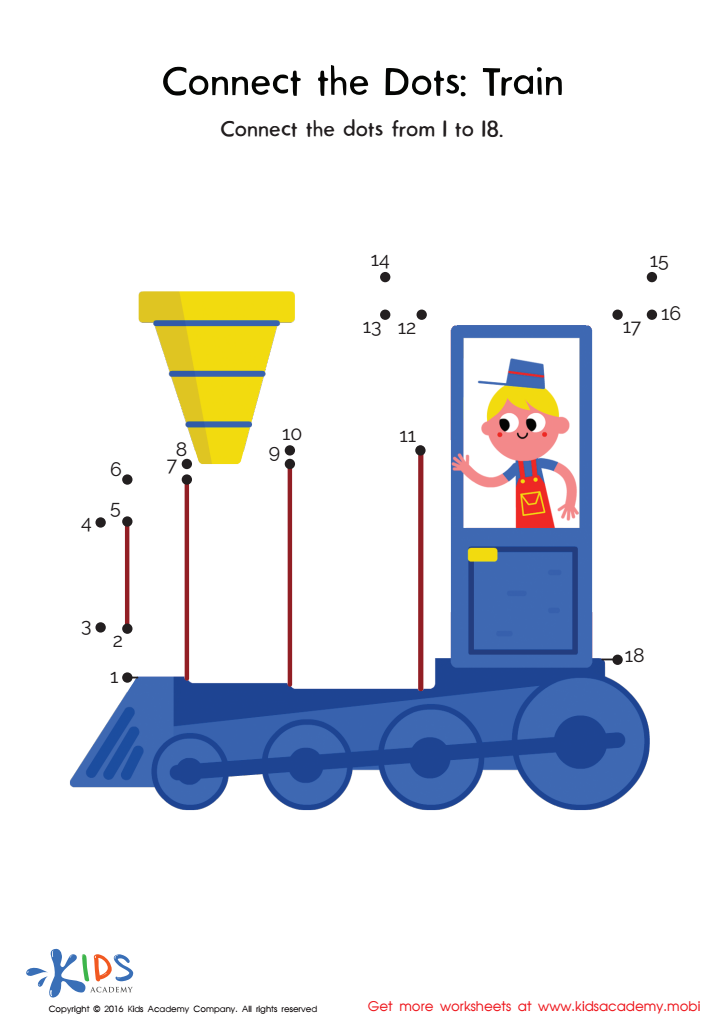
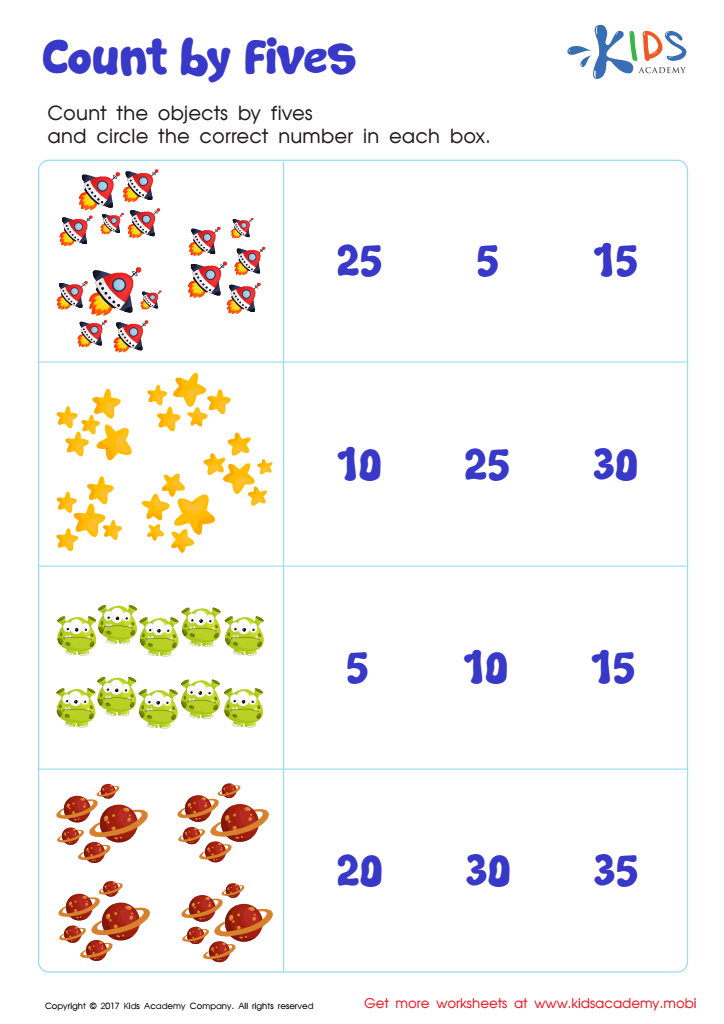
Skip Counting by 5s: Space Math Printable
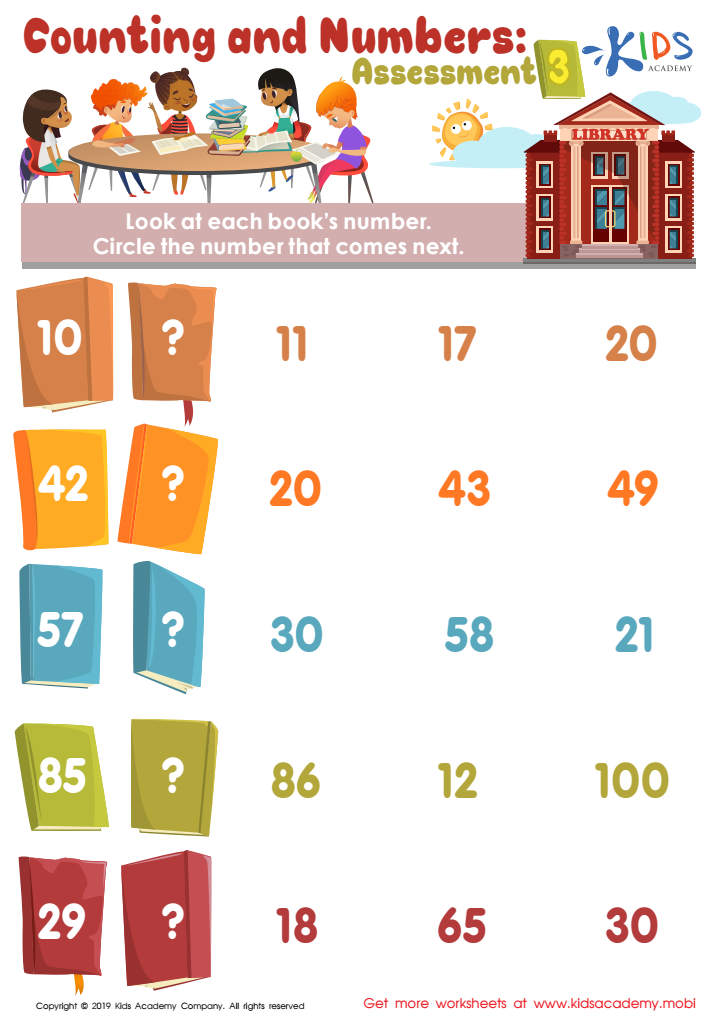
Counting and Numbers: Assessment Worksheet
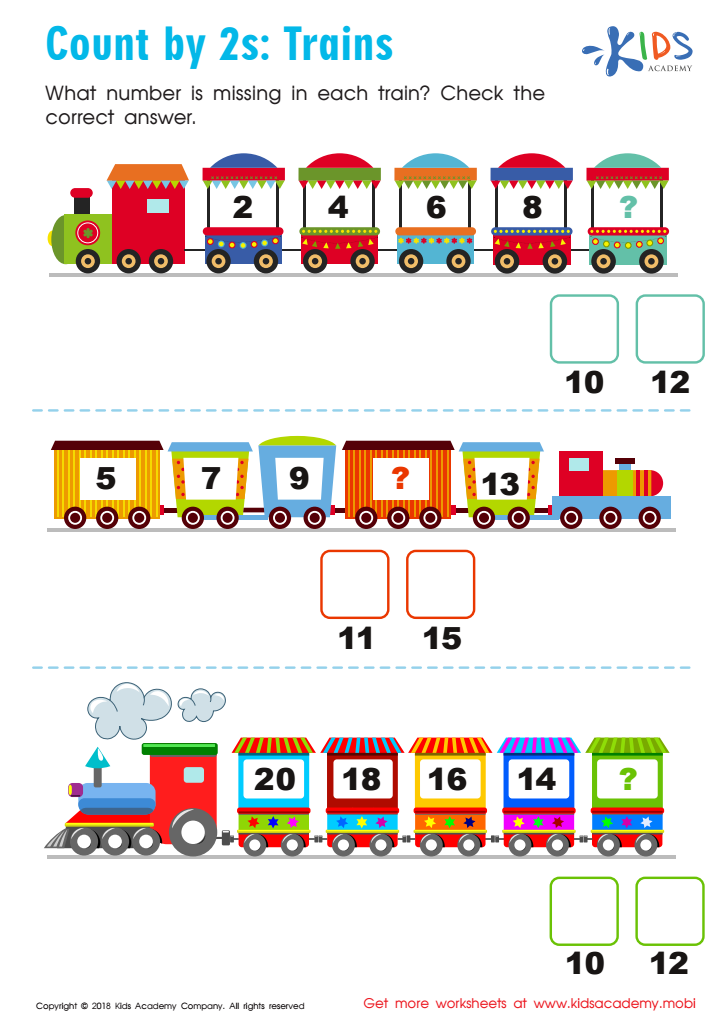
Count by 2's: Trains Worksheet
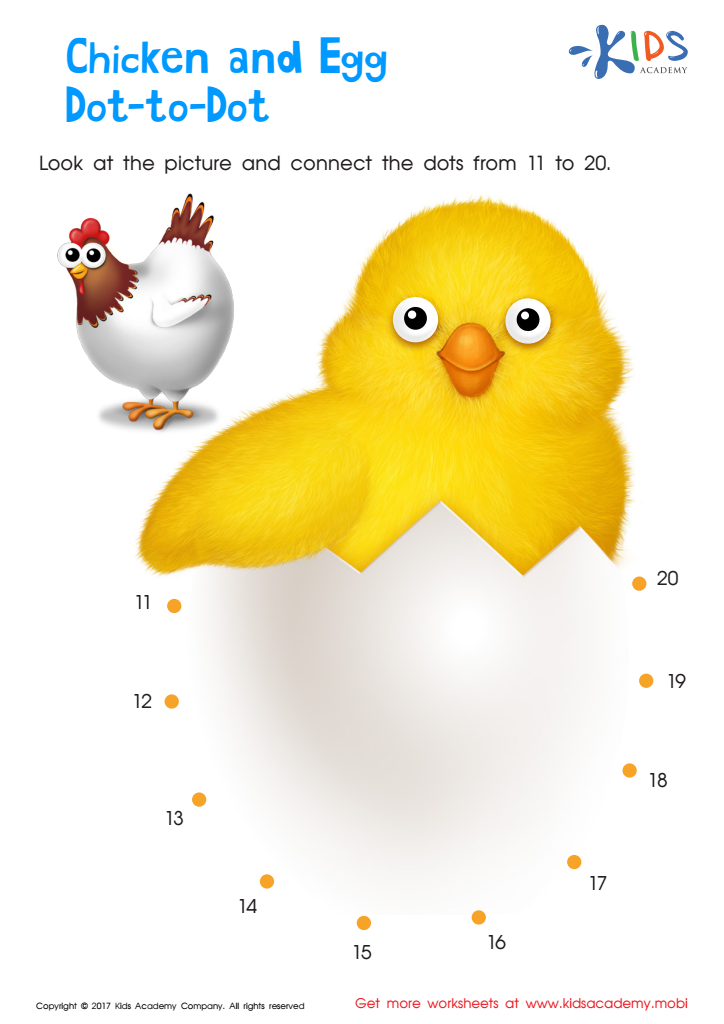
Ordering 11–20: Chicken & Egg Dot–to–dot Worksheet







Number sequencing is a foundational skill in early mathematics education that greatly benefits children ages 4-9. Understanding number sequences up to 100 helps children recognize patterns, foster critical thinking, and build confidence in their mathematical abilities. Knowing how to order numbers correctly is crucial for performing basic arithmetic operations, which they will encounter as they advance in their education.
For parents and teachers, emphasizing number sequencing can enhance cognitive development. It enhances memory, as children learn to recall and recite numbers in a specific order. Additionally, mastering sequencing lays the groundwork for developing more complex skills such as skip counting, place value understanding, and problem-solving, which are integral as they progress through later grades.
Moreover, keeping children engaged through games and activities centered around number sequencing can make learning enjoyable and fun. This leads to a greater likelihood of positive educational experiences, reinforcing the value of math in daily life. Support from parents and teachers reinforces a positive mindset towards learning, allowing children to approach challenges with resilience. In the long term, a strong grasp of numerical sequencing benefits academic performance and lays the foundation for practical skills required in real-world situations.