Number Recognition Tracing Numbers Worksheets for Ages 4-9
37 filtered results
-
From - To
Enhance your child's number recognition skills with our engaging tracing numbers worksheets, designed for ages 4-9. These printable resources provide a fun and interactive way for young learners to practice identifying and writing numbers. Each worksheet is thoughtfully crafted to promote fine motor skills while reinforcing number familiarity through tracing activities. Perfect for homeschooling or supplementing classroom learning, these worksheets cater to various skill levels, ensuring every child can progress at their own pace. Foster a love for math early on as children enjoy completing each tracing exercise. Download our worksheets today and turn learning numbers into an enjoyable adventure!
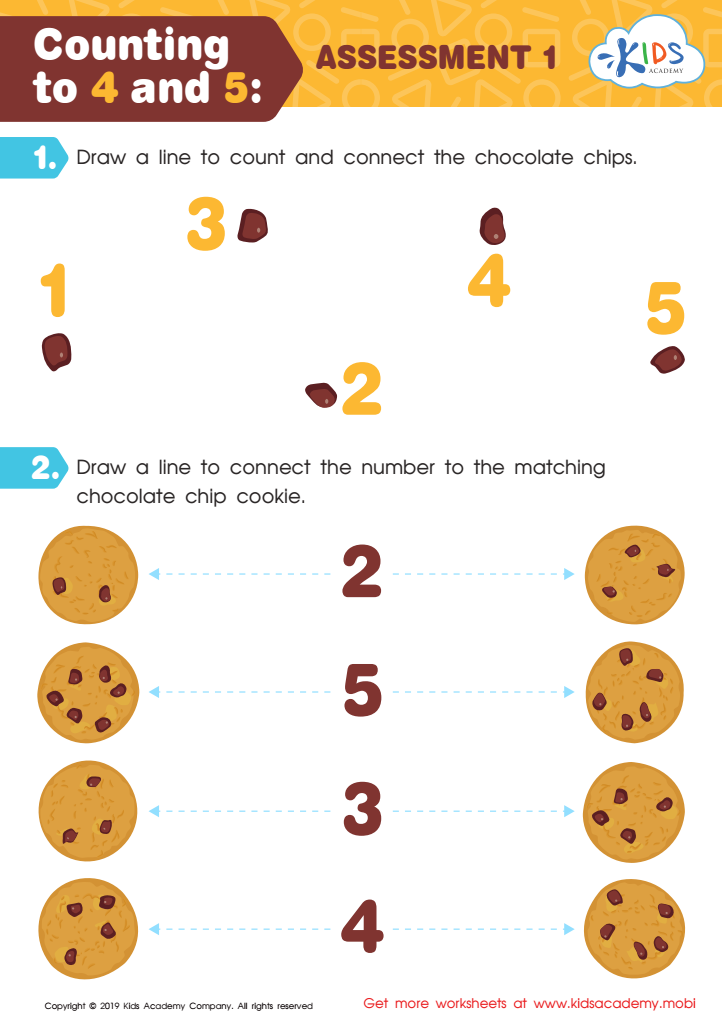
Counting to 4 and 5: Assessment 1 Worksheet
 Assign to My Students
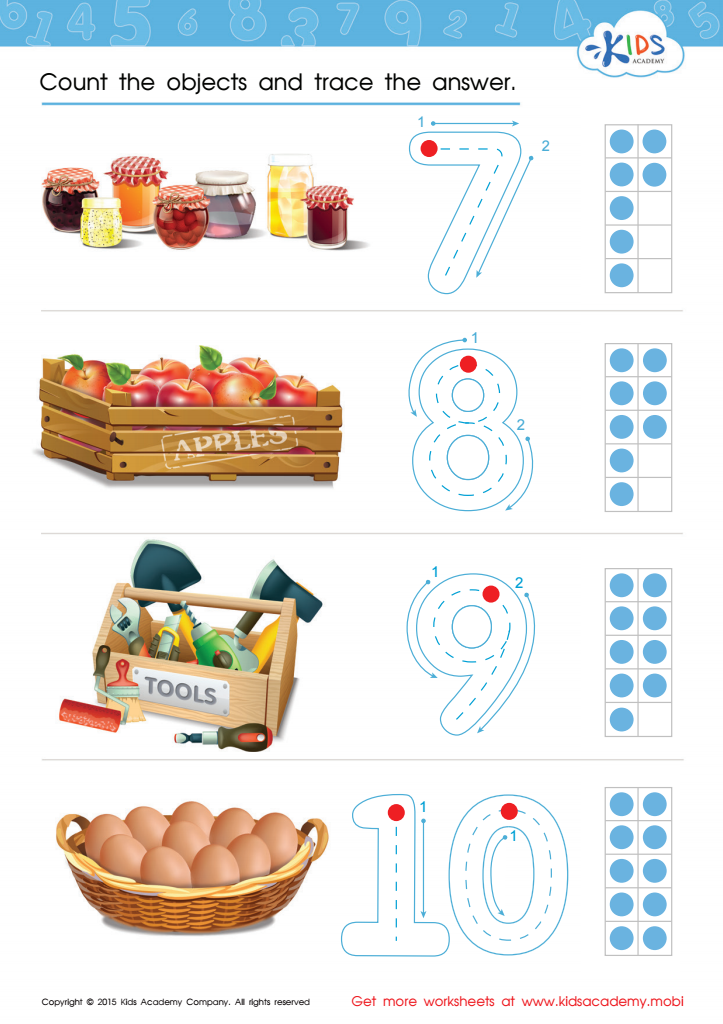
Count and Trace 7 – 10 Worksheet
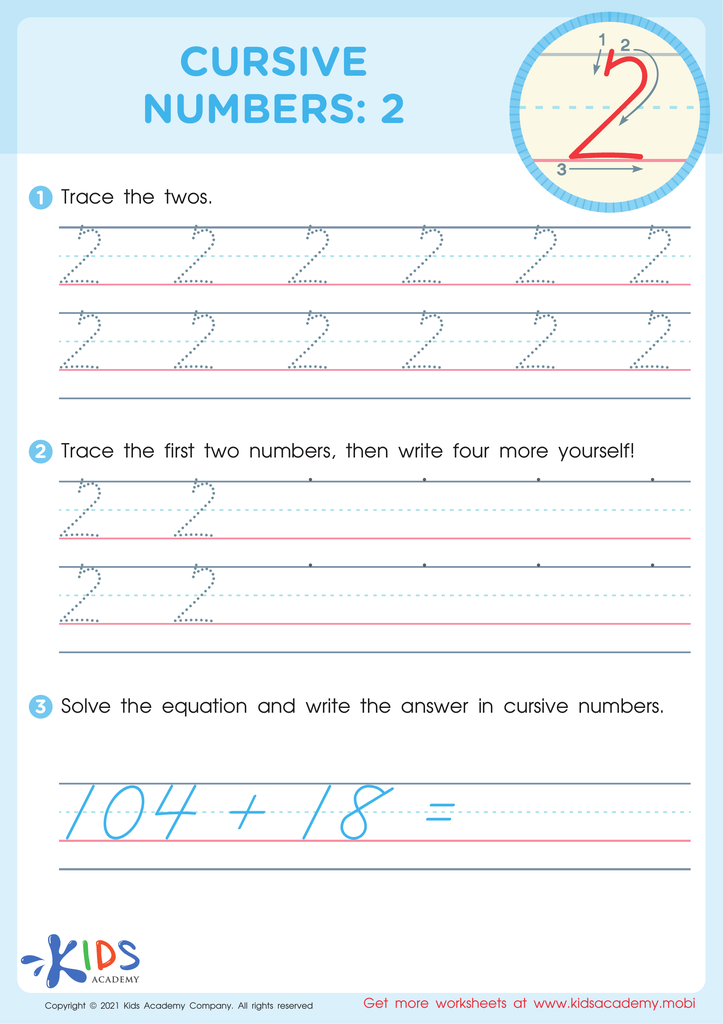
Cursive Numbers: 2 Worksheet
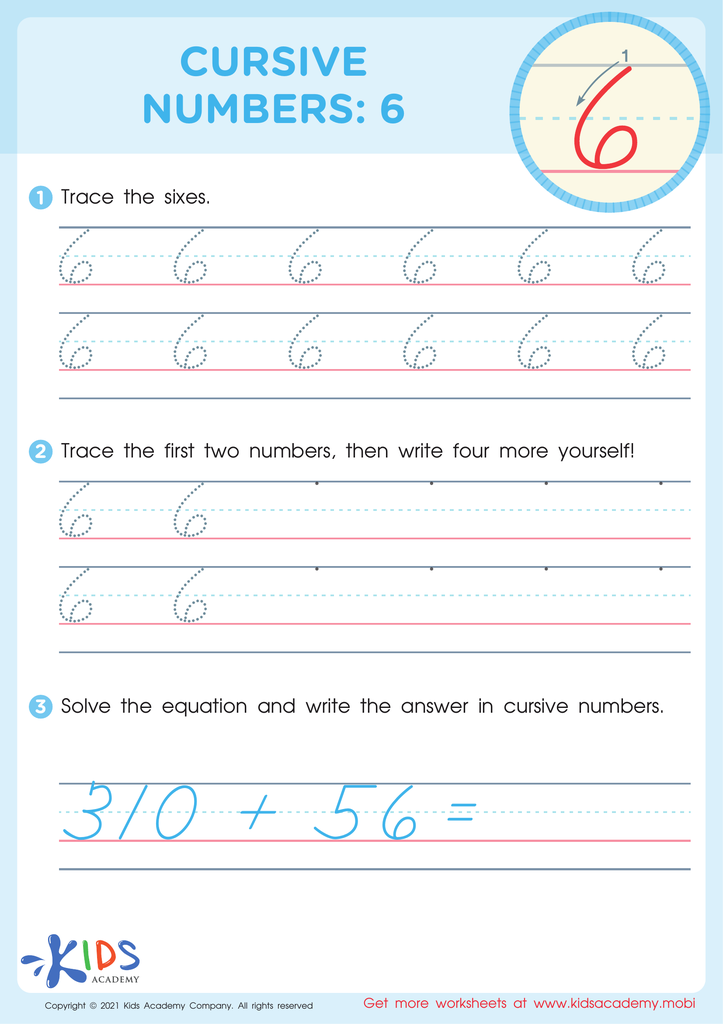
Cursive Numbers: 6 Worksheet
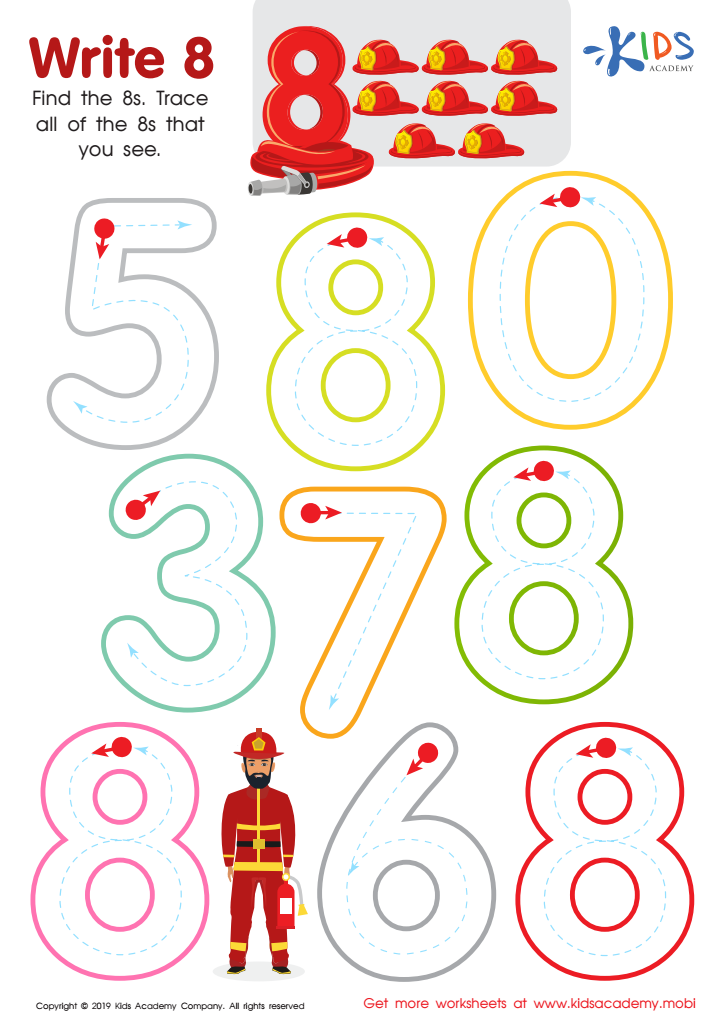
Write 8 Worksheet
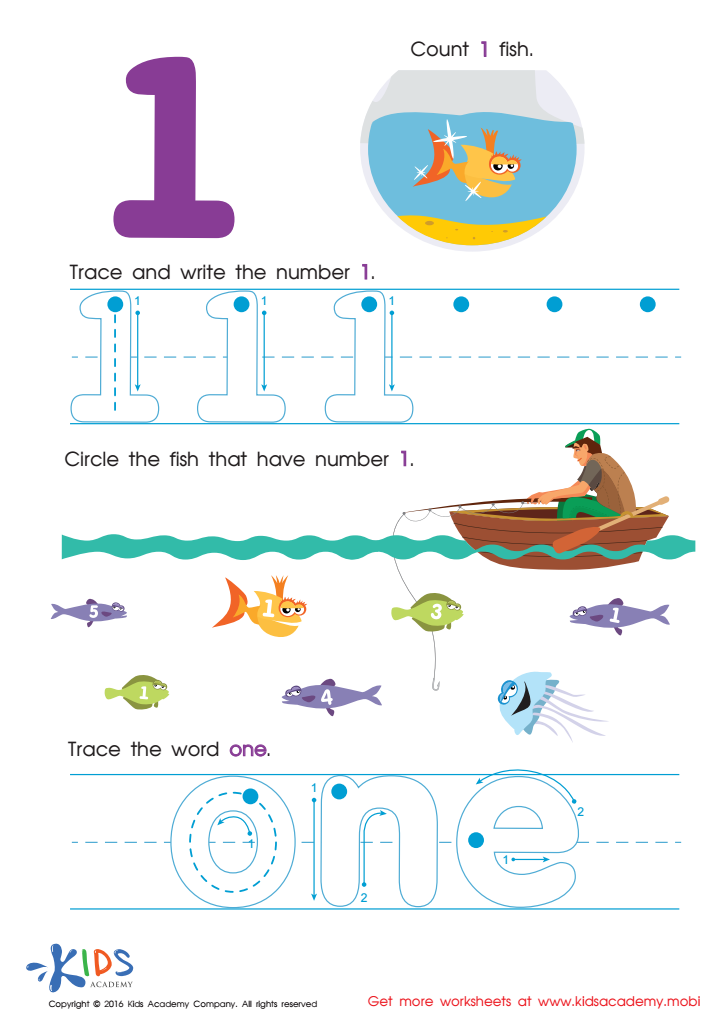
Learning to Write 1 Worksheet
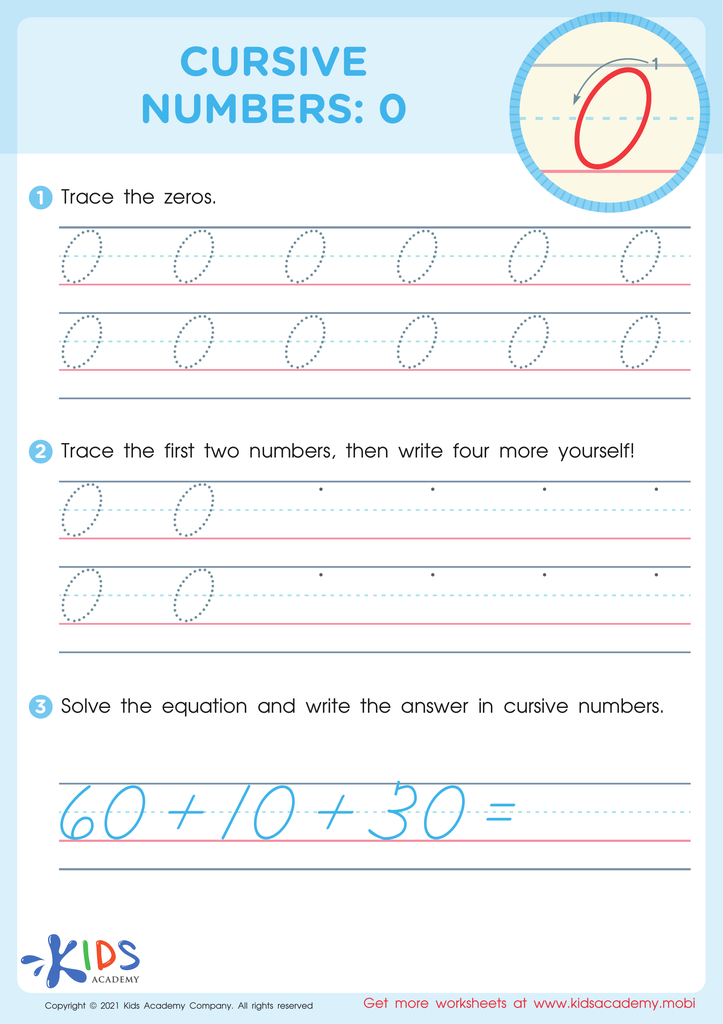
Cursive Numbers: 0 Worksheet
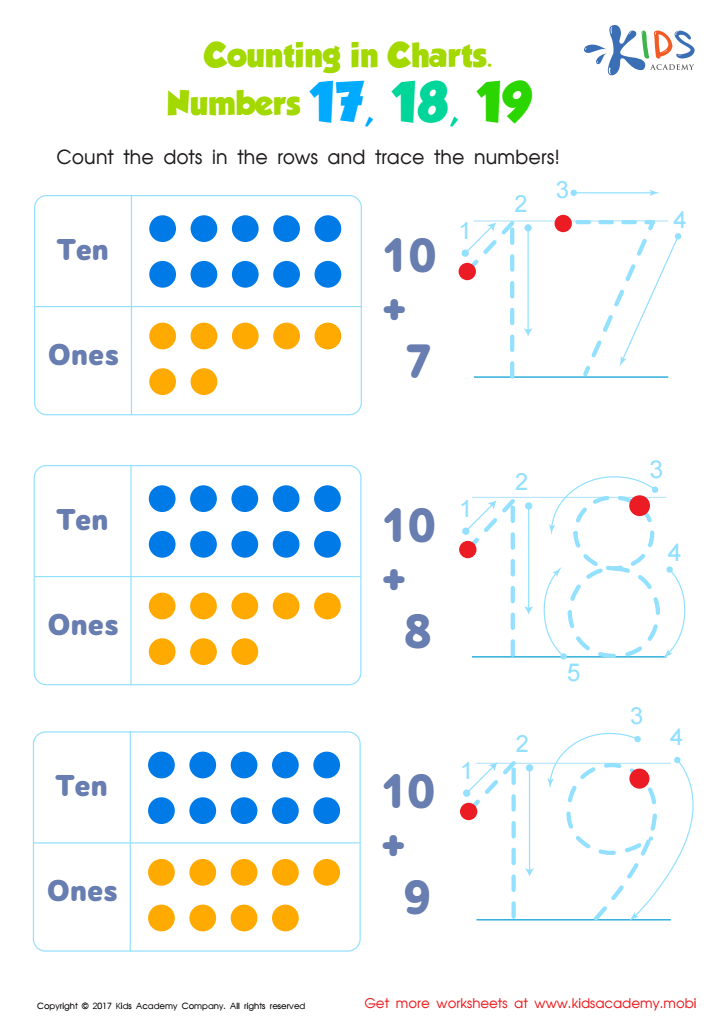
Kindergarten Number Tracing: Counting in Charts Worksheet
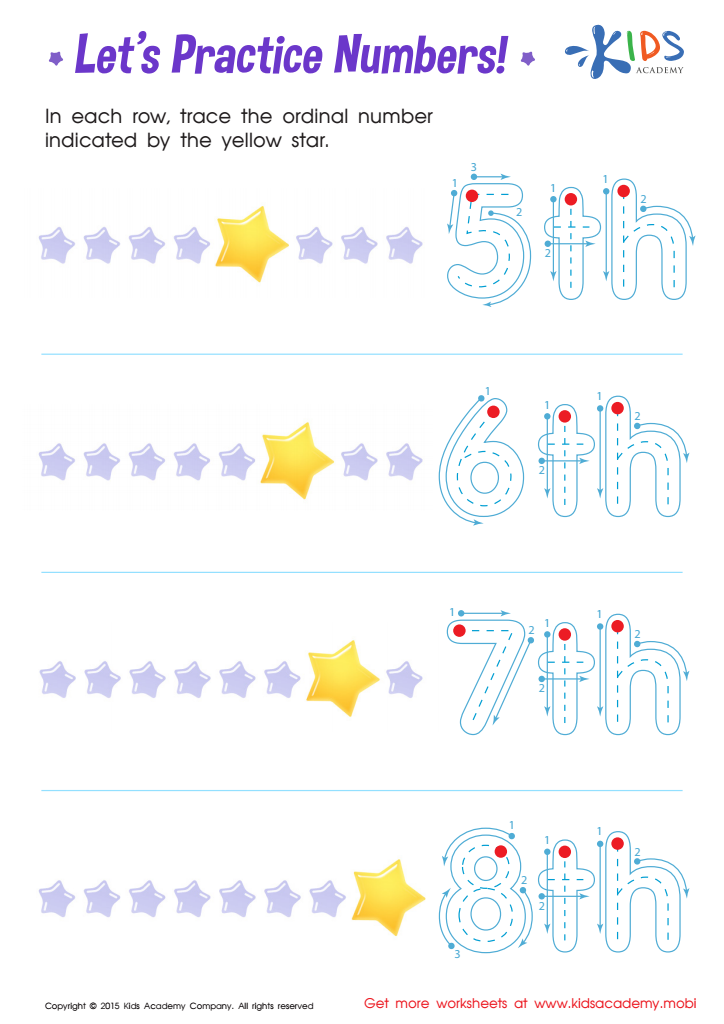
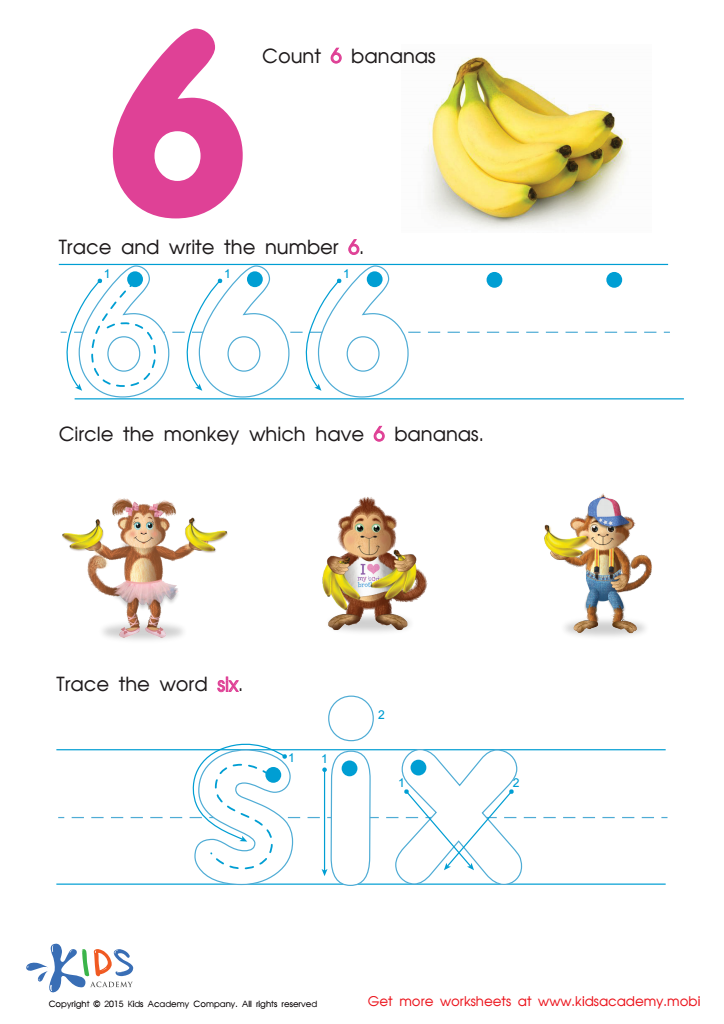
Tracing And Writing Number 6 Worksheet
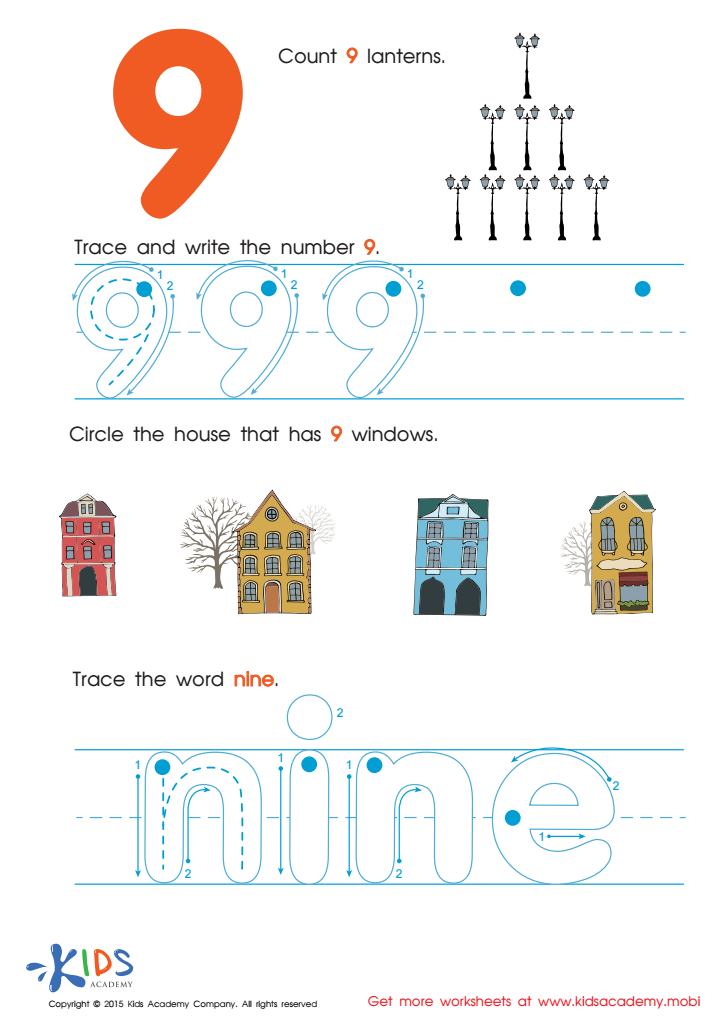
Tracing And Learning to Write Number 9 Worksheet
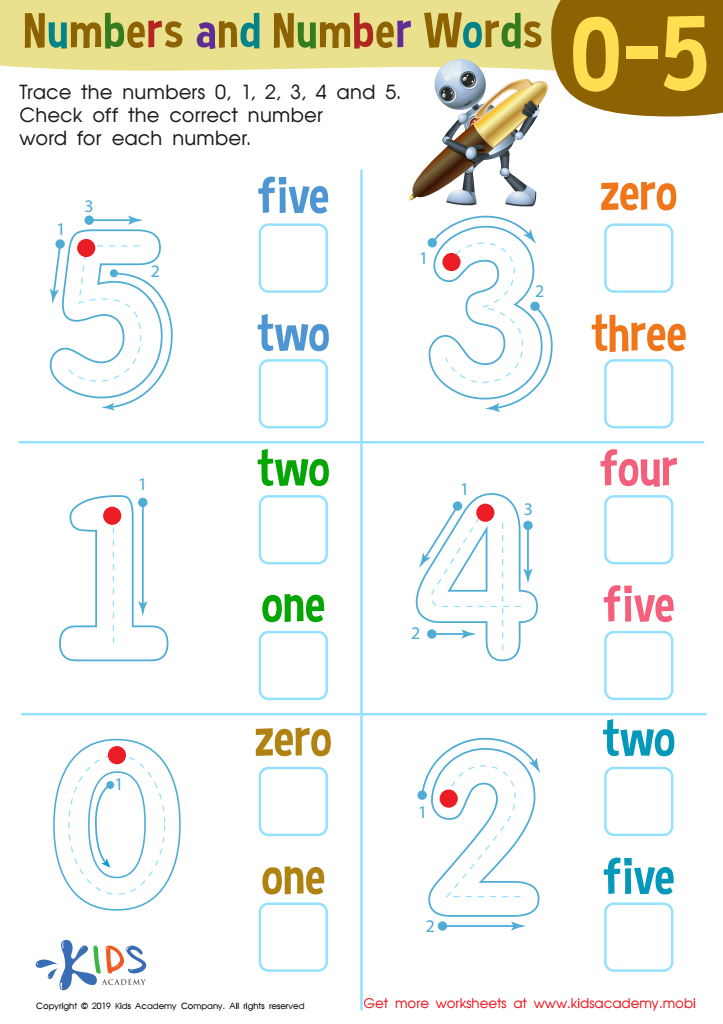
Numbers and Number Words Worksheet
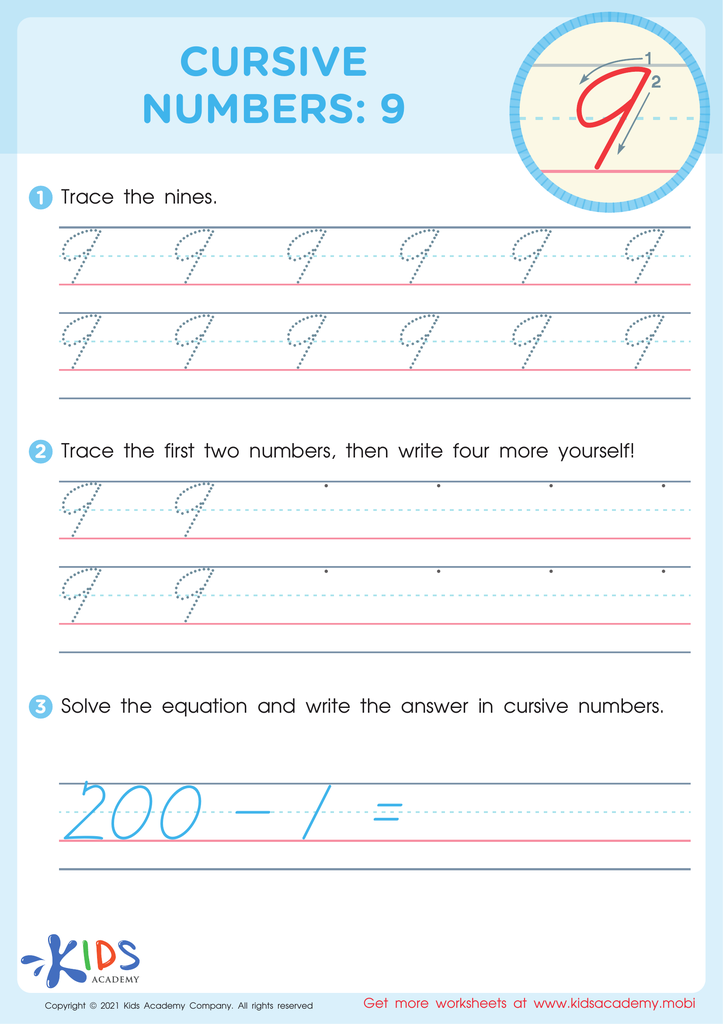
Cursive Numbers: 9 Worksheet
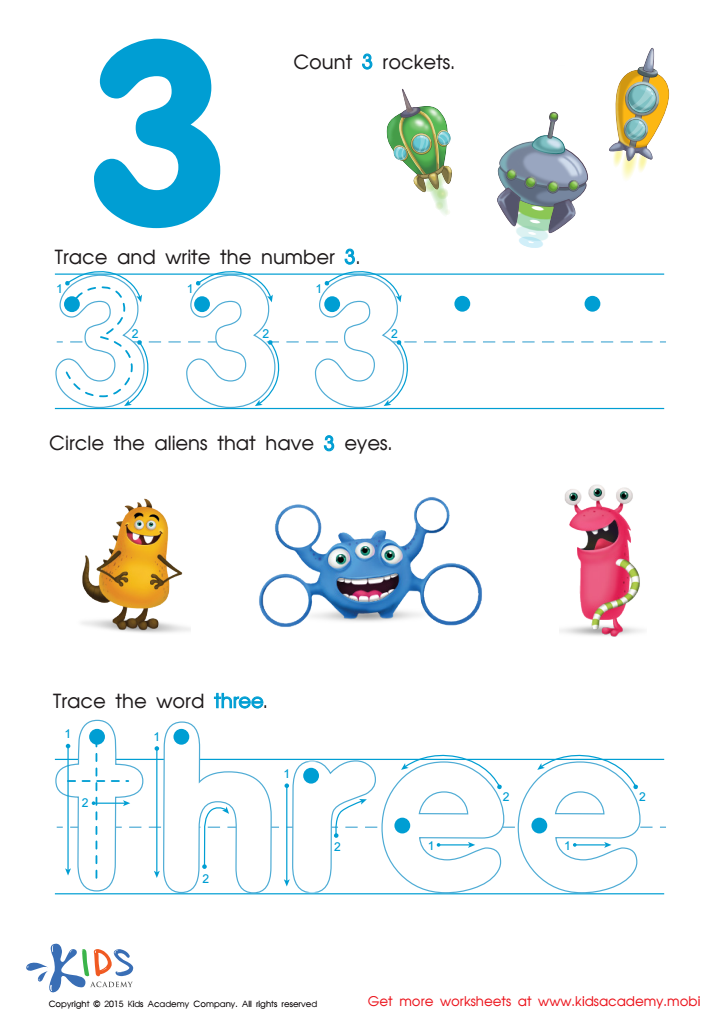
Learning Number Three Worksheet
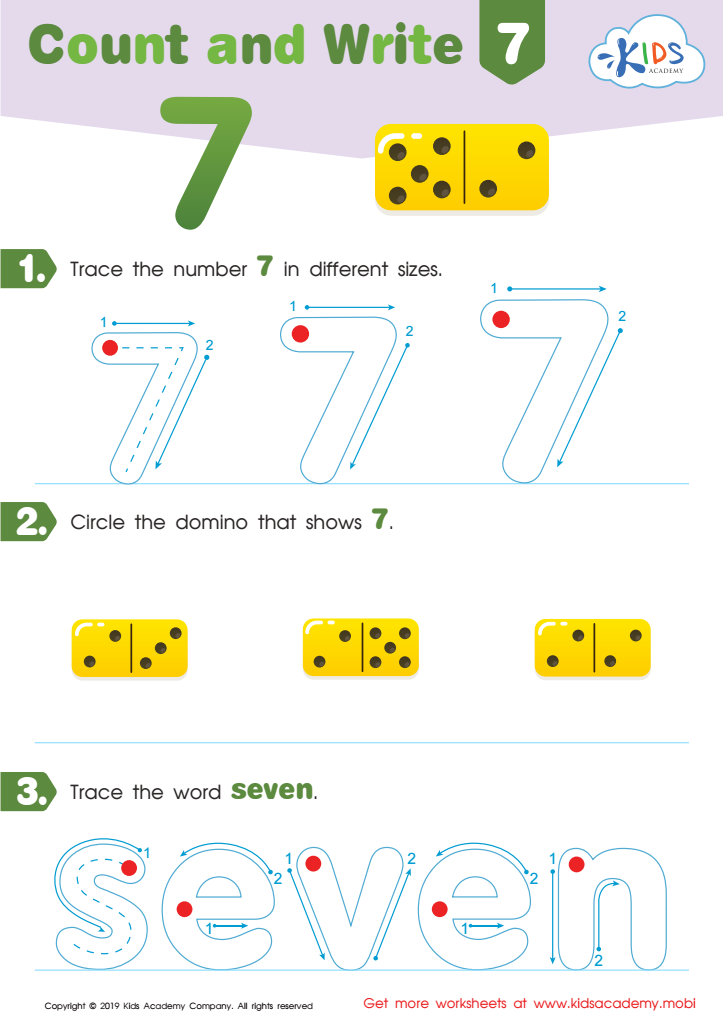
Count and Write 7 Worksheet
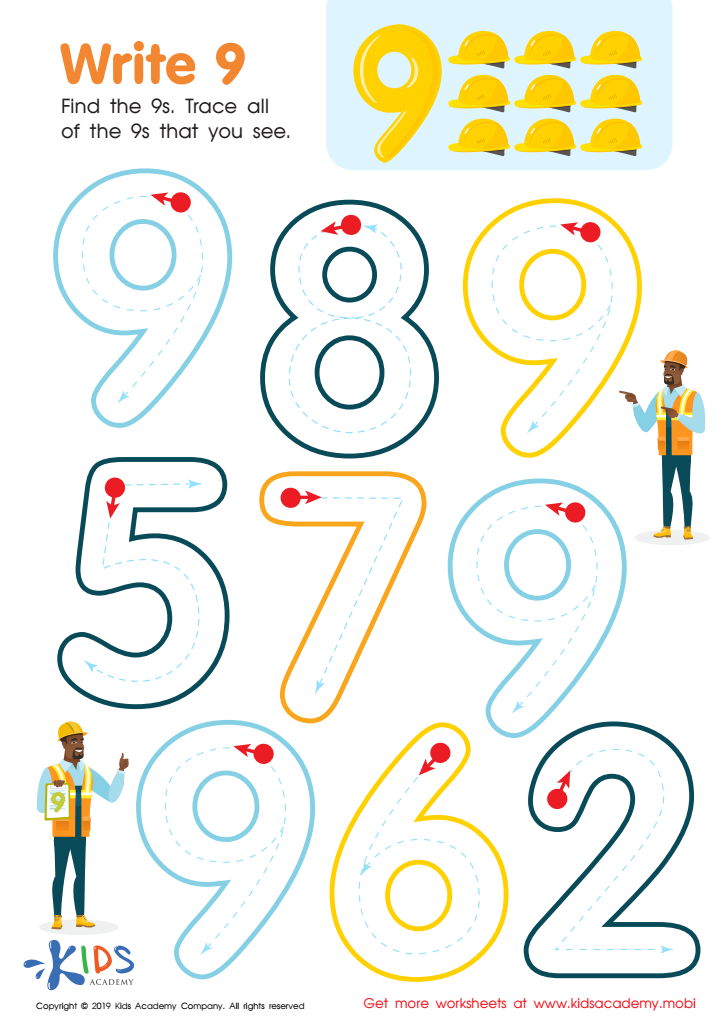
Write 9 Worksheet
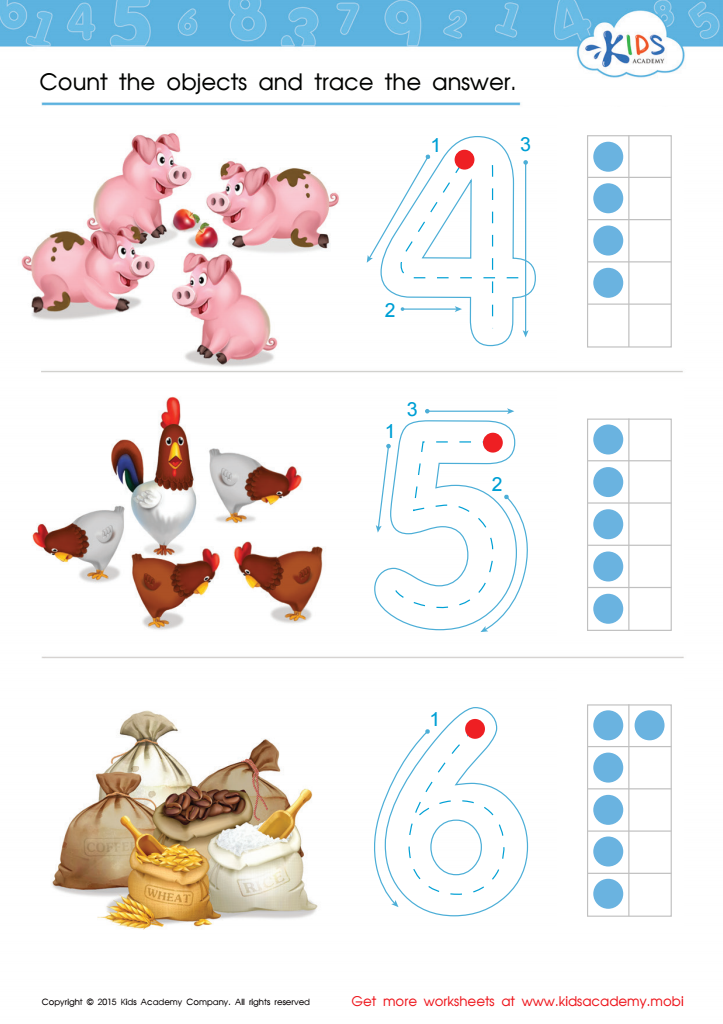
Count and Trace 4 – 6 Worksheet
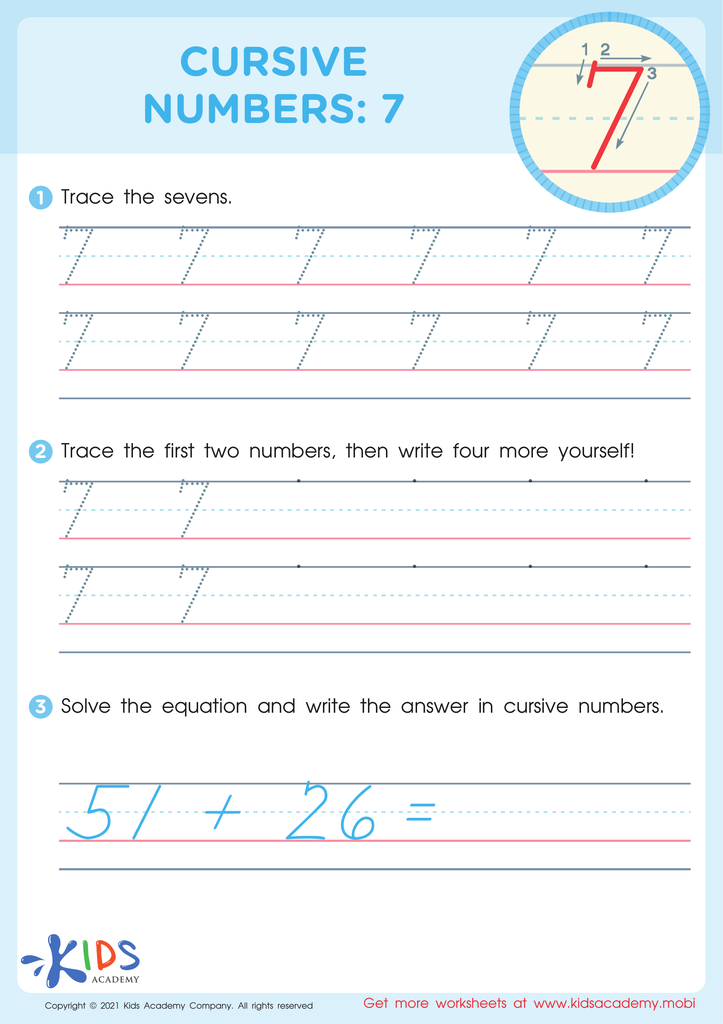
Cursive Numbers: 7 Worksheet
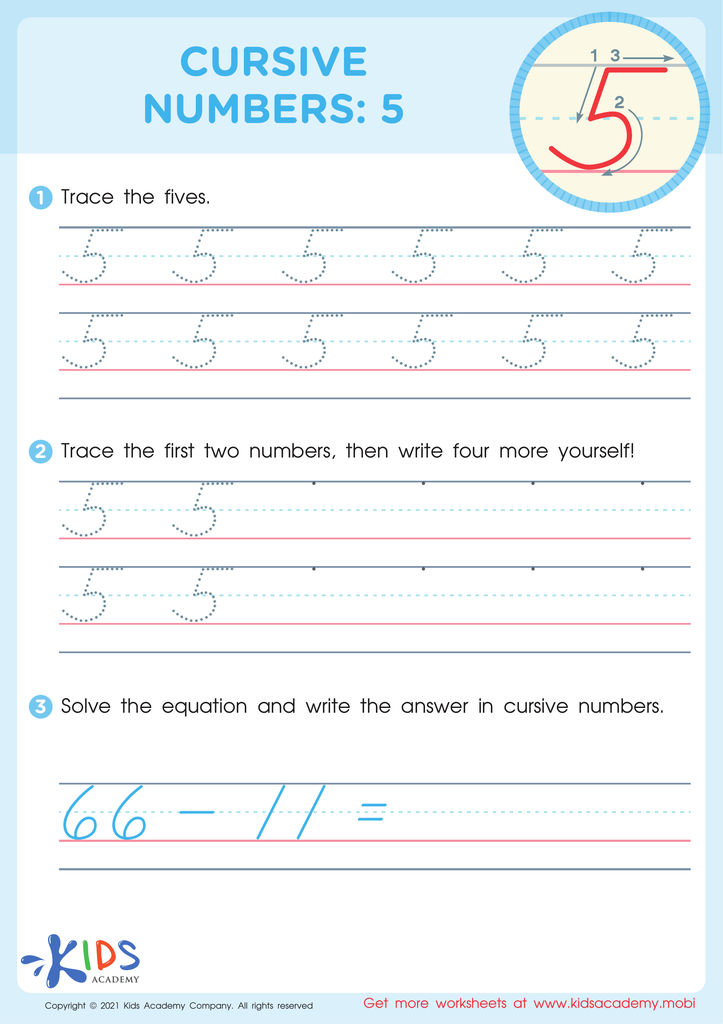
Cursive Numbers: 5 Worksheet
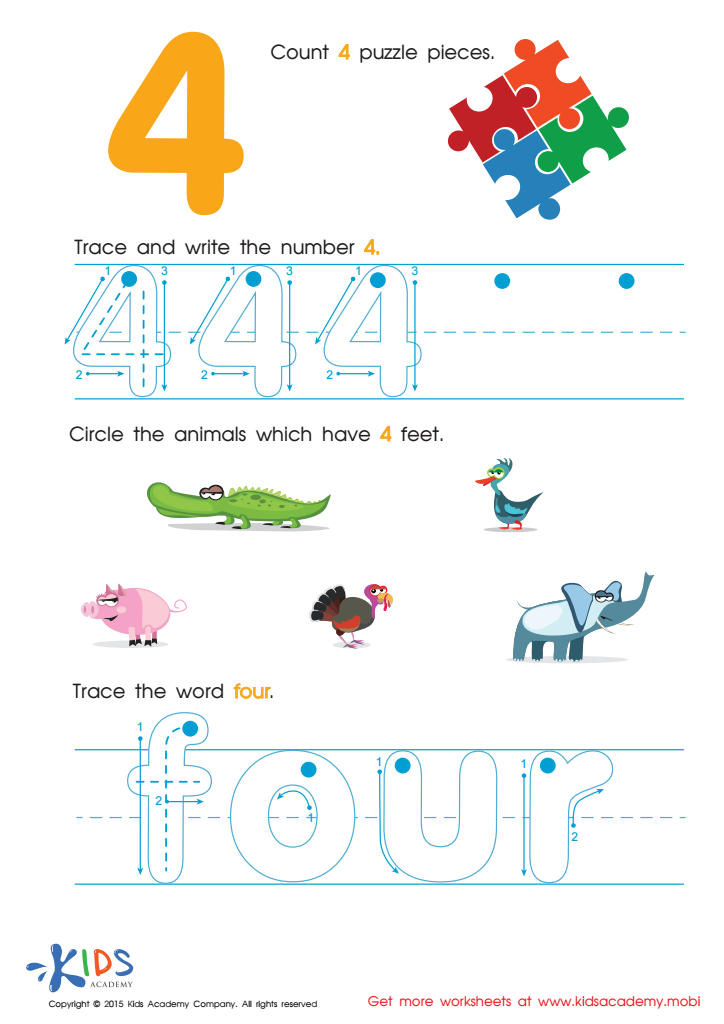
Teaching Children to Write Number 4 Worksheet
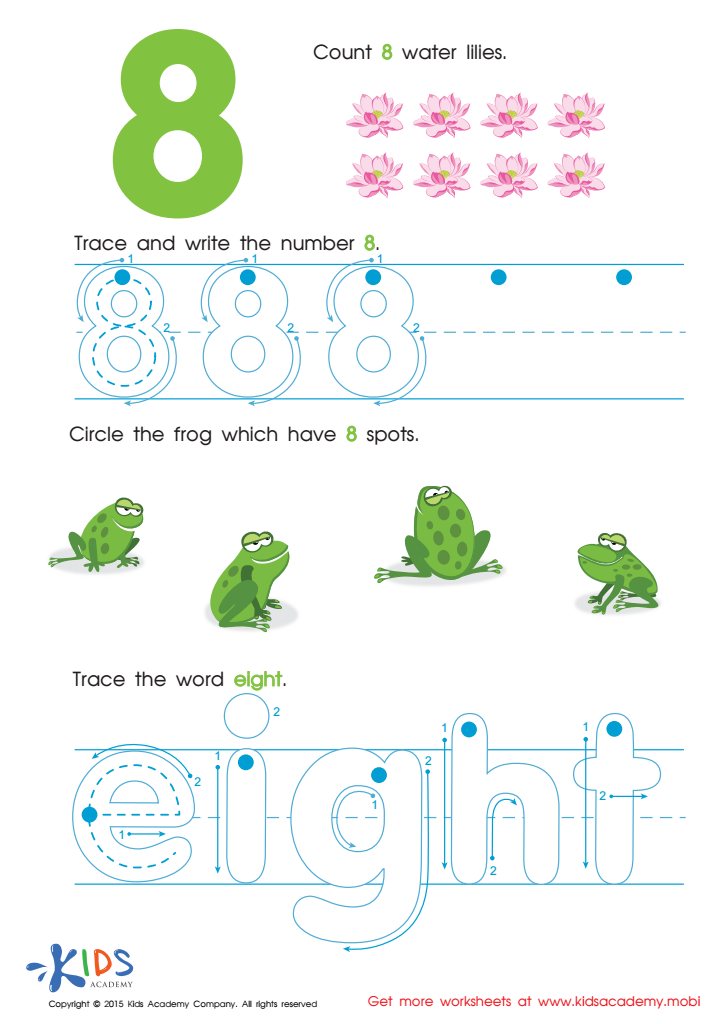
Learn Number 8 Easily Worksheet
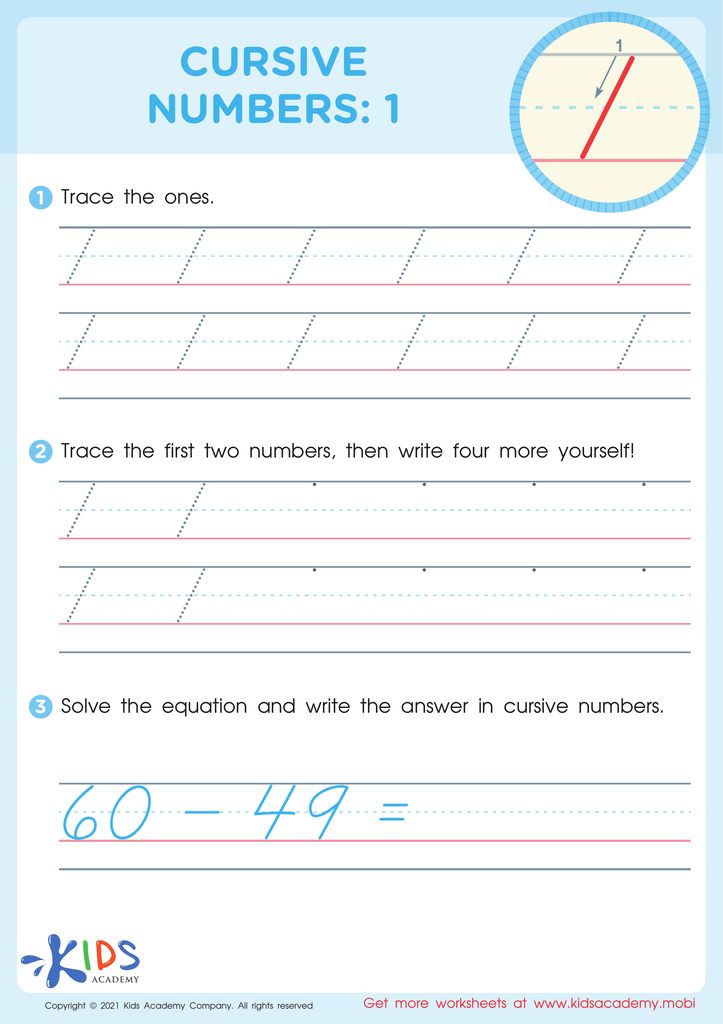
Cursive Numbers: 1 Worksheet
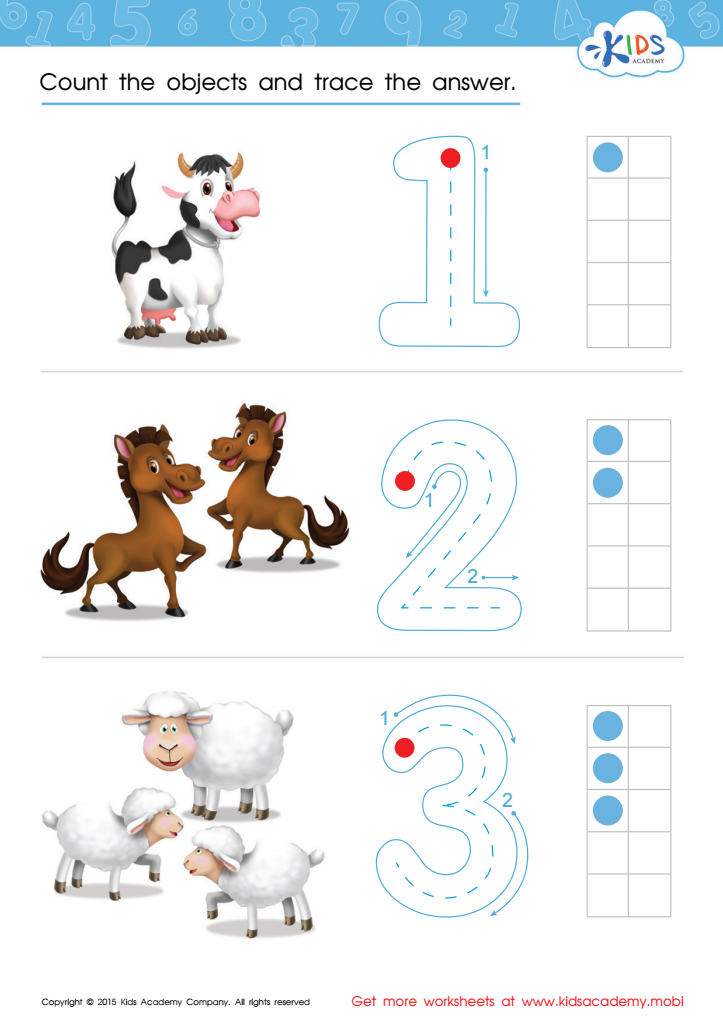
Count and Trace 1 – 3 Worksheet
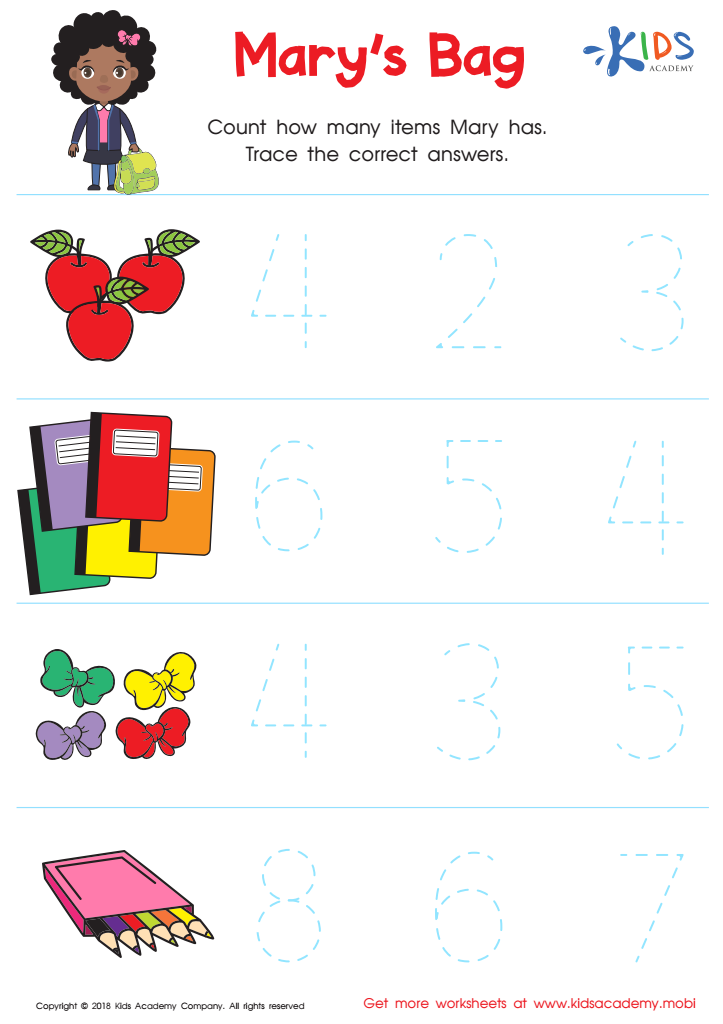
Kindergarten Number Tracing: Mary's Bag Worksheet








Number recognition and tracing numbers are foundational skills essential for children's mathematical development from ages 4-9. Parents and teachers should prioritize these skills for several reasons.
First, number recognition is crucial as it helps children identify and differentiate numbers from one another. This sets the stage for understanding basic mathematical concepts, such as counting, addition, and subtraction. By mastering these skills in early childhood, children develop confidence in their math abilities, reducing anxiety around the subject as they progress in school.
Tracing numbers enhances fine motor skills, which are vital for overall hand-eye coordination and writing proficiency. This practice allows children to learn proper number formation while developing essential penmanship skills, crucial for their future academic success.
Moreover, engaging with numbers through enjoyable activities, such as tracing, can foster a positive attitude toward math. It encourages curiosity and exploration, making learning more interactive and fun.
Finally, these skills are not just academic; they also promote critical thinking and problem-solving abilities as children begin to connect numbers with real-world contexts. Thus, number recognition and tracing play a pivotal role in a child’s holistic educational growth, making it essential for parents and teachers to emphasize these competencies.








