Recognizing shapes Reading Worksheets for Ages 4-9
12 filtered results
-
From - To
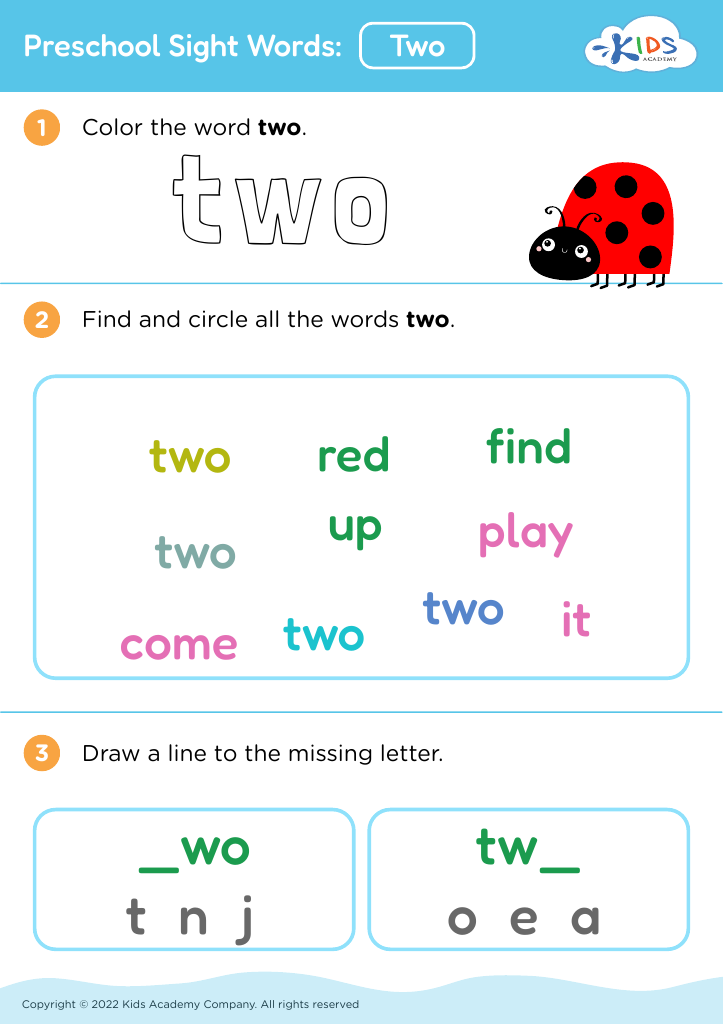
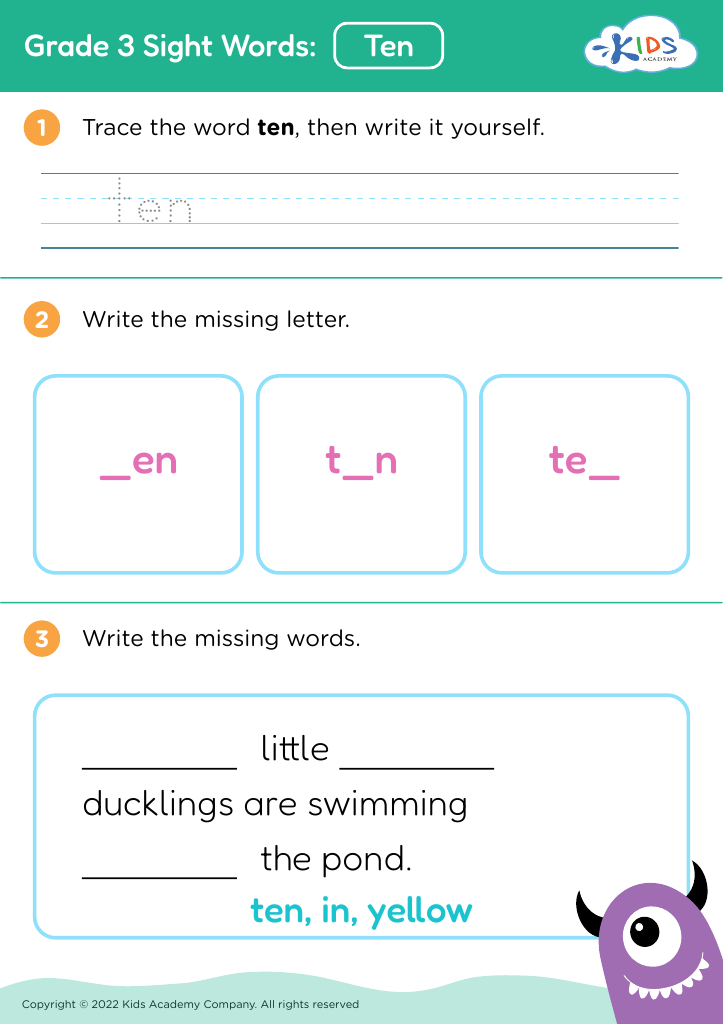
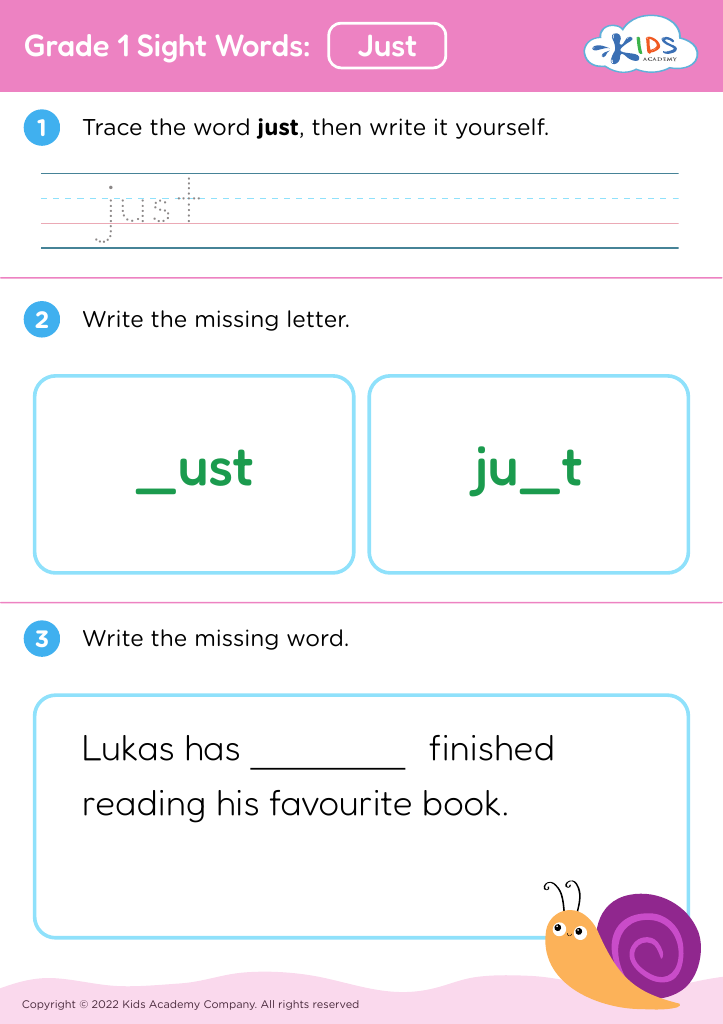
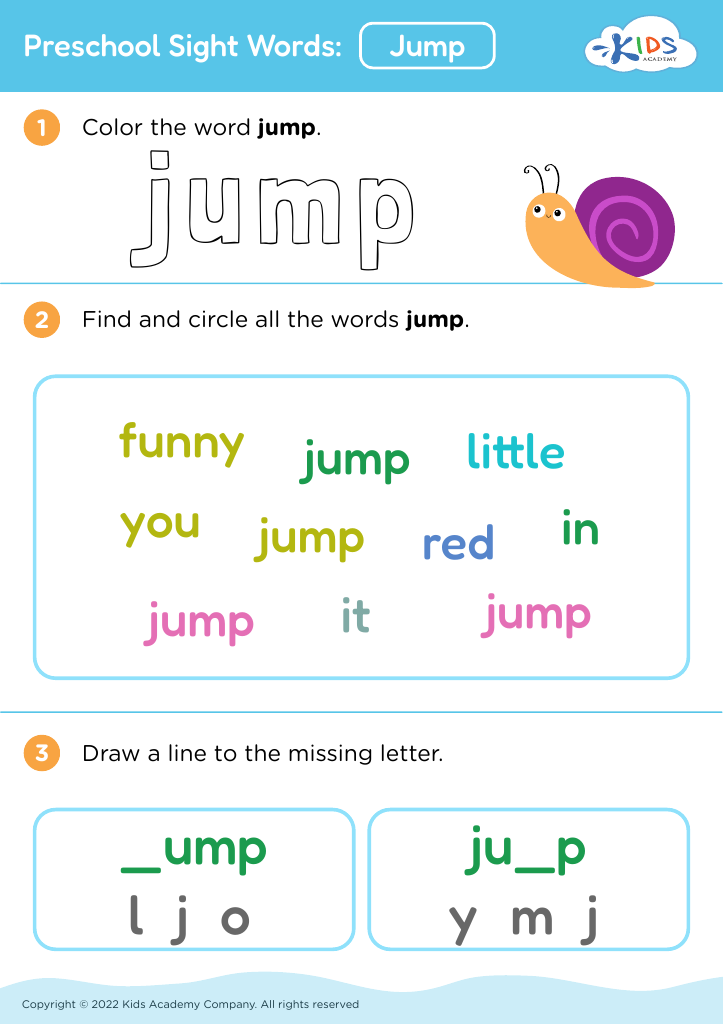
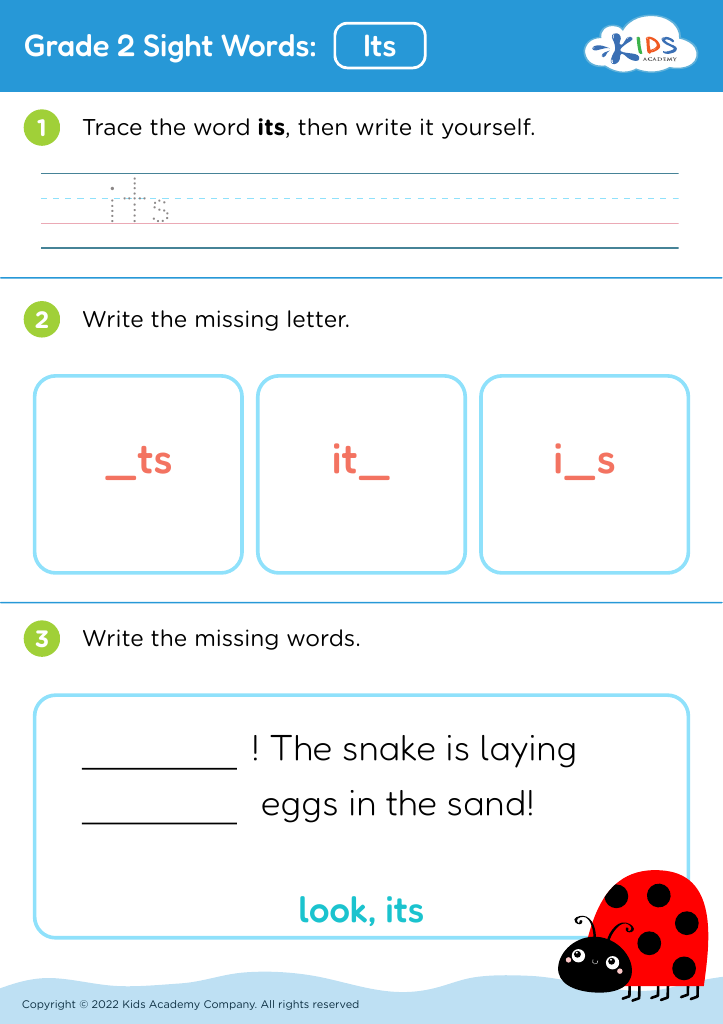
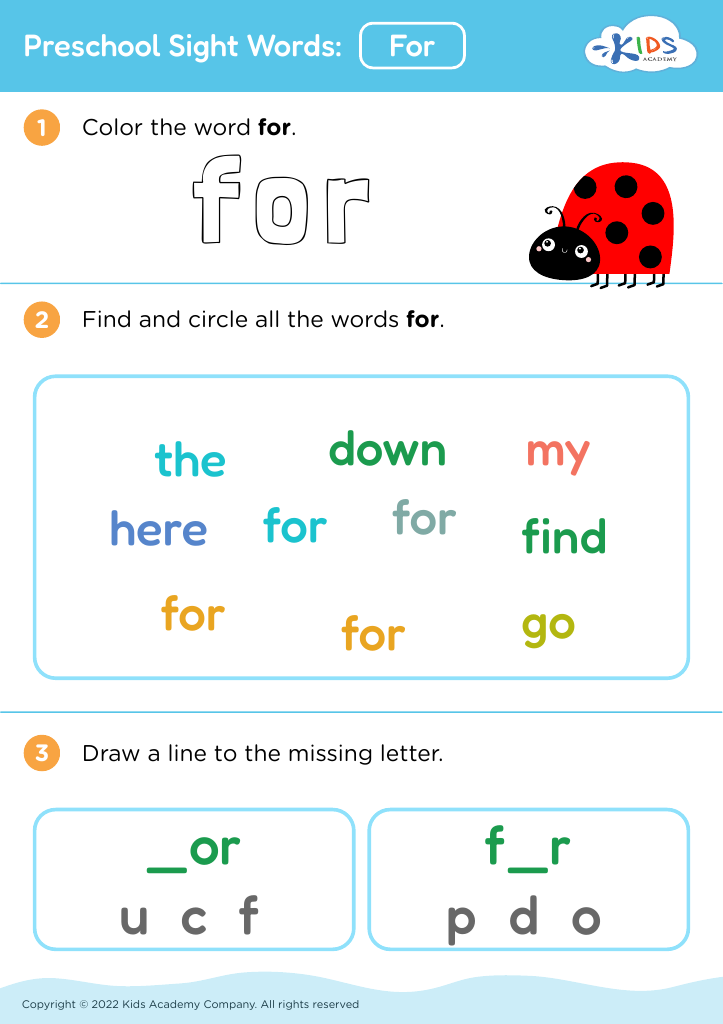
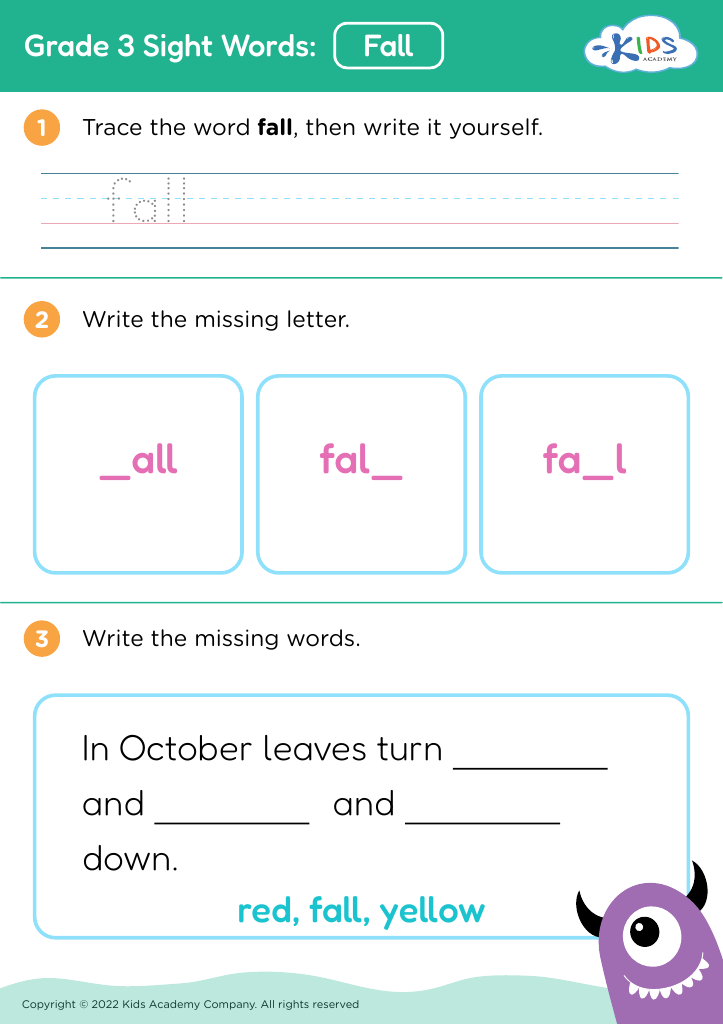
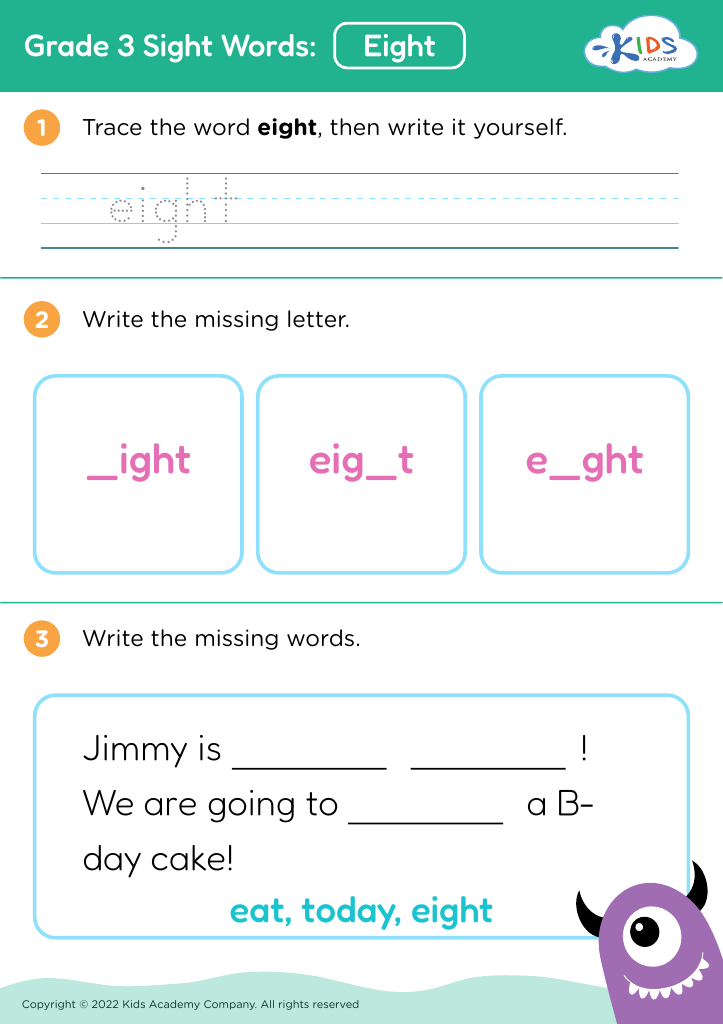
Unlock the world of geometry with our "Recognizing Shapes Reading Worksheets for Ages 4-9." Tailored to engage and educate, these printable activities help young learners identify and understand various shapes through fun and interactive exercises. Enhance your child's reading and cognitive skills as they explore circles, squares, triangles, and more, all while developing essential foundations in critical thinking. Our expertly crafted worksheets ensure a blend of entertainment and education, making learning both enjoyable and effective. Perfect for early grade students, these resources are ideal for both classroom environments and at-home practice. Build a strong shape recognition foundation today!
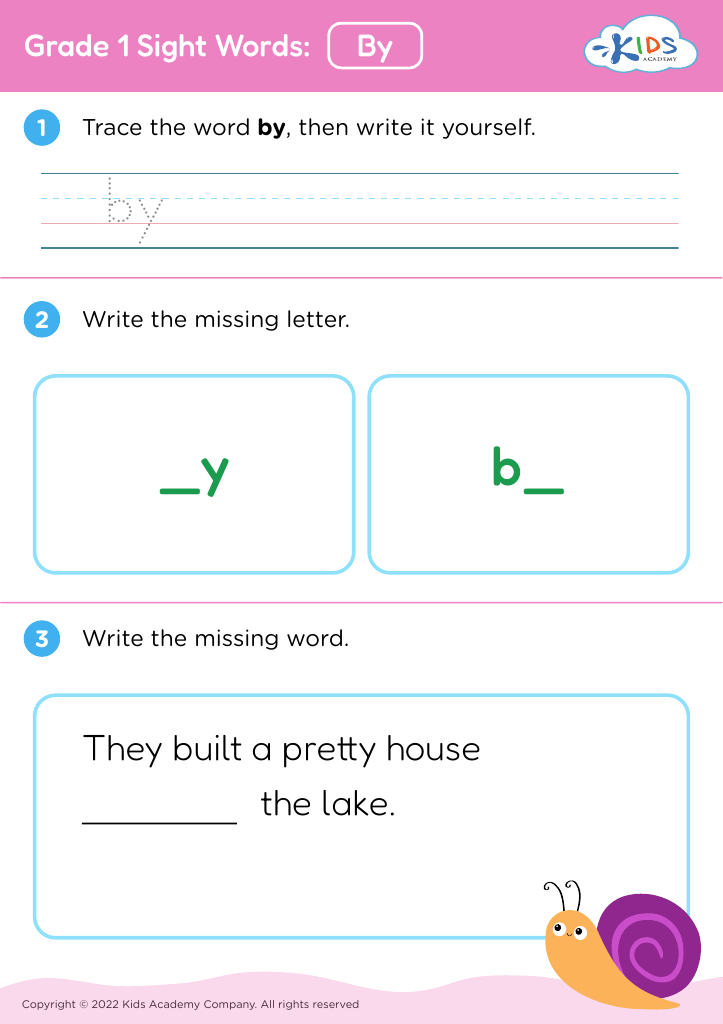
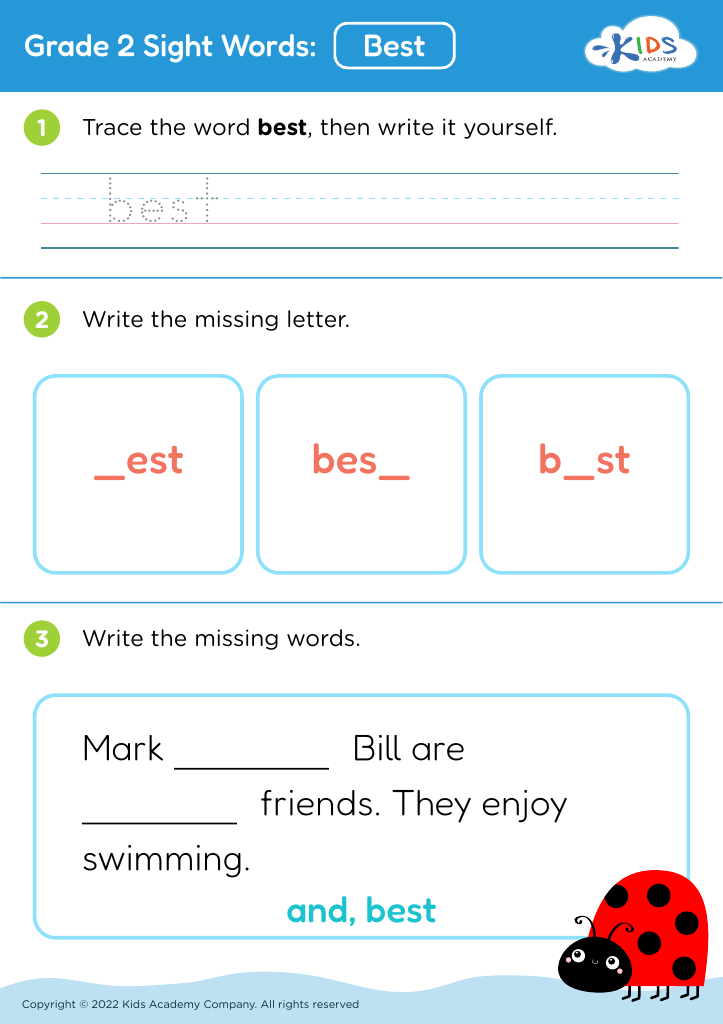
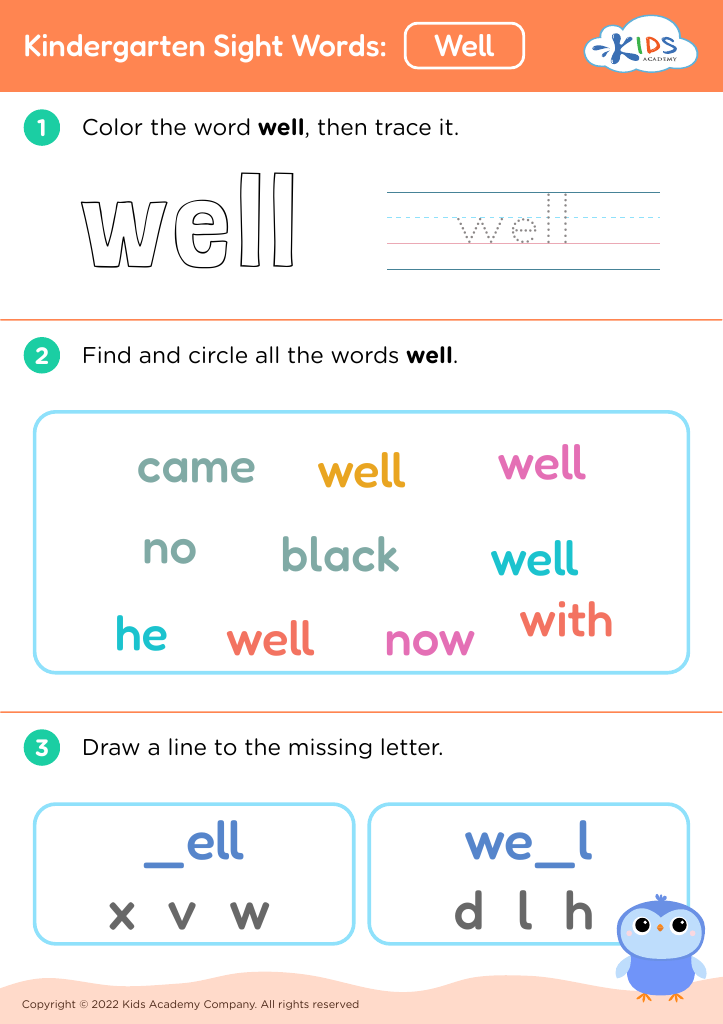
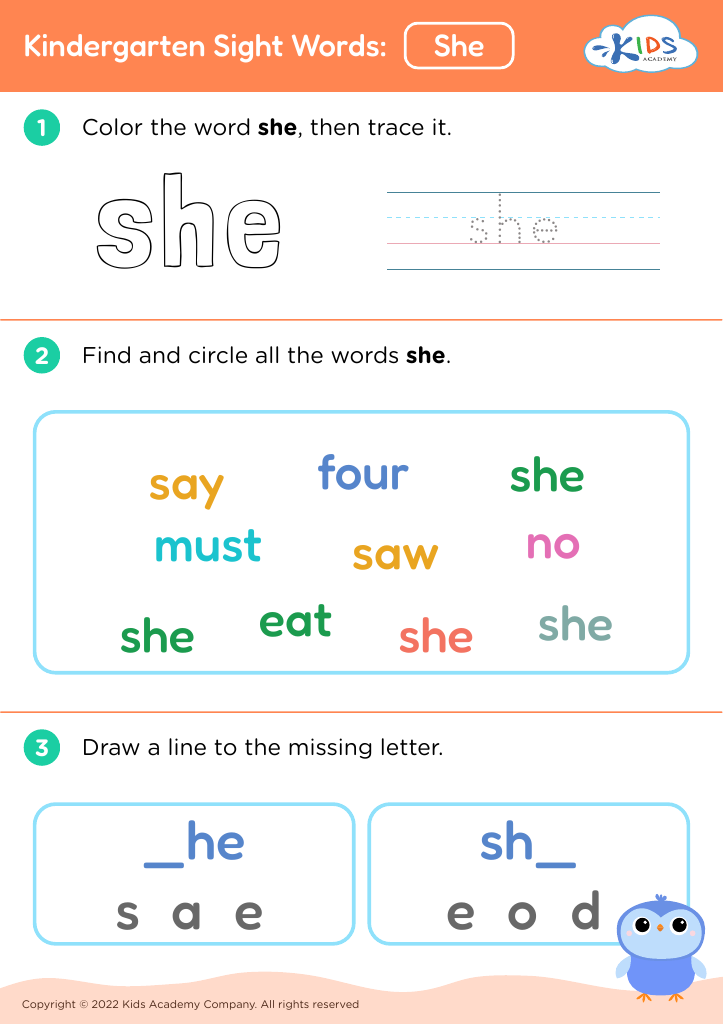







.jpg)
Recognizing shapes plays a fundamental role in early childhood development for children aged 4-9. It is a vital precursor to more complex skills in both math and literacy. Engaging with shapes enhances spatial awareness, which is crucial for understanding mathematics. Recognizing and drawing shapes lay the groundwork for geometry, pattern recognition, and problem-solving abilities. These skills help children grasp more advanced math concepts as they progress in their education.
From a literacy perspective, identifying shapes is closely tied to letter recognition and writing skills. Many letters of the alphabet are comprised of basic shapes such as circles, lines, and curves. Mastery of shapes, therefore, aids in learning the alphabet, phonics, and ultimately reading and writing. When children differentiate shapes, they improve their visual discrimination, which is essential for distinguishing between similar-looking letters and words.
Furthermore, recognizing shapes bolsters cognitive development and critical thinking. Activities that involve sorting and classifying shapes encourage analytical skills and decision-making. On a social-emotional level, shape-based games enhance collaborative play, communication, and can boost a child's confidence.
Parents and teachers should recognize and nurture the development of shape recognition because it forms the bedrock of vibrant learning, fostering robust cognitive, academic, and social skills necessary for future success.








