Reading Fiction Worksheets for Ages 4-9 - Page 6
172 filtered results
-
From - To
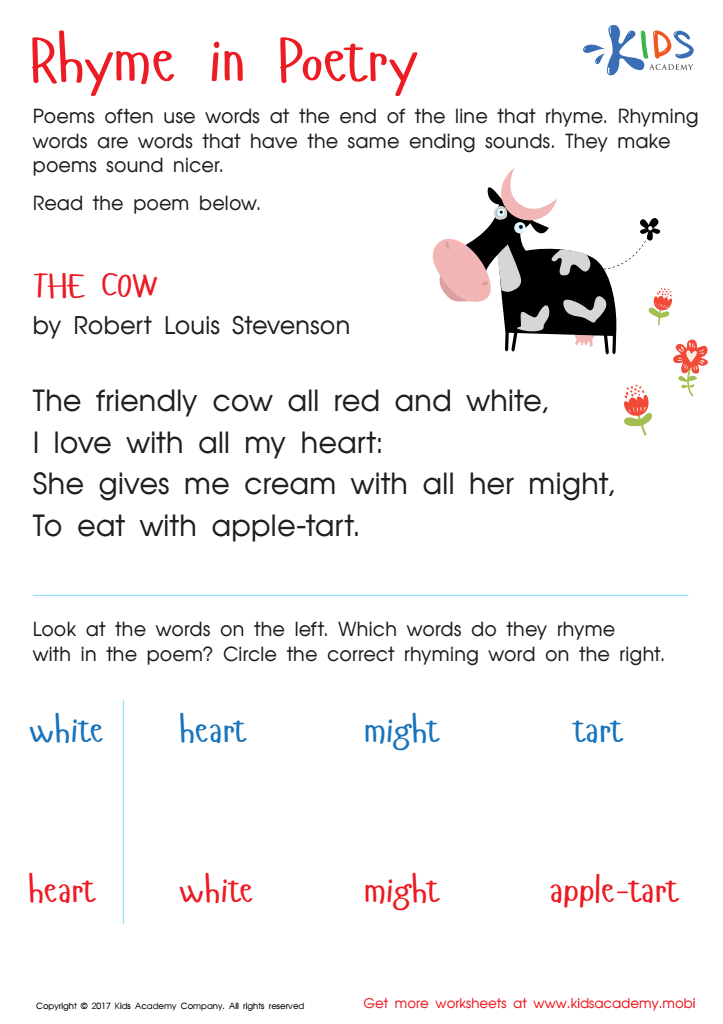
Rhyme In Poetry Worksheet
 Assign to My Students
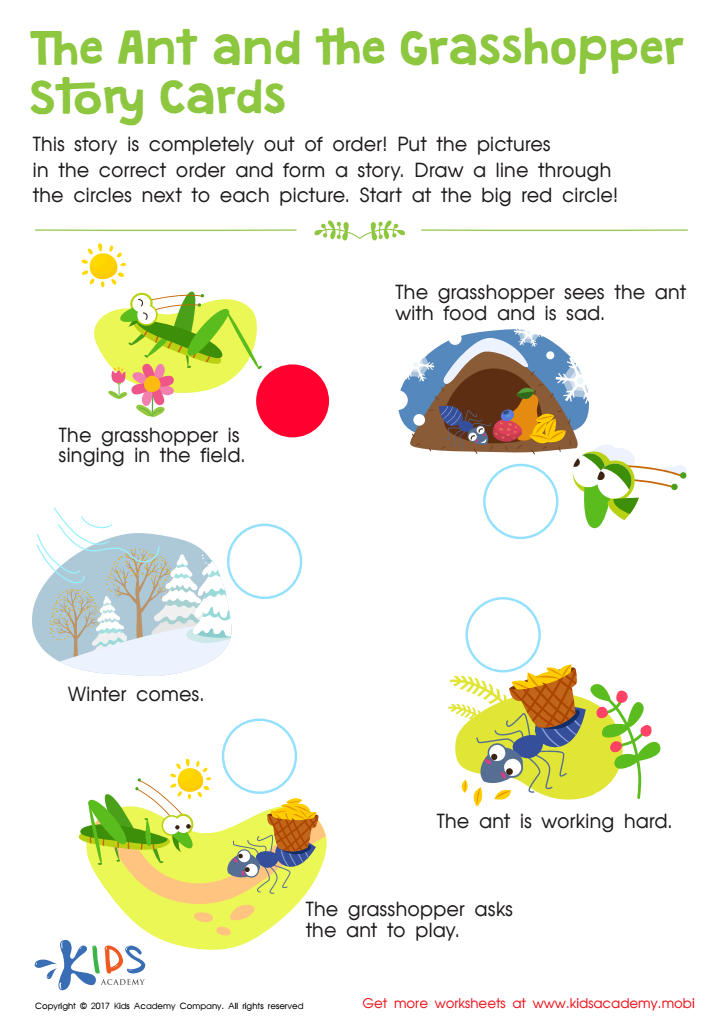
The Ant and The Grasshopper Worksheet
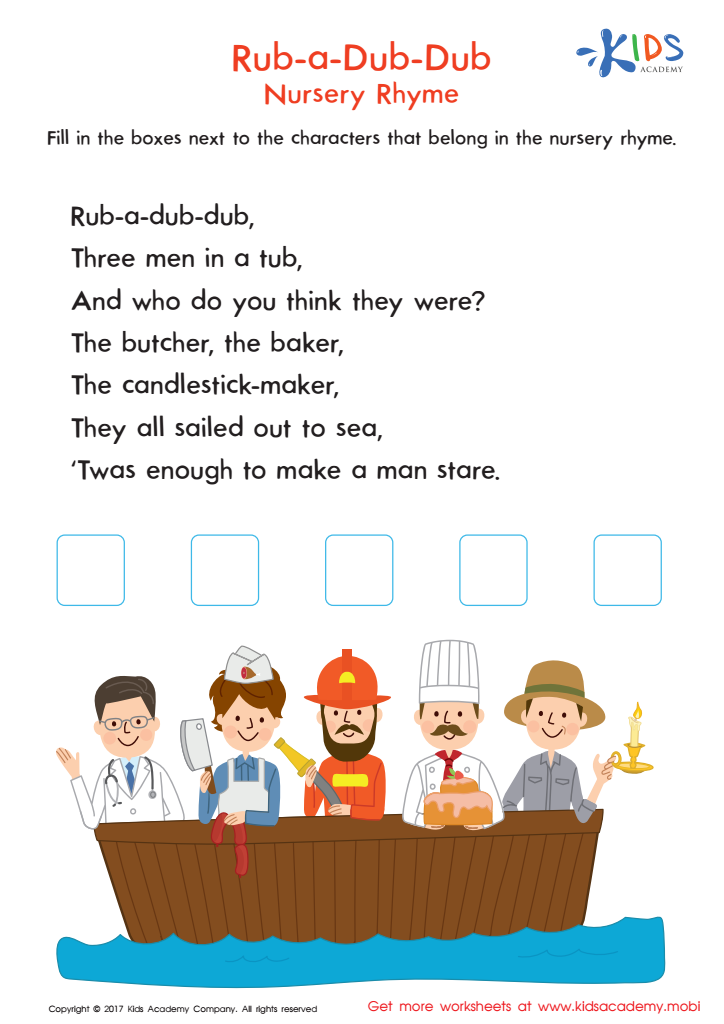
Rub a Dub Dub Printable
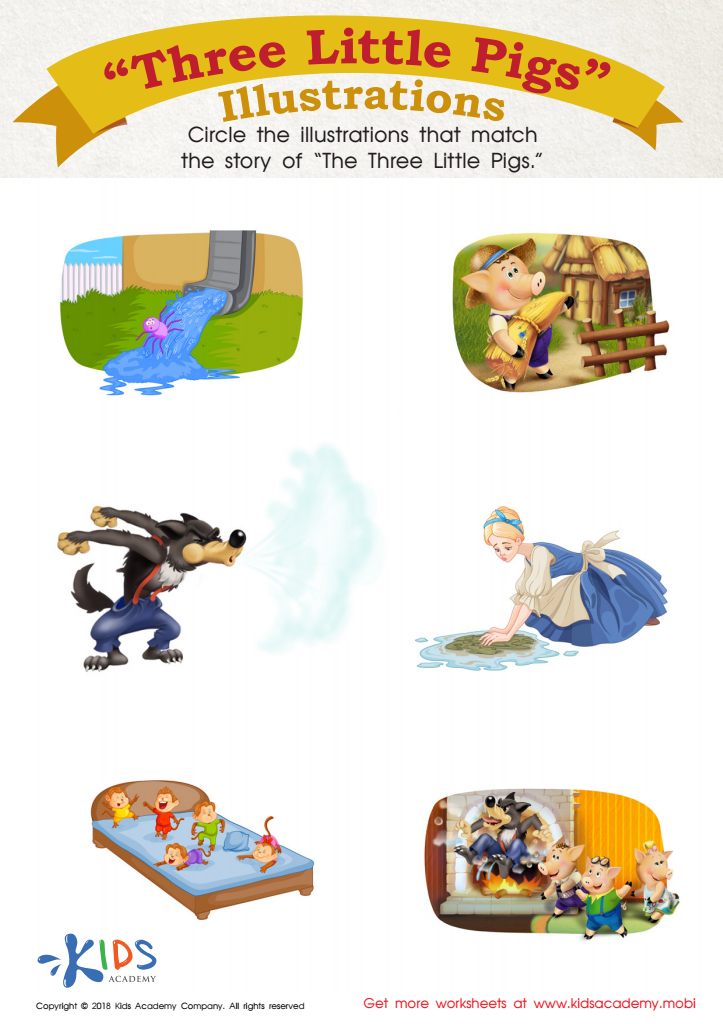
Three Little Pigs: Illustrations Worksheet
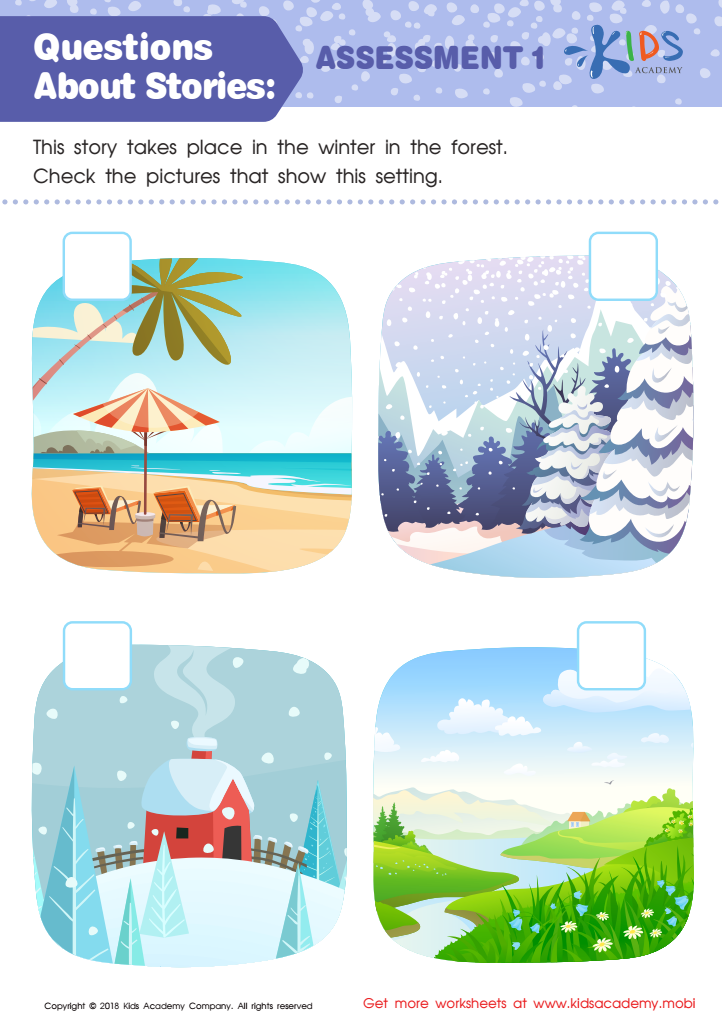
Questions About Stories: Assessment 1 Worksheet
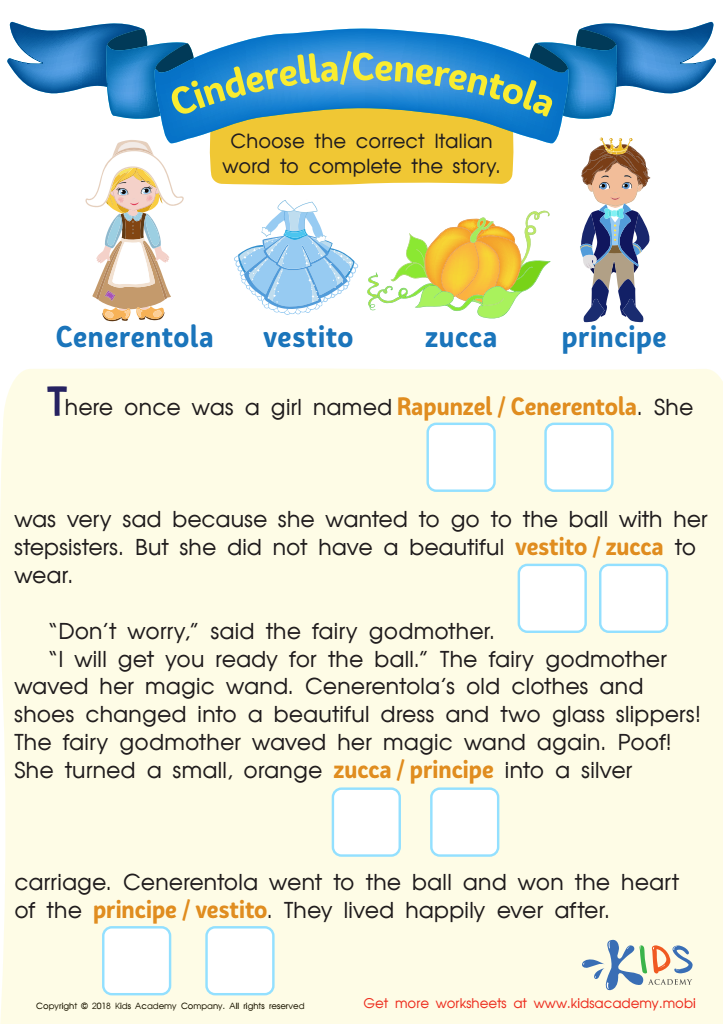
Cinderella / Cenerentola Worksheet
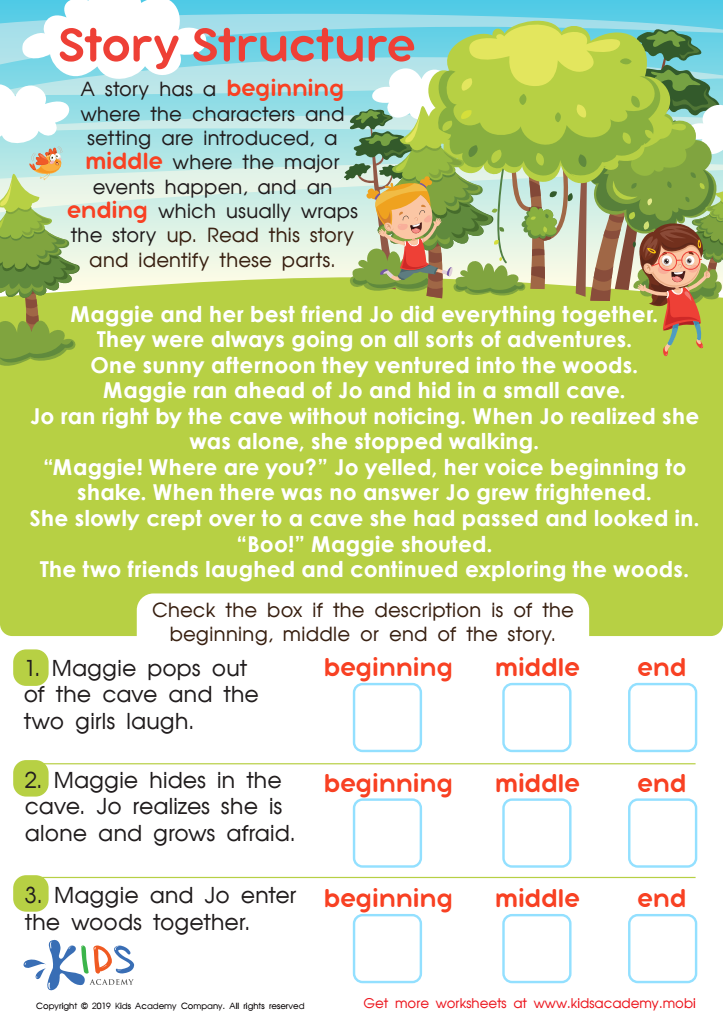
Story Structure Worksheet
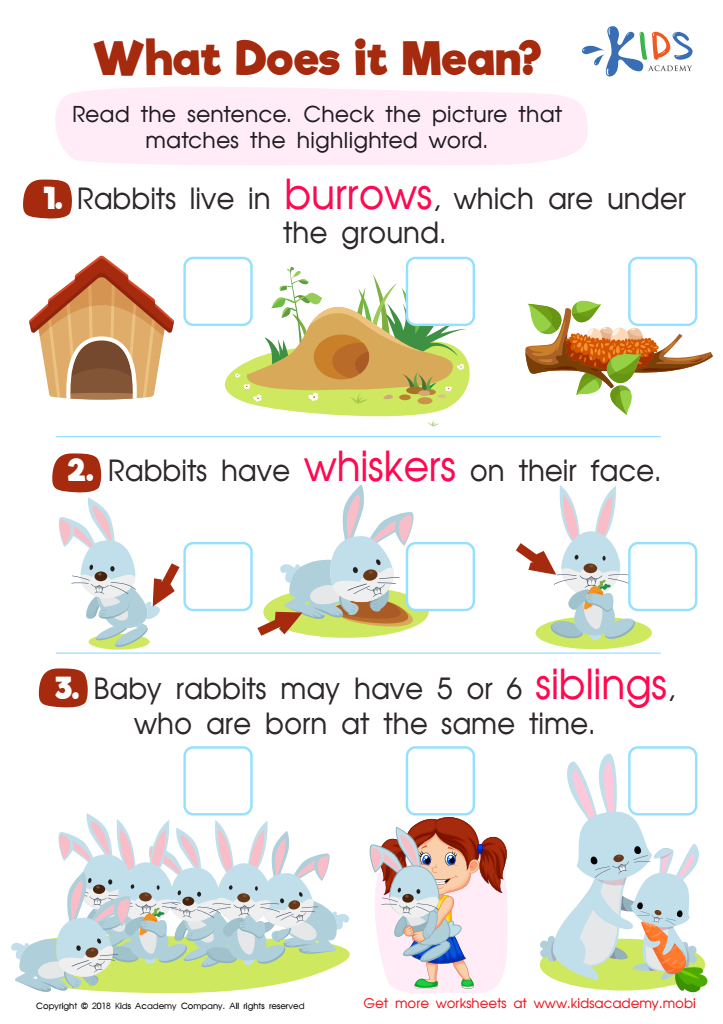
What Does It Mean? Worksheet
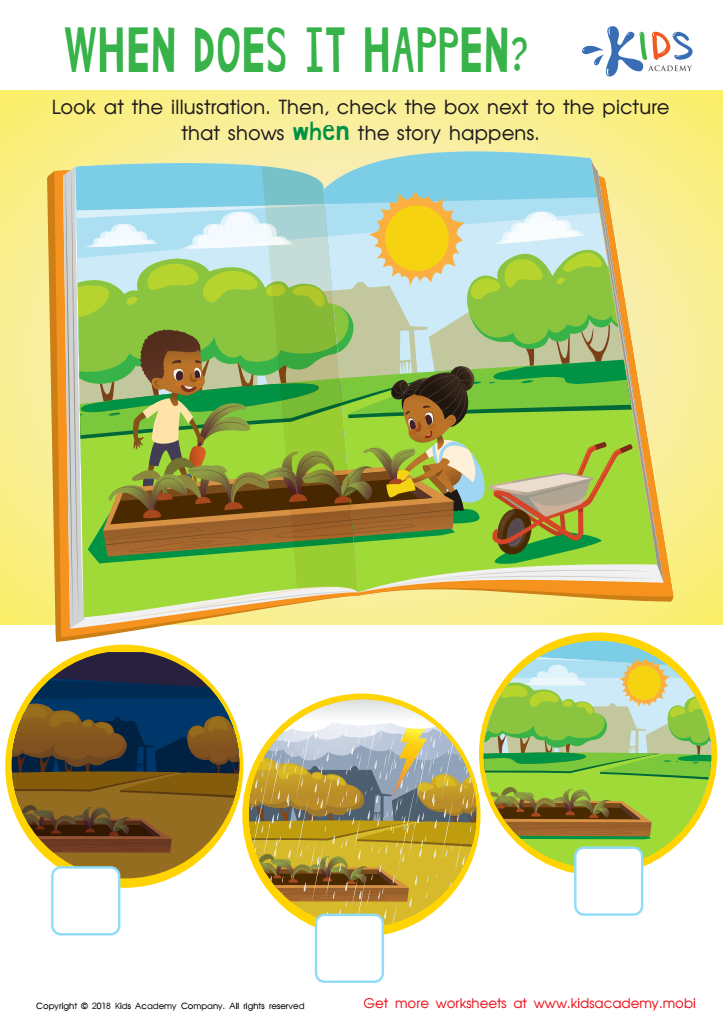
When Does It Happen? Worksheet
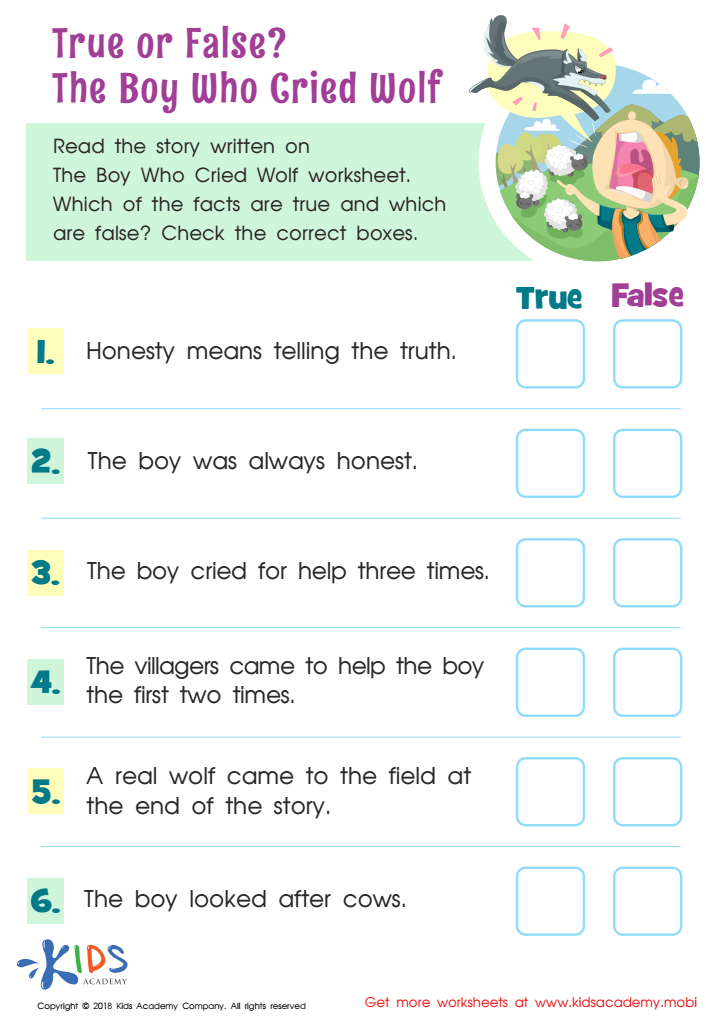
True or False? The Boy Who Cried Wolf Worksheet
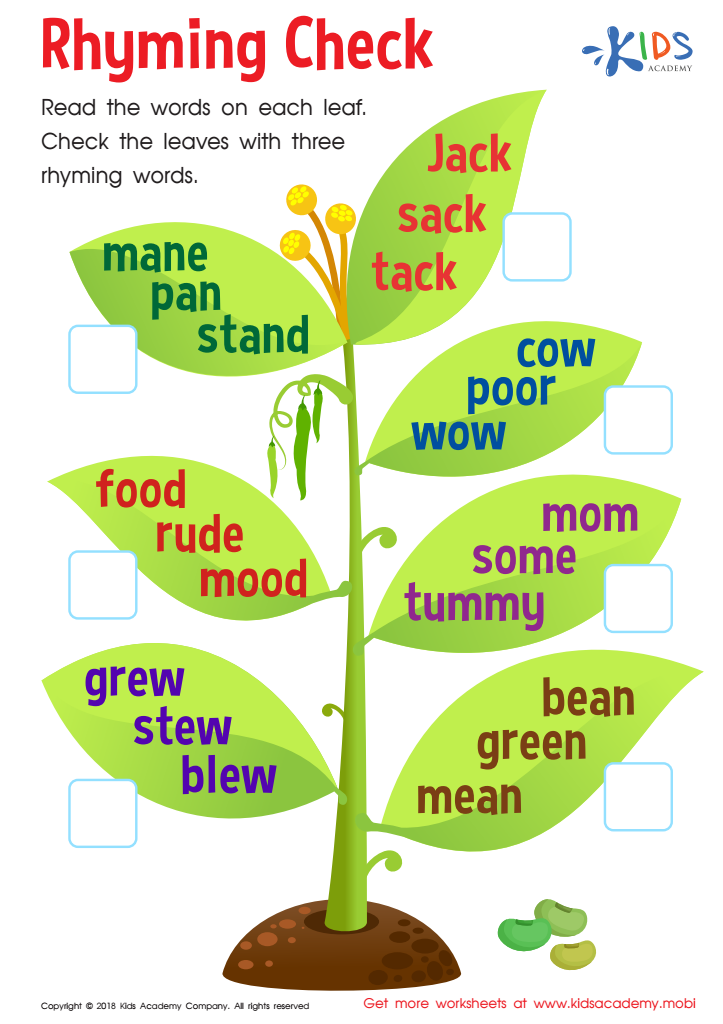
Rhyming Check Worksheet
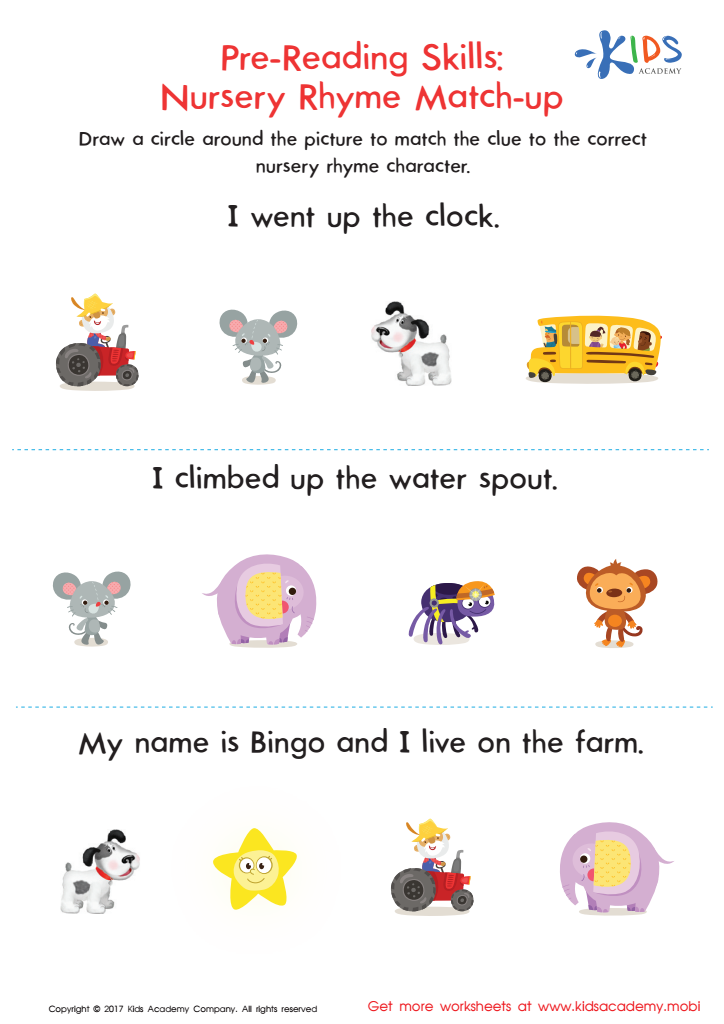
Nursery Rhyme Match–Up Worksheet
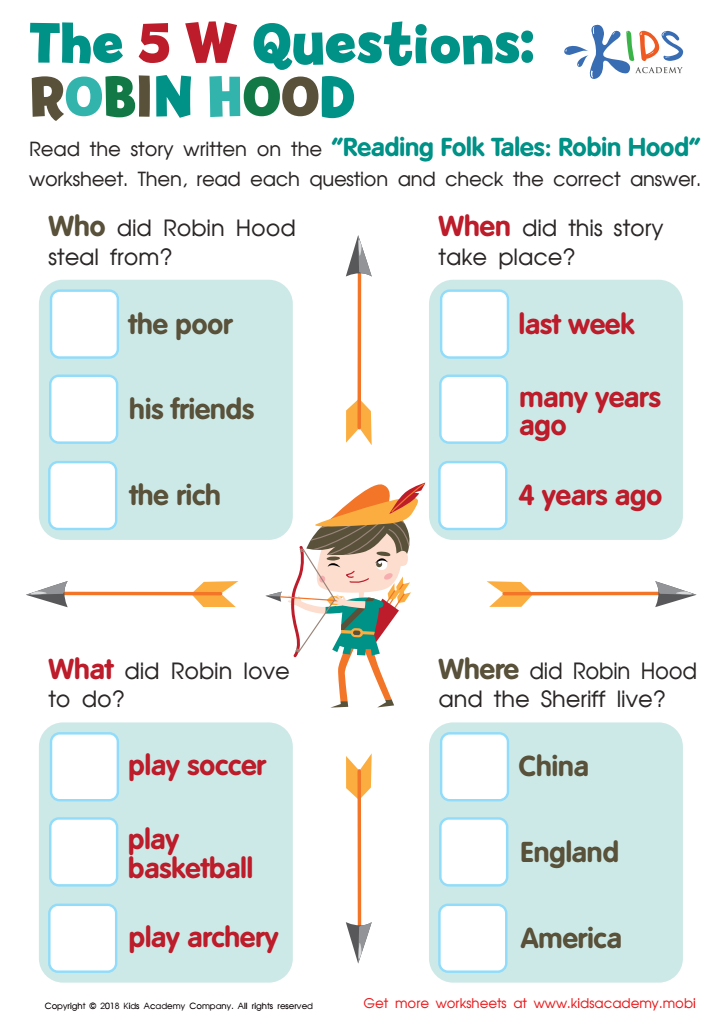
The 5 W Questions: Robin Hood Worksheet
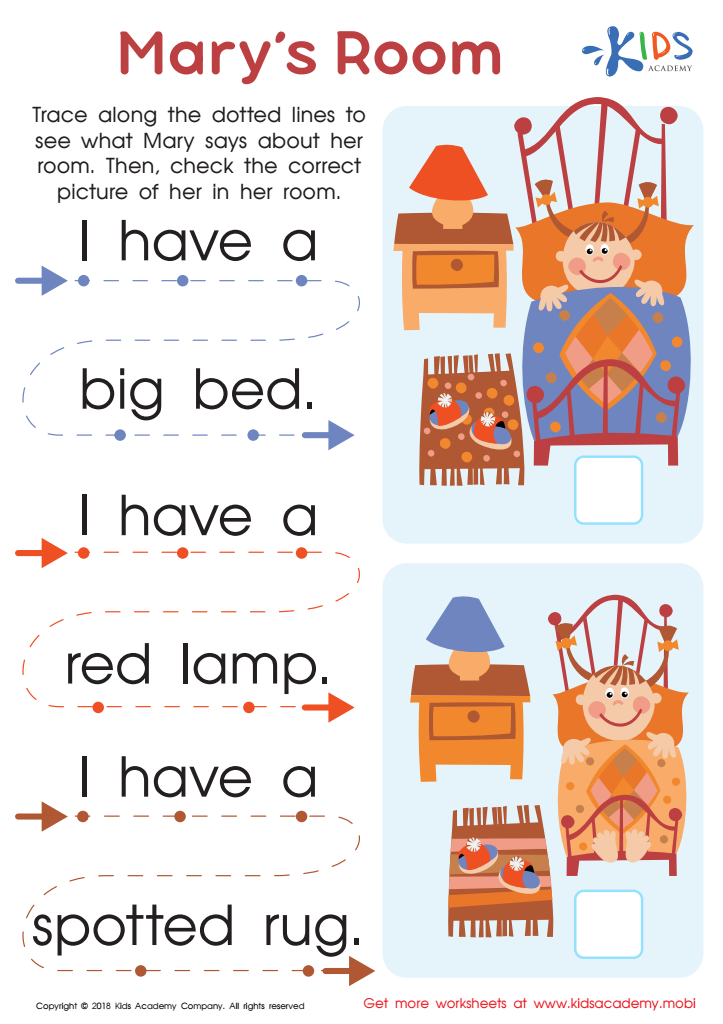
Mary's Room Worksheet
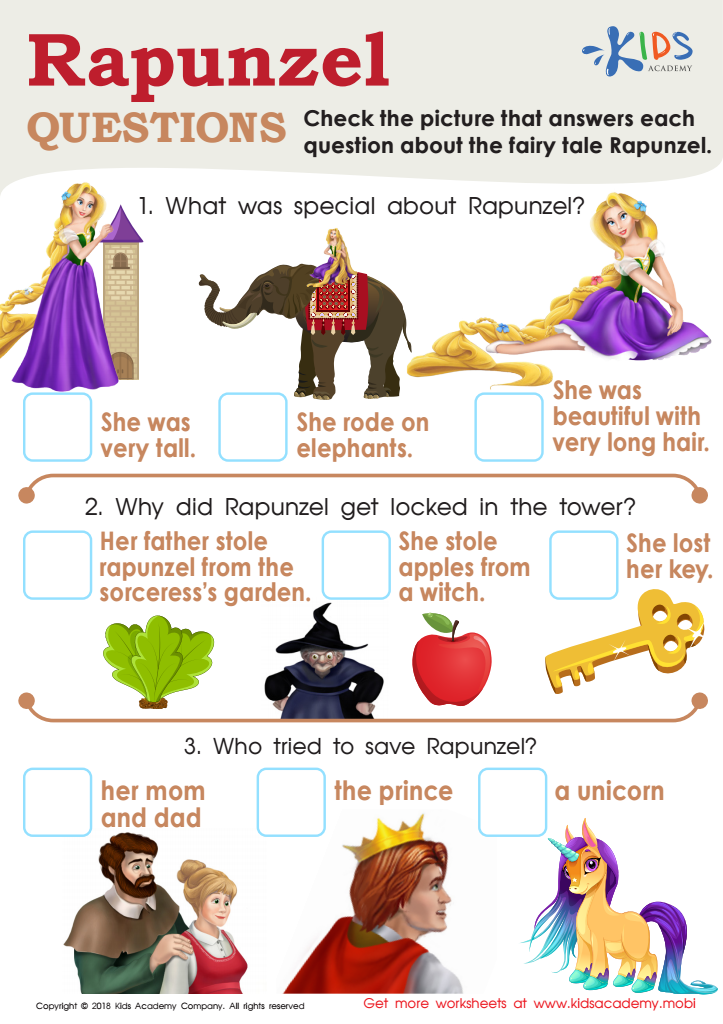
Rapunzel Questions Worksheet
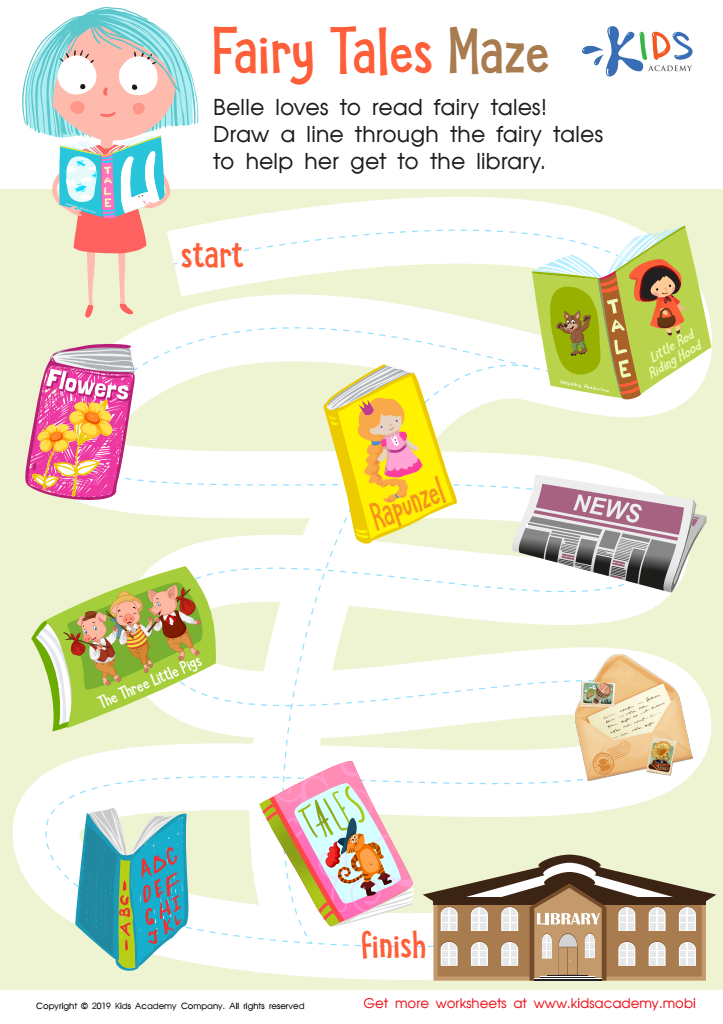
Fairy Tales Maze Worksheet
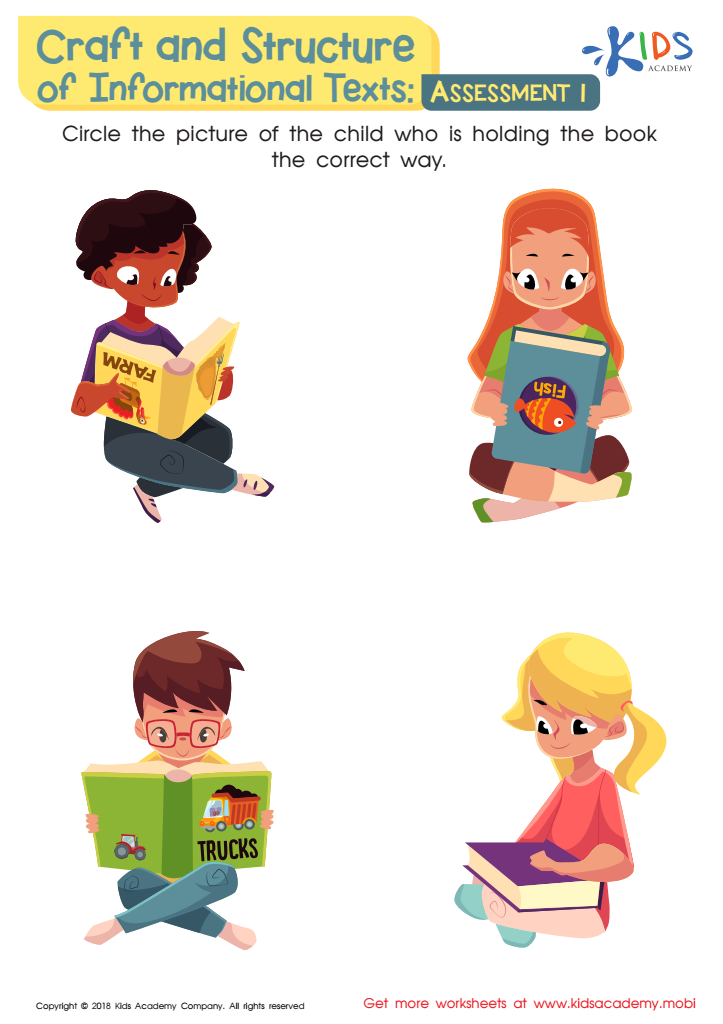
Craft and Structure of Informational Texts: Assessment 1 Worksheet
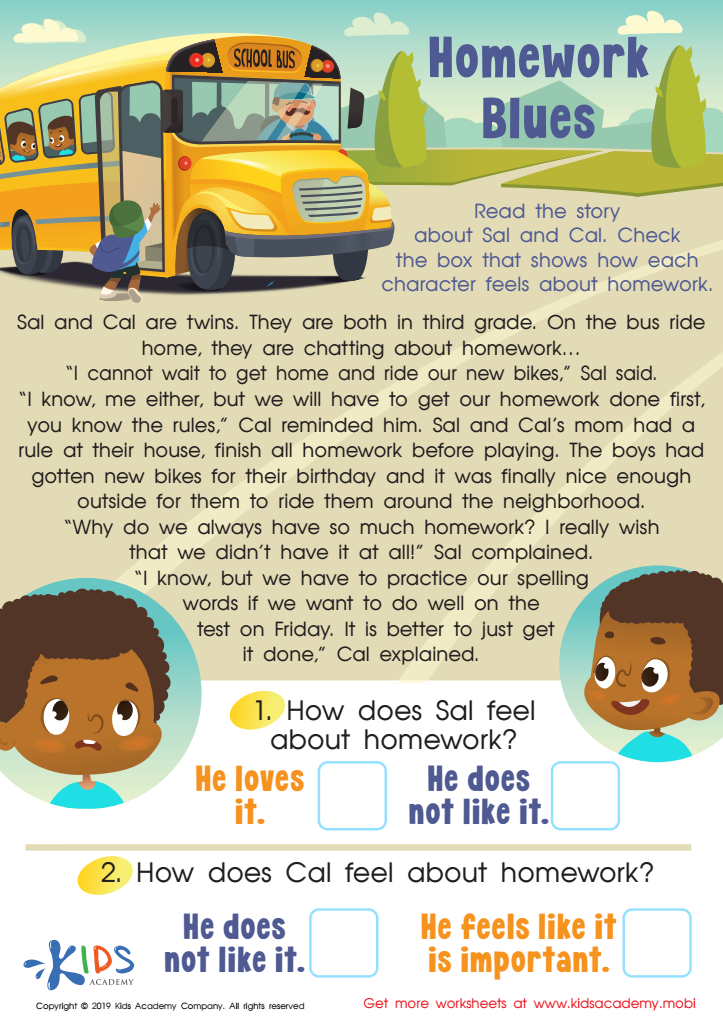
Homework Blues Worksheet
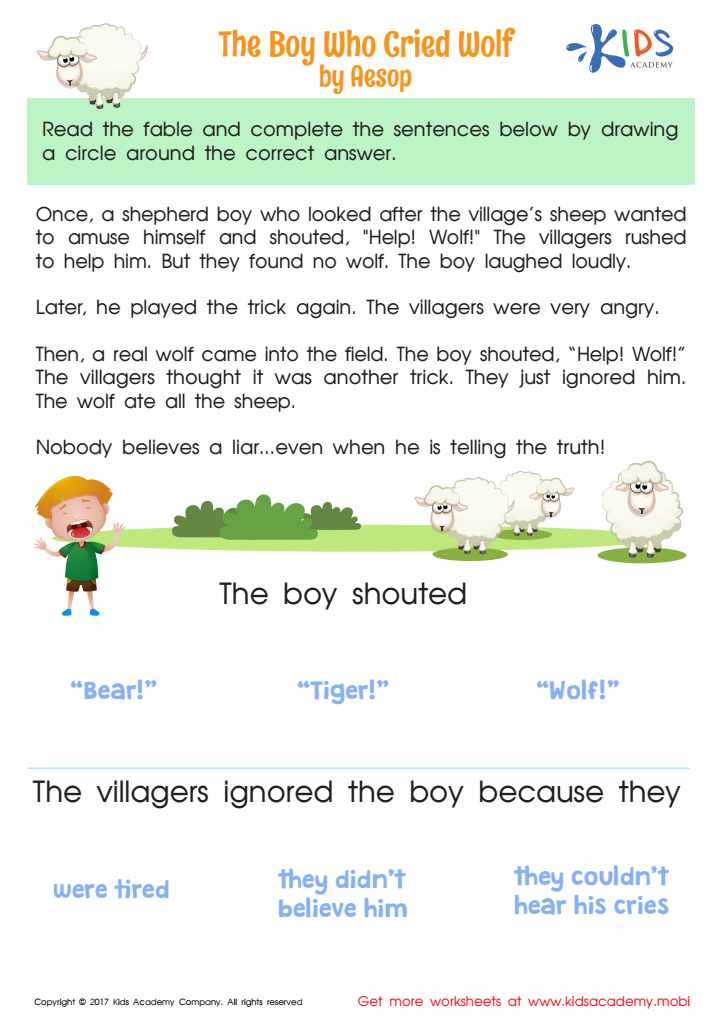
The Boy Who Cried Wolf Worksheet
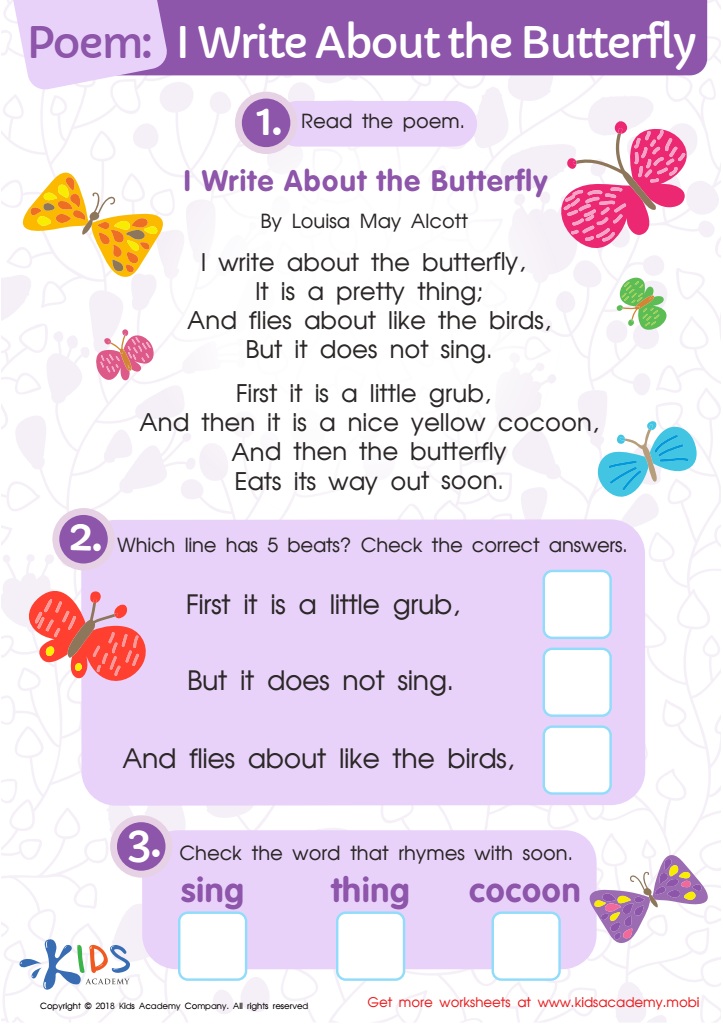
Poem: I Write About The Butterfly Worksheet
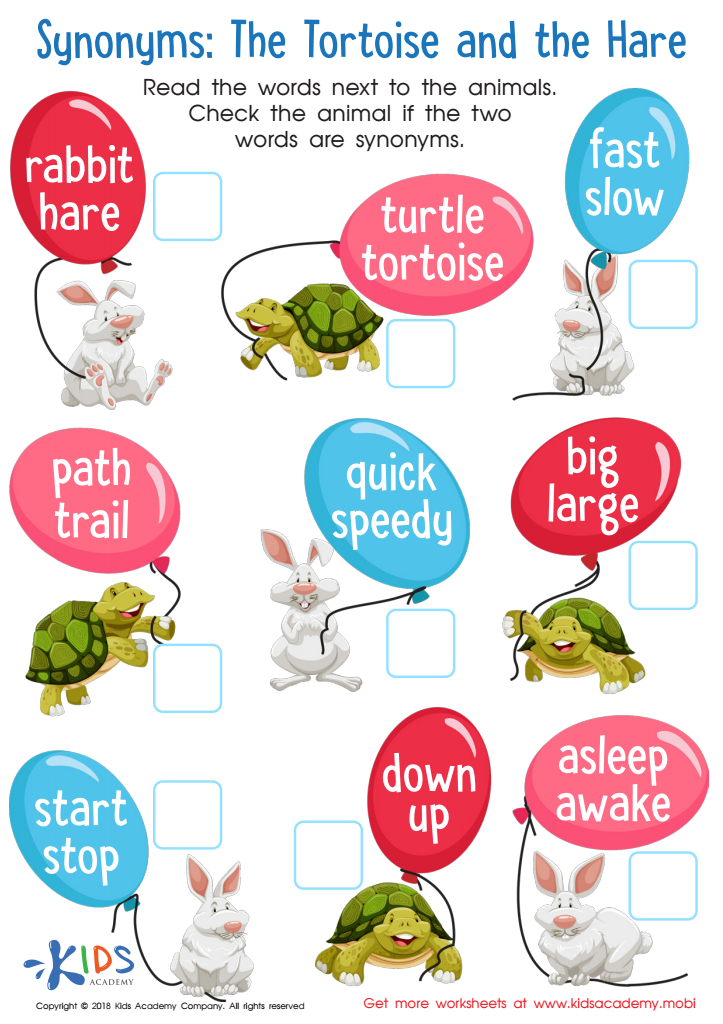
Synonyms: The Tortoise and Hare Worksheet
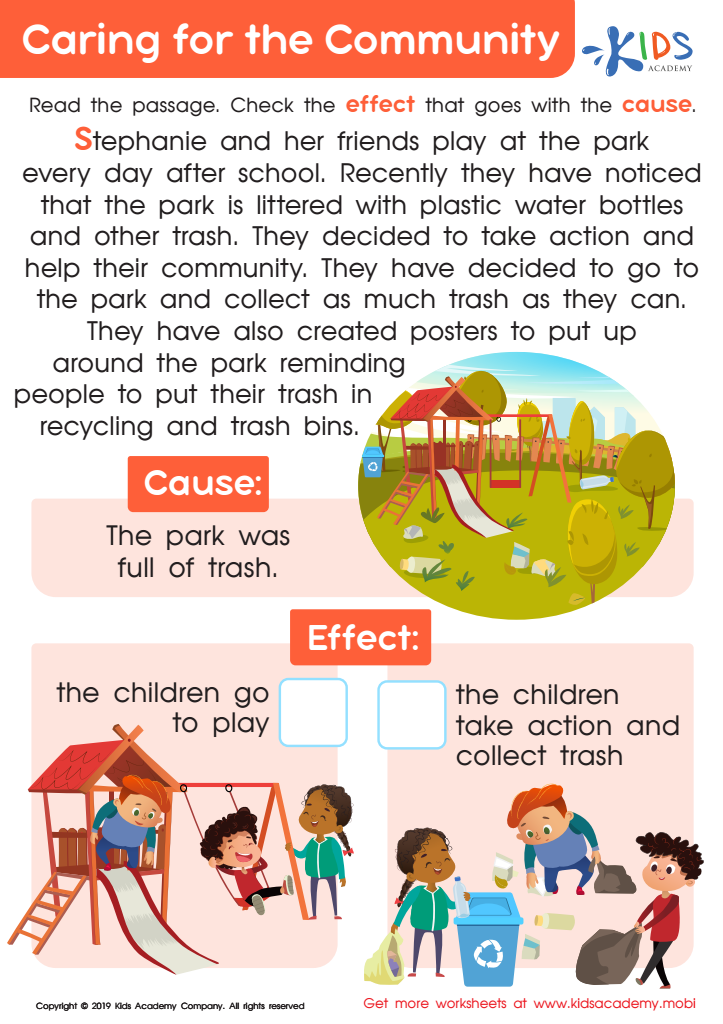
Caring for the Community Worksheet
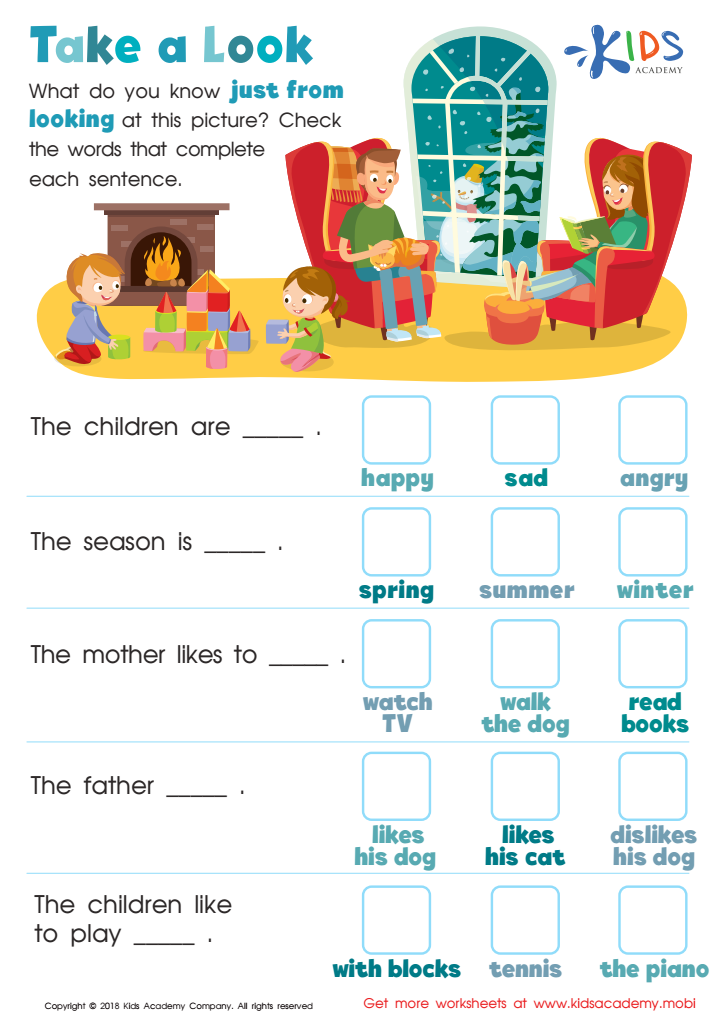
Take a Look - Part 1 Worksheet
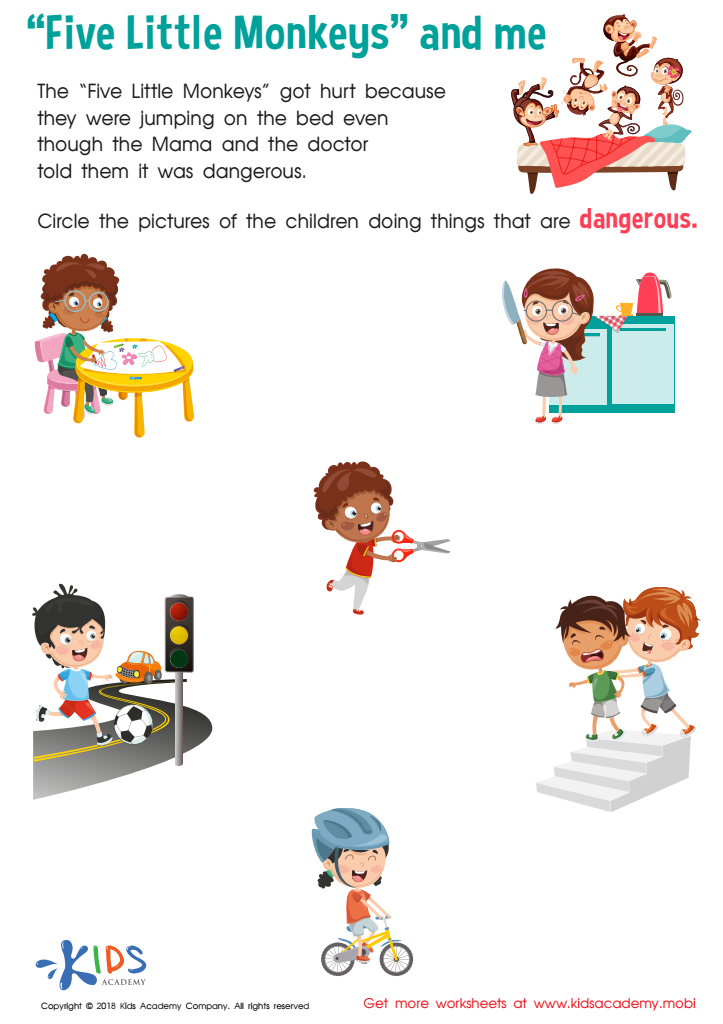
Five Little Monkeys and Me Worksheet



.jpg)
.jpg)



Parents and teachers should prioritize reading fiction to children aged 4-9 as it plays a pivotal role in their development. At this critical stage, children's brains are highly receptive to language, making it an ideal time to introduce stories. Reading fiction nurtures their imagination, allowing them to explore new worlds, characters, and situations. This exploration fosters creativity and critical thinking skills, as children learn to interpret narratives and empathize with different perspectives.
In addition to cognitive benefits, fiction strengthens language skills. Exposure to new vocabulary, complex sentence structures, and varied expressions enhances reading comprehension and communication. Regular reading builds a foundation for literacy that benefits future academic success.
Moreover, fiction provides valuable lessons in morals, social norms, and emotional understanding. Stories often reflect experiences with friendships, challenges, and emotions, helping children navigate their feelings and relationships. The ability to process these themes through characters makes it safer and easier to discuss complex issues.
Lastly, reading together nurtures bonding. It can create a shared family experience that promotes literacy as a cherished activity. Overall, incorporating fiction into children's lives fosters well-rounded individuals prepared to engage with the world around them.








