Critical Thinking Reading Fiction Worksheets for Ages 4-9 - Page 2
47 filtered results
-
From - To
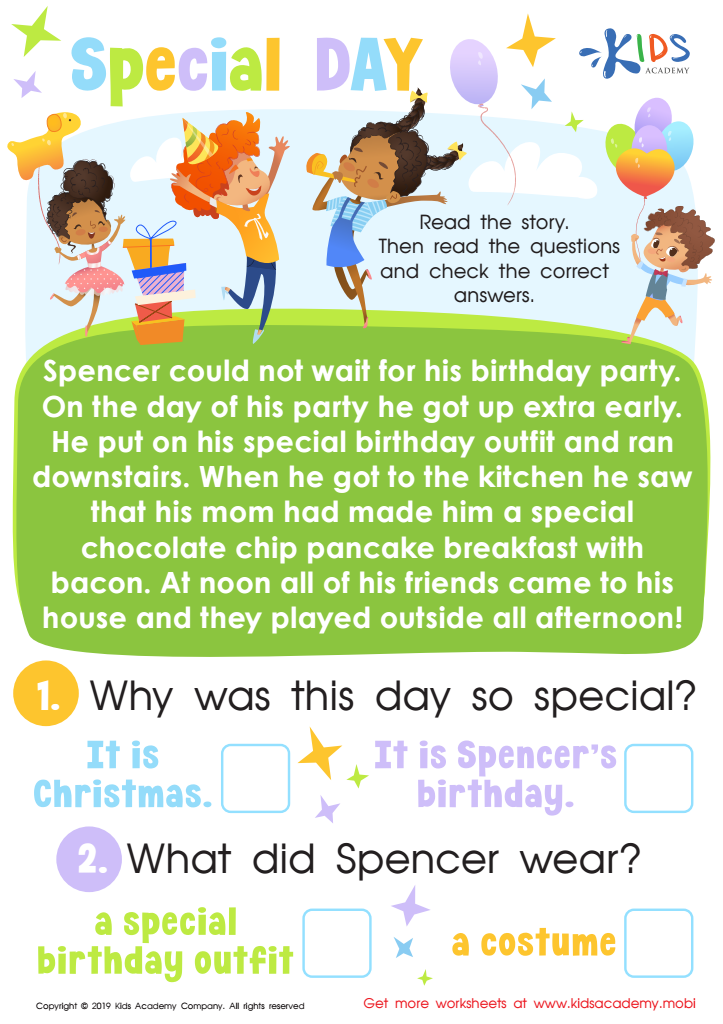
Special Day Worksheet
 Assign to My Students
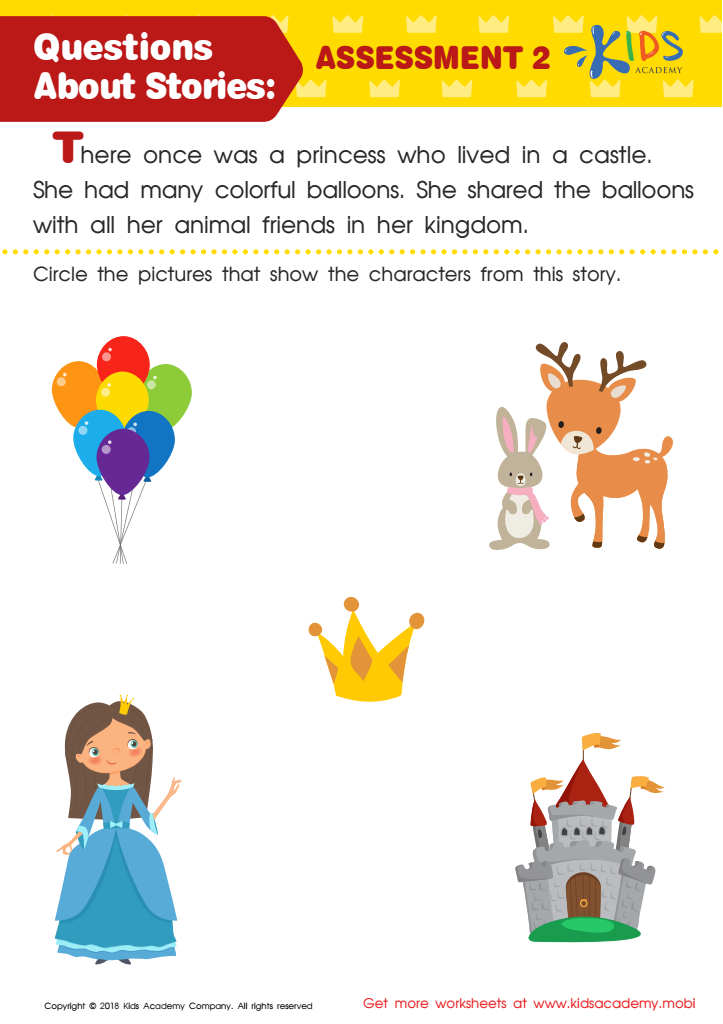
Questions About Stories: Assessment 2 Worksheet
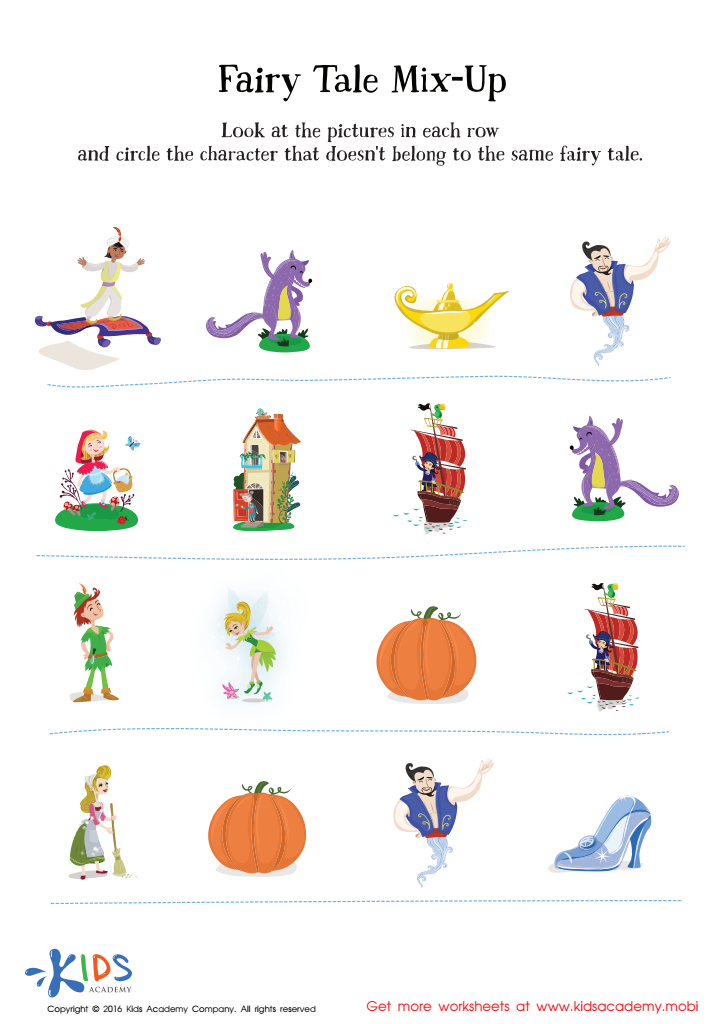
Fairy Tale Worksheet: Story Mix Up
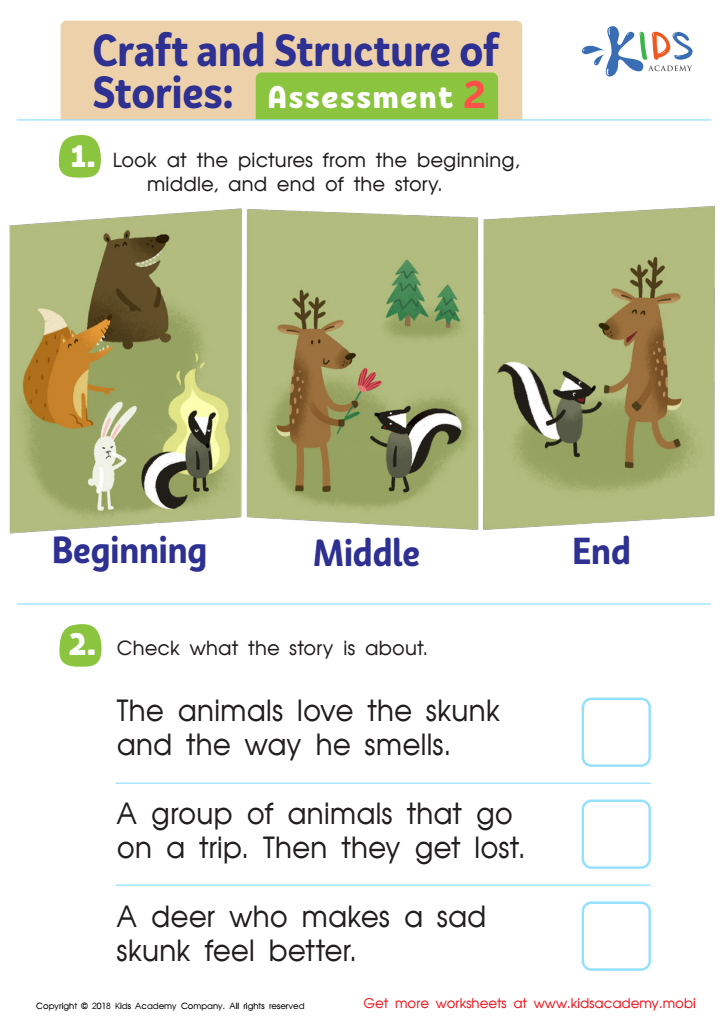
Craft and Structure of Stories: Assessment 2 Worksheet
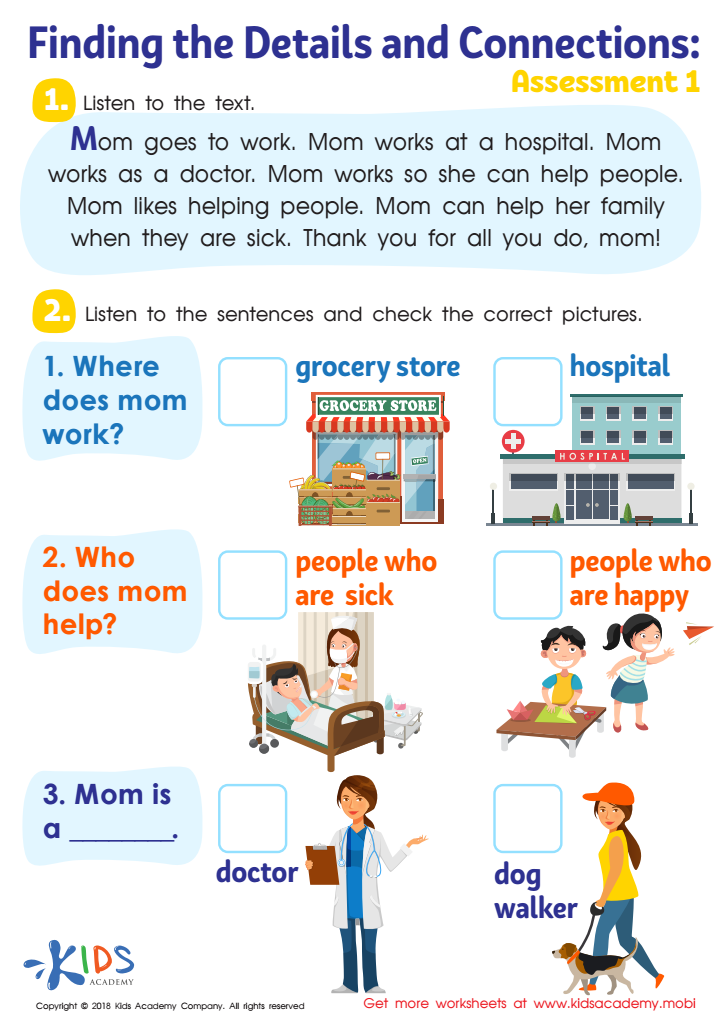
Finding the Details and Connections: Assessment 1 Worksheet
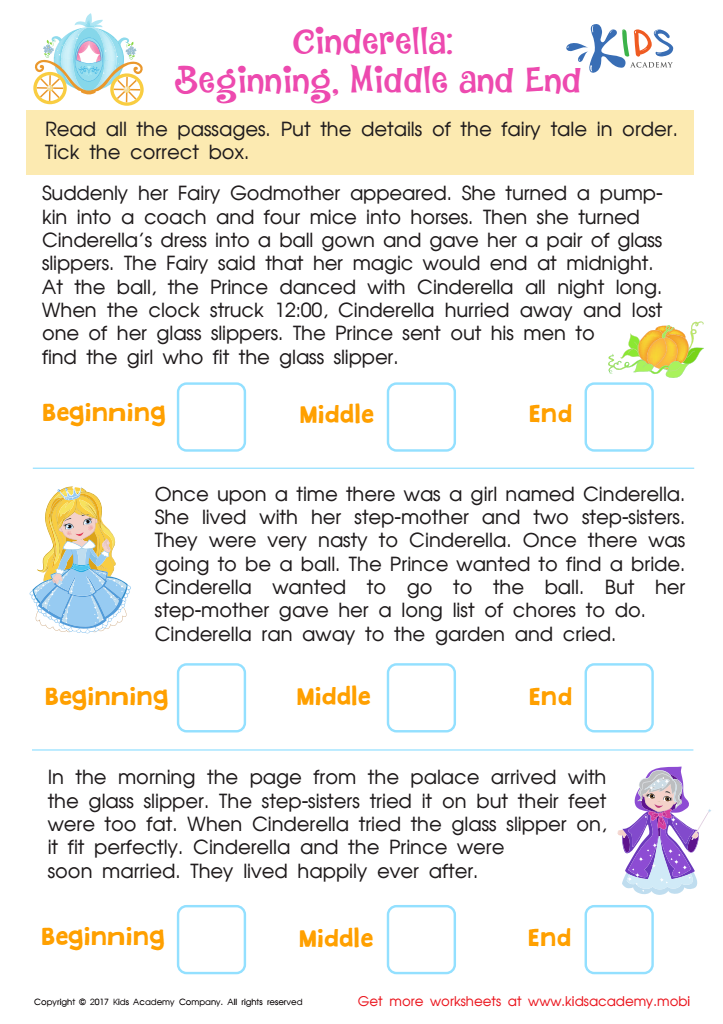
Cinderella: Beginning, Middle and End Worksheet
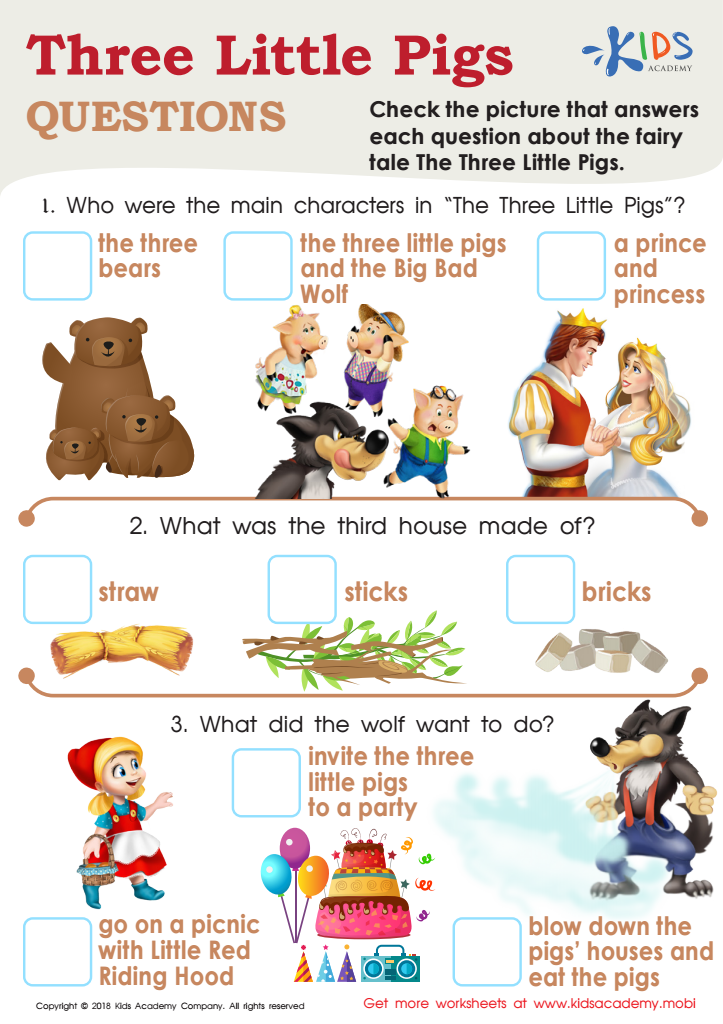
Three Little Pigs Questions Worksheet
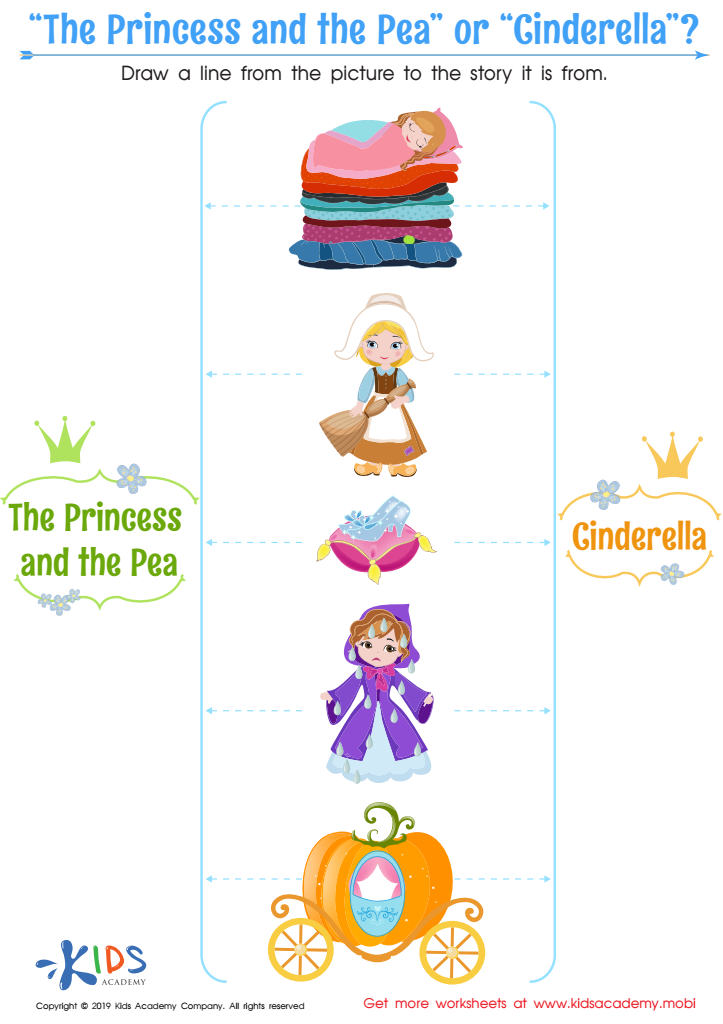
“The Princess and the Pea” or “Cinderella” Worksheet
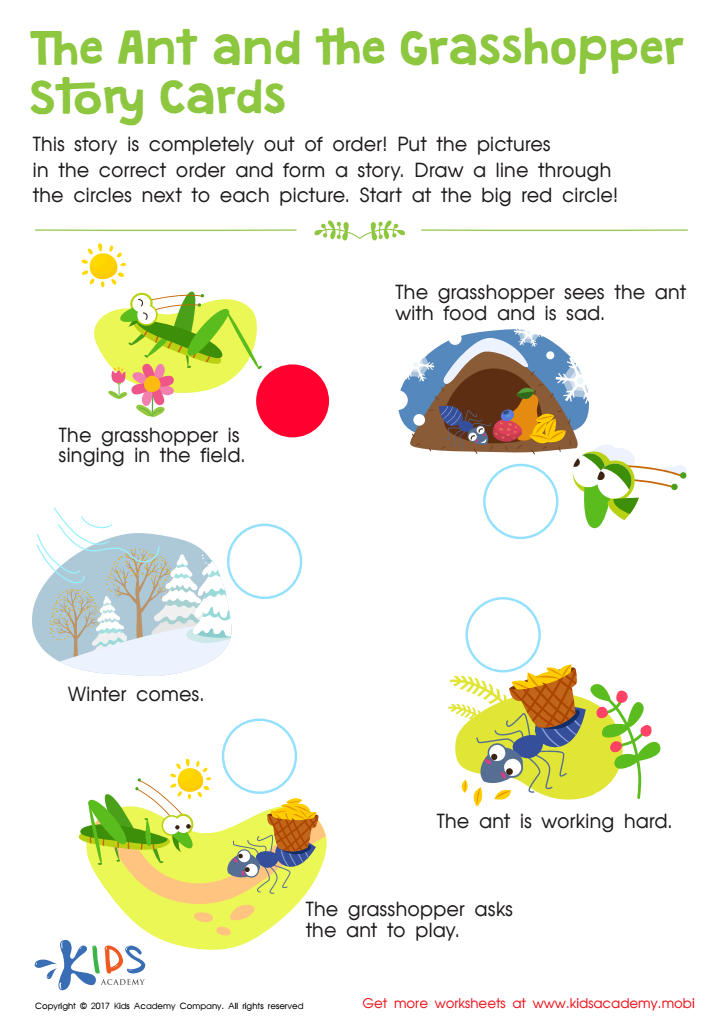
The Ant and The Grasshopper Worksheet
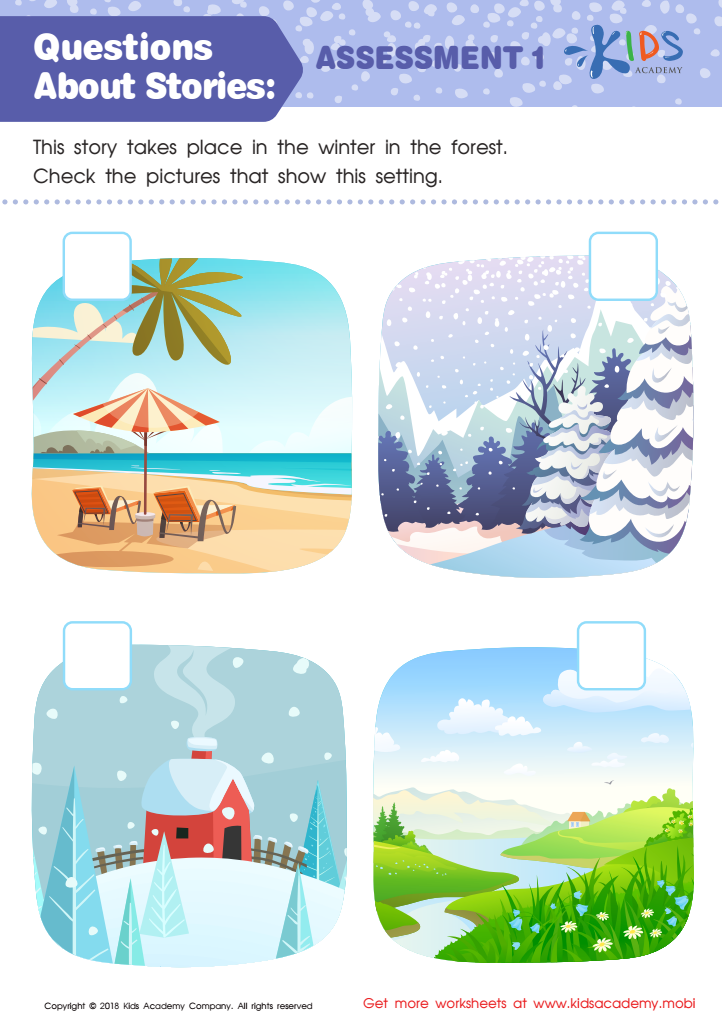
Questions About Stories: Assessment 1 Worksheet
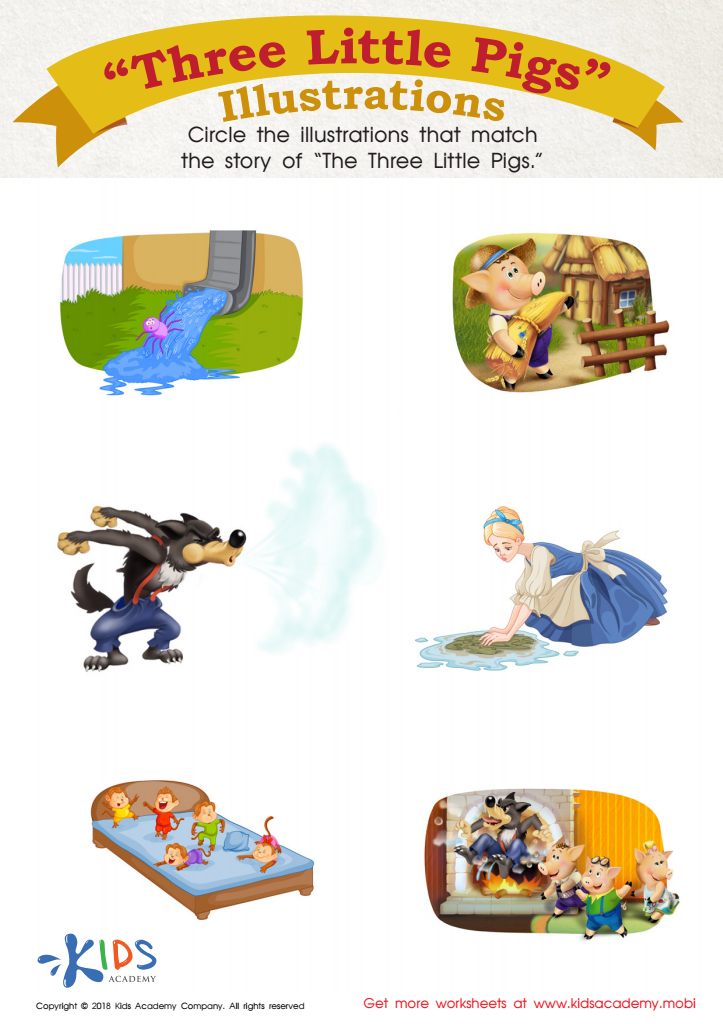
Three Little Pigs: Illustrations Worksheet
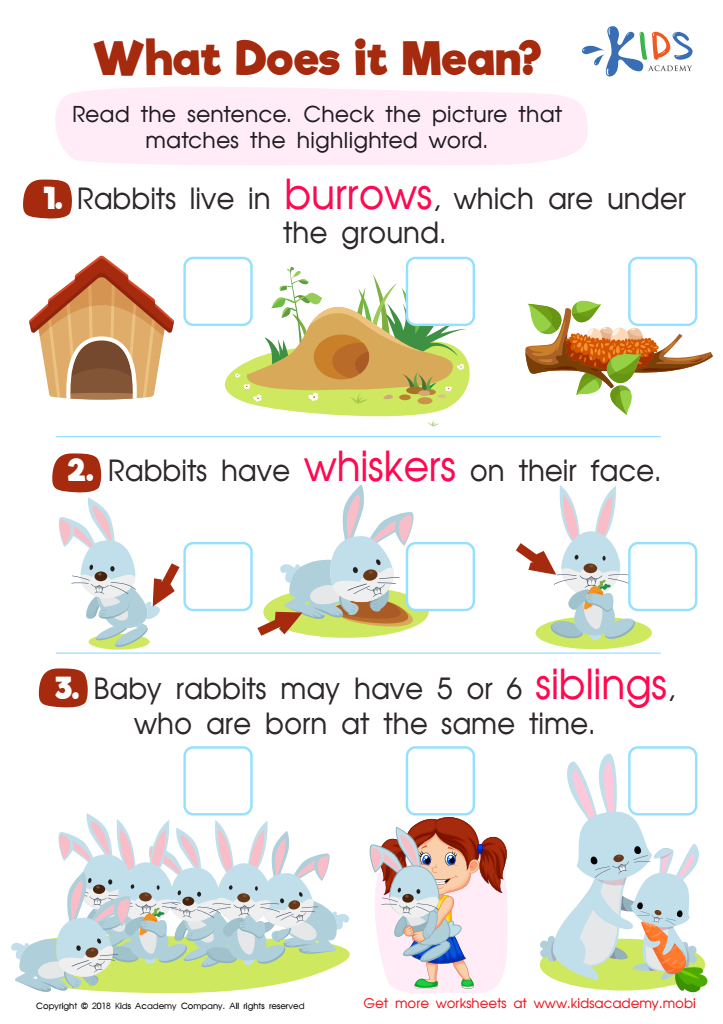
What Does It Mean? Worksheet
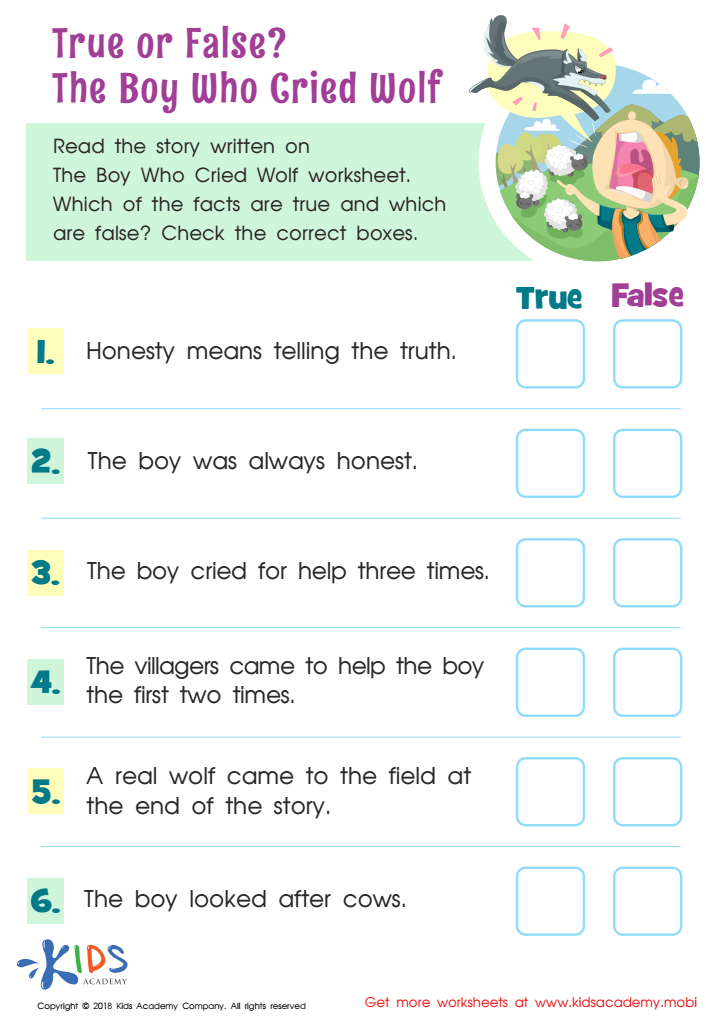
True or False? The Boy Who Cried Wolf Worksheet
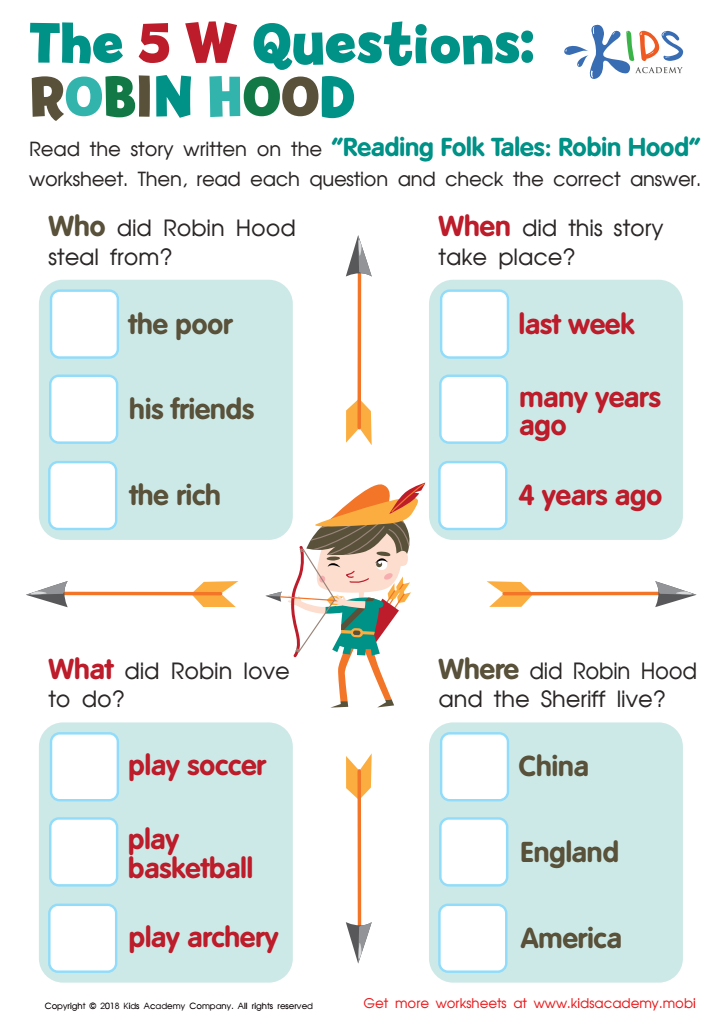
The 5 W Questions: Robin Hood Worksheet
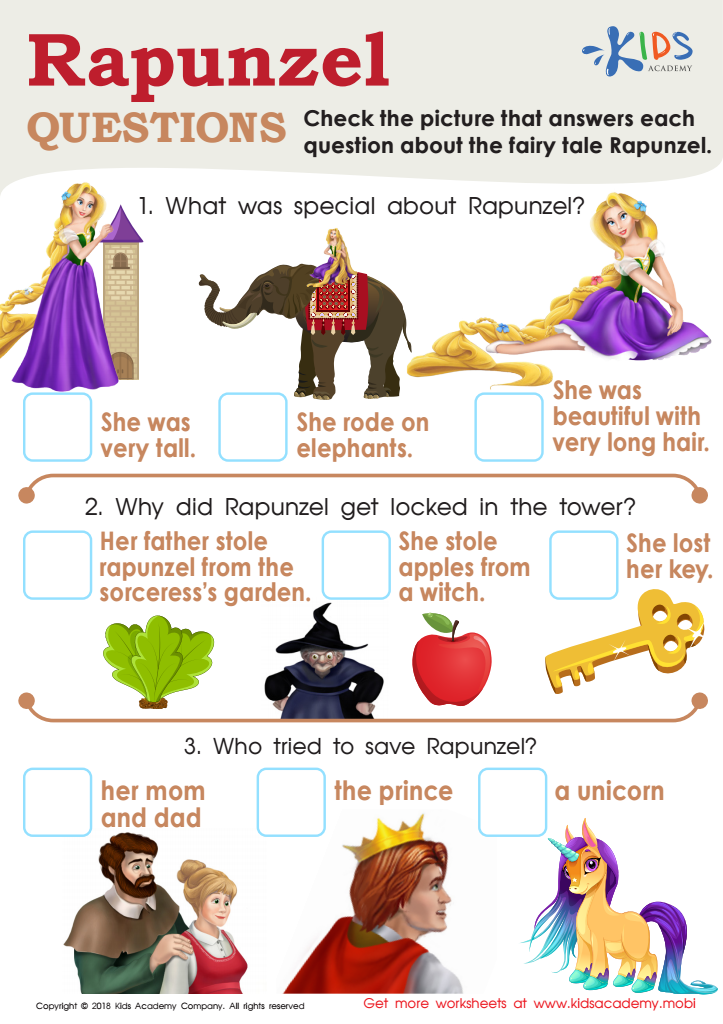
Rapunzel Questions Worksheet
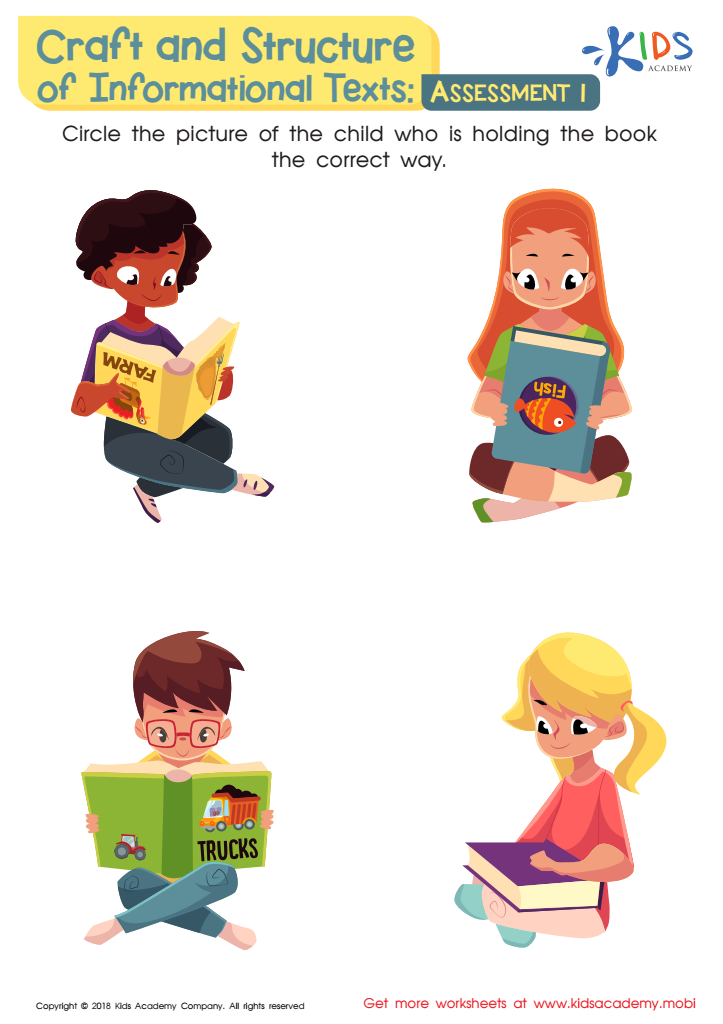
Craft and Structure of Informational Texts: Assessment 1 Worksheet
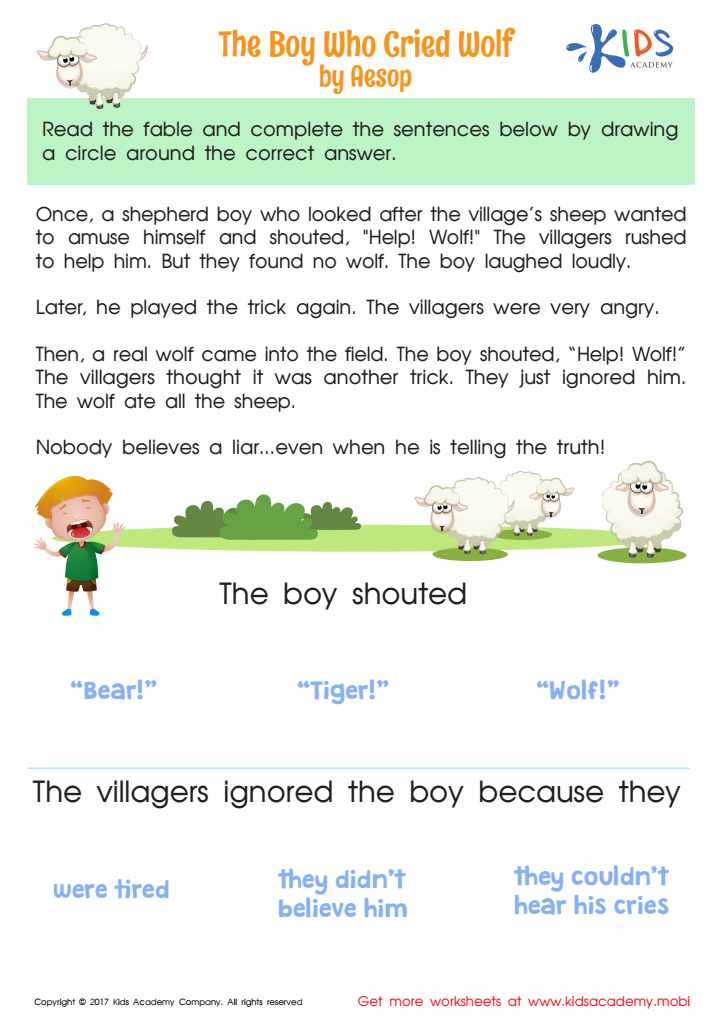
The Boy Who Cried Wolf Worksheet
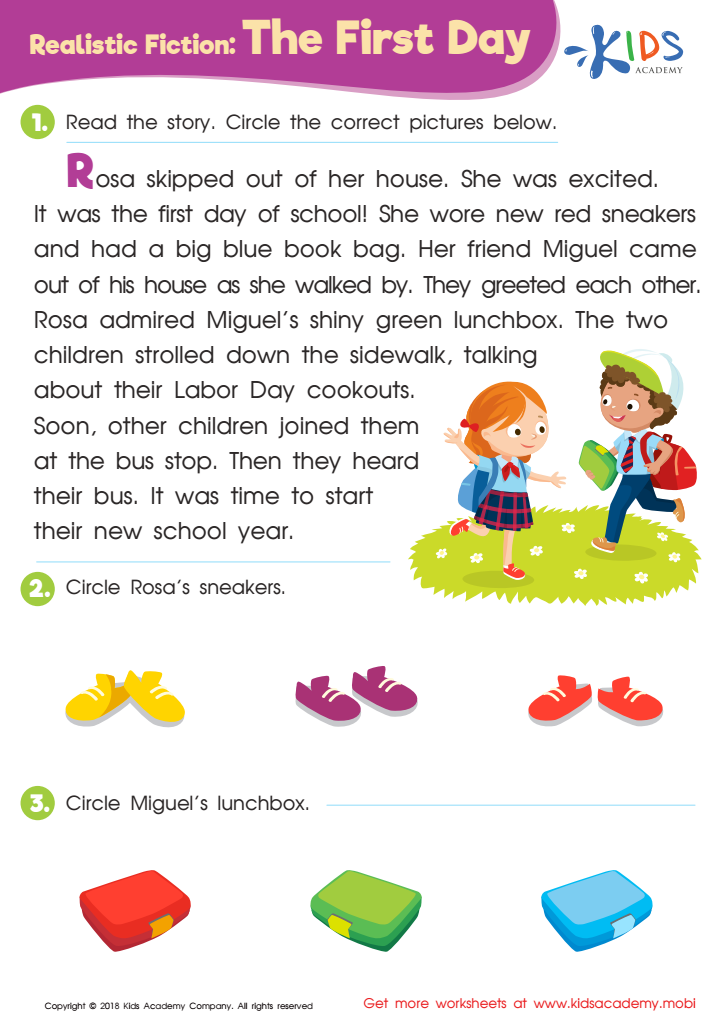
Realistic Fiction: The First Day Worksheet
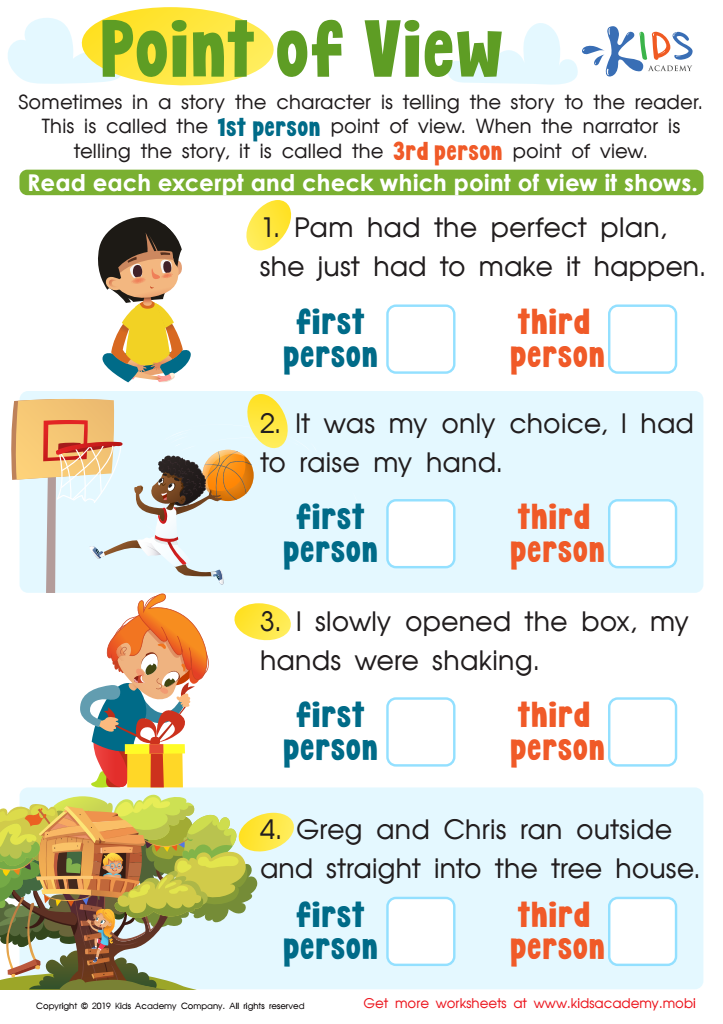
Point of View Printable
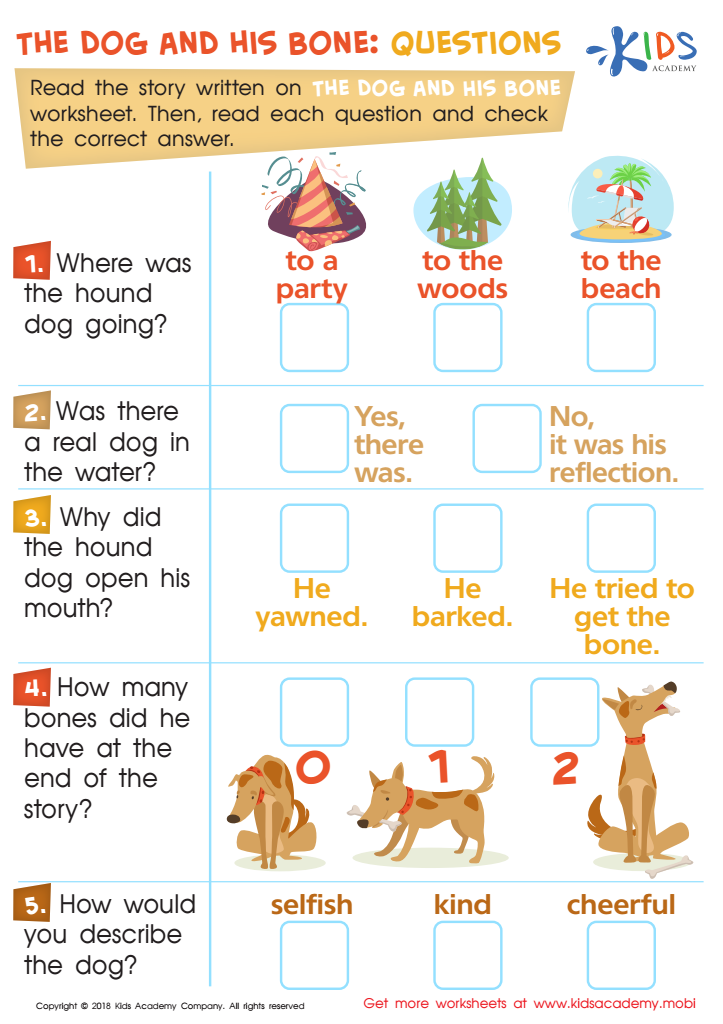
The Dog and His Bone: Questions Worksheet
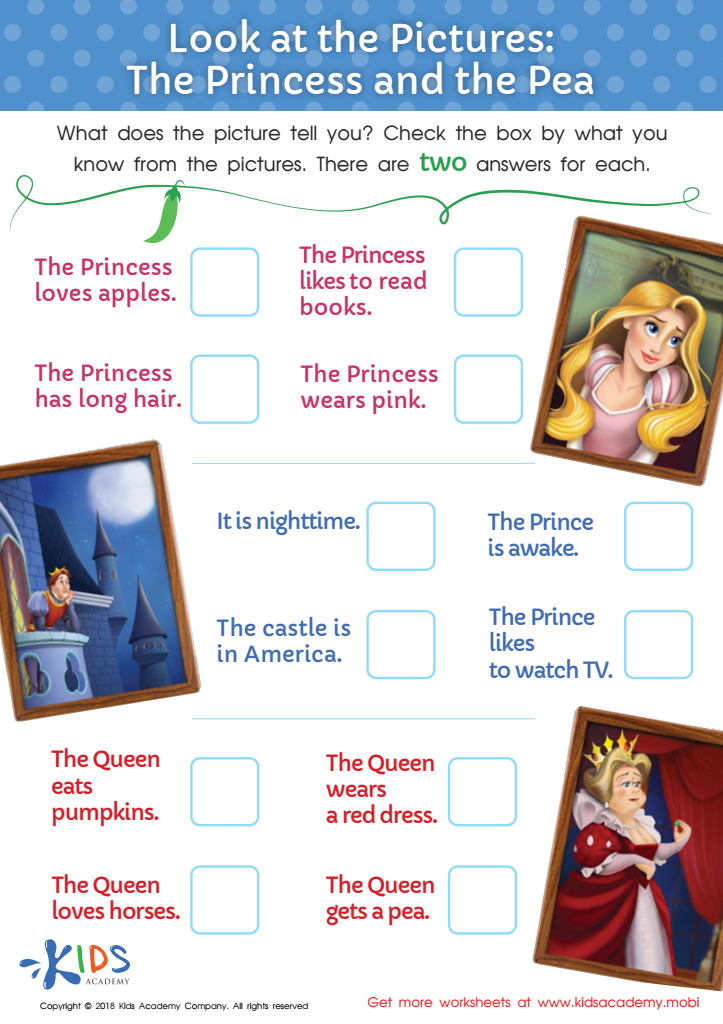
Look at the Pictures: The Princess and the Pea Worksheet
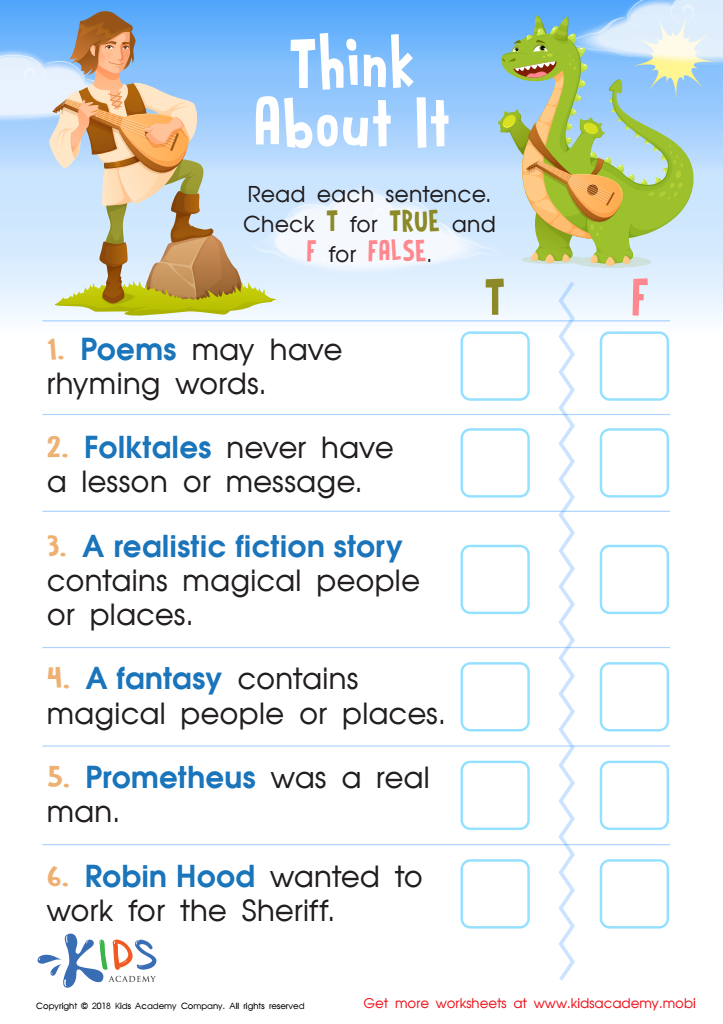
Think About It: Assessment Worksheet
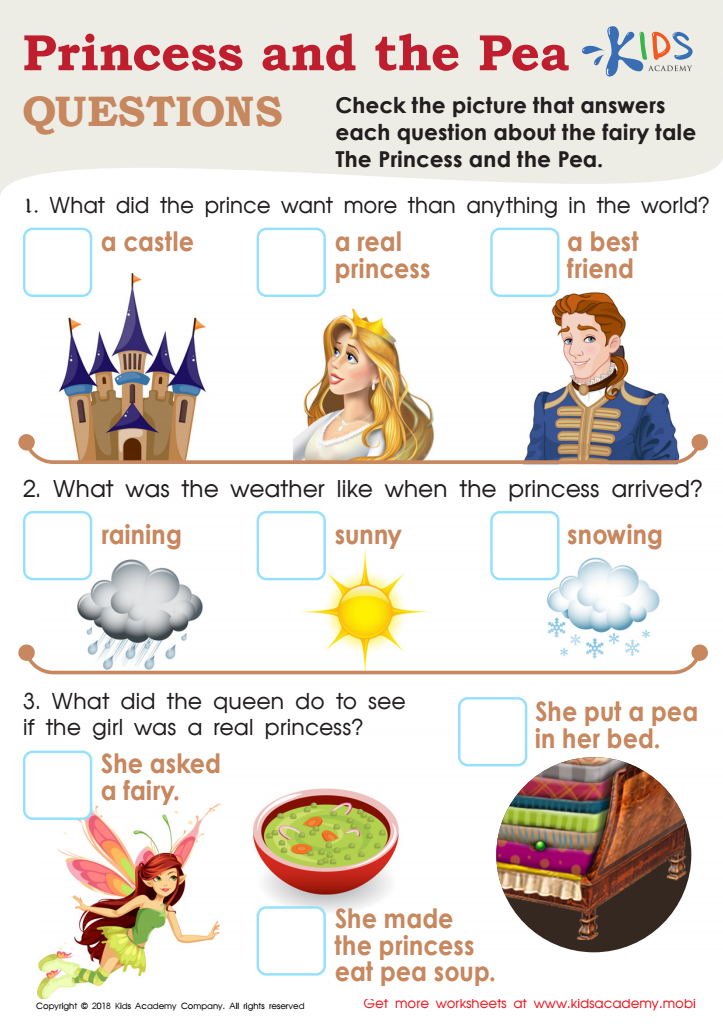
Princess and the Pea Questions Worksheet





.jpg)

.jpg)
Critical thinking in reading fiction for children aged 4-9 is essential for several reasons. Firstly, exposure to diverse narratives helps young readers develop the ability to analyze, interpret, and question what they read. Engaging with stories encourages them to think beyond the text, fostering imagination and empathy as they explore characters’ experiences and motives. This strengthens their capacity to draw connections between the fictional world and their own reality.
Moreover, critical thinking skills aid in developing comprehensive reading abilities, such as summarization, inference, and prediction. As children evaluate plot developments and character decisions, they learn to articulate their thoughts and opinions effectively. This engagement with fiction supports vocabulary expansion and nurtures language development, crucial elements during these formative years.
Parents and teachers should also recognize that critical thinking prepares children for a rapidly changing world, equipping them with problem-solving skills and the ability to navigate complex social issues. Moreover, discussing fiction critically can enhance their confidence in expressing differing viewpoints, an important aspect of social interaction. Ultimately, fostering critical thinking in young readers not only enriches their literary experiences but also lays a strong foundation for lifelong learning and informed citizenship.








