Analytical skills Science Worksheets for Ages 4-9
6 filtered results
-
From - To
Our Analytical Skills Science Worksheets for ages 4-9 provide young learners with a fun and engaging way to develop critical thinking and problem-solving abilities. Designed by educational experts, these worksheets cover a variety of exciting topics, including observations, patterns, and data analysis. Each activity encourages curiosity, enhances cognitive development, and strengthens essential analytical skills, laying a solid foundation for future scientific learning. Perfect for classroom use or at-home practice, these science worksheets are both educational and enjoyable, helping your child become a confident and inquisitive young scientist. Explore our collection to inspire a lifelong love for science!
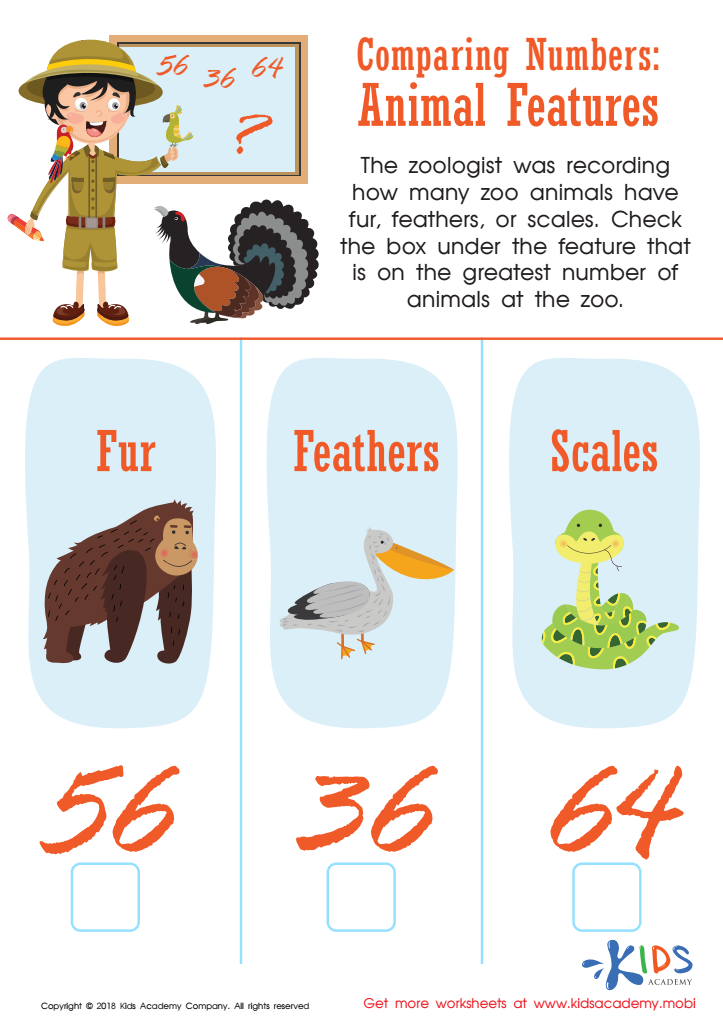
Animal Features Worksheet
 Assign to My Students
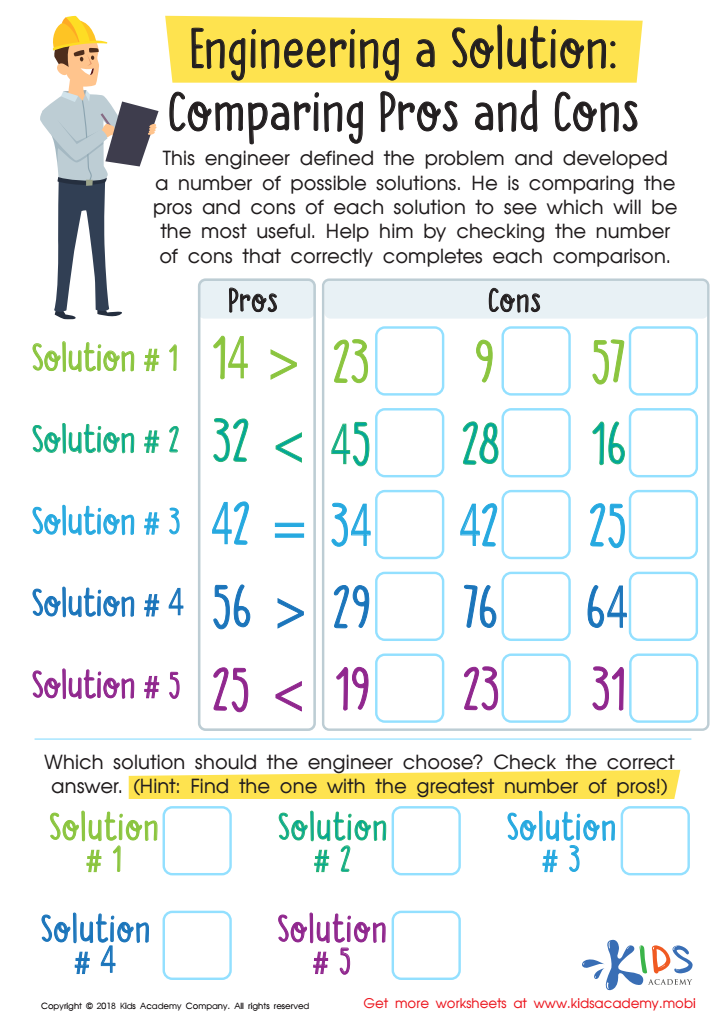
Engineering a Solution: Comparing Pros and Cons Worksheet

Identifying a Problem Worksheet
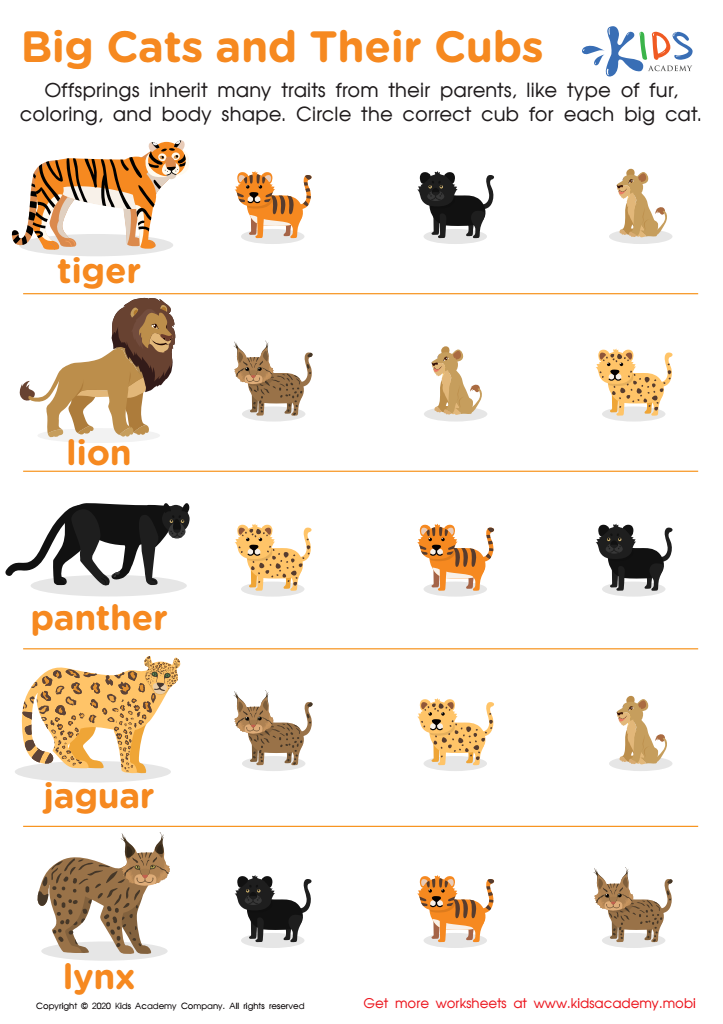
Big Cats and Their Cubs Worksheet
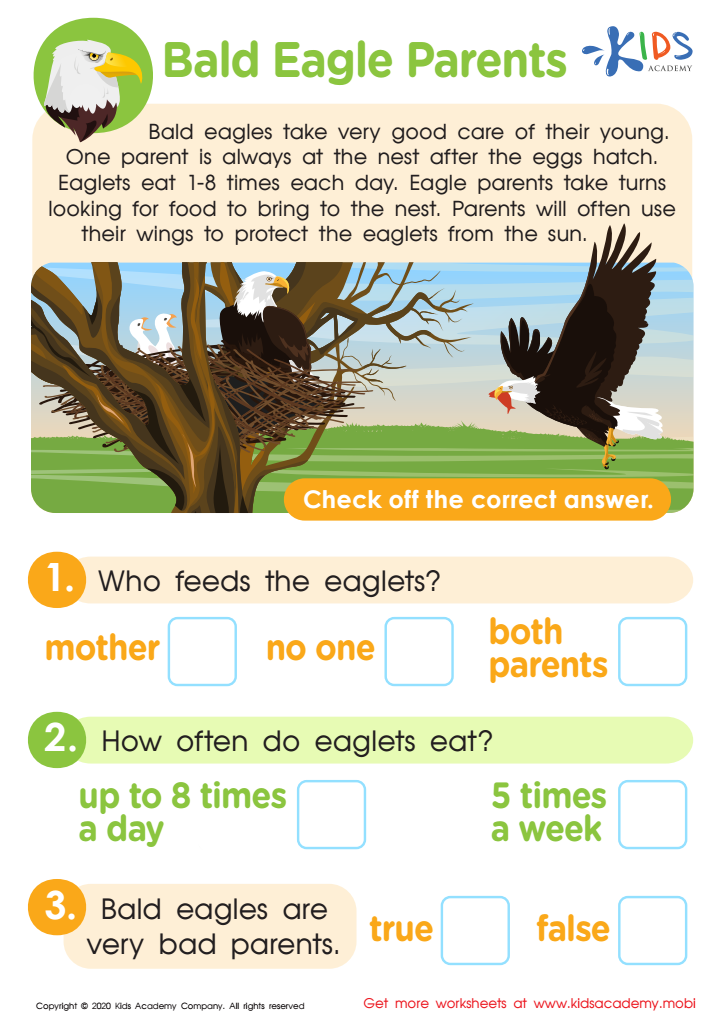
Bald Eagle Parents Worksheet
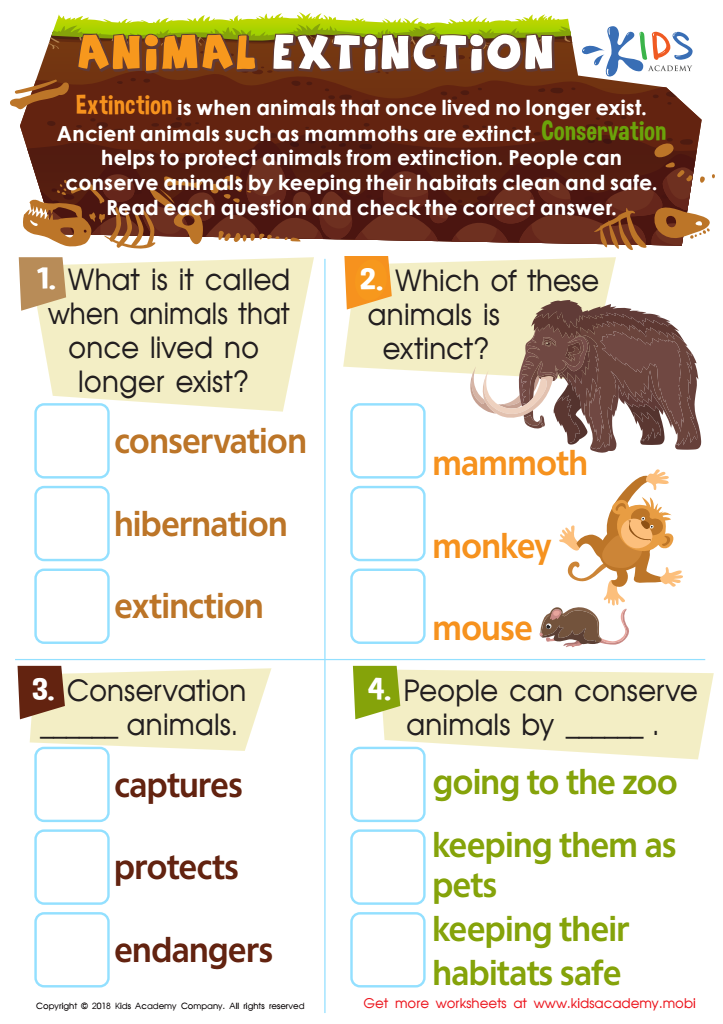
Animal Extinction Worksheet








Parents and teachers should care about analytical skills in science for children ages 4-9 because these skills form the foundation for critical thinking and problem-solving abilities essential for future academic and life success. At this developmental stage, children's minds are remarkably receptive, and fostering analytical skills can promote curiosity, creativity, and a love of learning. Science naturally engages children through observations, experiments, and inquisitive thinking, making it an ideal subject for honing analytical skills.
When children analyze scientific concepts, they learn to question how and why things work, which helps them understand the world around them. This not only enhances their cognitive development but also builds resilience and adaptability. Analytical skills developed through science education enable children to approach complex tasks with confidence and creativity, breaking problems into manageable parts and devising thoughtful solutions.
Additionally, in our increasingly technology-driven world, a strong foundation in analytical thinking and science is vital. By nurturing these skills early, we prepare children to succeed in a wide range of fields, from technology and engineering to literature and art. Overall, instilling a robust sense of analysis and curiosity ensures children are well-equipped for the challenges and opportunities of the future.







