Color Identification Science Worksheets for Ages 4-9
4 filtered results
-
From - To
Discover our engaging Color Identification Science Worksheets designed for children ages 4-9. These fun and educational worksheets help young learners identify, name, and understand colors through a variety of exciting activities, including coloring, matching, and sorting. Perfect for early grade levels, our worksheets support the development of critical thinking skills and foster a love for science. Boost your child's confidence as they explore the vibrant world of colors, laying a strong foundation for future learning. Visit our website to download these effective and enjoyable learning tools that make science fun and accessible for your child!
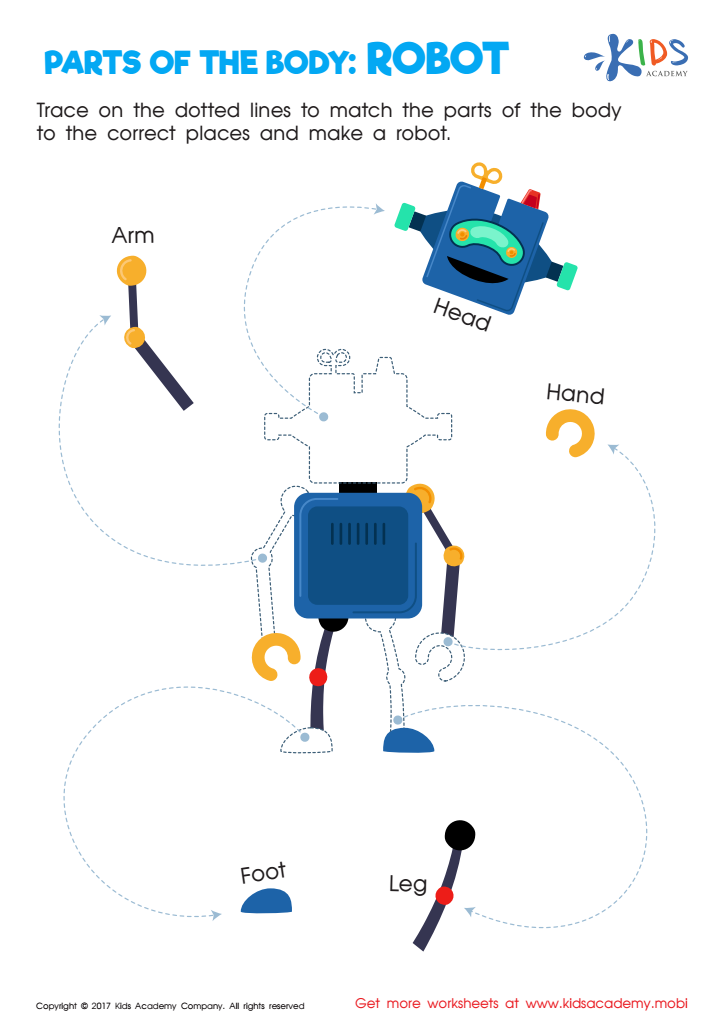
Robot Printable
 Assign to My Students
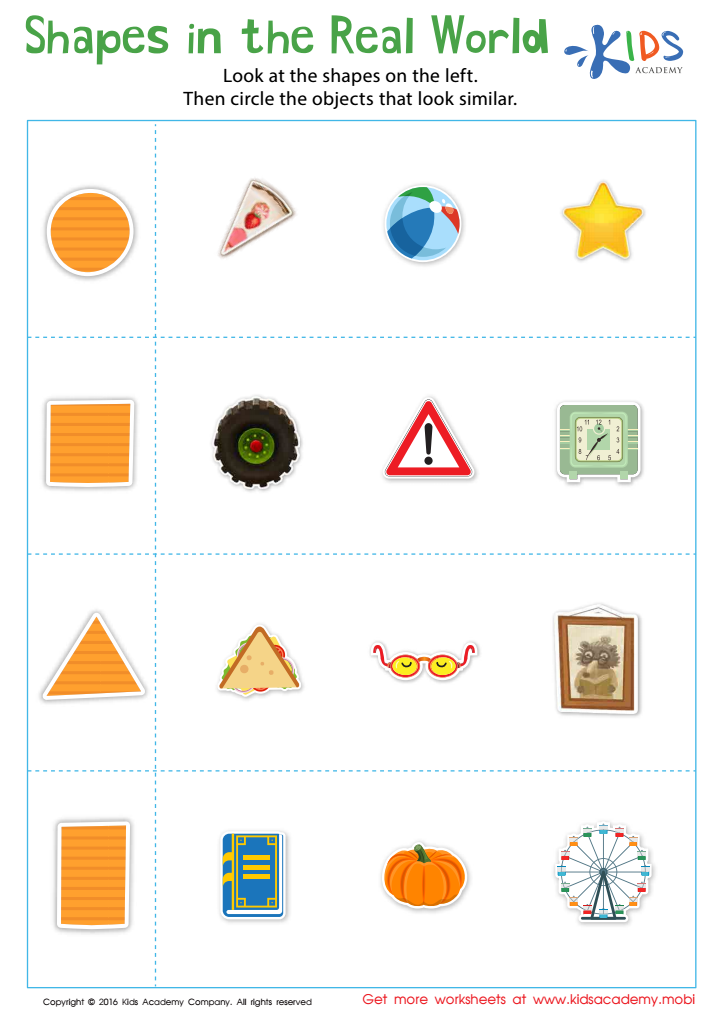
Shapes in the Real World Worksheet
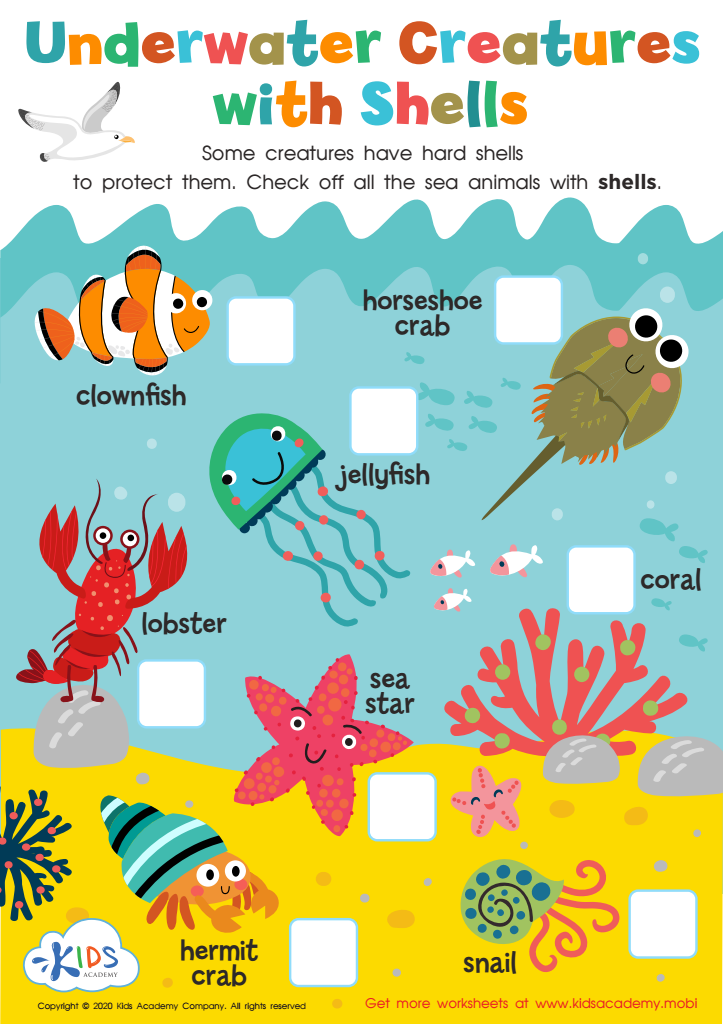
Underwater Creatures with Shells Worksheet
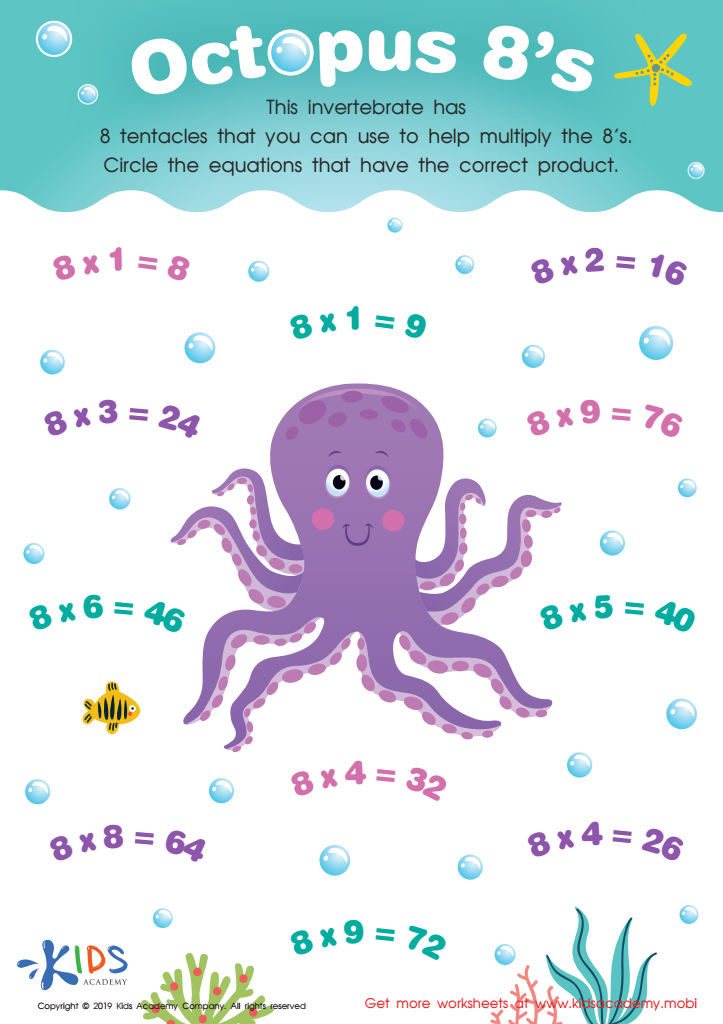
Octopus 8’s Worksheet








Color identification is a crucial developmental skill for children aged 4-9, forming the foundation for a range of cognitive, social, and educational benefits. Firstly, recognizing and naming colors not only enhances a child's vocabulary but also improves their descriptive language skills, allowing them to communicate more effectively. Knowing colors is also important for future learning in subjects such as math, where color-coding is often used to aid understanding and organization.
From a cognitive standpoint, distinguishing between different colors helps with categorization skills, which are essential for organizing information and thought processes. It also fine-tunes visual discrimination, aiding in reading and writing readiness as children learn to notice differences and details not just in color but in letters and words.
Socially, color identification aids in developing better play and interaction. Many games and activities for young children involve sorting, matching, and identifying different colors, which can significantly contribute to social bonding and teamwork skills. Practical life skills, such as dressing appropriately and safe recognition of warning colors (like red for stop and green for go), are also tied to color knowledge.
In summary, equipping children with color identification skills sets a robust foundation for academic excellence, creativity, social interaction, and practical day-to-day functionality. Therefore, both parents and teachers play a vital role in nurturing this fundamental aspect of early childhood development.







