Comparative analysis Science Worksheets for Ages 4-9
3 filtered results
-
From - To
Discover our engaging Comparative Analysis Science Worksheets, specifically designed for children aged 4-9! These worksheets promote critical thinking and foundational science skills by encouraging young learners to compare and contrast different objects, creatures, and concepts. From analyzing the habitat of various animals to contrasting plant growth, our colorful and interactive activities stimulate curiosity and enhance observational skills. Perfect for both classroom use and home schooling, these worksheets foster an enjoyable learning experience while helping children develop essential analytical skills. Equip your little ones with the tools they need to explore the world around them—download our Comparative Analysis Science Worksheets today!
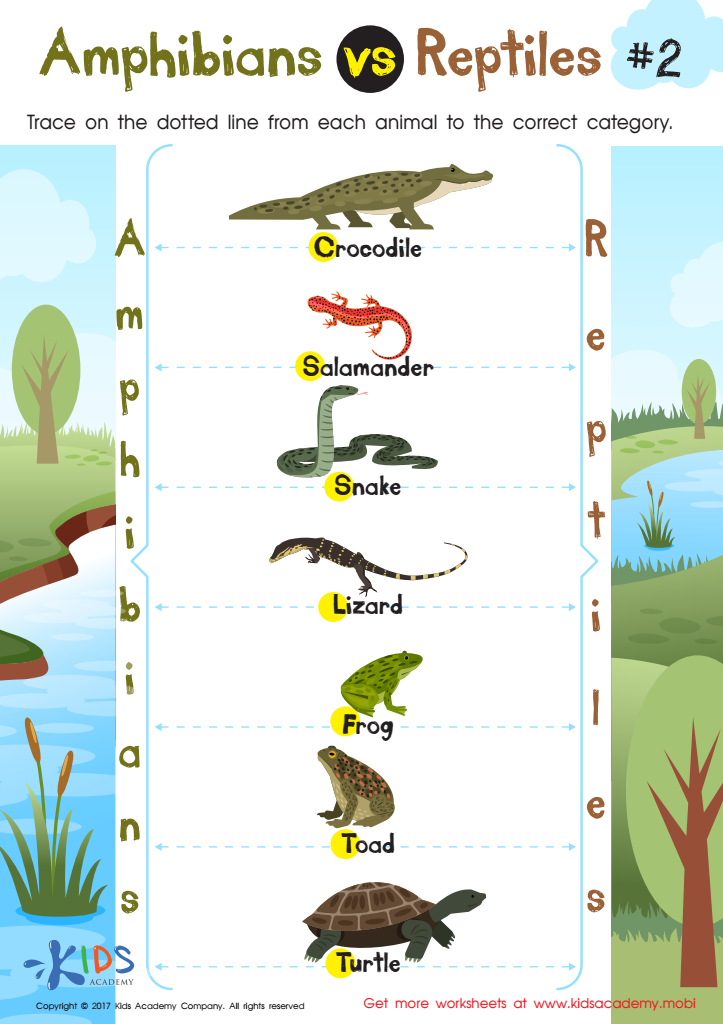
Amphibians vs Reptiles Worksheet for 3rd Grade
 Assign to My Students
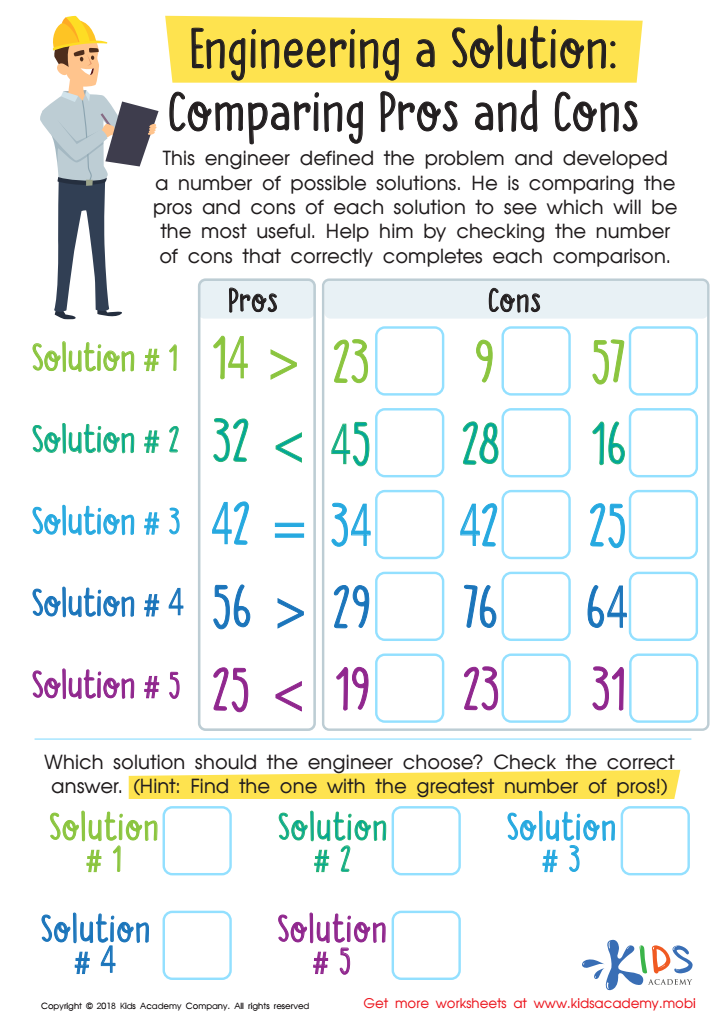
Engineering a Solution: Comparing Pros and Cons Worksheet
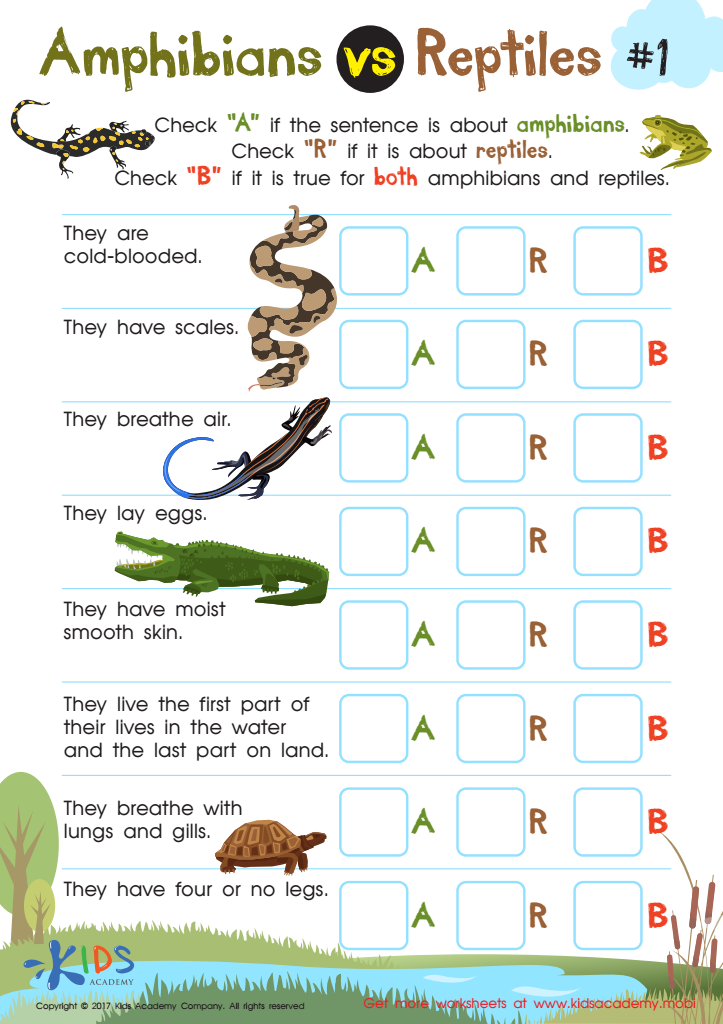
Amphibians vs Reptiles Worksheet








Comparative analysis in science offers young learners the opportunity to develop critical thinking skills by encouraging them to observe, compare, and contrast different objects, phenomena, or concepts. For children aged 4-9, this approach fosters curiosity and enhances their understanding of the natural world. Engaging with comparative analysis helps students build foundational skills like categorization, observation, and inquiry, which are essential for their overall cognitive development.
Parents and teachers should prioritize this method because it enriches students’ science education by promoting engagement and hands-on learning. Through comparisons—such as contrasting various habitats, animals, or materials—children become active participants in their learning journey. This process nurtures a sense of wonder and exploration and fosters a collaborative learning environment where ideas can be freely exchanged.
Moreover, comparative analysis can encourage teamwork and communication among students, enhancing their social skills alongside academic ones. By integrating this educational strategy in classrooms and homes, adults can support young children in developing a mindset for scientific reasoning—skills that will benefit them in all future learning areas. Ultimately, engaging in comparative analysis not only deepens children’s understanding of science, but it also lays the groundwork for lifelong curiosity and a desire to learn.







