Following instructions Science Worksheets for Ages 4-9
4 filtered results
-
From - To
Introduce your young learners to the exciting world of science with our "Following Instructions Science Worksheets" designed for children ages 4-9. These engaging, age-appropriate activities focus on sharpening essential skills in following directions while exploring captivating scientific concepts. Whether identifying animals, learning about weather patterns, or understanding life cycles, these worksheets make science both fun and educational. Perfect for classroom settings or home learning, each exercise is crafted to promote critical thinking, observation, and comprehension. Empower your kids to excel in science through playful, guided learning. Explore our collection of interactive, printable worksheets today and inspire a lifelong passion for discovery!
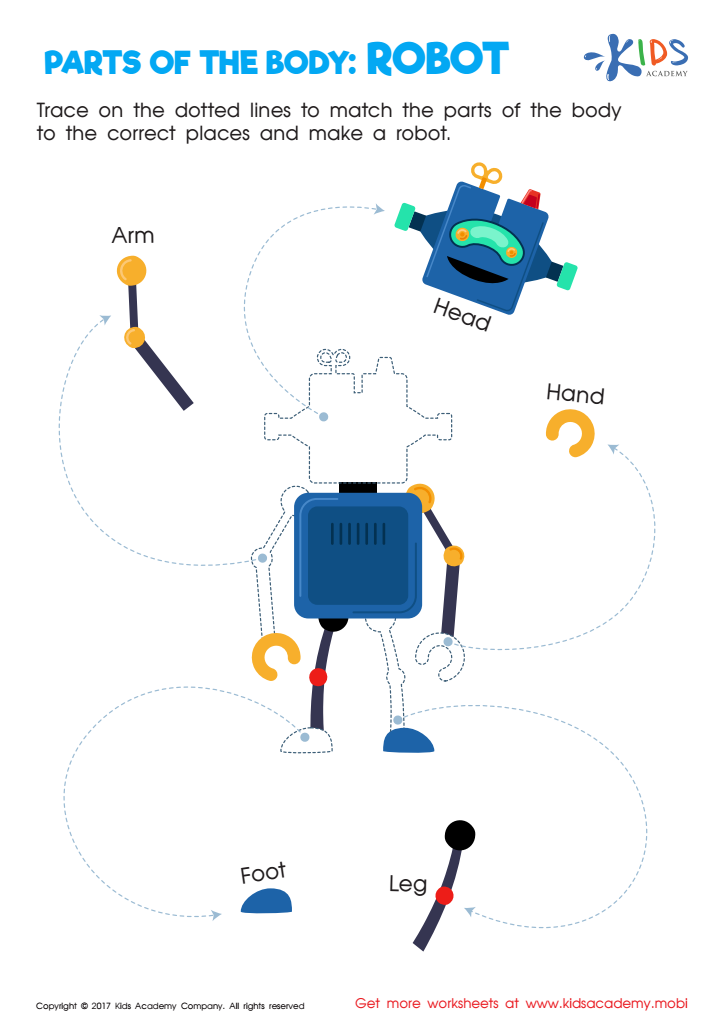
Robot Printable
 Assign to My Students
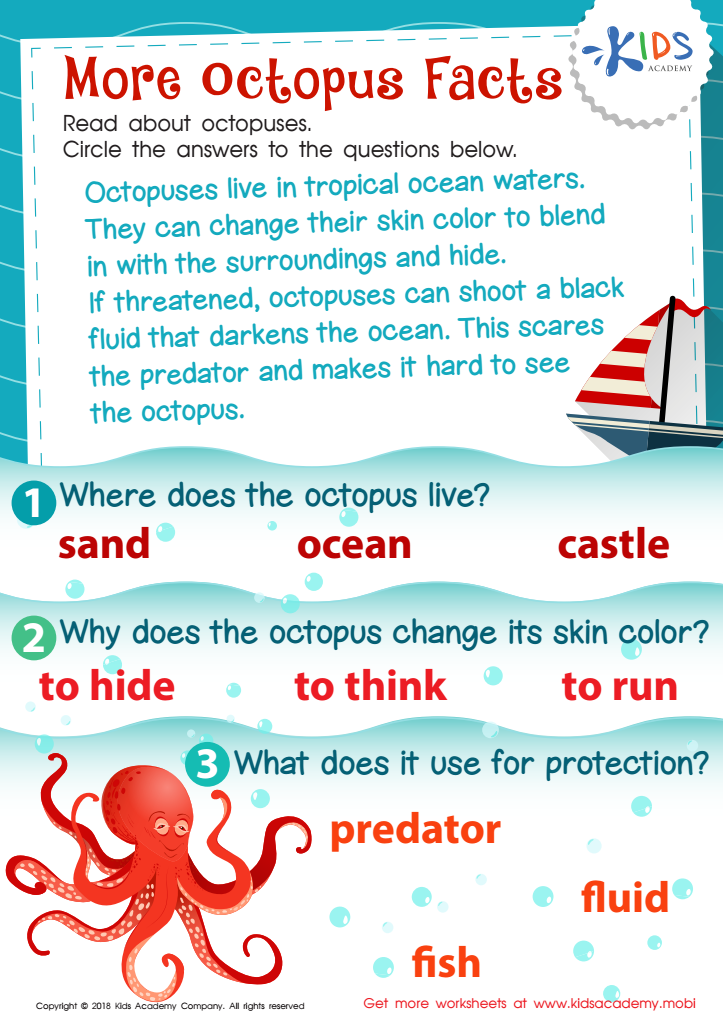
More Octopus Facts Worksheet
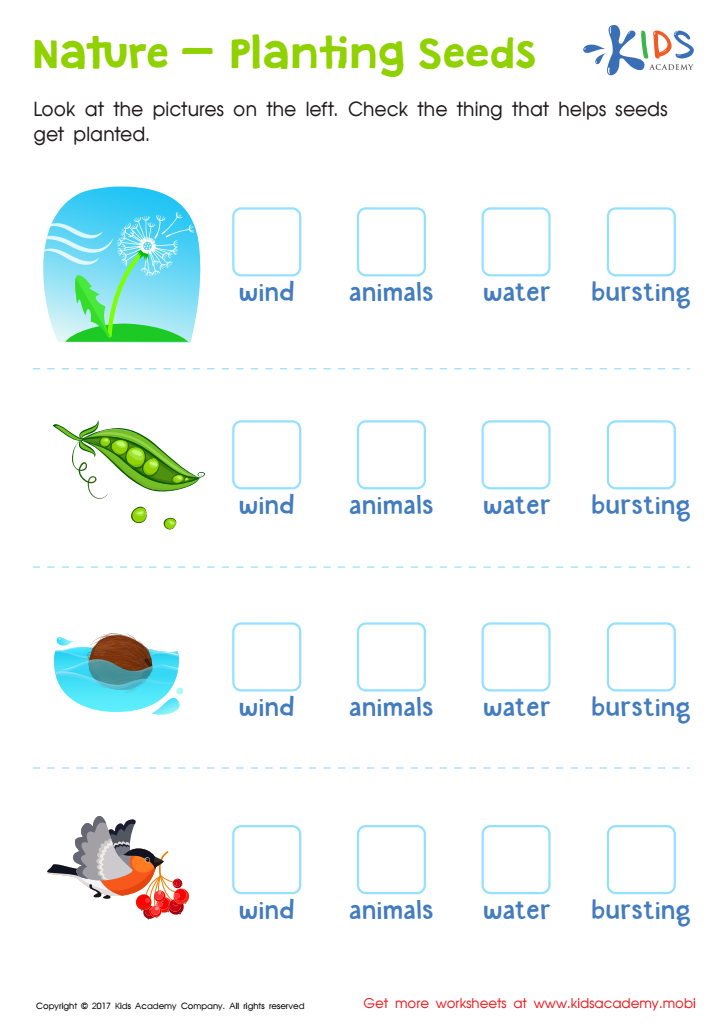
Nature Planting Seeds Worksheet
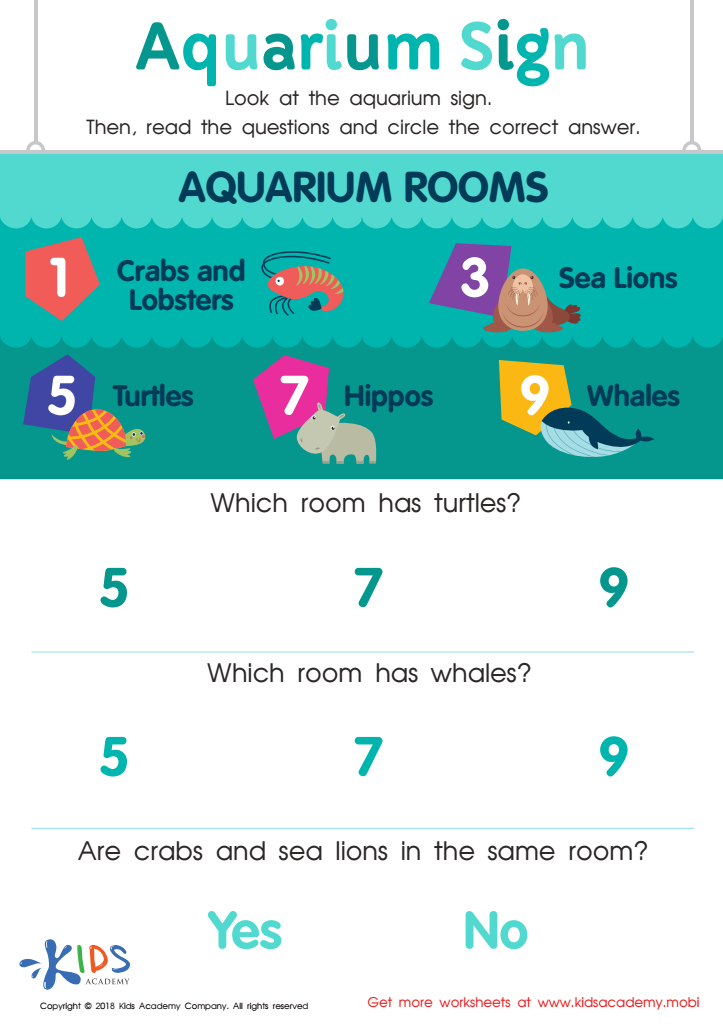
Assessment: Aquarium Sign Worksheet







Following Instructions Science for ages 4-9 is a vital developmental tool for both parents and teachers to engage with. Encouraging children to follow instructions in science activities not only nurtures their curiosity but also establishes essential life skills. At these ages, children are naturally inquisitive, and structured scientific experiments can capture their innate wonder, transforming it into an educational experience.
Through following instructions, children learn about sequence, logic, and outcomes. This process nurtures critical thinking and problem-solving abilities. When a child follows a set of scientific steps, they begin to understand cause-and-effect relationships, which is foundational for higher-level cognitive development. These activities can also enhance a child's ability to concentrate, listen carefully, and remember sequential instructions.
From a social-emotional perspective, successfully completing a task by following instructions boosts a child’s confidence and encourages a growth mindset. It shows them that effort and persistence can yield positive results, thereby fostering resilience.
Moreover, these activities could spark a lasting interest in science, encouraging children to pursue further knowledge and possibly a career in STEM (Science, Technology, Engineering, and Mathematics) fields.
In summary, engaging young children in science activities that require following instructions is essential for intellectual, social, and emotional growth, laying a firm foundation for future learning and success.







