Learning about ecosystems Science Worksheets for Ages 4-9
4 filtered results
-
From - To
Discover the wonders of ecosystems with our engaging science worksheets designed for children aged 4-9. These interactive resources introduce young learners to the diverse environments where plants and animals thrive. Through fun activities, kids will explore habitats, the importance of biodiversity, and the roles of different organisms within ecosystems. Each worksheet fosters curiosity and critical thinking as children connect with nature’s intricate balance. Perfect for classroom use or at-home learning, our colorful and informative worksheets make science enjoyable and accessible. Start your child's educational journey today and inspire a lifelong love for nature and science!
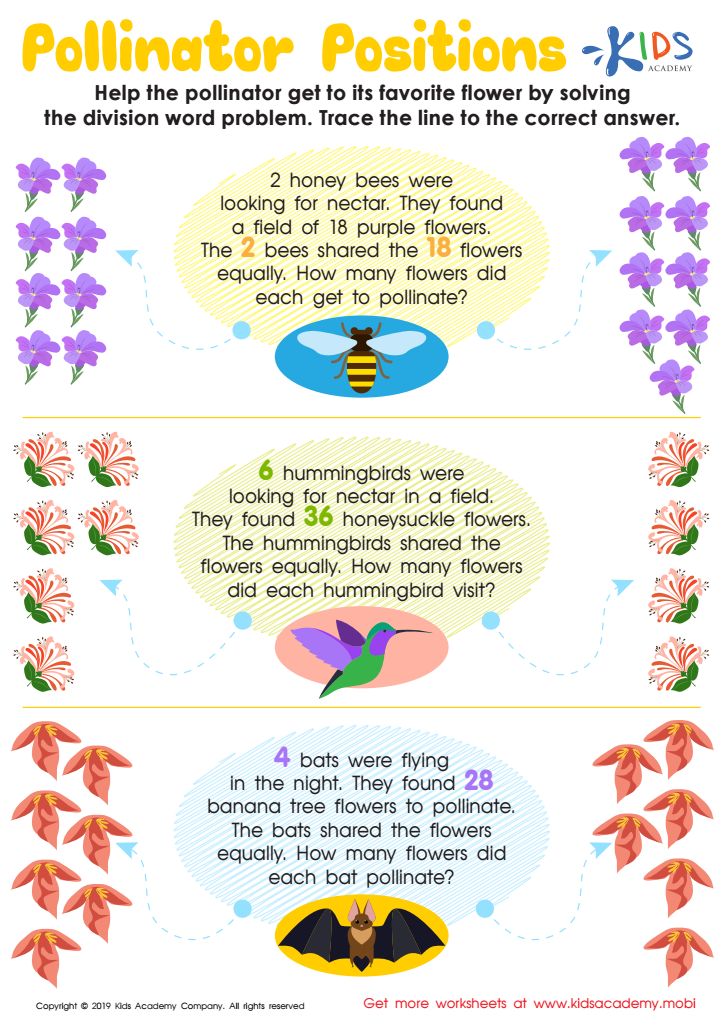
Pollinator Positions Worksheet
 Assign to My Students
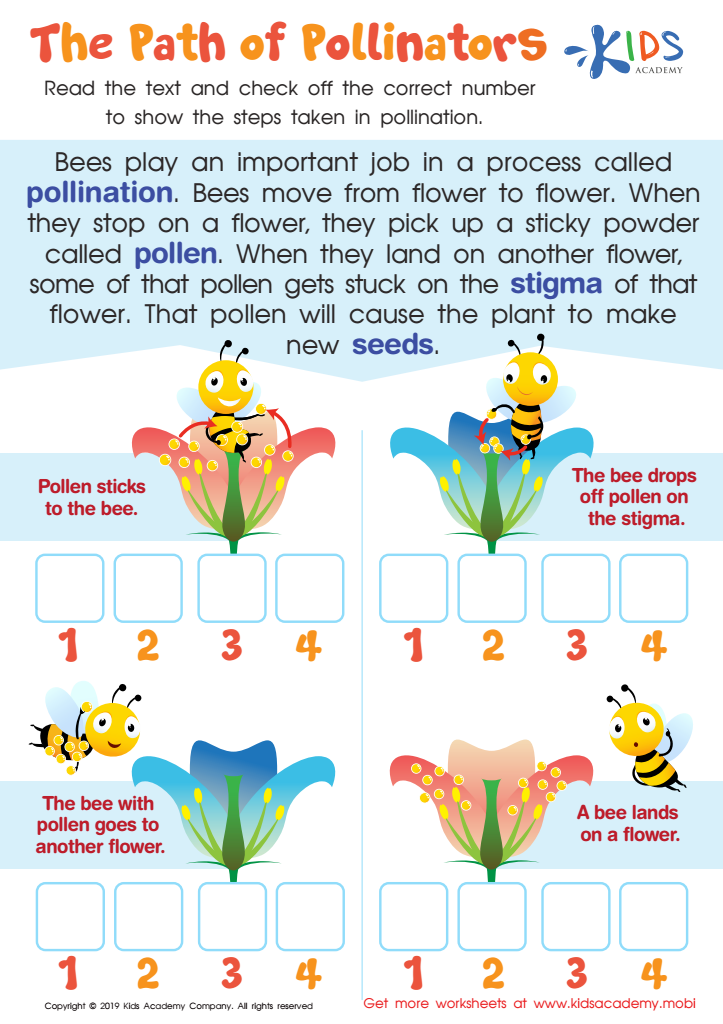
The Path of Pollinators Worksheet
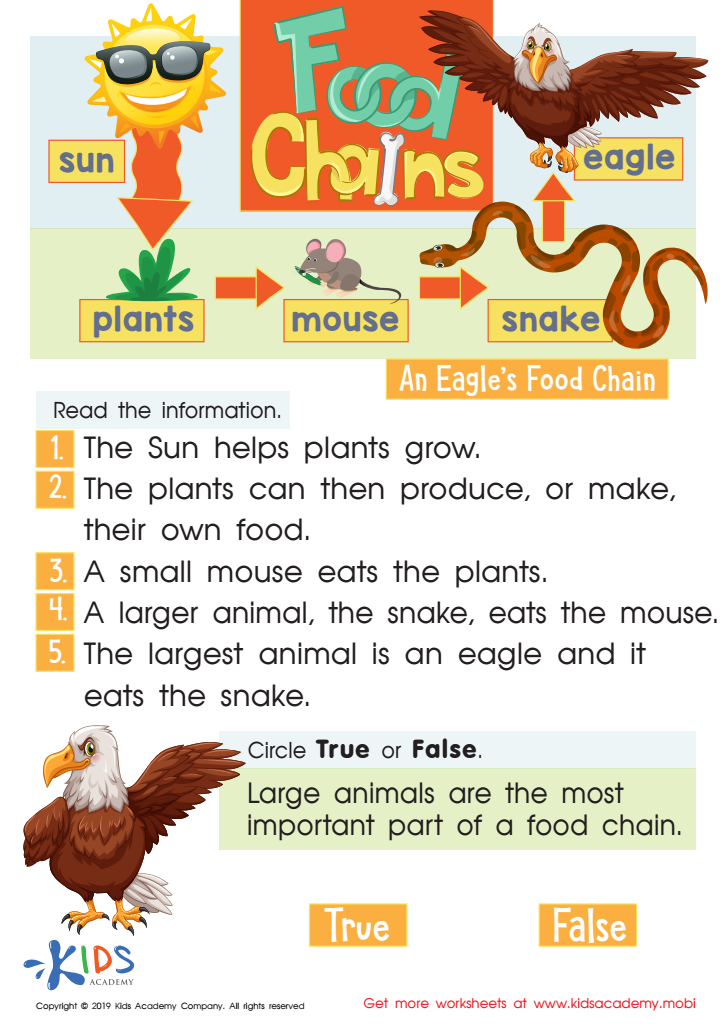
Food Chains Worksheet
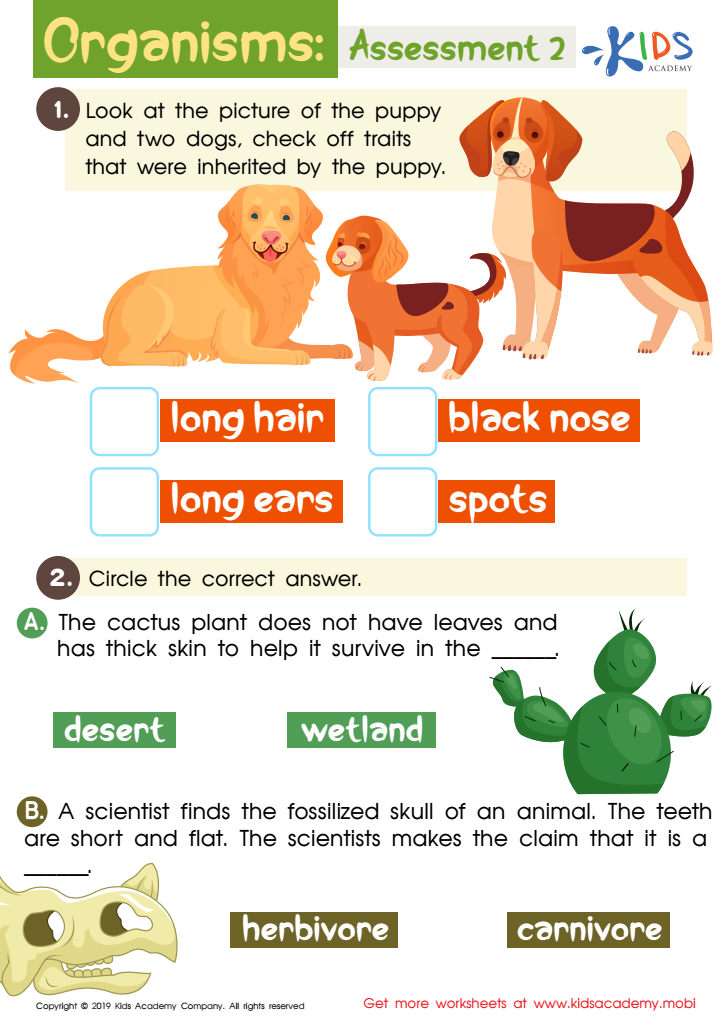
Organisms: Assessment 2 Worksheet






Teaching children about ecosystems science at a young age is crucial for their overall development and fostering a sense of responsibility towards the environment. For children aged 4-9, this foundational knowledge can instill curiosity and a deep appreciation for nature. By understanding different ecosystems—such as forests, rivers, and wetlands—children learn about the interconnectedness of living organisms and their habitats.
Parents and teachers play a vital role in introducing these concepts, as early exposure can shape children's perceptions and behaviors. By discussing topics like plant and animal life, food chains, and the importance of biodiversity, adults can encourage critical thinking and empathy for other living beings.
Ecosystem science also promotes essential skills, such as observation and inquiry, as children engage in outdoor explorations and hands-on activities. These experiences not only enhance their cognitive abilities but also their emotional and social development through teamwork and shared learning experiences.
Furthermore, in an age when environmental issues are increasingly pressing, educating young minds about ecology can inspire future generations to take action toward sustainability and conservation efforts. In essence, learning about ecosystems empowers children to become informed, responsible stewards of the planet.







