Sequencing skills improvement Science Worksheets for Ages 4-9
3 filtered results
-
From - To
Enhance your child's sequencing skills with our engaging Science Worksheets designed specifically for ages 4-9. These worksheets focus on developing children's ability to arrange events in order, fostering critical thinking and comprehension. Through interactive exercises, kids will learn the importance of sequencing in scientific concepts, from life cycles to the water cycle. Each worksheet encourages hands-on learning and nurtures curiosity about the natural world. Tailored to various learning styles, these resources provide a fun and educational way to build essential problem-solving skills. Transform learning into an enjoyable adventure with our comprehensive sequencing skills improvement worksheets, perfect for home or classroom use!
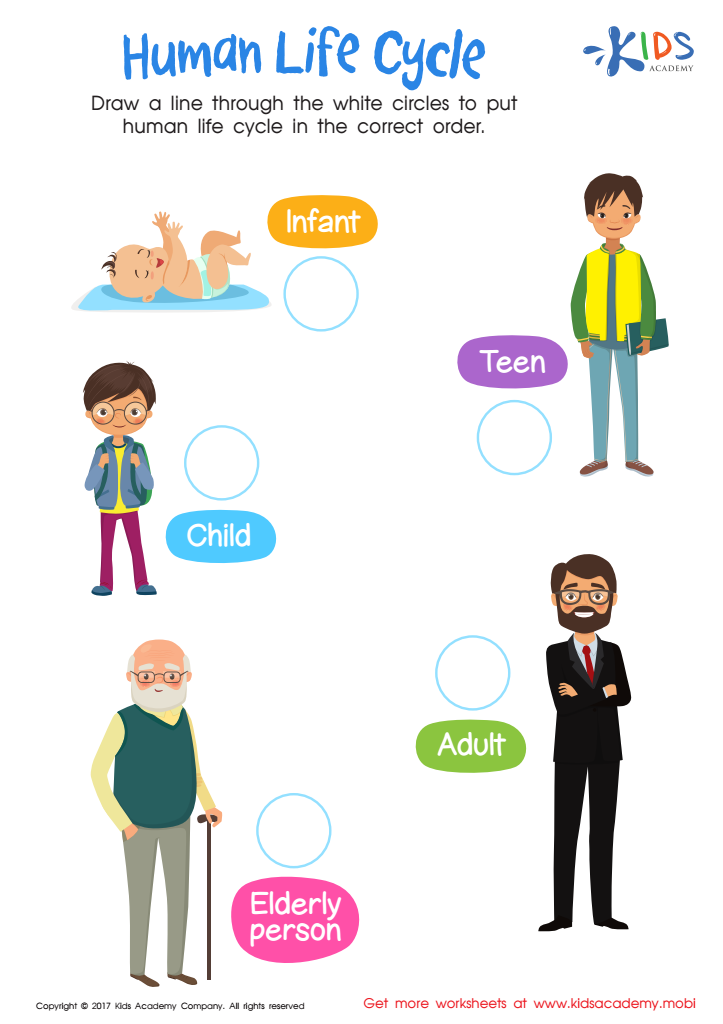
Human Life Cycle Worksheet
 Assign to My Students
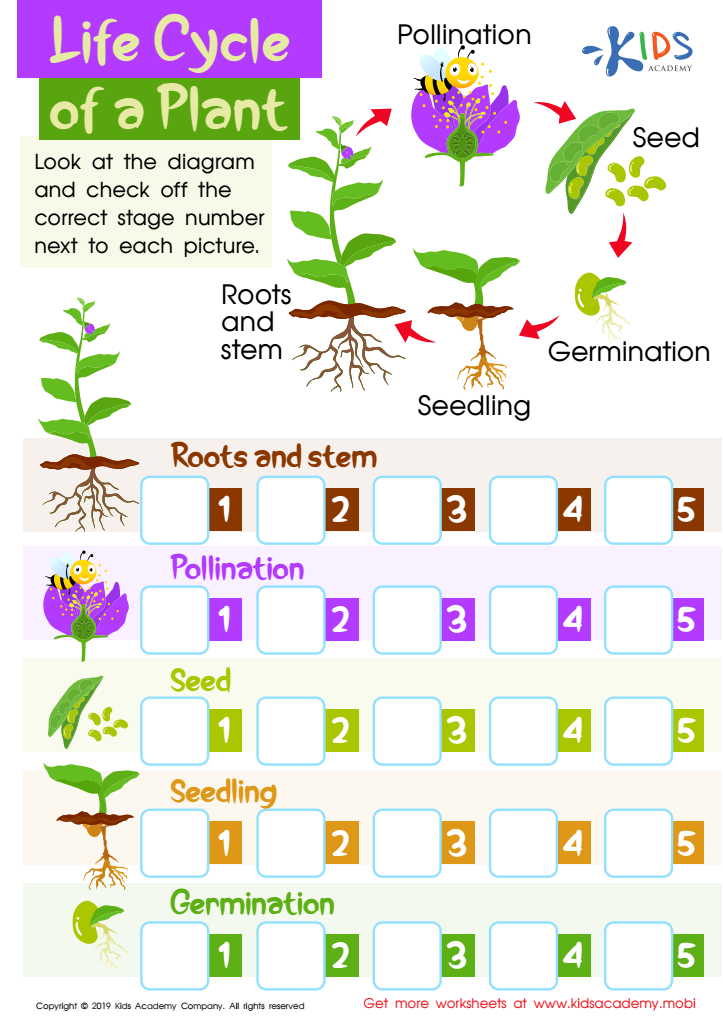
Life Cycle of a Plant Worksheet
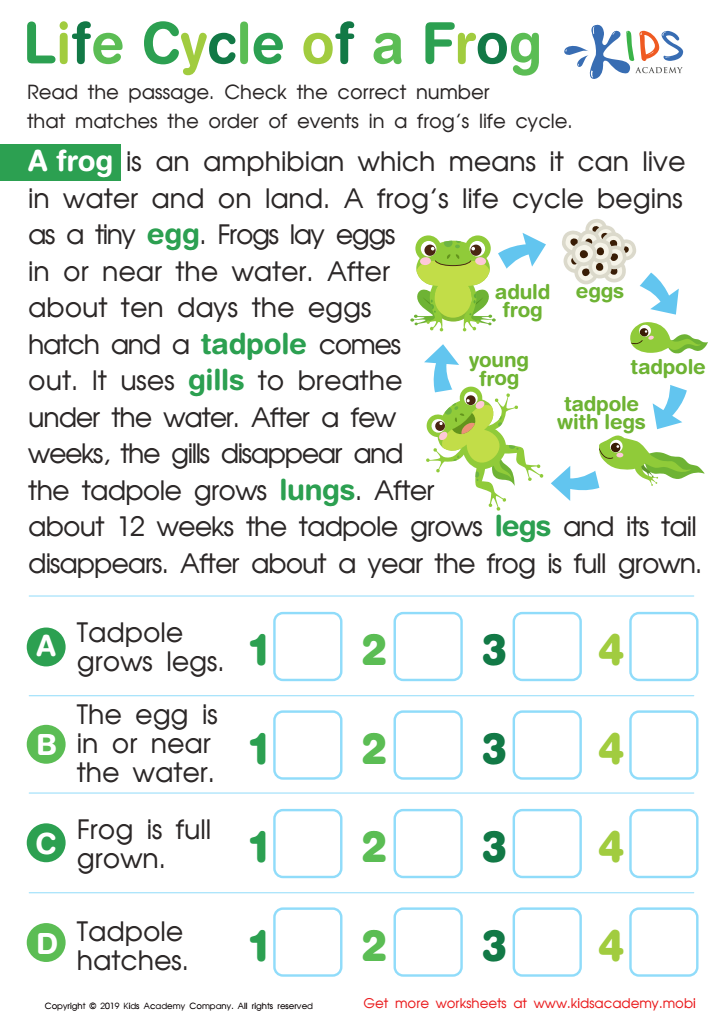
Life Cycle of a Frog Worksheet








Sequencing skills are fundamental for children aged 4-9, particularly in the context of science education. These skills enable children to understand and organize information logically, which is crucial when learning about scientific concepts and processes. For example, sequencing allows students to comprehend steps in scientific experiments or the life cycles of plants and animals.
Improving sequencing skills encourages critical thinking and enhances problem-solving abilities. As young learners navigate the scientific method, these skills help them observe and document experiments, draw conclusions, and understand cause-and-effect relationships. Additionally, sequencing aids in fostering reading comprehension, as students learn to follow the order of events in texts, particularly in narrative or procedural science stories.
For parents and teachers, promoting sequencing helps build a strong educational foundation. Engaging children in activities like storytelling, creating timelines, or simple science experiments can cultivate these essential skills. By nurturing children's sequencing abilities, we not only support their scientific literacy but also enhance their overall cognitive development. Ultimately, children equipped with strong sequencing skills are better prepared for future academic challenges, paving the way for a lifelong love and understanding of science.







