Understanding habitats Science Worksheets for Ages 4-9
5 filtered results
-
From - To
Discover the fascinating world of habitats with our engaging Science Worksheets designed for children aged 4-9! These interactive resources help young learners explore the different environments where plants and animals thrive, encouraging curiosity about nature. Each worksheet focuses on essential concepts, from identifying various habitats to understanding the roles of living organisms within them. With colorful illustrations and age-appropriate activities, kids will enjoy learning about ecosystems like forests, oceans, and deserts. Our worksheets support developmental skills while making science fun and accessible. Perfect for classroom or home use, start your child's scientific journey today with our Understanding Habitats worksheets!
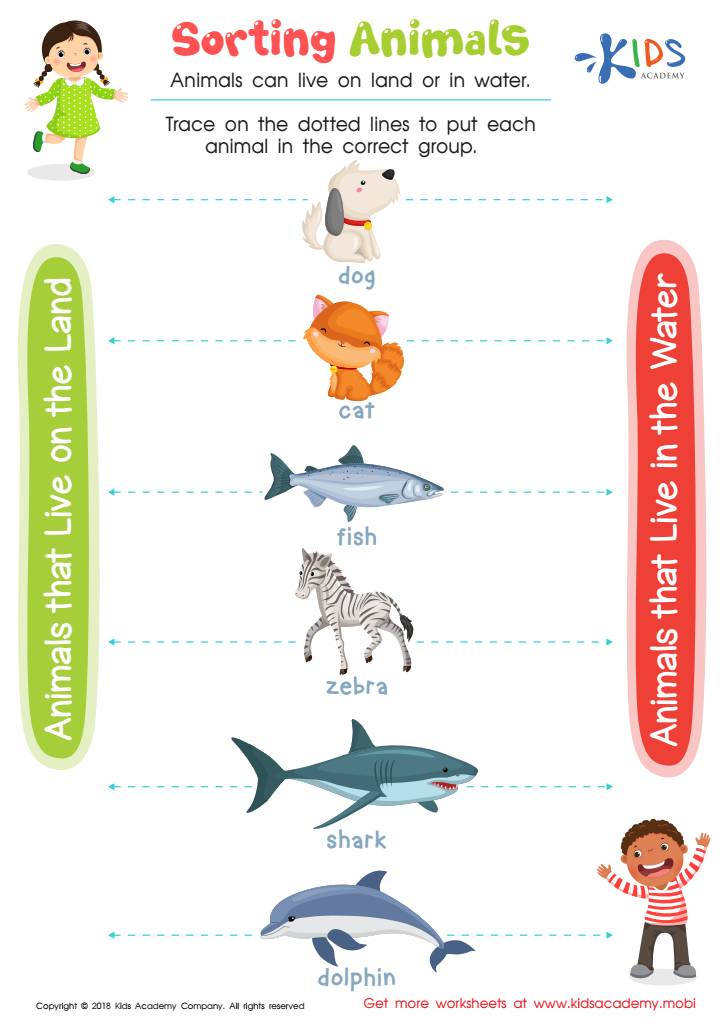
Sorting Animals Worksheet
 Assign to My Students
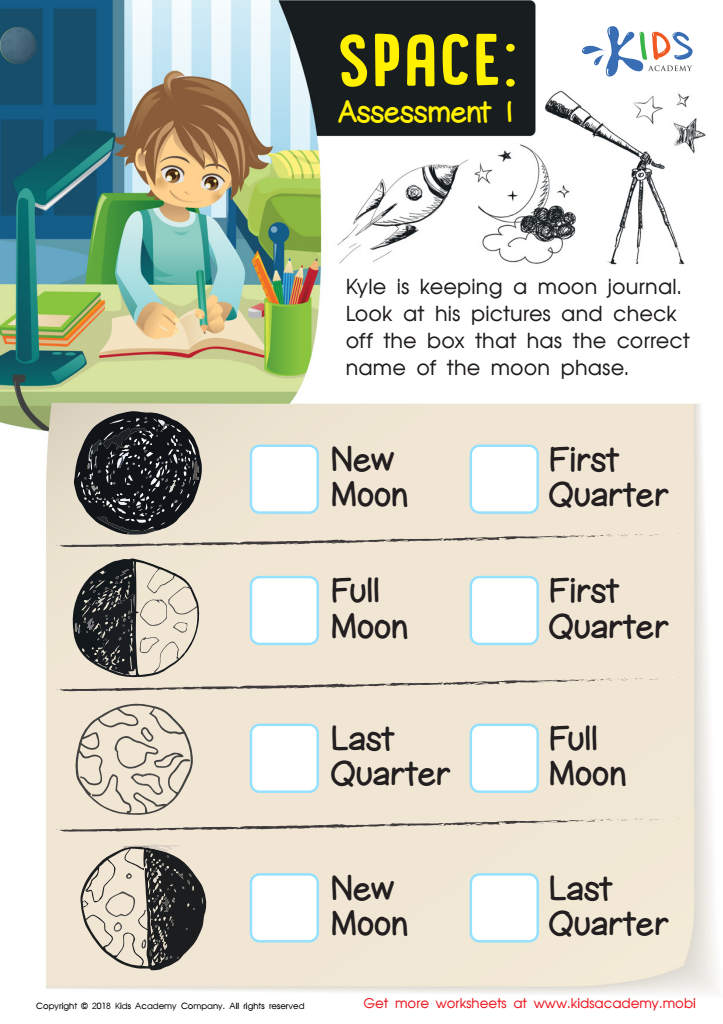
Space: Assessment 1 Worksheet
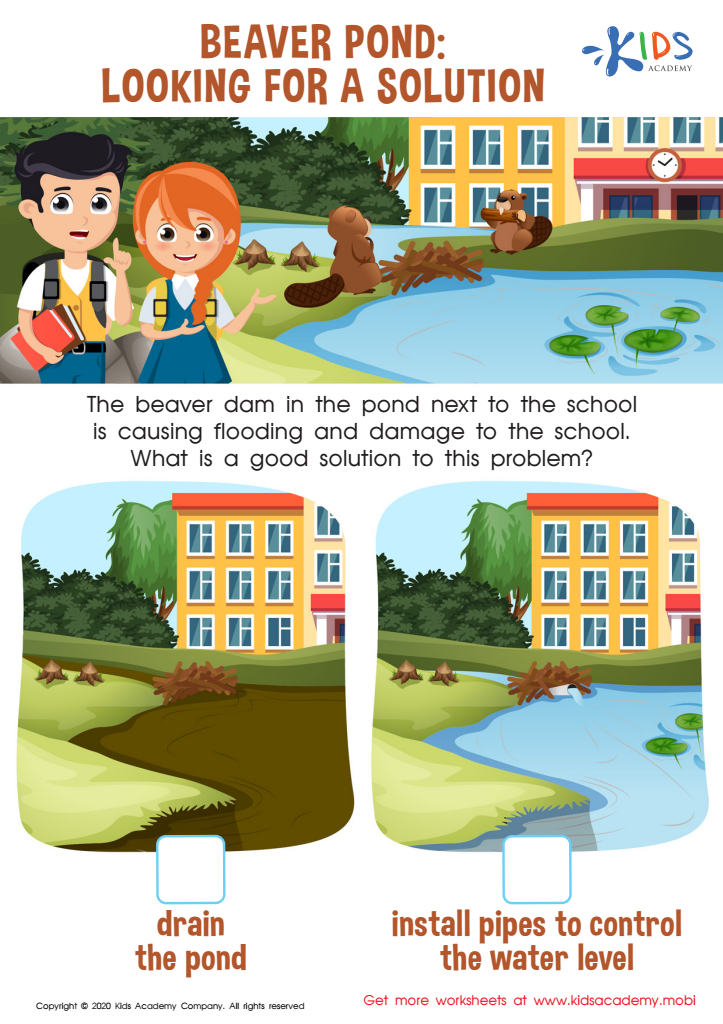
Beaver Pond: Looking for a Solution Worksheet
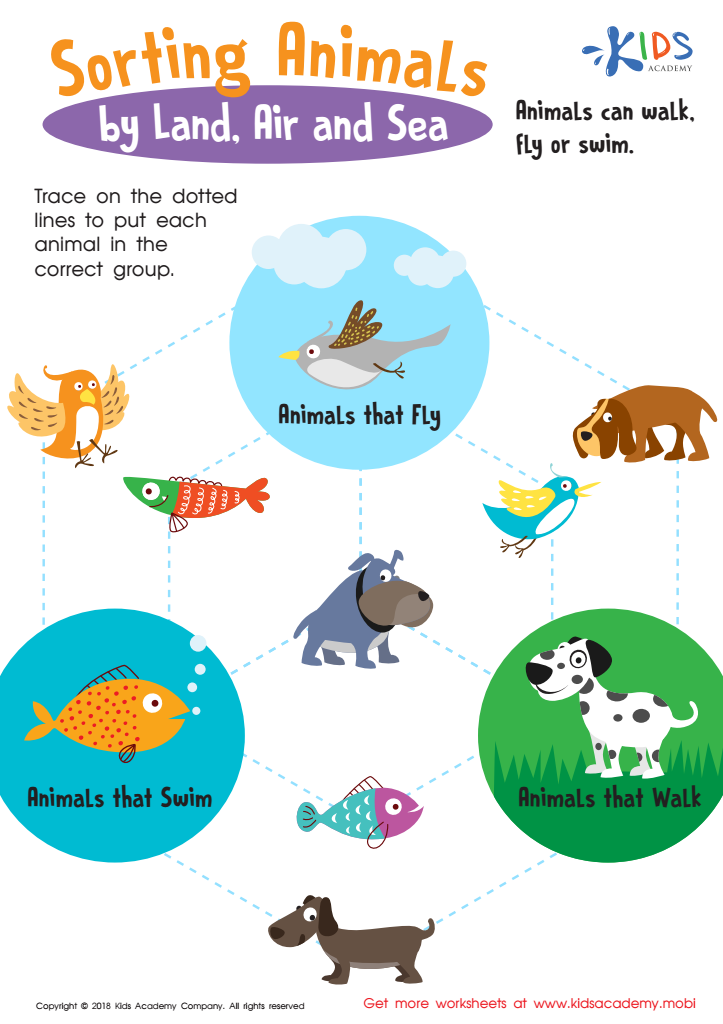
Sorting Animals by Land, Air and Sea Worksheet
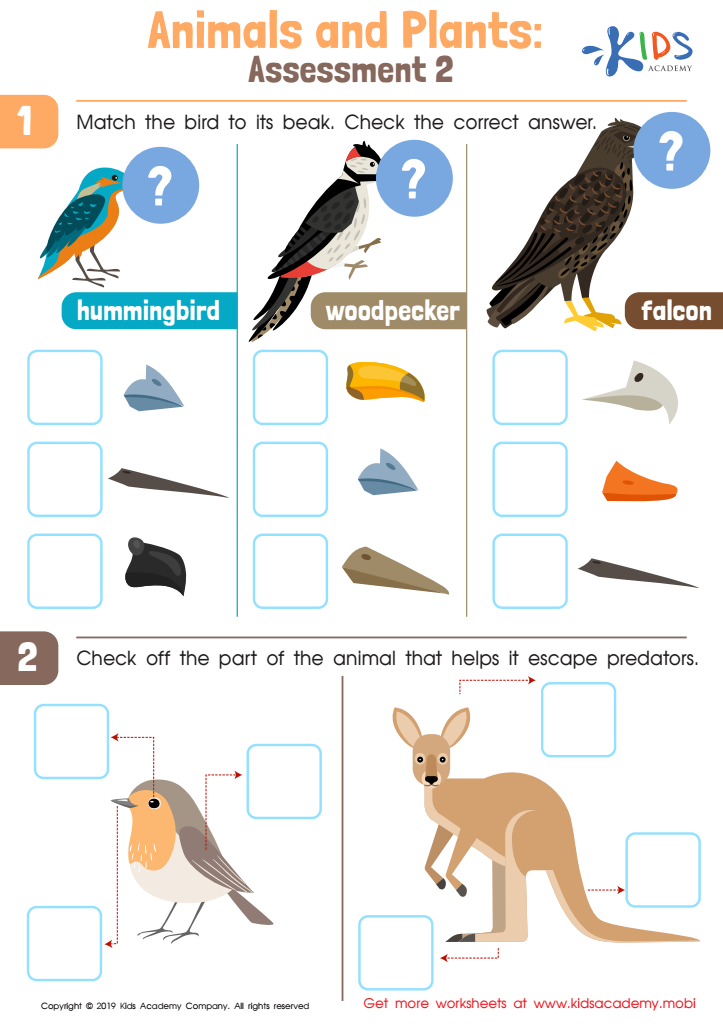
Animals and Plants: Assessment 2 Worksheet






Understanding habitats is crucial for children aged 4-9 as it fosters a sense of wonder and responsibility towards the natural world. At this age, children's innate curiosity can be harnessed to teach them about the different environments in which plants and animals thrive, from forests to oceans. Educators and parents play a pivotal role in this discovery.
Firstly, knowledge of habitats helps children develop critical thinking skills. By exploring how organisms interact with their surroundings, children learn to ask questions and seek solutions, essential skills for scientific inquiry. Furthermore, understanding these ecosystems promotes empathy and respect for living things, encouraging young learners to care about nature and biodiversity.
Secondly, as environmental issues become more pressing, early education about habitats lays the groundwork for future conservation efforts. Children who grasp the importance of ecosystems are more likely to grow into informed adults who advocate for sustainability and protection of our planet.
Finally, engaging with the natural world enhances cognitive development. Lessons about habitats can incorporate play, storytelling, and hands-on activities, making learning enjoyable and memorable. In sum, introducing habitat science ignites appreciation for nature, fosters inquiry, and prepares future stewards of the environment.







