Critical Thinking Physical Science Worksheets for Ages 4-9
3 filtered results
-
From - To
Discover our engaging Critical Thinking Physical Science Worksheets tailored for children ages 4-9. These versatile resources are designed to instill a love of science while enhancing critical thinking skills in young learners. Each worksheet encourages exploration and curiosity through fun activities that promote observation, analysis, and problem-solving. Ideal for classroom use or at-home learning, these worksheets cover essential physical science concepts, igniting a child’s interest in the natural world. Support your child’s educational journey with activities designed to challenge their thinking and foster analytical skills, setting a strong foundation for future learning in science and beyond. Explore our collection today!
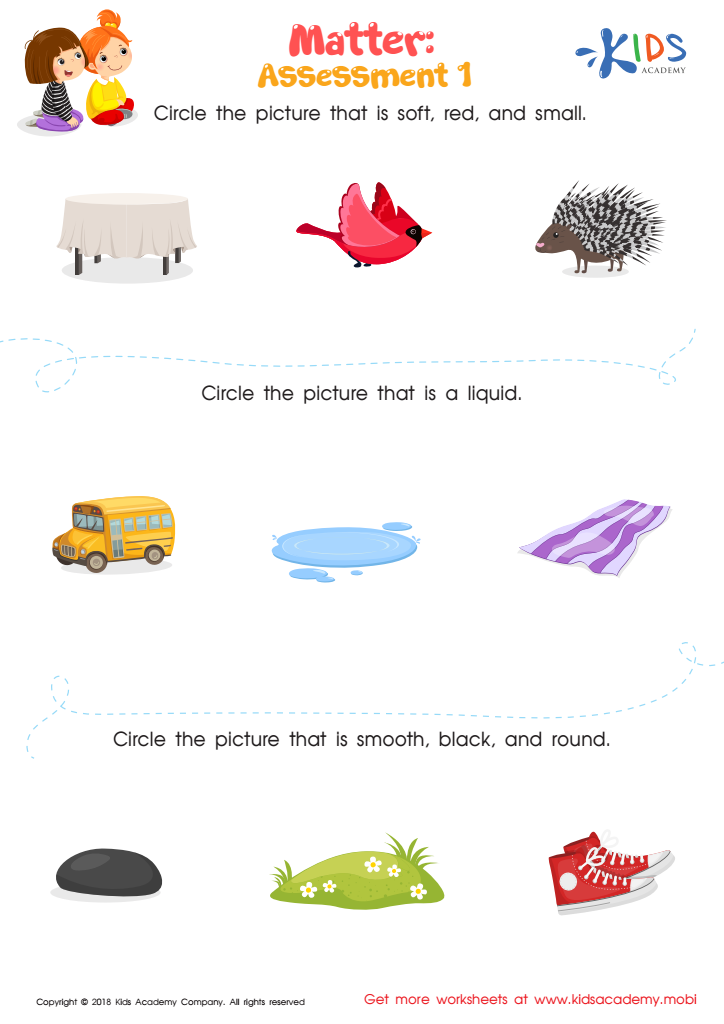
Matter: Assessment 1 Worksheet
 Assign to My Students
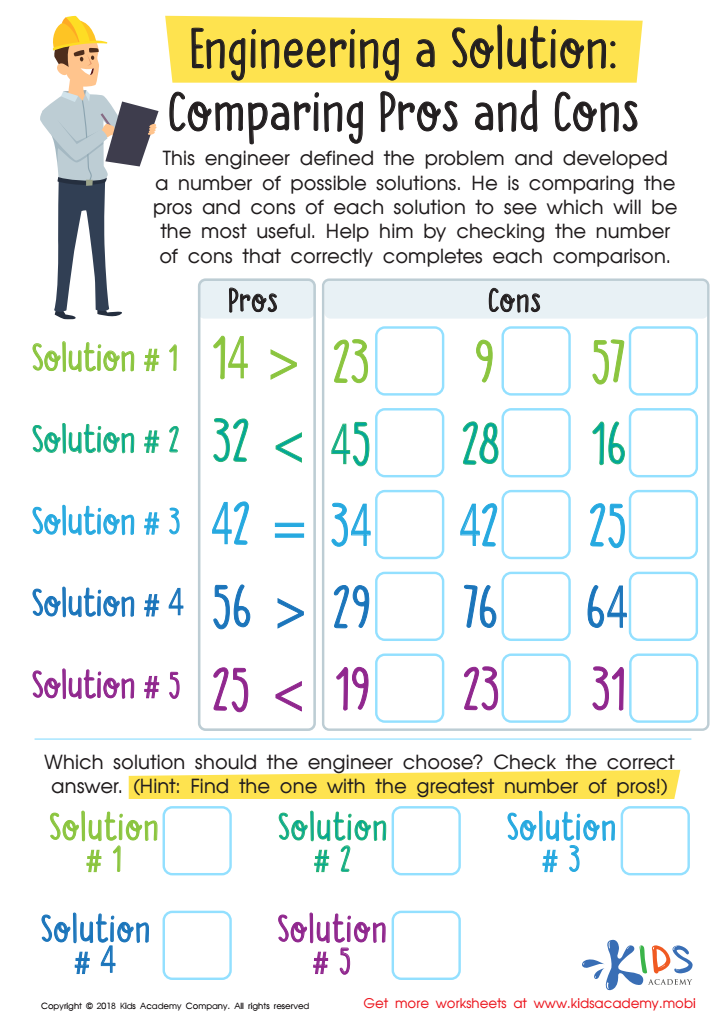
Engineering a Solution: Comparing Pros and Cons Worksheet
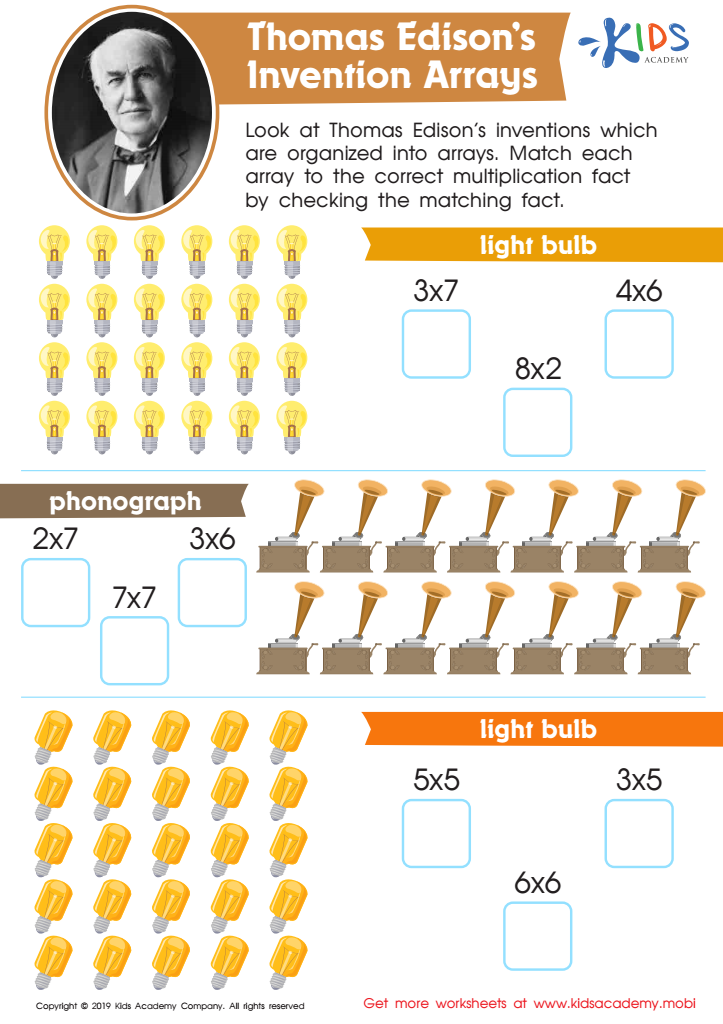
Thomas Edison’s Invention Arrays Worksheet







Critical thinking in physical science for ages 4-9 is essential for fostering curiosity and a love for learning in young learners. At this age, children are naturally inquisitive, and introducing them to critical thinking within the realm of physical science allows them to explore their environment more deeply. By engaging with concepts such as motion, energy, and matter, they develop problem-solving skills and the ability to analyze situations, laying a foundation for future scientific understanding.
Encouraging critical thinking also empowers children to ask questions, conduct experiments, and investigate outcomes. This hands-on approach not only enhances their cognitive skills but also builds confidence and independence as they learn to form hypotheses and draw conclusions. Furthermore, early exposure to scientific reasoning prepares them for advanced concepts in later education, enabling them to tackle complex ideas with ease.
Parents and teachers should advocate for critical thinking in physical science as it nurtures resilience and adaptability—qualities that are increasingly vital in today’s rapidly changing world. Ultimately, fostering these skills in young children cultivates not only informed individuals but also inquisitive citizens who can contribute thoughtfully to society. By caring about this vital aspect of education, adults can help shape the next generation of thinkers and innovators.







