
Division practice Plants and Animals Worksheets for Ages 4-9
4 filtered results
Difficulty Level
Grade
Age
-
From - To
Subject
Activity
Standards
Enhance your child's understanding of division while exploring the natural world with our engaging Division Practice Plants and Animals Worksheets for Ages 4-9. Perfectly combining math skills and science concepts, these worksheets help young learners practice division through fun, themed activities related to plants and animals. Designed by education experts, they make learning interactive and enjoyable, fostering both mathematical proficiency and curiosity about nature. Suitable for home or classroom use, these worksheets promote critical thinking and problem-solving skills, ensuring children grasp division fundamentals while discovering the wonders of the natural world. Start their learning journey today!
Favorites
With answer key
Interactive
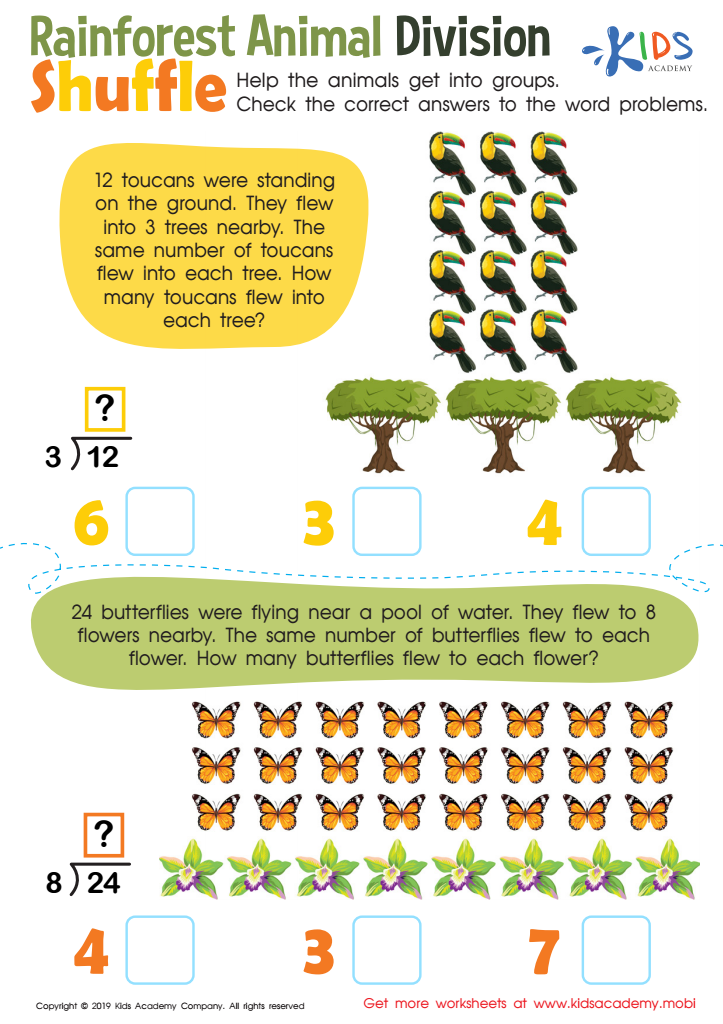
Rainforest Animal Division Worksheet
Children can save the rainforest and learn about division with this worksheet! It helps kids understand that division involves creating equal groups of specific numbers, and with its visual representation, they can grasp the concept more easily. They'll have fun learning about their place in the world and their role in protecting the environment.
 Assign to My Students
Rainforest Animal Division Worksheet
Worksheet
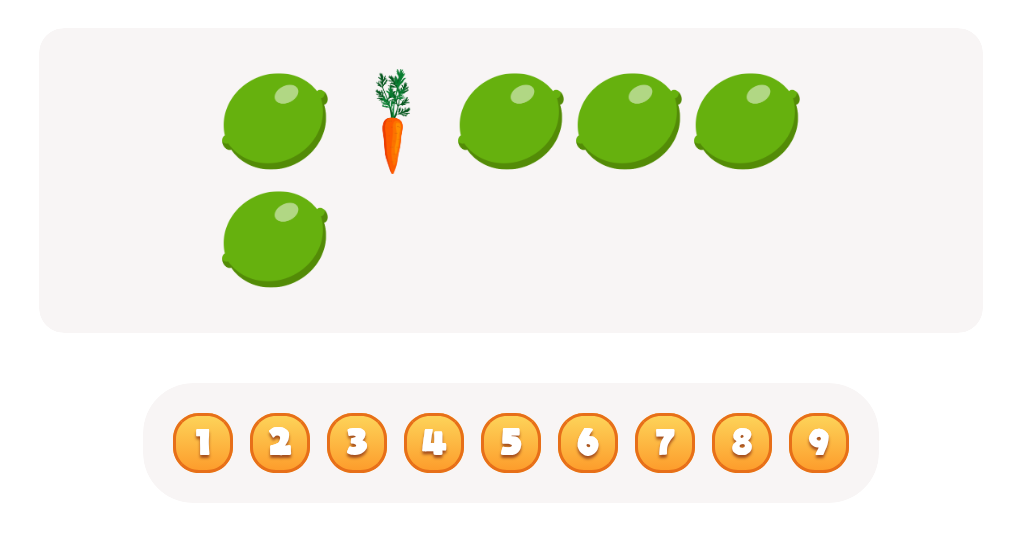

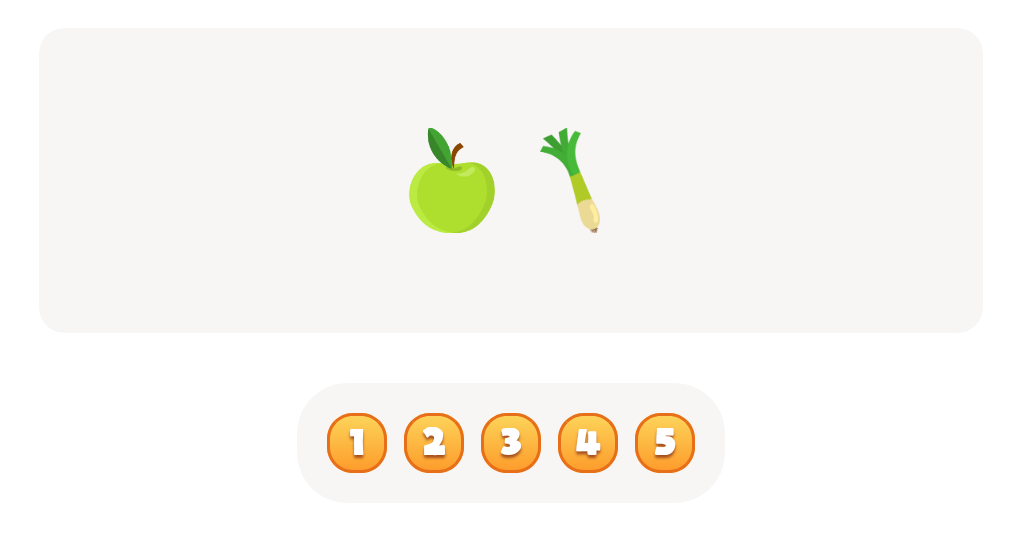
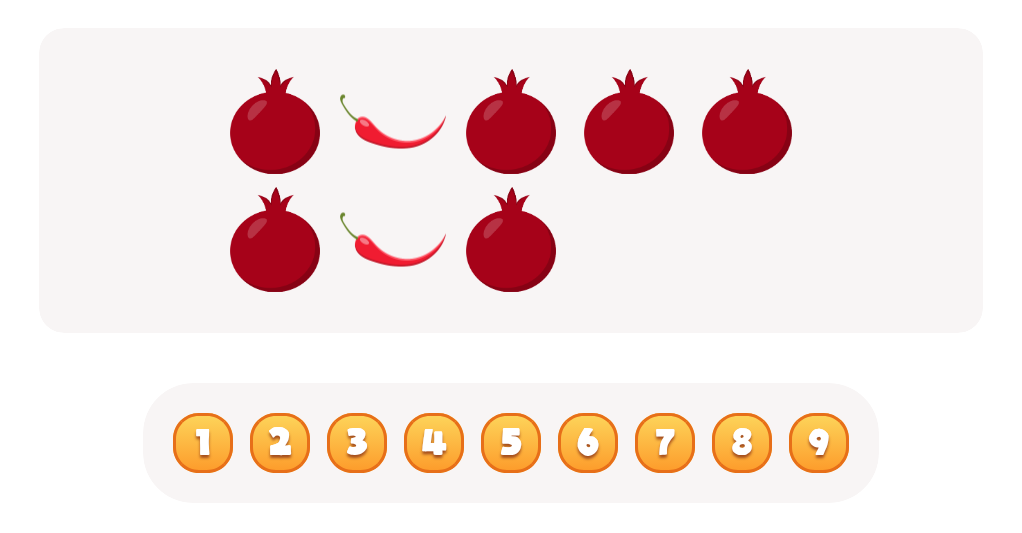
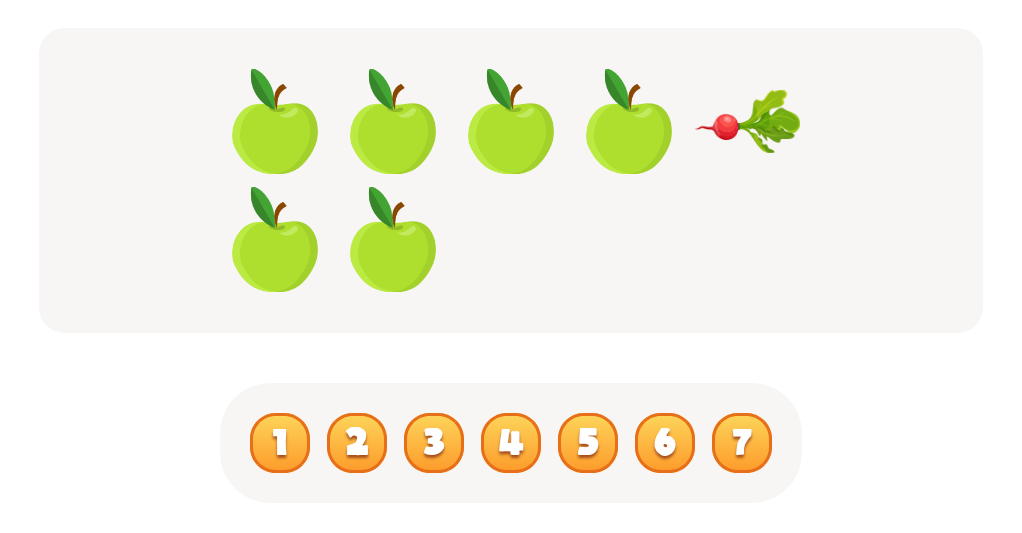
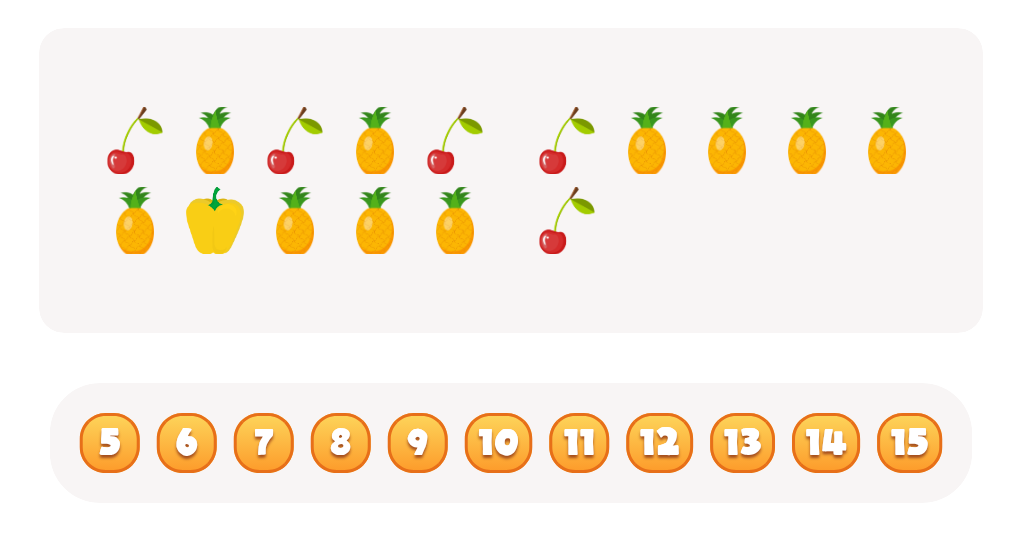
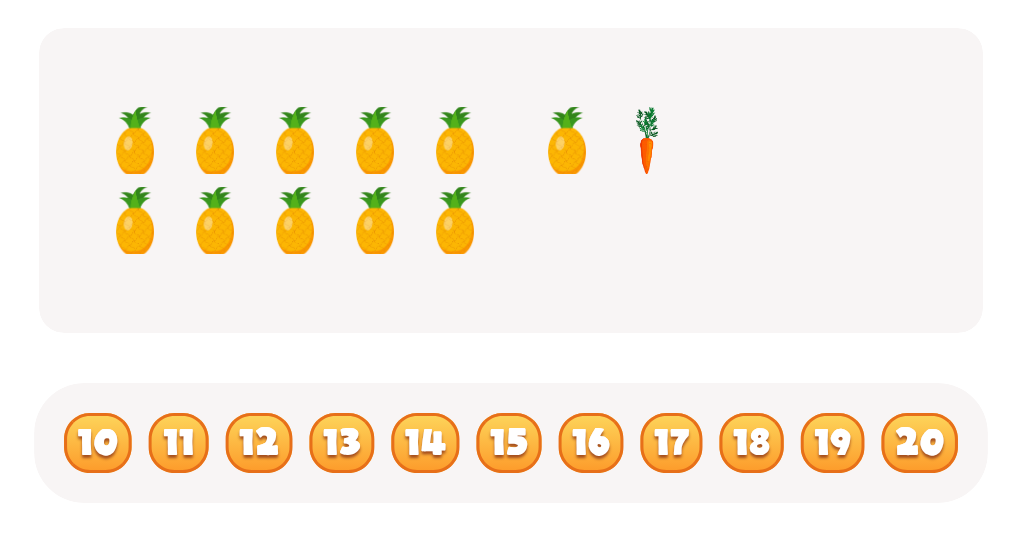
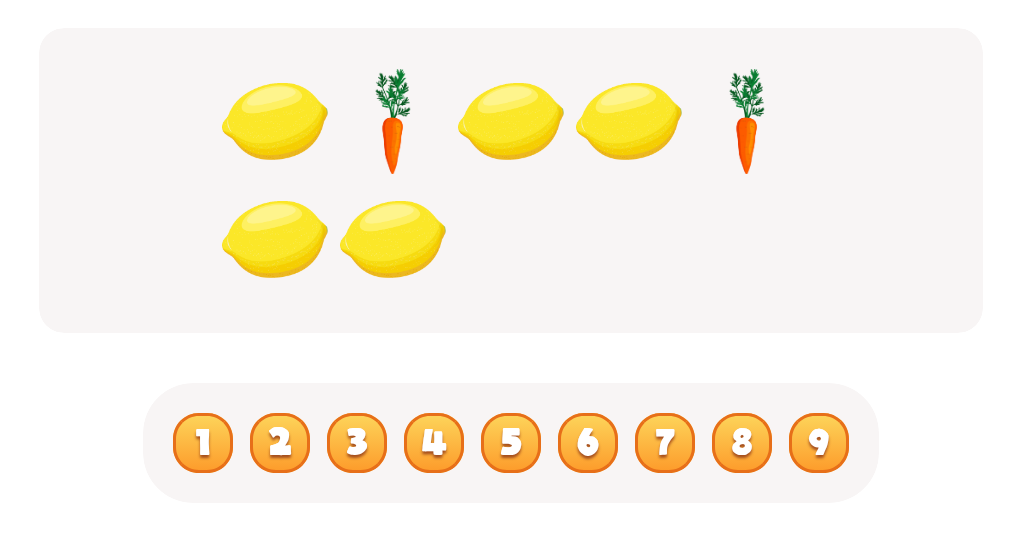
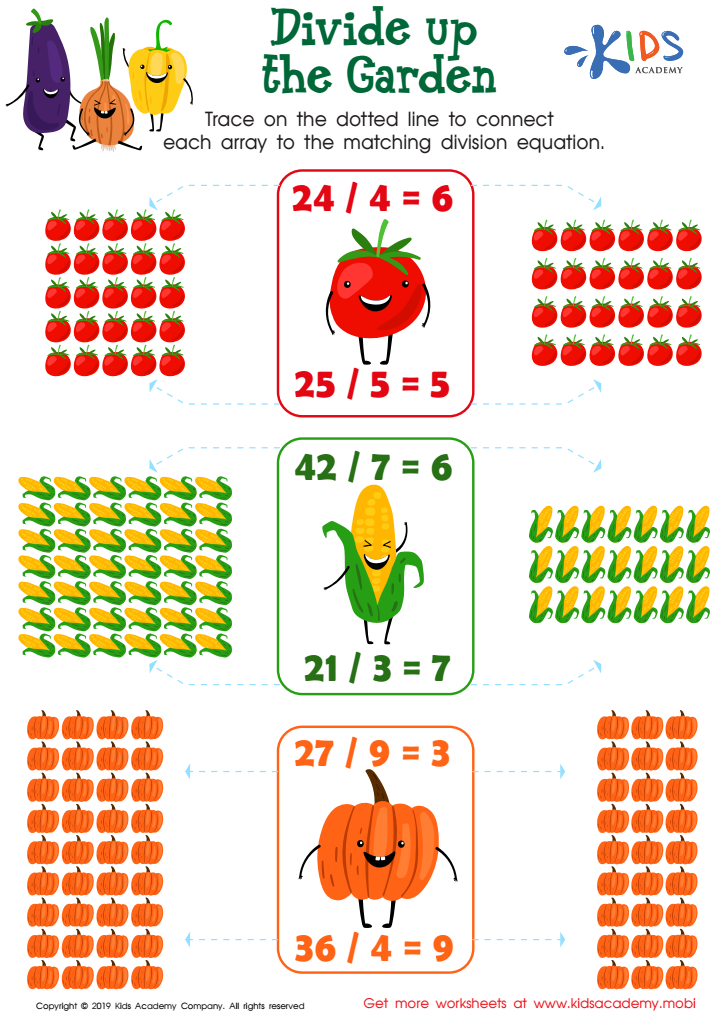
Divide up the Garden Worksheet
Dividing is simply grouping items into equal sets. This worksheet helps kids see division problems in array form. They'll match each equation with a picture group, using the lines provided. It's a great way for beginners to understand division more concretely.
Divide up the Garden Worksheet
Worksheet
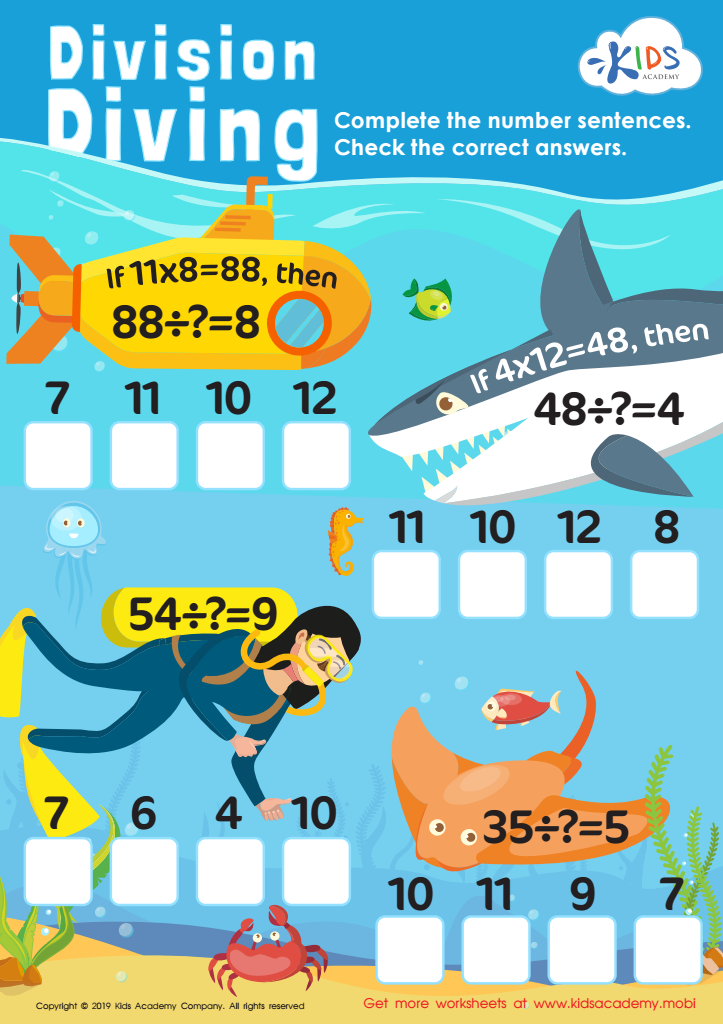
Division Diving Worksheet
Kids love exploring water and this free PDF worksheet is a great way to bring the fun and math together! Kids can help the underwater friends with number sentences, and use their fact family knowledge to solve for the missing number, then choose the correct answer. This worksheet is an enjoyable way for them to practice division!
Division Diving Worksheet
Worksheet
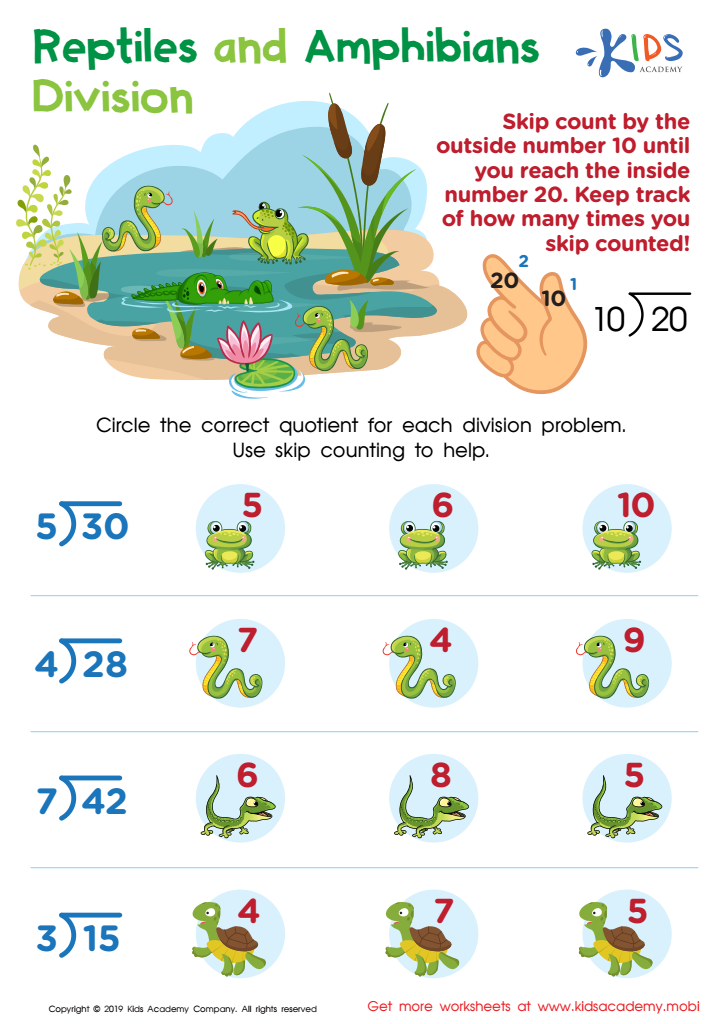
Reptile and Amphibians Division Worksheet
Skip counting is key in division. This PDF worksheet helps children practice this skill with fun reptile and amphibian friends. They must circle the right quotient among the choices given to reinforce their pattern recognition. Perfect for mastering division!
Reptile and Amphibians Division Worksheet
Worksheet
Join Kids Academy for Free
Who is primarily going to use this learning content?







Parents and teachers should value division practice in tandem with learning about plants and animals for children aged 4-9 for several significant reasons. First, introducing division and biology-related concepts in early education boosts cognitive development. Division practice hones children’s problem-solving and logical thinking abilities, foundational for advanced mathematical concepts. Combining this with knowledge about plants and animals nurtures curiosity about the natural world, fostering strong observation and analytical skills.
Additionally, using plants and animals to teach division makes the learning process engaging and relatable. For example, dividing fruits among animals in story-based problems can illustrate mathematical concepts in a context children find interesting and understandable. This contextual learning promotes better retention and application of knowledge.
Biologically-themed lessons also impart important science knowledge early on, setting the stage for deeper scientific inquiry and much-needed environmental awareness. Understanding the basics of plants and animals builds an appreciation for biodiversity and ecosystems, essential for responsible citizenship.
Lastly, this integrated approach caters to various learning styles. Visual learners benefit from images and models of plants and animals, while hands-on activities like dividing seeds among different plant pots cater to kinesthetic learners. Balancing division practice with biology ensures a holistic educational experience, developing well-rounded and informed individuals.








