Understanding ecosystems Plants and Animals Worksheets for Ages 4-9
6 filtered results
-
From - To
Discover the fascinating world of ecosystems with our "Understanding Ecosystems: Plants and Animals Worksheets," designed for children ages 4-9. This engaging resource is perfect for young learners eager to explore the interdependence of plants and animals in their environment. Our worksheets encourage critical thinking and hands-on learning, helping kids recognize different ecosystems, the roles of various organisms, and the importance of biodiversity. With vibrant illustrations and age-appropriate activities, they enhance vocabulary, comprehension, and scientific curiosity. Perfect for classrooms or home use, these worksheets make learning about ecosystems fun and interactive, fostering a love for nature in the next generation! Dive in today!
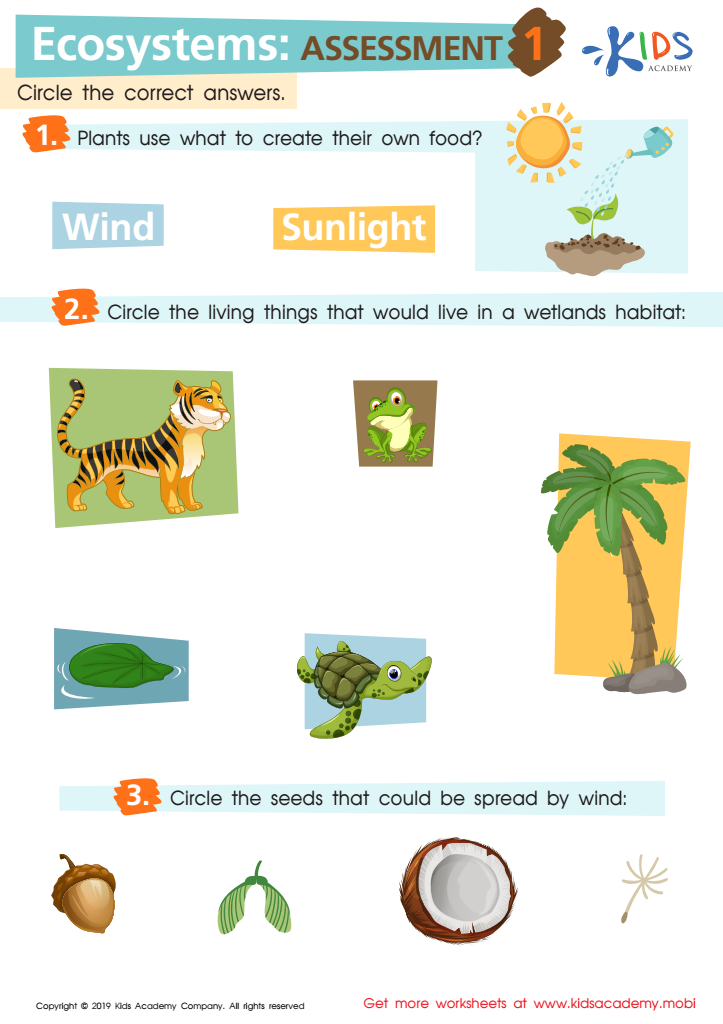
Ecosystems: Assessment 1 Worksheet
 Assign to My Students
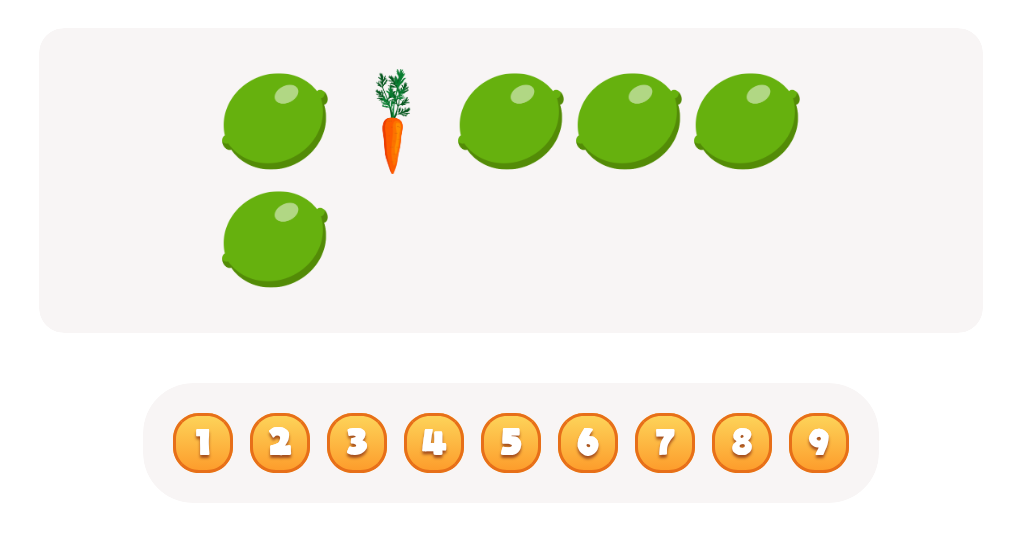

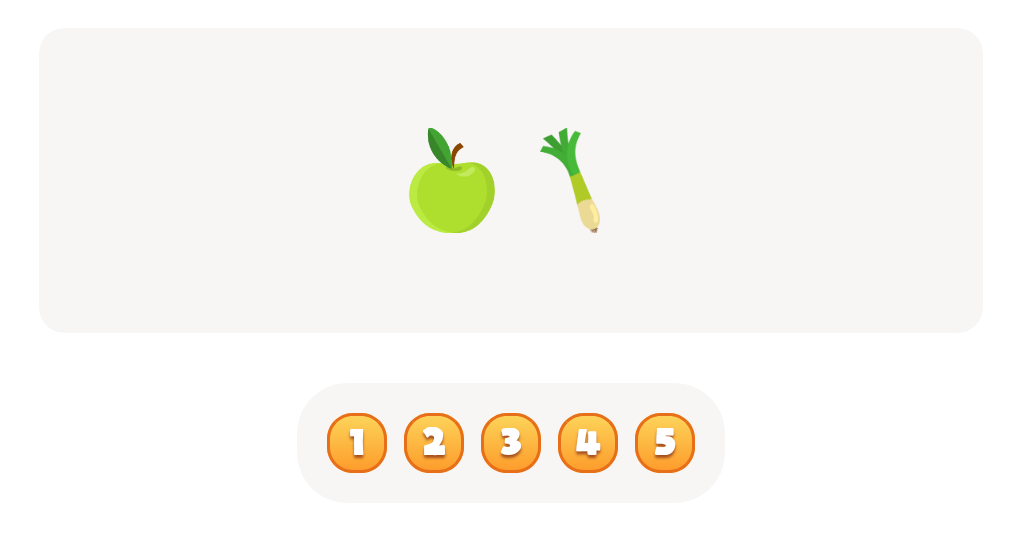
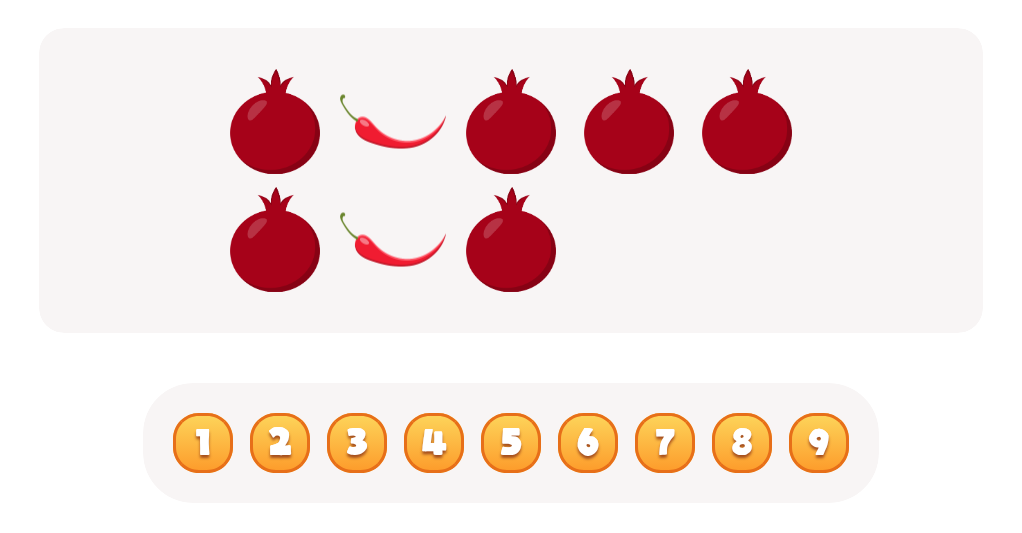
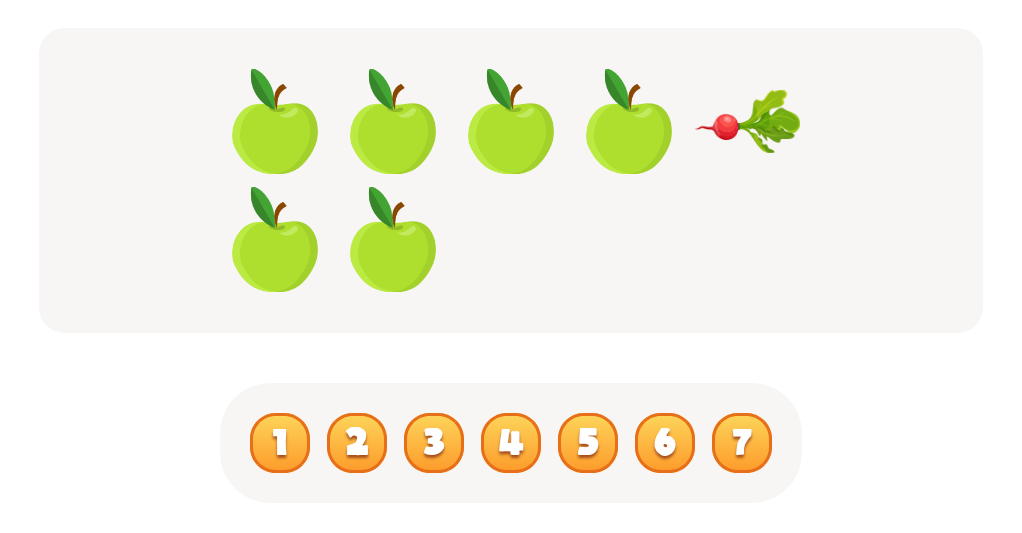
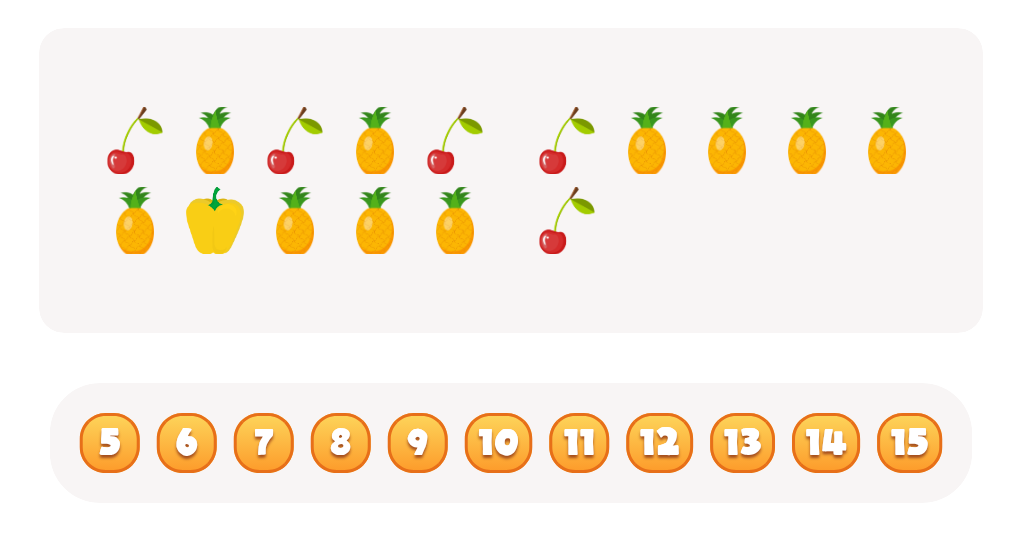
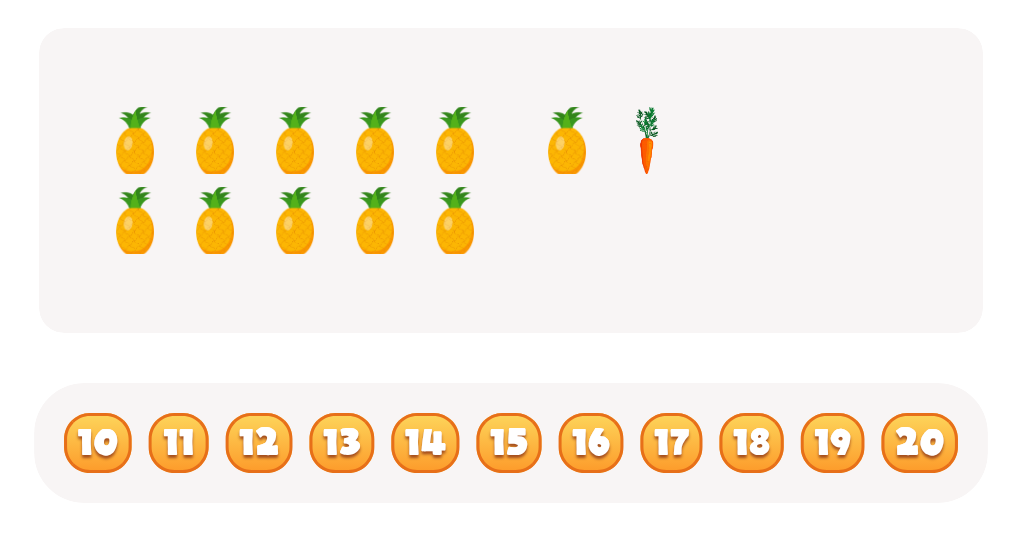
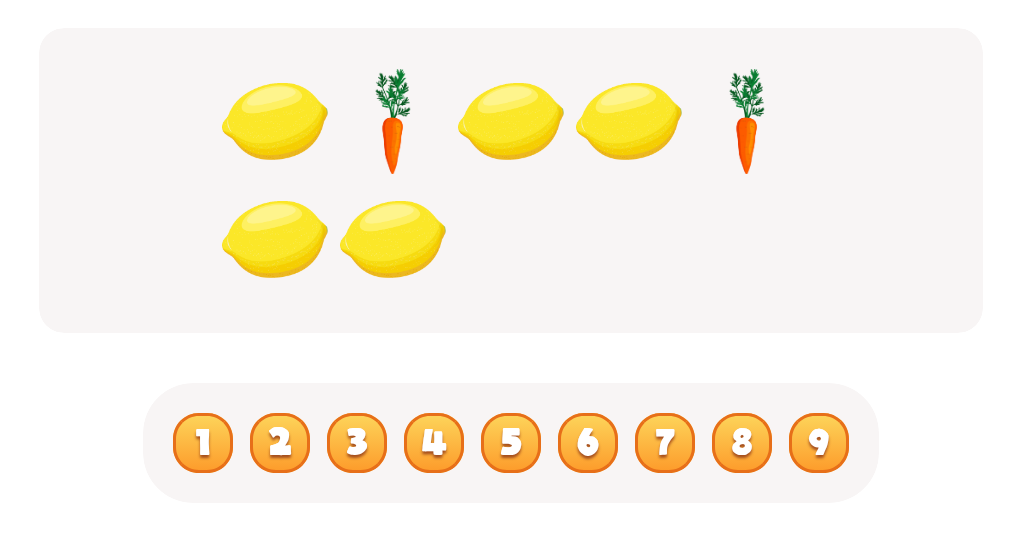
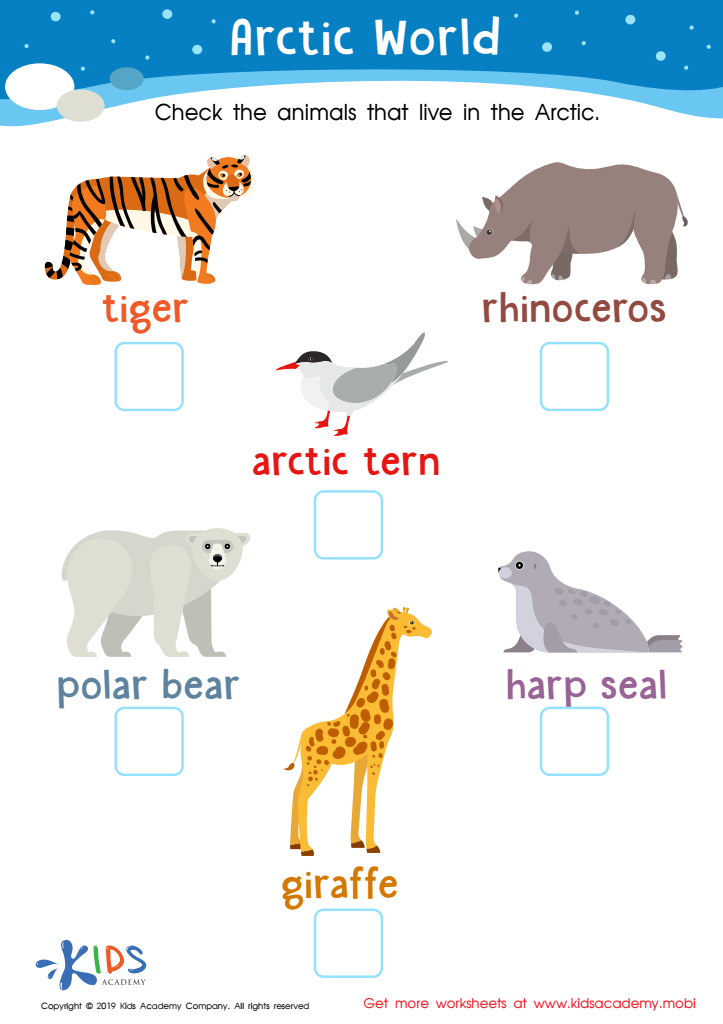
Arctic World Worksheet
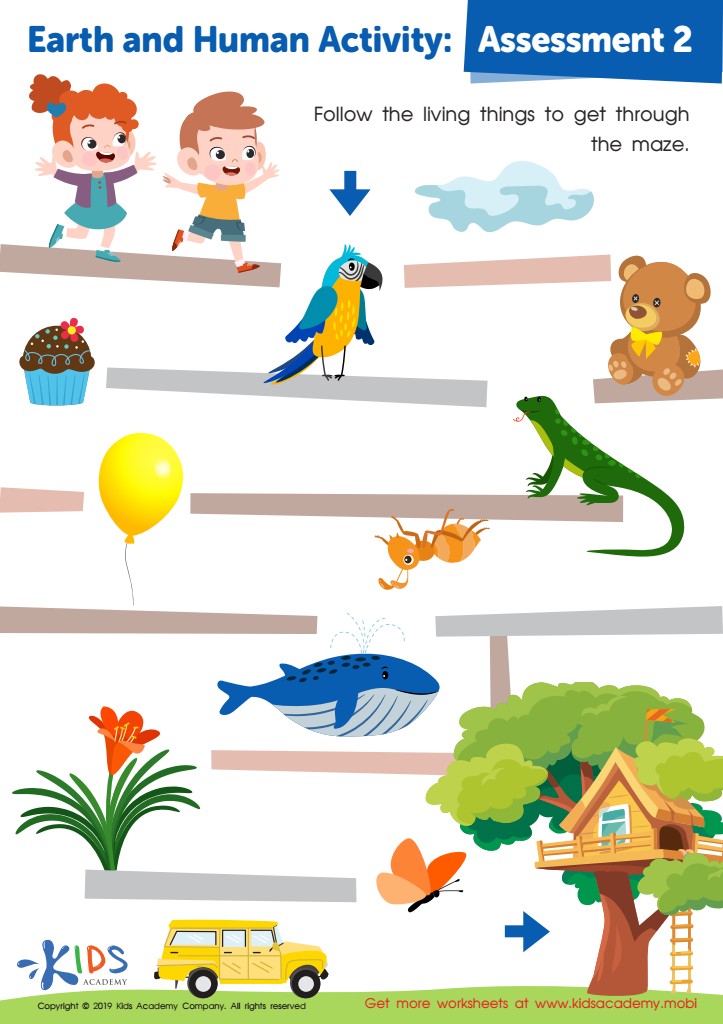
Earth and Human Activity: Assessment 2 Worksheet
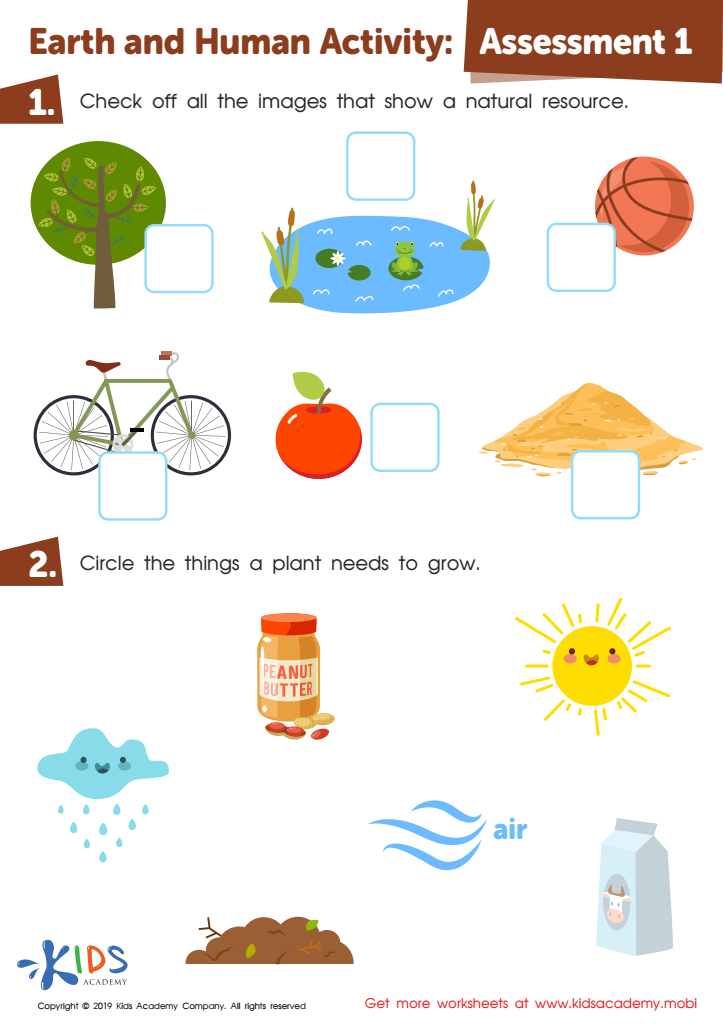
Earth and Human Activity: Assessment 1 Worksheet
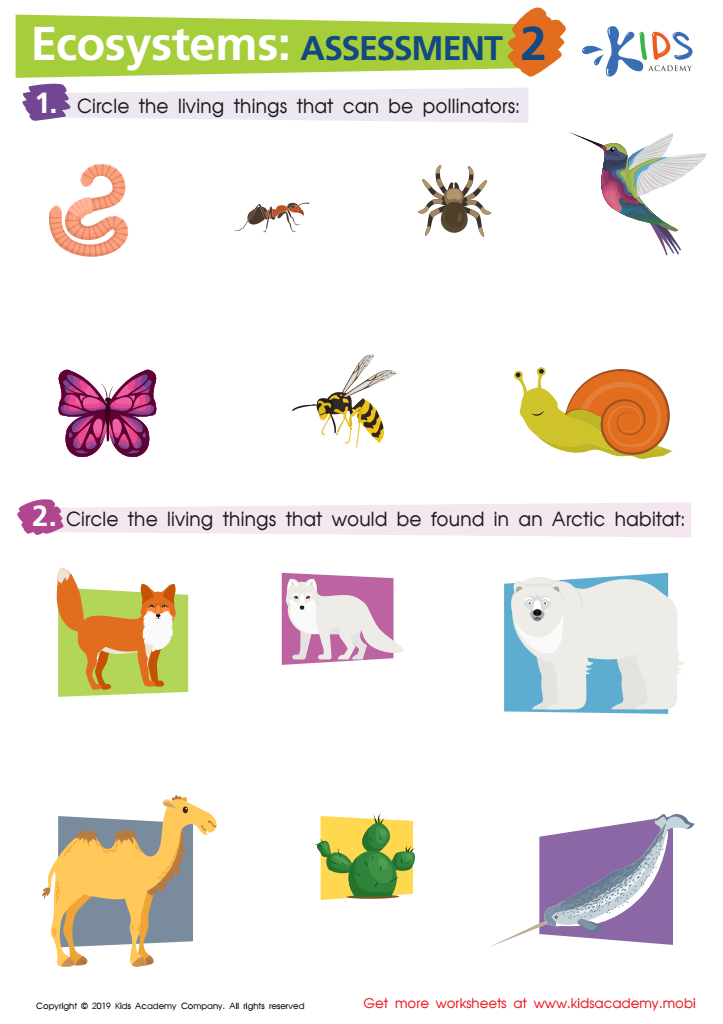
Ecosystems: Assessment 2 Worksheet
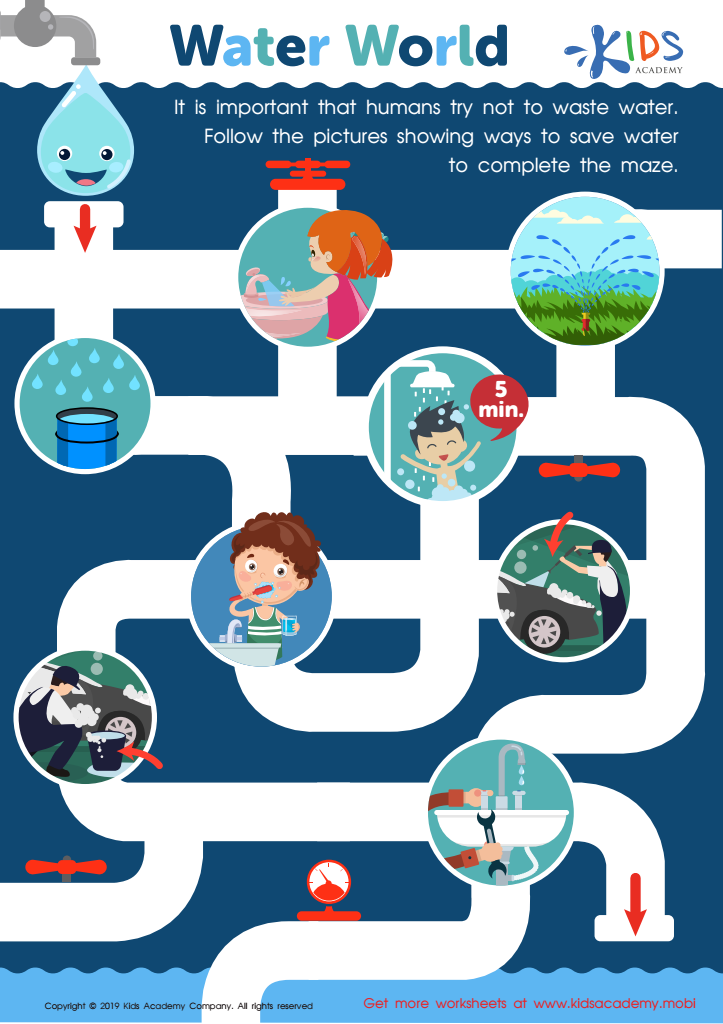
Water World Worksheet








Understanding ecosystems and the relationships between plants and animals is essential for children aged 4-9 because it lays the foundation for their appreciation of the natural world and promotes critical thinking skills. At this stage, children are naturally curious, and exploring these concepts fosters their inquisitiveness. By learning about how different organisms interact within ecosystems, young learners develop mindfulness about the environment and realize the intricacies of life.
This knowledge cultivates a sense of responsibility towards nature, encouraging them to care for plants and animals as vital components of our world. Moreover, integrating lessons about ecosystems into educational settings enhances literacy and math skills, making learning more engaging and relevant through practical examples and hands-on activities.
Teachers and parents play an essential role in this journey; by nurturing their children's understanding of ecosystems, they empower them to become informed stewards of the environment. As children grow into environmentally conscious adults, they become equipped to tackle issues like conservation and sustainability, ensuring a healthier planet for future generations. Ultimately, understanding ecosystems is not just an academic pursuit; it’s a vital lifelong skill that shapes children into empathetic and responsible global citizens.








