Color recognition Writing Worksheets for Ages 4-9
12 filtered results
-
From - To
Welcome to our Color Recognition Writing Worksheets for Ages 4-9! These engaging resources aid young learners in identifying and writing colors while enhancing their fine motor skills. Each worksheet is designed with fun illustrations and activities that promote both creativity and color awareness. Kids will enjoy tracing, writing, and coloring, making learning enjoyable and effective. Our worksheets cater to varying skill levels, ensuring every child can thrive. Perfect for homeschoolers or classroom settings, these printable resources will help your child develop essential writing skills while having fun with colors. Start exploring our collection today and watch your child's confidence grow!
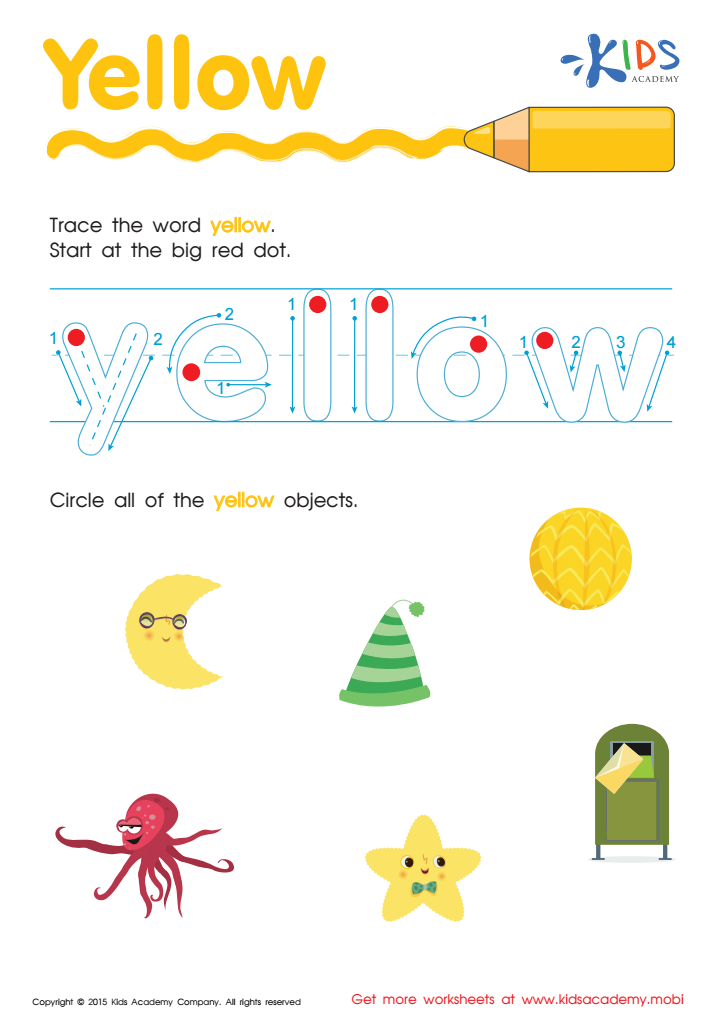
Yellow Tracing Color Words Worksheet
 Assign to My Students
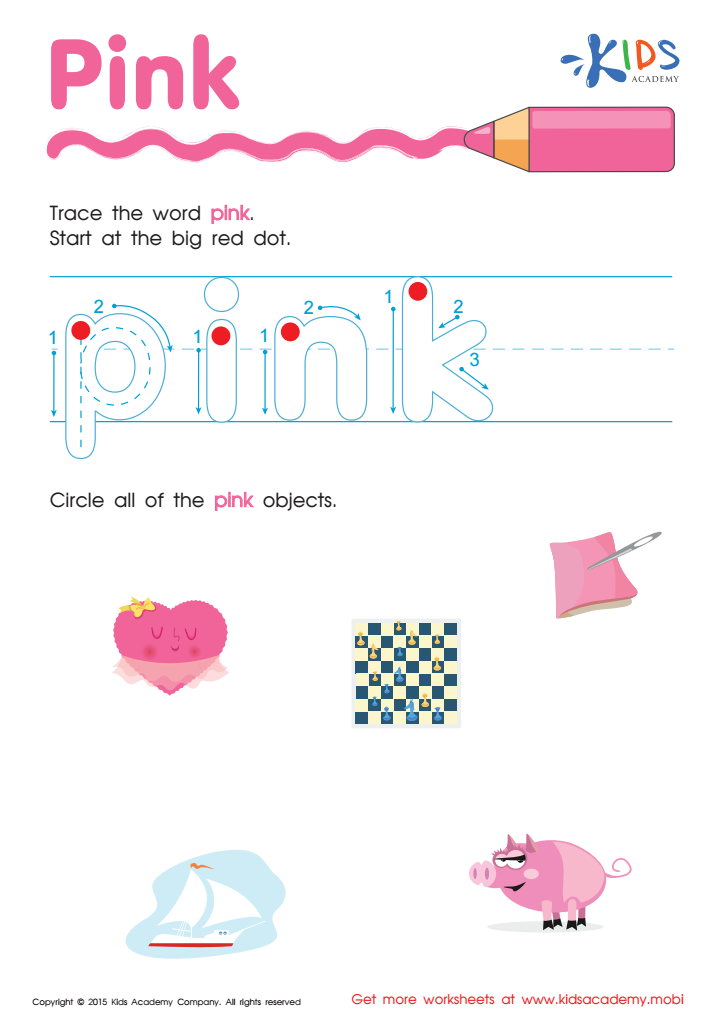
Pink Tracing Color Words Worksheet
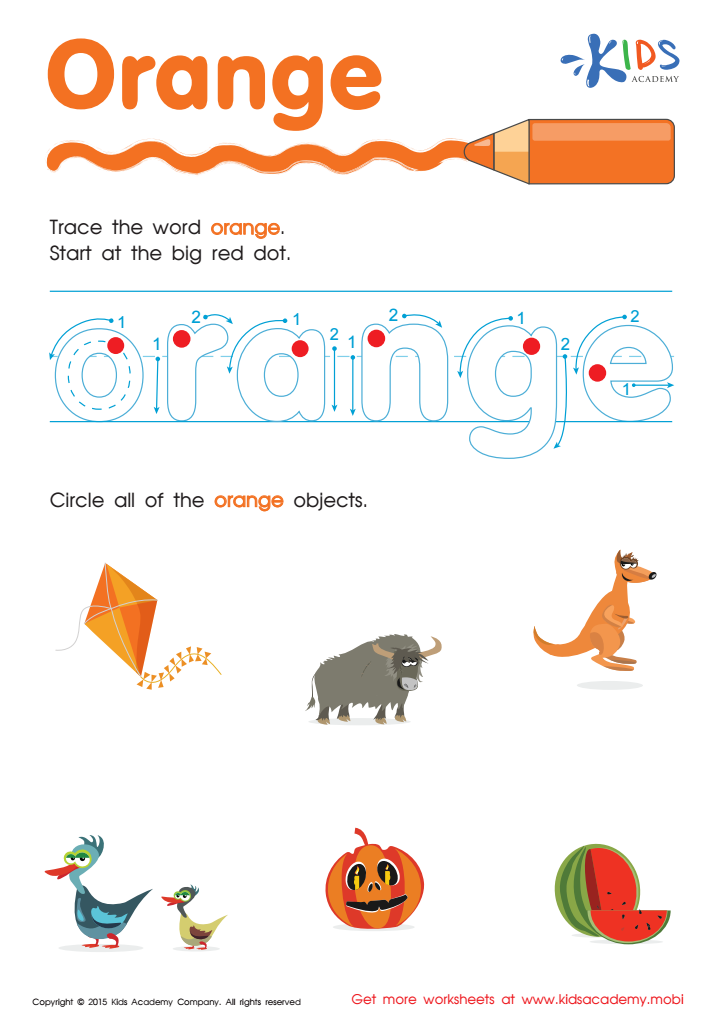
Orange Tracing Color Words Worksheet
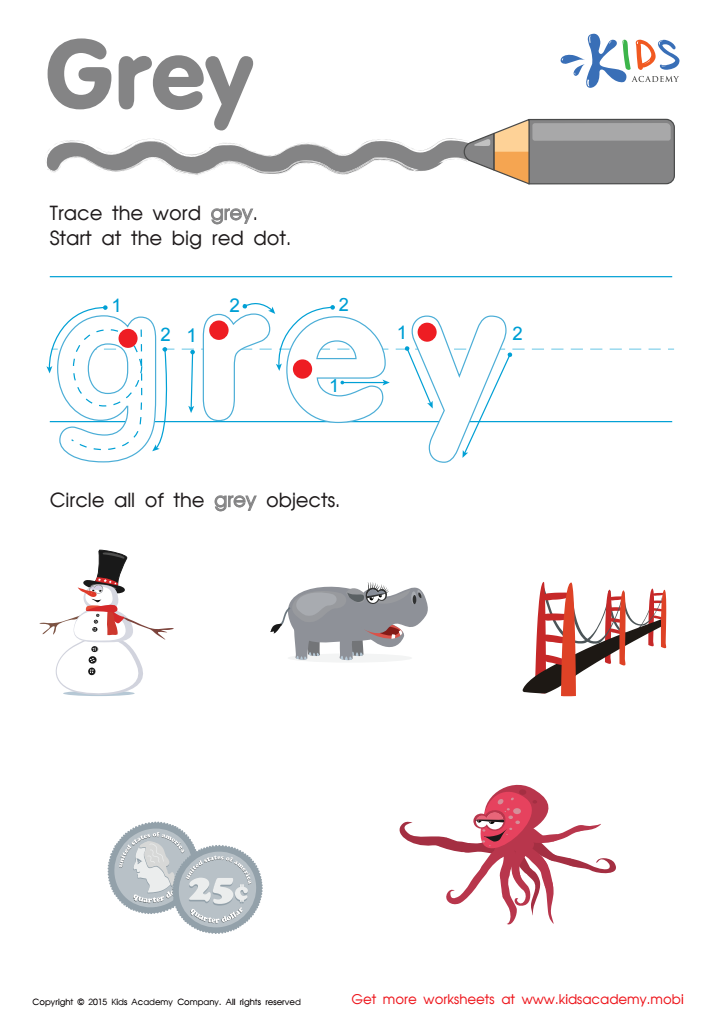
Grey Tracing Color Words Worksheet
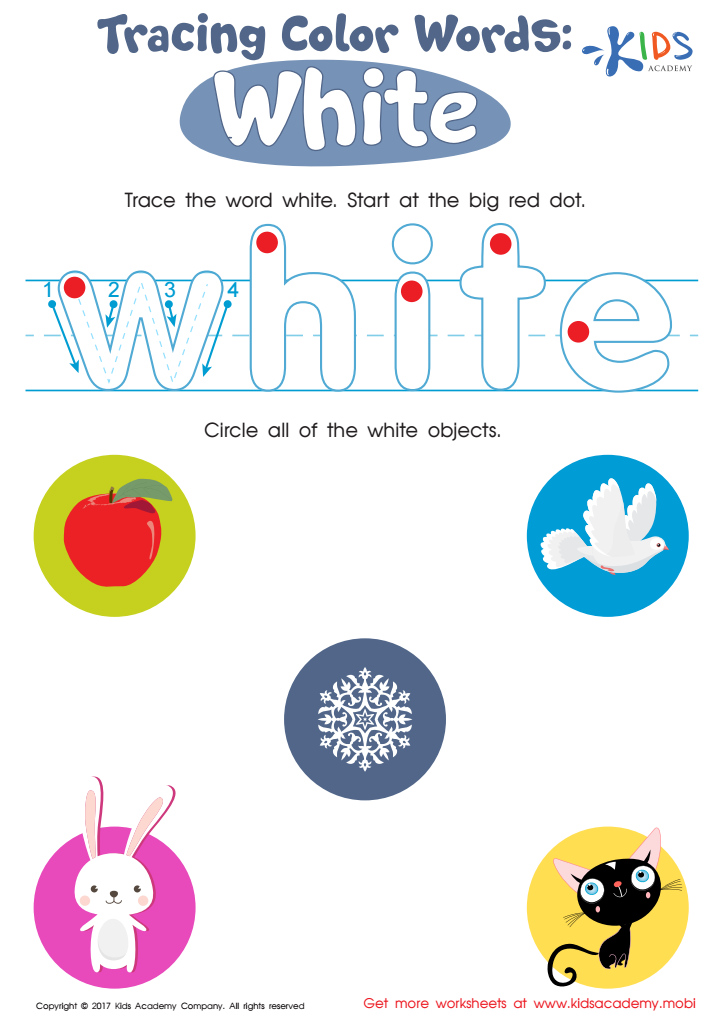
White Tracing Color Words Worksheet
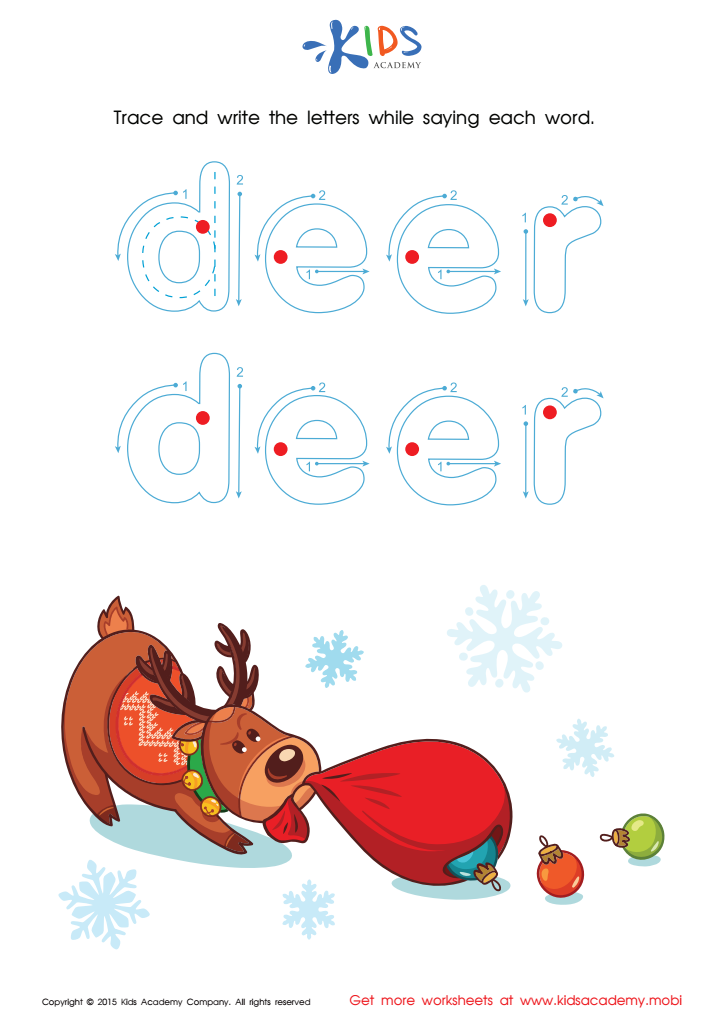
Deer Tracing Winter Words Worksheet
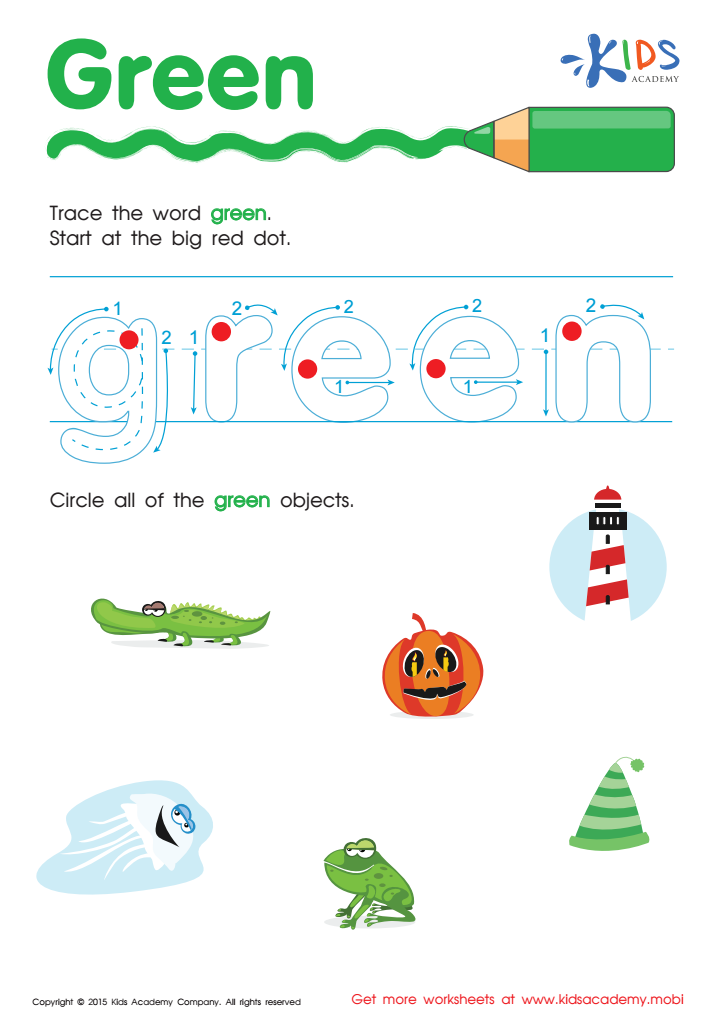
Green Tracing Color Words Worksheet
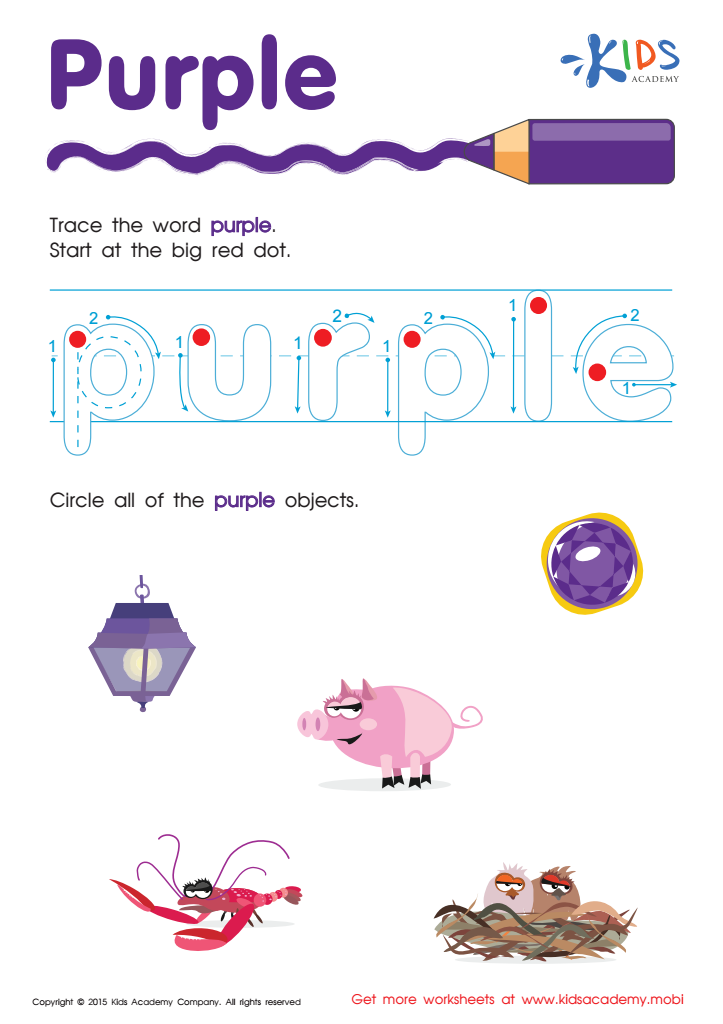
Purple Tracing Color Words Worksheet
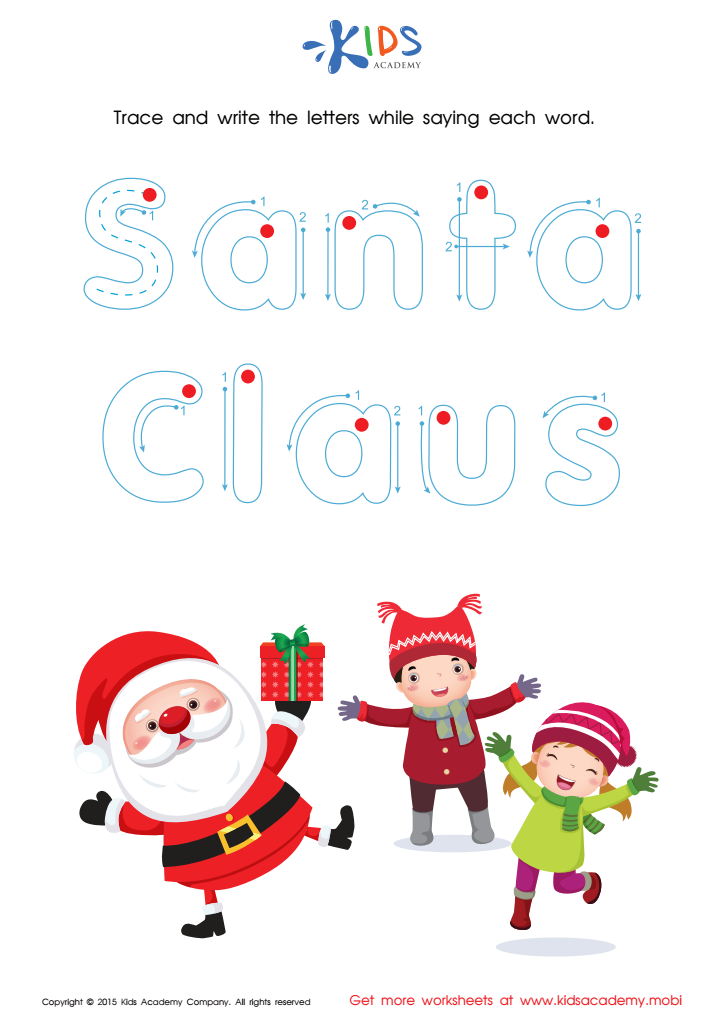
Santa Claus Tracing Winter Words Worksheet
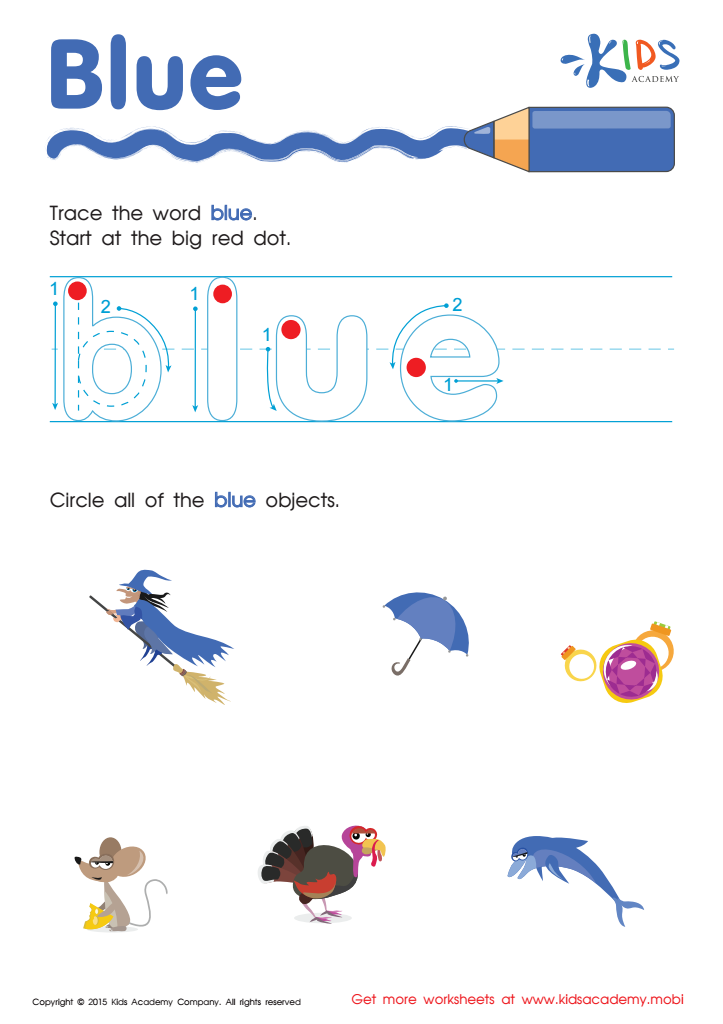
Blue Tracing Color Words Printable
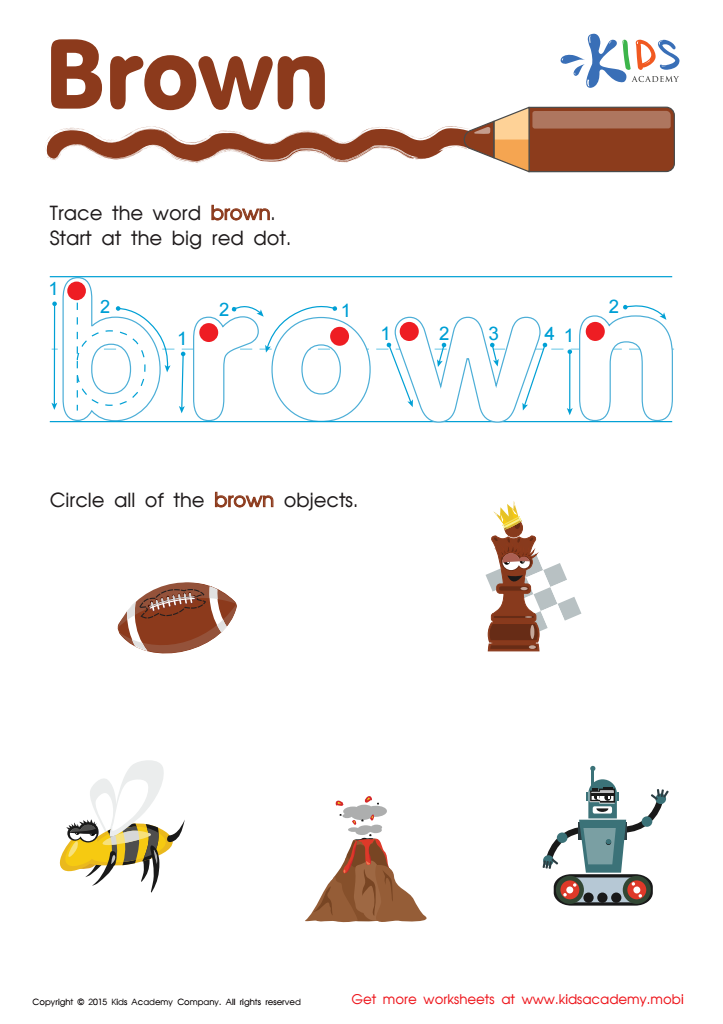
Brown Tracing Color Words Worksheet
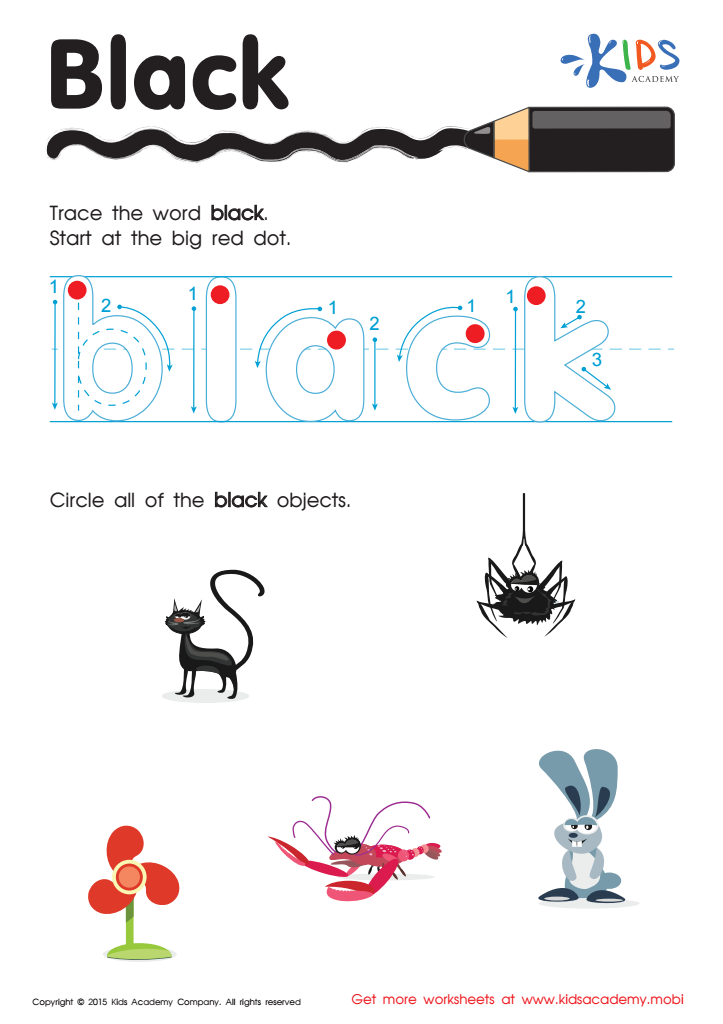
Black Tracing Color Words Printable







Color recognition is a fundamental aspect of early childhood education that plays an essential role in cognitive and social development for children aged 4-9. Understanding colors helps children categorize their surroundings and develop observational skills, enabling them to make sense of the world. When parents and teachers prioritize color recognition writing activities, they provide a stimulating environment that fosters creativity and expression.
Color recognition also aids in language development; children learn to associate colors with words, enhancing their vocabulary and communication skills. Incorporating colors into writing exercises encourages engagement and excitement, making learning enjoyable. Additionally, color identification assists in the development of fine motor skills and hand-eye coordination through activities such as coloring and drawing, which are integrated into writing tasks.
Socially, colors can serve as a medium for expression and collaboration, as children discuss their preferences or feelings about different colors with peers. Recognizing and naming colors can also be a precursor to understanding more complex concepts such as blending, shading, and contrasts.
Overall, supporting color recognition writing helps children build a strong foundation in literacy while nurturing their creative and critical thinking skills. Investing time into these activities is beneficial for parents and teachers aiming to foster holistic development in young learners.








