Problem-Solving Skills Geometry Worksheets for 4-Year-Olds
10 filtered results
-
From - To
Enhance your child's cognitive abilities with our engaging Problem-Solving Skills Geometry Worksheets designed specifically for 4-year-olds. These worksheets introduce basic geometric shapes and concepts through fun and interactive activities that stimulate critical thinking and problem-solving strategies. Your little learner will enjoy identifying, sorting, and manipulating shapes, all while building essential skills in a playful context. Encouraging exploration and creativity, our resources aim to make learning geometry an enjoyable adventure. Perfect for homeschooling or classroom use, these worksheets align with early learning standards, ensuring your child gains confidence in their mathematical abilities. Start their journey to geometric fluency today!
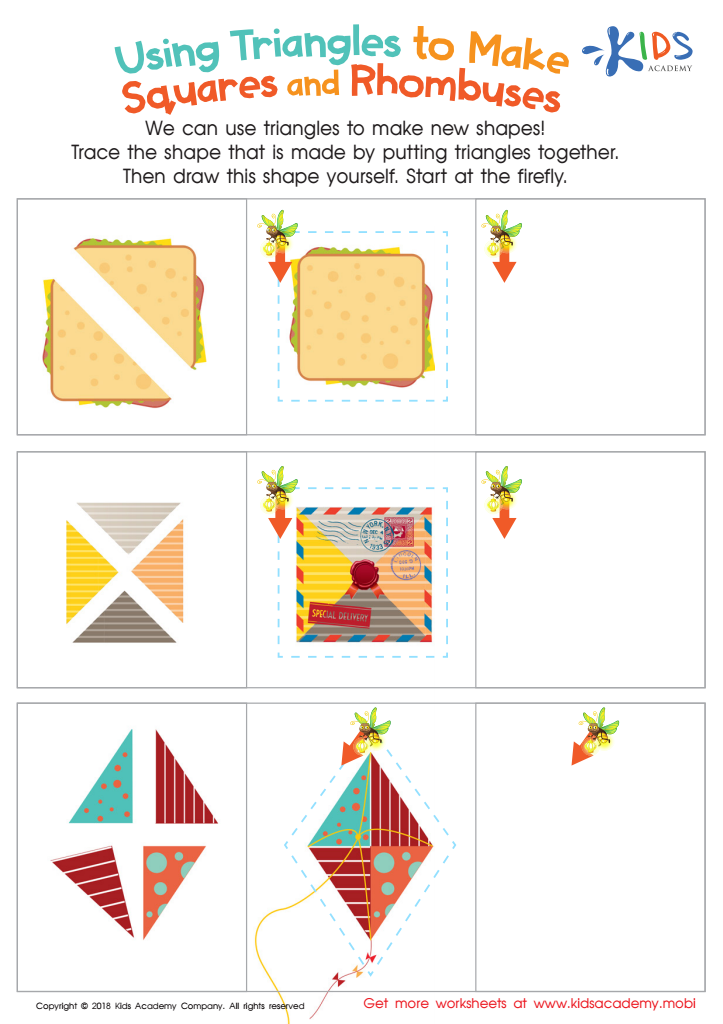
Using Triangles to Make Squares and Rhombuses Worksheet
 Assign to My Students











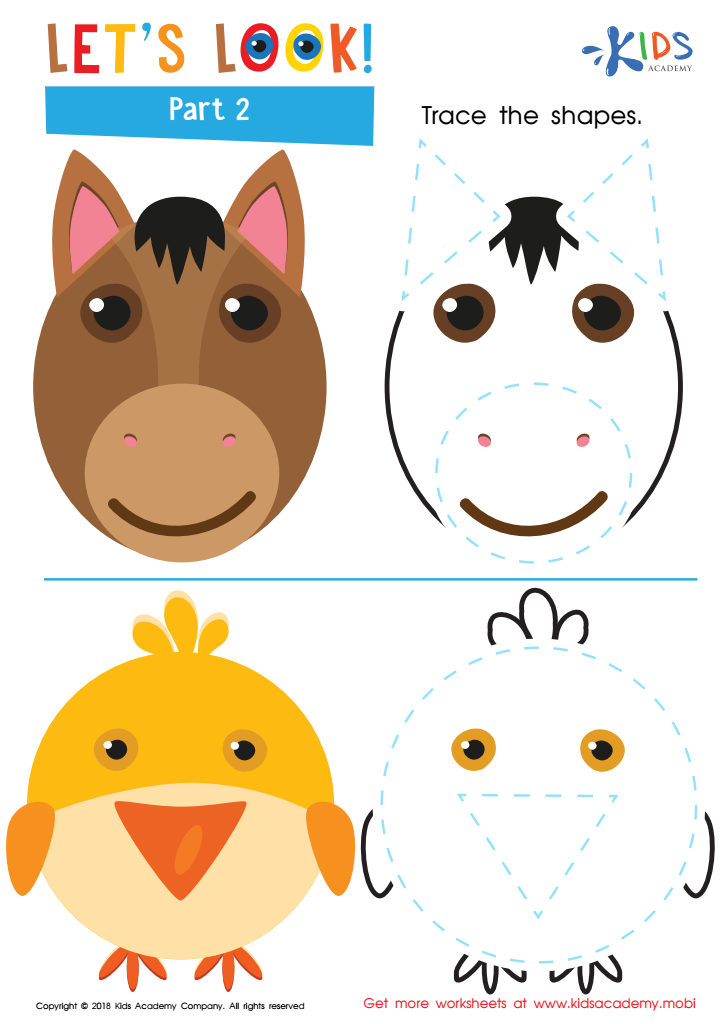
Let's Look! Part 2 Worksheet
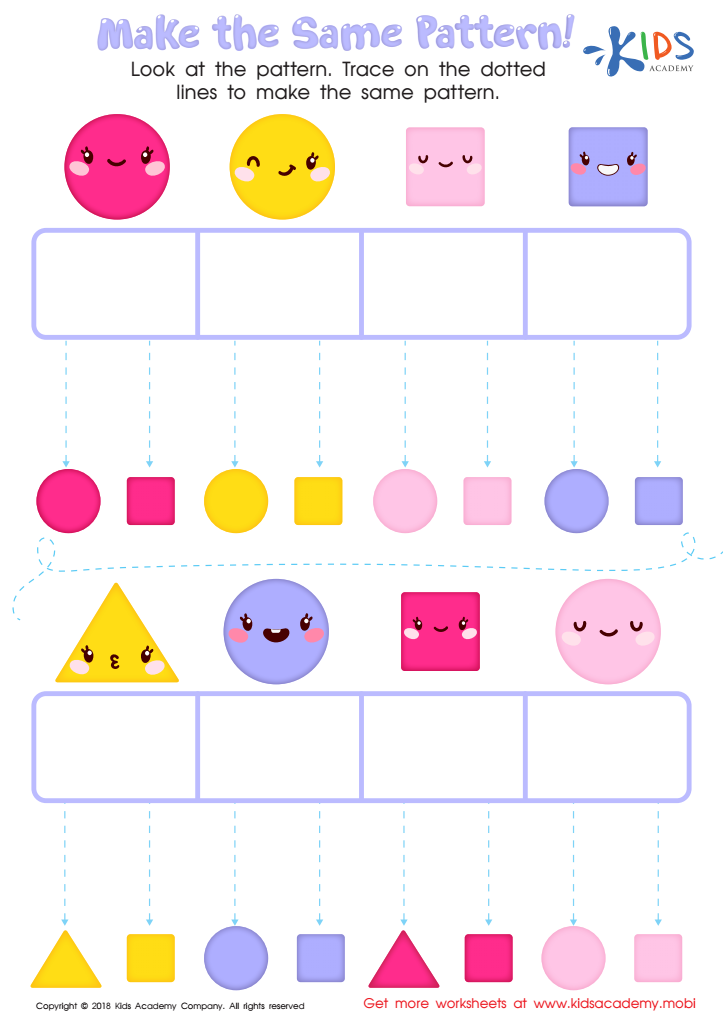
Make the Same Pattern Worksheet
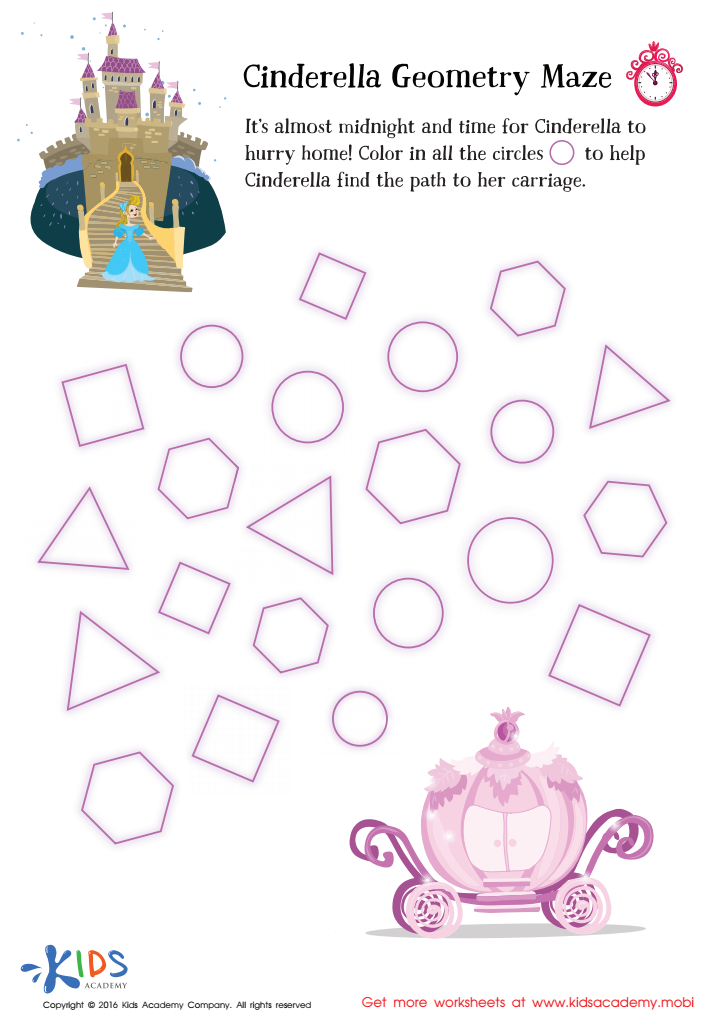
Cinderella Geometry Maze Worksheet
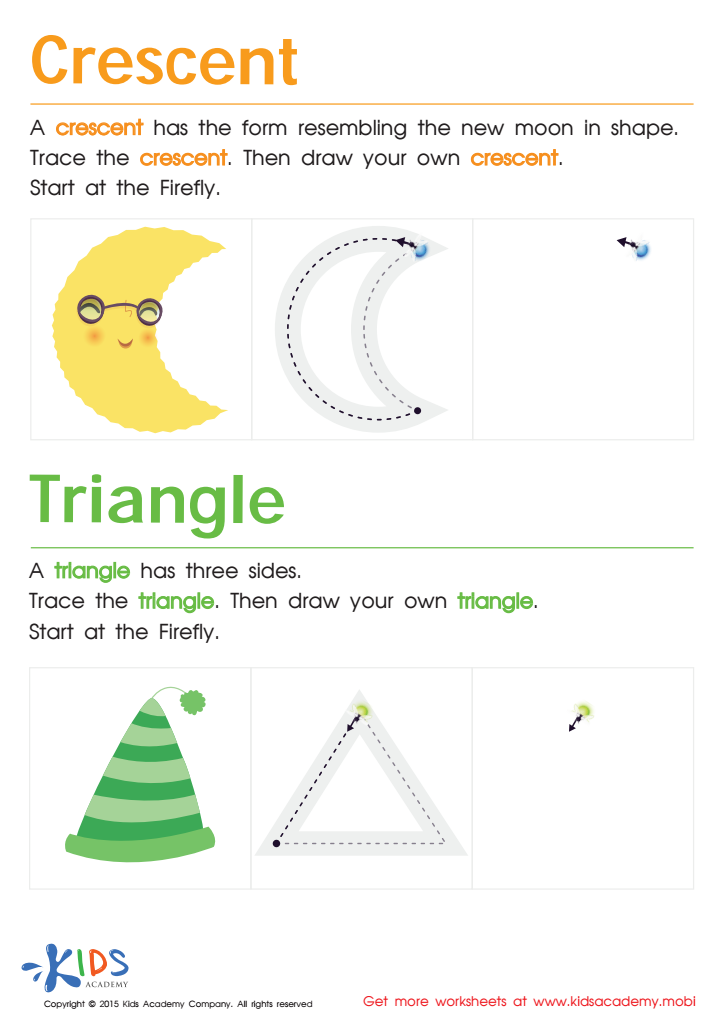
Learning to Draw Crescents And Triangles Worksheet
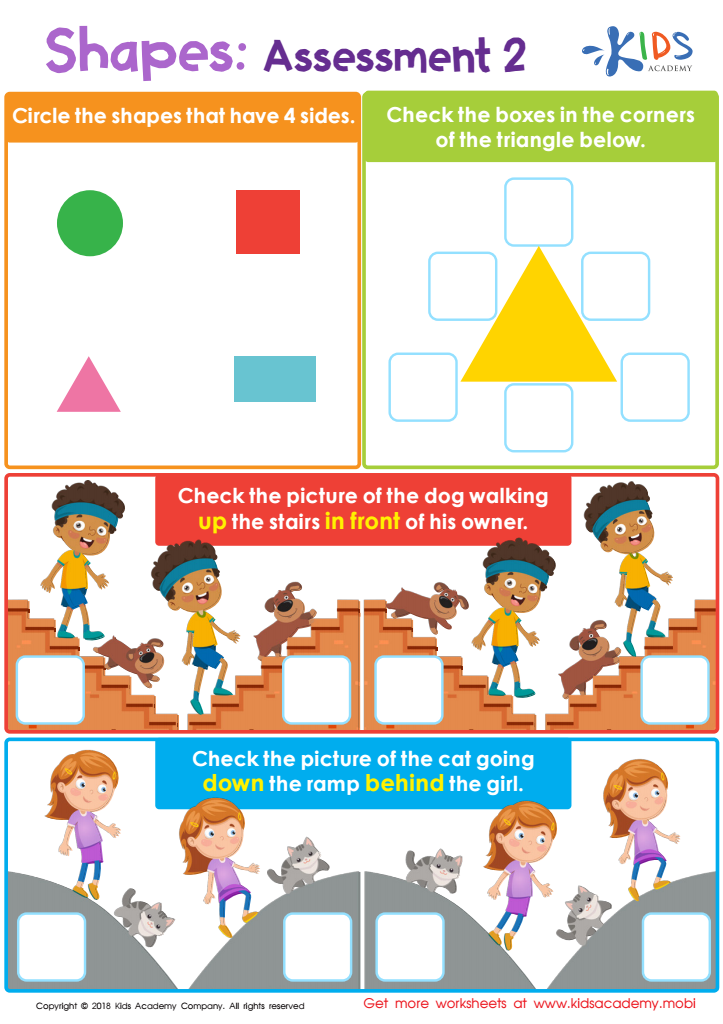
Shapes: Assessment 2 Worksheet
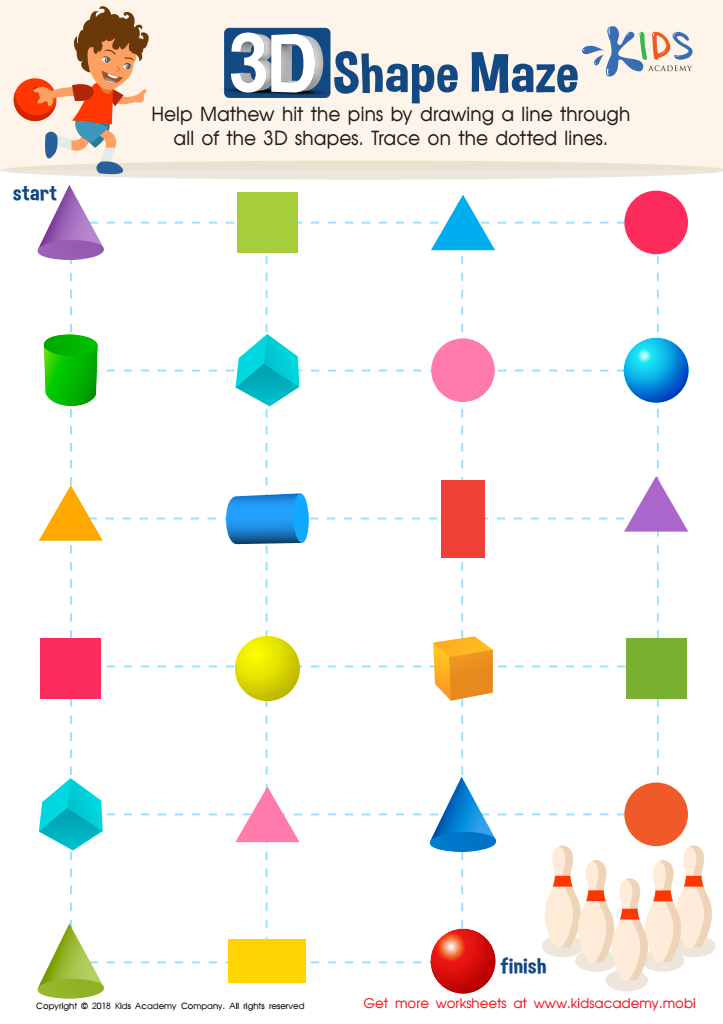
Shapes Maze Geometry Worksheet
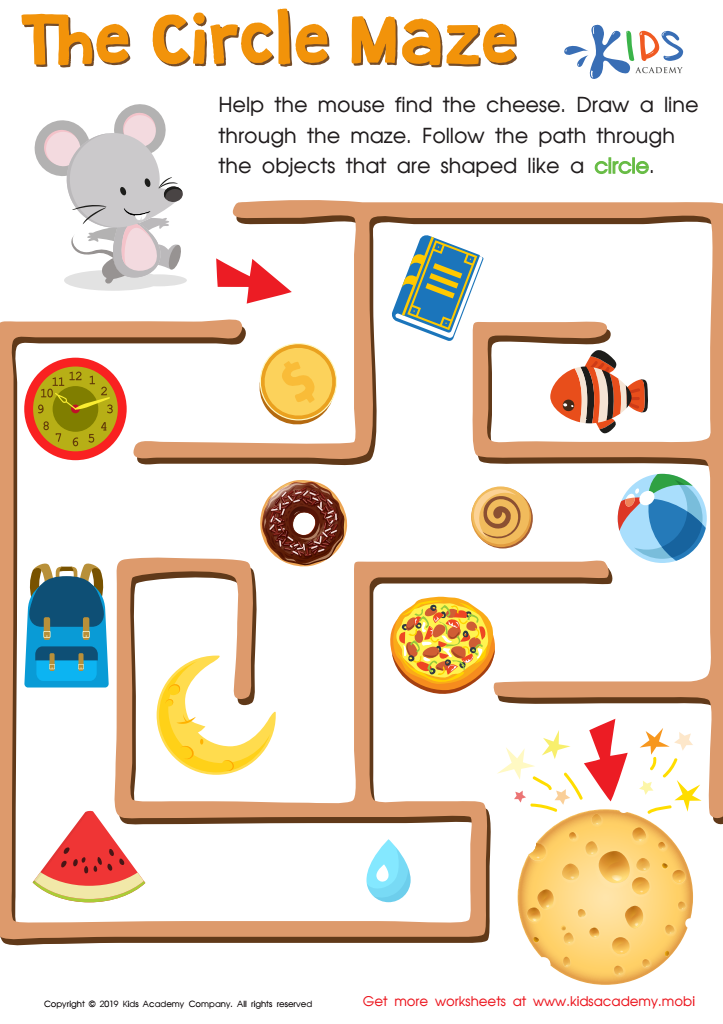
The Circle Maze Worksheet
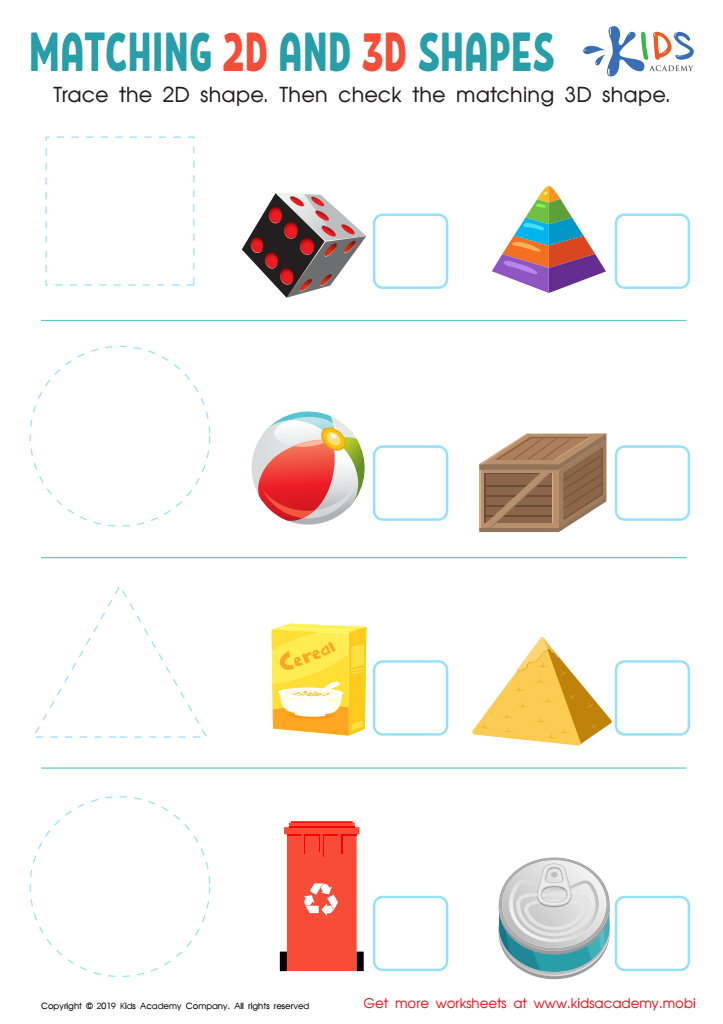
Matching 2D and 3D Shapes Worksheet
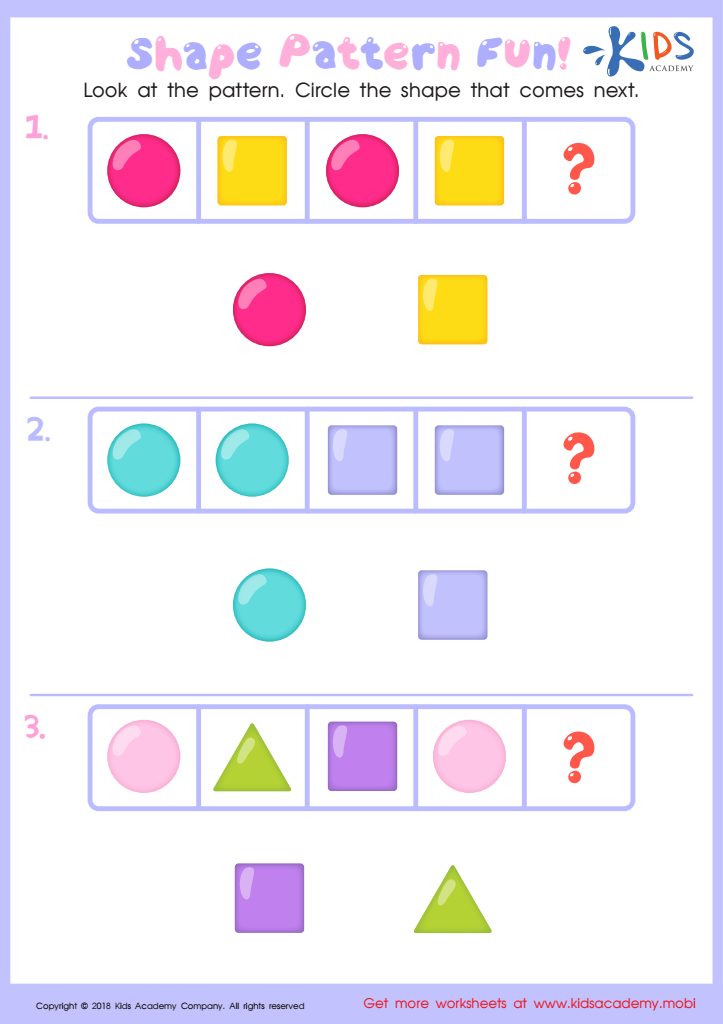
Shape Pattern Fun Worksheet








Developing problem-solving skills in geometry for 4-year-olds is crucial for several reasons. First, early exposure to geometric concepts lays a solid foundation for mathematical understanding. At this age, children are naturally curious and tend to explore shapes and spatial relationships intuitively. Engaging them in problem-solving activities can enhance their cognitive skills and promote logical thinking.
Additionally, geometry at a young age helps to strengthen fine motor skills through activities like drawing shapes, building with blocks, or cutting paper shapes. These hands-on experiences also improve their ability to conceptualize and visualize space, which is essential for later learning in advanced mathematics.
Moreover, problem-solving fosters perseverance and resilience. As children tackle geometric challenges, they learn to approach problems, think critically, and explore different solutions. These skills are valuable not only in mathematics but also in everyday life.
Furthermore, integrating geometry into play encourages social interaction and collaboration with peers, enhancing their communication skills. Parents and teachers who focus on geometric problem-solving provide children with tools that transcend academics and support overall development, making them better equipped for future learning and life experiences. Thus, nurturing these skills today sets them up for success tomorrow.








