Number identification Worksheets for Ages 5-6
17 filtered results
-
From - To
Enhance your child's numeracy skills with our engaging Number Identification Worksheets designed for ages 5-6! These worksheets introduce young learners to recognize and differentiate numbers through fun and interactive exercises. Activities include tracing, filling in the blanks, and matching numbers to objects, ensuring a well-rounded approach to learning. Ideal for both classroom use and at-home practice, our worksheets aim to build confidence and reinforce foundational math skills. With vibrant visuals and age-appropriate challenges, your child will enjoy mastering number identification while developing essential cognitive abilities. Download and watch your little one blossom into a budding mathematician today!
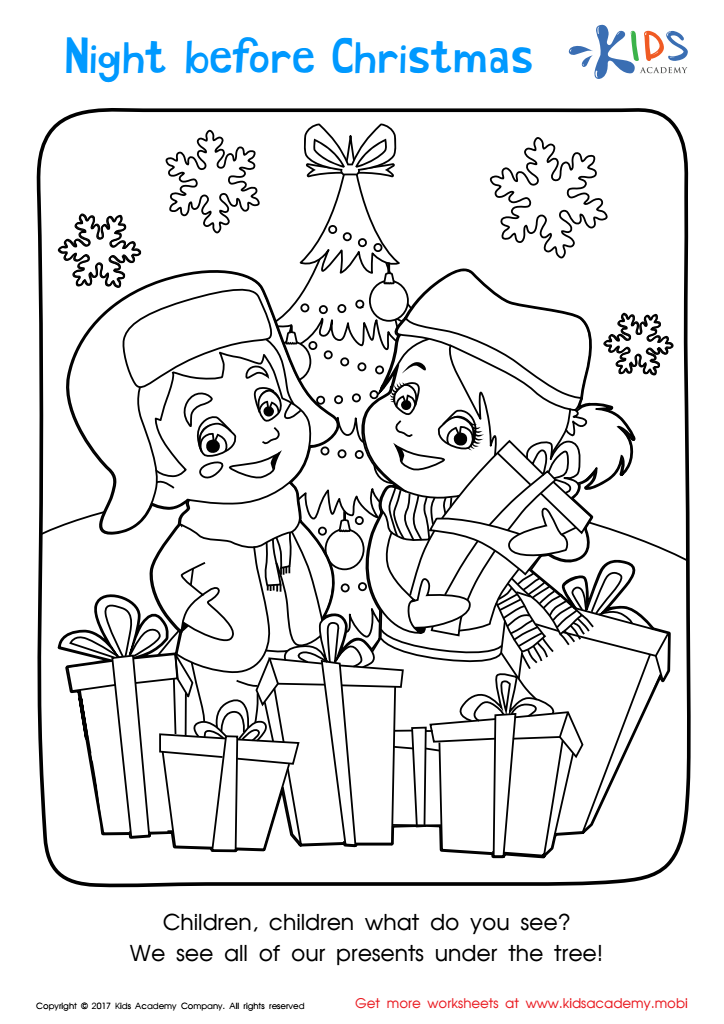
Christmas: Night Before Christmas Printable
 Assign to My Students
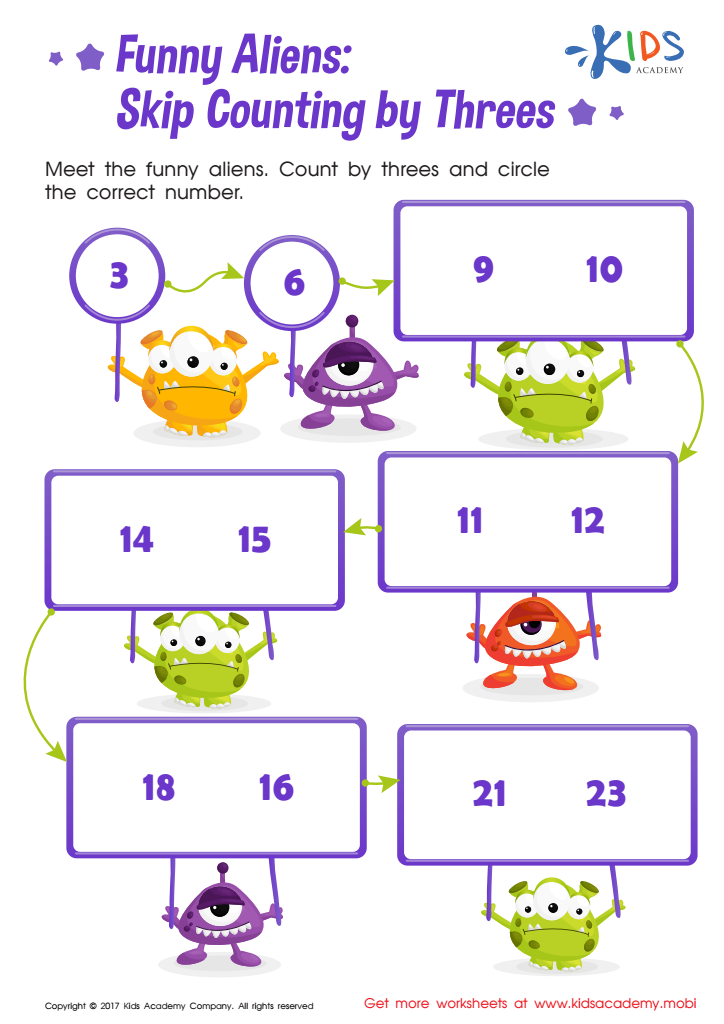
Skip Counting by 3s: Funny Aliens Printable
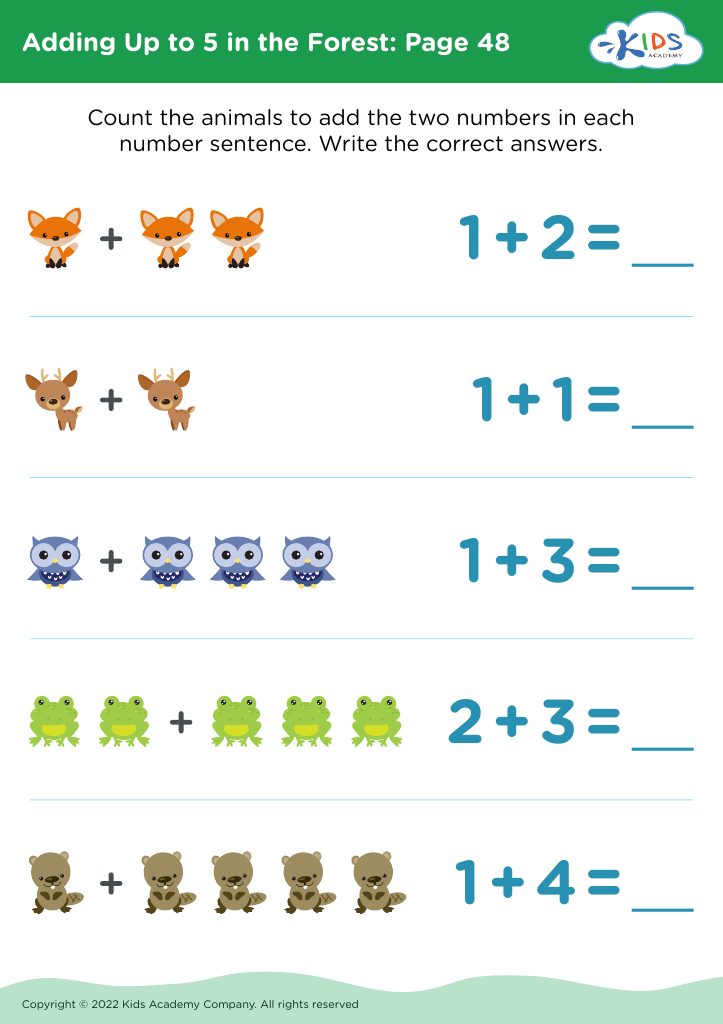
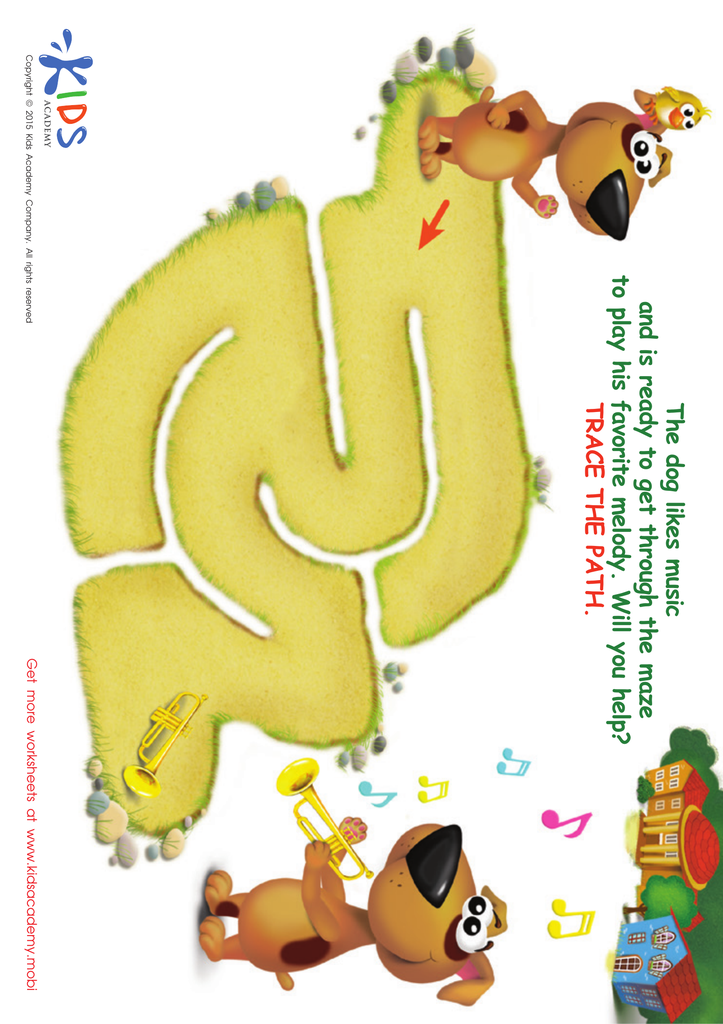
Trumpeter Maze Worksheet
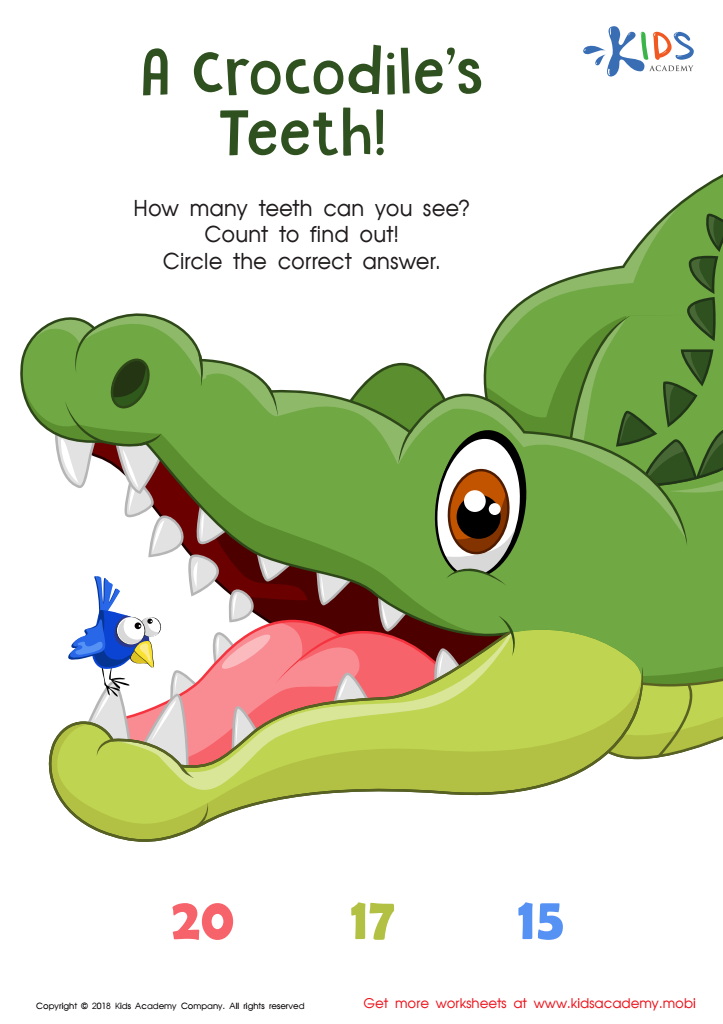
A Crocodile's Teeth Worksheet
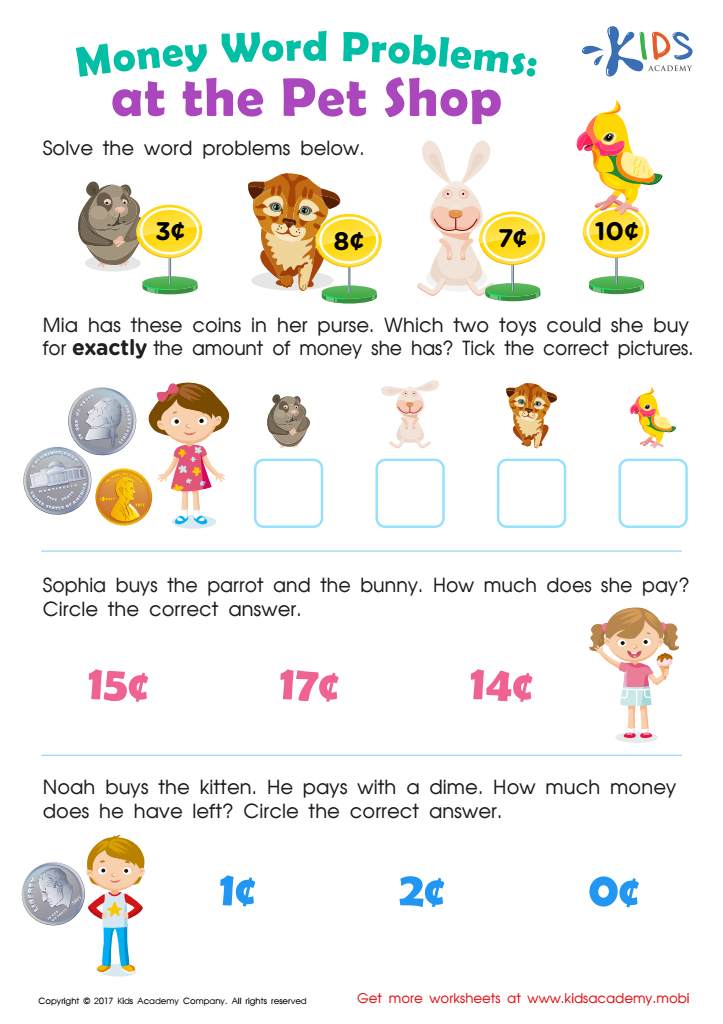
Pet Shop Worksheet

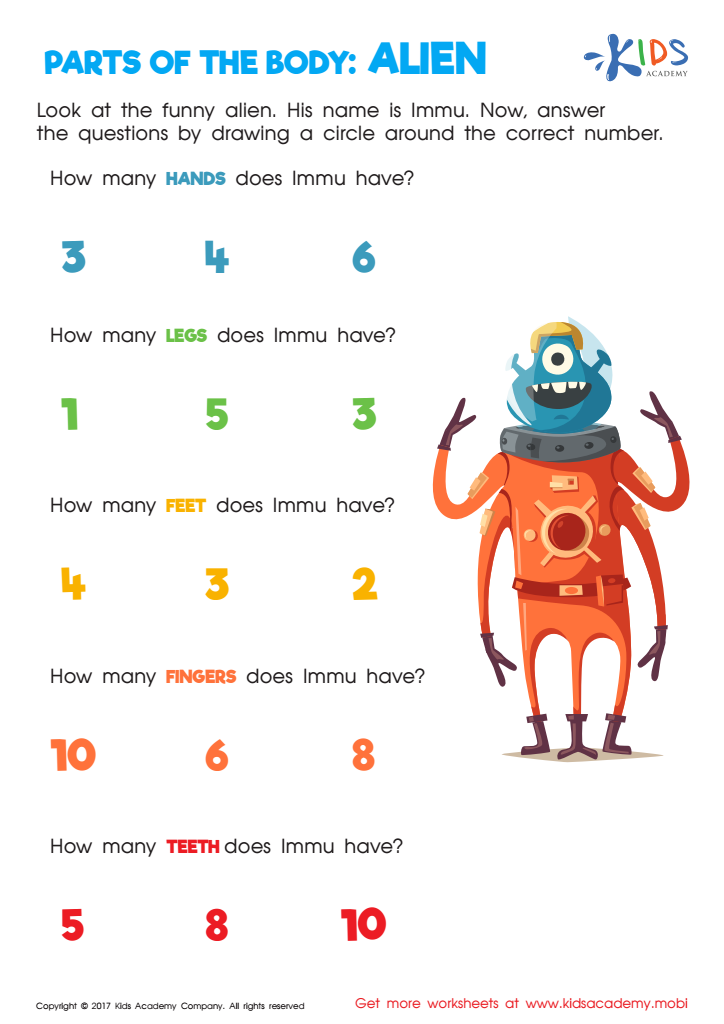
Alien Worksheet
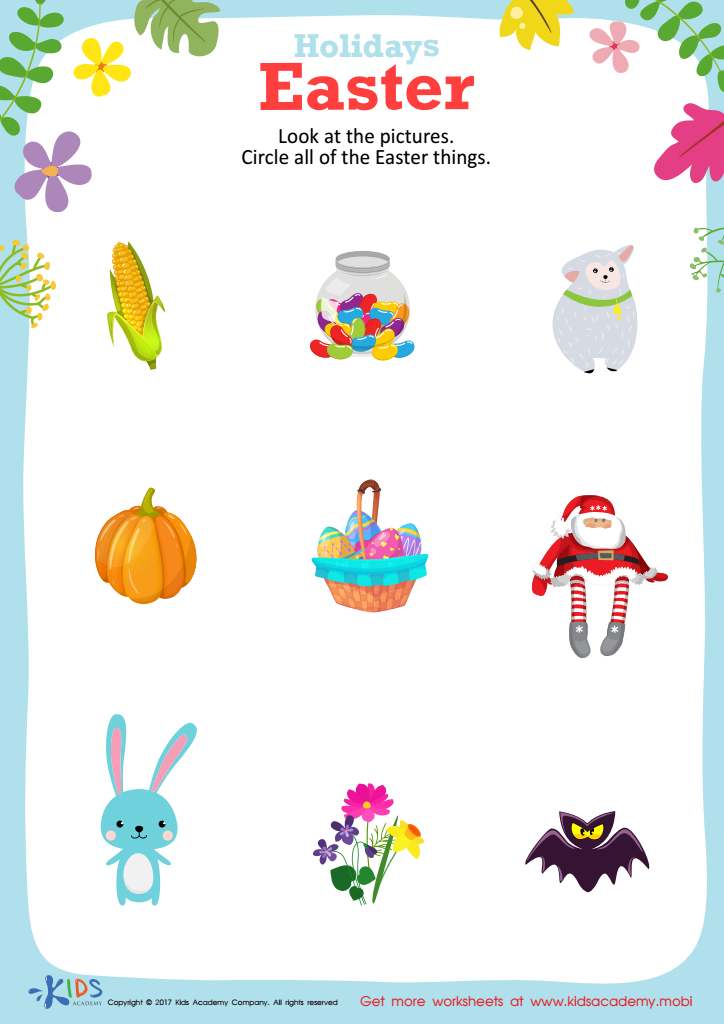
Easter Holiday Printable
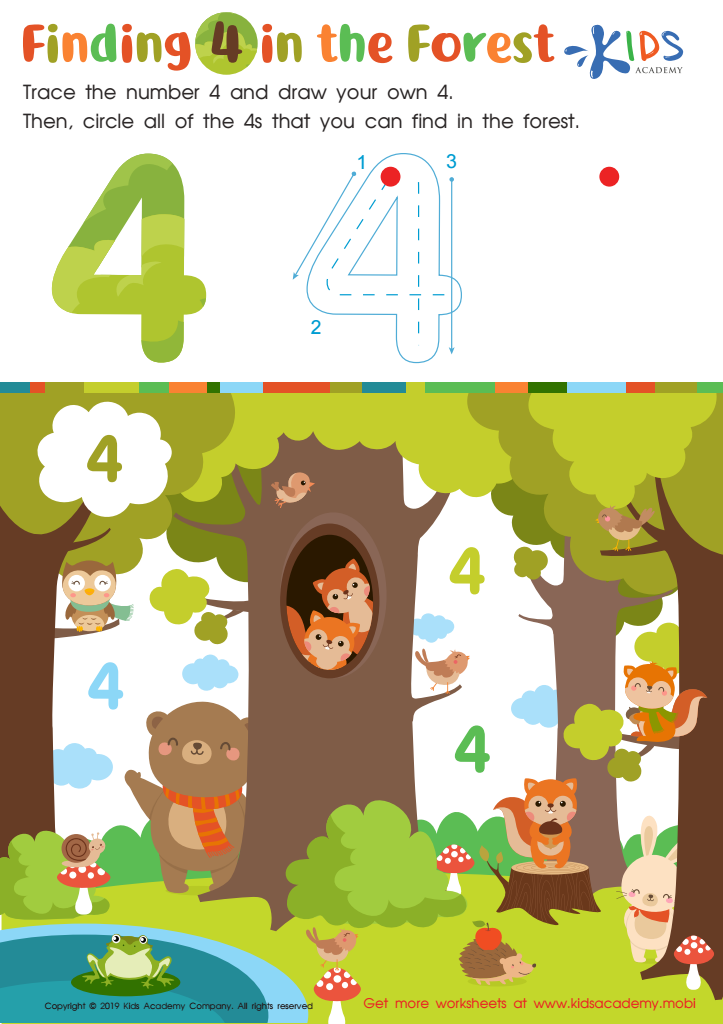
Finding 4 in the Forest Worksheet

Easter: Easter Eggs Worksheet
Assign to My Students
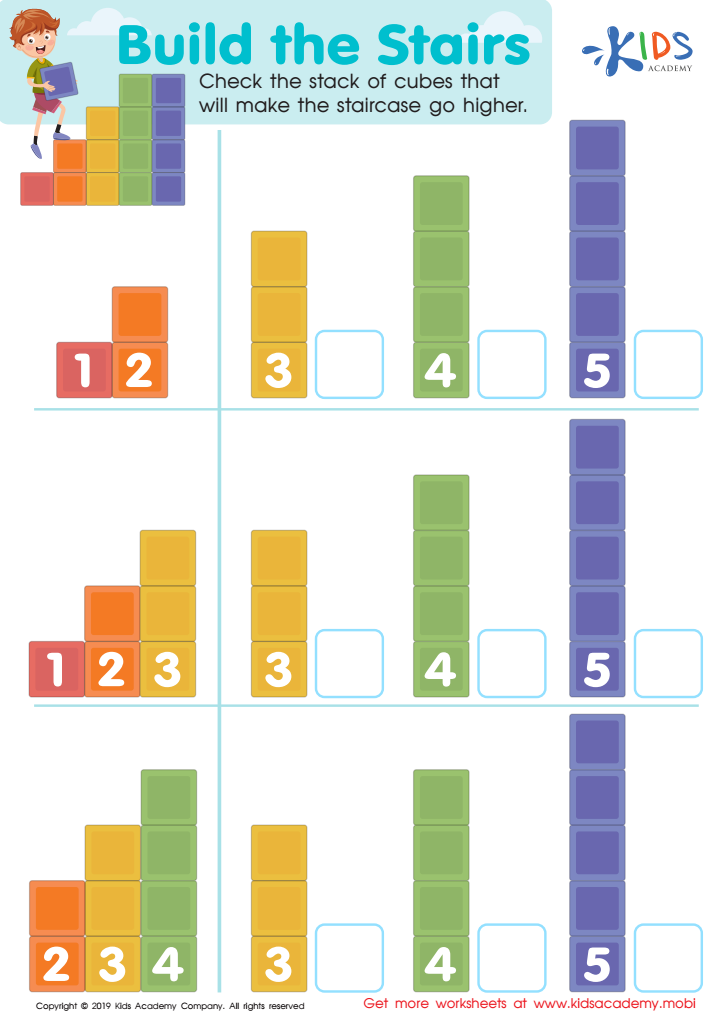
Build the Stairs Worksheet
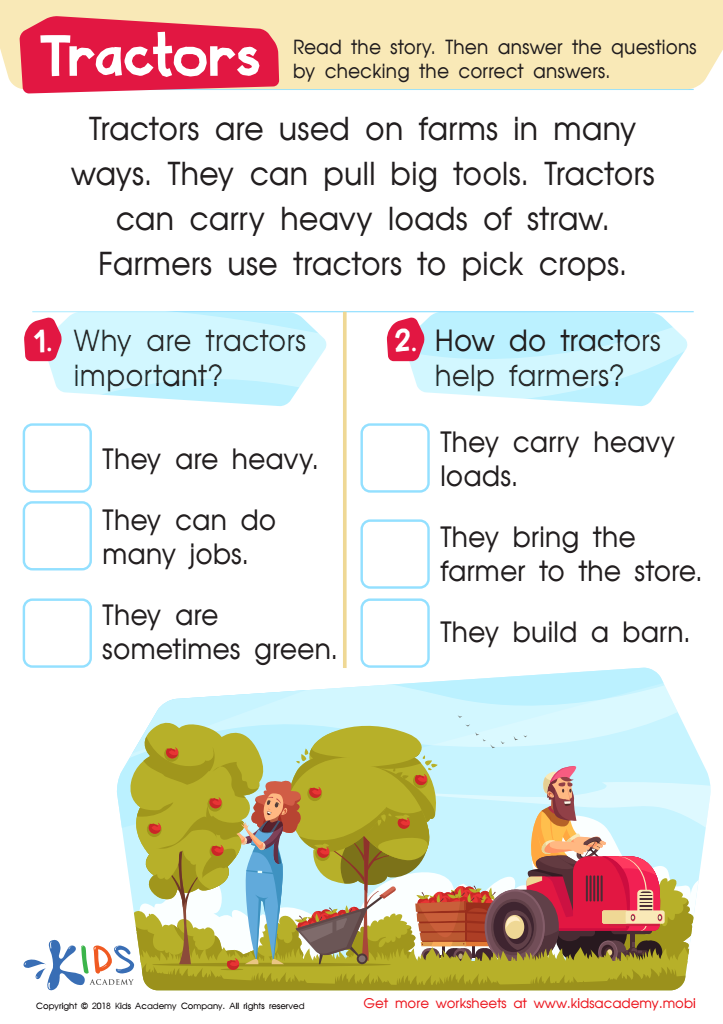
Tractors Worksheet
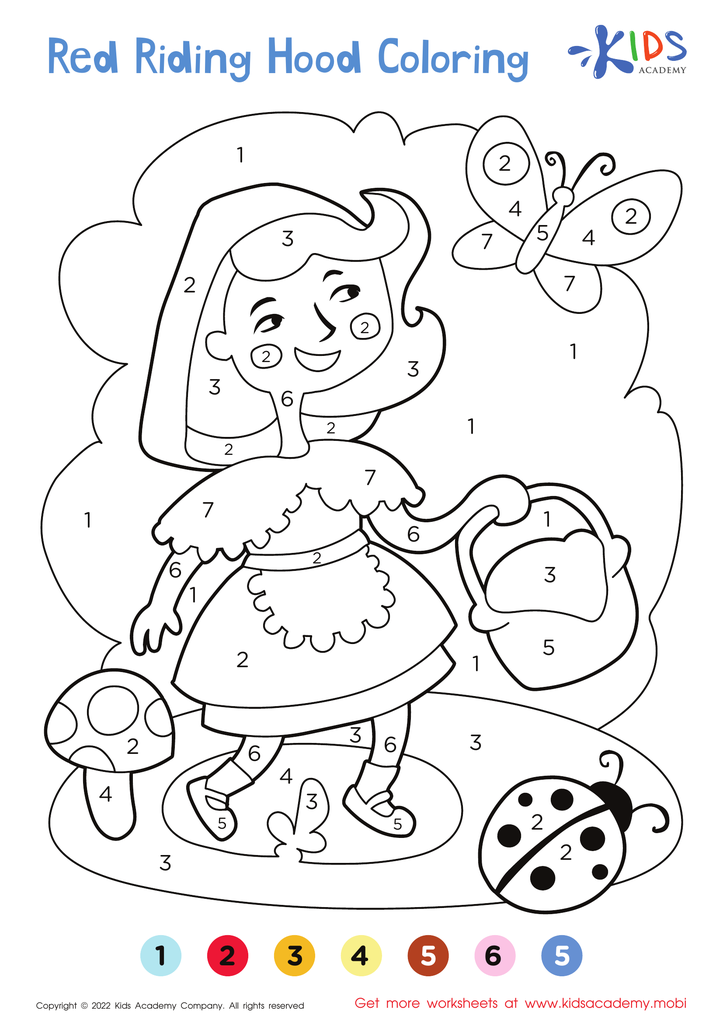
Little Red Riding Hood – Coloring by Numbers








Number identification is a crucial foundational skill for children aged 5-6 as it lays the groundwork for their future mathematical learning and overall academic success. At this early stage, children are developing their cognitive abilities and learning how to make sense of the world around them. Understanding numbers is fundamental for various daily activities and problem-solving skills that children will encounter throughout their lives.
For parents and teachers, fostering number identification helps children build confidence and motivation in their learning journey. When children can recognize and understand numbers, they become more equipped to tackle more complex mathematical concepts such as addition, subtraction, and even time management in later years. Moreover, integrating number identification in playful, engaging ways—like counting objects during playtime or using educational games—encourages a positive attitude toward math.
Furthermore, strong number recognition skills can enhance children's listening and concentration skills, as they learn to discriminate among different visual representations of numbers. By prioritizing number identification, parents and teachers play an instrumental role in ensuring that children develop essential skills that will benefit them academically and socially, paving the way for lifelong learning and problem-solving abilities.








