Pattern recognition Worksheets for Ages 5-6
25 filtered results
-
From - To
Unlock your child's potential with our Pattern Recognition Worksheets for ages 5-6. Expertly crafted by Kids Academy, these engaging, printable resources aim to enhance critical thinking and mathematical reasoning. Perfect for early learners, our worksheets feature fun activities that teach sequencing, shape identification, and color sorting. Your child will enjoy solving puzzles and matching items, fostering a love for learning while boosting their cognitive and problem-solving skills. Tailored to align with educational standards, our pattern recognition worksheets support school readiness and build a solid foundation for future learning. Explore our vibrant collection today and watch your child thrive!
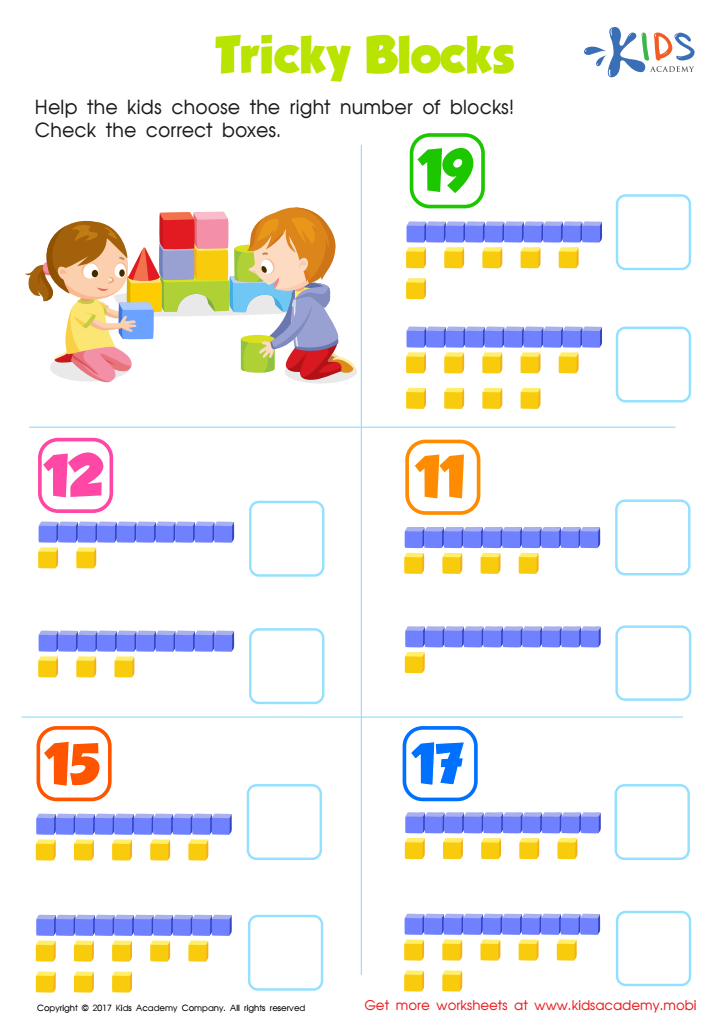
Tricky Blocks Worksheet
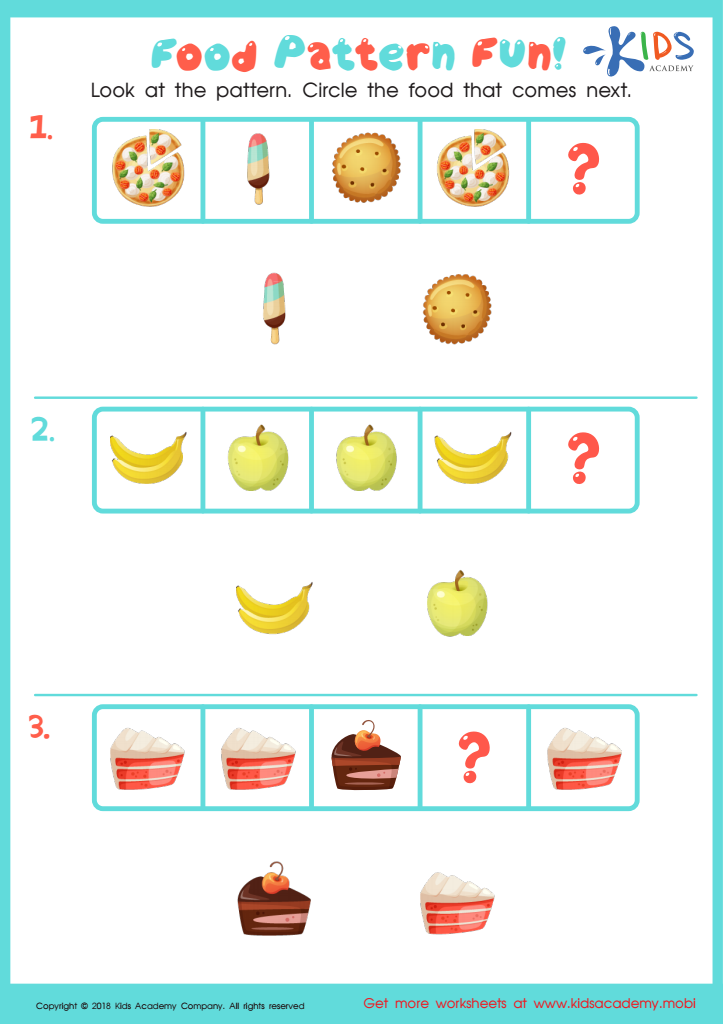
Food Pattern Fun Worksheet
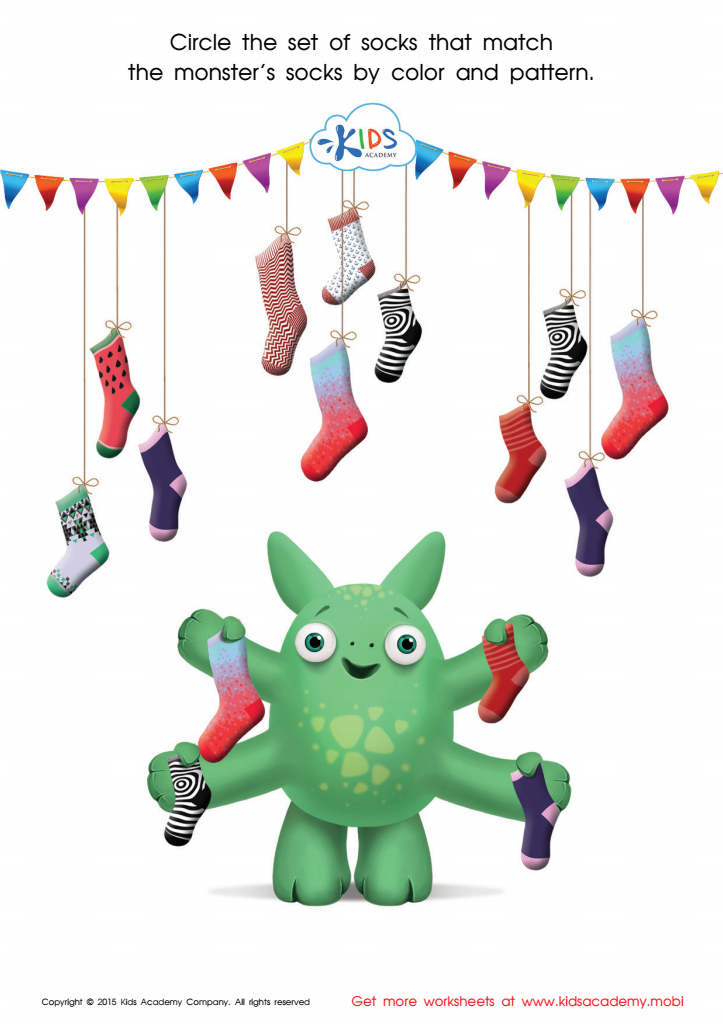
Sort the Monster's Socks Worksheet
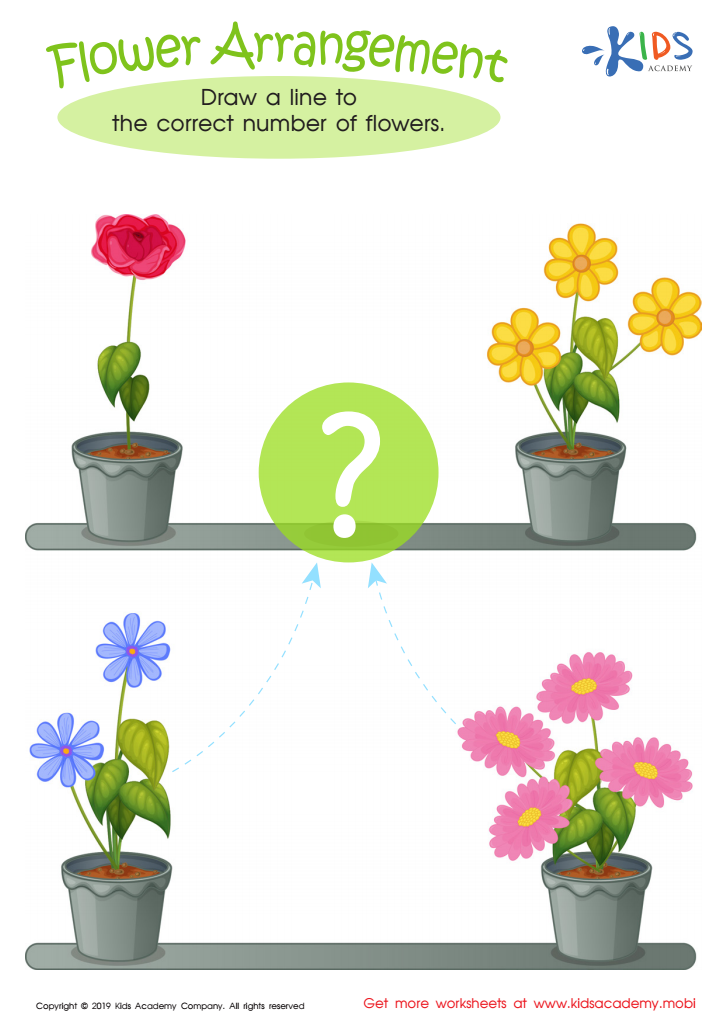
Flower Arrangement Worksheet
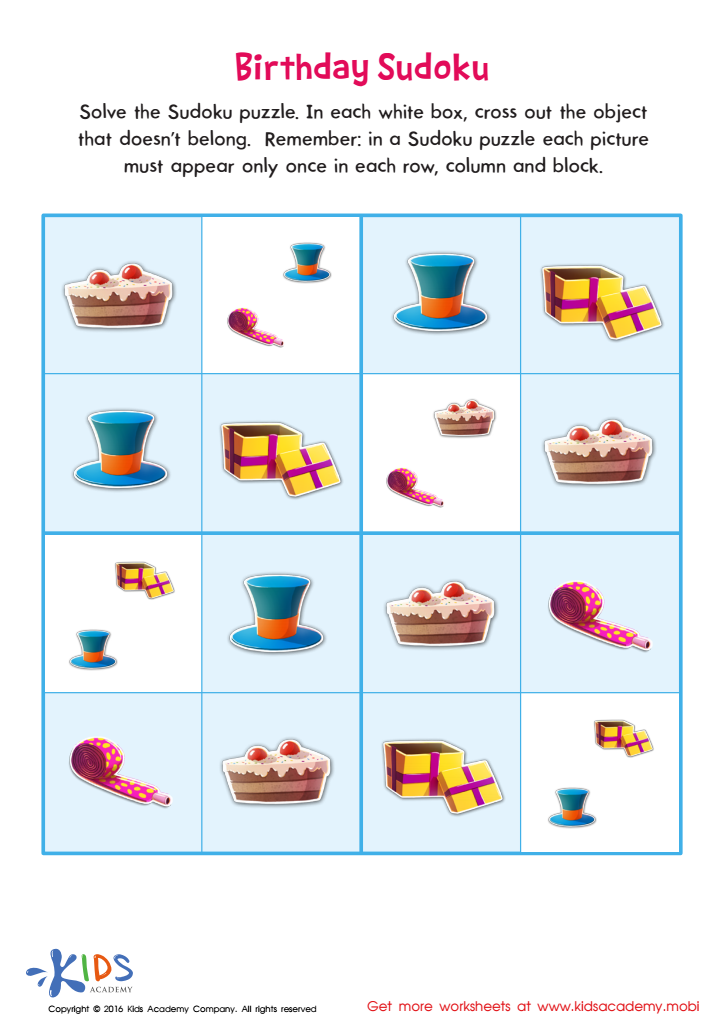
Birthday Sudoku Sorting Worksheet
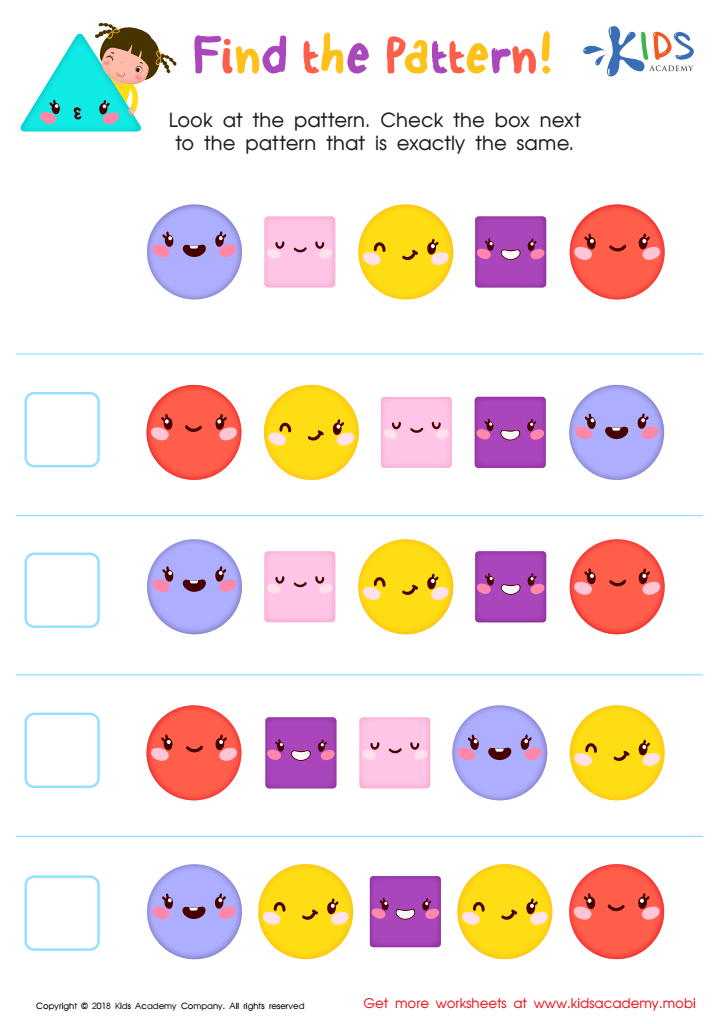
Find the Pattern Worksheet
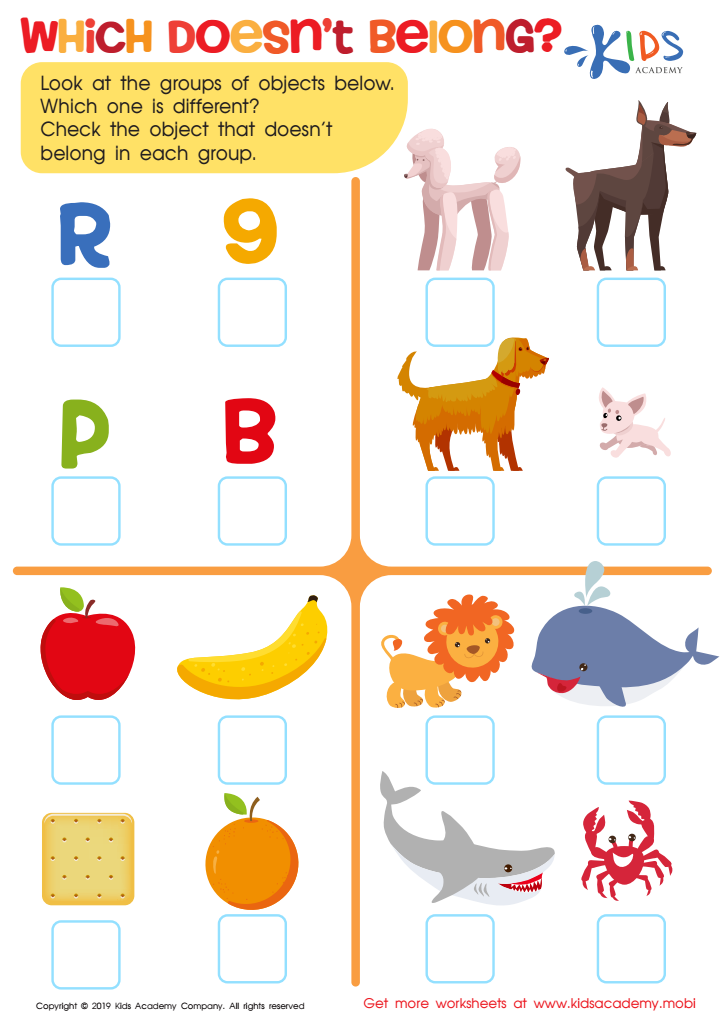
Which Doesn't Belong? Worksheet
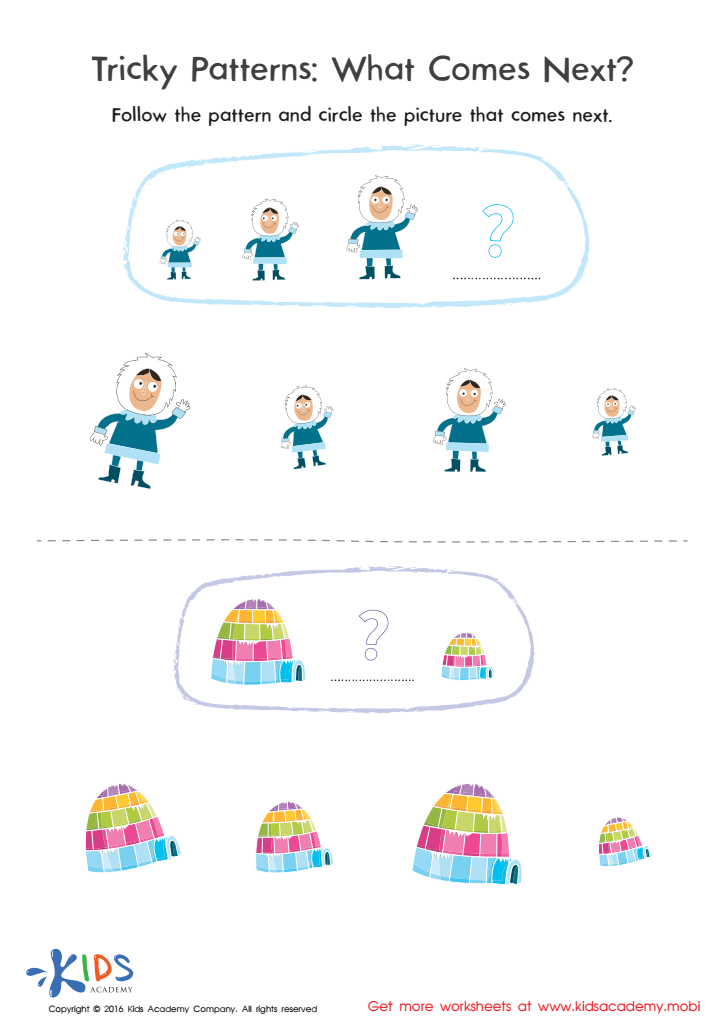
Tricky Patterns Size Worksheet
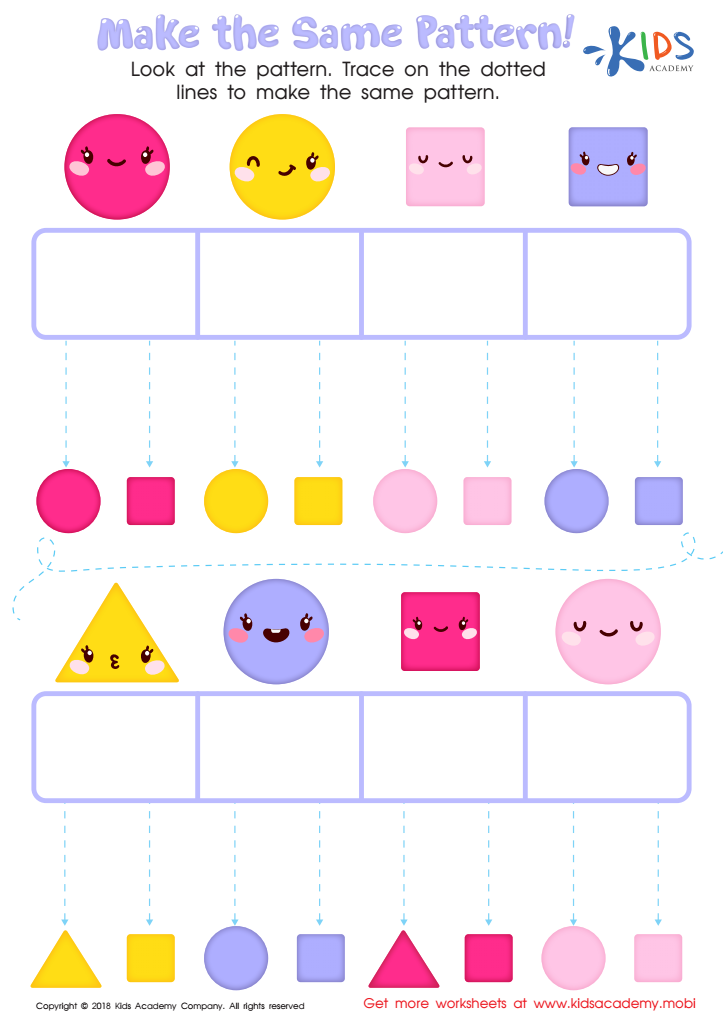
Make the Same Pattern Worksheet
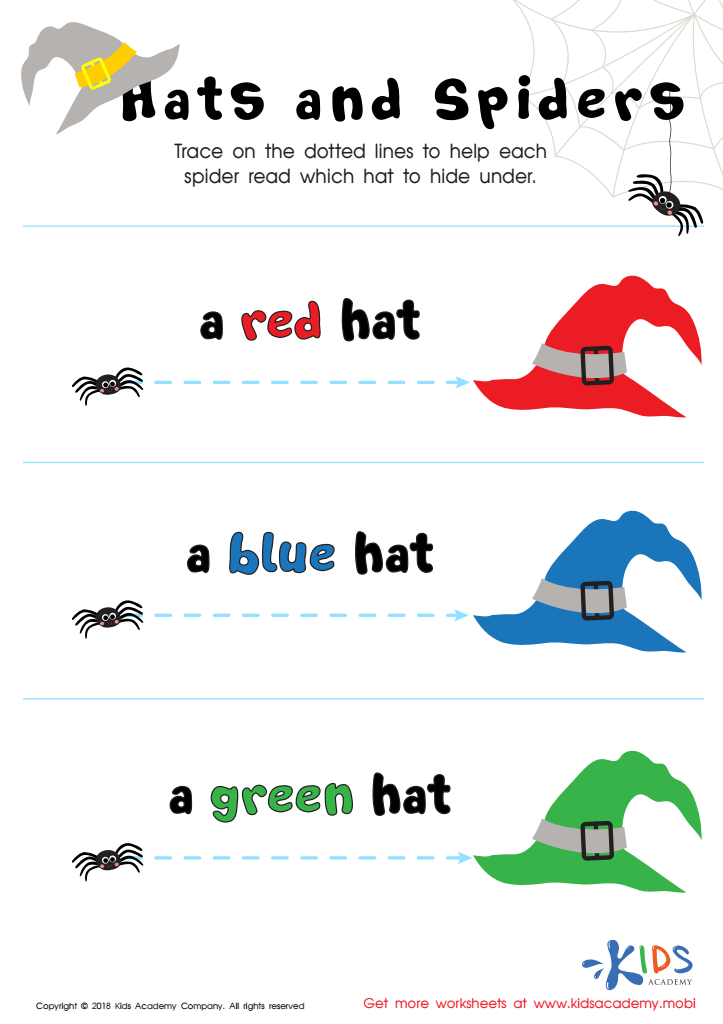
Read from Left to Right: Hats and Spiders Worksheet
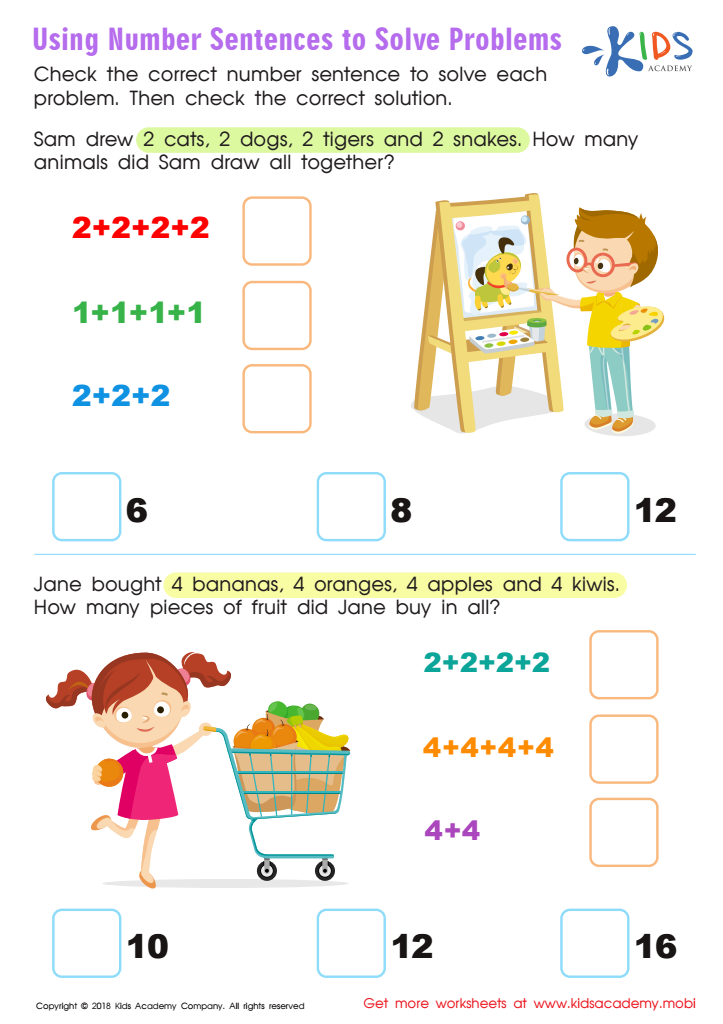
Using Number Sentences to Solve Problems Worksheet
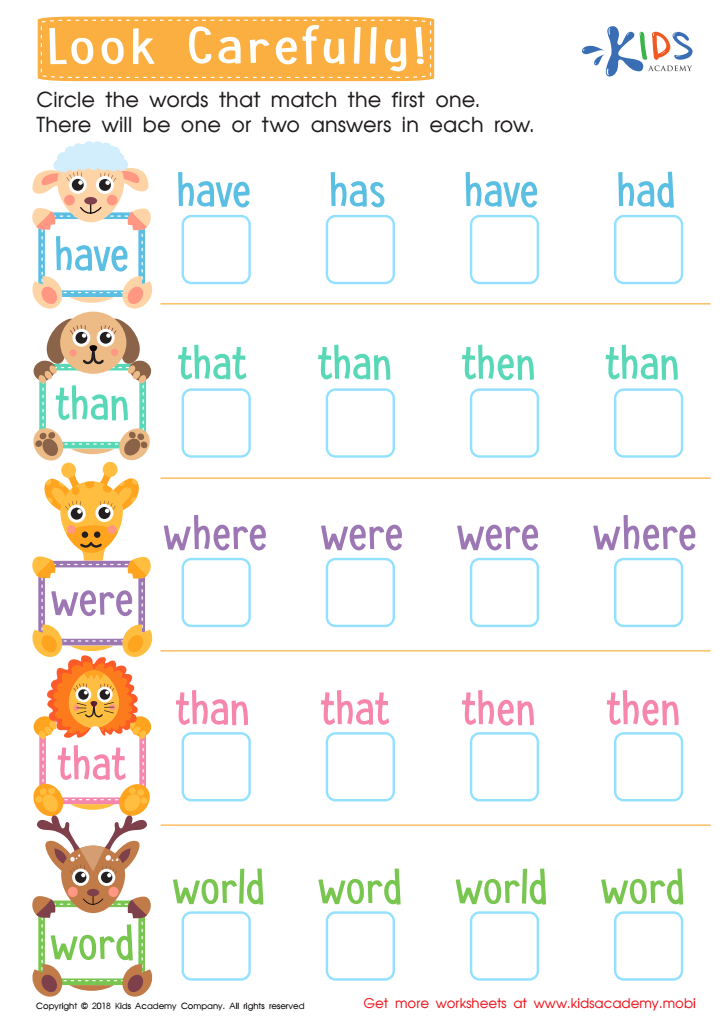
Look Carefully Worksheet
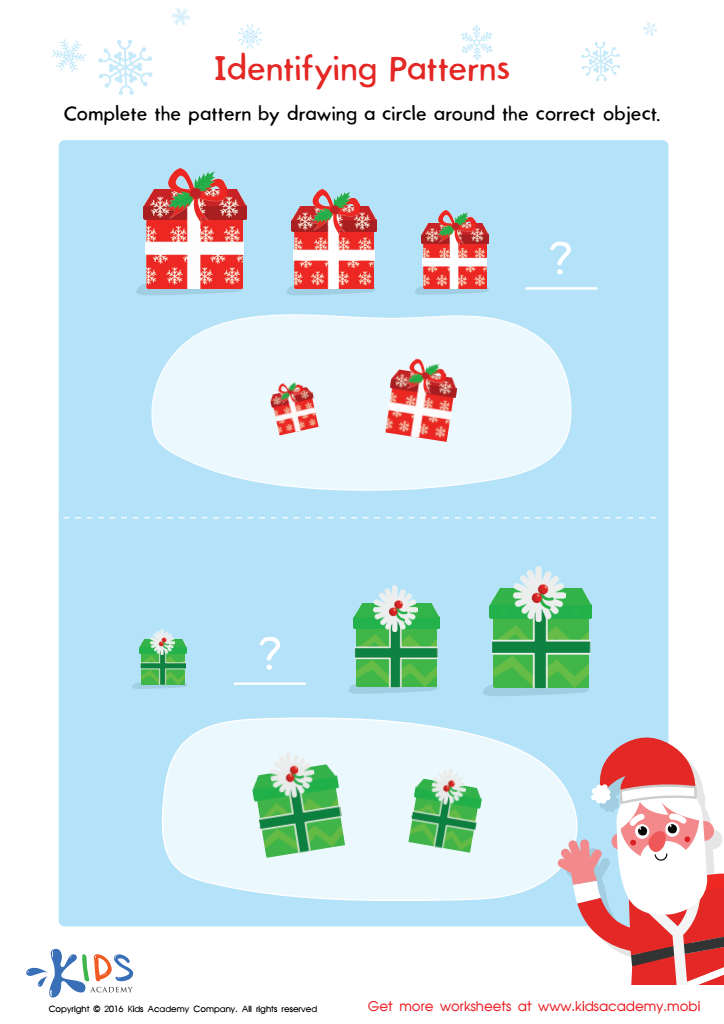
Identifying Patterns Worksheet
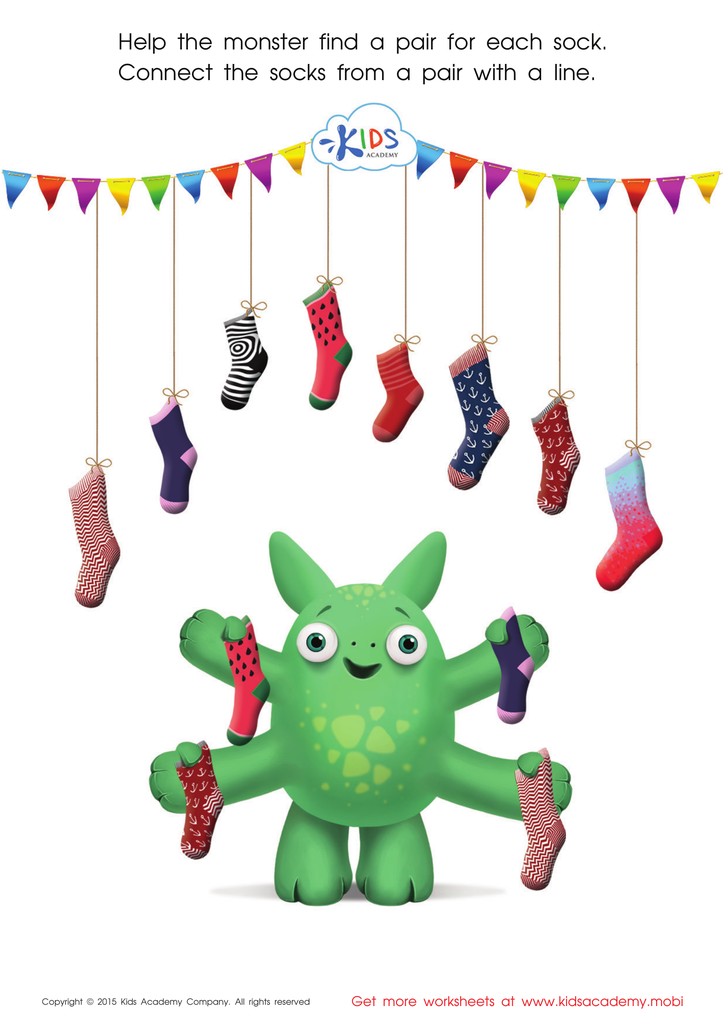
Math Matching Game: Monsterв's Socks Worksheet
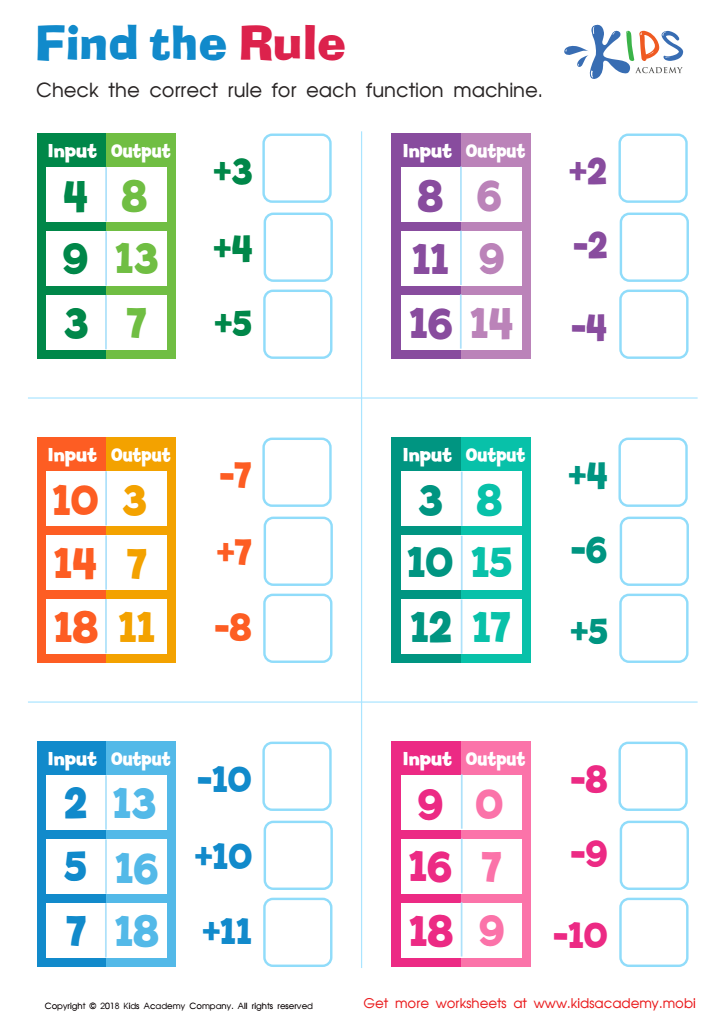
Find the Rule Worksheet
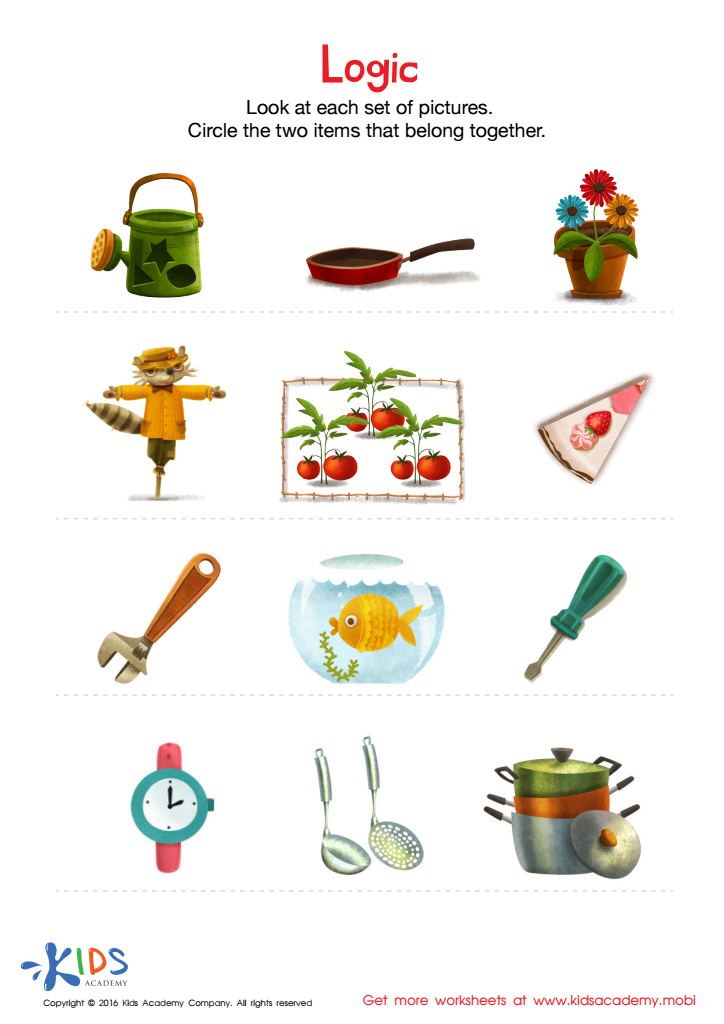
Logic Game Sorting Worksheet
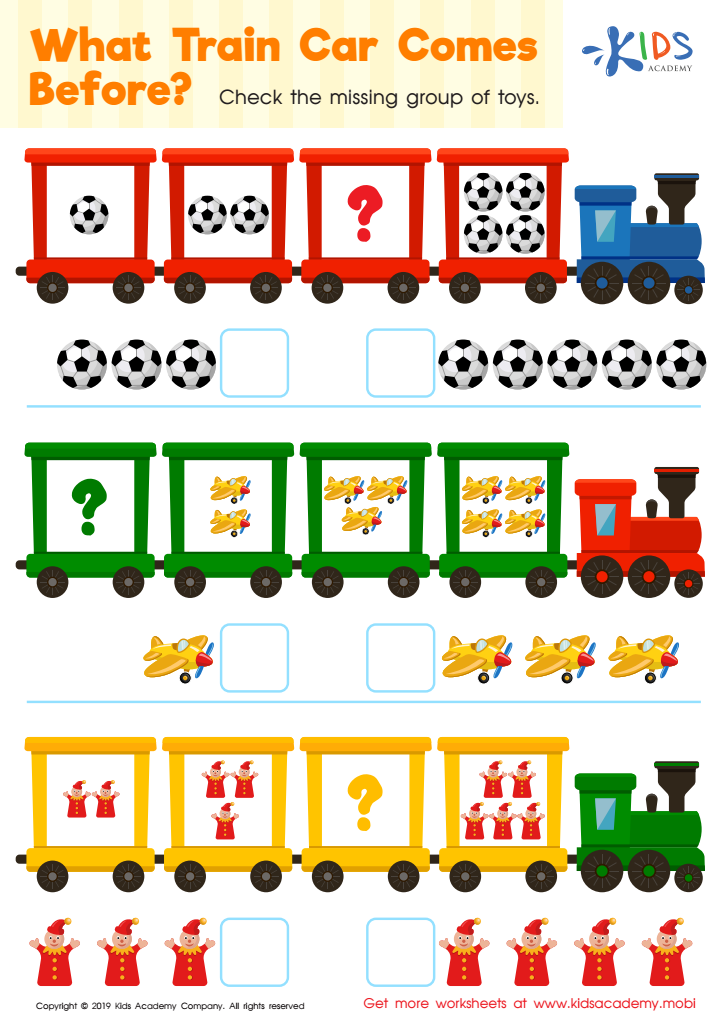
What Train Car Comes Before? Worksheet
Christmas: Christmas Tree Printable
 Assign to My Students
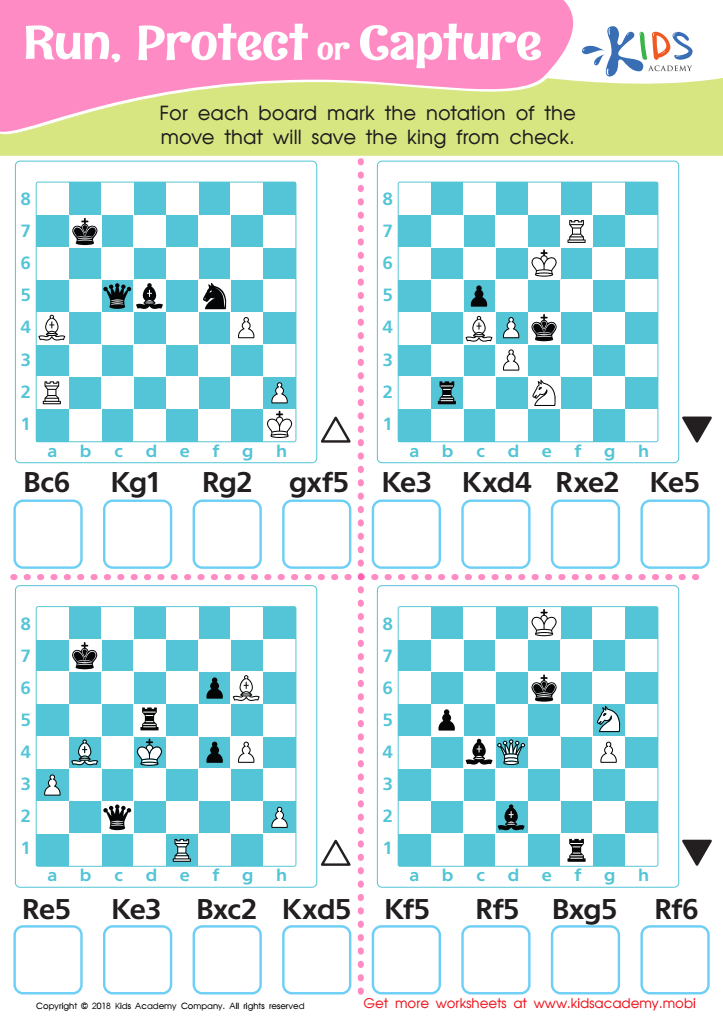
Run, Protect or Capture Worksheet
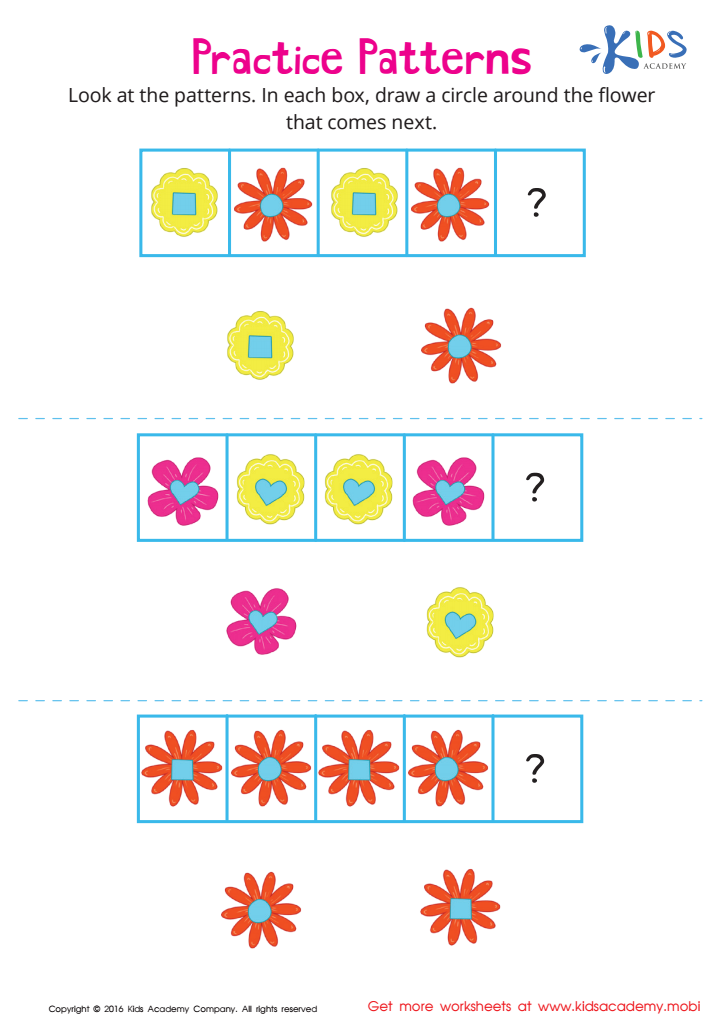
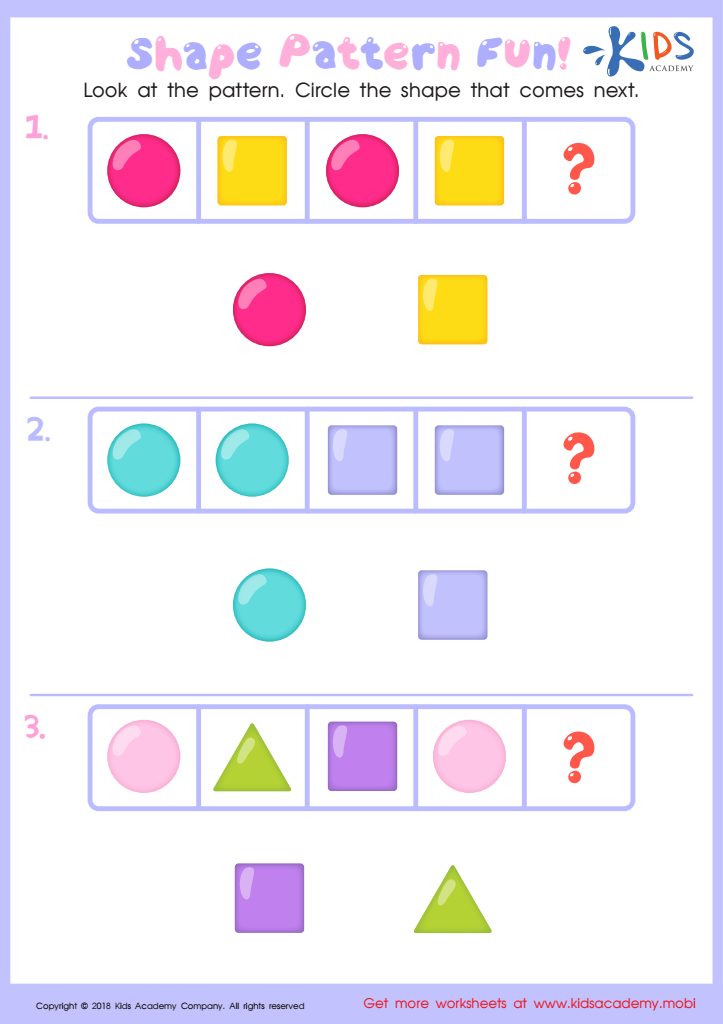
Shape Pattern Fun Worksheet
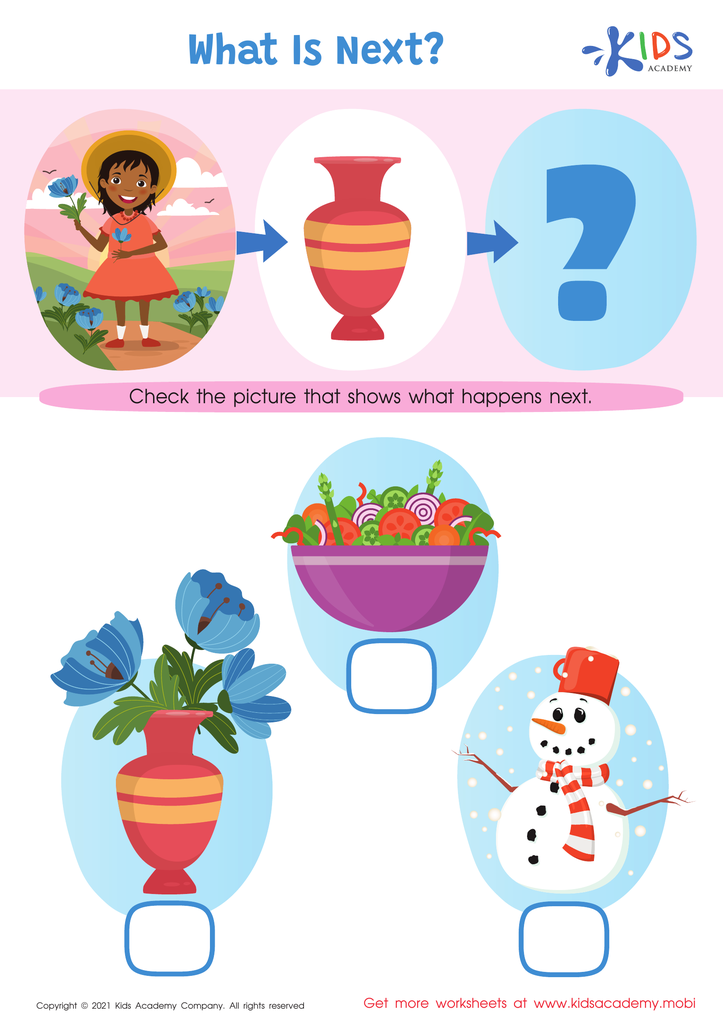
What is Next? Worksheet
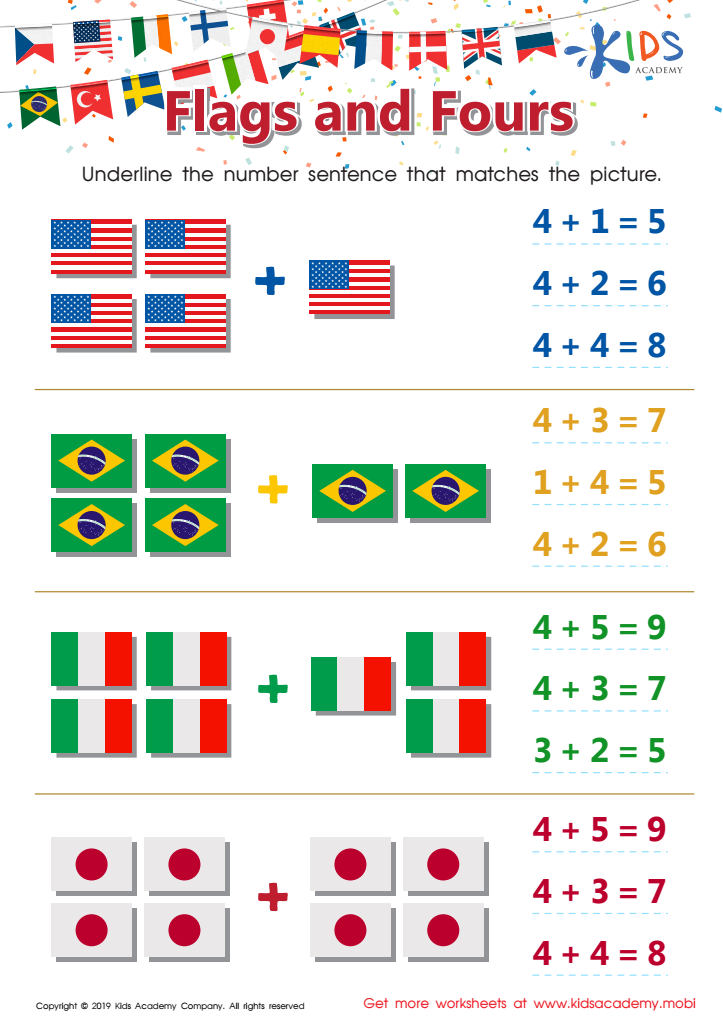
Flags and Fours Worksheet
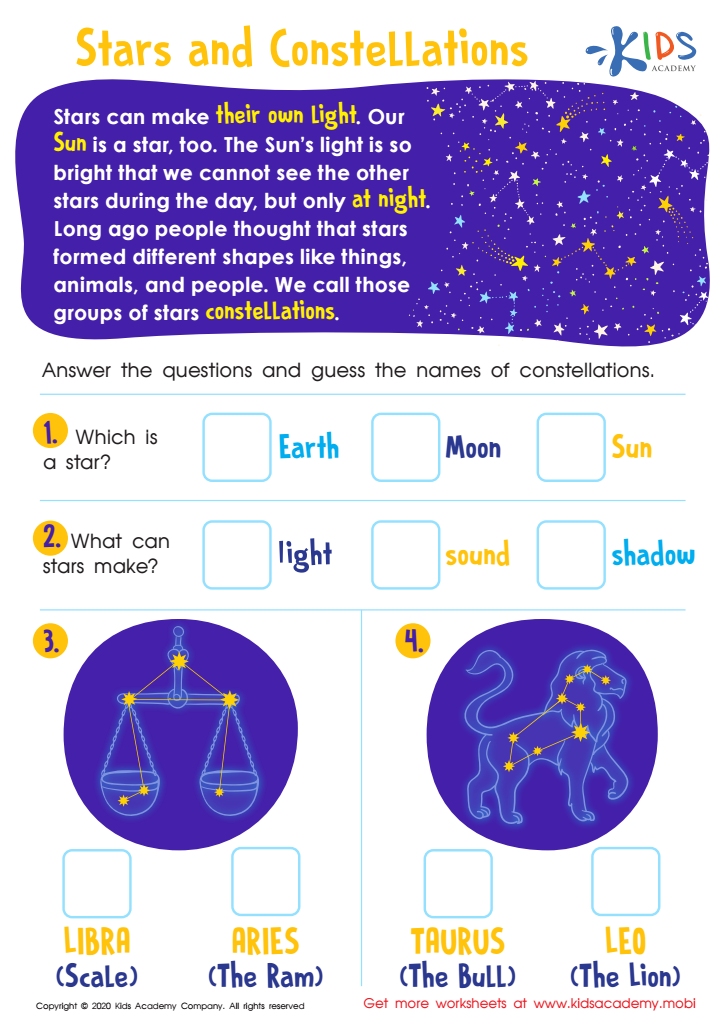
Stars and Constellations Worksheet








Pattern recognition is a fundamental skill that parents and teachers should particularly focus on for children aged 5-6. At this developmental stage, kids are incredibly receptive to learning new concepts and routines, making it the perfect time to introduce them to this essential skill.
Pattern recognition helps improve critical thinking and problem-solving abilities. When children identify patterns, they learn to predict what comes next, enhancing their logical reasoning. This method of thinking translates to other academic areas such as math, where recognizing numerical patterns is foundational for understanding concepts like addition, subtraction, and multiplication.
Additionally, pattern recognition benefits literacy. Recognizing alphabetic patterns aids in phonics, an essential skill in learning to read and write. Rhyming patterns in songs and poems can make language learning more engaging and memorable.
Socially, recognizing routines and patterns in day-to-day activities helps children feel more secure. Understanding sequences—like the steps involved in getting ready for school or the order of events in a story—provides a sense of structure, boosting their confidence and independence.
Ultimately, fostering pattern recognition in young children lays a strong foundation for academic success and life skills. Making this skill a priority helps equip them with the tools needed for more complex thinking and learning in their future education.








