Reading comprehension Consonants Worksheets for Ages 5-7
7 filtered results
-
From - To
Enhance your child's reading skills with our Reading Comprehension Consonants Worksheets for Ages 5-7. These engaging worksheets focus on recognizing and understanding consonants, helping young learners improve their reading comprehension. Each activity is designed to be fun and educational, promoting better letter recognition, sound identification, and word formation. With a variety of exercises, including matching, fill-in-the-blank, and simple sentence reading, your child will build a strong foundation for fluent reading. Ideal for early grade students, these worksheets provide the perfect blend of challenge and enjoyment to keep young minds active and learning.
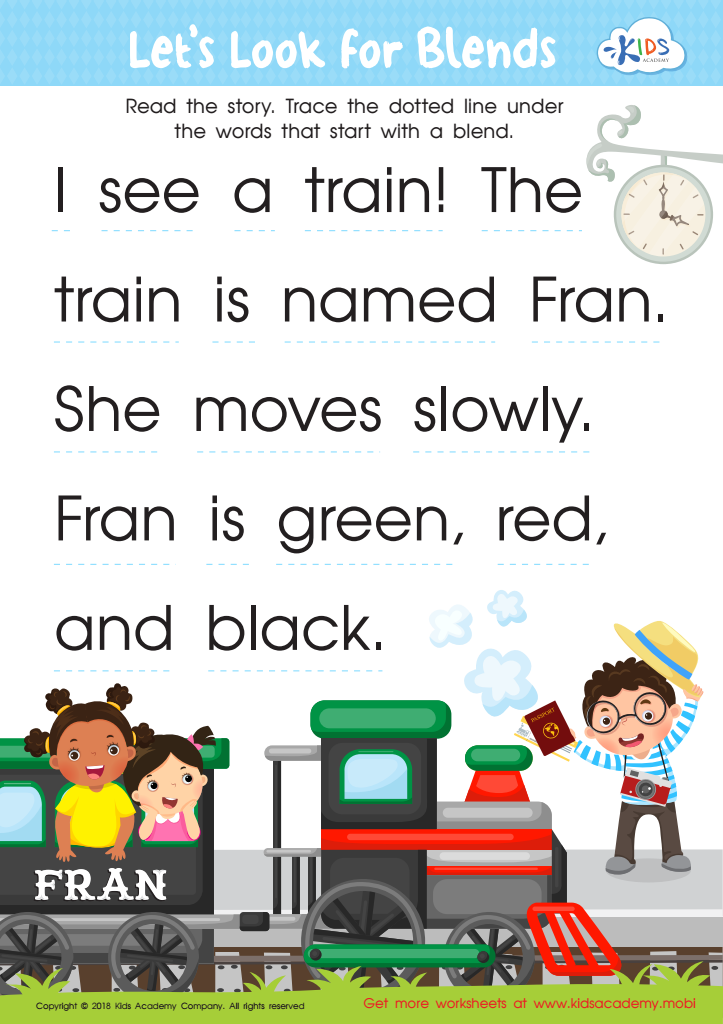
Let's Look for Blends Worksheet
 Assign to My Students
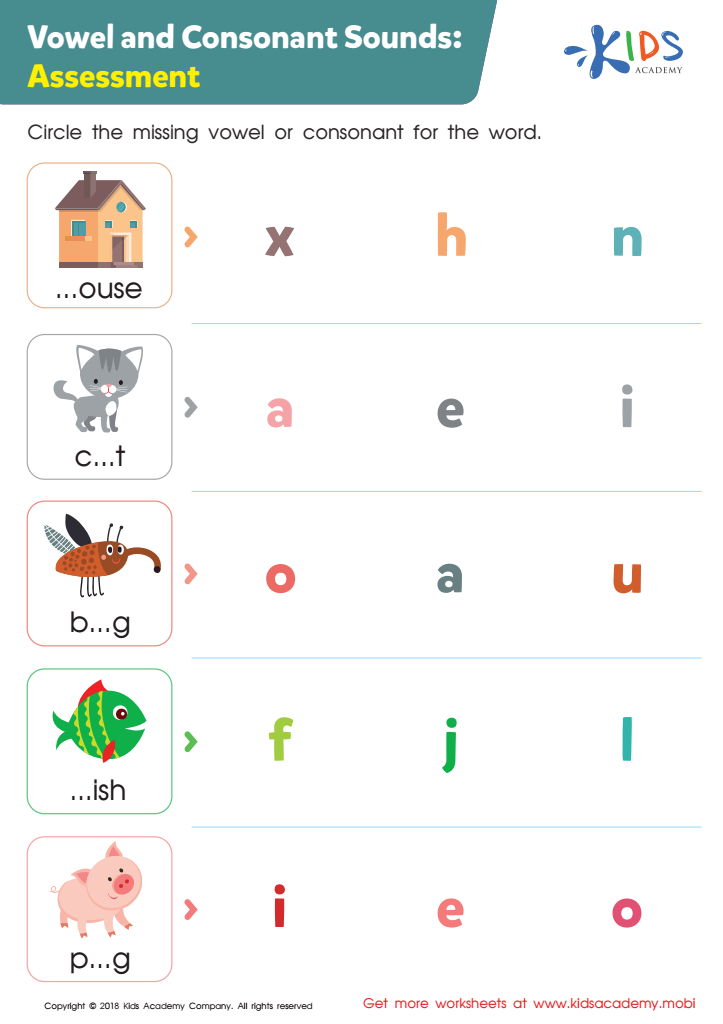
Vowel and Consonant Sounds: Assessment Worksheet
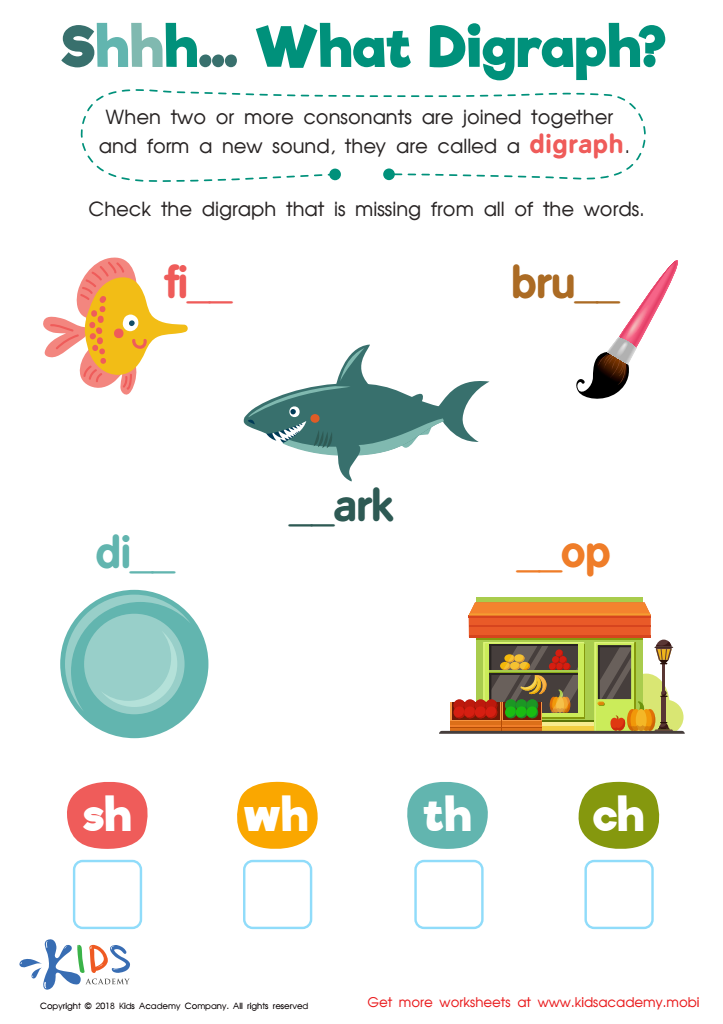
Shhh... What Digraph? Worksheet
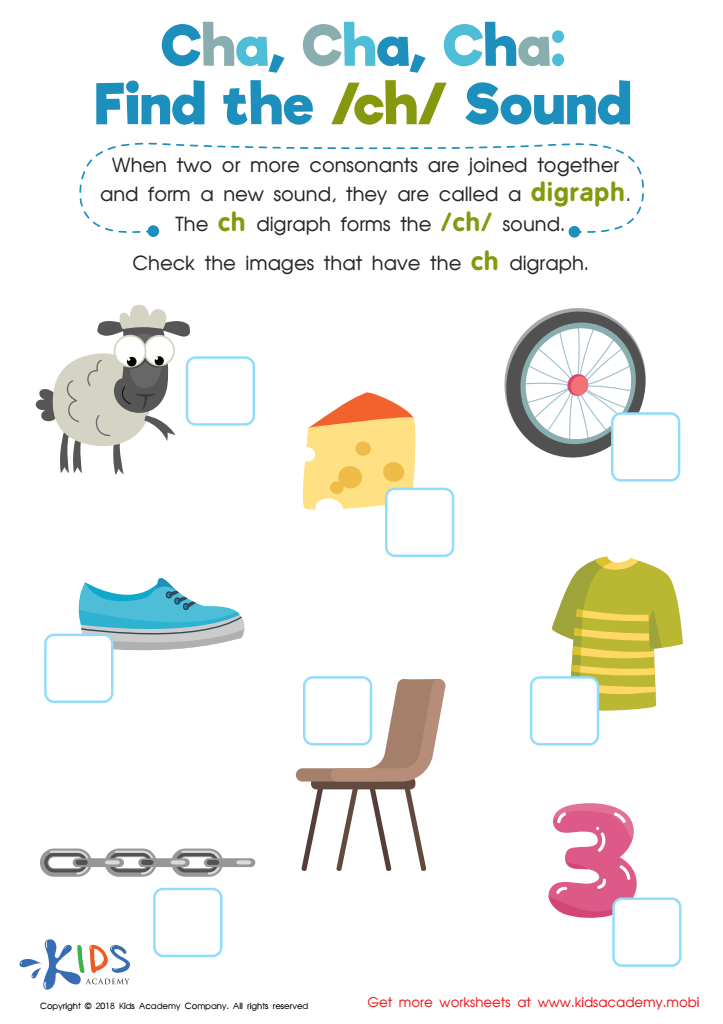
Cha, Cha, Cha: Find the /Ch/ Sound Worksheet
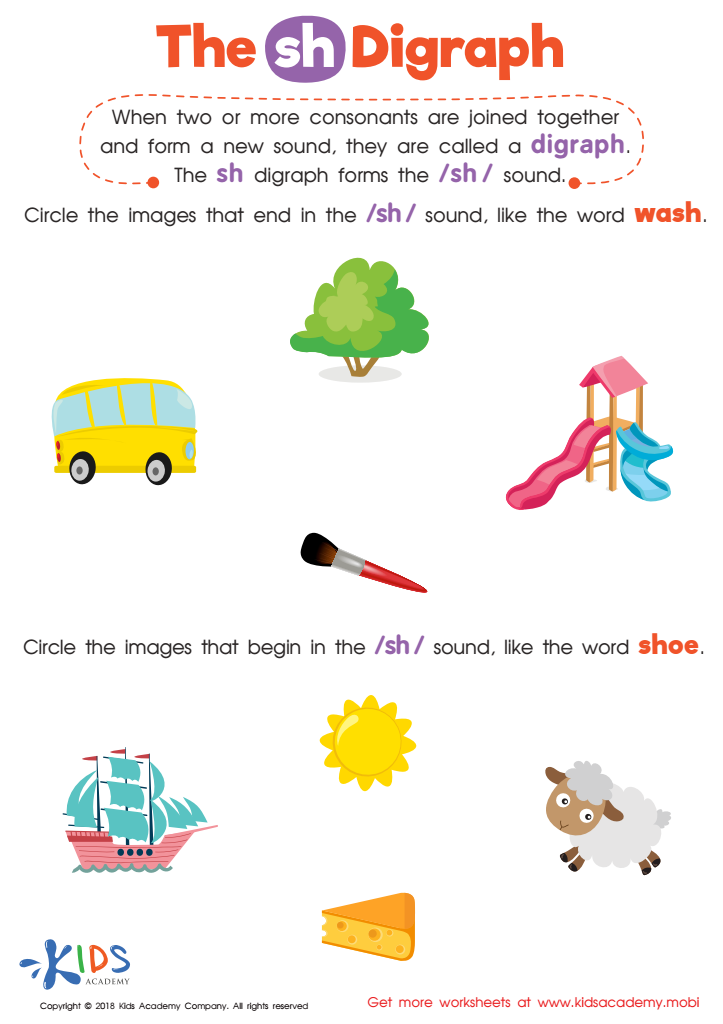
The SH Digraph Worksheet
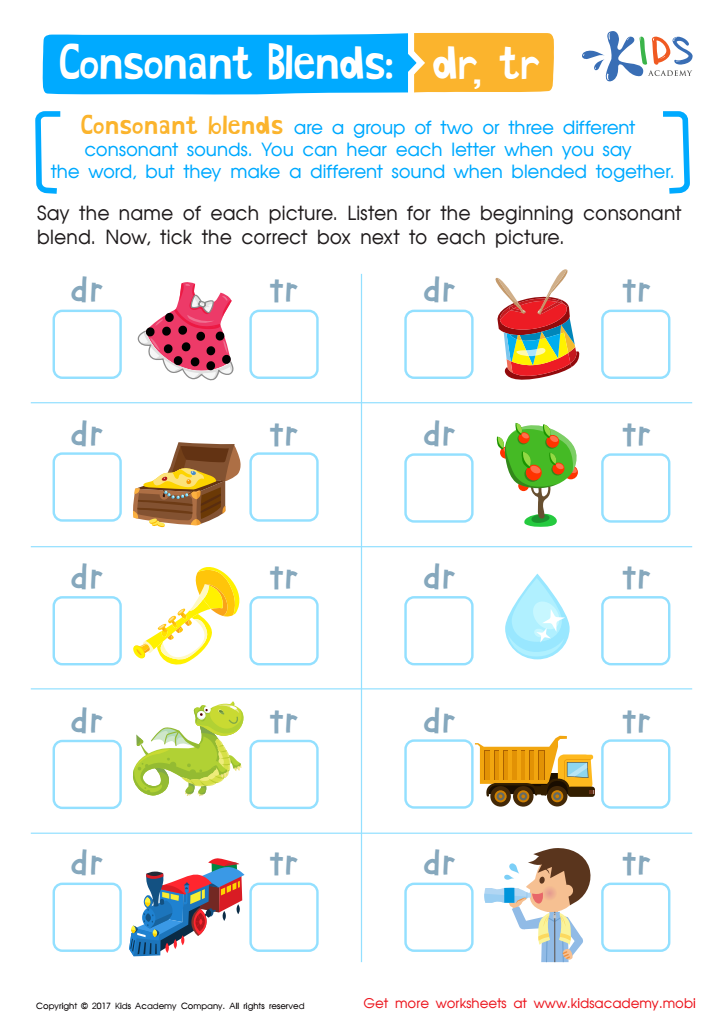
Consonant Blends: "Dr" and "Tr" Printable
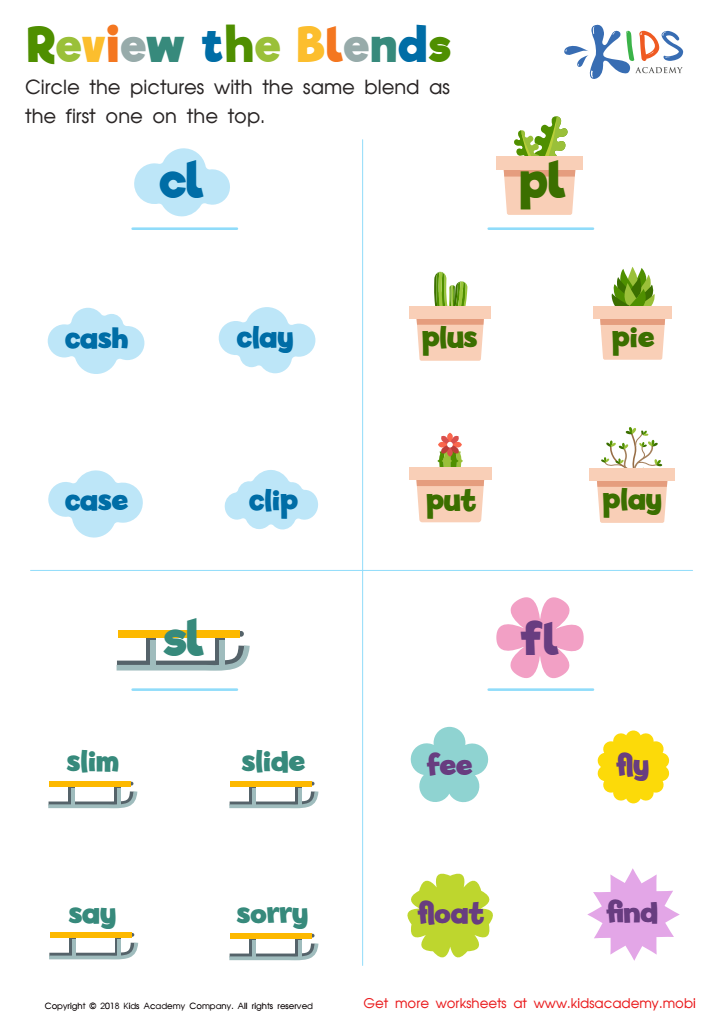
Review the Blends Worksheet



Reading comprehension and early mastery of consonants are fundamental building blocks in the learning journey of children aged 5-7. During these formative years, young learners are developing their linguistic abilities at a rapid pace, and understanding consonants is critical for their reading and writing skills.
Firstly, consonants provide the foundation for decoding words. When children grasp the sound-symbol relationship of consonants, they are better equipped to decipher unfamiliar words, which boosts their reading confidence and fluency. This early decoding skill is essential as it enhances their ability to build vocabulary, enabling them to understand more complex texts over time.
Secondly, strong reading comprehension in these early years sets the stage for academic success across all subjects. If children can effectively understand what they read, they are more likely to succeed in other areas like science, history, and mathematics, where reading and interpreting information is crucial.
Furthermore, oral language skills improve as children learn to pronounce consonants correctly. This not only aids in reading aloud clearly but also in listening and comprehension during verbal instructions or storytelling.
In conclusion, focusing on reading comprehension and consonant recognition at ages 5-7 facilitates lifelong learning, foundational literacy skills, and overall academic growth. Engaged parents and teachers can foster these skills through consistent practice, supportive feedback, and a nurturing learning environment.







