Fine Motor Skills Alphabet Worksheets for Ages 5-7 - Page 4
83 filtered results
-
From - To
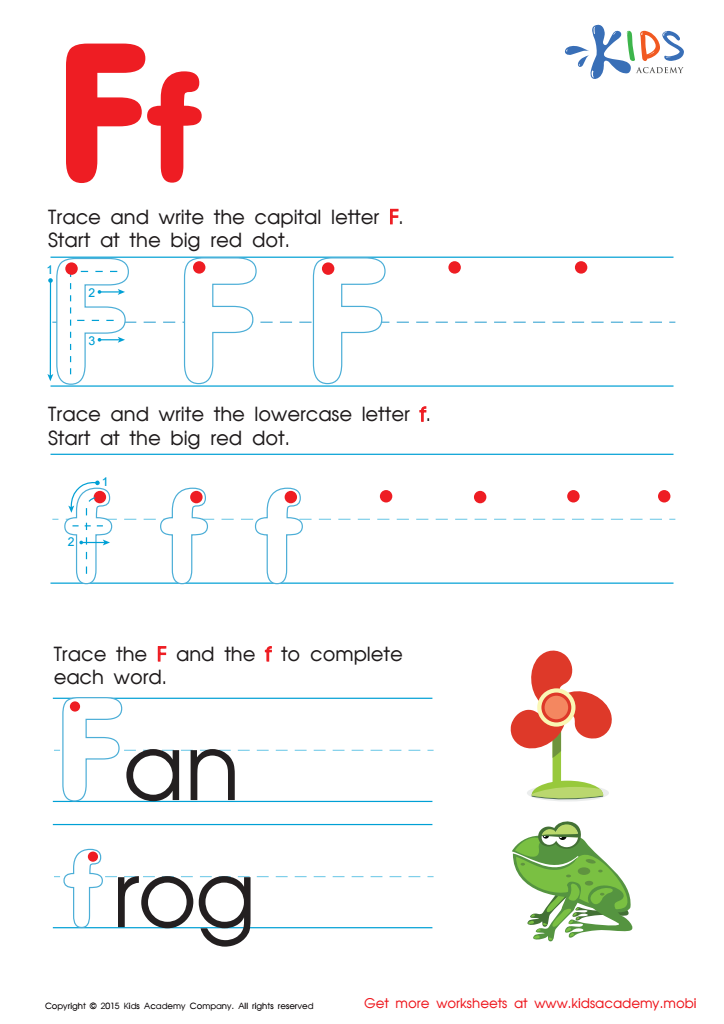
Letter F Tracing Page
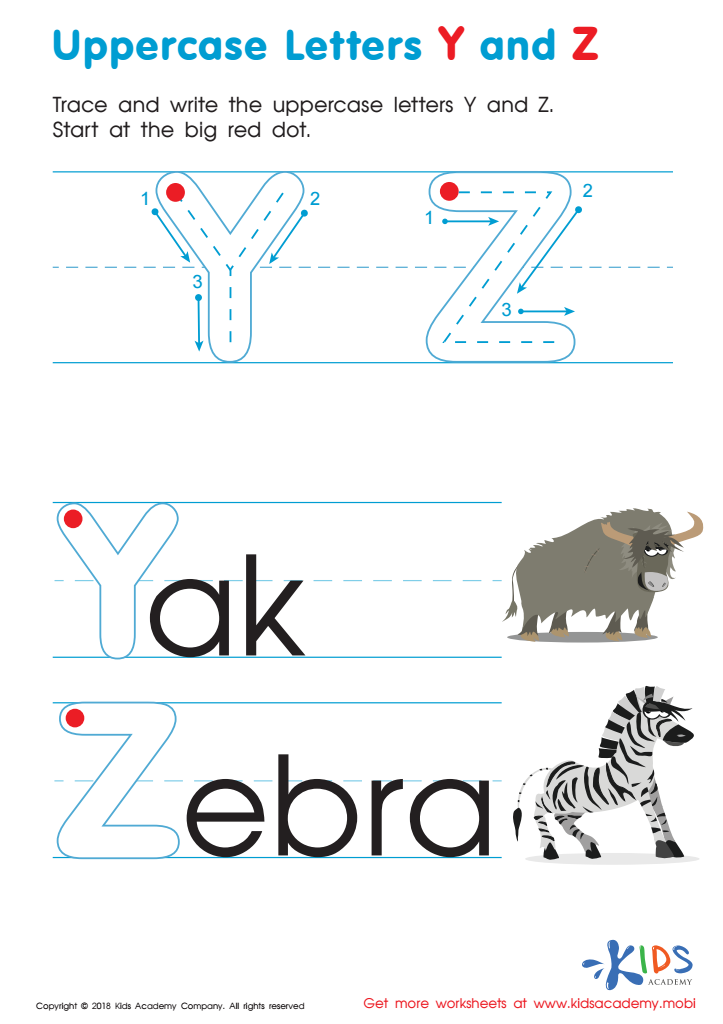
Uppercase Letters Y Z Worksheet
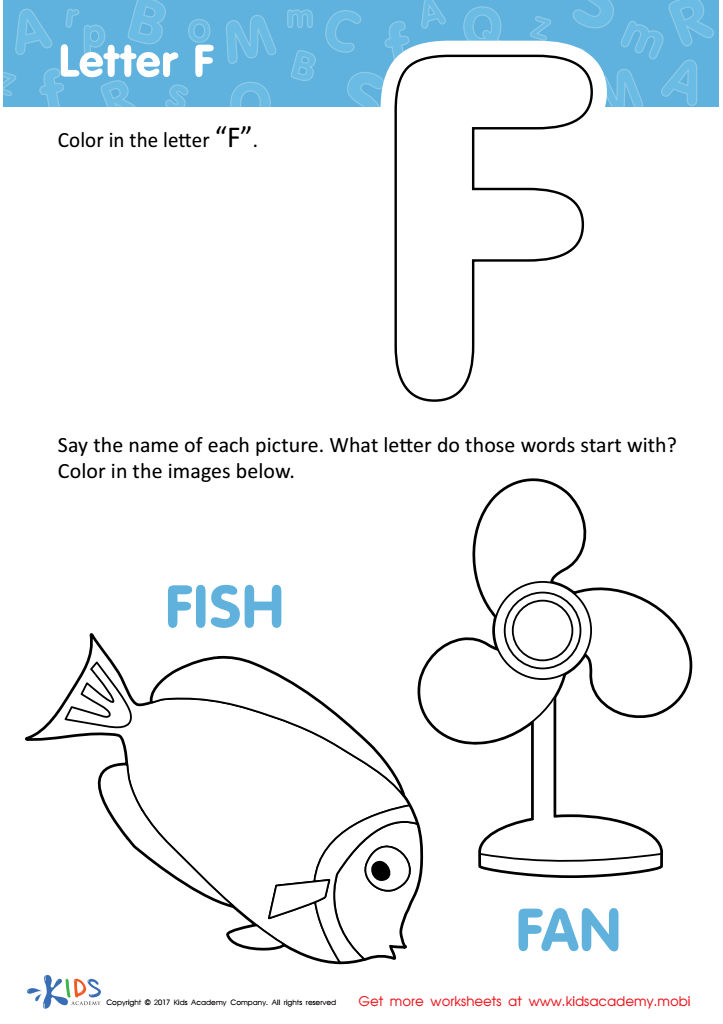
Letter F Coloring Sheet
 Assign to My Students
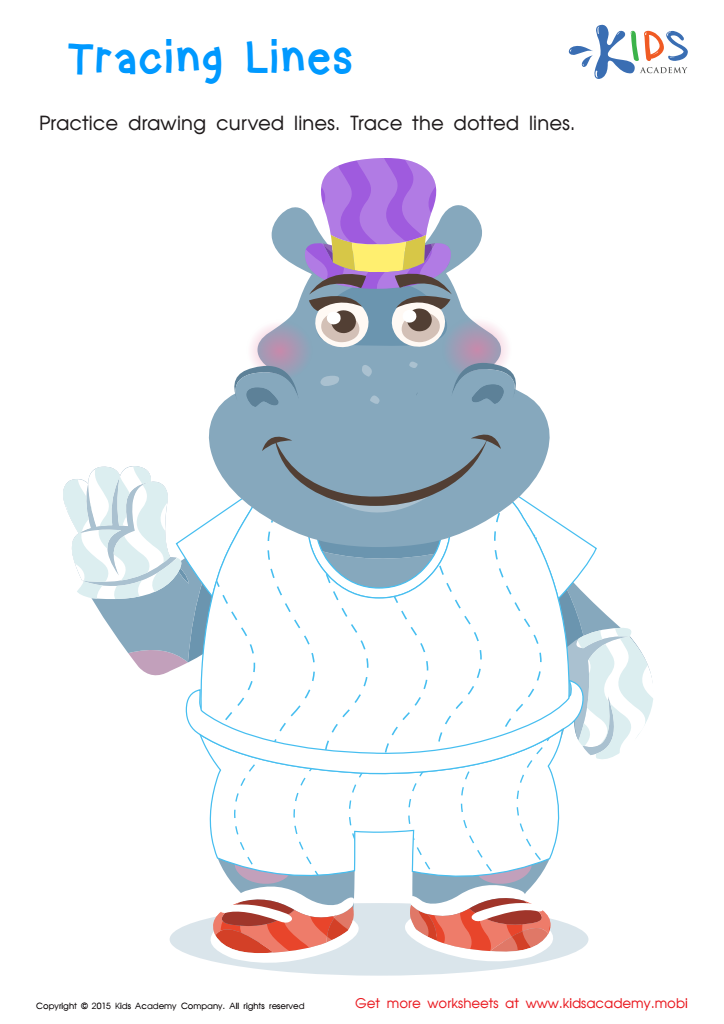
Tracing Lines Worksheet
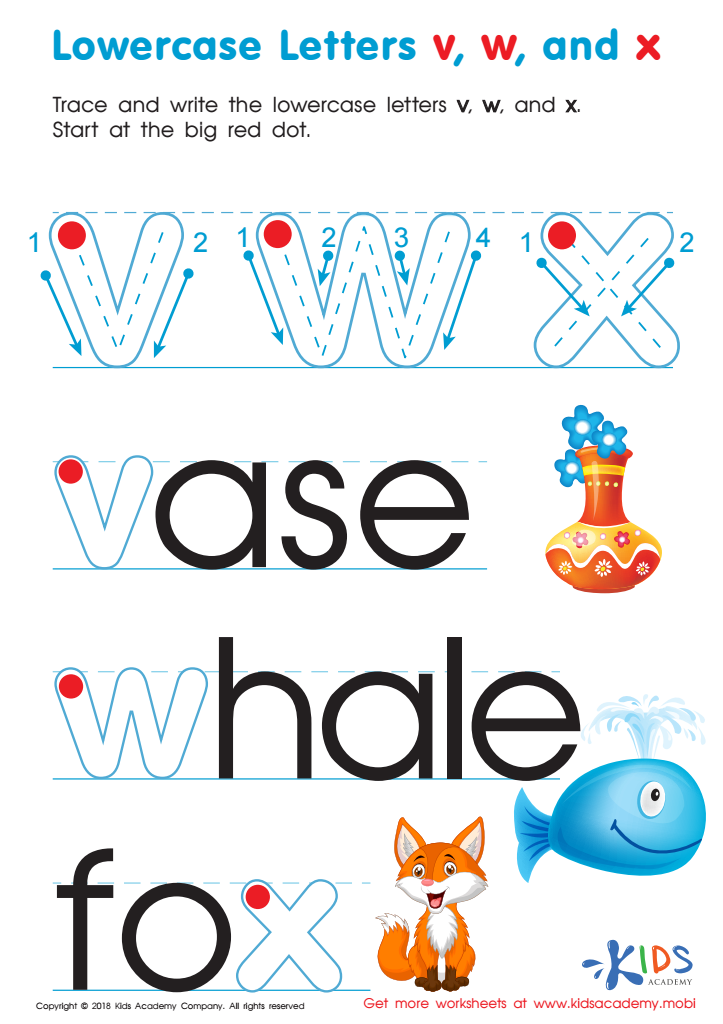
Lowercase Letters v w x Worksheet
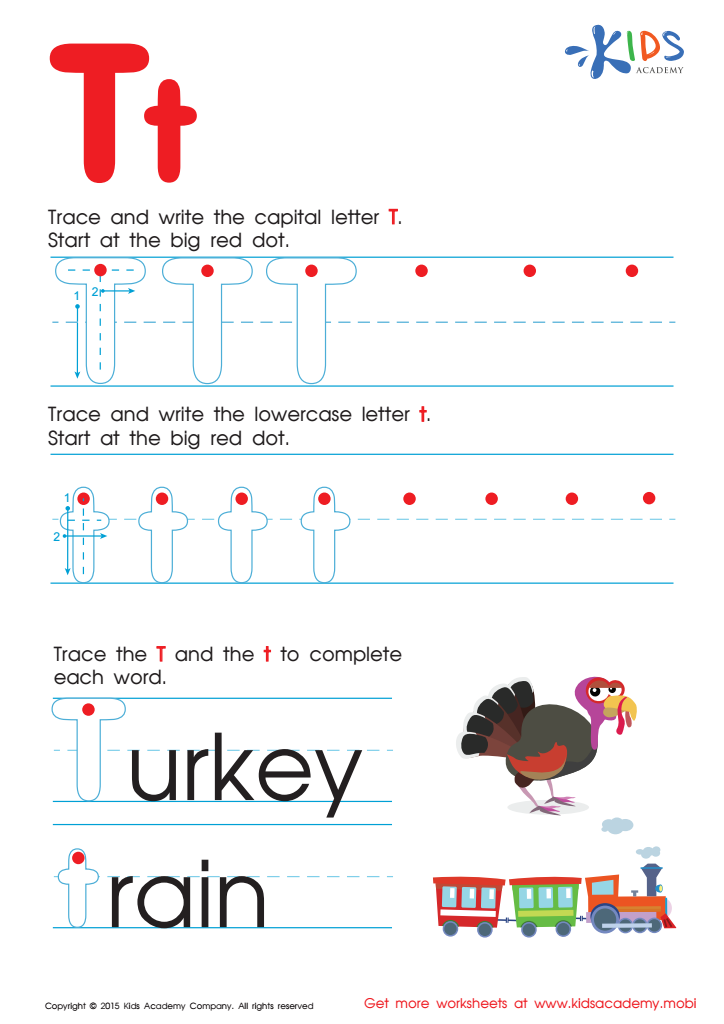
Letter T Tracing Page
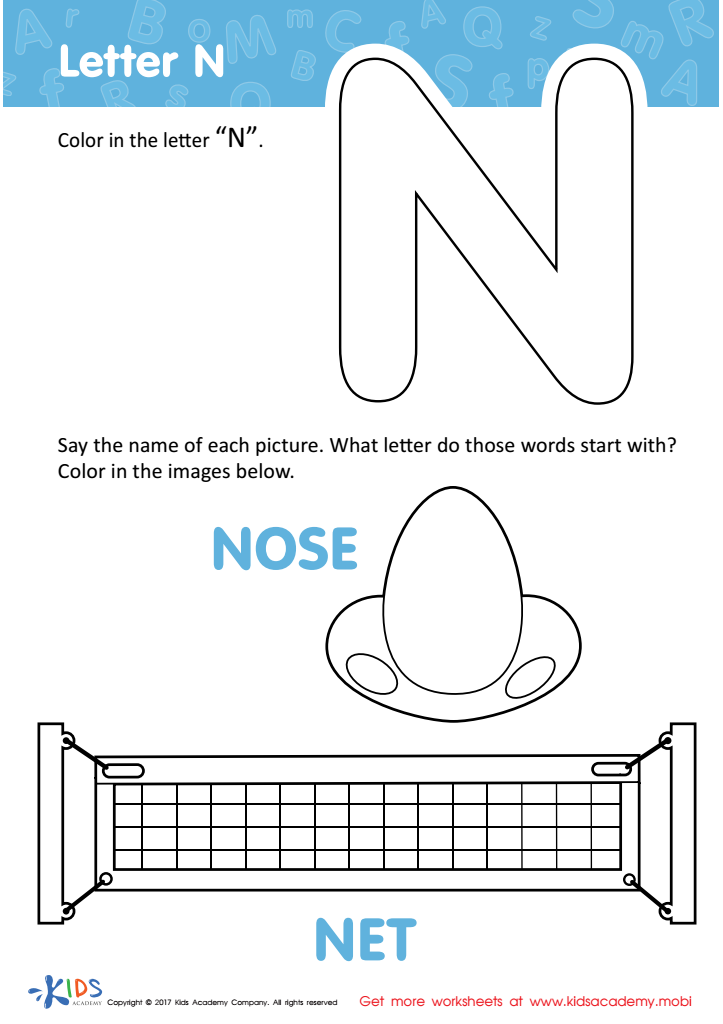
Letter N Coloring Sheet
Assign to My Students
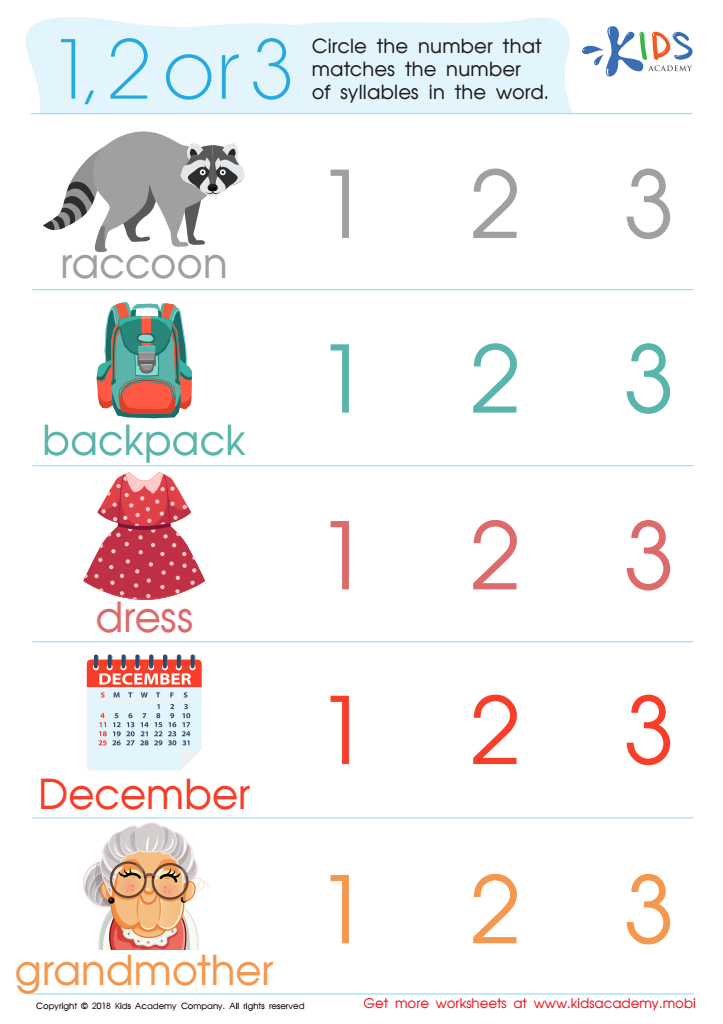
1, 2 or 3? Worksheet
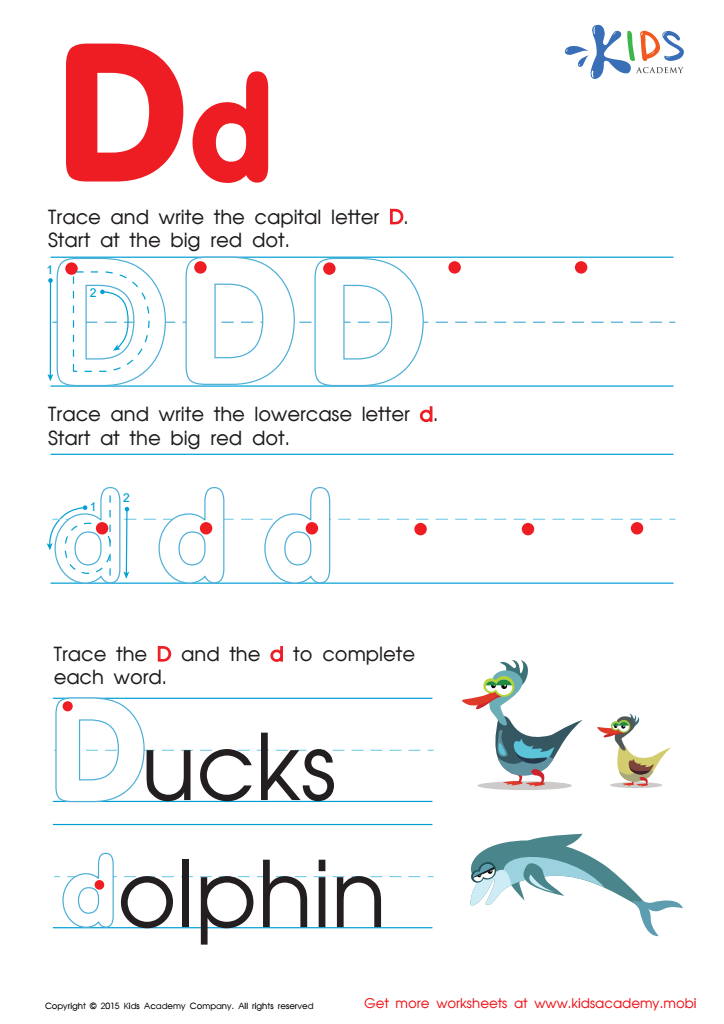
Letter D Tracing Page
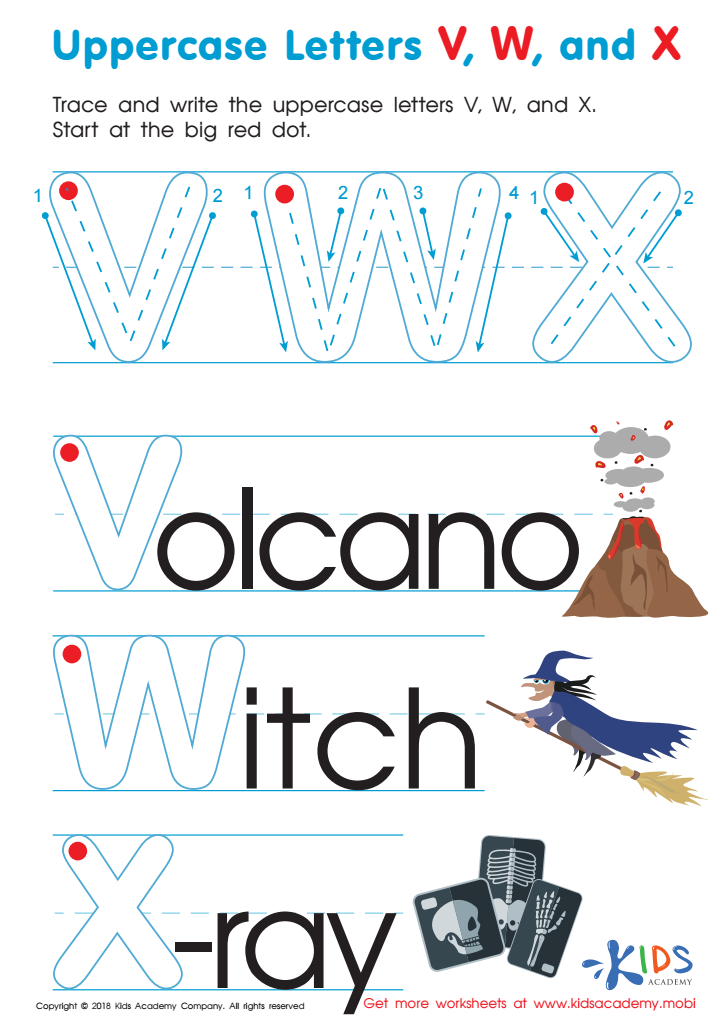
Uppercase Letters V, W, and X Worksheet
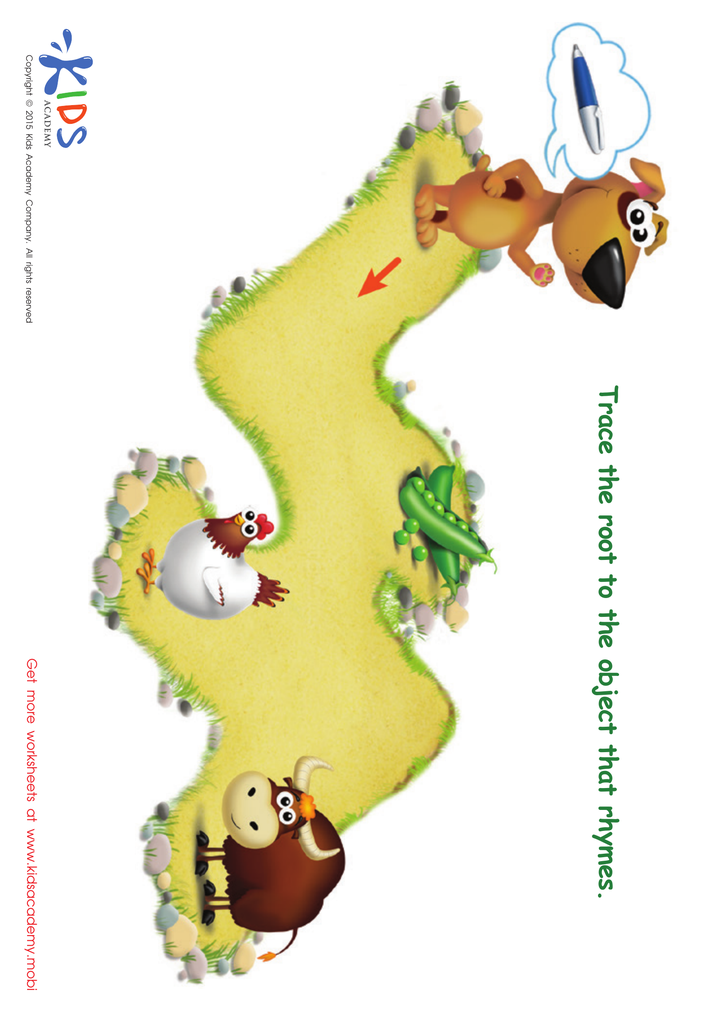
Pen Rhyming Words Worksheet








Fine motor skills are essential for children aged 5-7 as they form the foundation for numerous everyday activities and academic tasks. These skills involve the coordination of small muscles in the hands and fingers, crucial for writing, drawing, and manipulating objects. As children learn to recognize and form letters, strong fine motor abilities enable them to hold writing instruments correctly and develop legible handwriting.
Furthermore, fine motor skills contribute to overall cognitive development. They encourage concentration, coordination, and spatial awareness. Engaging in activities that promote these skills—like tracing the alphabet, using scissors, or completing puzzles—enhances children's ability to learn and retain new information.
Additionally, fine motor skills are closely linked to self-esteem and independence. As children improve their dexterity and control, they gain confidence in their ability to complete tasks independently, whether tying their shoes or working on school projects.
Parents and teachers should prioritize fine motor skill development, as it not only supports academic success but also fosters independence and confidence in young learners. By incorporating engaging activities related to alphabet learning into their routine, adults can help children thrive both in and out of the classroom.







